Attractions and Places To See around Toul - Top 20
Best attractions and places to see around Toul include historical fortifications, religious architecture, and natural landscapes. Situated on the Moselle River near the Marne-Rhine Canal, the town offers a rich cultural heritage from its past as a Free Imperial City. The surrounding region features the Côtes de Toul vineyards and forests, providing diverse outdoor opportunities. Visitors can explore a blend of historical sites and scenic natural areas.
Best attractions and places to see around Toul
- The most popular attractions is…
Last updated: October 10, 2026
Along the Moselle near Maron
Highlight (Segment) • Cycleway
Translated by Google •
Tip by

Saint Stephen's Cathedral, Toul
Highlight • Religious Site
Translated by Google •
Tip by

Sign up now to discover places like this
Get recommendations on the best single tracks, peaks, & plenty of other exciting outdoor places.
Toul Cathedral
Highlight • Religious Site
Translated by Google •
Tip by

Lourdes Grotto
Highlight • Gorge
Translated by Google •
Tip by

Fort de Villey-le-Sec
Highlight • Historical Site
Translated by Google •
Tip by

Rosary Chapel
Highlight • Other
Translated by Google •
Tip by
Saint-Pierre de Liverdun church
Highlight • Religious Site
Translated by Google •
Tip by

Vauban Fortifications, Toul
Highlight • Other
Translated by Google •
Tip by
Historic Electric Locomotive of Villy-Saint-Étienne
Highlight • Monument
Translated by Google •
Tip by
Authentic Liverdun Madeleines
Highlight • Cafe
Tuesday 9:00 a.m. - 12:00 p.m. 2:00 p.m. - 6:00 p.m
Wednesday 9:00 a.m. - 12:00 p.m. 2:00 p.m. …
Translated by Google •
Tip by
Sign up for free to discover even more attractions around Toul.
Already have an account?
Start today with a free account
Your next adventure awaits.
Popular around Toul
GR5 — The Europe Trail from Abreschviller to Apach
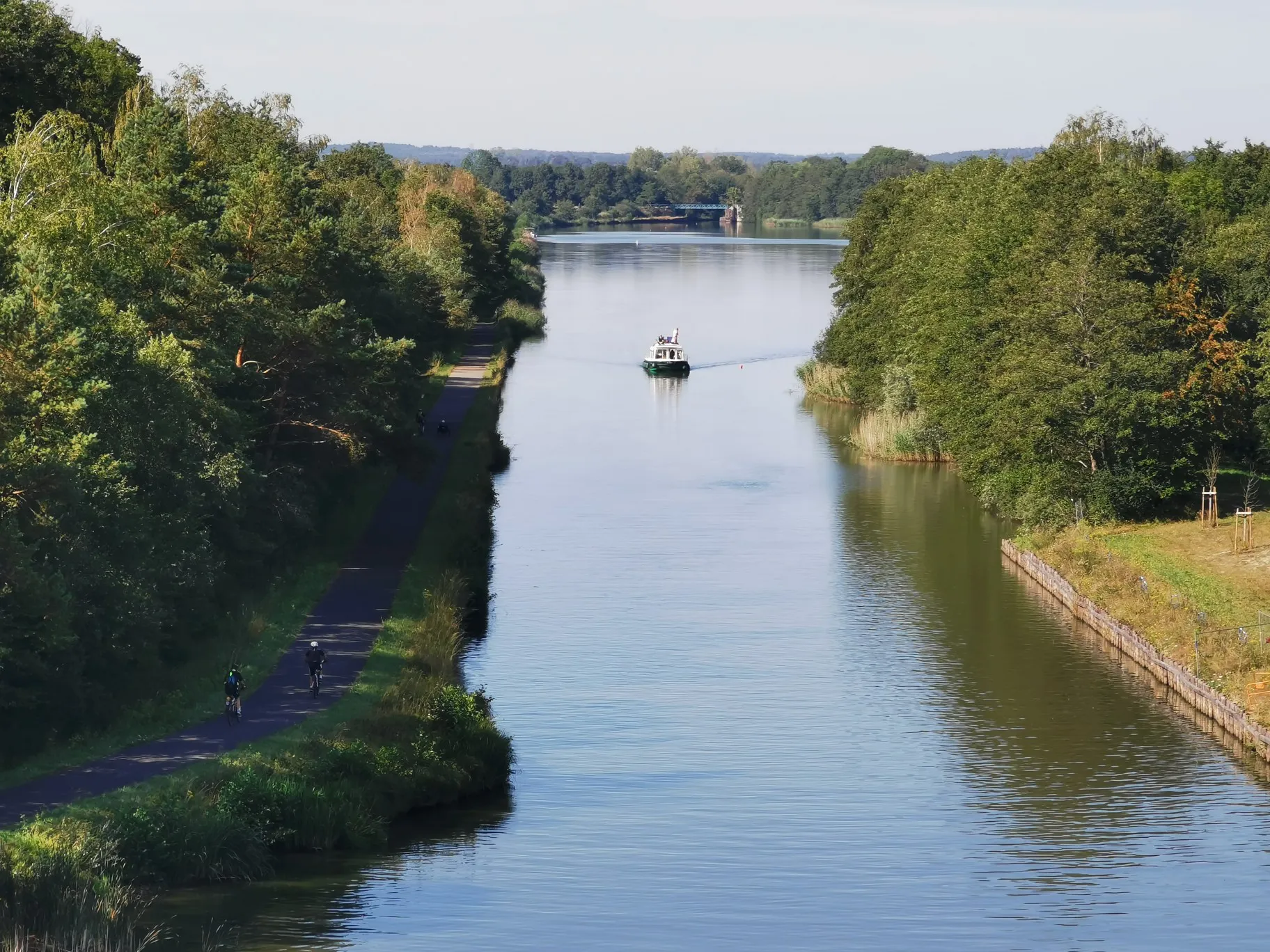
A river getaway – along the Marne-Rhine Canal
A cycling adventure from Paris to Prague – Pan-European Cycle Route
Cycling around Toul
Hiking around Toul
Road Cycling Routes around Toul
Running Trails around Toul
MTB Trails around Toul

Gravel biking around Toul


Tips from the Community

Very lovely walk in the vineyards, just above the chapel and directly from Pagney-derriere-Barine. As for the chapel, unfortunately, some dreadful work has just been carried out on the site and has totally massacred it, and both the cave and its surroundings have become a sort of Barbapapa village… What a pity…
0
0

The historic electric locomotive from Villey-Saint-Étienne stands on the banks of the Moselle, not far from Toul. It was formerly used to pull barges from the bank with a rope through the canal. It thus replaced the work of humans and draft animals that had been common until then. Even in the 1950s and 1960s, it was in operation on the rails along the canal. In 2013, the municipality had the locomotive restored. Today, it stands by the cycle path and is a reminder of the former inland navigation in the region.
1
0

For the meditative contemplation of the faithful during the prayer of the Rosary, there are several text variants. According to ancient tradition, the Church knows three versions – referred to as "Mysteries" (from the Greek "Mysterion", which in theology means the revelation of something that would not be accessible to us humans without God's help"): the 'Joyful Mysteries' / the 'Sorrowful Mysteries' / the 'Glorious Mysteries'. His Holiness Pope John Paul II supplemented them in October 2002 with the Apostolic Letter "Rosarium Virginis Mariae" by adding the 'Luminous Mysteries'. Furthermore, it is not at all uncommon for a Rosary devotion in various parishes or groups to be expanded with formulations. A special variant, which I once found on a prayer sheet and would like to present here, is the "Peace Rosary", in which the five mysteries are as follows: + Jesus, at whose birth angels announced peace (cf. Lk 2:8-14) + Jesus, who directs our steps on the path of peace (cf. Lk 1:67-79) + Jesus, who has blessed those who peacemake (cf. Mt 5:3-12a) + Jesus, who sent his disciples to bring peace (cf. Mt 10:7-13) + Jesus, who has left us his peace (cf. Jn 14:23-27)
0
0

Here you can find delicious madeleines, small sponge cakes, in a wide variety of flavors. The shop is also open on Sundays until 6 p.m.
0
0

Very family-friendly walking route
1
1

Rest area with fitness equipment
1
1

The cult of the Virgin is ancient in Lorraine, particularly on the Hill of Sion. The apparitions of Lourdes after those of La Salette mark the souls of a very Christianized population in the countryside. Pilgrimages to Lourdes gained momentum in the 1880s. In 1883, there were 1,600 pilgrims from Lorraine. The momentum was given. The idea naturally came to evoke or reproduce the Massabielle cave. https://www.bruley.mairie54.fr/fr/la-replique-de-la-grotte-de-lourdes.html
4
0
The general plan of the Rosary Chapel is reminiscent of the Rosary Basilica in Lourdes. It was built from 1892 to 1894 to the plans of the architect Jacquemin at the initiative of Canon Demange and then his brother. The chapel has three alveoli for the three mysteries: joyful mystery, painful mystery, glorious mystery. Each cell has five windows and five tables. The entire esplanade and the Rosary chapel were listed in the supplementary inventory of Historic Monuments in July 2005. https://www.bruley.mairie54.fr/fr/la-chapelle-du-rosaire.html
4
0
Frequently Asked Questions
What historical and architectural sites can I explore in Toul?
Toul boasts a rich history evident in its architecture. The magnificent Saint Stephen's Cathedral, Toul, a Gothic masterpiece with one of France's largest cloisters, is a must-see. You can also visit the Collegiate Church Saint-Gengoult, known for its 16th-century cloister, and the Vauban Fortifications, Toul, which highlight the town's military past. Don't miss the historic city center with its medieval side streets and buildings like the House of the Knights of Malta.
Are there any military history sites around Toul?
Yes, Toul's military heritage is well-preserved. The Fort de Villey-le-Sec, built between 1875 and 1879, offers a unique insight into 19th-century fortifications. The town's ramparts, fortified by Vauban in the 17th century and later by General Séré de Rivières, are also significant historical landmarks.
What natural features and outdoor activities are available near Toul?
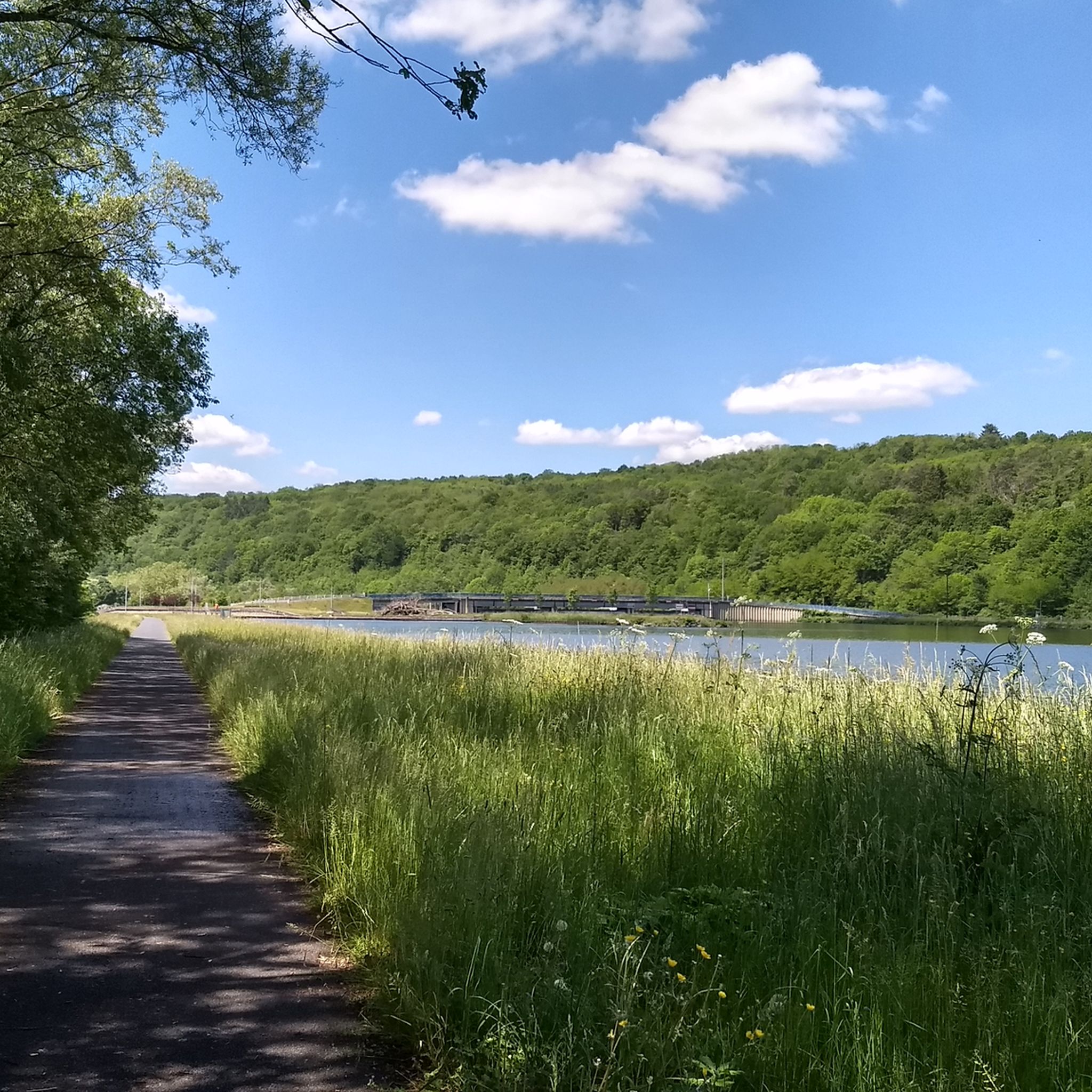
Toul is situated on the Moselle River, near the Marne-Rhine Canal. The Along the Moselle near Maron offers a pleasant paved cycle path through nature, providing views of wooded hills. The Moselle Loop is excellent for hiking and cycling. Additionally, the Côtes de Toul vineyards, the Forest of Haye, and the Forest of Goupil provide natural spaces for various outdoor pursuits.
Are there family-friendly attractions in Toul?
Yes, several attractions are suitable for families. The Toul Cathedral is listed as family-friendly, offering an impressive architectural experience. Exploring the historic city center with its medieval streets can also be an engaging activity for all ages. For leisure, the Ovive - Aquatic Center Toulois provides facilities for family recreation.
What kind of hiking and cycling routes can I find near Toul?
The region around Toul offers diverse routes for hiking and cycling. For cyclists, the path Along the Moselle near Maron is a popular choice. You can find numerous road cycling routes, such as 'The town overlooking the Moselle – Moselle Riverside Path loop from Toul', and mountain biking trails, including 'Fort d'Ecrouves (Remains) – Lourdes Grotto loop from Trondes'. For more details on these and other routes, visit the Road Cycling Routes around Toul or MTB Trails around Toul guides.
Where can I experience local culture and markets in Toul?
To experience local life, visit Toul's weekly markets. A general market is held on Wednesday and Friday mornings on rue Jeanne d'Arc and Place des Trois Évêchés. For local produce, a 'country' market takes place on Saturday mornings at Place Pierre Schmidt, often near the Fountain of Place Ronde in Toul. The Municipal Museum of Art and History also traces the city's history and culture.
Are there any unique religious sites or grottoes to visit?
Beyond the main cathedrals, you can visit the Lourdes Grotto, a replica of the famous pilgrimage site, which reflects the strong Marian devotion in the region. The Saint-Pierre de Liverdun church is another notable religious building in the vicinity.
What is the best time of year to visit Toul for attractions and outdoor activities?
Toul offers attractions year-round. For outdoor activities like cycling and hiking along the Moselle, spring and summer provide pleasant weather. The region also hosts cultural events, such as a Bach festival from June to September and a Wine Fair in April, making these seasons particularly vibrant. The St. Nicholas' festival in December offers a festive atmosphere for winter visitors.
Are there any unique local culinary experiences in Toul?
While exploring the region, you might encounter the local specialty, the 'Authentic Liverdun Madeleines'. You can find these at Authentic Liverdun Madeleines, a cafe that offers this traditional treat.
What do visitors enjoy most about the attractions around Toul?
Visitors frequently praise the impressive architecture of the Saint Stephen's Cathedral, Toul, particularly its flamboyant Gothic style and large cloister. The scenic beauty of the Along the Moselle near Maron cycle path is also highly appreciated for its natural setting and peaceful atmosphere. The historical significance of sites like the Fort de Villey-le-Sec also draws considerable interest.
Are there any wheelchair accessible attractions in Toul?
Yes, some attractions in Toul are noted for their accessibility. The Authentic Liverdun Madeleines cafe and the Fountain of Place Ronde in Toul are listed as wheelchair accessible, allowing for easier enjoyment for all visitors.
Most popular routes around Toul
Most popular attractions around Toul

Get inspired with the komoot mobile app


Didn’t find what you were looking for?
Are you keen on exploring more awesome places nearby? Browse our guides:
Explore more
Still not found the Highlight you’re looking for? See guides of the top attractions in other regions:
