Top 20 Natural Monuments around Sarreguemines
Best natural monuments around Sarreguemines include diverse ecological sites and geological features within the Moselle department of France. The region features wetlands, marly grasslands, and significant geological structures like the Synclinal de Sarreguemines. These areas provide habitats for varied flora and fauna, contributing to the region's natural heritage. Visitors can explore protected natural areas that showcase unique ecosystems.
Best natural monuments around Sarreguemines
- The most popular natural monuments is Hanau Pond, a lake that features a peat bog on…
Last updated: October 13, 2026
Altschlossfelsen (Southwest Section)
Highlight • Natural Monument
Translated by Google •
Tip by

Hanau Pond
Highlight • Lake
On the west bank of the crystal clear Hanauer pond is a peat bog - the only …
Translated by Google •
Tip by

Sign up now to discover places like this
Get recommendations on the best single tracks, peaks, & plenty of other exciting outdoor places.
Lieschbach Pond
Highlight • Lake
Translated by Google •
Tip by

Ramstein Castle
Highlight • Castle
Translated by Google •
Tip by
Diana Relief (Diana image)
Highlight • Monument
Translated by Google •
Tip by

12 Apostles Stone / Breitenstein
Highlight • Monument
In 1787 it was carved with the effigies of the twelve apostles.
Translated by Google •
Tip by

Reinheim Princess Burial Mound
Highlight • Historical Site
Translated by Google •
Tip by

Croix Saint-Hubert
Highlight • Monument
See also: club-vosgien-lemberg.net/wordpress/?page_id=178
Translated by Google •
Tip by

Rothenburg Castle
Highlight • Castle
Translated by Google •
Tip by

Garden for Peace
Highlight • Natural
Translated by Google •
Tip by

Sign up for free to discover even more natural monuments around Sarreguemines.
Already have an account?
Start today with a free account
Your next adventure awaits.
Popular around Sarreguemines
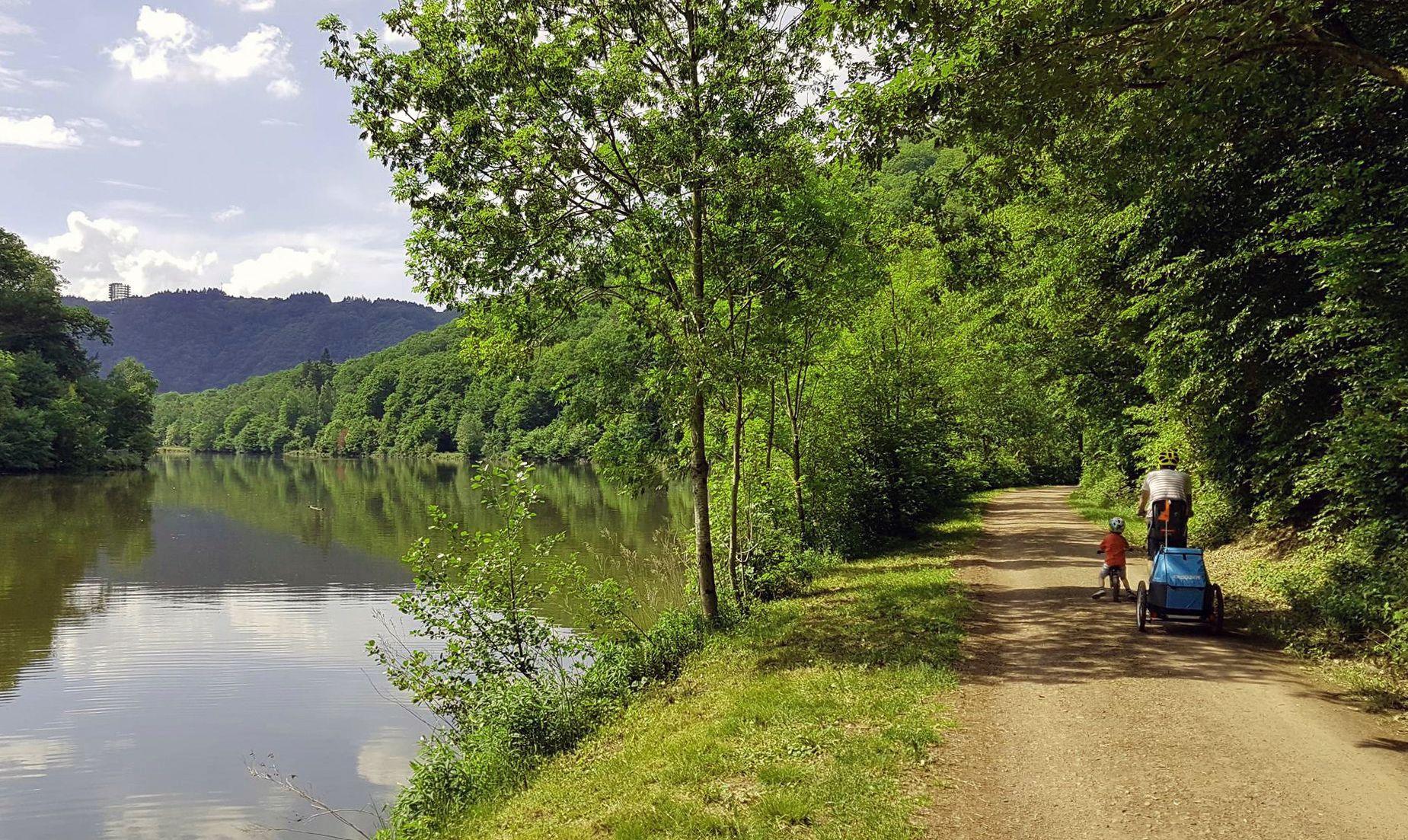
Saar Cycle Route — through the Saarland to the Moselle
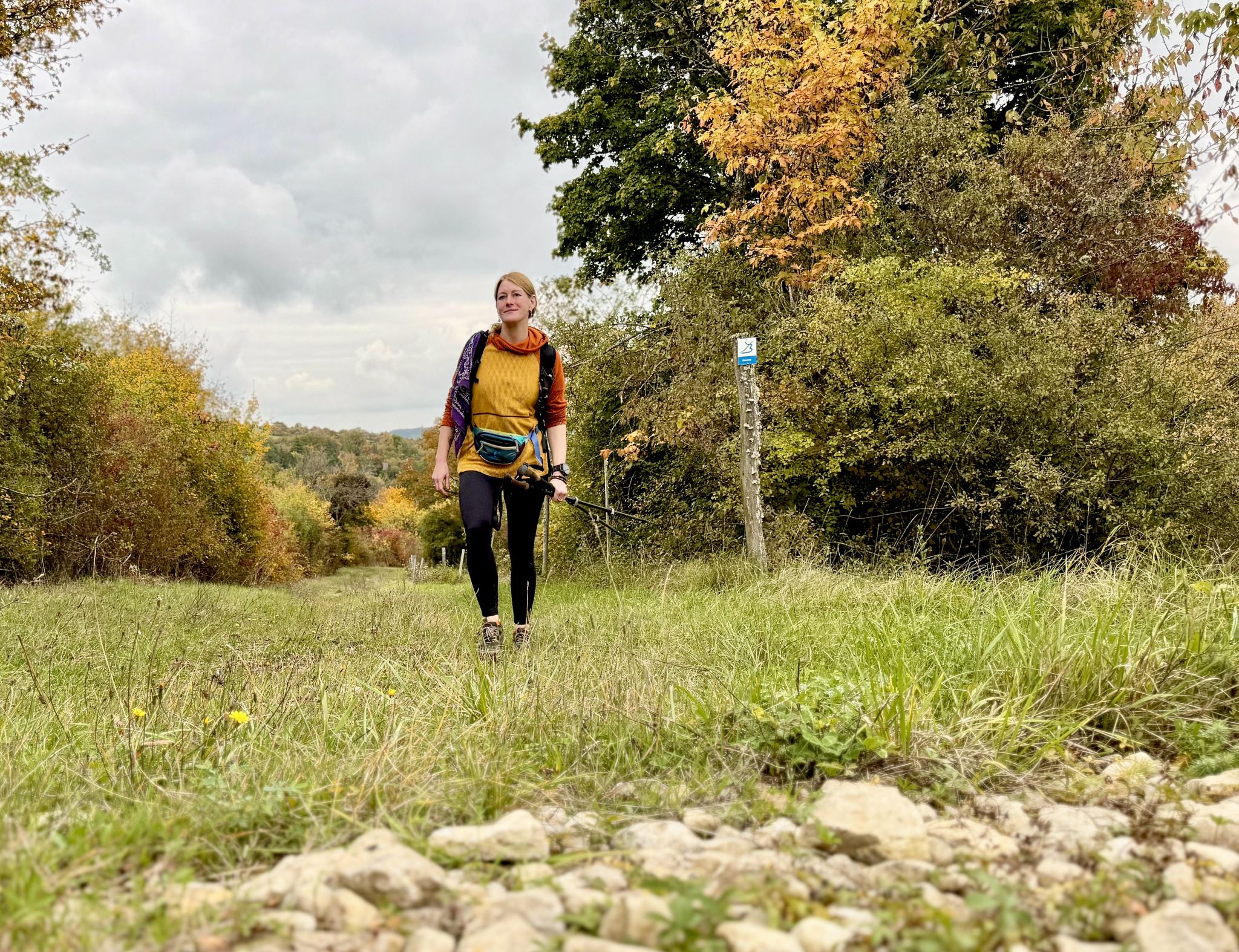
The Bliessteig – Saarland's colorful autumn dream
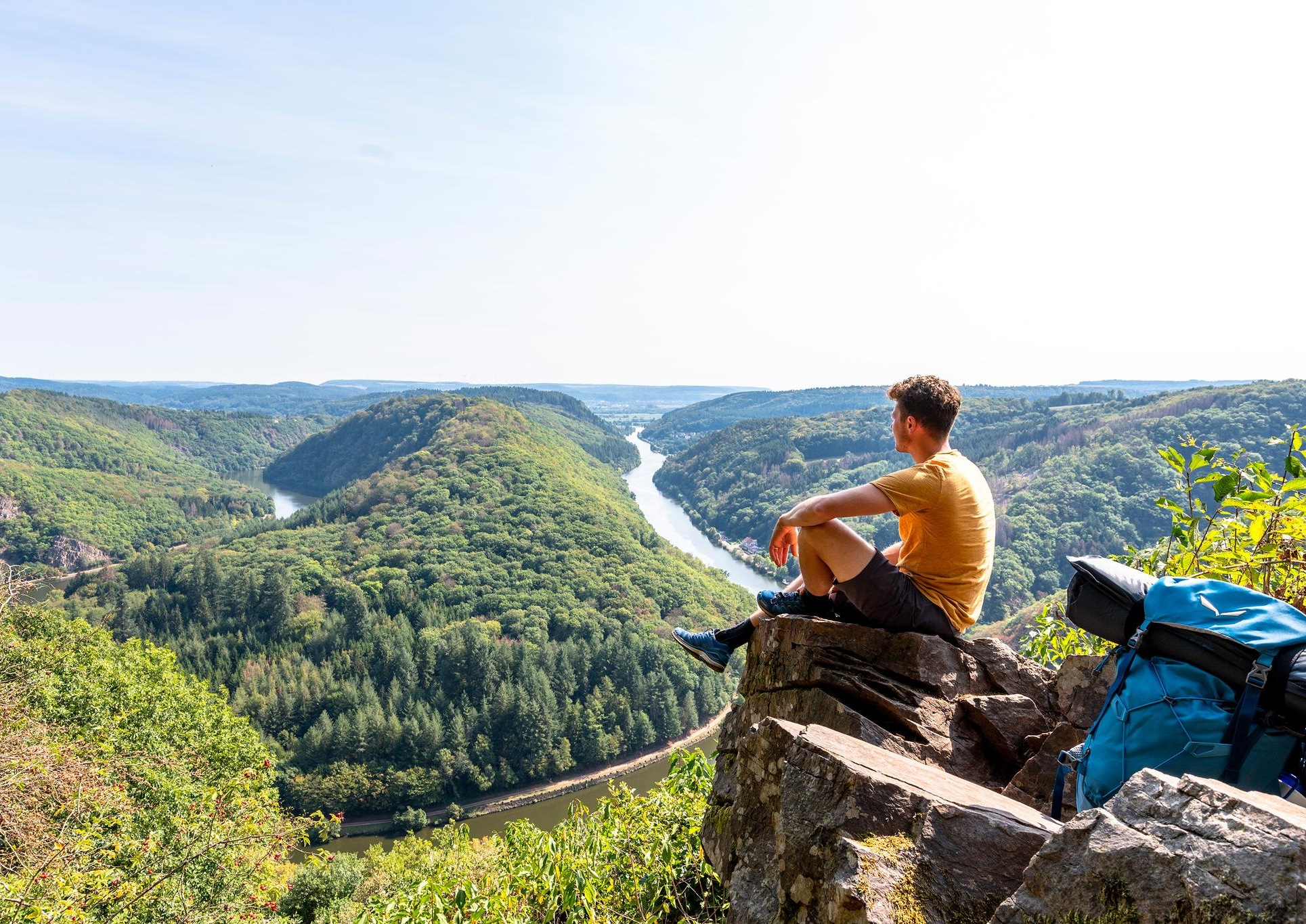
So close, so diverse – the most beautiful hikes in Saarland
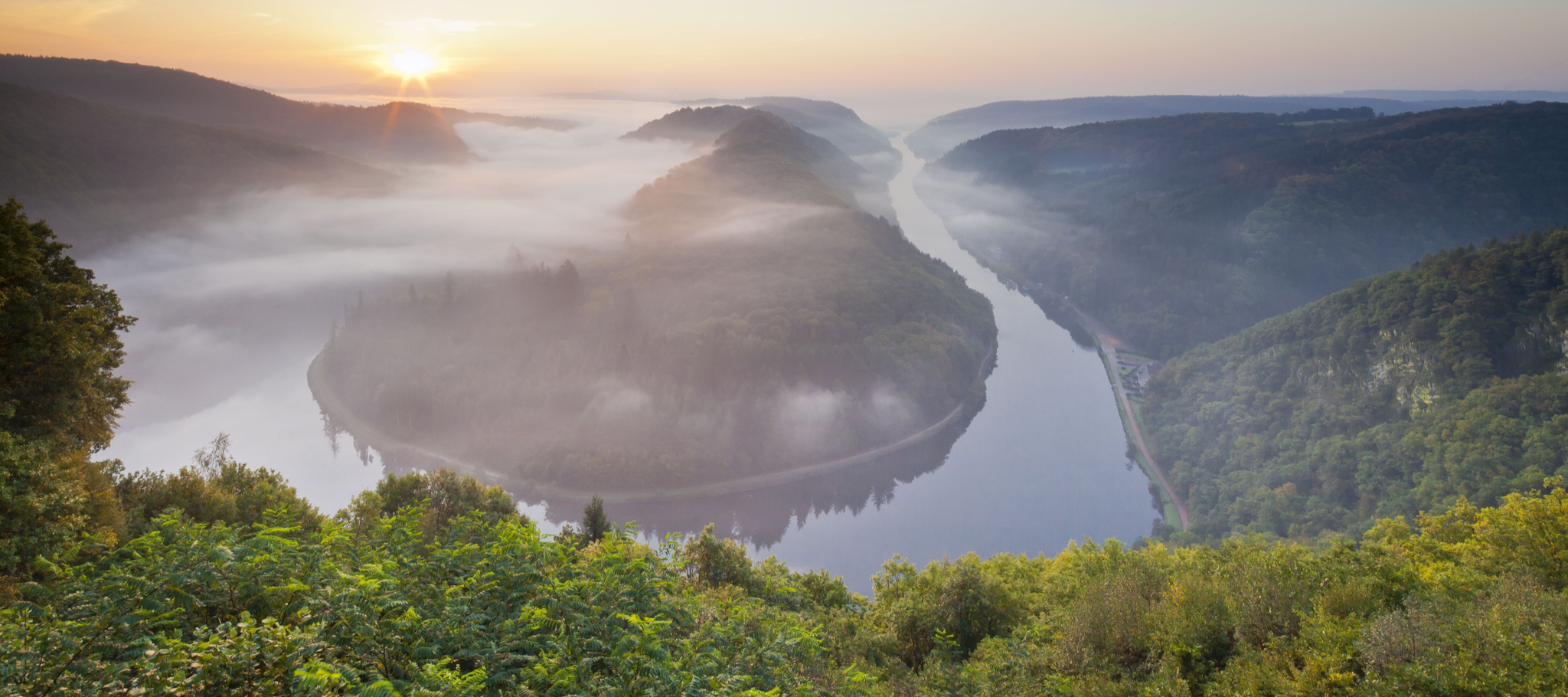
Between the Saarschleife and the Blies – the most beautiful hikes in Saarland
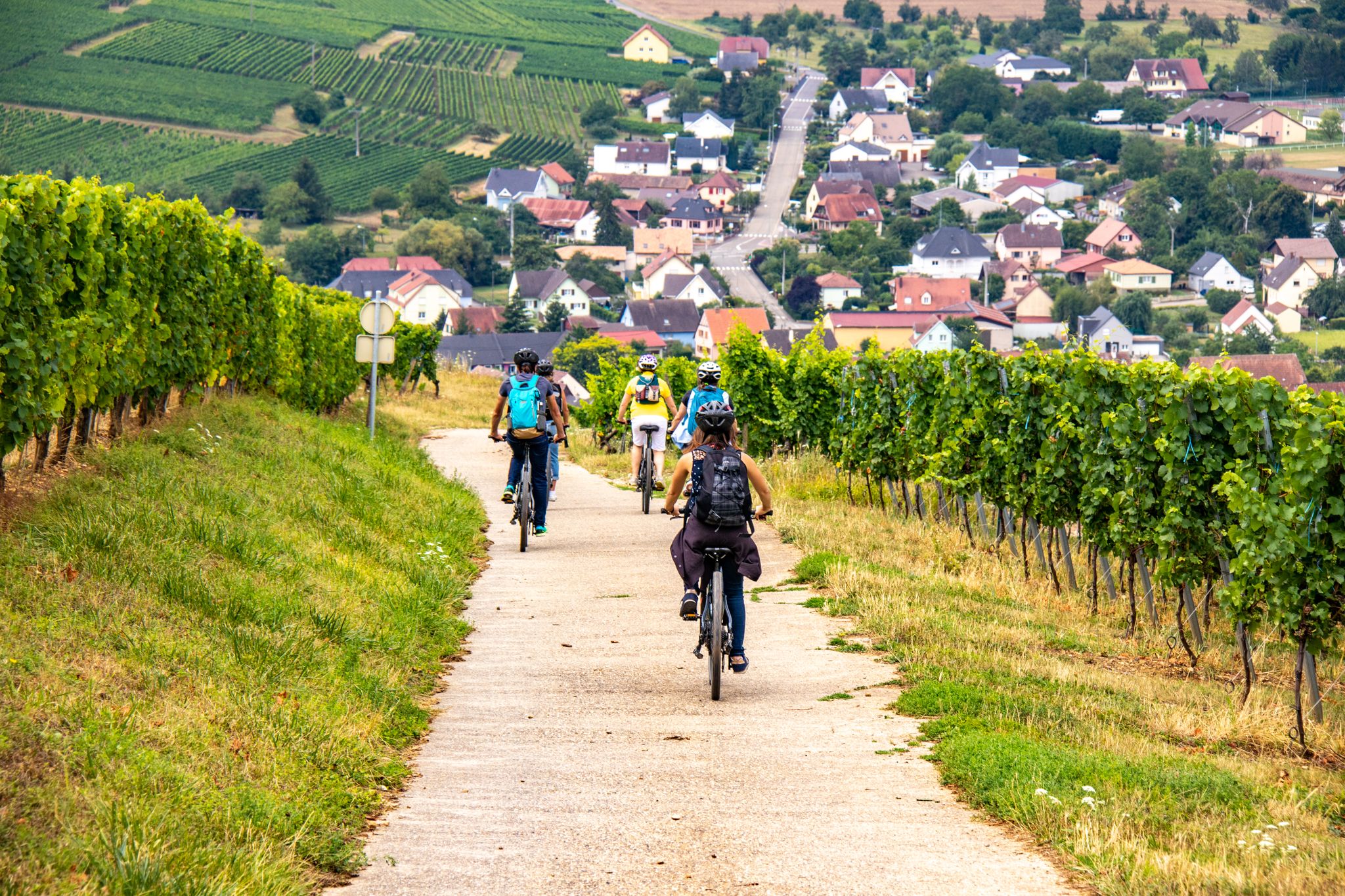
EuroVelo 5 - Via Romea (Moselle - Alsace)
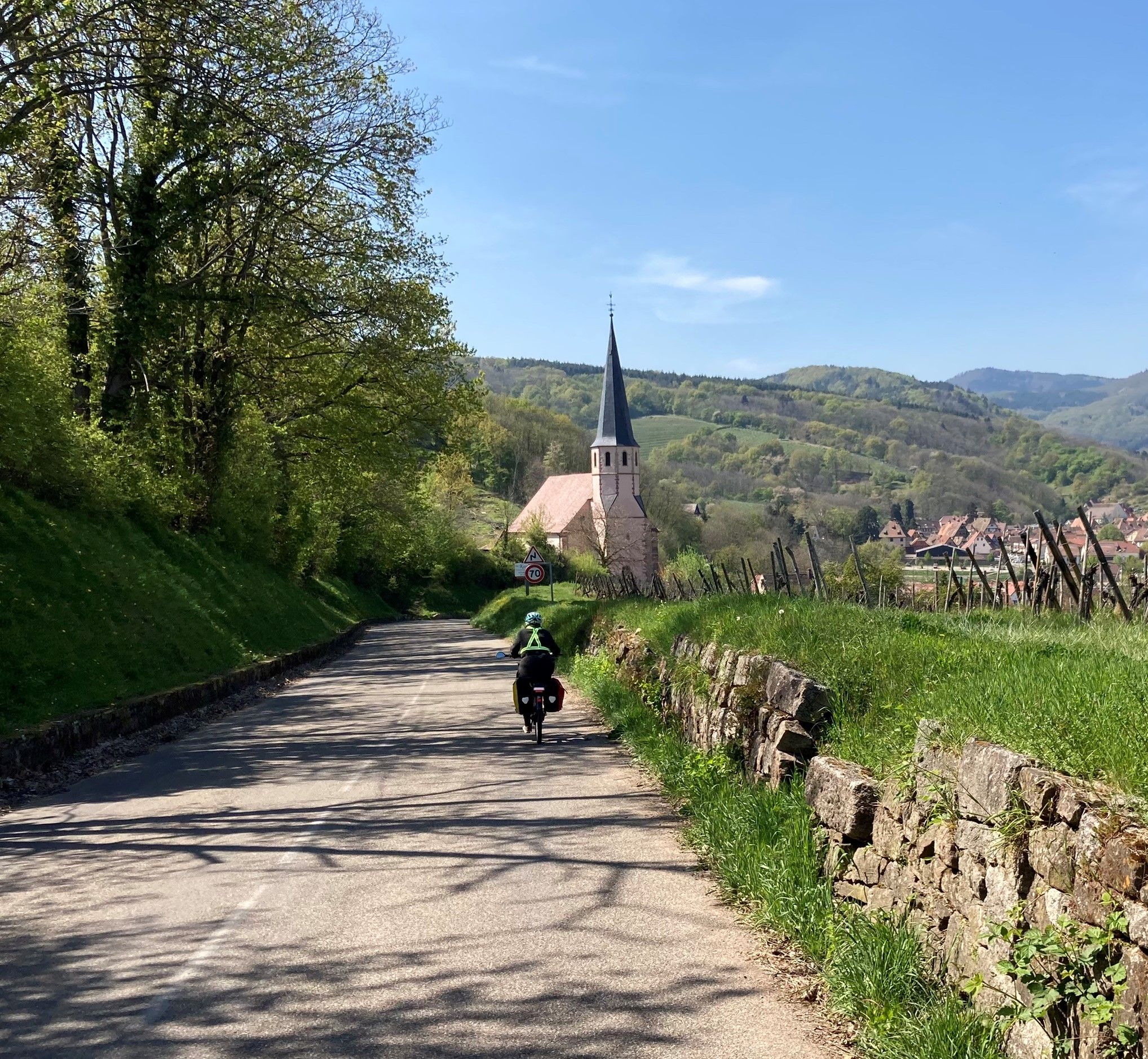
The Via Romea Francigena in Alsace-Moselle – EuroVelo 5
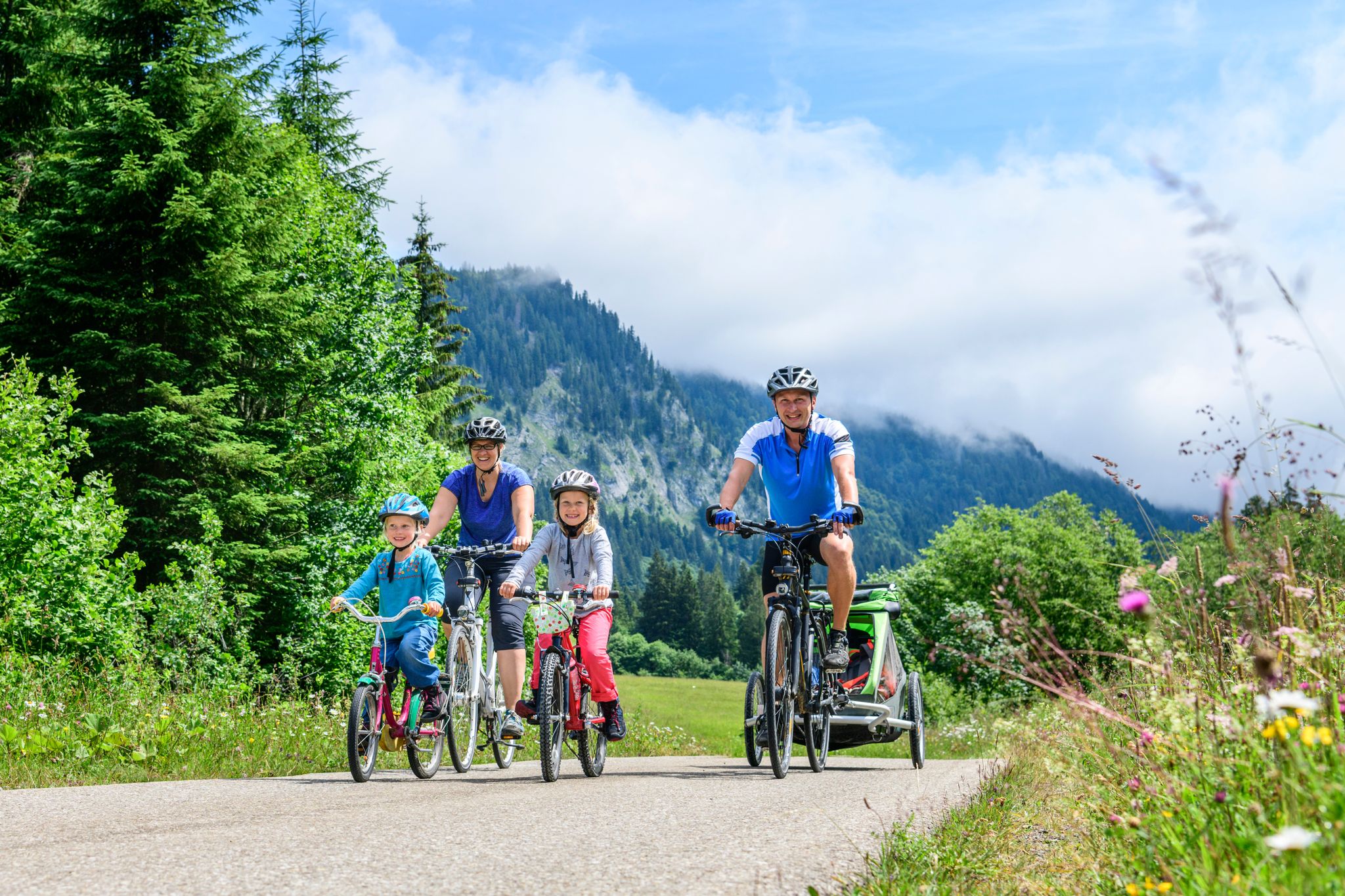
German Cycling Network – Cycling all over the country on the D-Routes
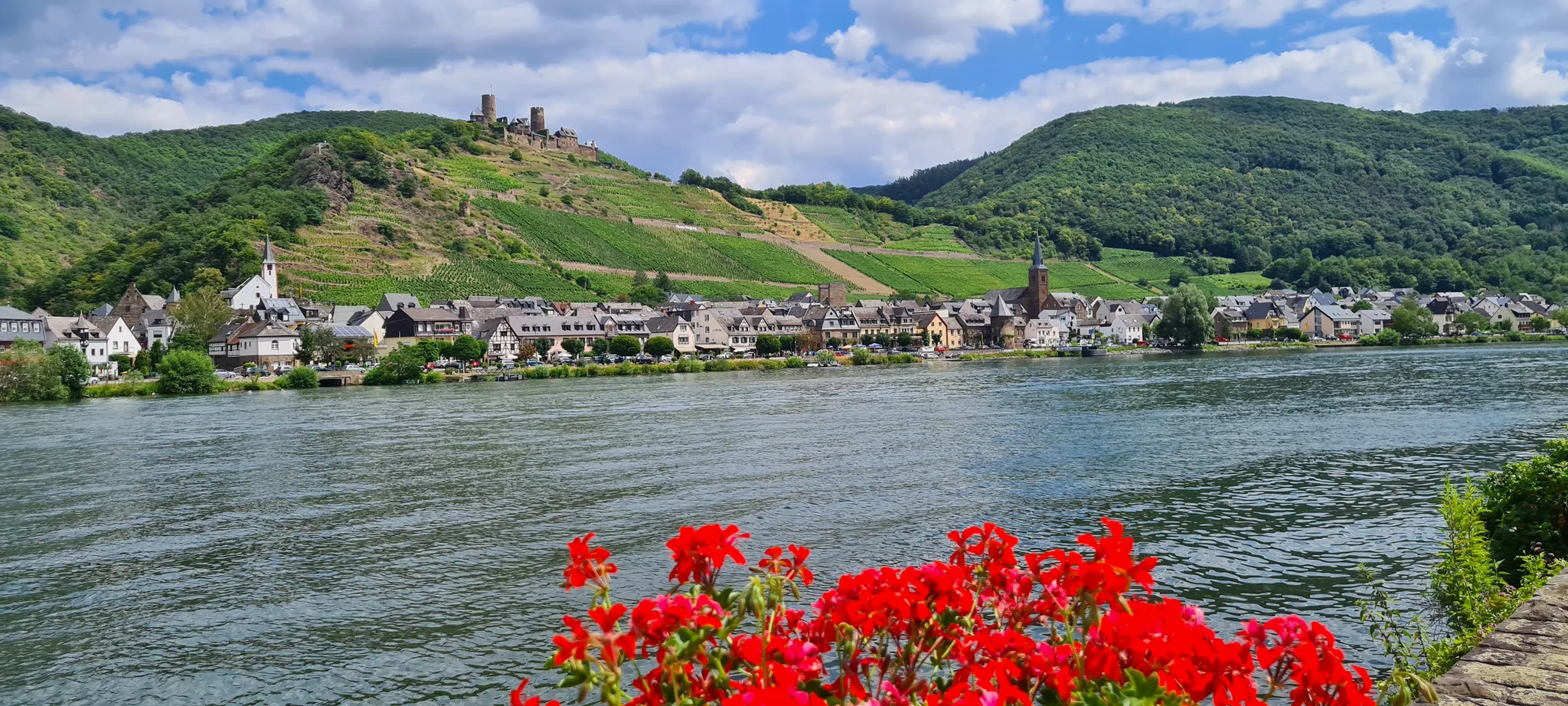
D-Route 5: Saar-Moselle-Main
The Glan-Blies cycle path - in 5 stages from Saarland to the Palatinate
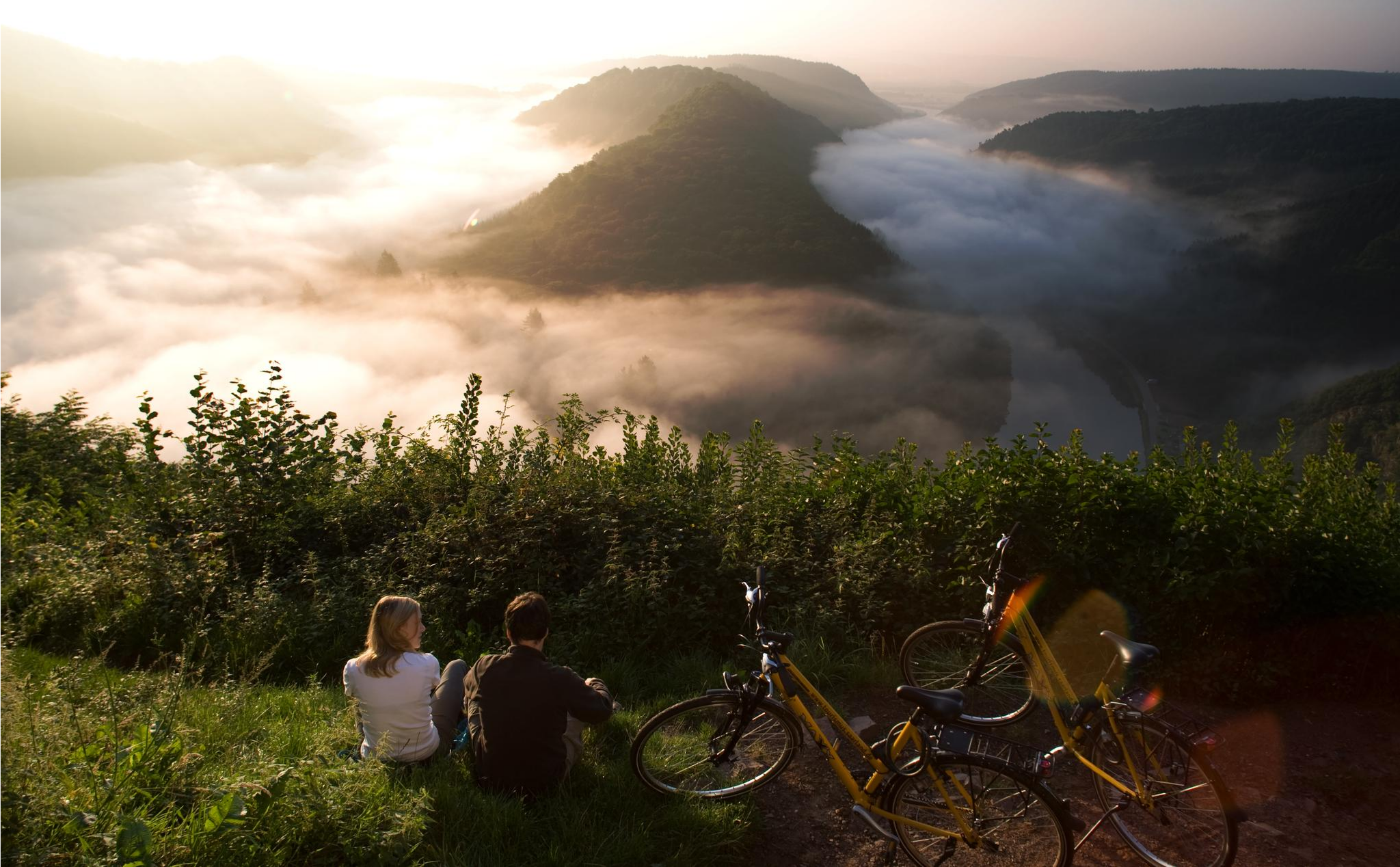
Von Saarbrücken bis zur Mosel – Radwege im Saarland
Other adventures around Sarreguemines


Tips from the Community

The garden is currently closed 😞 but will reopen in spring.
0
0

Accessible from various directions and/or accessible as a circular walk. The walk up the mountain is quite long.
0
0

At this spot, in the forest northeast of Lviv, the trees give way slightly, creating a clearing where, at an altitude of 420 meters, stands the small sacred monument known as the "Croix Saint-Hubert." A low stone wall and a wooden fence create a small "sacred precinct," at the center of which is the well-preserved cross. At the very bottom of the lower section is the well-known scene from the Life of Hubertus, featuring a stag with a cross between its antlers. Above it, at the very bottom, are reliefs of two figures, the one on the left identified as a monk with his tonsure and habit; between the two images, the year 1786. Above this, rises the actual cross, which also bears the body of the crucified Christ.
2
0

Beautiful, very playful and colorful garden
1
0

Unfortunately, not much of the ruins remains and nothing is really maintained here. It is somewhat overgrown. The narrow hiking trail to the ruins is a lot of fun. A detour is worthwhile for that reason alone.
0
0
Idyllic little lake where you can take great pictures. We liked it here when we walked past.
1
0

Beautiful wayside cross with a bench opposite. I liked to take a break here. Almost at the highest point of my tour. See also: https://www.club-vosgien-lemberg.net/wordpress/?page_id=178
0
0

Wikipedia The Twelve Apostles Stone (French: Pierre des douze Apôtres; also Breitenstein, Latin: Petra lata) is a prehistoric menhir on the connecting road between Meisenthal, Mouterhouse (both in the Moselle department) and Wingen-sur-Moder (Bas-Rhin department) in the Northern Vosges Nature Park (Parc Naturel Régional des Vosges du Nord). Since the Middle Ages it has formed a border marker between Alsace and Lorraine. The monolith, carved from a single block of red sandstone, is about four meters high. Its history is unclear. It is believed that it is a cult stone from the Celtic ("druidic") period. In 1787 the upper part was designed as a crucifixion group (the crucified Christ with two Marys). A simple relief with the twelve apostles was carved out below.
1
0
Frequently Asked Questions
What are some of the most appreciated natural monuments around Sarreguemines by visitors?
Visitors frequently enjoy Hanau Pond, known for its beautiful setting and a unique peat bog with information boards. Ramstein Castle, a 13th-century ruin, is also highly rated for its historical intrigue and panoramic views. Another favorite is Lieschbach Pond, particularly when its water lilies are in bloom.
Are there family-friendly natural monuments to visit near Sarreguemines?
Yes, several natural monuments are suitable for families. Hanau Pond and Lieschbach Pond offer pleasant walks around the water. The Reinheim Princess Burial Mound and 12 Apostles Stone / Breitenstein provide interesting historical context. Additionally, Waldeck Pond and the Garden for Peace are also categorized as family-friendly.
What unique geological features can be explored in the Sarreguemines area?
The region features the significant Synclinal de Sarreguemines, a remarkable geological fold in rock strata that offers insight into the Lorraine region's geological history. You can observe rock formations like Muschelkalk limestone. Additionally, the Ramstein Castle ruins are built on a prominent rocky outcrop, showcasing the natural landscape's influence on historical structures.
Are there historical natural monuments or sites of historical interest in the region?
Absolutely. The region is rich in historical sites often intertwined with natural settings. Key examples include Ramstein Castle, a 13th-century ruin on a rocky outcrop, and Rothenburg Castle. Other notable historical monuments are the Diana Relief (Diana image), the Croix Saint-Hubert, and the Reinheim Princess Burial Mound. The Garden for Peace also holds historical significance.
What kind of natural landscapes and ecosystems can I expect to see?
The Sarreguemines area offers a diverse range of natural landscapes. You can explore significant wetlands like the Ippling Moor, a Natura 2000 site with alkaline peat bogs and wet meadows, crucial for rare orchids and butterflies. The Kolmer Grasslands and Wetlands, located within a golf course, present a unique blend of marly grasslands, ponds, and woodlands supporting exceptional biodiversity. The Marly Grasslands at Grosbliederstroff are also protected for their rare plant associations and insect life.
What outdoor activities can I do near these natural monuments?
The region around Sarreguemines offers various outdoor activities. You can find easy hikes like the Altschlossfelsen Rock Circuit or the Hasselfurth Pond Loop. For more challenging options, explore waterfall hikes such as the Seilbach Waterfall loop. Road cycling enthusiasts can enjoy routes like the Saar Coalfields Canal loop. For detailed routes and guides, visit the easy hikes around Sarreguemines guide, the waterfall hikes guide, or the road cycling routes guide.
Are there specific natural areas known for their biodiversity?
Yes, the Ippling Moor is a European-level Natura 2000 site, recognized for its exceptional biodiversity, including rare orchids and butterflies. The Kolmer Grasslands and Wetlands are also a haven for diverse flora and fauna, hosting 69 bird species and rare amphibians. The Marly Grasslands at Grosbliederstroff are protected for their unique plant communities and various insect and bird species.
What is the best time to visit the natural monuments around Sarreguemines?
Spring and summer are generally ideal for observing the region's vibrant flora, such as the water lilies at Lieschbach Pond and Waldeck Pond, or the violet flowers in the marly grasslands. These seasons also offer pleasant weather for hiking and exploring. Autumn provides beautiful foliage, while winter can offer serene, quiet walks, though some areas might be less accessible.
Can I bring my dog to the natural monuments in Sarreguemines?
While many natural areas are generally dog-friendly, it's important to respect local regulations, especially in protected sites like the Ippling Moor, Kolmer Grasslands, and Grosbliederstroff Grasslands. Visitors are encouraged to keep dogs on leads to protect wildlife and sensitive ecosystems. Always check specific signage at each location for detailed rules.
Are there any specific conservation efforts in place for these natural monuments?
Yes, significant conservation efforts are ongoing. The Ippling Moor has seen over 20 years of preservation work by the Communauté d'Agglomération Sarreguemines Confluences (CASC) and the Lorraine Conservatory of Natural Spaces. The Kolmer Grasslands and Wetlands and the Marly Grasslands at Grosbliederstroff are also protected, highlighting the region's commitment to maintaining biodiversity and essential ecosystems.
Where can I find more information about the protected natural areas in Sarreguemines?
For additional details on the protected natural areas and their significance, you can visit the Sarreguemines Tourism website. They provide information on sites like the Ippling Moor, Kolmer Grasslands, and Grosbliederstroff Grasslands. You can find more at sarreguemines-tourisme.com.
Most popular routes around Sarreguemines

Get inspired with the komoot mobile app


Didn’t find what you were looking for?
Find even more amazing natural monuments around Sarreguemines by checking out the top Highlights region by region:
Explore more
Extend your search for the best caves by checking out these guides of the top ones around Sarreguemines:
