Top 20 Castles around Hagenau-Weißenburg
Castles around Haguenau-Wissembourg offer a journey through medieval history in the Northern Vosges mountains of Alsace, France. This region is characterized by its rugged terrain and dense forests, providing a natural setting for numerous historical sites. Visitors can explore a variety of castle ruins, many of which are integrated into the pink sandstone rock formations. The area combines historical exploration with opportunities for outdoor activities, making it a notable destination for those interested in heritage and nature.
Best castles around…
Last updated: July 6, 2026
Hohenbourg Castle
Highlight • Viewpoint
Translated by Google •
Tip by

Château du Loewenstein
Highlight • Historical Site
A very beautiful ruin with a wonderful view from both platforms.
Translated by Google •
Tip by

Sign up now to discover places like this
Get recommendations on the best single tracks, peaks, & plenty of other exciting outdoor places.
Sign up for free
Fleckenstein Castle
Highlight • Castle
Translated by Google •
Tip by

Besucherzentrum Burg Fleckenstein
Highlight • Castle
Translated by Google •
Tip by

Wasigenstein Castle
Highlight • Castle
Translated by Google •
Tip by

Frœnsbourg Castle
Highlight • Castle
Translated by Google •
Tip by
4 Sentiers des Châteaux / Germany-France border
Highlight • Trail
Translated by Google •
Tip by

Wasenbourg Castle
Highlight • Historical Site
Information about the castle:
burgenwelt.org/frankreich/wasen/object.php
Translated by Google •
Tip by

Petit-Arnsberg Castle
Highlight • Castle
Translated by Google •
Tip by

Old Windstein Castle
Highlight • Castle
Translated by Google •
Tip by
Sign up for free to discover even more castles around Hagenau-Weißenburg.
Sign up for free
Already have an account?
Start today with a free account
Your next adventure awaits.
Login or Signup
Popular around Hagenau-Weißenburg
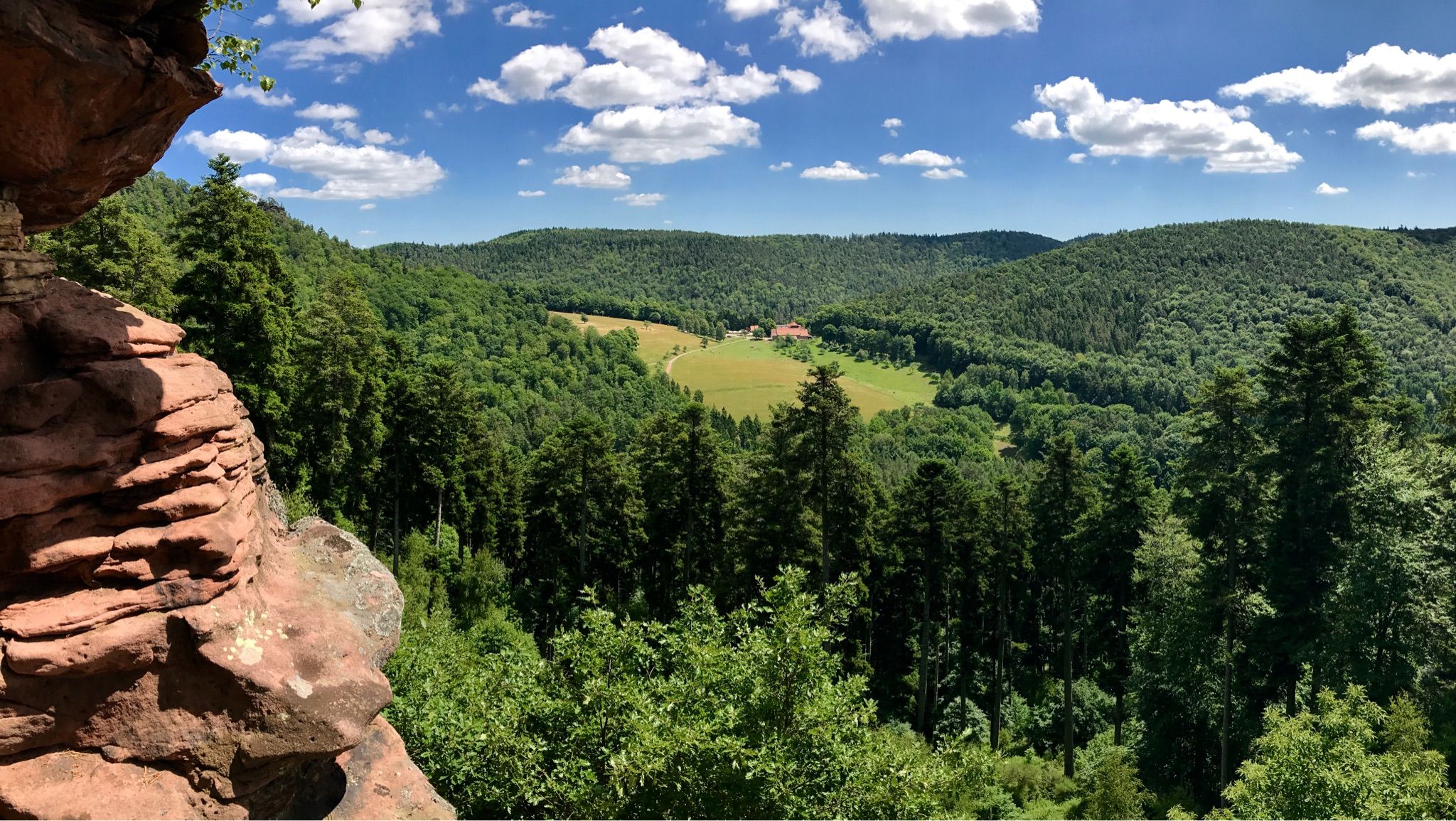
Hike the GR 53 – Explore castles along the Franco-German border
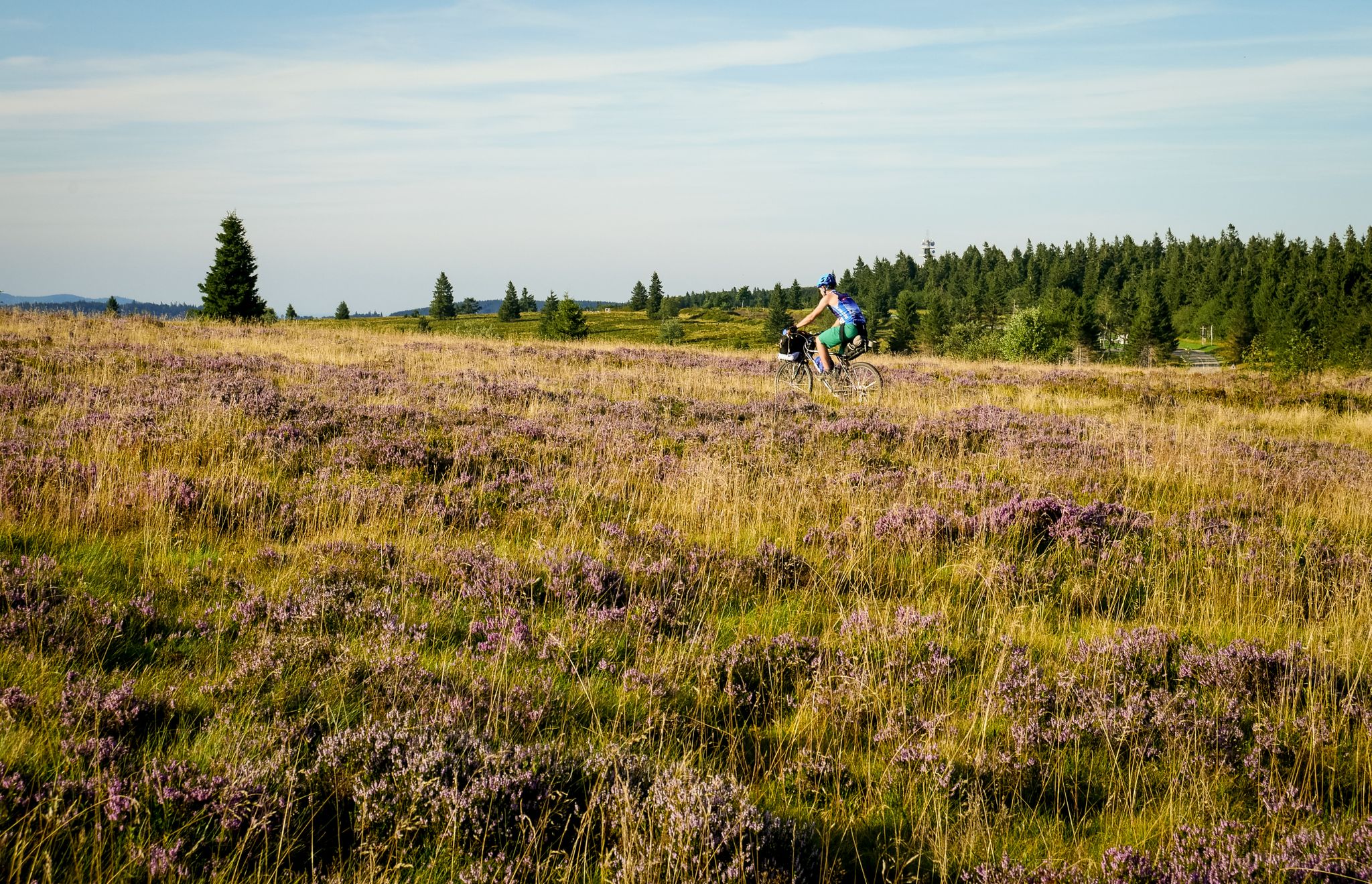
Traversée du Massif Vosgien — Alsace bikepacking
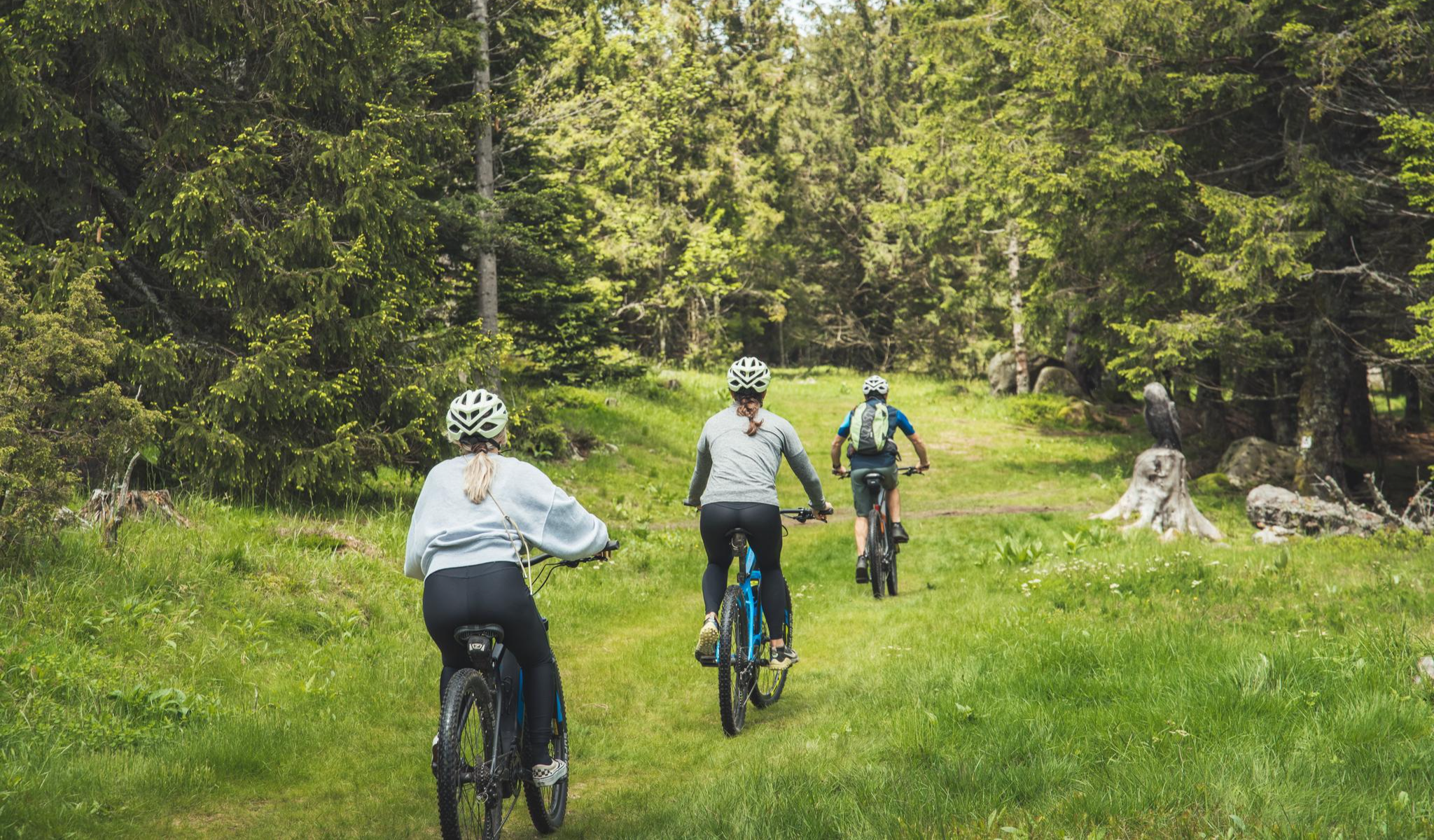
MTB and gravel in the Grand Est – the joy of the low mountains
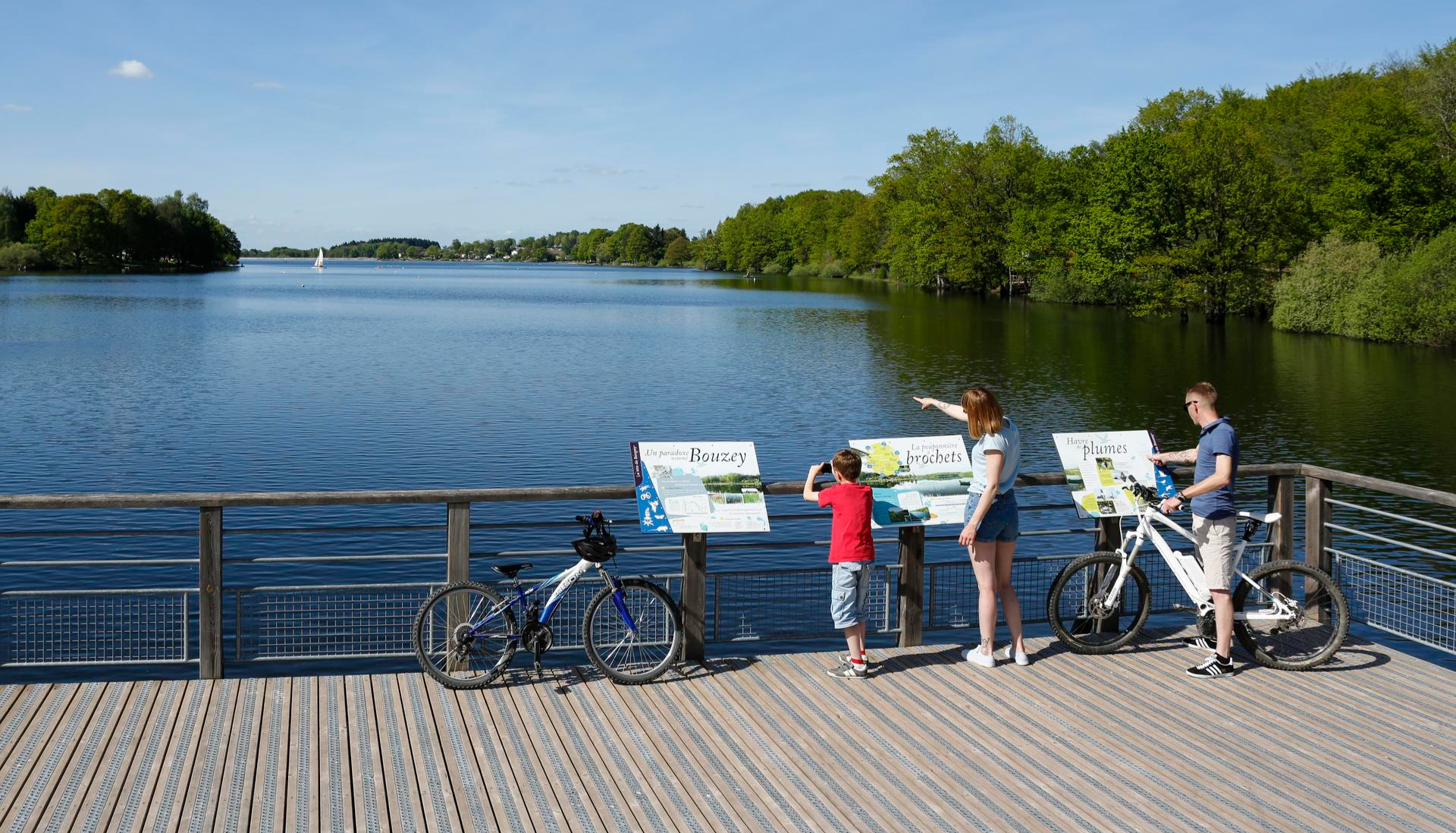
Family getaways – cycling in the Grand Est
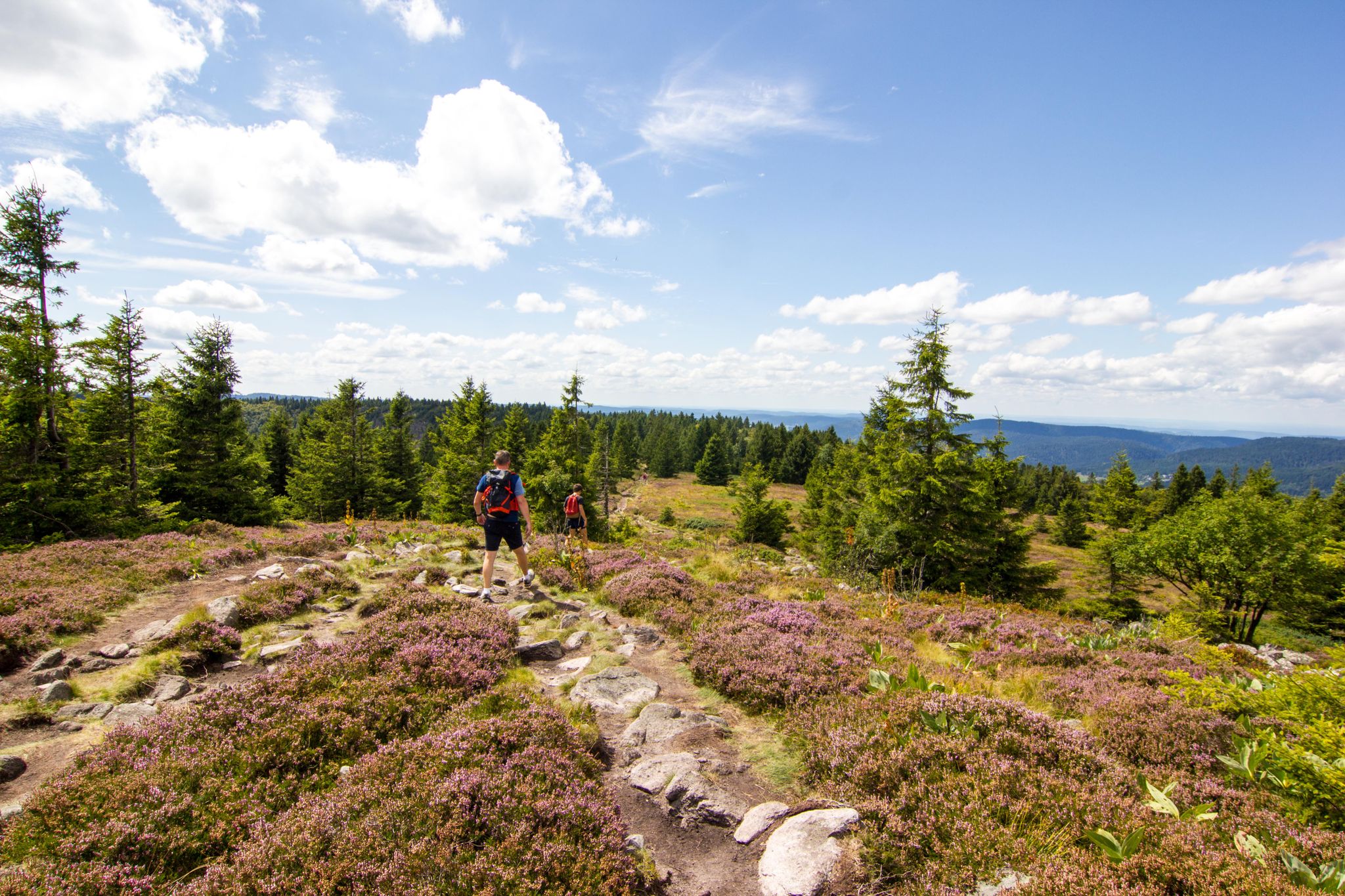
Hiking and relaxation – wellbeing on the Traversée des Vosges
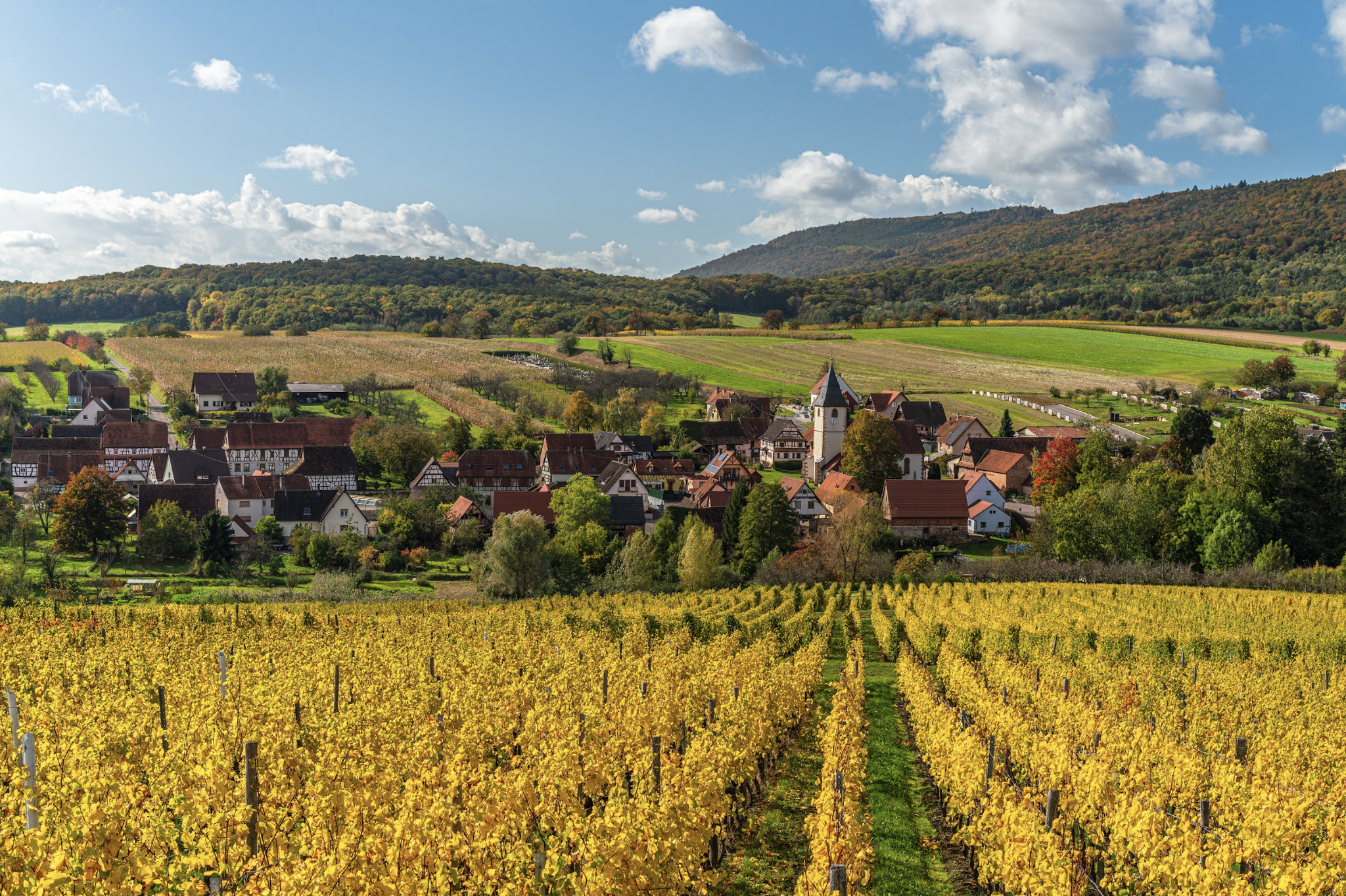
Alsace Verte on foot – hikes between history and vineyards
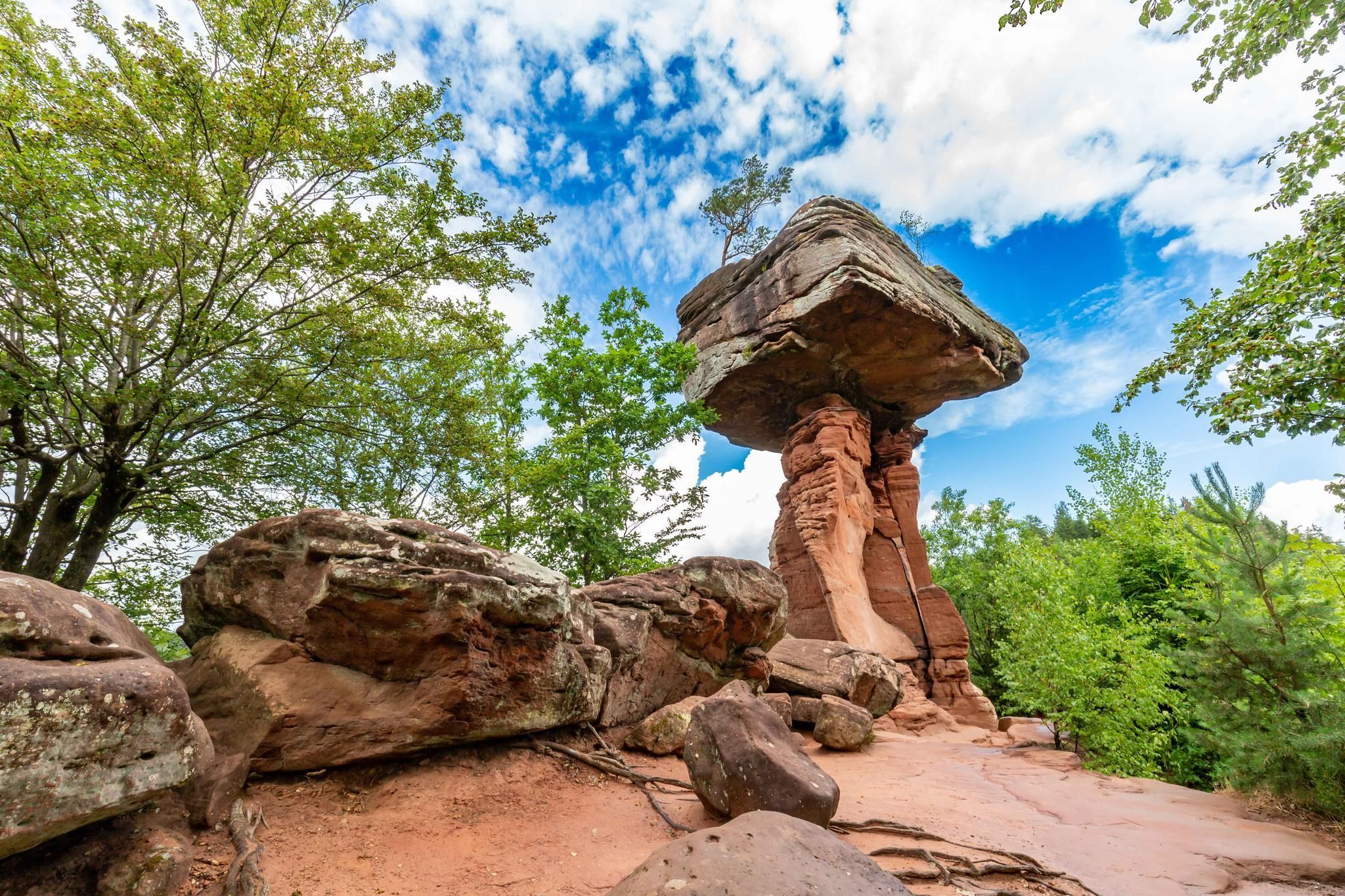
Cycling in Southern Palatinate – Karlsruhe to Zweibrücken
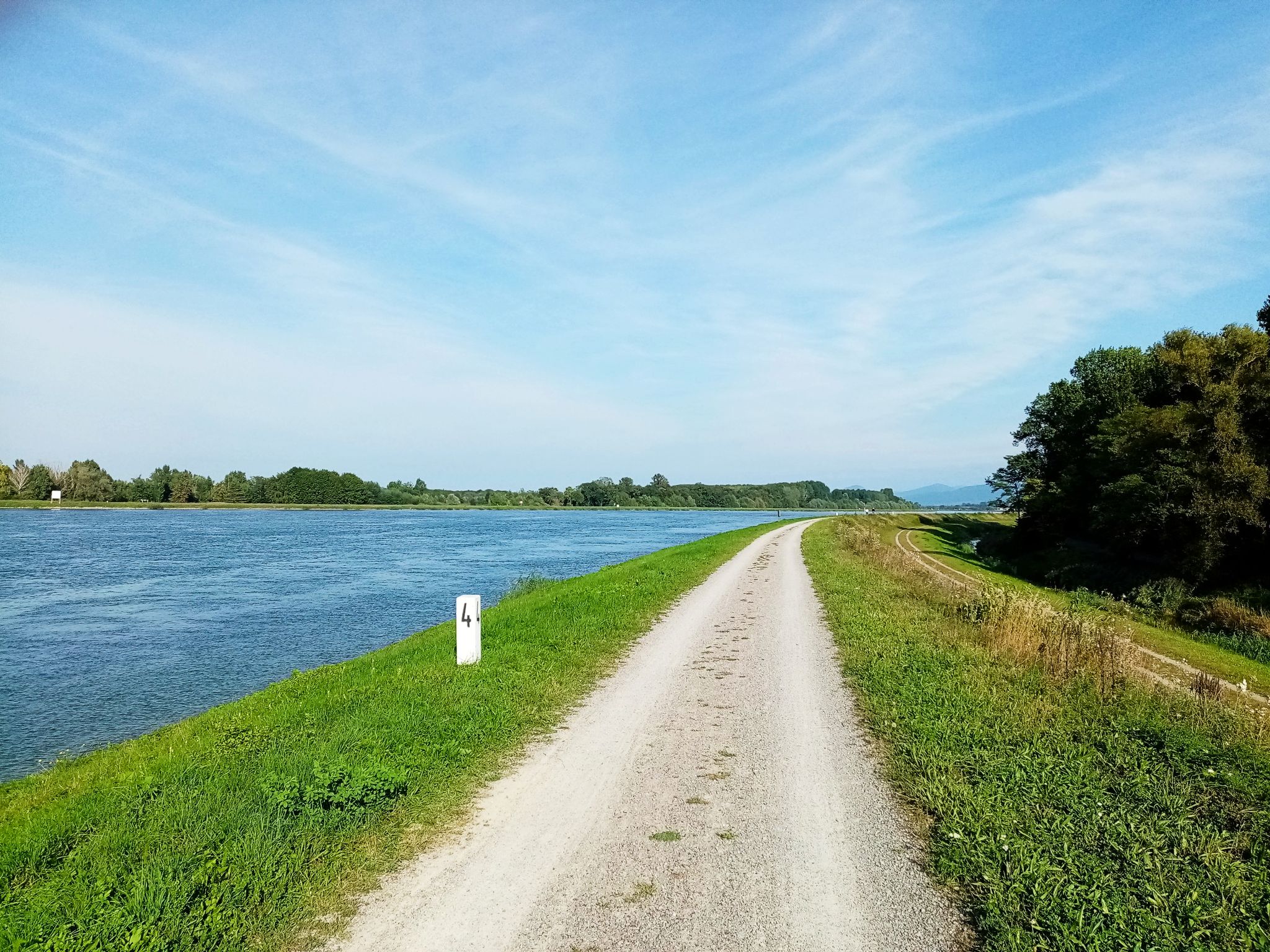
Cycle on both sides of the Rhine – Rhine Park cross-border loop
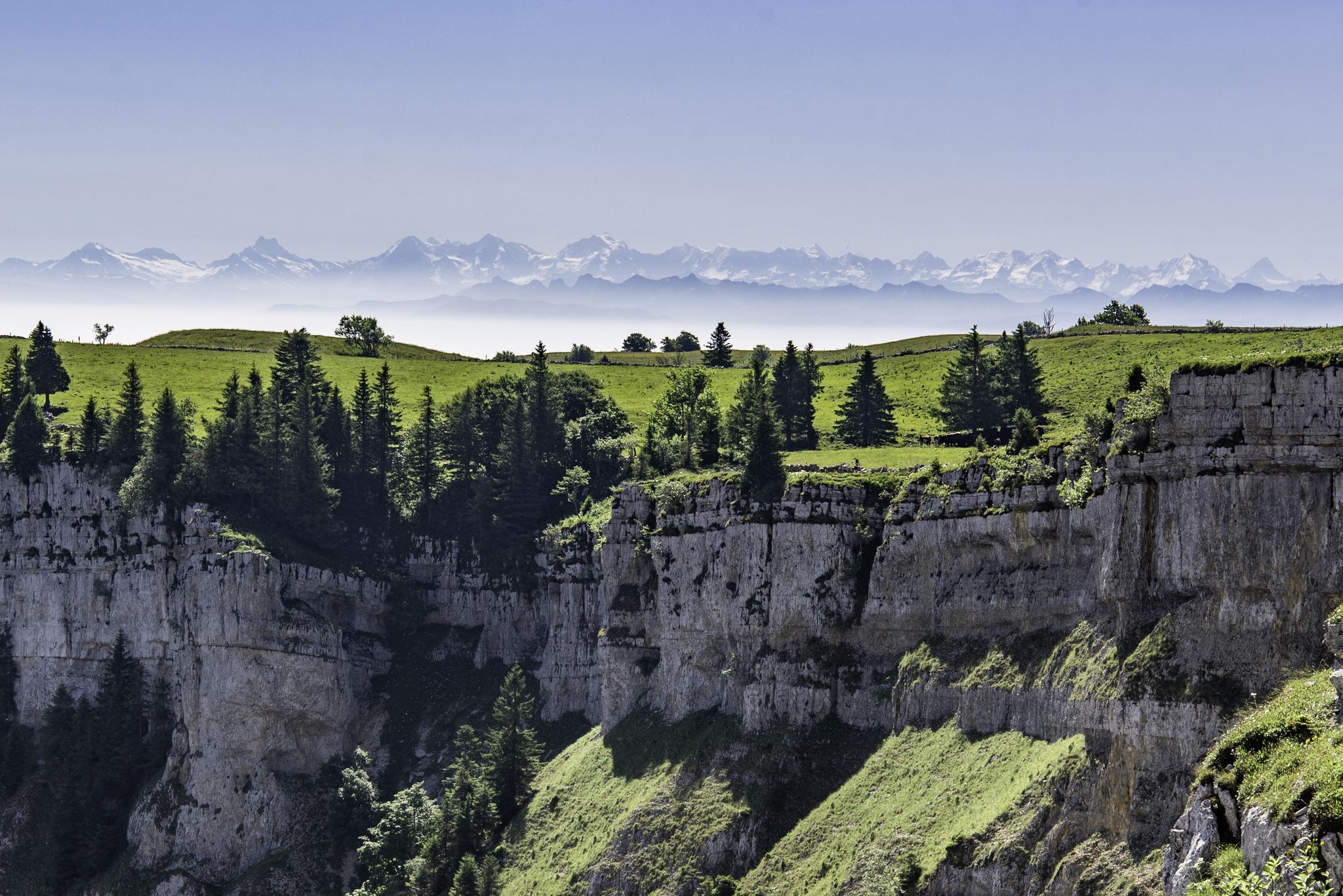
From the Vosges to the Jura mountains – Hexatrek, le Grand Est
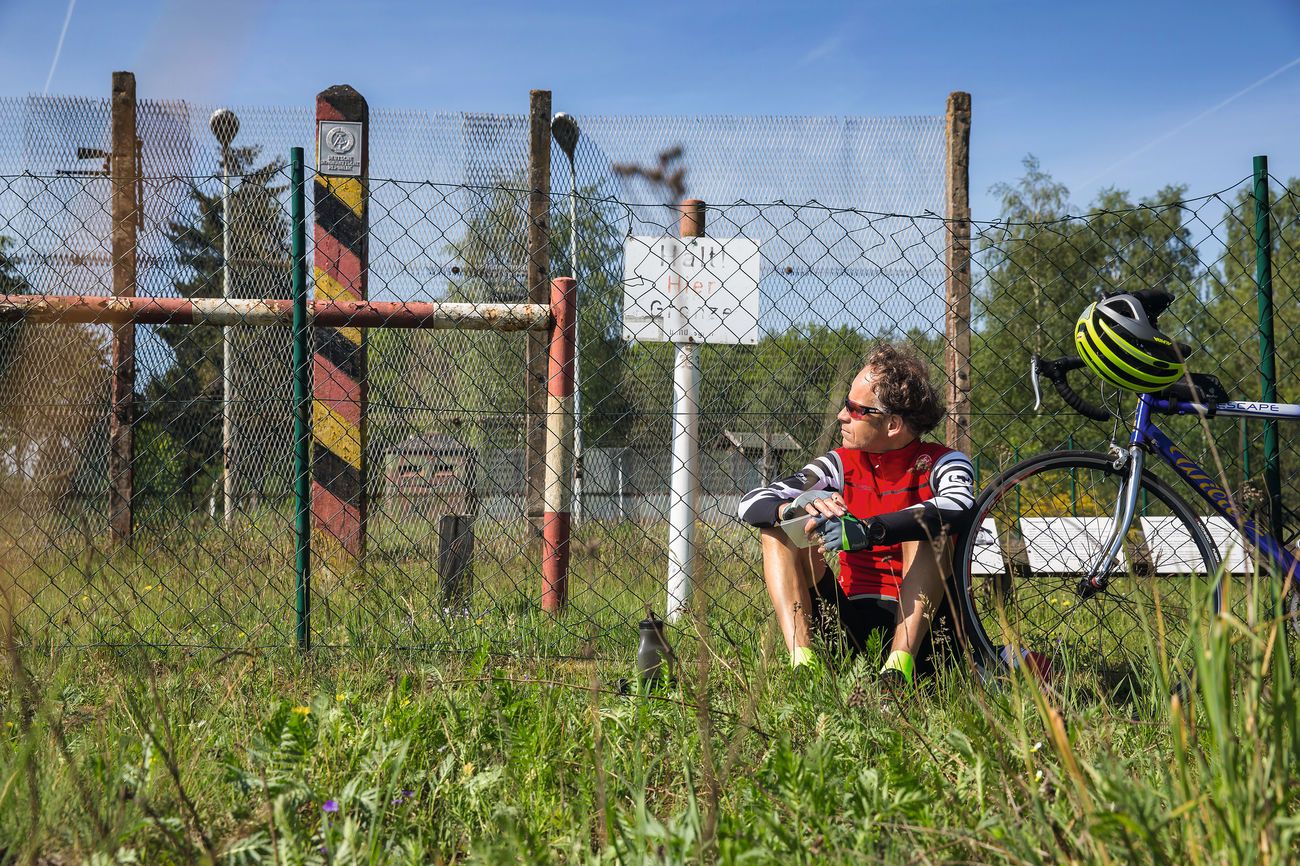
Germany tour through all federal states
Other adventures around Hagenau-Weißenburg


Tips from the Community

Very beautiful hiking trail with lots of highlights. Marked with the "red-white-red" marking.
1
0

One of the most beautiful castle ruins on the German-French Castle Trail... The stairs to the top have some higher steps, but it is doable without any problems... The view from the top is worthwhile
4
0

A classic is the castle route across the German-French border near Nothweiler. Great paths and fantastic views.
3
0

The Wasenburg was built in 1280 by Konrad von Lichtenberg on a castle site dating back to the 8th century. The castle was damaged in the Peasants' War and was almost destroyed by French troops in 1677. The huge nine-part magnificent window with seven rosettes is remarkable - a work of art that the stonemasons carved out of a single piece of sandstone. It is probably the most beautiful castle window of all Alsatian castles. The mighty shield wall, a bay window and the fireplace in the palace are also well preserved. A memorial plaque commemorates Goethe's visit in 1770, who came up here because of the magnificent window and the excellent view from the spa town of Niederbronn-les-Bains.
2
1

Quite well preserved castle with a beautiful view of Fleckenstein Castle and, in the other direction, of Wegelnburg.
8
4

This magnificent castle complex is omnipresent… can be visited for a 5,-
19
2

Nice view at the entrance to Fleckenstein Castle
14
1

The upper hiking trail goes directly to the ruins. The lower path, as the name suggests, goes past the foot of the rock.
7
1
Frequently Asked Questions
What are some of the most unique castles to visit in the Haguenau-Wissembourg region?
The region is known for its distinctive castles, many of which are built directly into the pink sandstone rock. Fleckenstein Castle is a prime example, with rooms and staircases carved into the rock. Wasenbourg Castle is unique for being built on an ancient Roman temple site and features a remarkable Gothic window. Schoeneck Castle also showcases a semi-troglodytic design and one of the region's largest artillery towers.
Are the castles around Haguenau-Wissembourg mostly ruins or are some restored?
Most of the castles in the Haguenau-Wissembourg region are impressive ruins, offering a glimpse into medieval history. While none are fully restored like Haut-Koenigsbourg (which is outside this immediate region), some, like Schoeneck Castle, benefit from ongoing restoration efforts by dedicated volunteers, making them well-preserved and fascinating to explore.
Which castles offer the best panoramic views in the area?
Several castles provide stunning panoramic views. Hohenbourg Castle, located above Fleckenstein, offers exceptional vistas of the Northern Vosges and the Palatinate. Fleckenstein Castle itself provides breathtaking views over the Sauer Valley. Even the ruins of Château du Loewenstein and Wasenbourg Castle offer great viewpoints from their elevated positions.
Are there hiking trails that connect multiple castles?
Yes, the region is excellent for multi-castle hikes. The "Circuit of the 4 castles" trail connects Fleckenstein Castle, Hohenbourg Castle, and Château du Loewenstein. There's also a highlight called 4 Sentiers des Châteaux / Germany-France border, indicating routes that link several historical sites.
What kind of outdoor activities can I do near these castles?
Beyond exploring the castles, the surrounding Northern Vosges mountains offer a variety of outdoor activities. You can find numerous hiking trails, including those with waterfalls, by checking the Waterfall hikes around Hagenau-Weißenburg guide. For runners, there are challenging routes detailed in the Running Trails around Hagenau-Weißenburg guide. Mountain biking enthusiasts can explore trails like the "Wintersberg and Wasenkoepfel massifs loop" found in the MTB Trails around Hagenau-Weißenburg guide.
Are the castle trails dog-friendly?
Many of the trails leading to and around the castle ruins in the Haguenau-Wissembourg region are suitable for dogs, especially those through the forests. However, it's always advisable to keep dogs on a leash, particularly in areas with steep drops or where wildlife might be present. Specific rules for inside castle structures may vary, so check local signage.
Are there family-friendly activities at the castles?
Yes, Fleckenstein Castle is particularly family-friendly. It offers "The Castle of Challenges," an interactive course designed for children to engage in a medieval adventure, and "Le P'tit Fleck" for younger children to learn about nature. Many of the castle ruins are also great for family exploration, allowing children to imagine medieval life and enjoy the natural surroundings.
What is the best time of year to visit the castles around Haguenau-Wissembourg?
The spring and autumn months are generally ideal for visiting the castles. The weather is milder, perfect for hiking the trails, and the natural scenery is vibrant with spring blooms or autumn foliage. Summer can also be pleasant, but trails might be busier. Winter visits are possible, but some paths might be slippery, and facilities could have reduced hours.
How accessible are the castles for visitors with mobility concerns?
Due to their historical nature and mountainous locations, many of the castles, being ruins, involve uneven terrain, stairs, and forest paths, which can be challenging for visitors with mobility concerns. Access to sites like Château du Loewenstein is only on foot. It's recommended to research specific castle accessibility before visiting if mobility is a concern.
What should I wear when visiting the castles?
Given that most castles are ruins and involve walking on trails, comfortable and sturdy hiking shoes are highly recommended. Dress in layers, as weather in the Vosges mountains can change. A waterproof jacket is advisable, especially during spring and autumn. Don't forget water and snacks, as amenities might be limited at some remote sites.
Are there any 'hidden gem' castles that are less crowded?
While Fleckenstein Castle is very popular, other ruins like Wasigenstein Castle, Frœnsbourg Castle, or Petit-Arnsberg Castle offer equally fascinating historical exploration with potentially fewer crowds. These often require a scenic hike through the forest, adding to their secluded charm.
What do visitors enjoy most about the castles around Haguenau-Wissembourg?
Visitors frequently highlight the stunning panoramic views from the castle ruins, the unique architectural integration of the castles with the natural rock formations, and the sense of history. The opportunity to combine historical exploration with beautiful forest hikes is also a major draw. Many appreciate the well-preserved nature of some ruins and the efforts of volunteers in their upkeep.
Most popular routes around Hagenau-Weißenburg
Most popular attractions around Hagenau-Weißenburg

Get inspired with the komoot mobile app


Didn’t find what you were looking for?
Explore Hagenau-Weißenburg’s best castles region by region:
Explore more
Looking for the best castles somewhere else? Discover other guides around Hagenau-Weißenburg:
