Top 7 Castles around Brest
Best castles around Brest are found in the Finistère region of Brittany, a coastal area known for its maritime history and strategic importance. The city of Brest itself is situated at the mouth of the Penfeld river, featuring a natural harbor. This region offers a diverse landscape of rugged coastlines and historical sites. Its strategic location has led to the construction of numerous fortifications and grand residences over centuries.
Best castles around Brest
- The most popular castles is Fort Bertheaume…
Last updated: August 23, 2026
Fort Bertheaume
Highlight • Castle
Information: fort-de-bertheaume.bzh
Translated by Google •
Tip by

Château de La Roche-Maurice
Highlight • Castle
Translated by Google •
Tip by

Sign up now to discover places like this
Get recommendations on the best single tracks, peaks, & plenty of other exciting outdoor places.
Sign up for free
Maison des Seigneurs
Highlight • Historical Site
Translated by Google •
Tip by

Fort de l'Îlette
Highlight • Historical Site
Translated by Google •
Tip by

Manoir de Keroual
Highlight • Historical Site
Translated by Google •
Tip by
Calgrac'h Fort (Kernic)
Highlight • Castle
Translated by Google •
Tip by

Château de Bel Air
Highlight • Castle
Translated by Google •
Tip by

Start today with a free account
Your next adventure awaits.
Login or Signup
Popular around Brest
10 of the most beautiful walks in Brittany
Cycling along the Breton coast - The Coastal (V45)
The Customs Officers’ path – GR 34 in Brittany between Guissény and Morlaix
The Customs Officers’ path – GR 34 in Brittany between Brest and Guissény
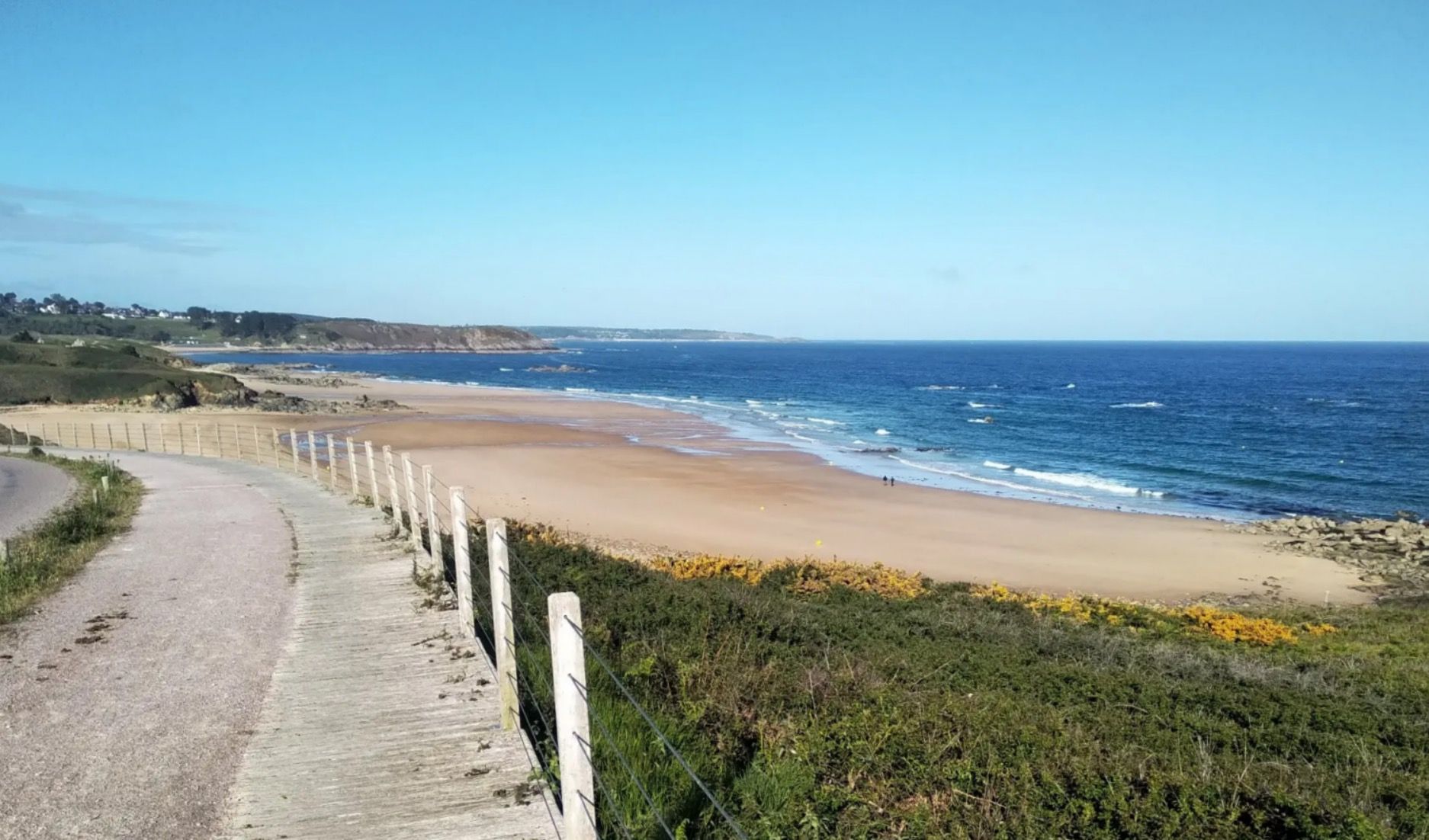
Sun cream and waterproof coats – 11 days in Brittany
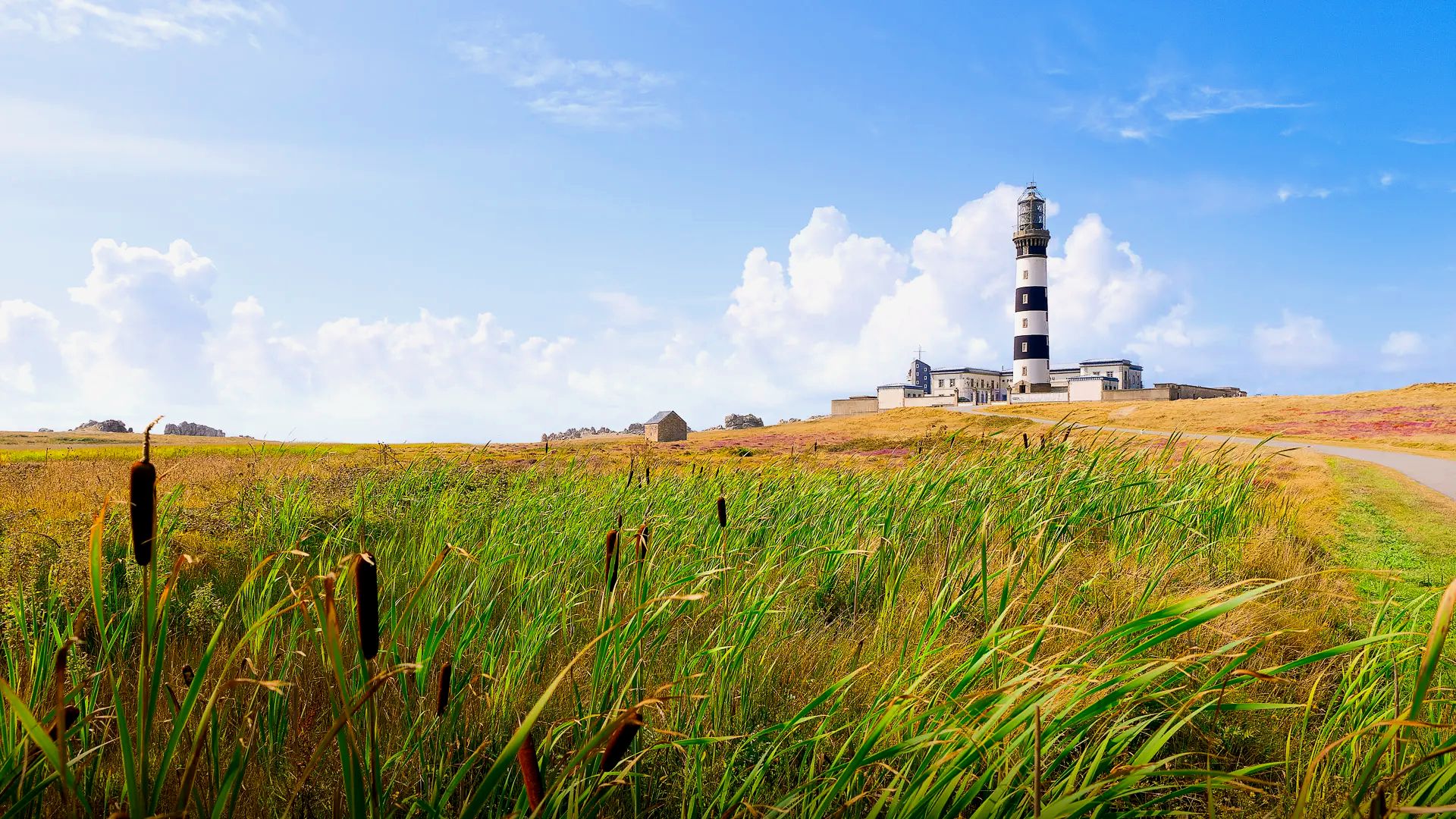
The far-west of France – walks on the island of Ouessant
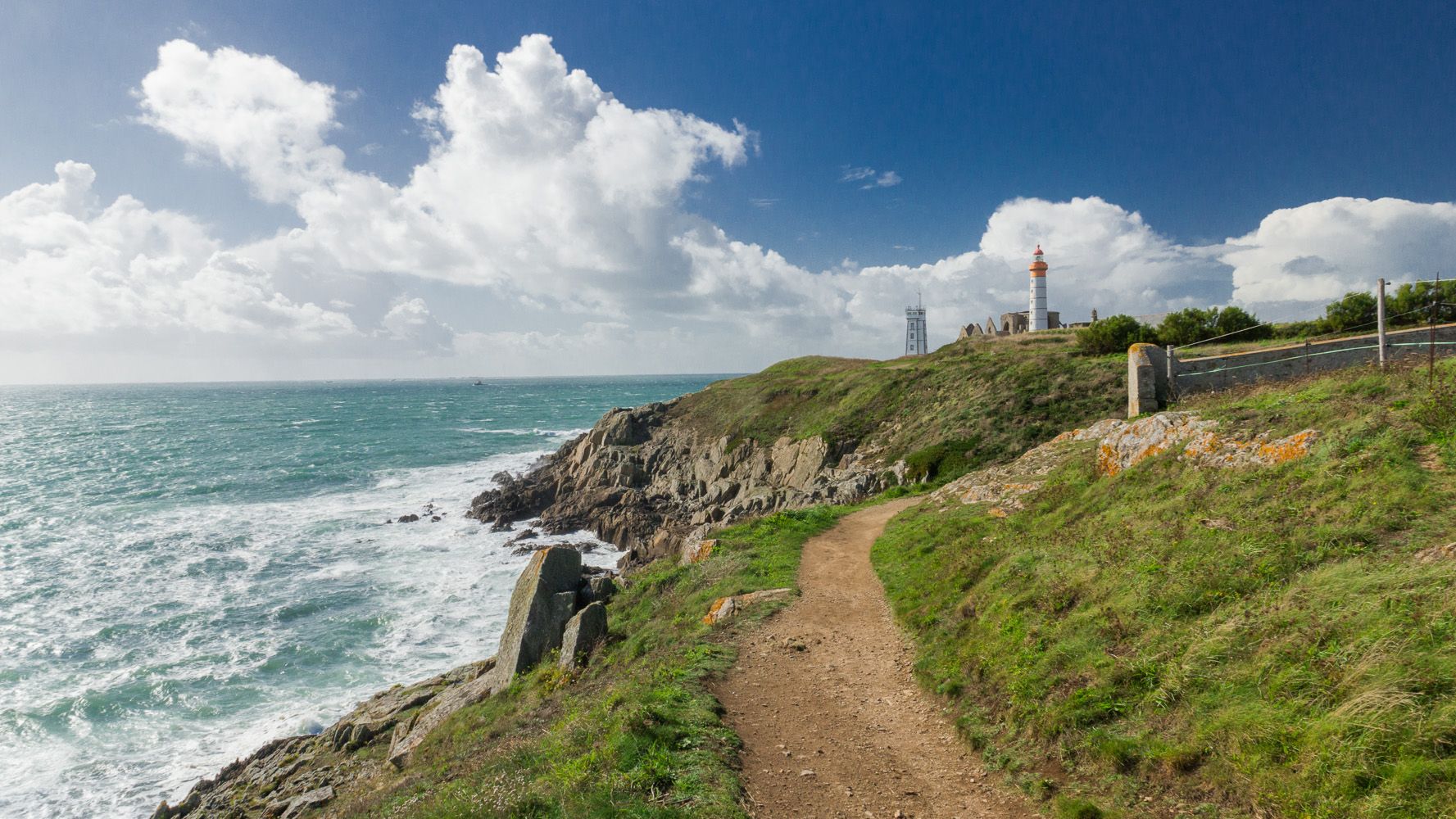
Running along the edge of the world – Trail du Bout du Monde in Finistère
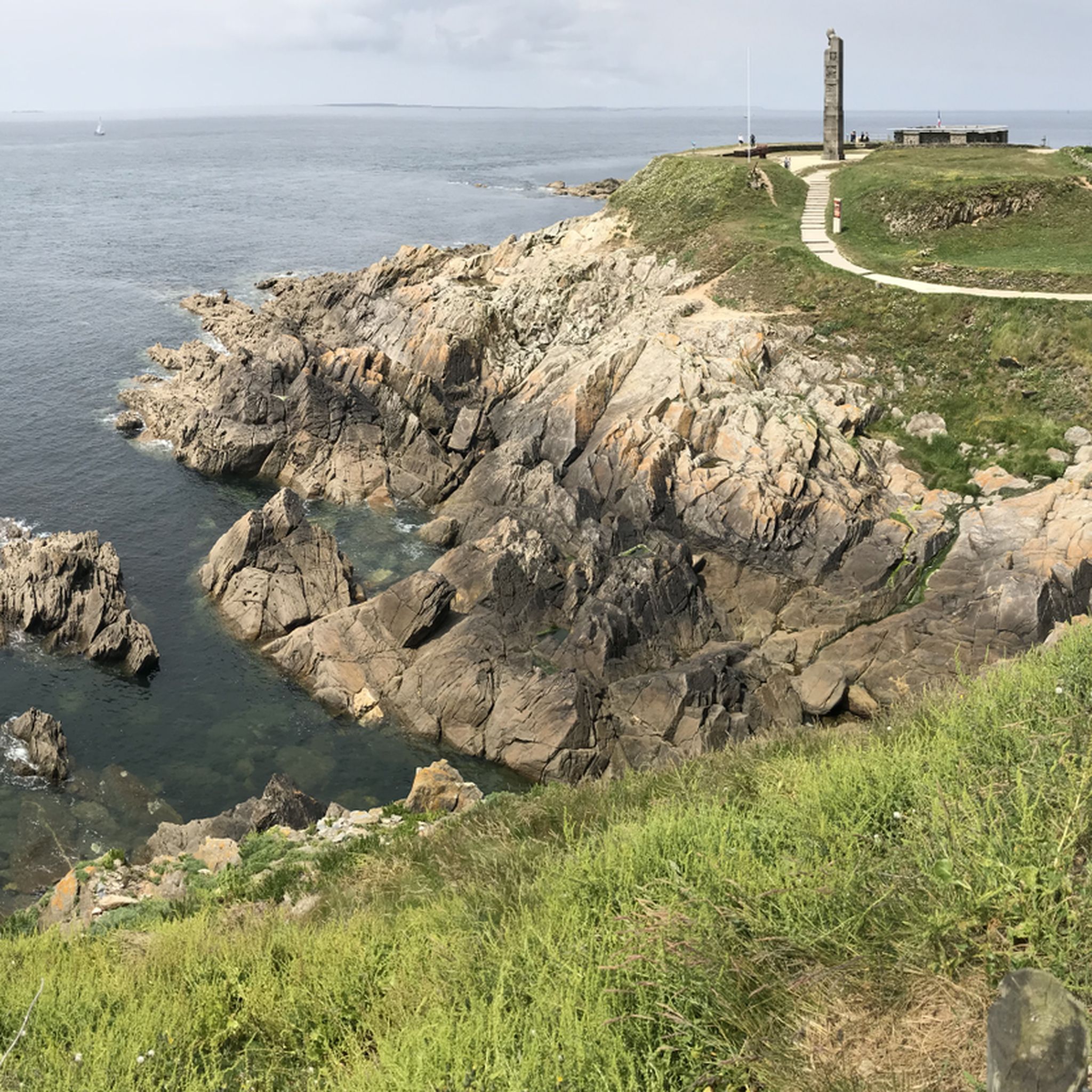
Hiking around Brest
Cycling around Brest
Running Trails around Brest
Other adventures around Brest


Tips from the Community

Can be done by bike or on foot
2
0

The Château de La Roche-Maurice, a historic Breton jewel from the 13th century, dazzles with its medieval architecture. Nestled in lush greenery, it offers an immersive experience in the feudal past.
0
0

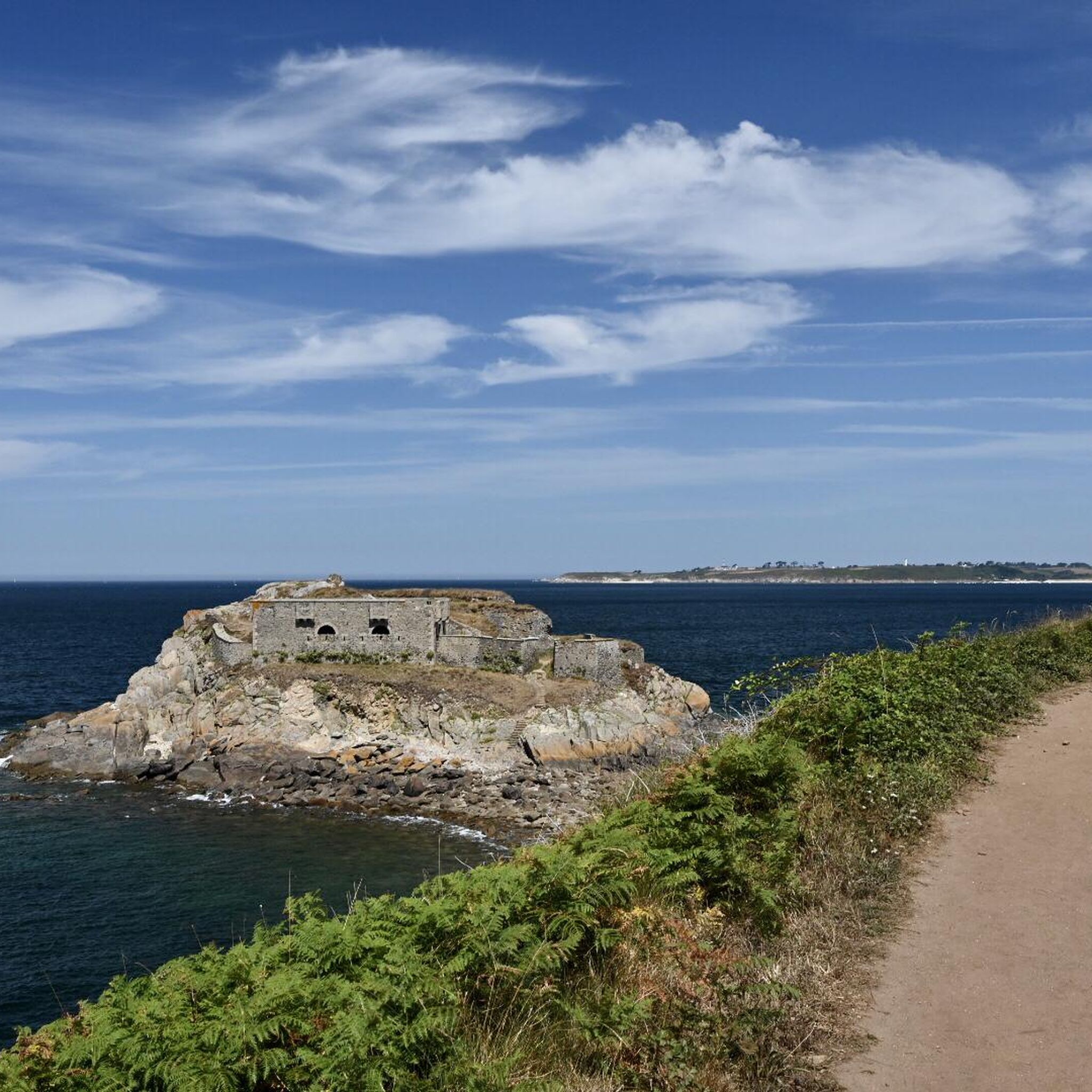
Built by Vauban in the 17th century on a rocky islet to monitor the port of Brest. Its geographical position allows it to always have an eye on the entrance to the Goulet de Brest, an arm of the sea which connects the harbor of Brest to the Atlantic Ocean. Today the fort is accessible by a footbridge and can be visited in summer. For many centuries, the harbor of Brest attracted the desires of invaders. Since the Middle Ages, protection posts have been set up on the coasts to control its entry. The most effective of them: Bertheaume, a rocky islet located thirty meters from the shore, in Plougonvelin. In the 17th century, around 1690, at the request of Louis XIV, Vauban built a formidable fort there, which would be used militarily until 1944.
0
0

One of 45 forts and batteries located along the Iroise coast, Fort de Bertheaume was built in 1689 to guard the entrance to the Goulet de Brest. A footbridge connects the islet to the mainland.
1
0

beautiful paths on the circuit of the island - the fort is a great backdrop
2
0
Beautiful trails at this point. The outpost at the fort has a climbing course and long zipline.
1
0
This fortified house, visible from afar, was part of a complex that was intended to protect the port of Le Conquet from raids, which had been very frequent since the 13th century, and to facilitate the collection of shipping fees. The complex consisted of three watchtowers staggered along the southern bank of the Ria. Remains of one of these buildings still remain and another has been converted into a residential building. They were older than the Poncelin House (or Maison de Seigneurs), which can be dated to around 1510.
2
0

Frequently Asked Questions
What are some historically significant castles in the Brest region?
The region around Brest is rich in history. The Château de Brest is one of the oldest castles in the world still in use, with a history spanning over 1700 years from a Roman castellum to Vauban's citadel. Another significant site is the 13th-century Château de La Roche-Maurice, a Breton jewel showcasing medieval architecture.
Are there any castles in Brest that are still in use today?
Yes, the Château de Brest is remarkable as one of the oldest castles in the world that has been in continuous use, primarily as a military fortress. Today, it also houses the National Maritime Museum.
Which castles around Brest are good for families?
For families, Fort Bertheaume offers a unique experience on a tidal island with historic defenses and, in summer, activities like a survival track. Manoir de Keroual, a 16th-century manor, has a magnificent park. Further afield, Château de Kerjean is known for its immersive historical exhibits, escape games, and shows, while Château de Kergroadez also offers family-friendly activities like treasure hunts.
Can I explore coastal forts near Brest?
Absolutely. The region is known for its coastal fortifications. Fort Bertheaume, situated on a tidal island, is accessible by a footbridge and offers impressive views. Another example is Fort de l'Îlette, a mid-19th-century fortification that can be accessed at low tide, providing superb views of Blancs Sablons beach and the Kermorvan lighthouse.
What kind of architecture can I expect from castles around Brest?
The castles around Brest showcase a diverse range of architectural styles. You'll find ancient Roman origins and medieval strongholds like the Château de La Roche-Maurice, Renaissance grandeur at Château de Kerjean, and even late 19th-century innovation blended with traditional design at Château de Trévarez, which features distinctive red bricks and was modern for its time.
Are there castles with extensive gardens or parks to visit?
Yes, several castles offer beautiful grounds. Château de Kerjean boasts a 19-hectare estate with a large dovecote and a beautiful fountain. Château de Trévarez is renowned for its 85-hectare park, recognized as a 'Remarkable Garden' for its extensive botanical collections, especially camellias and rhododendrons. The Manoir de Keroual also features a magnificent park.
What outdoor activities can I do near the castles around Brest?
The region offers various outdoor activities. You can find numerous hiking trails around Brest, such as the Kermorvan Peninsula Loop Trail or the Circuit de la pointe du Corsen. For cyclists, there are road cycling routes like La Littorale and Pointe Saint-Mathieu Loop, and gravel biking options like the Pays d'Iroise MTB Circuit. Many of these routes pass near or offer views of the coastal forts and castles.
Are there any Renaissance-era châteaux in the area?
Yes, the Château de Kerjean, located between Brest and Morlaix, is a magnificent 16th-century Renaissance-style château. It is celebrated for its stunning architecture, featuring towering ramparts, extensive living quarters, and a grand courtyard.
What is the best time of year to visit castles around Brest?
The summer months are generally ideal for visiting, as many sites like Fort Bertheaume offer special visits and activities. The mild climate of Brittany also makes spring and early autumn pleasant for exploring the castle grounds and gardens, such as those at Château de Trévarez, when the botanical collections are in bloom.
How long should I plan for a visit to a castle near Brest?
Visit durations vary by castle. For a major site like the Château de Brest and its National Maritime Museum, you could easily spend 2-3 hours. Smaller forts or ruins like Fort de l'Îlette might be explored in an hour or less, especially if combined with a walk. For castles with extensive grounds or interactive exhibits like Château de Kerjean or Château de Trévarez, a half-day or more is recommended to fully enjoy the experience.
Are there any castles that blend modern amenities with historical architecture?
Château de Trévarez is a unique example. Built around the turn of the 20th century, it was remarkably modern for its time, equipped with central heating, electricity, hot water, and even elevators, all within an eclectic architectural style blending Gothic, Baroque, and Neoclassical elements. It offers a glimpse into the 'Belle Époque' era.
Can I find medieval castles in the Brest region?
Yes, the region features several medieval structures. The Château de La Roche-Maurice is a 13th-century castle showcasing medieval architecture. While further afield, the moated medieval Château de Suscinio was a residence of the Dukes of Brittany and is undergoing restoration to its presumed late-15th century condition.
What are some notable forts built to protect Brest harbor?
Brest's strategic location led to numerous fortifications. The Château de Brest itself is a formidable military fortress. Fort de Bertheaume was fortified by Vauban in the 17th century to protect the harbor entrance. Additionally, Fort de l'Îlette was built in the mid-19th century to defend the passage to Brest harbor and monitor landings.
Most popular routes around Brest
Most popular attractions around Brest

Get inspired with the komoot mobile app


Didn’t find what you were looking for?
Explore Brest’s best castles region by region:
Explore more
Looking for the best castles somewhere else? Discover other guides around Brest:
