Attractions and Places To See around Romorantin-Lanthenay - Top 20
Best attractions and places to see around Romorantin-Lanthenay are found within the Sologne region, characterized by its forests and numerous ponds. This area offers a mix of historical sites, natural landscapes, and family-friendly activities. Romorantin-Lanthenay serves as a base for exploring the local heritage and the natural environment. The region provides opportunities for outdoor exploration and cultural visits.
Best attractions and places to see around Romorantin-Lanthenay
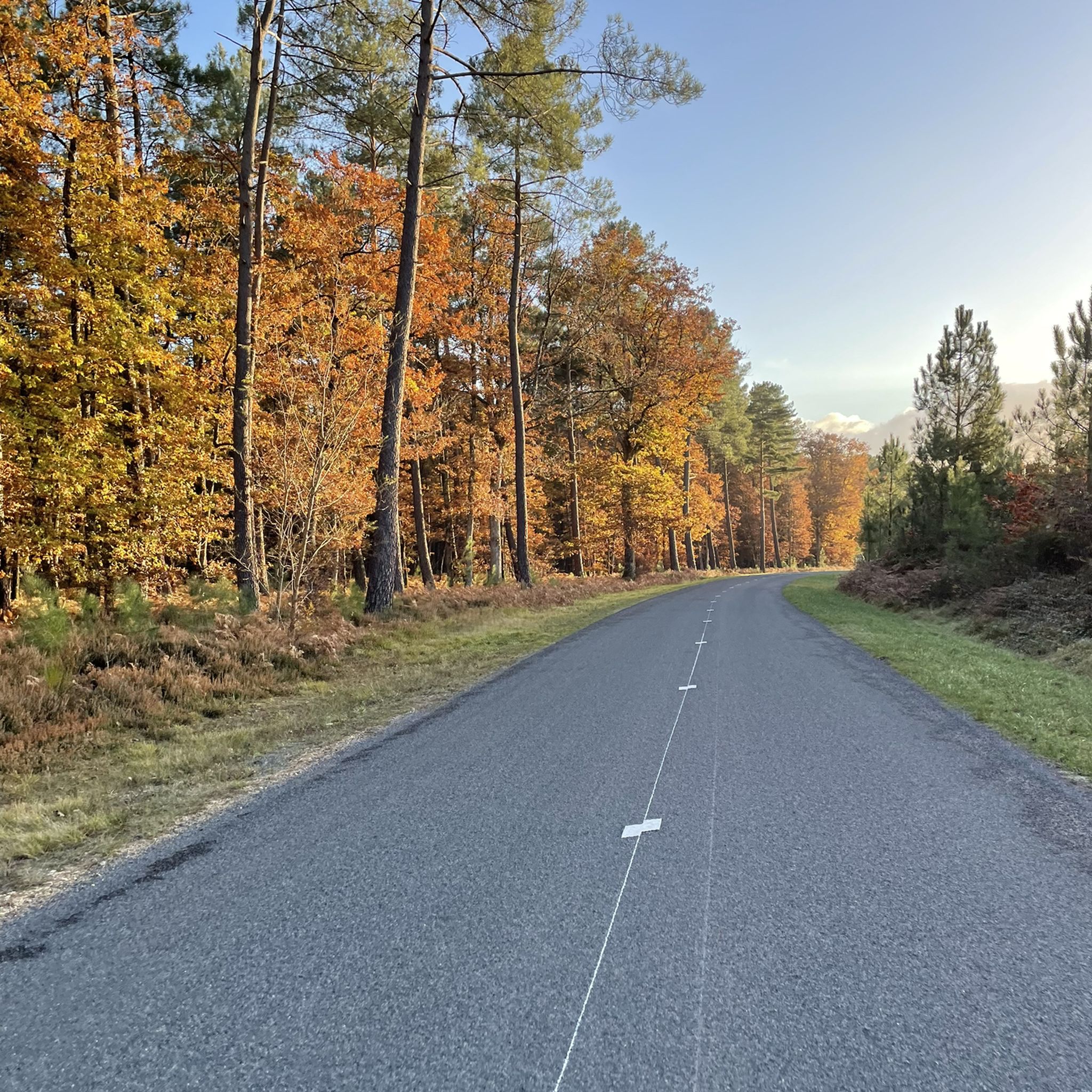
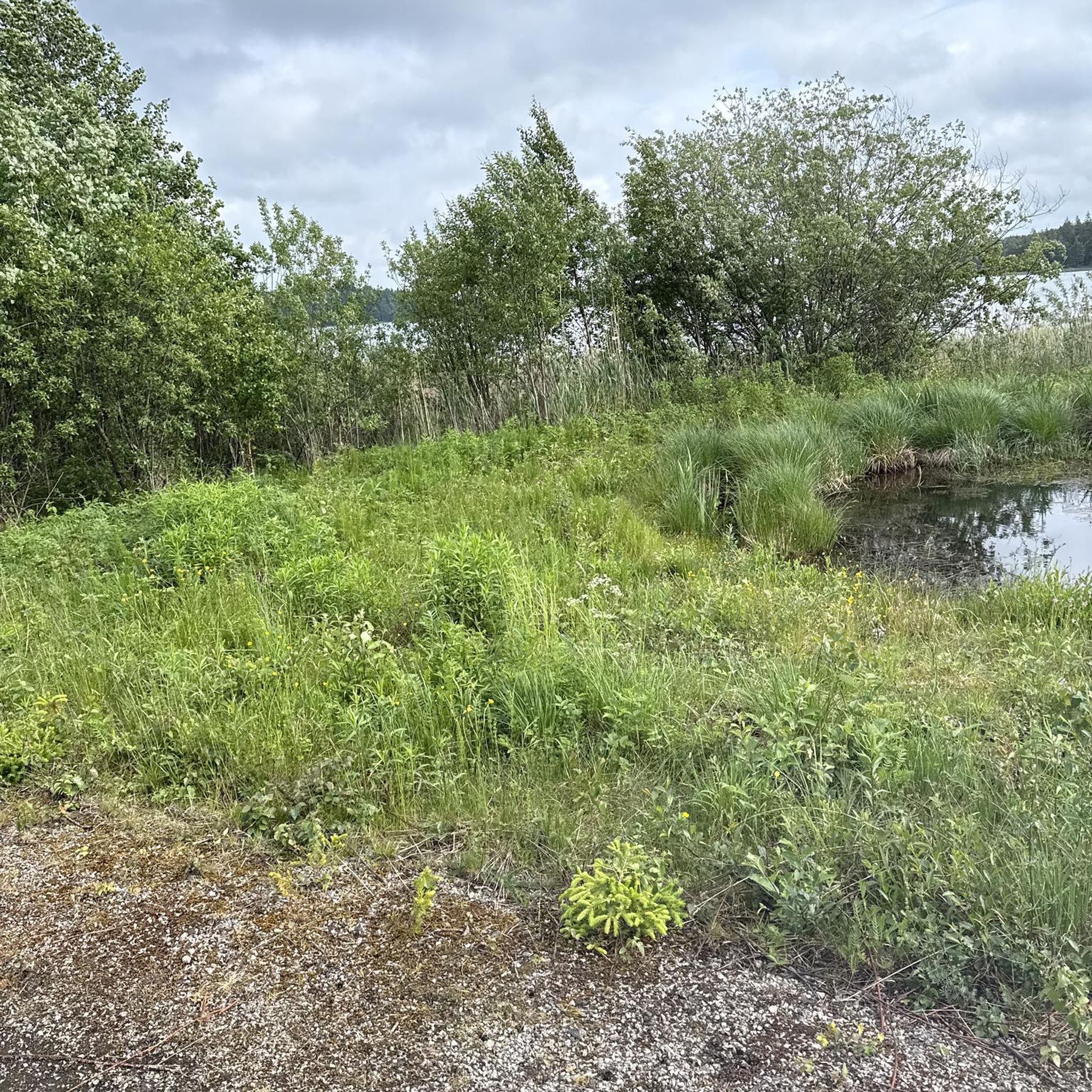
- The most popular attraction is Scenic Road by the Ponds of Sologne, a trail that offers views of the characteristic Sologne ponds. This quiet, wooded road is known for its natural setting and smooth surface.
- Another must-see spot is Beauval Zoo, a wildlife park with extensive facilities. This zoo is recognized for its variety of animals and is considered a major family friendly activity Romorantin-Lanthenay.
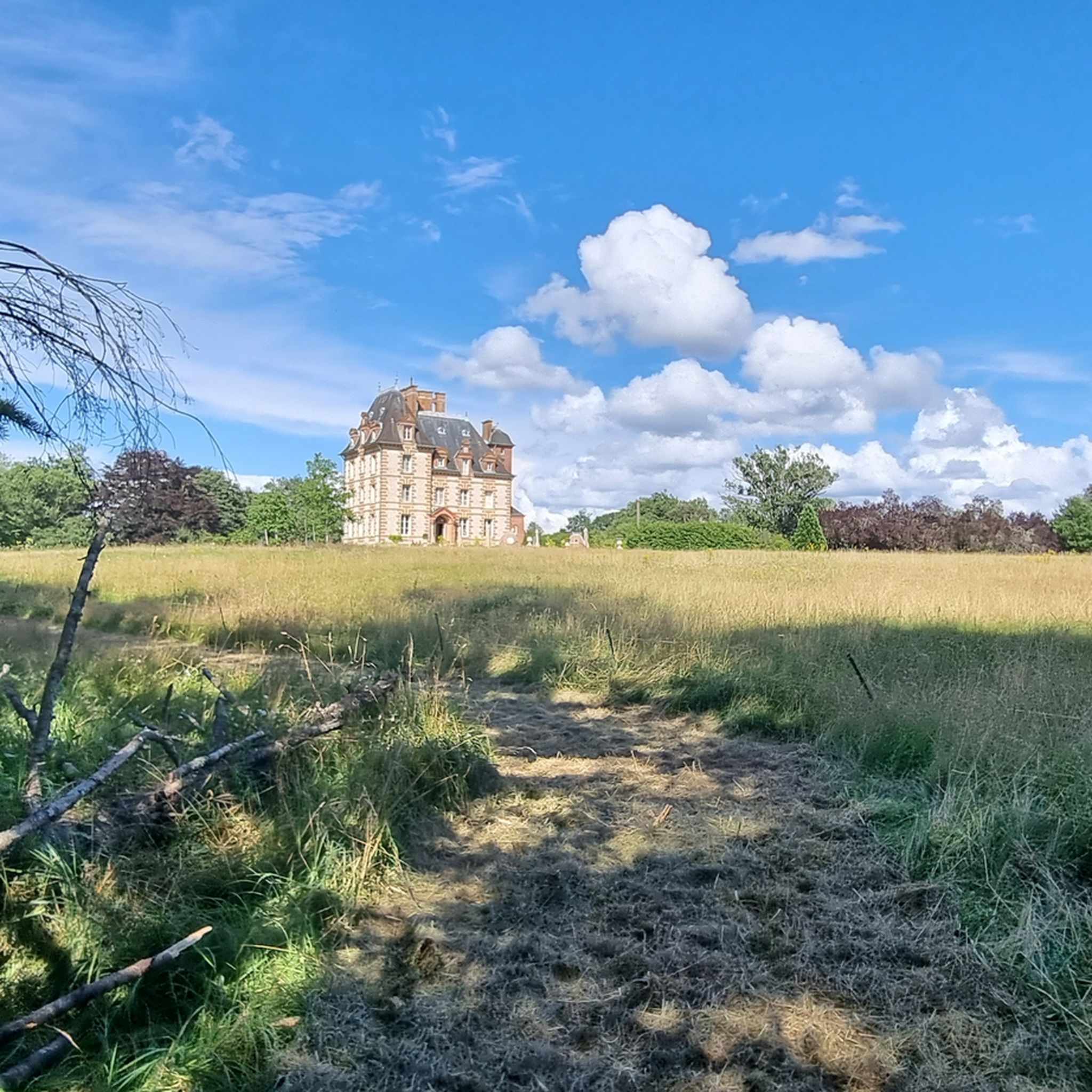
- Visitors also love Villebourgeon Castle, a historical site built of red bricks on the edge of a pond. This castle is noted for its Louis XIII style architecture.
- Romorantin-Lanthenay is known for its best chateaux near Romorantin-Lanthenay, natural trails, and wildlife parks. The area offers a variety of attractions to see and explore, from historical buildings to natural observation points.
- The attractions around Romorantin-Lanthenay are appreciated by the komoot community, with 27 upvotes and 21 photos shared by visitors.
Last updated: October 17, 2026
Saint-Aignan Church
Highlight • Historical Site
val-de-loire-41.com/visite/collegiale-et-crypte-avec-fresques-pcu41aasor100182
Translated by Google •
Tip by

Saint-Étienne Church of Chaumont-sur-Tharonne
Highlight • Religious Site
Translated by Google •
Tip by

Sign up now to discover places like this
Get recommendations on the best single tracks, peaks, & plenty of other exciting outdoor places.
Beauval Zoo
Highlight • Structure
Tip by

Scenic Road by the Ponds of Sologne
Highlight (Segment) • Trail
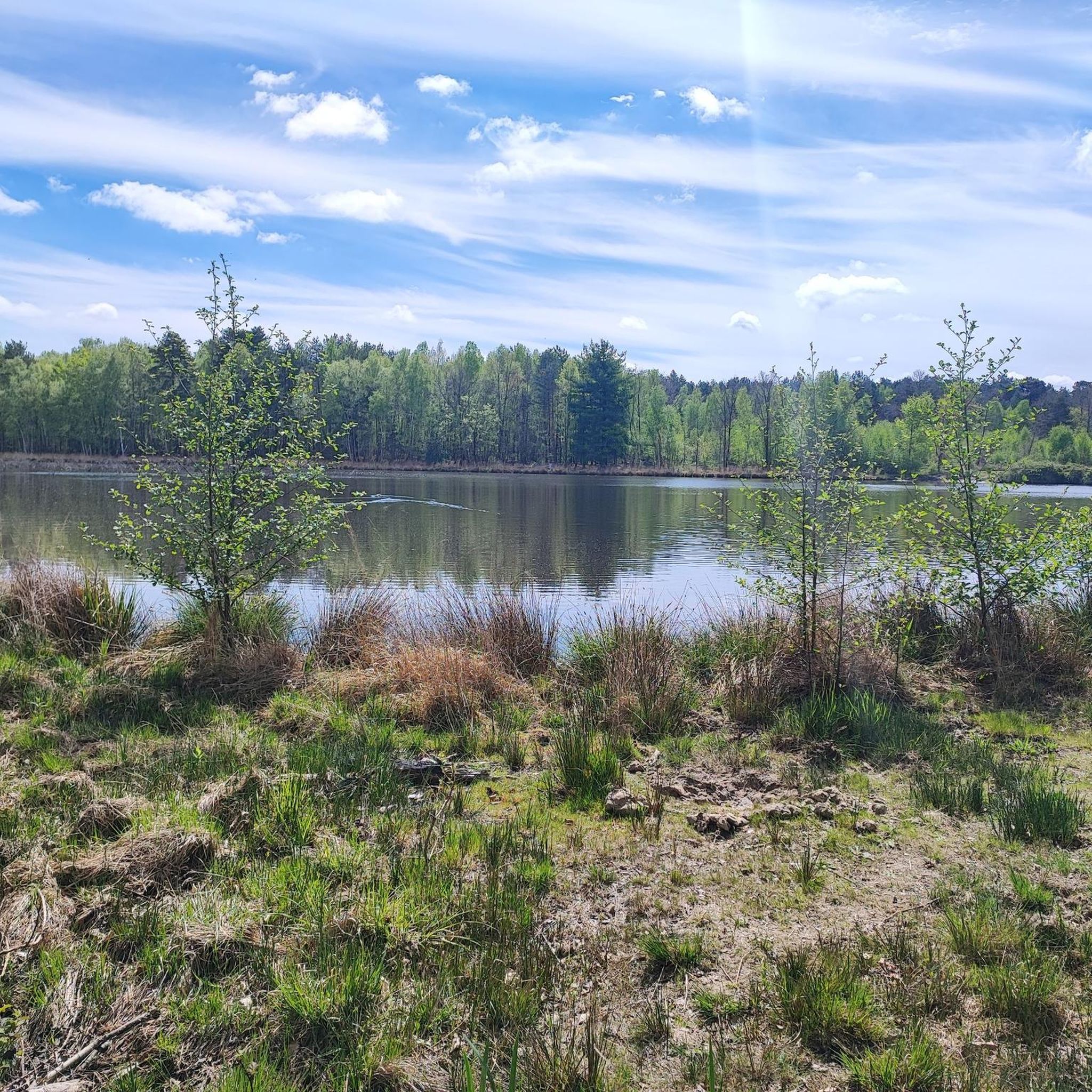
There are more than 3,000 ponds in Sologne. Created in the Middle Ages by the Benedictine monks from natural depressions, they were used to water the herds and to develop the breeding of freshwater fish.
Translated by Google •
Tip by

Château de Saint-Aignan-sur-Cher
Highlight • Castle
sudvaldeloire.fr/offres/chateau-de-saint-aignan-saint-aignan-fr-2608592
Translated by Google •
Tip by
Villebourgeon Castle
Highlight • Castle
Translated by Google •
Tip by

Giraudière Castle
Highlight • Other
Translated by Google •
Tip by

Saint Martin's Church
Highlight • Other
Perched in the heart of Souvigny, an architectural treasure awaits visitors eager for historical and artistic discoveries: the church of Souvigny. Its aura of beauty has earned it official recognition as a Historic Monument since 1979, adding a touch of prestige to its timeless charm.
This medieval gem gradually reveals itself to those who venture outside. Upon entering its gate, visitors are greeted by the majesty of its 12th-century nave, adorned with a semicircular arch that seems to invite further exploration. Its red and black brick walls form diamond patterns, adding a touch of elegance to its architecture.
But it is the 16th-century choir that truly captures the attention, with its three-sided apse, testifying to the artistic refinement of the period. The molded pointed windows let light filter through, creating an atmosphere of mystery and serenity inside.
Outside, the 16th-century timber-framed porch stands elegantly, enveloping the west and south facades of the nave in a remarkable architectural embrace. Also known as the promenade or the caquetoire, this porch offers a welcome pause to contemplate the surrounding beauty. The joists that compose it bear witness to the expertise of the craftsmen of yesteryear, captivating the admiration of visitors.
The roof, crowning this architectural marvel, is a spectacle in itself, covered with tiles and supported by low posts and a balustrade with crossed timbers in an X shape, adding a touch of character to the ensemble.
Finally, the gaze rises to the slate spire overlooking the church, a work of art in its own right. While access to this marvel was once reserved for the bravest, today its charm remains accessible to all those who wish to delve into the fascinating history of Souvigny.
Translated by Google •
Tip by

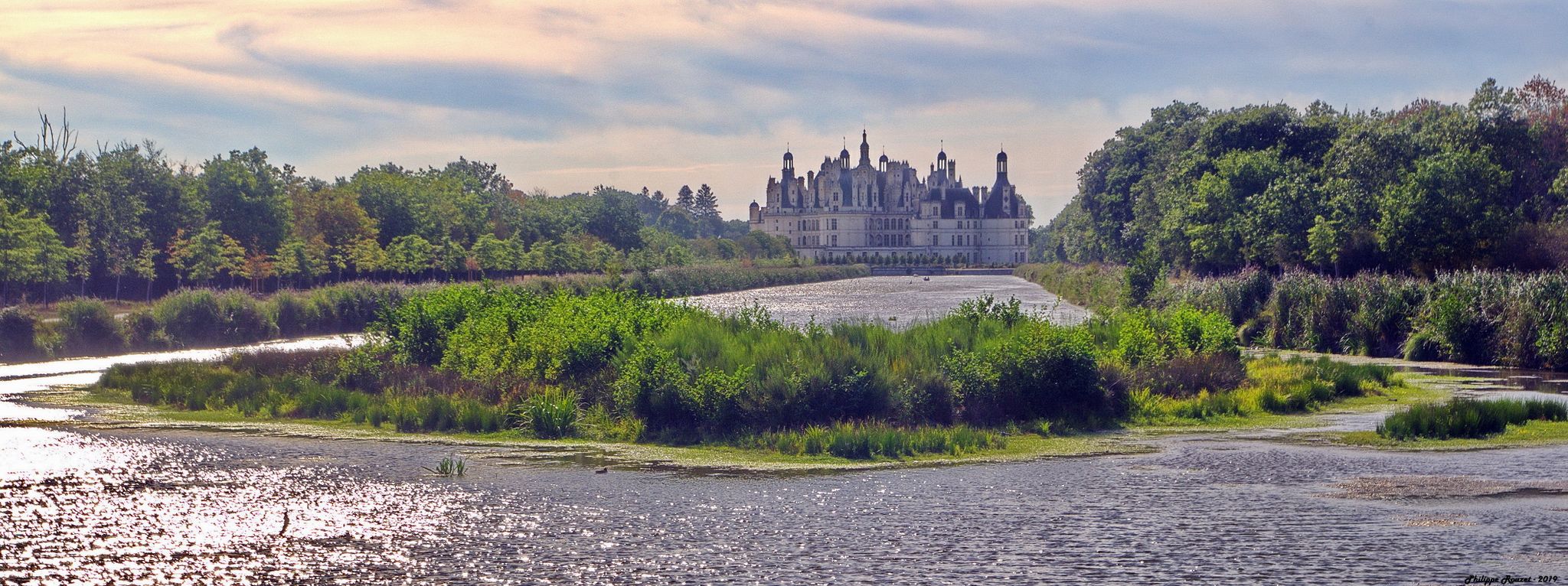
Route - SW - Chambord
Highlight (Segment) • Other
Translated by Google •
Tip by

Sologne Bird Observatory
Highlight • Mountain Hut
Translated by Google •
Tip by

Sign up for free to discover even more attractions around Romorantin-Lanthenay.
Already have an account?
Start today with a free account
Your next adventure awaits.
Popular around Romorantin-Lanthenay
Other adventures around Romorantin-Lanthenay

Tips from the Community

On 23/09/2026: the castle is undergoing major renovations. See photos.
0
0

Great to do over 2 days. Remember to bring plenty of water if it's hot. Overall, there are quite a few shaded sections. And the highlight of the park is the bird show, which you must see at all costs.
0
0
The view from this castle is well worth the effort; the stretch is... long.
0
0
The Giraudière circuit will take you, through woods, to the village of Villeny, skirting the Trevauchon, La Courtilière and Giraudière ponds. You will pass near the Château de La Giraudière, dating from the late 18th century.
0
0
It's a beautiful castle, that's true, but in a state of disrepair...
0
0

The parish church, dedicated to Saint Stephen, belonged in the 13th century to the Abbey of Micy near Orléans. It was rebuilt at the end of the 15th and beginning of the 16th centuries. It consists of a long nave, 35 meters in length and over 9 meters wide, ending in a three-sided apse. Its walls, built of rubble and rendered brick, are reinforced by dressed stone buttresses. The cornice at the base of the roof and the window and door surrounds are also made of molded dressed stone. The double-lancet windows with trefoil topped by a figure-eight shaped bilobe are identical, except for those on the west facade and the central window, which are more elaborate, featuring three lancets while retaining the same molding. An addition was made at the beginning of the 16th century. On the north side stands an imposing seigneurial chapel and a massive bell tower with eight flat buttresses, two on each face, all built of brick. Ashlar is reserved for the buttresses of the bell tower and alternates with brick in the buttresses of the chapel; it is used for framing the openings, the windows, and the sloping sides of the chapel's gable. A lozenge-shaped decoration of black bricks on a background of pink bricks has been preserved on the lower level and on part of the gable of this chapel. The chapel was the only vaulted part of the church, undoubtedly financed by Jean or Claude d'Estampes, lord of La Ferté-Nabert. The rest of the building was covered by a panelled vault, the replacement of which with a false ribbed vault of plaster resulted in the disappearance of the tie beams and king posts and ruined the structural integrity of the roof frame. This artificial, cold, and superficial decoration of the upper sections deprives the interior of the interplay of tie beams and king posts. These, in their rhythm, corresponded to the lateral openings and reflected the robust structure of the timber frame that protected the building. A comprehensive restoration is planned. Initially, for the north chapel—masonry, roofing, and timber frame—the French Heritage Society (Sauvegarde de l’Art français) provided €30,490 in 2001.
0
0

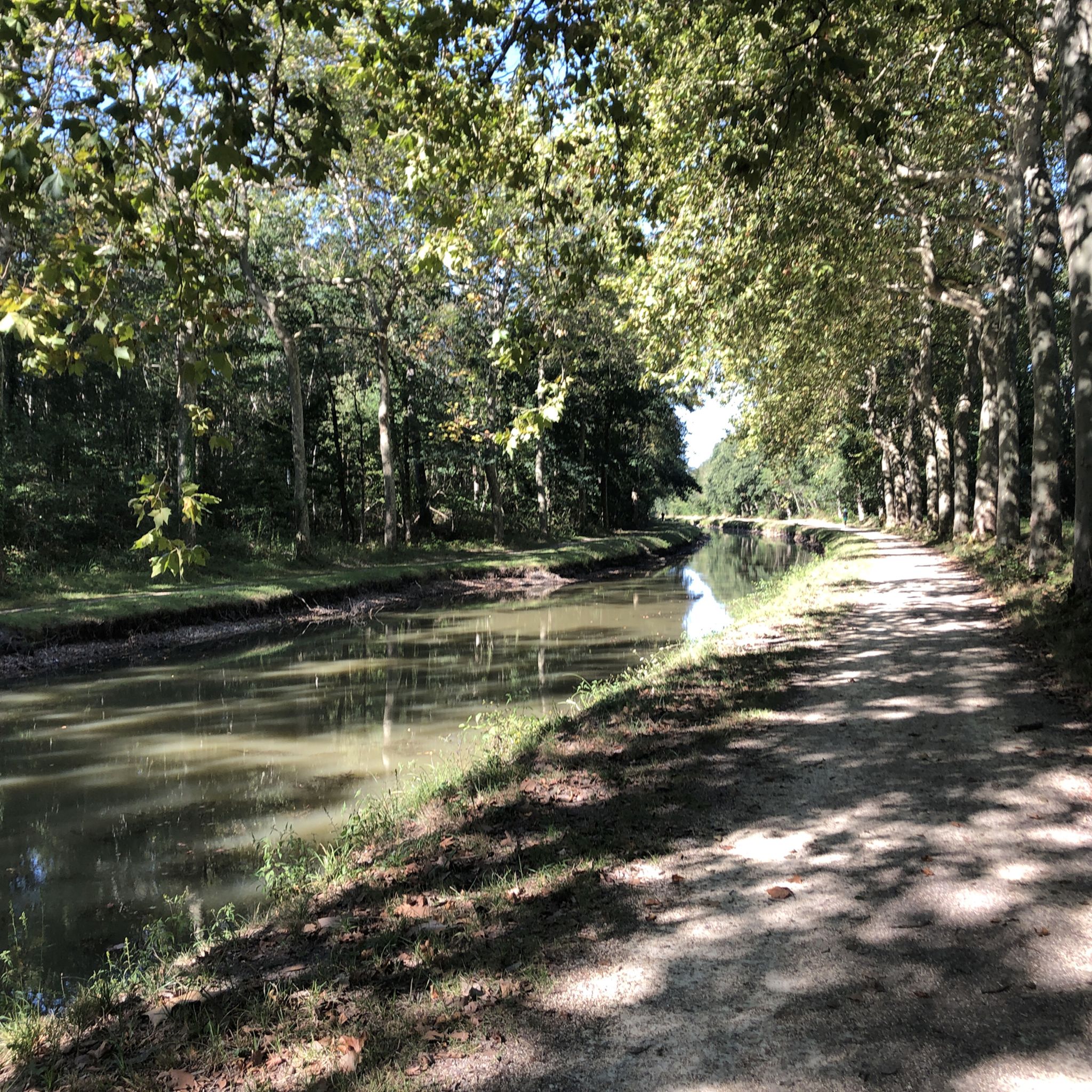
Timeless road, moss in the middle of the road, but very smooth.
0
0

Very great zoo. Many animals. Very beautiful interior and exterior.
1
0
Frequently Asked Questions
What are the best family-friendly attractions around Romorantin-Lanthenay?
For families, the Beauval Zoo is a top choice, known for its extensive facilities and variety of animals, often requiring a two-day visit to explore fully. You can also enjoy the Scenic Road by the Ponds of Sologne, which is a quiet, wooded route perfect for observing the characteristic Sologne ponds. The Sologne Bird Observatory also offers an engaging experience for all ages.
What natural features can I explore in the Sologne region near Romorantin-Lanthenay?
The Sologne region is characterized by its forests and numerous ponds. You can experience this natural beauty along the Scenic Road by the Ponds of Sologne, which offers views of many of the over 3,000 ponds created in the Middle Ages. The Sologne Bird Observatory is another excellent spot for nature observation.
Are there historical castles to visit near Romorantin-Lanthenay?
Yes, the area features several historical castles. You can visit Villebourgeon Castle, known for its red brick Louis XIII style architecture set on the edge of a pond. Another notable site is the Château de Saint-Aignan-sur-Cher. Additionally, the famous Château de Chambord is a significant nearby attraction, well worth a visit.
What kind of hiking trails are available around Romorantin-Lanthenay?
The region offers a variety of hiking trails. You can find options like the moderate Choussy Forest Loop or the Beauval Zoo loop from Saint-Aignan. For an easier walk, consider the Hiking loop from Nouan-le-Fuzelier. More details and routes can be found in the Hiking around Romorantin-Lanthenay guide.
Can I find places for birdwatching or wildlife observation?
Absolutely. The Sologne Bird Observatory is specifically designed for this, offering excellent opportunities to observe local bird species. The numerous ponds and forests of the Sologne region, particularly along the Scenic Road by the Ponds of Sologne, also provide natural habitats for various wildlife.
Are there any medieval sites to explore?
Yes, you can visit the Medieval village Mennetou-sur-Cher, which is a charming small medieval town offering a glimpse into the past.
What do visitors enjoy most about the attractions around Romorantin-Lanthenay?
Visitors frequently praise the natural setting and tranquility of the Sologne region, especially the quiet, wooded roads and the characteristic ponds. The Beauval Zoo is highly rated for its extensive animal collection and facilities. Historical sites like Villebourgeon Castle are appreciated for their unique architecture and historical significance.
Are there options for cycling or gravel biking in the area?
Yes, the region is suitable for cycling. You can find gravel biking routes, including challenging options like the Canal du Berry – Bus in the woods loop or moderate ones such as the Jolie – Sologne Forest Trail loop. Explore more routes in the Gravel biking around Romorantin-Lanthenay guide.
What are some religious or historical buildings I can visit?
You can visit the Saint-Aignan Church and the Saint-Étienne Church of Chaumont-sur-Tharonne, both of which are historical religious buildings in the area.
Are there any easy outdoor activities for a relaxed day?
For a relaxed day, consider a gentle stroll or drive along the Scenic Road by the Ponds of Sologne. It's a very quiet, wooded road with a smooth surface, perfect for observing the natural landscape and ponds without strenuous effort. You could also try an easy running loop like the Running loop from La Butte, found in the Running Trails around Romorantin-Lanthenay guide.
What is the best time to visit Romorantin-Lanthenay attractions?
The Sologne region, with its forests and ponds, is beautiful throughout the warmer months, offering pleasant conditions for outdoor exploration. Autumn can be particularly scenic with changing foliage. For attractions like Beauval Zoo, visiting outside of peak summer weekends might offer a more relaxed experience, though facilities are extensive year-round.
Most popular routes around Romorantin-Lanthenay

Get inspired with the komoot mobile app


Didn’t find what you were looking for?
Are you keen on exploring more awesome places nearby? Browse our guides:
Explore more
Still not found the Highlight you’re looking for? See guides of the top attractions in other regions:
