Top 12 Castles around Caen
Castles around Caen offer a glimpse into Norman history and architecture. The region is characterized by its historical significance, particularly its ties to William the Conqueror and the Dukes of Normandy. Caen itself is home to one of Western Europe's largest castle complexes, serving as a cultural hub. The area features a mix of well-preserved fortifications and significant ruins, providing varied historical exploration opportunities.
Best castles around Caen
- The most popular castles is William the Conqueror's Castle, a castle that served as the site of William the Conqueror's early military career. The dungeons of this castle bear witness to his conquest.
- Another must-see spot is Caen Castle, a castle complex offering views of the city from its walls. This site includes ruins of the old castle, recent fortifications, and museum buildings.
- Visitors also love Bénouville Castle, a neoclassical castle built between 1768 and 1785. It is known for its impressive row of iconic columns and now hosts temporary exhibitions.
- Caen is known for its medieval fortresses, neoclassical châteaux, and historical ruins. Visitors can explore a variety of castles, from those with extensive ramparts to those showcasing 18th-century architecture.
- The castles around Caen are appreciated by the komoot community, with 15 highlights and 206 upvotes.
Last updated: October 10, 2026
Bénouville Castle
Highlight • Castle
Translated by Google •
Tip by

Caen Castle
Highlight • Castle
Translated by Google •
Tip by

Sign up now to discover places like this
Get recommendations on the best single tracks, peaks, & plenty of other exciting outdoor places.
Saint Peter
Highlight • Other
Translated by Google •
Tip by

Jonquet Castle
Highlight • Castle
open to the public from July 3 to August 4 and from August 14 to September 1, every day from 9:30 a.m. to 3:30 p.m. except Saturday and Sunday. Free visit of the gardens.
Source: chateau-fort-manoir-chateau.eu
Translated by Google •
Tip by

Château d'Harcourt
Highlight • Castle
Translated by Google •
Tip by

William the Conqueror's Castle
Highlight • Castle
Translated by Google •
Tip by

Lantheuil Castle
Highlight • Castle
Translated by Google •
Tip by

Château Ganne
Highlight • Castle
Translated by Google •
Tip by
Château de la Pommeraye
Highlight • Castle
Translated by Google •
Tip by
Château de La Fresnaye
Highlight • Castle
Translated by Google •
Tip by
Sign up for free to discover even more castles around Caen.
Already have an account?
Start today with a free account
Your next adventure awaits.
Popular around Caen
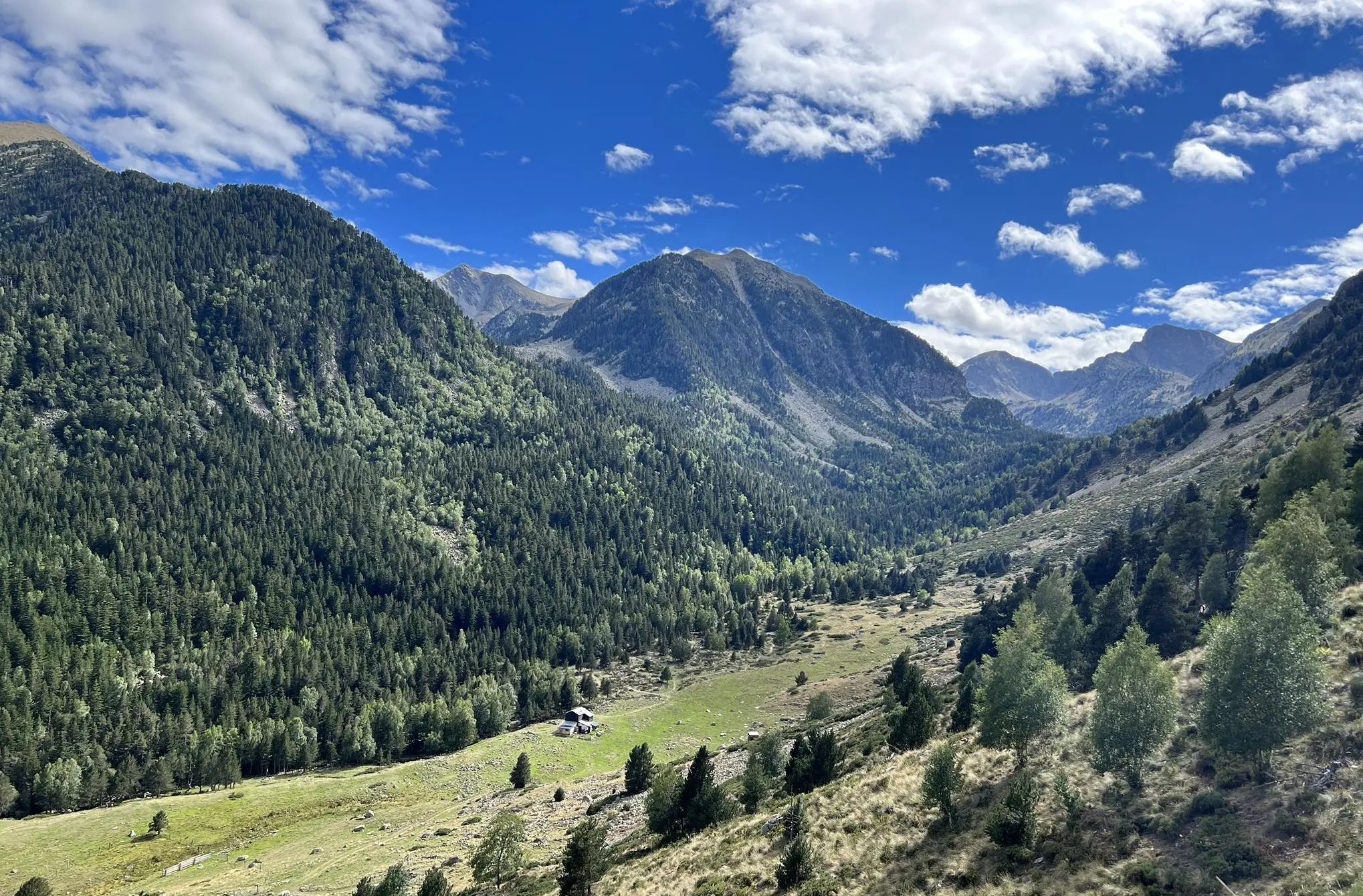
GR 36 long-distance footpath – Cross France from the Channel to the Pyrenees
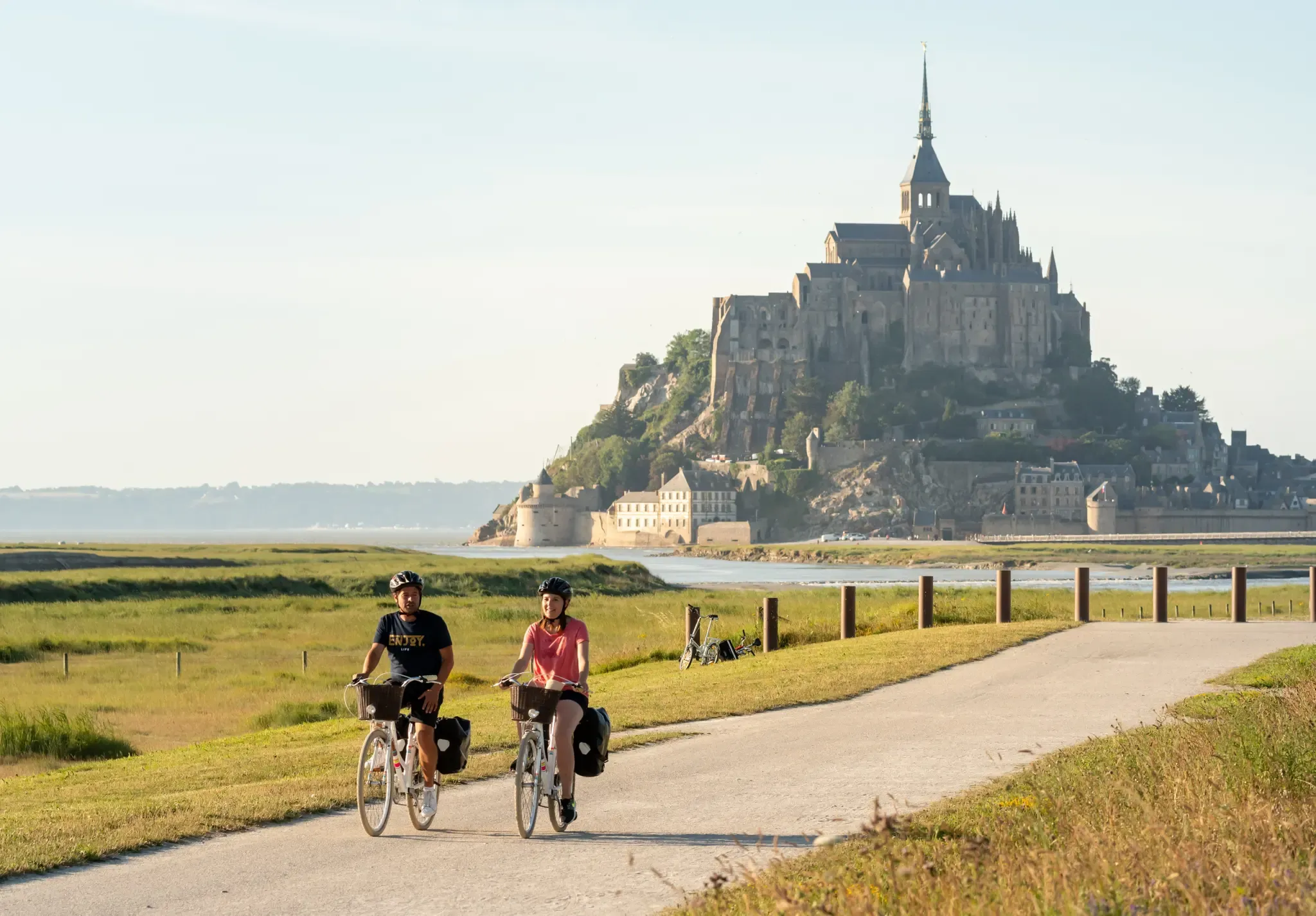
Cycling in Normandy – 7 station to station routes
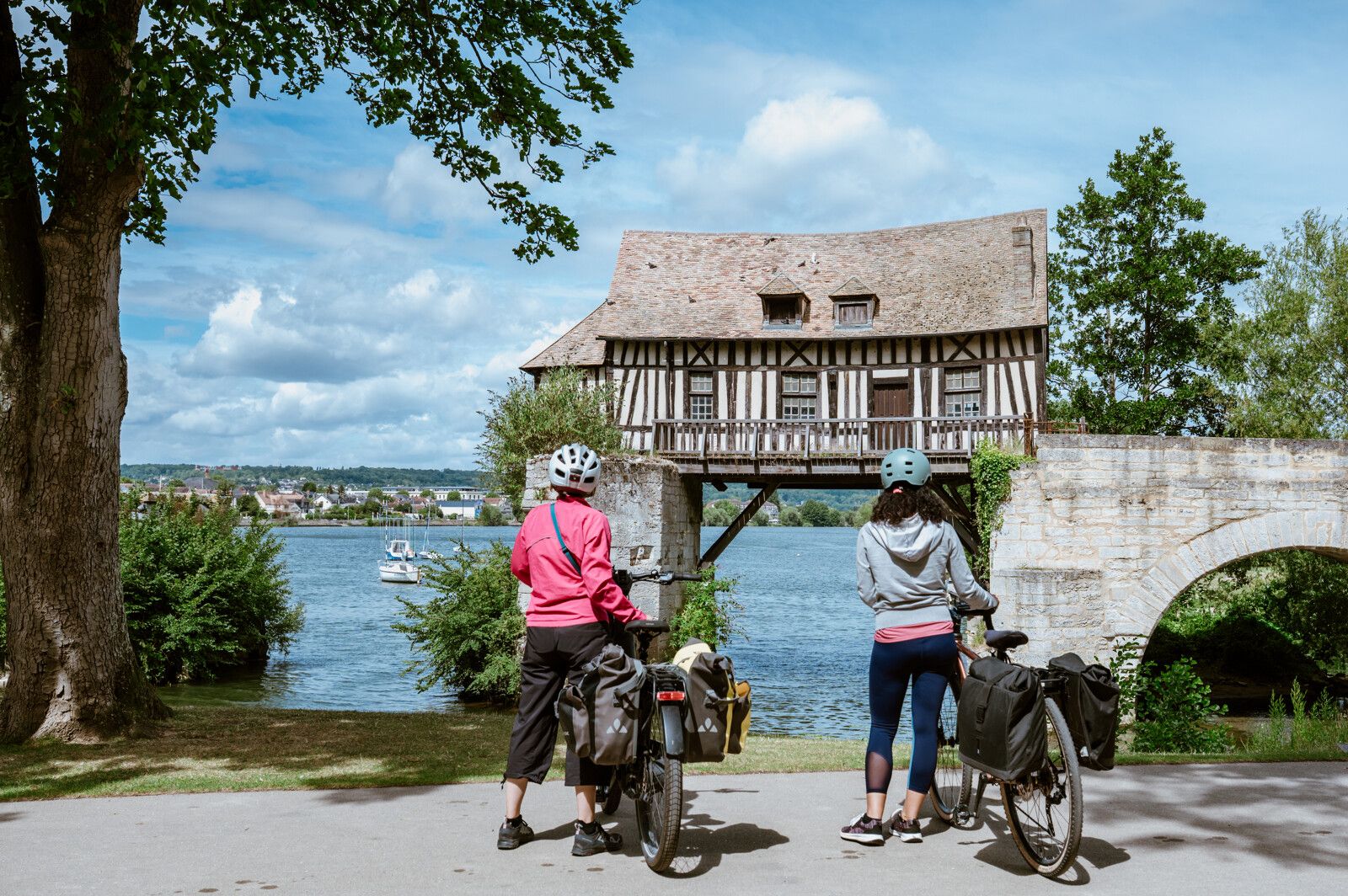
Cycling in Normandy – The most beautiful station to station routes
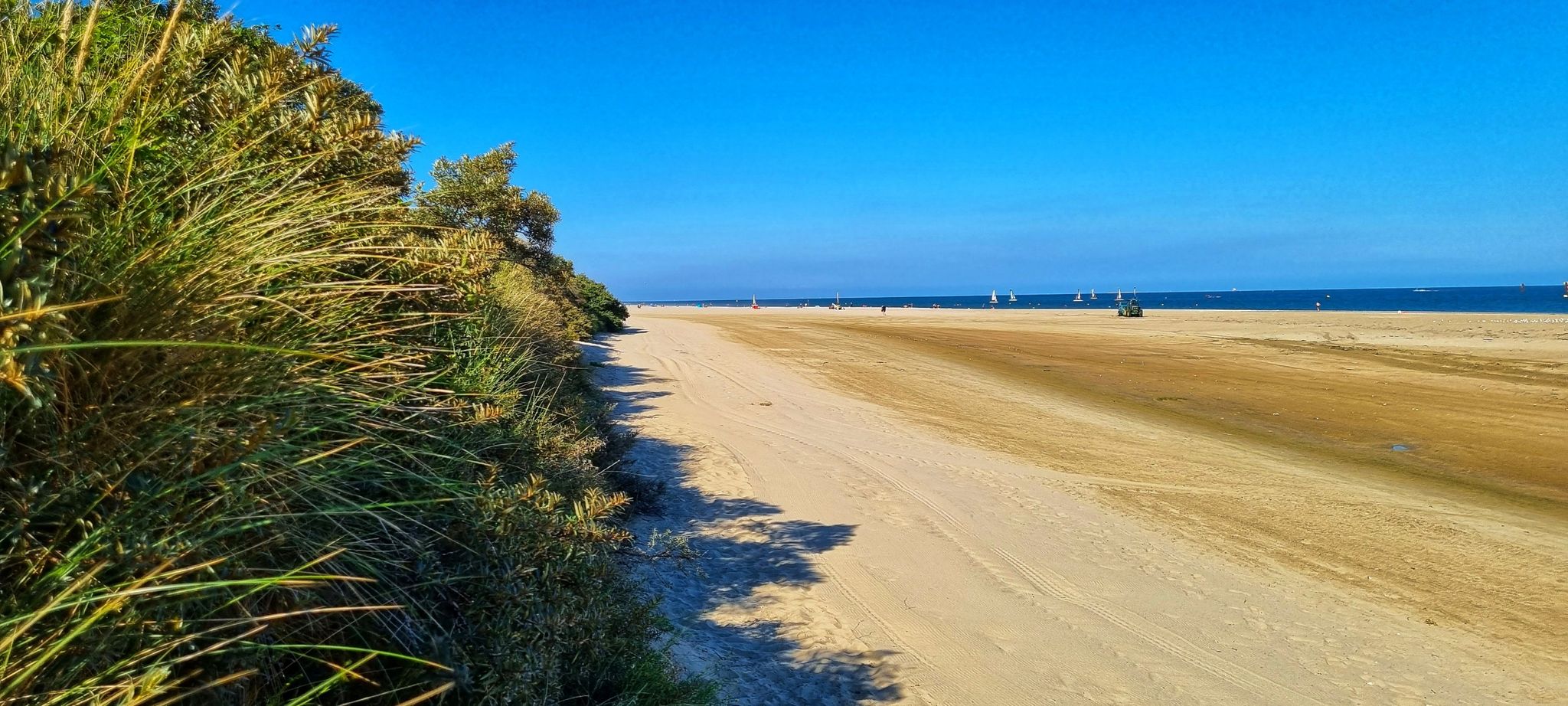
Hike the Normandy coast – GR 223 (part one)
From Ouistreham to La Rochelle — riding the Vélo Francette
Hiking around Caen
Cycling around Caen
Running Trails around Caen
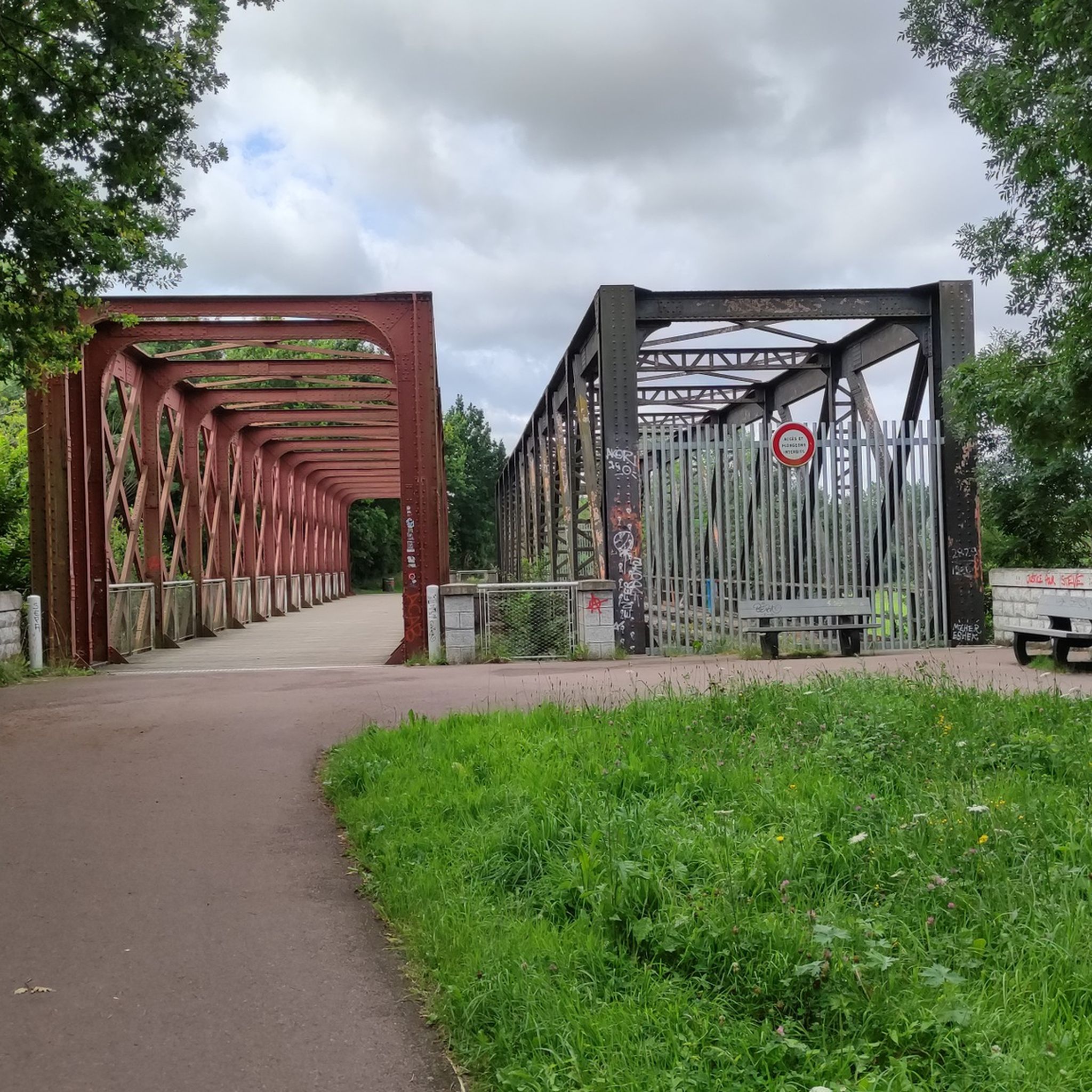
Road Cycling Routes around Caen
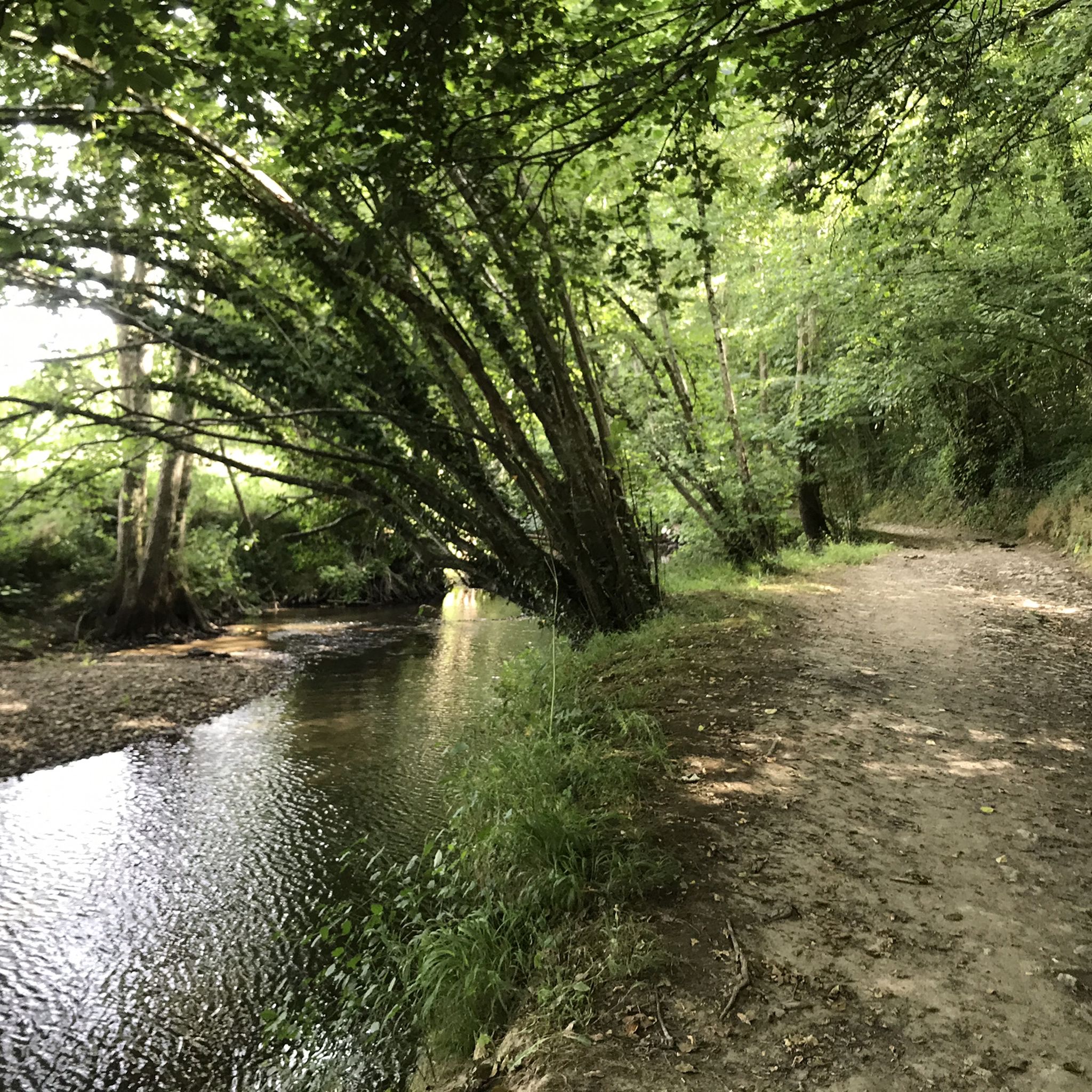
MTB Trails around Caen
Other adventures around Caen


Tips from the Community


The Château de Caen is the former city fortress of the Norman dukes in the city of Caen in what is now the Normandy region in northern France. It houses, among other things, the cultural-historical Musée de Normandie[1] and the modern building of the Musée des Beaux-Arts. The entire complex has been recognized as a monument historique since 1997.
2
0
Built between the 13th and 16th centuries, it plays with the transition of styles: radiant and flamboyant Gothic and Renaissance. It has a magnificent 14th century bell tower, almost 80 m high, which is currently being restored. Particularly worth seeing are the vault of the choir, the chapels of the ambulatory in late Gothic style and the carved capitals of the third pillar of the nave on the north side, which depict four scenes from chivalric romances and satirical writings of the Middle Ages. J.F. Dupont organ, built in 1997.
2
0

Unfortunately, you cannot enter the castle grounds.
0
0

Château des ducs d'Harcourt: Ruins of a castle built in the 17th and 18th centuries in Thury-Harcourt. Unfortunately, the castle, praised as the "Versaille of Normandy", was destroyed in fighting in August 1944. Today only parts of the facade and two guard pavilions remain. The chateau is a good starting point for numerous hikes in the beautiful "Normandie Suisse".
0
0

Since March 2023 and until 2025, work will be carried out under the direction of architect Philippe Prost and landscape architect Thierry Lavergne to transform the castle grounds. Entitled "The castle within its walls", the 4-hectare site will be given over to 75% green space. The avenues will be redesigned to structure this large inner garden and guide visitors. A 700 m² reception area will be built towards the Porte des Champs. The "hidden treasures" will be highlighted, such as the remains of the keep, the towers of the ramparts and the dungeons of the Saint-Pierre gate.
4
0
Built between the 13th and 16th centuries, the Église Saint-Pierre plays with the transition of styles: radiant and flamboyant Gothic and Renaissance. It has a magnificent 14th-century bell tower, almost 80 m high. Particularly worth seeing are the vault of the choir, the chapels of the ambulatory in late Gothic style and the carved capitals of the third pillar of the nave on the north side, which depict four scenes from chivalric romances and satirical writings of the Middle Ages.
5
0

This 17th and 18th century castle did not survive the Second World War. Today only part of the main facade and a chapel remain. If the private domain is closed to the public, the main buildings that remain standing can be seen from the public road.
0
0
Frequently Asked Questions
What are the most historically significant castles around Caen?
The most historically significant castle directly within Caen is the Château de Caen, founded by William the Conqueror around 1060. It served as a key residence for the Dukes of Normandy and Kings of England. Another crucial site is William the Conqueror's Castle in Falaise, where he began his military career, and its dungeons bear witness to his conquest.
Are there family-friendly castles to visit near Caen?
Yes, several castles around Caen are suitable for families. The Château de Caen offers extensive grounds and museums that can be explored. William the Conqueror's Castle is also considered family-friendly, providing an engaging historical experience. Additionally, Château de la Pommeraye and Fontaine-Henry Castle are noted as family-friendly.
Can I explore the Château de Caen freely?
Yes, the castle park of the Château de Caen is freely accessible daily. You can explore its extensive ramparts for views of the city, visit the Musée de Normandie and Musée des Beaux-Arts, and admire the medieval garden and contemporary sculptures. While renovations are ongoing until 2025, much of the site remains open to visitors.
What kind of views can I expect from the castles?
From the ramparts of Caen Castle, you can enjoy splendid panoramic views of the city. Château Ganne, though in ruins, is set in a green landscape and offers scenic spots for walkers. Many castles, due to their strategic locations, provide elevated perspectives of the surrounding countryside.
Are there opportunities for outdoor activities near the castles around Caen?
Yes, the region around Caen offers various outdoor activities. You can find numerous routes for hiking, road cycling, and general cycling. For example, explore the 'Normandy D-Day Beaches Loop' for road cycling or 'The Orne Valley' for hiking. You can find detailed routes and guides for these activities on the hiking around Caen, road cycling around Caen, and cycling around Caen guide pages.
What cultural attractions are housed within the Château de Caen?
The Château de Caen is a significant cultural center. It hosts the Musée de Normandie, which showcases local archaeological finds and regional art, and the Musée des Beaux-Arts, featuring a collection of Old Masters. The grounds also include Saint George's church and the Échiquier de Normandie, used for exhibitions.
What is special about Bénouville Castle?
Bénouville Castle is a notable example of neoclassical architecture, built between 1768 and 1785. It is known for its impressive row of iconic columns on the courtyard facade. Today, the castle is owned by the departmental council and hosts temporary exhibitions, making it a blend of historical architecture and contemporary culture.
Can I visit castle ruins around Caen?
Yes, you can visit castle ruins. Château Ganne offers accessible ruins from the 11th century, allowing visitors to walk among the remains and explore. The Château de Caen complex also includes ruins of the old castle alongside more recent fortifications.
What is the best time to visit castles around Caen?
The castle parks and outdoor areas are generally accessible year-round. However, for the most pleasant experience, visiting during spring or early autumn offers mild weather, ideal for exploring the extensive grounds and ramparts. Museums within castles like the Château de Caen have specific opening hours, which you should check on their official websites, such as caenlamer-tourisme.com, before your visit.
Are there any castles near Caen that are less well-known but worth visiting?
While the Château de Caen and William the Conqueror's Castle are prominent, you might enjoy exploring Château d'Harcourt, a medieval fortress with a rich history, or the ruins of Château Ganne, which offers a more intimate experience of historical remains in a natural setting.
What do visitors enjoy most about the castles around Caen?
Visitors frequently appreciate the historical depth and architectural variety of the castles. Many enjoy the panoramic views from the ramparts of Caen Castle and the immersive historical experience at William the Conqueror's Castle, especially with modern reconstructions that help visualize the past. The accessibility of the outdoor areas and the cultural offerings within the castles are also highly valued.
Most popular routes around Caen
Most popular attractions around Caen

Get inspired with the komoot mobile app


Didn’t find what you were looking for?
Explore Caen’s best castles region by region:
Explore more
Looking for the best castles somewhere else? Discover other guides around Caen:
