Attractions and Places To See around Bastia - Top 20
Best attractions and places to see around Bastia, located on the northeastern coast of Corsica, offer a diverse range of experiences. The region features historical landmarks, cultural sites, and natural beauty. Visitors can explore ancient citadels, picturesque old ports, and expansive public squares. The surrounding area also provides access to nature reserves, scenic coastlines, and traditional villages.
Best attractions and places to see around Bastia
- The most popular attractions is Tamarone Beach, a beach that serves as a starting point for coastal excursions. It is known for its scenic coastal excursions and opportunities for stops at other beautiful beaches.
- Another must-see spot is View of Nonza, a village viewpoint. Visitors can enjoy panoramic views of the large black pebble beach below and explore the historic village.
- Visitors also love Old arch bridge in the Pietracorbara river, a historic arch bridge. This historic arch bridge is part of a scenic hiking trail along the Pietracorbara river, featuring old abandoned houses.
- Bastia is known for its historical landmarks, natural beaches, and cultural sites. The region offers a variety of experiences, from exploring ancient citadels to coastal walks and nature observation.
- The attractions around Bastia are appreciated by the komoot community, with more than 220 upvotes and 70 photos shared by visitors.
Last updated: October 9, 2026
Tamarone Beach
Highlight (Segment) • Beach
Macinaggio, so named because of its windmills, is the largest port in Cap Corse. It has been very active since ancient times; the Romans used it as a military port. The port was used by the Genoese in 1620 to export olive oil and wine to the Italian peninsula.
View of the harbor
From June 1748 to 1753 the port was occupied by French troops and was expanded for military purposes. The port became historically known primarily through the Corsican revolutionary and resistance fighter Pasquale Paoli when he left Corsica on July 14, 1790 from the port of Macinaggio and sailed into exile in England. In 1814, Napoleon Bonaparte landed in the harbor on his return from exile on the island of Elba. In December 1869, the imperial yacht “L’Aigle” called at the port of Macinaggio after the Empress Eugénie had inaugurated the Suez Canal.
Today the port, which is based on the original port and has been expanded, is one of the important leisure ports on the Tuscan coast in the Mediterranean and is heavily frequented by summer tourism.
Translated by Google •
Tip by

Sentier des douaniers
Highlight (Segment) • Other
The hiking route is about 26 km long, starts from Maciaggio and runs around the northern tip of Cap Corse.
Always a bit up and down, endurance is required when it's hot.
Individual stages are also suitable for children - from Macinaggio to the Genoese tower Santa Maria and the chapel of the same name. This path can also be completed without hiking experience.
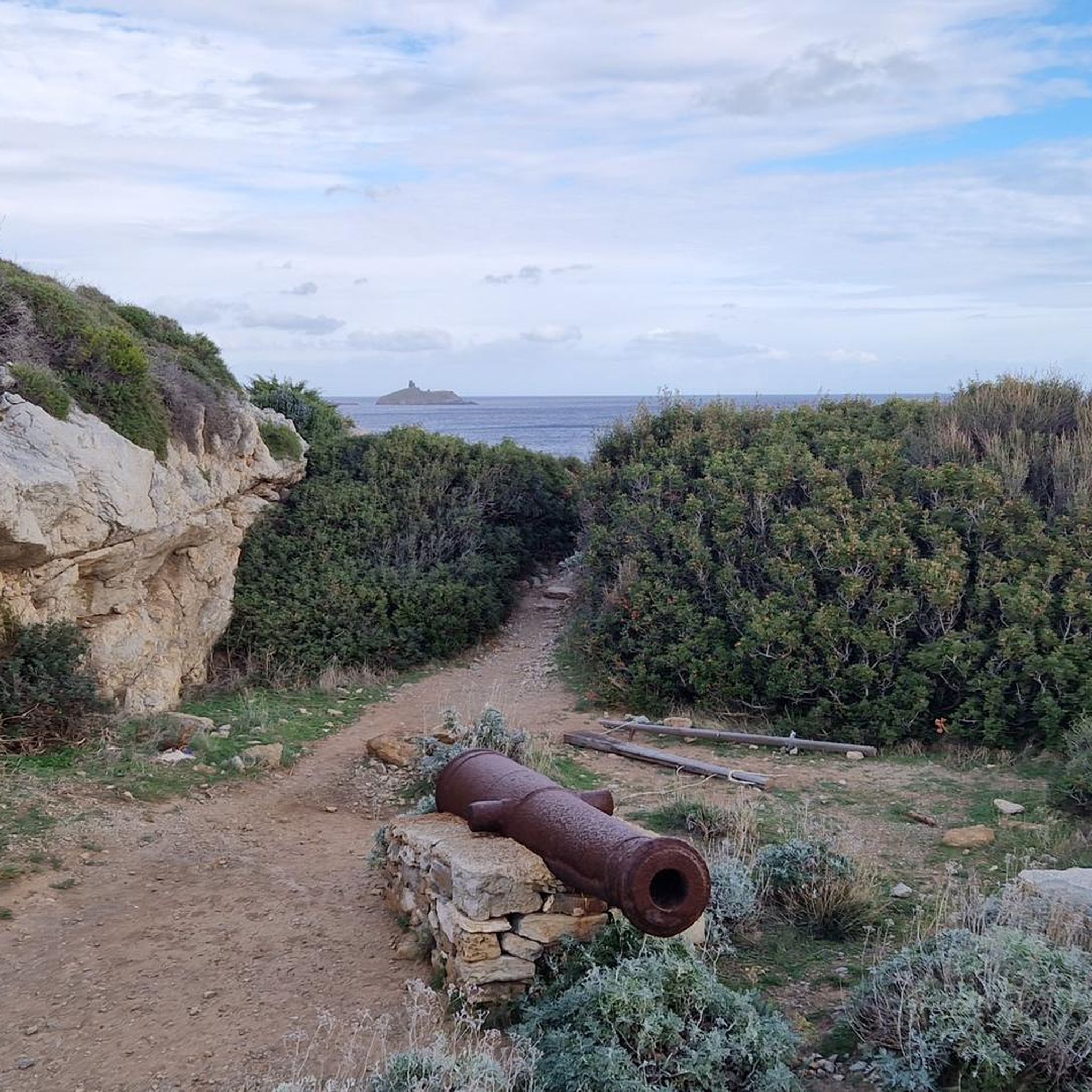
The section leads to Tamarone beach, where there is a beach restaurant. At the northern end of the beach, the customs officers' path continues and runs along the coast to Plage des Iles with a great view of the Iles de Finocchiarola, three small offshore islets. The hiking trail then continues through the scrub to the Genoese tower Santa-Maria and a lovely small bay.
Showing Translation
Tip by

Sign up now to discover places like this
Get recommendations on the best single tracks, peaks, & plenty of other exciting outdoor places.
View of Nonza
Highlight • Other
Translated by Google •
Tip by

Old arch bridge in the Pietracorbara river
Highlight • Other
Translated by Google •
Tip by

Saint John the Baptist Church, Bastia
Highlight • Religious Site
Translated by Google •
Tip by

Tamarone Beach
Highlight • Lake
🌊 Brief description:
Nature & surroundings: Approximately 500 meters of fine sandy beach, framed by Mediterranean scrubland (maquis), pebble and rocky coves. The vegetation appears wild and untouched.
Water & marine life: Crystal-clear turquoise water with good visibility – ideal for swimming, snorkeling, or sports activities such as paddleboarding and kitesurfing.
Access: Accessible via a 2.5 km unpaved road by car or on foot via the "Sentier des Douaniers" (Customs Path) – accordingly, it is rather quiet and unspoiled.
Services & infrastructure: Parking available, seasonal paillote (beach café) nearby. Several smaller, quieter coves are located nearby. Posidonia seagrass grows in places on the sand.
In a nutshell:
Tamarone is a protected sandy beach with fine sand and crystal-clear water, nestled in a wild coastal landscape. It impresses with its tranquil atmosphere and its direct location on the historic coastal path – perfect for anyone who wants to enjoy the unspoiled nature and the sea.
Translated by Google •
Tip by

Mattei Windmill
Highlight • Monument
Translated by Google •
Tip by

La Fontaine
Highlight • Other
✨ Brief description:
Installation & design: The vaulted spring lies directly beneath the cliff face, with a small brick barrel vault, an elegant arched opening, and a rectangular basin that served as a drinking and washing fountain.
Historical context: Located at the terminus of the old paved road ("Via") to the village – formerly a central meeting place. The elevated access and vaulted structure demonstrate clever use of water in the mountainous terrain.
Atmosphere: Surrounded by rustic lushness – old rock, overgrown spiny or medicinal plants, moss – creates a tranquil, almost meditative ambiance.
Accessibility: Easily accessible via a short route from Port de Centuri or the small camping or parking area near Cannelle. Ideal as a stopover on hikes along the coast or during a village walk.
🧭 Ideal for:
Photo enthusiasts: Stylish rock and water scenery with plenty of flair.
Beginner hikers: A small addition to walks around Centuri-Port or the Sentier des Douaniers.
Cultural explorers: A witness to traditional village infrastructure, now lovingly restored.
In a nutshell: The Fontaine de Cannelle is a natural spring nestled beneath rocks, with charming architecture, surrounded by wild greenery – a quiet, culturally rich gem in Cap Corse that exudes authenticity and tranquility.
Translated by Google •
Tip by
Napoleon Street, Bastia
Highlight (Segment) • Settlement
Translated by Google •
Tip by
Place Saint-Nicolas
Highlight • Monument
Translated by Google •
Tip by

Sign up for free to discover even more attractions around Bastia.
Already have an account?
Start today with a free account
Your next adventure awaits.
Popular around Bastia
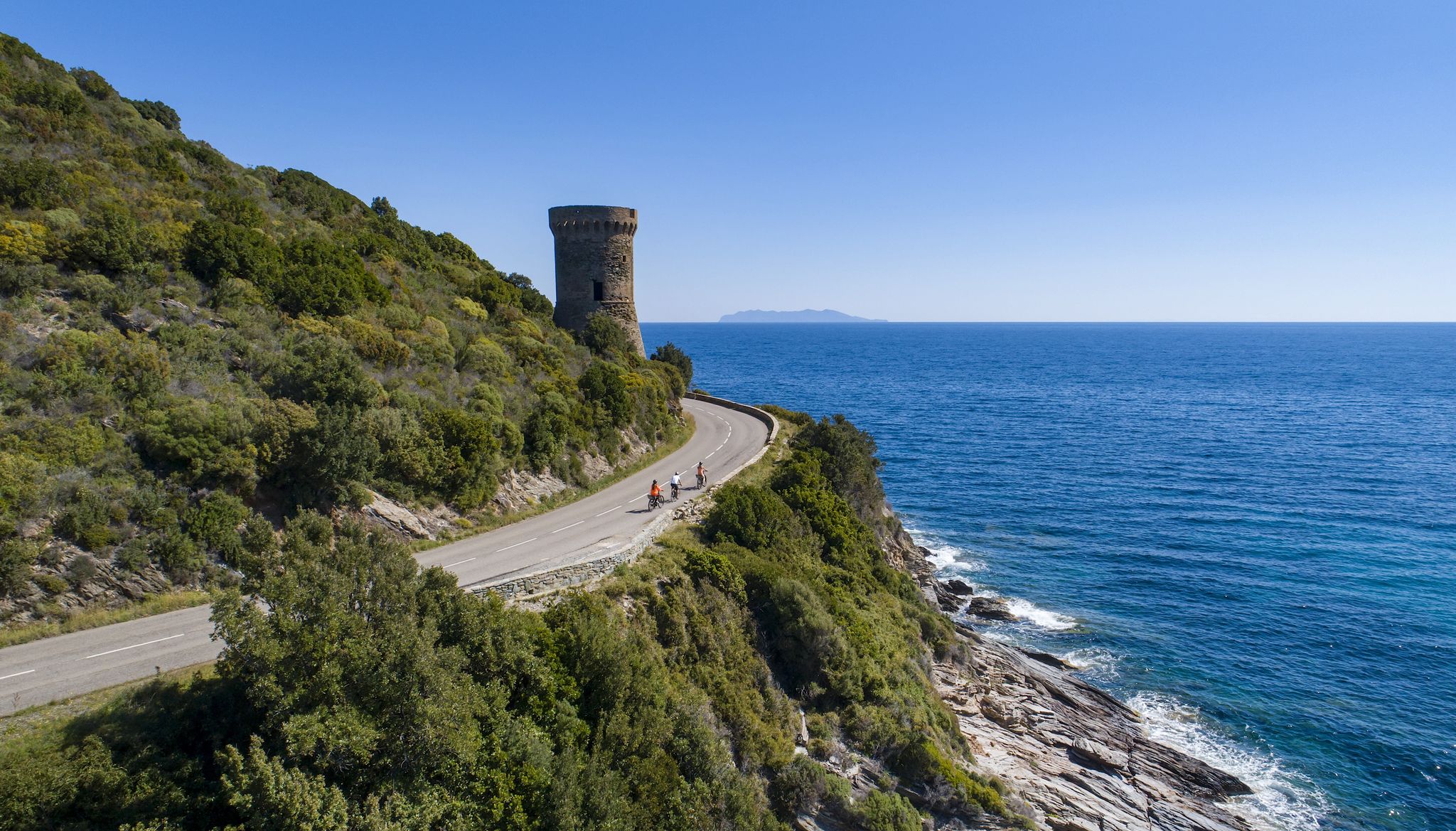
The Great Crossing of Corsica by bike – GT 20
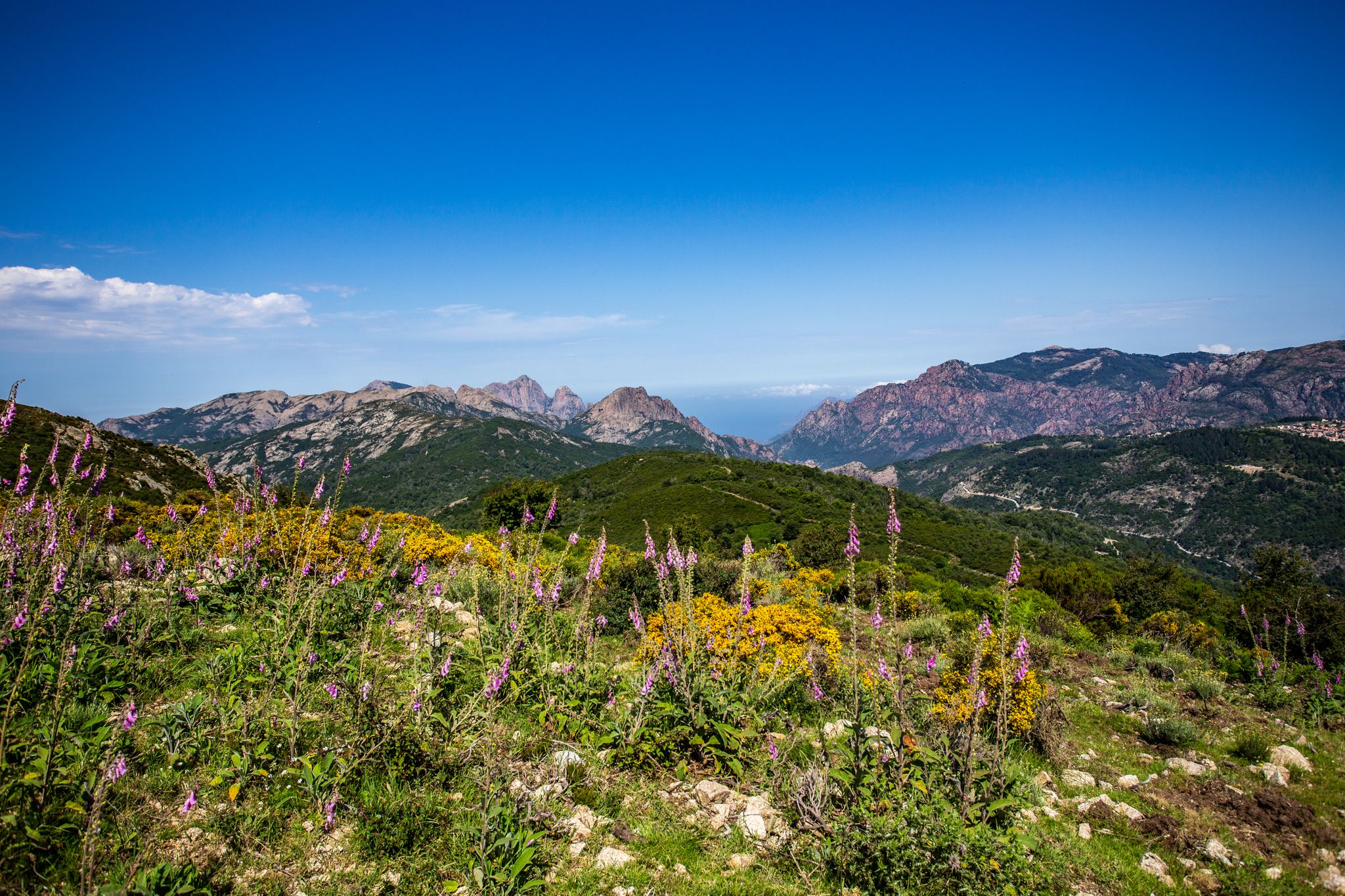
Always upwards - Passes in the north of Corsica
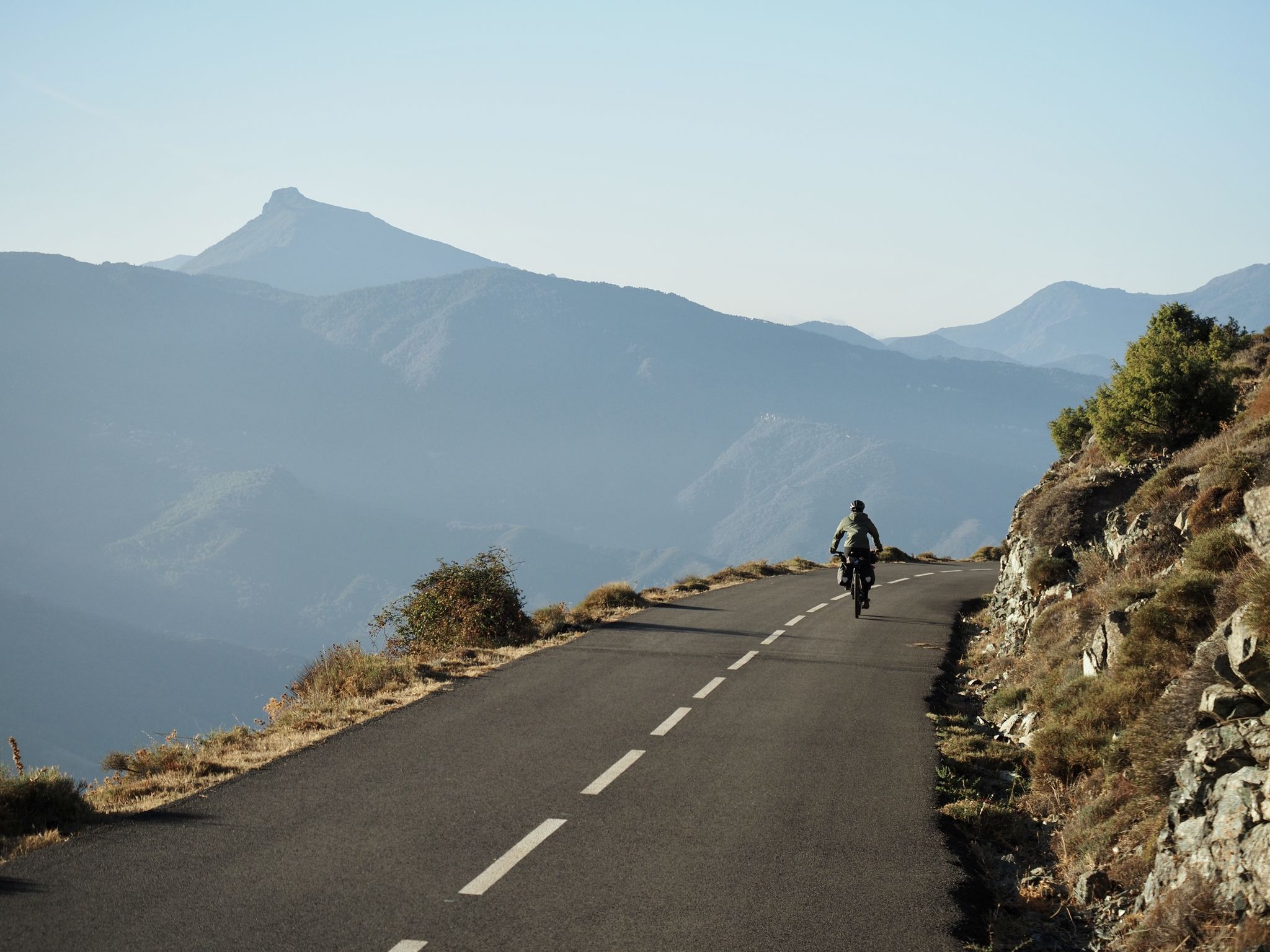
Crossing Corsica's GT20 – the greenest island in the Mediterranean
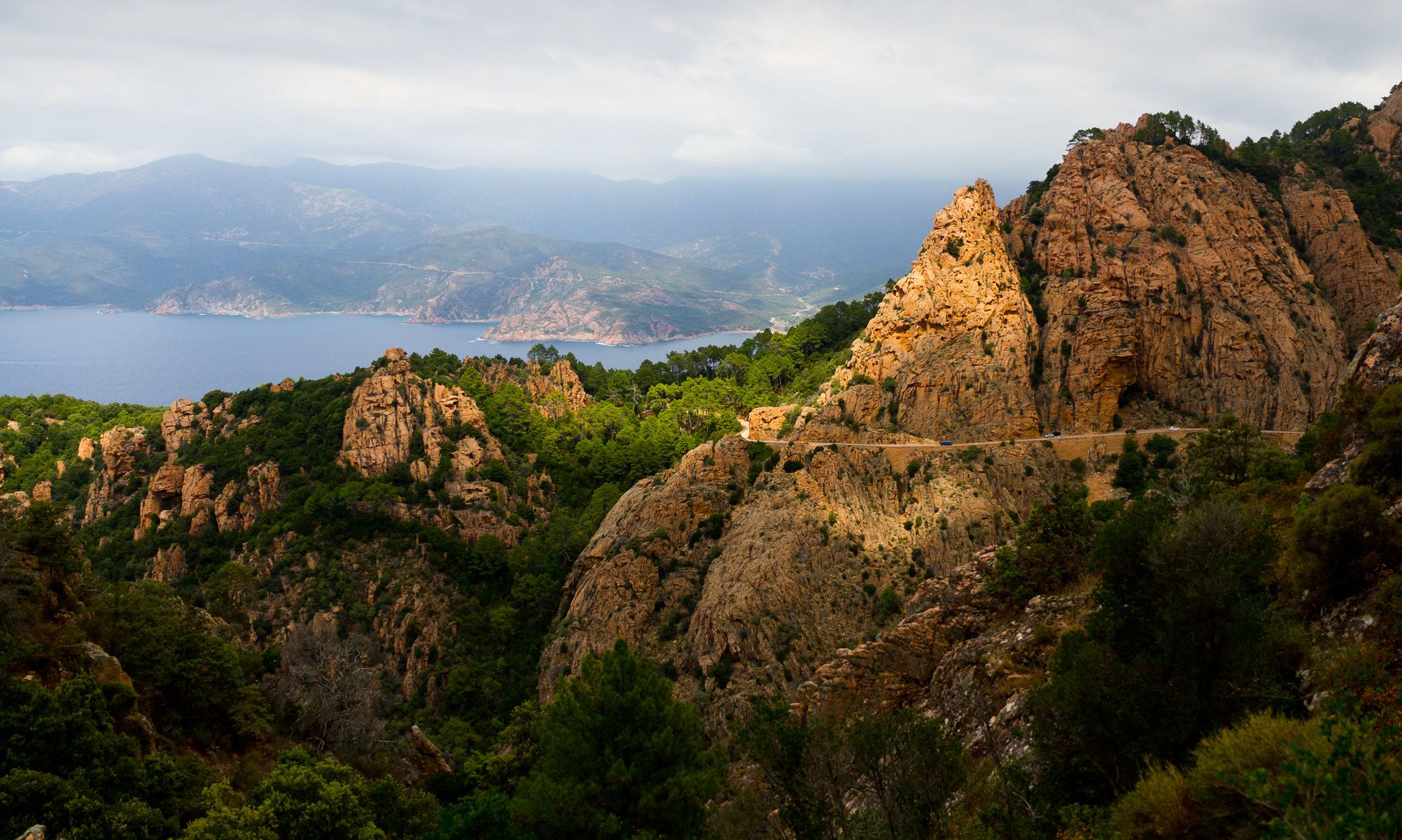
From Cape Corsica to Syracuse — three Mediterranean islands
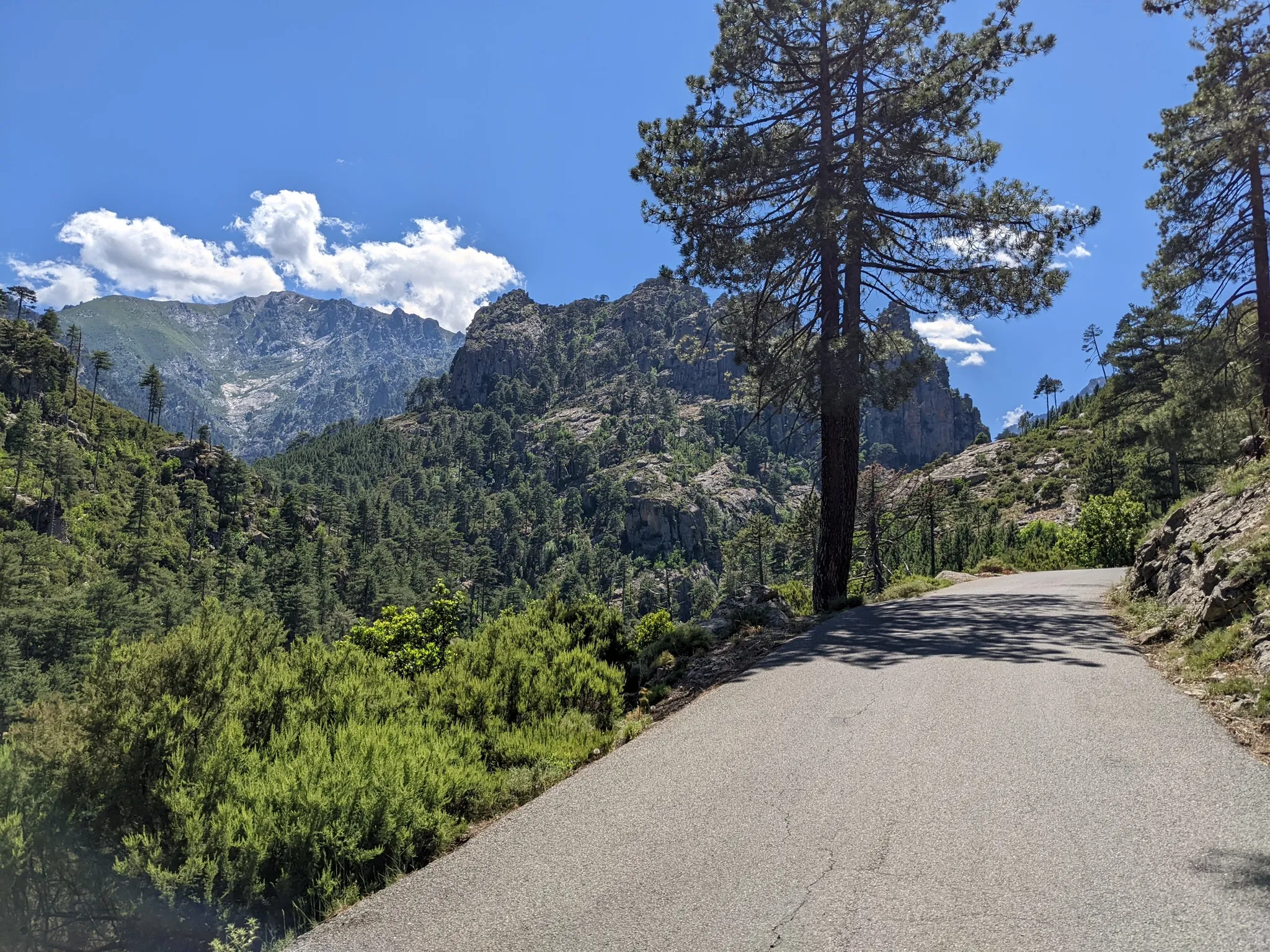
The mountains, the sea and you — discover Corsica by road bike
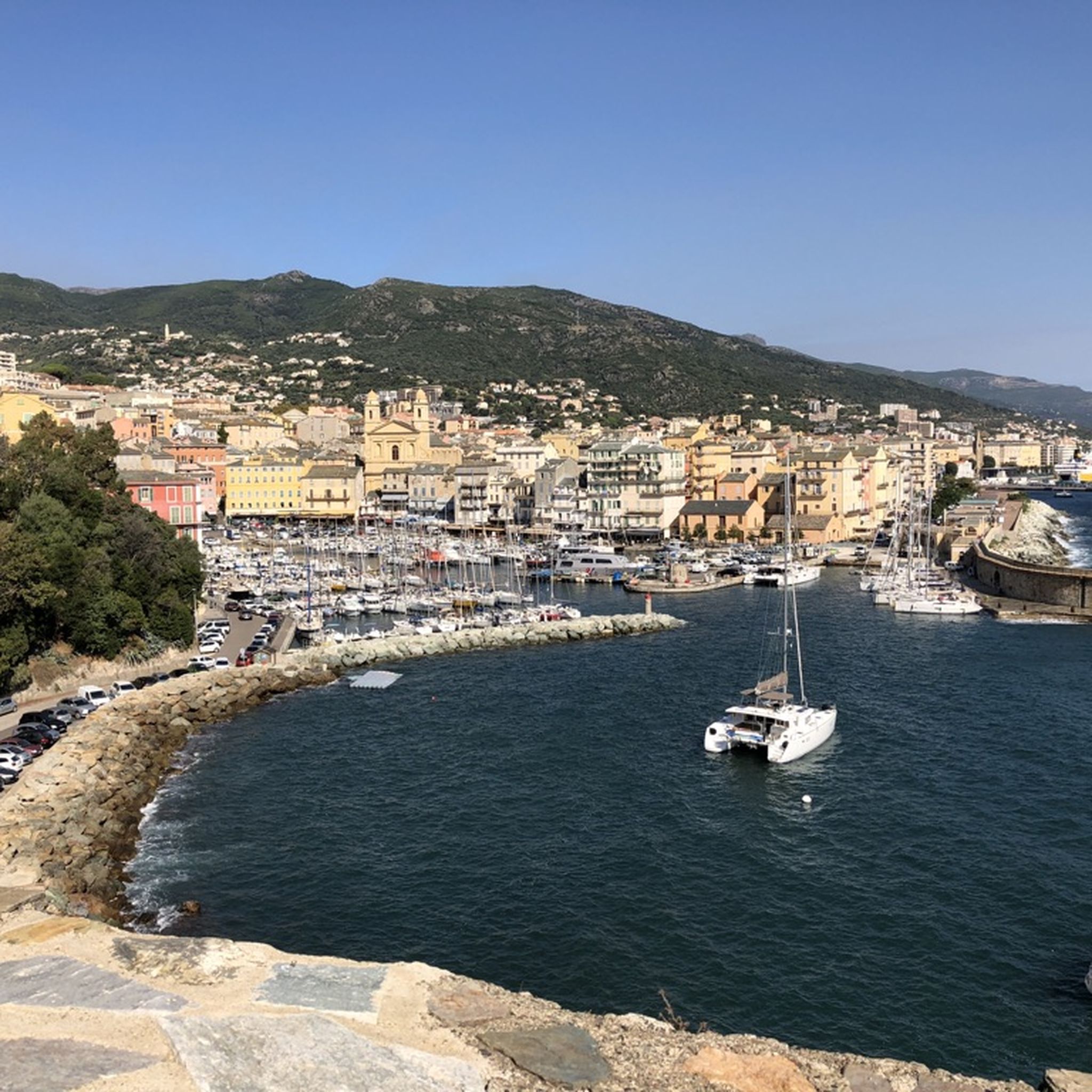
Cycling around Bastia
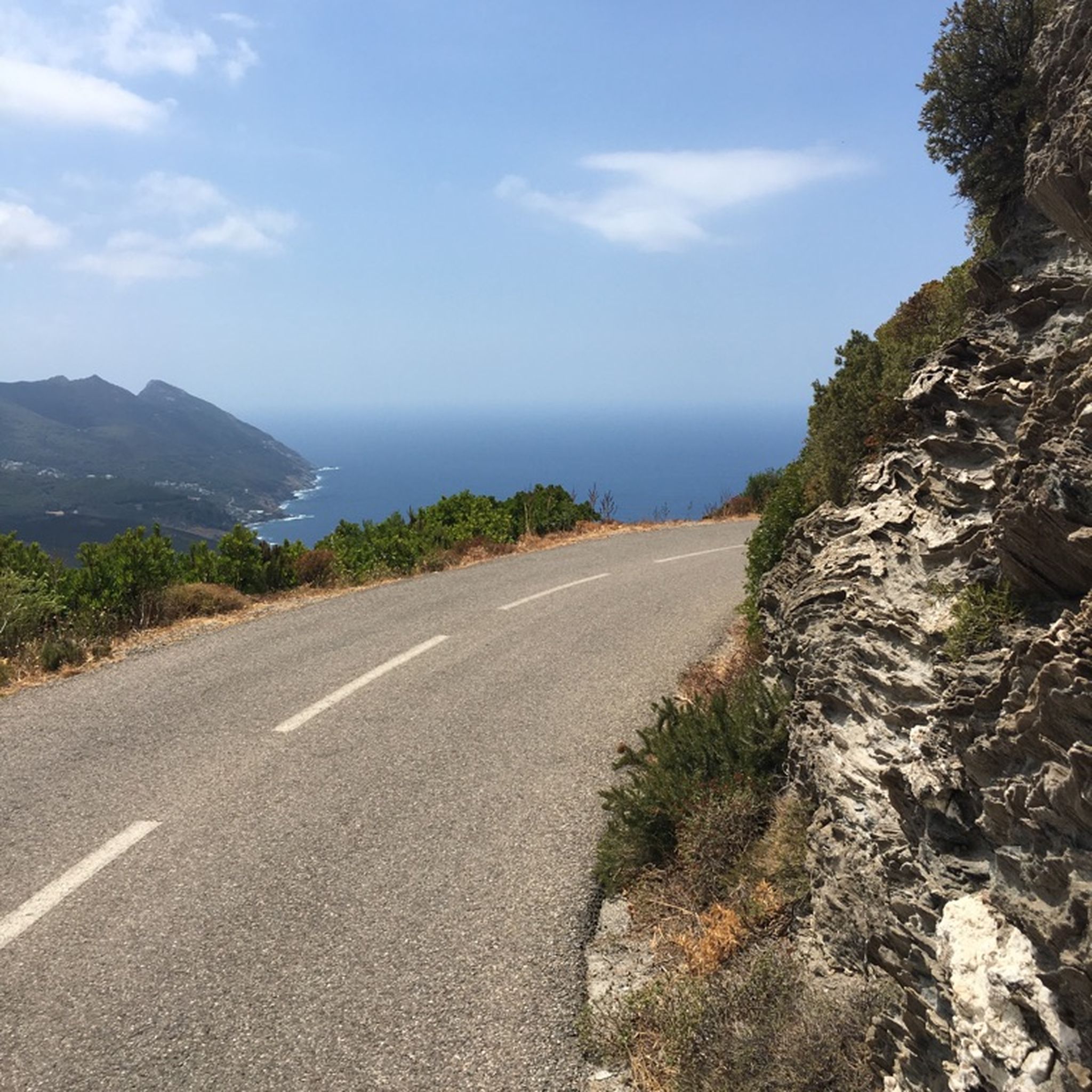
Road Cycling Routes around Bastia
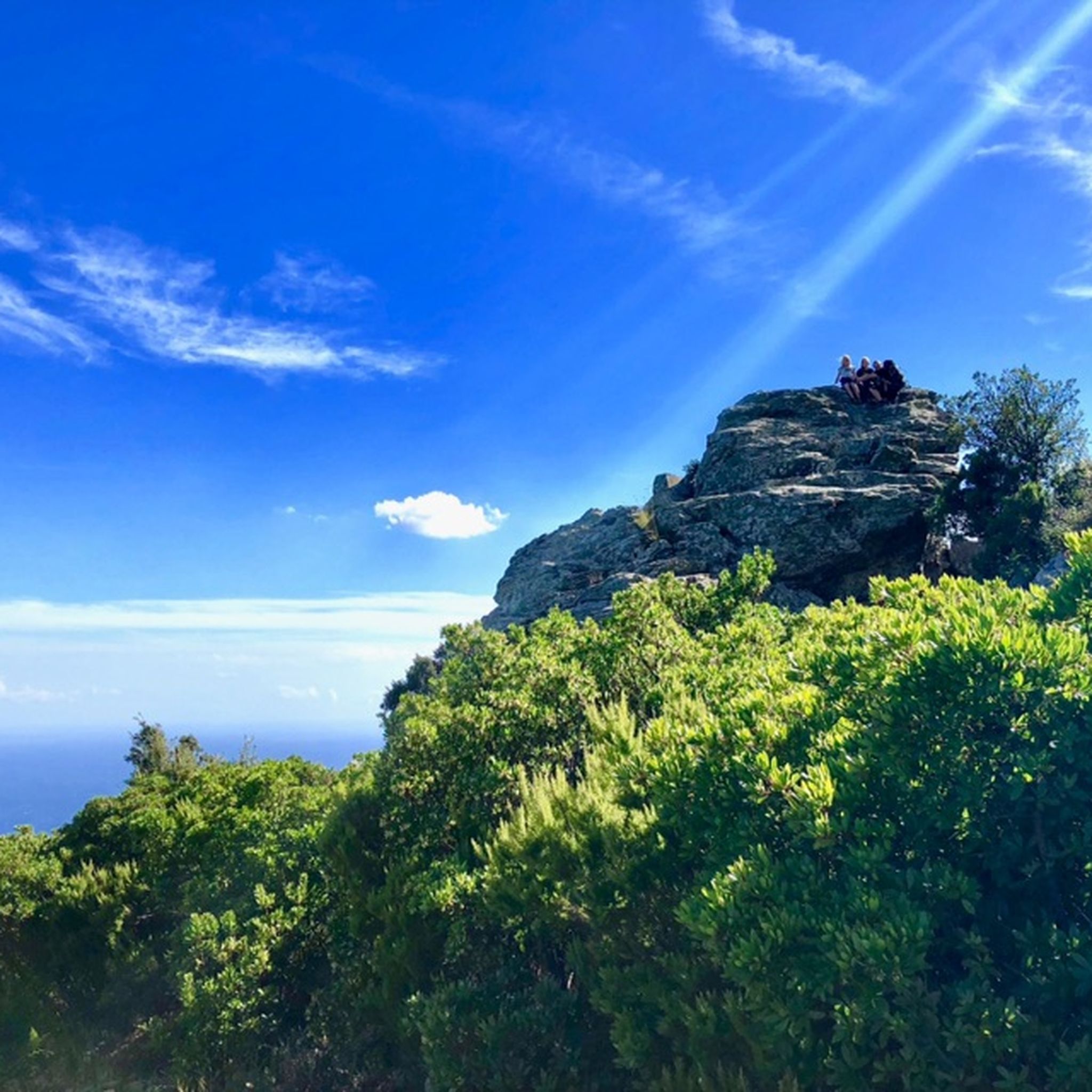
Hiking around Bastia
Running Trails around Bastia
MTB Trails around Bastia
Other adventures around Bastia


Tips from the Community

The path is one of Corsica's most famous coastal hiking trails and is ideal for combining hiking, sunbathing, and swimming. The hiking route is about 26 km long, starts from Maciaggio and runs around the northern tip of Cap Corse. Always a bit up and down, endurance is required when it's hot. Individual stages are also suitable for children - from Macinaggio to the Genoese tower Santa Maria and the chapel of the same name. This path can also be completed without hiking experience. The section leads to Tamarone beach, where there is a beach restaurant. At the northern end of the beach, the customs officers' path continues and runs along the coast to Plage des Iles with a great view of the Iles de Finocchiarola, three small offshore islets. The hiking trail then continues through the scrub to the Genoese tower Santa-Maria and a lovely small bay.
1
0

The Fontaine de Cannelle (also known as the "Fontaine de Palmieri") is located in the picturesque, old Hameau Cannelle, above Port de Centuri in northern Corsica. This charming village spring is nestled into a rugged, weathered slate cliff, exuding natural charm combined with artistic architecture. ✨ Brief description: Installation & design: The vaulted spring lies directly beneath the cliff face, with a small brick barrel vault, an elegant arched opening, and a rectangular basin that served as a drinking and washing fountain. Historical context: Located at the terminus of the old paved road ("Via") to the village – formerly a central meeting place. The elevated access and vaulted structure demonstrate clever use of water in the mountainous terrain. Atmosphere: Surrounded by rustic lushness – old rock, overgrown spiny or medicinal plants, moss – creates a tranquil, almost meditative ambiance. Accessibility: Easily accessible via a short route from Port de Centuri or the small camping or parking area near Cannelle. Ideal as a stopover on hikes along the coast or during a village walk. 🧭 Ideal for: Photo enthusiasts: Stylish rock and water scenery with plenty of flair. Beginner hikers: A small addition to walks around Centuri-Port or the Sentier des Douaniers. Cultural explorers: A witness to traditional village infrastructure, now lovingly restored. In a nutshell: The Fontaine de Cannelle is a natural spring nestled beneath rocks, with charming architecture, surrounded by wild greenery – a quiet, culturally rich gem in Cap Corse that exudes authenticity and tranquility.
2
0
Tamarone Beach is located on the east coast of Corsica near Macinaggio (municipality of Rogliano) and is considered one of the most beautiful, quiet beach destinations in Cap Corse. 🌊 Brief description: Nature & surroundings: Approximately 500 meters of fine sandy beach, framed by Mediterranean scrubland (maquis), pebble and rocky coves. The vegetation appears wild and untouched. Water & marine life: Crystal-clear turquoise water with good visibility – ideal for swimming, snorkeling, or sports activities such as paddleboarding and kitesurfing. Access: Accessible via a 2.5 km unpaved road by car or on foot via the "Sentier des Douaniers" (Customs Path) – accordingly, it is rather quiet and unspoiled. Services & infrastructure: Parking available, seasonal paillote (beach café) nearby. Several smaller, quieter coves are located nearby. Posidonia seagrass grows in places on the sand. In a nutshell: Tamarone is a protected sandy beach with fine sand and crystal-clear water, nestled in a wild coastal landscape. It impresses with its tranquil atmosphere and its direct location on the historic coastal path – perfect for anyone who wants to enjoy the unspoiled nature and the sea.
2
0
Bastia's Rue Napoléon is a charming, completely car-free pedestrian zone that opened in 2013 and stretches between Place Saint‑Nicolas and the Vieux Port. It impresses with: 🤝 Historic ambience: Paved with pale Brando stone, lined with pastel-colored houses with Genoese facades and stucco above the doorways. 🛍️ Lively shopping street: Numerous boutiques of local designers, souvenir shops, ice cream parlors, and cafés create a lively atmosphere. ⛪ Religious gems: Two magnificent oratories – the Oratoire Saint-Roch (1604) and the Immaculée-Conception (1609) with Baroque interiors – are located directly on the street. 🚶 Central connection: It serves as a stylish link from the lively Place St-Nicolas with its Napoleon statue down to the old harbor, ideal for a relaxed stroll. In short: Rue Napoléon is Bastia's most elegant promenade – car-free, culturally rich, and full of Mediterranean flair. Perfect for shopping, culture and relaxed enjoyment.
1
0

The church is the largest church in Corsica. It was built between 1636 and 1666.
0
0

In April 2021, the mill got its wings back. It is a tourist information center (Cap Corse - Capicorsu Tourist Office) open in season with "ecotourism" projects in partnership with the Conservatoire du littoral, the Community of Corsica, the Cap Corse and Agriate Marine Natural Park and the Corsican Environmental Office.
1
1
To get there: stop at a dirt parking lot between Ersa and Centuri on the D80 and then walk (10-15 minutes) along a path to the mill where you will discover an extraordinary panorama. Passing the mill you will see a statue of the Saint Devote.
1
0
Around 1930, François Mattei transformed the "Franceschi" mill in Ersa into an advertising object for the L. N. Mattei Cap Corse aperitif, a wine from Cap Corse with cinchona bark, the company's flagship product, marketed since the end of the 19th century and whose reputation quickly became internationally known.
1
0
Frequently Asked Questions
What kind of outdoor activities can I do near Bastia?
Bastia and its surroundings offer a variety of outdoor activities. You can explore numerous hiking trails, including the scenic Cap Corse Customs Trail. There are also options for gravel biking and running. For example, you can find routes like the 'Arinella Beach – Citadel Ramparts loop' for gravel biking or the 'Sentier des douaniers du Cap Corse' for running. Many of these routes offer stunning views of the coastline and the Corsican landscape.
Are there any significant historical or cultural sites to visit in Bastia?
Yes, Bastia is rich in history and culture. You can visit the impressive Saint John the Baptist Church, one of Corsica's largest, overlooking the Old Port. The Cathedral of St. Mary Assunta within the Citadel is another notable Baroque-style church. The Citadel itself, with its Palais des Gouverneurs (housing the Bastia Museum), offers insights into the city's past. Don't miss the picturesque Vieux Port and the grand Place Saint-Nicolas.
Where can I find beautiful beaches or wild swimming spots near Bastia?
Bastia boasts several lovely beaches. Tamarone Beach is a popular sandy beach and a starting point for coastal excursions. Other options include the family-friendly sandy Plage l'Arinella, the small pebbly Ficaghjola beach below the Citadel, and the long sandy Plage de la Marana, nestled between the Mediterranean and the Etang de Biguglia lagoon. Further north, the Désert des Agriates offers pristine beaches like Plage du Lotu and Plage de Saleccia.
Are there any nature reserves or natural attractions to explore?
Absolutely. The Réserve Naturelle de l'Etang de Biguglia, Corsica's largest lagoon, is a protected haven for over 250 bird species and nearly 350 fauna specimens, offering walking paths and birdwatching opportunities. The Romieu Garden provides a quiet green space with beautiful views. Additionally, the dramatic scenery of Cap Corse, north of Bastia, is perfect for exploring tiny ports and coves.
What are some family-friendly attractions in and around Bastia?
Many attractions in Bastia are suitable for families. The Place Saint-Nicolas is a large, open square perfect for children to run around, and it often hosts events. The Bastia Seafront Promenade is great for strolls. Beaches like Plage l'Arinella are ideal for family relaxation. Exploring the Citadel and its museum can also be an engaging experience for older children.
Where can I find the best panoramic views near Bastia?
For breathtaking views, head to the View of Nonza, a village viewpoint offering remarkable panoramas of the large black pebble beach below and the historic village. The Mattei Windmill in Ersa also provides a splendid panorama of the west coast of Cap Corse and the Agriate. The Citadel itself offers stunning views of the Bay of Bastia.
Are there any unique historical structures or monuments worth seeing?
Beyond the main churches and the Citadel, you can discover unique historical structures. The Old arch bridge in the Pietracorbara river is part of a scenic hiking trail featuring old abandoned houses, offering a glimpse into past life. The Mattei Windmill, beautifully restored, is another historical monument that also serves as a viewpoint.
What is the best time to visit Bastia's attractions?
The best time to visit Bastia's attractions is generally during the spring (April to June) and early autumn (September to October). During these periods, the weather is pleasant for exploring historical sites, enjoying outdoor activities, and relaxing on beaches, without the intense heat and larger crowds of the peak summer months.
Can I find traditional Corsican villages near Bastia?
Yes, the 'Balcony Villages' perched on the hillsides surrounding Bastia, such as Furiani, Cardu, Ville di Pietrabugno, San Martino di Lota, and Santa Maria di Lota, retain their traditional charm. These villages offer a glimpse into old Corsican life amidst the maquis, olive, and chestnut trees, and often provide hiking opportunities and scenic views.
What are some lesser-known or 'hidden gem' attractions in Bastia?
For a unique experience, visit the Oratoire Sainte-Croix, which houses the 'Christ des Miracles.' The Oratoire de L'Immaculée Conception on Rue Napoléon boasts an exuberant interior with crystal chandeliers and Genoese velvet drapery. Another hidden gem is the Scala Santa in Oratoire de Monserato, containing a rare replica of the Holy Steps of the Basilica of Saint John of Lateran in Rome.
Are there any accessible attractions for visitors with mobility considerations?
The Place Saint-Nicolas is a large, flat, and wheelchair-accessible public square in the heart of Bastia, making it easy to navigate. The Bastia Seafront Promenade also offers a relatively flat and accessible path for enjoying the coastal views. Many of the main streets in the city center are also generally accessible.
Most popular routes around Bastia
Most popular attractions around Bastia

Get inspired with the komoot mobile app


Didn’t find what you were looking for?
Are you keen on exploring more awesome places nearby? Browse our guides:
Explore more
Still not found the Highlight you’re looking for? See guides of the top attractions in other regions:
