Top 8 Mountain Passes around Amélie-Les-Bains-Palalda
Best mountain passes around Amélie-Les-Bains-Palalda are found in the Pyrénées-Orientales, offering access to the Pyrenees mountain range. This region provides a setting for exploring various mountain passes, many of which serve as natural borders or historical routes. The landscape features diverse terrain, from challenging climbs to more gentle ascents, connecting different valleys and regions. The area is characterized by its mountainous environment, providing routes for cycling and hiking.
Best mountain passes around Amélie-Les-Bains-Palalda
- The most popular mountain passes is Fourtou…
Last updated: July 10, 2026
Pou de la Neu Pass
Highlight • Mountain Pass
Translated by Google •
Tip by

Col de la Brousse (860 m)
Highlight (Segment) • Mountain Pass
Translated by Google •
Tip by

Sign up now to discover places like this
Get recommendations on the best single tracks, peaks, & plenty of other exciting outdoor places.
Sign up for free
Manrella Pass
Highlight • Mountain Pass
Translated by Google •
Tip by

Fourtou Pass (655 m)
Highlight • Mountain Pass
Translated by Google •
Tip by

Sagué Pass
Highlight (Segment) • Mountain Pass
Translated by Google •
Tip by

Sign up for free to discover even more mountain passes around Amélie-Les-Bains-Palalda.
Sign up for free
Already have an account?
Start today with a free account
Your next adventure awaits.
Login or Signup
Popular around Amélie-Les-Bains-Palalda
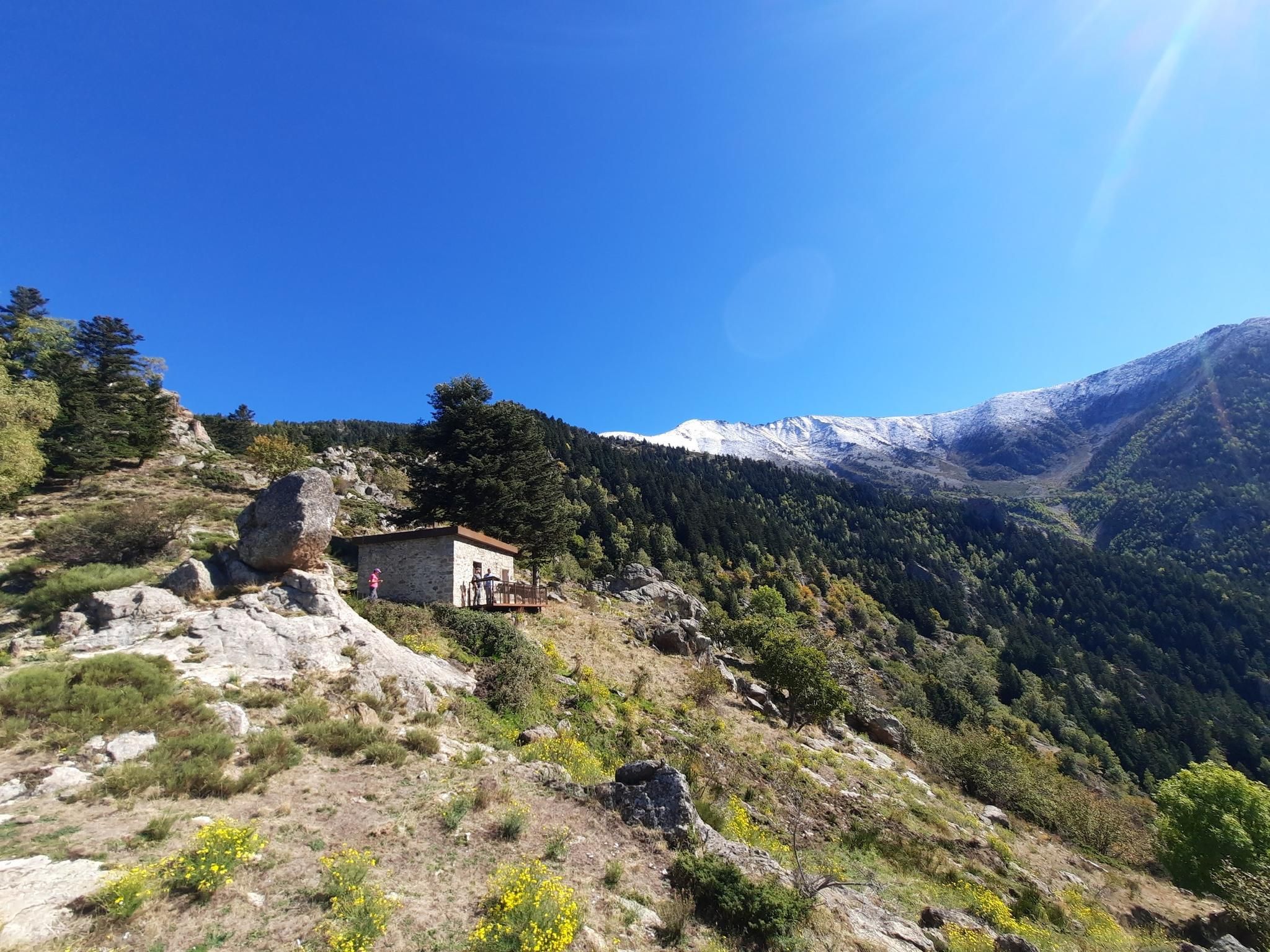
The Crossing of the Pyrenees via the GR 10 — Eastern Pyrenees
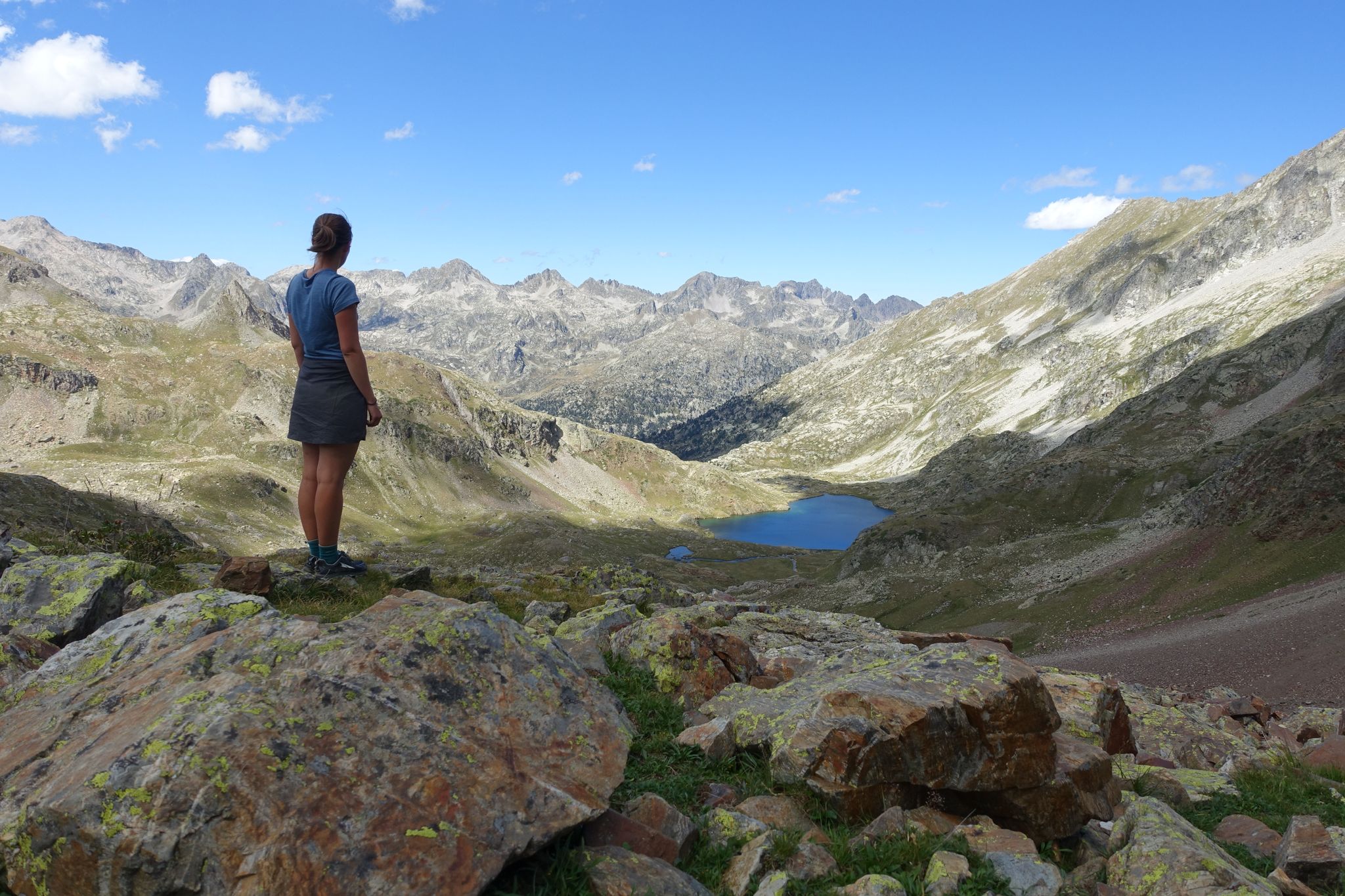
Haute Route Pyrénéenne – Pyrenees Crossing
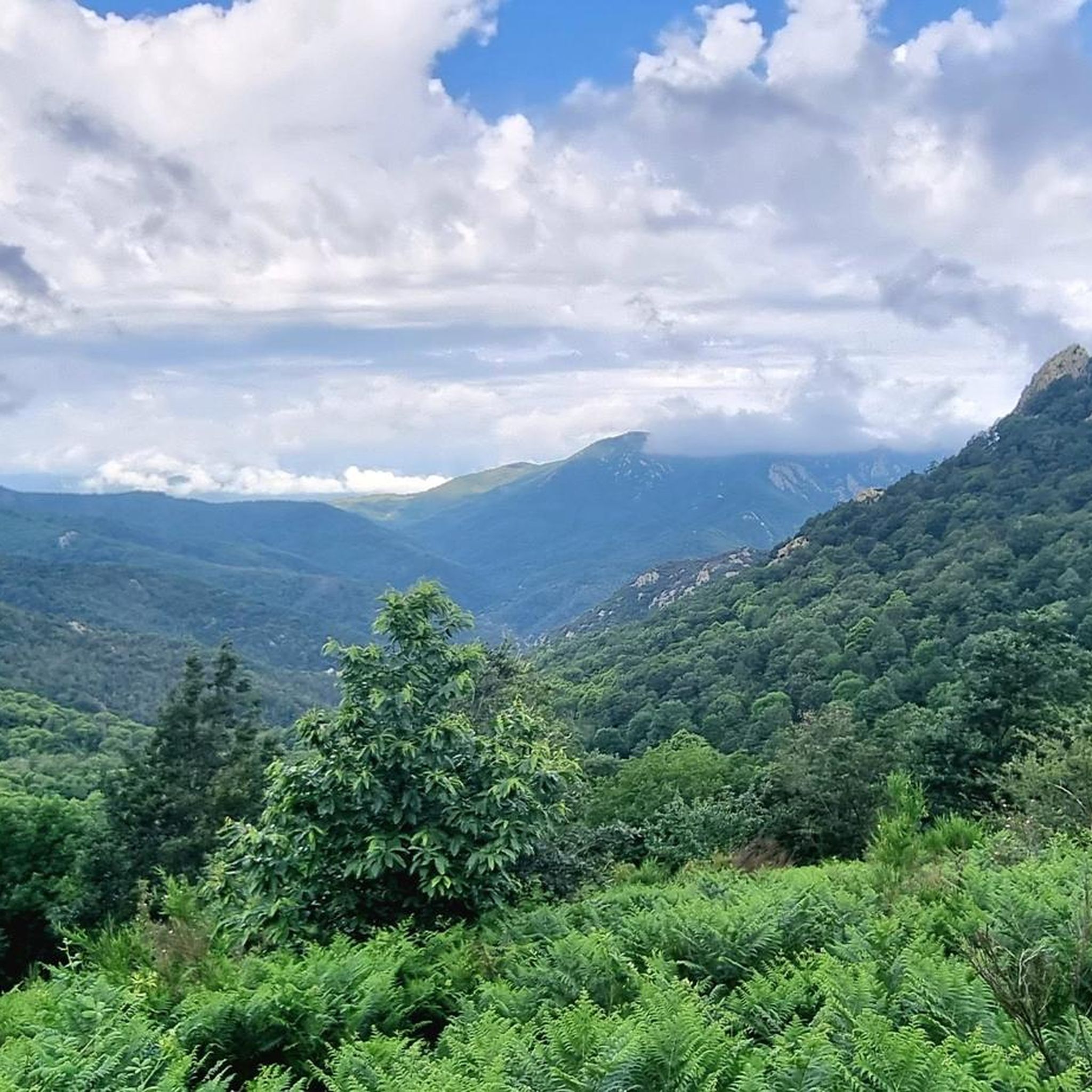
Hiking around Amélie-Les-Bains-Palalda
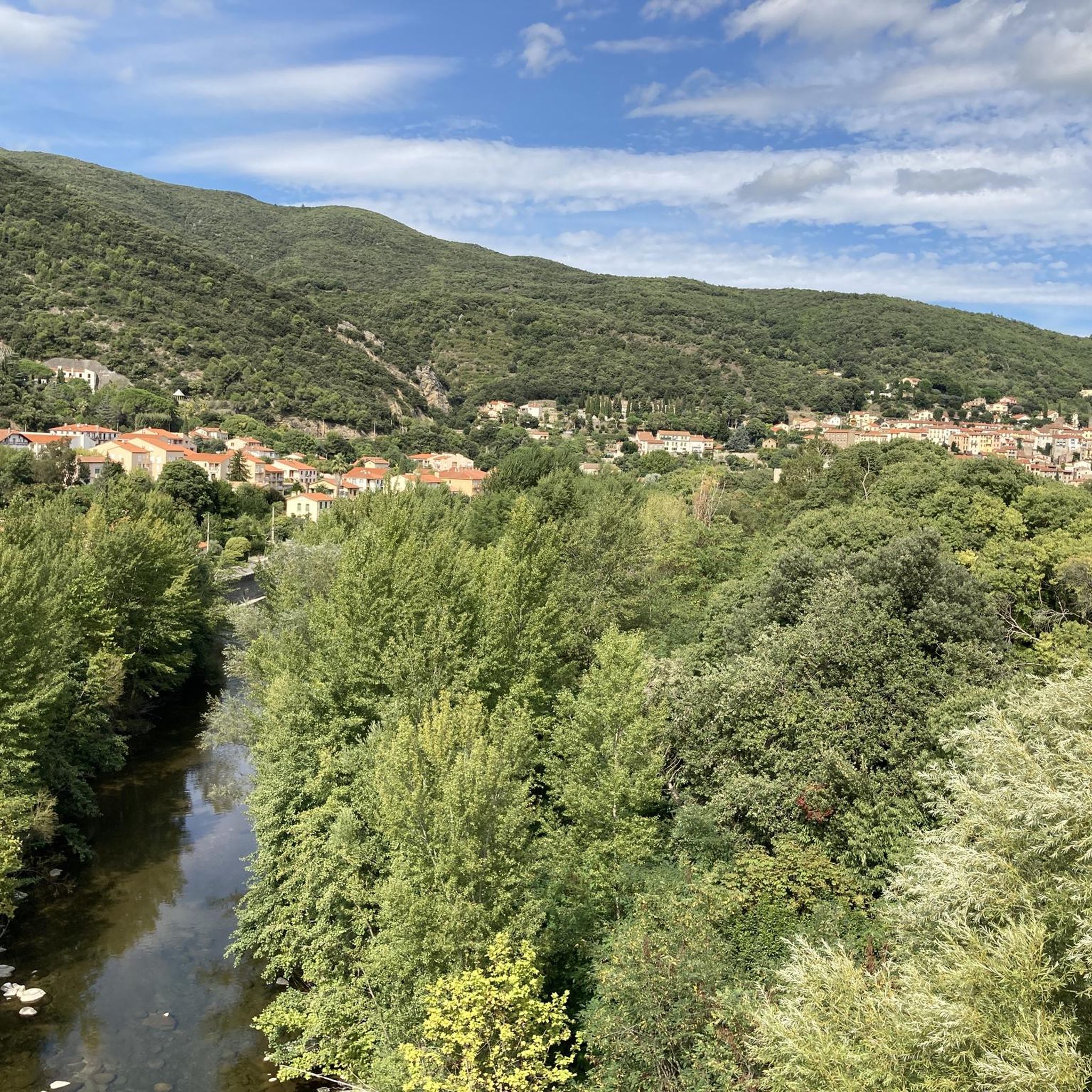
Running Trails around Amélie-Les-Bains-Palalda
Cycling around Amélie-Les-Bains-Palalda
Road Cycling Routes around Amélie-Les-Bains-Palalda
MTB Trails around Amélie-Les-Bains-Palalda

Gravel biking around Amélie-Les-Bains-Palalda
Other adventures around Amélie-Les-Bains-Palalda


Tips from the Community

Irregular pass on its ascent from its eastern side, little frequented.
0
0

This pass was important as a passage between regions, especially in activities such as transhumance or the transport of goods. The snow wells that give the place its name were also key elements in the economy of the mountainous areas. The term "Pou de la Neu" refers to the snow or ice wells that were traditionally used to store snow during the winter. These structures, dug into the ground or built with stones, served to preserve ice that was later transported to the lower areas for use in food, medicine or food preservation.
1
0

Really enjoyable ride. Id agree with level 3 for fitness it was a a constant climb altho the gradient ranged from 3,6,8% ( with only less than 100m that went up to 14%. So can be riden at your own pace The Hostel at Las illas after the Col is a slight detour but good for Coffee a beer or a sandwich. Lovely flowing decent, At Maureillas i nearly headed back along the main road but glad i didn't as the last 3rd of the ride has quite a different caricature ( mostly cycle paths)
0
0

Monument in memory of Luis Company, 1st President of the Generalitat of Catalonia, arrested by Vichy troops and given to the Francoists who executed him.
1
0

Start or end of the Pyrenees tour
0
0

Taken by the pass route, it peaks at an altitude of 655 meters in the Eastern Pyrenees. Its slopes not exceeding 7% make it a gentle and accessible climb.
0
0

This hiking pass is a real hub of hiking trails that go to both France and Spain. The views there are magnificent.
3
1

A rather rolling pass with slopes around 5%, which lives up to its name since it offers long passages in the heart of the maquis.
1
0
Frequently Asked Questions
What are the most popular mountain passes around Amélie-les-Bains-Palalda?
Among the most appreciated passes are Fourtou Pass (655 m), known for its accessible climb, and Pou de la Neu Pass, which serves as a hub for hiking trails into both France and Spain, offering magnificent views. The Col de la Brousse (860 m) is also popular for its enjoyable cycling routes through maquis vegetation.
What historical significance do the mountain passes in this region hold?
The passes are rich in history. The Coll d'Arès, for instance, played a crucial role during the Spanish Civil War as a path for those fleeing into France, and hikers can explore historical trails like the "Chemin de l'Exil." The Manrella Pass features a monument commemorating Luis Company, the first President of the Generalitat of Catalonia. Additionally, La Tour de Batère, accessible via the Col de Palomeres, is a medieval signal tower built around 1340, part of a military communications network.
Are there challenging cycling routes available through these mountain passes?
Yes, the region offers challenging cycling routes. The Coll d'Arès is a popular destination for cyclists, featuring a demanding 13-kilometer climb from Prats-de-Mollo with an average gradient of 6%. It's also part of longer routes like the "Prats de Molló – Coll d'Arès loop" from Amélie-les-Bains-Palalda, which is a difficult 111.8 km trail. The area around La Tour de Batère, accessed from Col de Palomeres, also offers challenging climbs, though a mountain bike might be preferred for certain sections.
What kind of views can I expect from the mountain passes?
Visitors are consistently captivated by breathtaking panoramic views. From Coll d'Arès, you can see the iconic Canigó peak and verdant landscapes. La Tour de Batère offers expansive 360-degree views of the Roussillon plain, the Vallespir valley, and the Mediterranean Sea on clear days. The Pou de la Neu Pass is also noted for its magnificent vistas.
What is the best time of year to visit the mountain passes?
Due to their elevation, some passes can experience snow. The Coll d'Arès is typically open continuously from mid-April to November, making this period ideal for both road cycling and hiking. Generally, spring through autumn offers the best conditions for exploring the region's mountain passes.
Are there hiking trails near the mountain passes?
Absolutely. Many passes serve as excellent starting points or hubs for hiking. The Pou de la Neu Pass is specifically highlighted as a hub for trails extending into both France and Spain. The area around La Tour de Batère is also very popular for hiking, with routes often traversing ancient mining ruins. For more hiking options, you can explore the Hiking around Amélie-Les-Bains-Palalda guide.
What other outdoor activities can I do near these mountain passes?
Besides cycling and hiking, the region offers various outdoor activities. Mountain biking is popular around La Tour de Batère. You can find a range of cycling tours, including difficult ones like the "Prats de Molló – Coll d'Arès loop," in the Cycling around Amélie-Les-Bains-Palalda guide. For runners, there are also several options, such as the "Sainte-Engracia Chapel – Panoramic View of the Canigou loop," detailed in the Running Trails around Amélie-Les-Bains-Palalda guide.
Are there any less crowded mountain passes for a quieter experience?
For a more secluded experience, consider the Sagué Pass. It's described as a small and lonely mountain pass that winds through the undergrowth, offering a pleasant and quiet journey with gentle slopes.
Can I experience both French and Spanish culture at these passes?
Yes, several passes offer a unique cross-border experience. The Coll d'Arès marks a natural border between France and Spain, connecting Prats-de-Mollo in France with Molló in Catalonia, Spain. This allows you to experience the distinct cultures of both nations. The Pou de la Neu Pass also serves as a hub for trails that extend into both countries.
What are some accessible mountain passes for less experienced cyclists or hikers?
The Fourtou Pass (655 m) is noted for its accessible climb, with slopes not exceeding 7%, making it a gentle option. The Col de la Brousse (860 m) also features rolling terrain with average slopes around 5%, offering an enjoyable ride that can be done at your own pace.
Are there any mountain passes that offer insights into the region's industrial past?
Yes, the area around La Tour de Batère, accessible via the Col de Palomeres, is particularly interesting for its industrial heritage. Trails leading to the tower often pass through ancient mining ruins, providing a glimpse into the region's rich industrial past.
Most popular routes around Amélie-Les-Bains-Palalda
Most popular attractions around Amélie-Les-Bains-Palalda

Get inspired with the komoot mobile app


Explore more
See even more epic mountain passes by checking out these guides around Amélie-Les-Bains-Palalda:
