The best walks and hikes around Villeneuve-Lès-Maguelone
4.3
(637)
4,146
hikers
62
hikes
Hiking around Villeneuve-Lès-Maguelone offers diverse landscapes, blending coastal environments with historic salt marshes and lagoons. The region is characterized by its protected natural areas, including the Salines, which are part of the Natura 2000 site of the Étangs Palavasiens. Wild beaches stretch for several kilometers, accessible via a footbridge, and vineyards surround the historic Maguelone Cathedral. This area provides a unique setting for outdoor activities, with varied terrain suitable for exploration.
Best hiking trails around Villeneuve-Lès-Maguelone
- The most popular hiking…
Last updated: October 12, 2026
4.7
(23)
137
hikers
16.0km
04:04
50m
50m
Moderate hike. Good fitness required. Mostly accessible paths. Sure-footedness required.
4.6
(44)
240
hikers
8.11km
02:02
10m
10m
Moderate hike. Good fitness required. Easily-accessible paths. Suitable for all skill levels.

4.5
(23)
170
hikers
Moderate hike. Good fitness required. Easily-accessible paths. Suitable for all skill levels.
5.0
(12)
129
hikers
Easy hike. Great for any fitness level. Easily-accessible paths. Suitable for all skill levels.
4.8
(11)
90
hikers
Easy hike. Great for any fitness level. Easily-accessible paths. Suitable for all skill levels.
Get access to more routes and recommendations from other explorers.
Already have an account?
Our route recommendations are based on thousands of hikes, rides, and runs completed by other people on komoot.
Start today with a free account
Your next adventure awaits.
Tips from the Community

This monumental gate marks the entrance to the Maguelone estate, between the Rhône à Sète canal and the coastal lagoons. Officially named "Portail de Maguelone", this monument is also commonly called "La Porte de Maguelone". Despite its appearance of an ancient gate, it is a 20th-century construction, erected following the conflict that at the beginning of the century opposed the owner of the estate, Frédéric Fabrège, to the municipality of Villeneuve-lès-Maguelone concerning a path giving access to the beach and the existence of a right of way.
3
0
Between the Palavasian ponds and the Mediterranean, the Maguelone peninsula occupies a former island space whose history dates back to Antiquity. Old maps still show Maguelone surrounded by lagoons: in 1570, it appears as an island, and its insular position is still clearly visible on a map of the diocese of Montpellier dated 1641.
2
0
One of the many places where you can contemplate the richness of the lagoon fauna: Flamingos, Little egrets, Black-winged stilts...
3
0
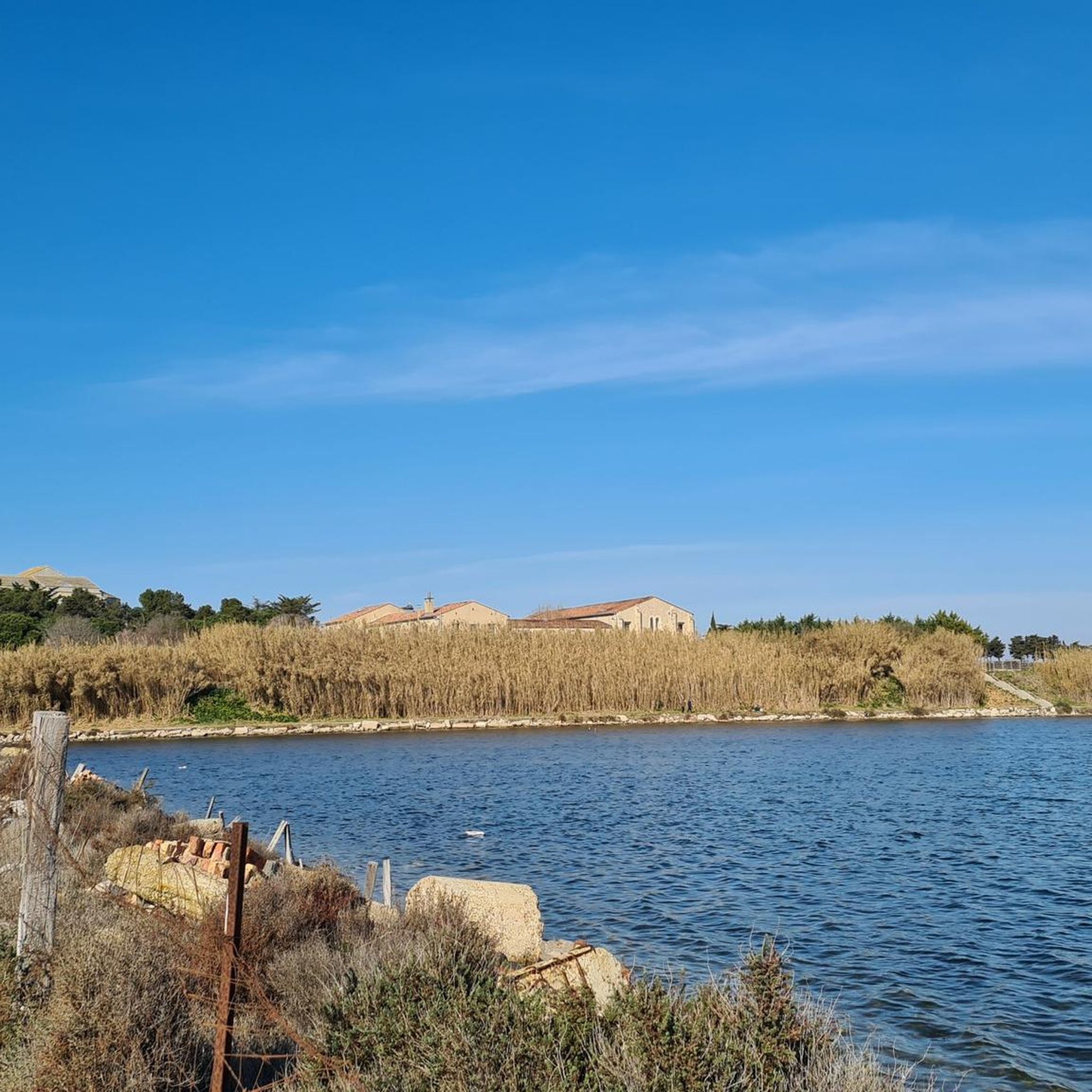
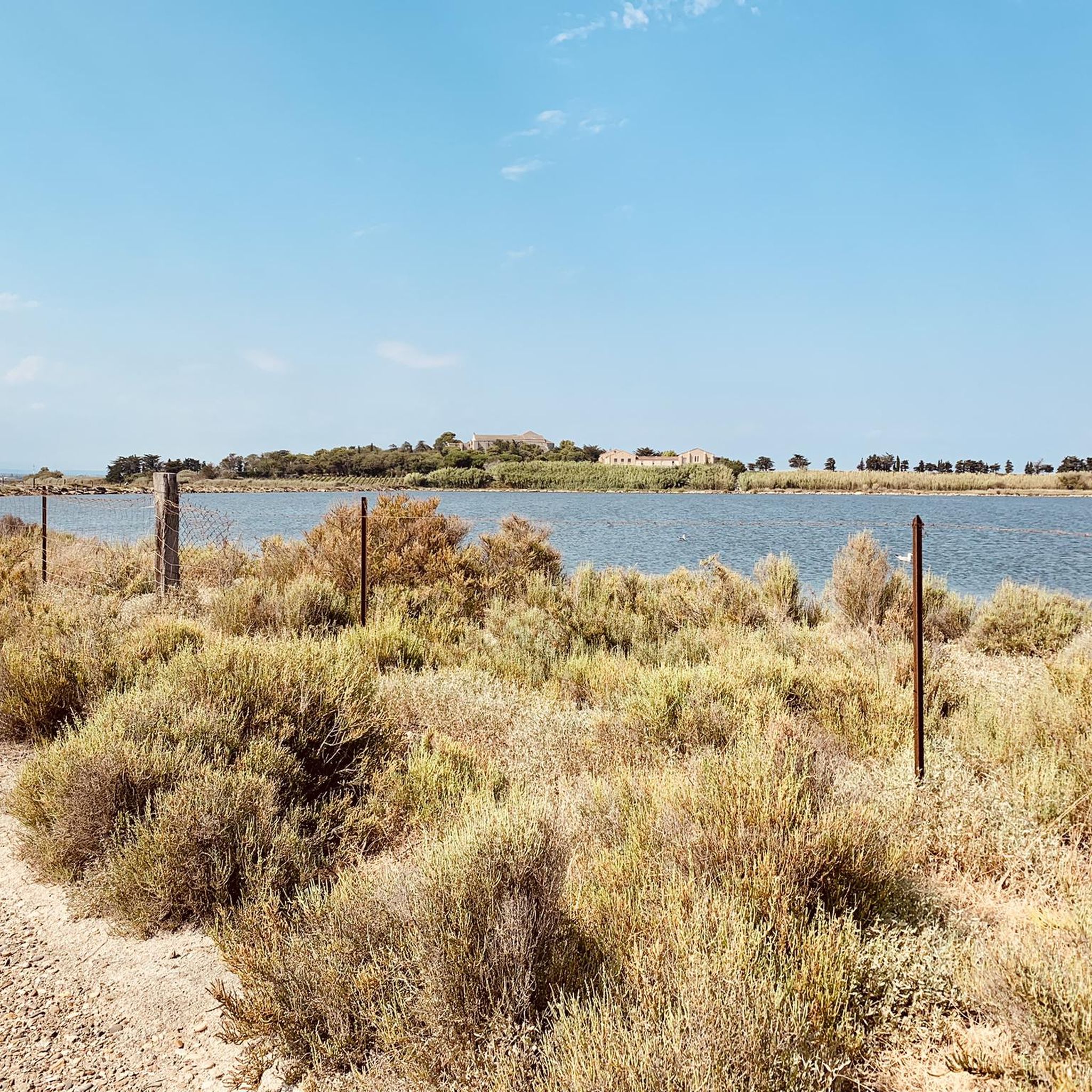
From the locality of Le Pilou to the eponymous footbridge, this path takes us to the heart of the lagoon landscape of the Arnel pond. An area where human developments coexist with the characteristic environments of the Palavasian ponds: lagoon, sansouire (salt-tolerant vegetation) and halophytic vegetation. L’Arnel is today a protected natural area, integrated into the Natura 2000 network and the classified site of the Palavasian ponds. But the lagoon also bears the traces of a long history of exploitation: fishing, old salt pans and hydraulic developments have shaped this amphibious territory for several centuries.
2
0
The Pilou footbridge allows you to cross the Rhône à Sète canal and reach the Maguelone peninsula from Villeneuve-lès-Maguelone. The current structure is mobile and opens to allow navigation on the canal. For 2026, the footbridge is in service every day from 8 a.m. to 8:30 p.m. until September 20, then from 8 a.m. to 7:30 p.m. from September 21 to 30. These hours are subject to change depending on the season or during exceptional closures.
2
0
The Pilou footbridge allows you to cross the Rhône canal at Sète and reach the Maguelone peninsula from Villeneuve-lès-Maguelone. It is now an essential crossing for pedestrians and cyclists between the village, the beaches, and the Maguelone estate. However, crossing the canal has not always been so simple: the inhabitants of Villeneuve used to take a boat, then a motor ferry put into service in 1969, before a succession of footbridges made this crossing safer. The current structure is also mobile: it can be opened to allow boats to pass on the canal. For 2026, the footbridge is open daily from 8 a.m. to 8:30 p.m. until September 20, then from 8 a.m. to 7:30 p.m. from September 21 to 30. These times are subject to change depending on the season or exceptional closures.
2
0

La Passerelle du Pilou, also associated with the 4 canals cycling route, is an iconic bascule bridge located in Villeneuve-lès-Maguelone. This essential structure allows pedestrians and cyclists to cross the Rhône to Sète canal.
0
0
The Maguelone peninsula is a unique protected natural and historical site in Occitanie, located in the commune of Villeneuve-lès-Maguelone, just about ten kilometers southwest of Montpellier. Isolated between the Mediterranean Sea and coastal lagoons, it houses a majestic fortified Romanesque cathedral in the heart of an island vineyard.
0
0
Frequently Asked Questions
How many hiking trails are available in Villeneuve-lès-Maguelone?
There are over 50 hiking trails around Villeneuve-lès-Maguelone, offering a wide variety of options for all skill levels. You'll find routes exploring coastal paths, historic salt marshes, and tranquil lagoons.
Are there easy hiking options suitable for beginners or families?
Yes, Villeneuve-lès-Maguelone offers many easy hiking options. With 37 routes classified as easy, you can find pleasant walks suitable for families or those new to hiking. An example is the Les Compagnons de Maguelone – Cathédrale de Maguelone loop, which is an easy 4.6 km trail.
Can I find circular hiking routes in the area?
Yes, many of the trails in Villeneuve-lès-Maguelone are circular, allowing you to start and end at the same point. Popular circular routes include Les Salines – loop from Villeneuve-lès-Maguelone and the Villeneuve saltworks loop.
What kind of landscapes will I encounter on the hiking trails?
Hiking in Villeneuve-lès-Maguelone offers a diverse blend of landscapes. You'll explore historic salt marshes (Salines), freshwater and saltwater lagoons (Étangs Palavasiens), wild beaches, and even vineyards surrounding the Maguelone Cathedral. The nearby Gardiole mountains also offer more challenging terrain with panoramic views.
Are there any historical landmarks or natural attractions to see while hiking?
Absolutely. A central attraction is the historic Maguelone Cathedral, a Romanesque fortress church situated amidst vineyards. You can also explore the Salines de Villeneuve Nature Reserve, a protected area rich in biodiversity, and enjoy views of various lagoons like the Étang du Méjean and Étang de Pérols.
Is Villeneuve-lès-Maguelone a good place for birdwatching during a hike?
Yes, the protected natural environments, especially the salt marshes and lagoons, make Villeneuve-lès-Maguelone a haven for birdlife. You can observe numerous species, including pink flamingos, little egrets, shelducks, and avocets, making it an excellent spot for birdwatching while you hike.
Are the hiking trails dog-friendly?
While many natural areas in France welcome dogs on a leash, specific regulations can vary. It's generally advisable to keep dogs on a leash, especially in protected areas like the Salines and near bird nesting sites, to protect local wildlife. Always check local signage for any restrictions.
What are some longer hiking options for experienced hikers?
For those seeking longer excursions, the region offers several moderate routes. The Les Salines – loop from Villeneuve-lès-Maguelone is a 16.0 km trail that takes around 4 hours. Another option is the Prévost Pond – Maguelone Beach loop, which is 12.1 km long.
How can I reach the wild beaches for a hike?
The 9-kilometer stretch of wild beach is accessible via a footbridge over the Rhône-Sète canal. During the summer months, a small tourist train also provides a convenient way to reach the beach, enhancing accessibility for visitors.
Is there public transport available to access hiking areas?
While specific bus routes to trailheads might be limited, a seasonal tourist train operates during summer, offering convenient access to the beach and surrounding areas, which can serve as starting points for various hikes. For other areas, personal transport or cycling might be more practical.
What do other hikers say about the trails in Villeneuve-lès-Maguelone?
The hiking routes in Villeneuve-lès-Maguelone are highly rated by the komoot community, with an average score of 4.4 stars from over 500 reviews. Hikers often praise the diverse terrain, the beauty of the salt marshes and lagoons, and the opportunity to combine nature with historical sites like the Maguelone Cathedral.
Are there any specific natural reserves or protected areas I should know about?
Yes, the region is home to significant protected areas. The Salines (salt marshes) are part of the Natura 2000 site of the Étangs Palavasiens, serving as a crucial wetland and biodiversity reservoir. The Salines de Villeneuve Nature Reserve is a prime example of these preserved environments.
What is the best time of year to go hiking in Villeneuve-lès-Maguelone?
The mild Mediterranean climate makes hiking enjoyable for much of the year. Spring and autumn offer pleasant temperatures and vibrant natural scenery, ideal for exploring. Summer can be warm, but coastal breezes and early morning hikes can still be very rewarding. Winter provides cooler, quieter conditions, perfect for birdwatching.
Most popular routes around Villeneuve-Lès-Maguelone
Most popular attractions around Villeneuve-Lès-Maguelone

Get inspired with the komoot mobile app


Explore more
Browse the best Hikes in other regions.
