The best walks and hikes around Bantigny
4.4
(720)
1,554
hikers
119
hikes
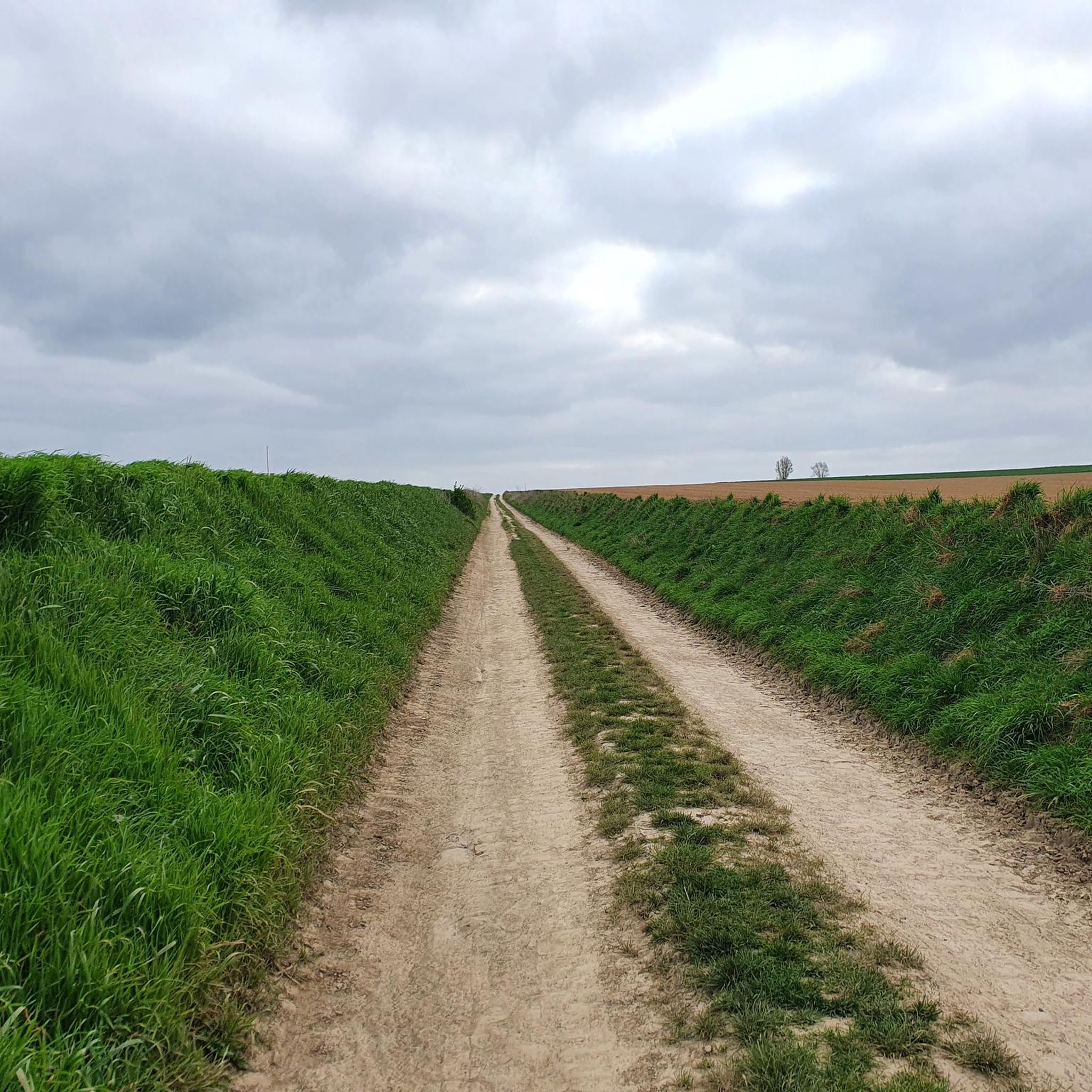
Hiking around Bantigny offers access to routes within the flat, rural landscape of the Nord department in northern France. The commune itself is characterized by low elevations, ranging from 39 to 65 meters, with an average of 48 meters. The surrounding area features agricultural fields and waterways, providing gentle terrain for outdoor activities. These trails typically involve minimal elevation changes, making them suitable for easy walks.
Best hiking trails around Bantigny
- The most popular hiking route is Bridge Over the…
Last updated: October 12, 2026
4.4
(28)
80
hikers
11.0km
02:48
30m
30m
Moderate hike. Good fitness required. Easily-accessible paths. Suitable for all skill levels.
4.9
(110)
70
hikers
5.58km
01:25
10m
10m
Easy hike. Great for any fitness level. Easily-accessible paths. Suitable for all skill levels.

3.8
(5)
21
hikers
9.22km
02:21
30m
30m
Moderate hike. Good fitness required. Easily-accessible paths. Suitable for all skill levels.
4.6
(7)
13
hikers
13.7km
03:31
50m
50m
Moderate hike. Good fitness required. Easily-accessible paths. Suitable for all skill levels.
4.7
(3)
11
hikers
6.17km
01:34
20m
20m
Easy hike. Great for any fitness level. Easily-accessible paths. Suitable for all skill levels.
Get access to more routes and recommendations from other explorers.
Already have an account?
Our route recommendations are based on thousands of hikes, rides, and runs completed by other people on komoot.
Start today with a free account
Your next adventure awaits.

Tips from the Community


The Canal de la Sensée is a canal in northern France. The project was developed under Napoleon. In March 1806, the Imperial government ordered the construction of a canal connecting the Scarpe and the Scheldt. Work began under the direction of Augustin Honnorez in June 1819 and the Canal de la Sensée was opened to navigation in November 1820. Back then, the boats were pulled by men or horses who worked for ship owners. Shortly after World War I 1914-1918, horses were replaced by tractors. The Canal de la Sensée is part of the Dunkirk - Scheldt Canal.
3
0

The Féchain polisher dates from the Neolithic period (between the 10th and 20th centuries BC). It is then used for the polishing of flint axes: the basins of the upper face are formed by the polishing of the sides of the axes, the grooves by their edge.
1
0

I regularly train here for long distance walks. To discover
0
0
Change of scenery guaranteed. Course completely renovated by the CAPH, suitable for walking, hiking, cycling in all seasons...
0
0

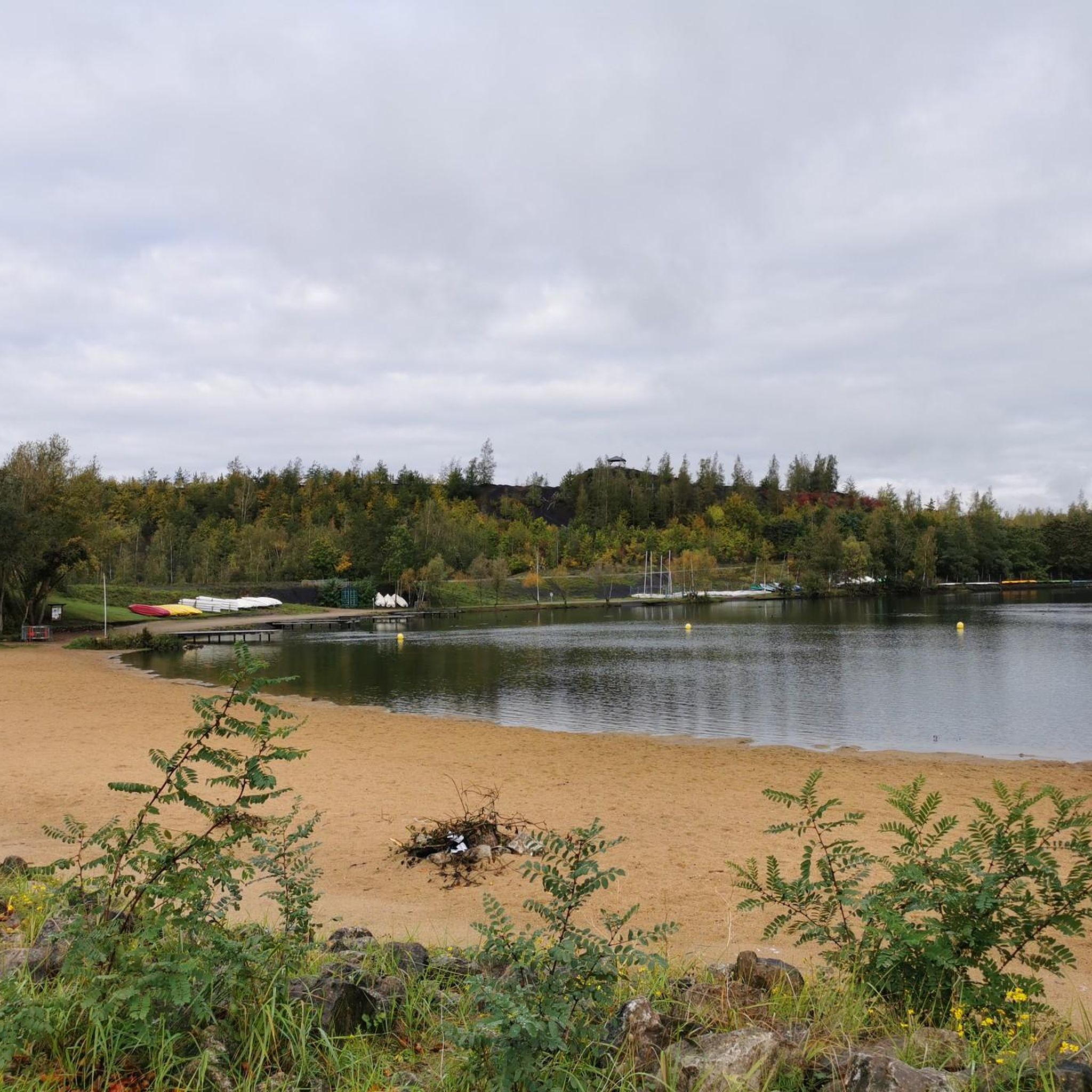
Area to discover, ideal for hiking along the water
0
0
Magnificent stroll to do at the edge of the water.
1
0
Frequently Asked Questions
What kind of terrain can I expect on hiking trails around Bantigny?
Hiking around Bantigny primarily features flat, rural landscapes. You'll find routes through agricultural fields, along quiet country lanes, and beside waterways. The elevation changes are minimal, making most trails suitable for easy walks.
How many hiking routes are available in the Bantigny area?
There are over 120 hiking routes available around Bantigny on komoot. These range from easy strolls to moderate walks, with a few more challenging options for those seeking a bit more distance.
Are there any easy hiking trails suitable for beginners or casual walkers?
Yes, Bantigny offers many easy trails. Approximately half of the routes are classified as easy, perfect for beginners or those looking for a relaxed walk. An example is the Bridge Over the Canal loop from Paillencourt, which is 7.6 km long and has minimal elevation gain.
What are the typical lengths of hiking trails in Bantigny?
Trail lengths vary, but many popular routes are between 6 to 13 kilometers. For instance, the Bridge Over the Canal – Canal bridge loop from Wasnes-au-Bac is 10.9 km, and The Round Basin loop from Paillencourt is 13.3 km.
Are there any circular hiking routes around Bantigny?
Yes, many of the trails around Bantigny are designed as loops, allowing you to start and end at the same point. Examples include The Féchain Polishing Stone – the polishing stone loop from Féchain and The polishing stone loop from Fressies.
What can I see or explore along the hiking trails near Bantigny?
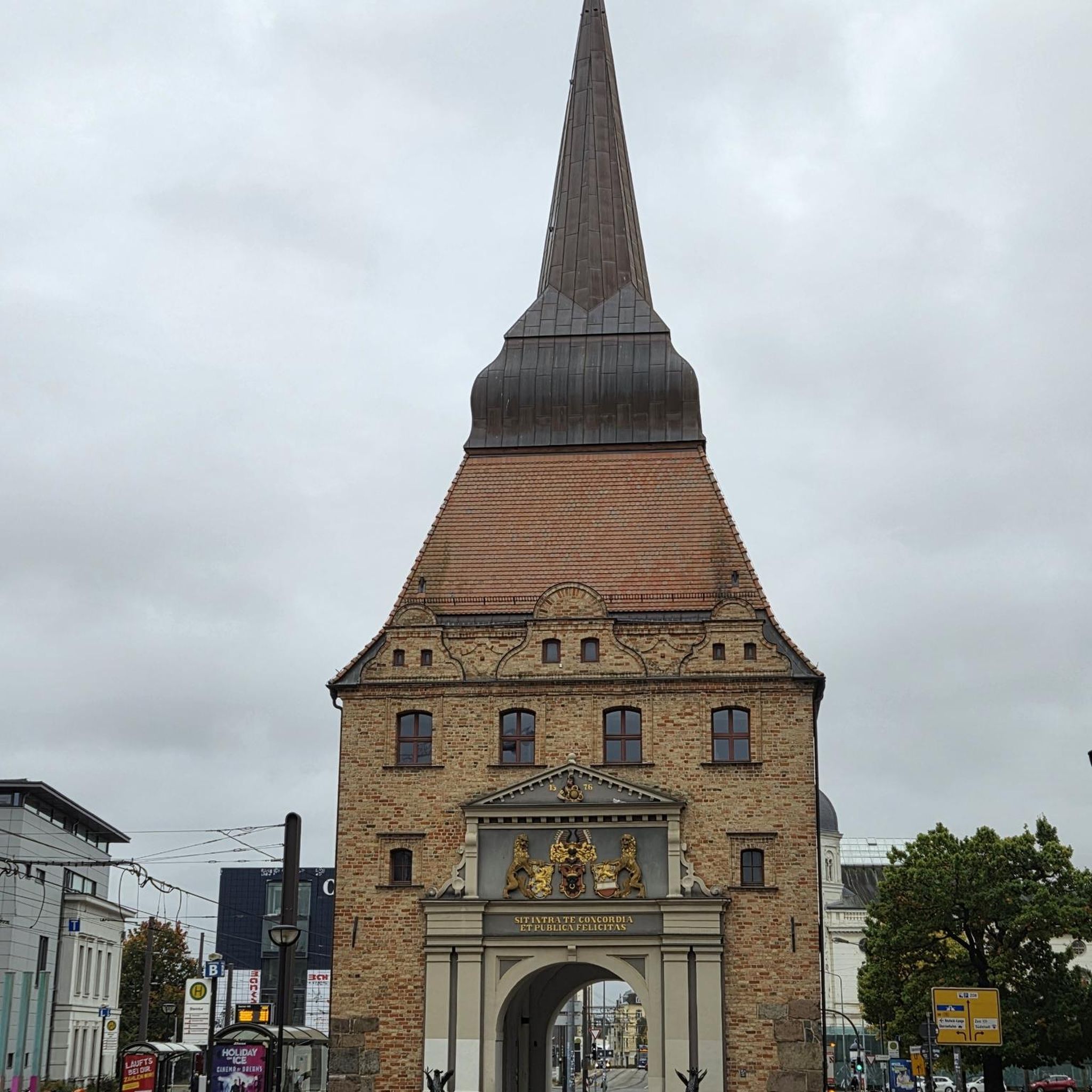
While Bantigny itself is a small rural commune, the surrounding area offers some points of interest. You might encounter historical sites or architectural landmarks in nearby towns. For example, you could visit the Belfry of Cambrai or the Porte Notre-Dame de Cambrai, which are accessible from some routes.
Is Bantigny a good area for family-friendly hikes?
Given the generally flat and easy terrain, Bantigny can be suitable for family-friendly hikes. Many of the shorter, easy routes through fields and along canals are manageable for children. Always check the specific route details for distance and any potential obstacles.
Are dogs allowed on the hiking trails around Bantigny?
Generally, dogs are welcome on trails in rural areas like Bantigny, especially on public paths through fields and along waterways. However, it's always recommended to keep your dog on a leash, especially near livestock or in agricultural areas, and to check for any local signage regarding pet restrictions.
What do other hikers say about the trails in Bantigny?
The hiking routes around Bantigny are highly rated by the komoot community, with an average score of 4.4 stars from over 480 reviews. Hikers often appreciate the quiet, rural atmosphere, the gentle terrain, and the opportunities for peaceful walks through the countryside.
Are there any specific natural parks or forests for hiking near Bantigny?
Bantigny is situated in a predominantly agricultural area with low elevations. While there are no major natural parks or extensive forests directly within Bantigny, the broader Nord department and Hauts-de-France region do offer more significant natural areas. The local trails focus on the rural landscape and waterways.
What is the best time of year to go hiking in Bantigny?
The best time to hike in Bantigny is typically during the spring, summer, and early autumn months when the weather is milder and the fields are green. Winter hikes are also possible, but paths may be muddy, and daylight hours are shorter. Always check the local weather forecast before heading out.
Is there parking available at the trailheads around Bantigny?
While specific parking information varies by trailhead, you can generally find parking in the small villages and communes near the starting points of many routes. Look for public parking areas in towns like Wasnes-au-Bac, Féchain, or Paillencourt when planning your hike.
Most popular attractions around Bantigny

Get inspired with the komoot mobile app


Explore more
Browse the best Hikes in other regions.
