Attractions and Places To See around Brunémont - Top 20
Best attractions and places to see around Brunémont include historical sites, natural monuments, and scenic canal routes. This small commune in the Nord department of France is situated within the Sensée Valley, offering a landscape characterized by waterways and local heritage. The area provides opportunities to explore both local points of interest and significant sites in the surrounding Nord-Pas-de-Calais region.
Best attractions and places to see around Brunémont
- The most popular attractions is Bridge Over the Canal, a bridge…
Last updated: October 10, 2026
The Menhir of Lécluse or the Devil's Stone
Highlight • Summit
Translated by Google •
Tip by

The Big Rock
Highlight • Historical Site
Be careful, the place is very swampy and it is more easily accessible in dry weather 😉.
Translated by Google •
Tip by

Sign up now to discover places like this
Get recommendations on the best single tracks, peaks, & plenty of other exciting outdoor places.
The Orangery Castle
Highlight • Parking
Roucourt Castle was built at the end of the 18th century by Monsieur Béranger, a cannon founder under the Empire.
Translated by Google •
Tip by

the stone that grows
Highlight • Historical Site
Translated by Google •
Tip by
Gœulzin Castle.
Highlight • Castle
During the Great War, this castle was occupied by German troops, pillaged and abandoned. Its ruined state dates from this period.
Translated by Google •
Tip by

Sign up for free to discover even more attractions around Brunémont.
Already have an account?
Start today with a free account
Your next adventure awaits.
Tips from the Community

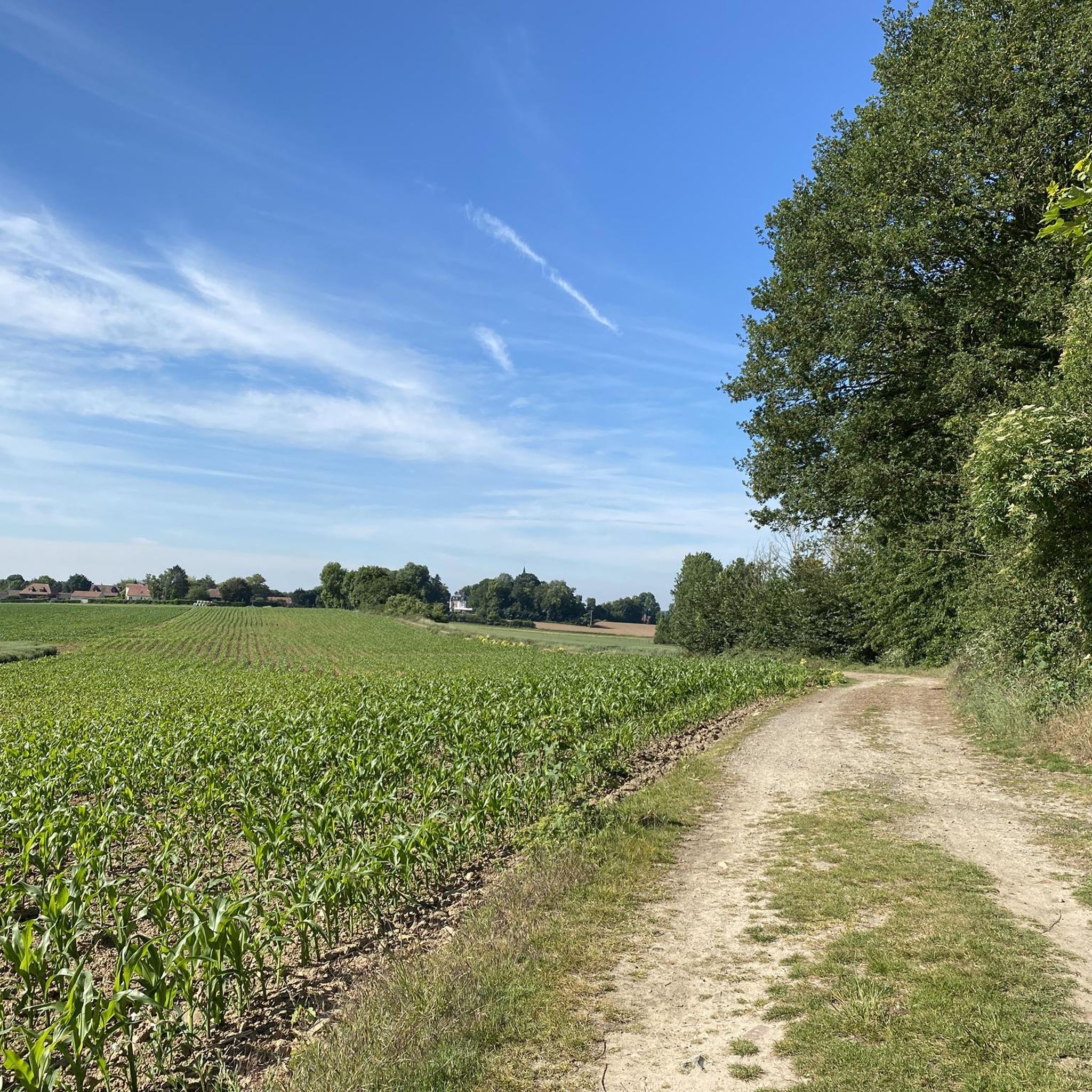
Magnificent..I love walking there to see the deer 😍
1
0

The menhir is located in the marsh of Aubigny-au-Bac, on a footpath leading to Brunémont. It is a block of Landenian sandstone 2.90 m high (including 1.48 m above ground) by 2.15 m wide and 0.70 m thick. It is said to have been sunk to about 2.40 m. Shaped like a horse's head, it is associated with a prehistoric megalith despite the absence of evidence.
0
0
A Brief History Note. Roucourt Castle was built at the end of the 18th century by Monsieur Béranger, a cannon founder under the Empire. …During World War I, the castle was occupied by the squadron and men of Captain Baron Von Richthofen, known as the "Red Baron," who sheltered his planes in the avenue of over 100-year-old lime trees that precede the entrance gate. Destroyed by fire in 1918, it was rebuilt between 1921 and 1923 and restored in 1997 by Colette and Guy Becquet de Mégille, the current owners.
3
0


Medieval Gœulzin Castle from the 17th century. During the Great War, this castle was occupied by German troops, pillaged and abandoned. Its ruined state dates from this period.
5
0

They are part of the unknown treasures of Arras and the Pays d'Artois. The various megalithic sites are good for a beautiful walk, among mysteries and legends, history and extraordinary landscapes. Set sail for the Scarpe valley and the Sensée valley, in the wake of the megaliths of the Pays d'Artois.
2
0

The ruins of Goeulzin Castle are what remains of a medieval fortress which was burned down twice in the 16th century and rebuilt by a Count of Bucquoy. The castle, located in the marshy Sensée valley, played a defensive role until the 18th century, when it was abandoned and pillaged. We can still see the remains of its walls, its towers and its main facade with this characteristic plan of stepped gables. You can also admire the neighboring tower which served as an ice house and dovecote in the 18th century.
3
0

The story goes that once the people of the country showed the scratches produced, according to legend, by the claws of the demon when he seized the stone. Streaks do indeed appear on two sides of the menhir… But are they the same as before or do they come from the destruction of the stone in 1918
2
0
Frequently Asked Questions
What historical sites can I explore near Brunémont?
Brunémont and its surroundings are rich in history. You can visit ancient megaliths like The Menhir of Lécluse or the Devil's Stone and the stone that grows, both classified as historical monuments with intriguing legends. The Orangery Castle in Roucourt, rebuilt after WWI, also offers a glimpse into the region's past. Further afield, you can discover UNESCO-listed belfries in Douai and Cambrai, the Arras Citadelle, or the Centre Historique Minier du Nord-Pas-de-Calais, which preserves the area's mining heritage.
Are there any natural monuments or unique geological features to see?
Yes, the area features several unique natural monuments. Besides the legendary menhirs like The Menhir of Lécluse or the Devil's Stone and the stone that grows, which are also natural monuments, you can find The Big Rock (Menhir of Oisy-le-Verger) planted in the marshy terrain of the Sensée valley. The Sensée Valley itself, with its canal and pond, offers scenic views and natural beauty.
What outdoor activities can I do near Brunémont?
The Sensée Valley and its canal provide excellent opportunities for outdoor activities. You can enjoy easy and pleasant walks along the Canal de la Sensée, crossing the Bridge Over the Canal. The region is also ideal for cycling and running. For specific routes, you can explore options like the 'Jetty on the Aubigny Marsh' loop for running or various cycling tours around Brunémont. Find more details on these activities in the Running Trails around Brunémont and Cycling around Brunémont guides.
Are there family-friendly attractions around Brunémont?
Absolutely! Many attractions are suitable for families. The historical menhirs, such as The Menhir of Lécluse or the Devil's Stone and the stone that grows, offer intriguing legends that can captivate children. The Orangery Castle is also considered family-friendly. Additionally, the easy walks along the Canal de la Sensée, including crossing the Bridge Over the Canal, are perfect for a family outing.
Where can I find easy walking or hiking trails near Brunémont?
The Canal de la Sensée offers numerous easy and pleasant walking opportunities. The area around the canal, including the Bridge Over the Canal, is known for its flat terrain, making it suitable for leisurely strolls. For more structured routes, consider the 'Jetty on the Aubigny Marsh loop from Aubencheul-au-Bac' or 'Marais de Brunémont loop from Aubigny-au-Bac', both rated as moderate and accessible for many walkers. You can find more options in the Running Trails around Brunémont guide, which includes walking-friendly paths.
What are some notable natural reserves in the vicinity of Brunémont?
Several regional nature reserves are located within a short distance of Brunémont, offering opportunities to connect with nature. These include the Réserve naturelle régionale du Marais de Wagnonville, the Réserve naturelle régionale de la Tourbière de Vred, and the Réserve naturelle régionale du Pré des Nonnettes. These areas are ideal for observing local flora and fauna.
Is there a large forest nearby for exploration?
Yes, the Forest of Mormal, located about 43 km to the east, is the largest forest in the region. It boasts hundreds of kilometers of trails, making it an excellent destination for longer hikes, cycling, or simply enjoying the dense woodland environment.
What is the significance of the Canal de la Sensée?
The Canal de la Sensée is a historically significant waterway developed under Napoleon, connecting the Scarpe and the Scheldt. It opened to navigation in 1820 and is part of the larger Dunkirk - Scheldt Canal system. Today, it's a popular spot for easy walks and cycling, offering scenic views of the Sensée Valley. The Bridge Over the Canal is a key landmark along this route.
Are there any attractions that are wheelchair accessible?
Yes, the Bridge Over the Canal, which spans the Canal de la Sensée, is noted as wheelchair accessible. The paths along the canal are generally flat and well-maintained, making them suitable for visitors using wheelchairs or strollers.
What are some unique legends or stories associated with attractions in the area?
The region is rich in folklore, particularly around its megalithic sites. The Menhir of Lécluse or the Devil's Stone is famous for legends involving the devil, including a tale of a farmer's pact and a rooster's early crow. Similarly, The Big Rock (Menhir of Oisy-le-Verger) also has a legend of the devil dropping a stone after being tricked by nuns. the stone that grows is known for a tradition suggesting it continues to increase in size.
What cities near Brunémont offer additional cultural attractions?
Several nearby cities provide a broader range of cultural experiences. Douai, about 12 km away, is known for its art, history, and impressive belfry. Cambrai, approximately 14 km away, features a museum housed in an 18th-century hotel. Lille, a larger city about 41 km away, offers a wide array of attractions, museums, and a vibrant urban atmosphere.
Can I find routes for road cycling around Brunémont?
Yes, the area around Brunémont is suitable for road cycling, with various routes exploring the regional landscape. You can find routes like 'The Marshes - Lécluse Pond – Grimpette tranquille loop from Brunémont' or 'Thun-l'Évêque – Round Basin loop from Brunémont', which offer longer distances and moderate difficulty. Explore more options in the Road Cycling Routes around Brunémont guide.
Most popular routes around Brunémont
Most popular attractions around Brunémont

Get inspired with the komoot mobile app


Explore more
Still not found the Highlight you’re looking for? See guides of the top attractions in other regions:
