The best road cycling routes around Wavrin
4.4
(1181)
17,832
riders
42
rides
Road cycling routes around Wavrin traverse a landscape shaped by the municipality's "Agricultural Enclave Landscape Plan," fostering a "multifunctional green heart." This area features verdant agricultural fields and open rural scenery, with efforts to enhance biodiversity and natural spaces. The region's commitment to "soft mobility connections" provides dedicated pathways, making it conducive for cycling through its developing green infrastructure. Cyclists can expect serene rides through working farmlands and interconnected green spaces.
Best road cycling routes around Wavrin
- The most popular…
Last updated: October 15, 2026
4.0
(3)
65
riders
76.2km
03:13
370m
370m
Moderate road ride. Good fitness required. Mostly well-paved surfaces and easy to ride.
57
riders
93.6km
03:54
500m
500m
Moderate road ride. Good fitness required. Mostly well-paved surfaces and easy to ride.

4.5
(2)
33
riders
41.5km
01:43
190m
190m
Easy road ride. Great for any fitness level. Mostly well-paved surfaces and easy to ride.
3.8
(6)
29
riders
33.3km
01:20
70m
70m
Moderate road ride. Great for any fitness level. Some segments of this route may be unpaved and difficult to ride.
5.0
(1)
41
riders
50.8km
02:07
110m
110m
Moderate road ride. Good fitness required. Some segments of this route may be unpaved and difficult to ride.
Get access to more routes and recommendations from other explorers.
Already have an account?
Our route recommendations are based on thousands of hikes, rides, and runs completed by other people on komoot.
Start today with a free account
Your next adventure awaits.

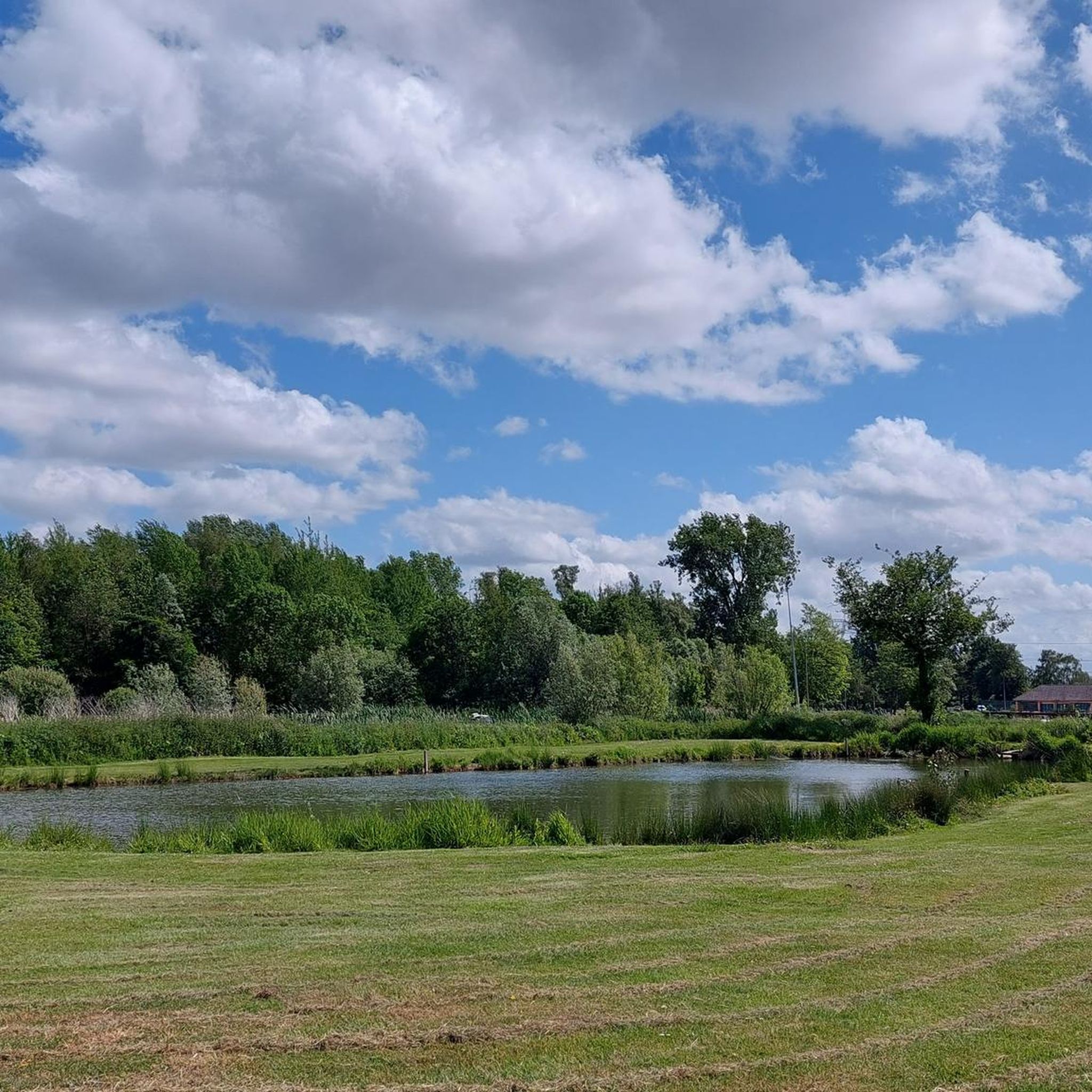
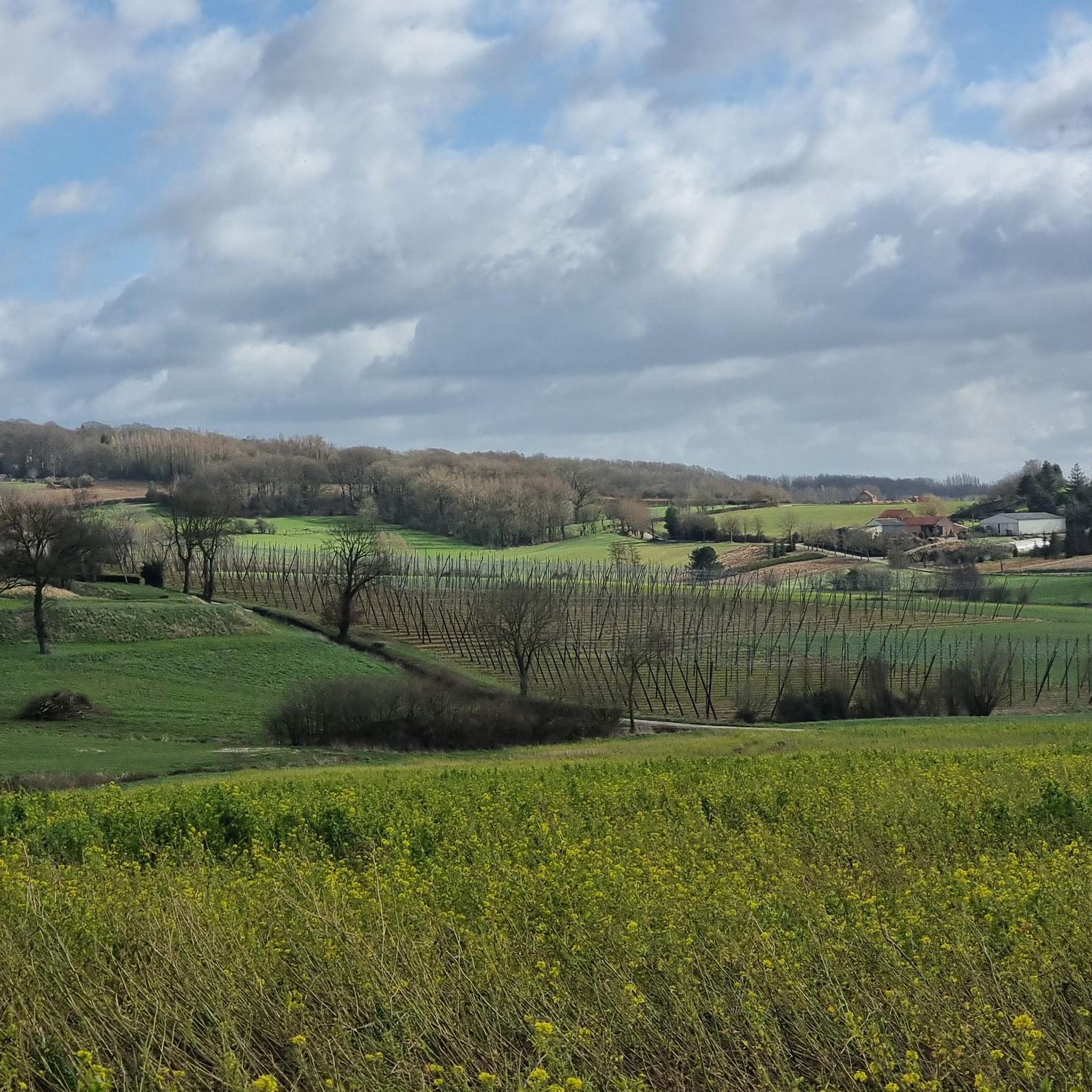
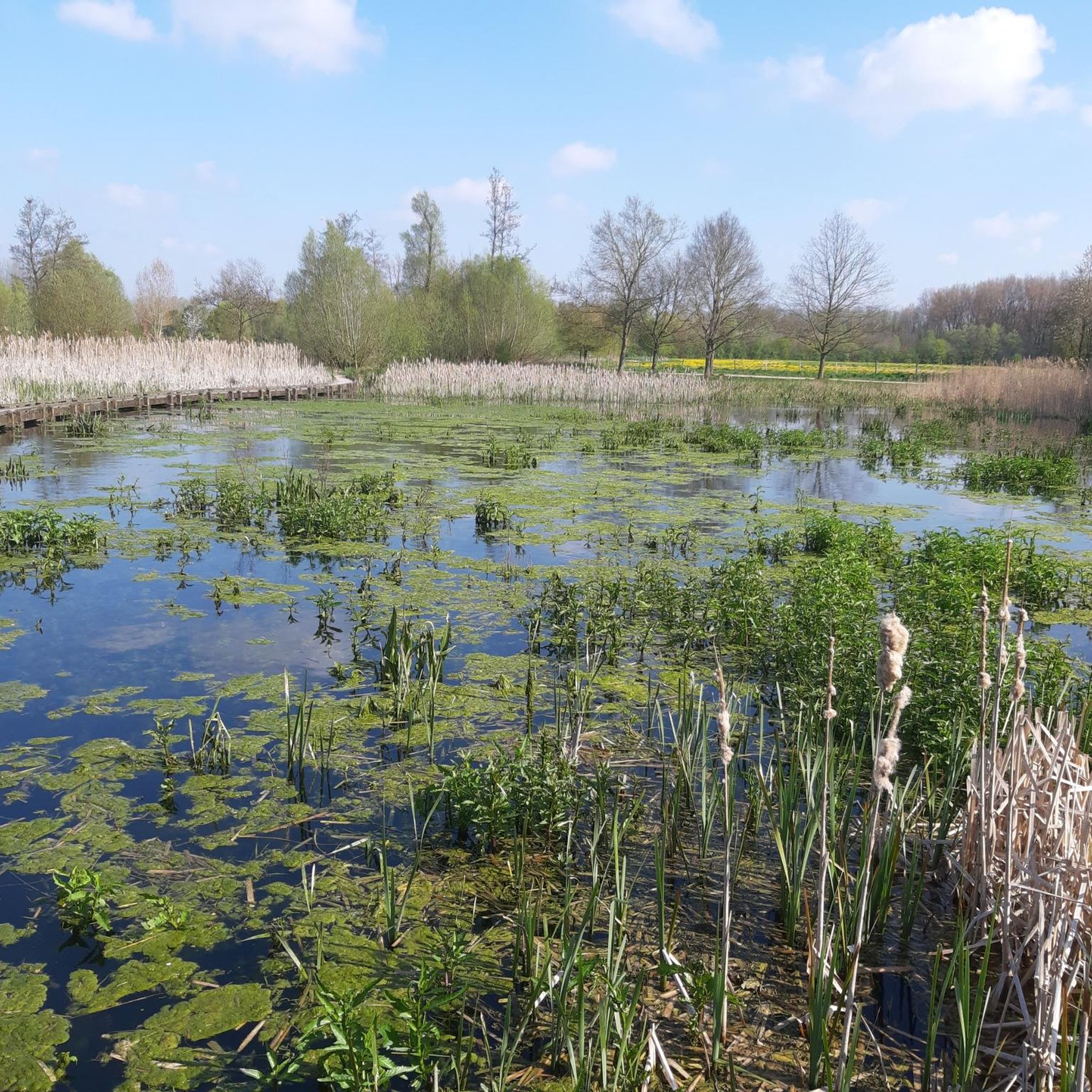

Tips from the Community

Nice views, quiet, but shitty tarmac, when there is.
0
0

The battle of Fromelles on 19 July 1916 was a bloody initiation for Australian soldiers to warfare on the Western Front. Soldiers of the newly arrived 5th Australian Division, together with the British 61st Division, were ordered to attack strongly fortified German front line positions near the Aubers Ridge in French Flanders. The attack was intended as a feint to hold German reserves from moving south to the Somme where a large Allied offensive had begun on 1 July. The feint was a disastrous failure. Australian and British soldiers assaulted over open ground in broad daylight and under direct observation and heavy fire from the German lines. Over 5,500 Australians became casualties. Almost 2,000 of them were killed in action or died of wounds and some 400 were captured. This is believed to be the greatest loss by a single division in 24 hours during the entire First World War. Some consider Fromelles the most tragic event in Australia’s history. https://www.awm.gov.au/articles/encyclopedia/fromelles
0
0


Small climb accessible to all
1
0

The Vauban Garden was created in the mid-19th century, in 1865. At that time, the city of Lille was expanding, and this was an opportunity for the city to create new green spaces, places for walking where the people of Lille could enjoy nature. In this garden, the bourgeoisie liked to show off, and the workers, from the industrial districts, enjoyed breathing the fresh air, far from the factories. First called the Empress Eugenie Park, the Vauban Garden took its current name in 1870. It became a listed site in 1991. By following the route opposite, take the garden's curving paths, cross its rolling lawns, and discover this romantic place inspired by English gardens. For the creation of this public garden, the City of Lille commissioned the Chief Gardener of Paris. He created and landscaped numerous gardens for the capital, such as the Luxembourg Gardens and the Buttes-Chaumont Park. This highly renowned landscape gardener has worked for other cities in France: Roubaix (Barbieux Park), Marseille, Cambrai, and abroad: Italy, Austria, and Egypt. At the bottom of the garden lies a cave from which a waterfall flows, feeding the ponds. Like the river, this cave is not natural: it was built of reinforced concrete and stone rubble. Over time, the accumulation of limestone dissolved in the water and trapped by plants (mosses) has revealed new rock, forming large blocks on the sides of the cave.
1
0
The Palais Rameau was built in 1878 thanks to the bequest of Charles Rameau, President of the Lille Horticultural Society. It was originally intended for flower and fruit exhibitions, as well as for music and the arts. The project was entrusted to Lille architects Auguste Mourcou and Henri Contamine. Its architecture, based on the principle of a horticultural greenhouse, blends regional and oriental influences. Over time, it had lost its original purpose, serving notably as an examination center from 1930 to 1960. The Palais Rameau underwent a major renovation to see the birth of an innovative project, combining science, education, and experimentation, focused on urban agriculture. This project is the result of a partnership between the City of Lille, which owns the building, and Junia, the engineering school, which wanted to develop a demonstration project for the "Agriculture and Food of Tomorrow" there. The goal is to offer students, as well as professors and researchers, and residents an ecosystem conducive to discovering and reinventing the agriculture and food of tomorrow. The ambition of this space is to make it the first European demonstration site for urban agriculture and food. Ultimately, 3,600m² of space dedicated to the agriculture of tomorrow will be open, as well as 5,500m² of outdoor spaces.
0
0
The Church of the Sacred Heart is a church located at the intersection of Rue Nationale and Rue Solférino, in the Lille-Centre district of Lille. Built during the last decades of the 19th century, it contains a set of eleven stained-glass windows, listed as a historic monument since 1983. The building was constructed following a vow made by the Ladies of the Association of the Children of Mary of the Sacred Heart (in the Chapel of the Ladies of the Sacred Heart, Rue Royale) on October 7, 1870, to protect Lille from Prussian invasion. About ten years later, when the parish church was already open for worship, a second vow was made by the town's ladies concerning the construction of a chapel dedicated to the Sacred Heart (the Vow Chapel, an apsidal chapel located behind the choir) and intended to become a special place of contemplation within the church itself. The church was built by the architect Jules Batigny between 1875 and 1878 and again between 1895 and 1898. The apsidal chapels were added during the second half of the 1880s. When the church was consecrated on June 20, 1902, the bell tower was not yet completed. On this occasion, Marie-Alphonse Sonnois, Archbishop of Cambrai (at that time, Lille did not yet have its own diocese and was therefore incorporated into that of Cambrai), consecrated the city of Lille to the Sacred Heart of Jesus. On June 12, 1910, a major congress of the Guard of Honor of the Sacred Heart was held, presided over by Monsignor François-Marie-Joseph Delamaire (coadjutor bishop). The 75-meter-high bell tower was not completed until 1928 by the architect Charles Sarazin. Built of reinforced concrete, it was unable to withstand the elements and had to be completely restored from 2005 to 2008. The bell tower houses a carillon of several bells that has been silent for several years... Only seven stained-glass windows have been restored. The building is still awaiting the restoration of the other five, which are in poor condition. In April 2018, the church was closed to worship by municipal decree for six months. The reason was the presence of dry rot.
1
0
Frequently Asked Questions
How many road cycling routes are available around Wavrin?
There are over 25 road cycling routes around Wavrin, offering a variety of distances and difficulty levels. These routes are highly rated by the komoot community, with an average score of 4.2 stars.
What kind of scenery can I expect on road cycling routes around Wavrin?
Road cycling routes in Wavrin primarily offer serene rides through scenic agricultural vistas and open rural landscapes. The region's "Agricultural Enclave Landscape Plan" emphasizes green infrastructure and connected green spaces, ensuring a pleasant and ecologically rich environment for exploration.
Are there easy road cycling routes suitable for beginners in Wavrin?
Yes, Wavrin offers several easy road cycling routes perfect for beginners. For example, the Climb of Mons-en-Pévèle – Mons-en-Pévèle climb loop from Wavrin is an easy 25.4-mile (40.9 km) trail that takes about 1 hour 40 minutes to complete.
Are there challenging road cycling routes for experienced cyclists in Wavrin?
For experienced cyclists seeking a challenge, Wavrin offers routes with more significant ascents and longer distances. The Mont Noir (West) – Berthen Pass loop from Wavrin is a moderate 46.7-mile (75.2 km) route that includes ascents over Mont Noir and the Berthen Pass, taking approximately 3 hours 14 minutes.
What are the typical distances for road cycling routes in Wavrin?
Road cycling routes around Wavrin vary in distance, catering to different preferences. You can find routes ranging from shorter rides, such as the 25.4-mile (40.9 km) Climb of Mons-en-Pévèle – Mons-en-Pévèle climb loop from Wavrin, to longer excursions like the 58.7-mile (94.5 km) Mont des Cats – Mont Noir (West) loop from La Fontaine.
Are there loop trails for road cycling in Wavrin?
Yes, many road cycling routes in Wavrin are designed as loops, allowing you to start and finish in the same location. Examples include the Cobbled Sector – New bike path loop from Wavrin and the Heart of Maisnil loop from Wavrin.
What is the best time of year to go road cycling in Wavrin?
The best time to go road cycling in Wavrin is generally during the spring, summer, and early autumn months when the weather is milder and the agricultural landscapes are at their most vibrant. This allows for comfortable rides through the region's green spaces.
What do other road cyclists enjoy most about cycling in Wavrin?
The komoot community highly rates road cycling in Wavrin, with an average score of 4.2 stars from over 16 reviews. Cyclists often praise the serene agricultural vistas, the developing green infrastructure, and the interconnected green spaces that make for enjoyable and varied rides.
Are there any interesting landmarks or attractions to see along the road cycling routes?
While cycling, you can explore various points of interest. Nearby attractions include the tranquil Canteraine Park, historical sites like the Old Stock Exchange of Lille, or natural features such as the Phalempin State Forest Ponds.
Are there any specific cycling paths or 'pistes cyclables' in Wavrin?
Wavrin is actively developing its "soft mobility connections" as part of its Agricultural Enclave Landscape Plan. This initiative aims to create and strengthen dedicated pathways, or 'pistes cyclables,' making the area increasingly cyclist-friendly and ideal for exploring its green infrastructure.
Can I find routes that avoid crowded areas in Wavrin?
Given Wavrin's focus on its "Agricultural Enclave Landscape Plan" and its commitment to developing a "multifunctional green heart," many routes traverse open agricultural fields and interconnected green spaces. This often provides a tranquil cycling experience away from more crowded urban areas, allowing for peaceful rides through nature.
Most popular attractions around Wavrin

Get inspired with the komoot mobile app


Explore more
Browse the best Road cycling routes in other regions.
