Attractions and Places To See around Forest-Sur-Marque - Top 20
Attractions and places to see around Forest-Sur-Marque include a mix of historical sites, cultural venues, and natural features, particularly along its waterways. The commune provides access to regional points of interest, including significant landmarks in nearby Lille and cross-border canal routes. The area's landscape offers opportunities for outdoor activities such as walking and cycling.
Best attractions and places to see around Forest-Sur-Marque
- The most popular attractions is Roubaix Velodrome, a man-made monument that serves as the historic finish line…
Last updated: October 5, 2026
Roubaix Velodrome
Highlight • Monument
Translated by Google •
Tip by

Belgium–France Border on the Canal de Roubaix
Highlight • Monument
Translated by Google •
Tip by

Sign up now to discover places like this
Get recommendations on the best single tracks, peaks, & plenty of other exciting outdoor places.
Espierres Canal
Highlight (Segment) • River
Translated by Google •
Tip by

Old Stock Exchange of Lille
Highlight • Historical Site
The tower features a gold-colored Mercury (the god of trade) and the facade looks rich due to the …
Translated by Google •
Tip by

General de Gaulle Square
Highlight • Settlement
Translated by Google •
Tip by
Sign up for free to discover even more attractions around Forest-Sur-Marque.
Already have an account?
Start today with a free account
Your next adventure awaits.

Tips from the Community

Smooth tarmac, but be carefull as nothing will stop you to fall into the canal, particularly for new skateboarders. One part of the track is halas closed for some months now.
0
0

The Roubaix Canal, or the Espierres Canal, as it's called in French or Belgian, forms part of the link between the Deûle River in France and the Scheldt River in Belgium. In 1843, the two canals were connected between Leers, France, and Leers-Nord, Belgium. Despite damage sustained during the two world wars, the canal was the pinnacle of the region's textile industry for over a hundred years, transporting coal from Belgium to numerous French factories. In Leers-Nord, Belgium, the workers who pulled the coal-laden barges were called "satcheux" (sailors). Next to the lock keeper's house, a stone's throw from France, the crossing point between France and Belgium, a customs guardhouse was built. Customs officers were present to inspect the numerous goods transported by barge. After the decline of the textile industry in the 1970s and 1980s, the canal gradually lost its usefulness and was closed to shipping in 1983. In the early 2000s, the canal was the subject of a cross-border rehabilitation project to allow tourist boats to pass through again. As part of the Interreg Blue Links project, a collaboration between France, Flanders, and Wallonia, it was flooded again. The final works were completed in 2011, and navigation reopened. Since the early 20th century, the Roubaix/Espierres Canal has been a place of conviviality, walking, and fishing for cross-border residents and commuters. Consequently, strong public opposition has arisen to the plan to convert the canal into a motorway. Source: www.caue-nord.com
3
0

Super nice, and go inside the courtyard, you have old book sellers there.
2
0

For a cycling tourist, the arrival at the Roubaix velodrome is also a great moment. Even after dozens of times!
5
0
For the legend this race is, and how normal in fact the velodrome is...
4
0

Place du Général de Gaulle is an old medieval market place, where a tree has never stood. The traders met here three times a day, in all weathers. Until they received permission from Philip IV of Spain to build the Old Exchange in 1652. The building was finished in 2 years and is made of porous stone, which is why it is painted. The restoration of the front facade was financed by companies, their logos can be found above the top row of windows. This building has 24 homes that are still mostly occupied by their owners. We also notice the many sculptures, typical of the Flemish Baroque style, but also because the architect, Julien Destrée, was a wood sculptor. Above the entrance gate we see the symbol of Lille (Fleur de Lys), with next to it the lions of Flanders and the crown of the city (with fortress towers on top) and two horns. Horns of Plenty, to refer to the wealth of Lille.
11
0
Frequently Asked Questions
What are some notable historical sites to visit near Forest-sur-Marque?
Near Forest-sur-Marque, you can explore significant historical sites such as the Old Stock Exchange of Lille, a magnificent 17th-century building known for its Baroque Flemish architecture. Another key historical landmark is General de Gaulle Square in Lille, which serves as a central point for sightseeing in the city's old town.
Are there any attractions related to cycling or sports in the area?
Yes, the region is famous for its cycling heritage. The Roubaix Velodrome is a must-visit, known as the historic finish line for the Paris-Roubaix cycling race. It's a significant destination for cyclists and sports enthusiasts alike.
What natural features or waterways can I explore around Forest-sur-Marque?
The area's waterways are a prominent natural feature. The Espierres Canal, which connects the Deûle and Scheldt rivers, offers pleasant routes for cycling and walking. This canal also forms part of the Belgium–France Border on the Canal de Roubaix, a unique cross-border landscape popular for outdoor activities.
Are there family-friendly activities or attractions available?
Many of the attractions around Forest-sur-Marque are suitable for families. The Belgium–France Border on the Canal de Roubaix and the Espierres Canal are great for family walks and bike rides. Historical sites like the Old Stock Exchange of Lille and General de Gaulle Square also offer engaging experiences for all ages.
What kind of outdoor activities can I do near these attractions?
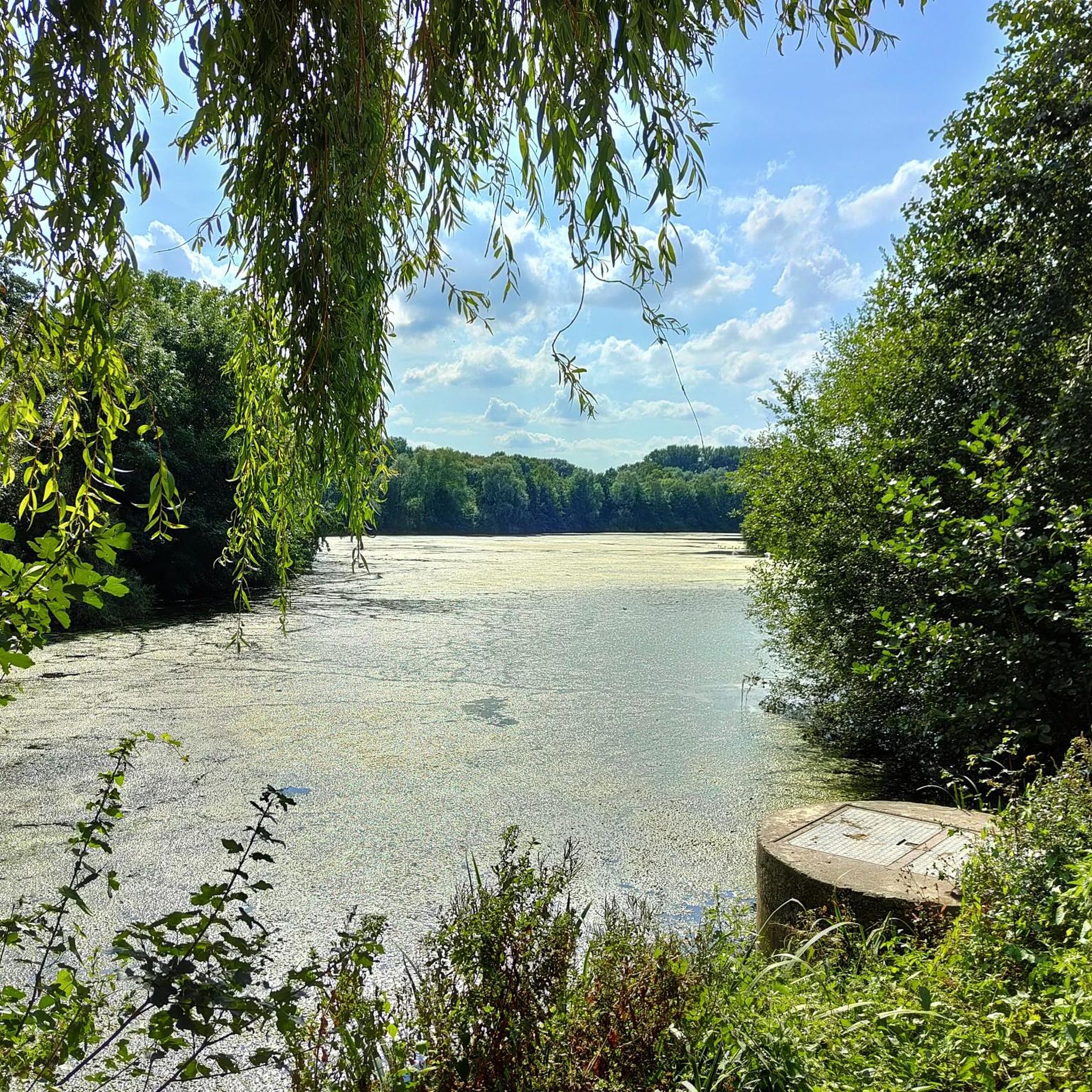
The region offers various outdoor activities, especially along its canals and greenways. You can enjoy hiking, running, and gravel biking. For example, there are numerous hiking routes, including loops around Heron Lake and the 6 Bonniers Park. Cyclists can explore gravel biking trails like the Val de Marque Greenway, and there are also dedicated running trails.
Are there accessible attractions for visitors with mobility needs?
Yes, General de Gaulle Square in Lille is noted as wheelchair accessible, making it a good option for visitors with mobility needs to experience a central historical landmark.
What do visitors particularly enjoy about the attractions around Forest-sur-Marque?
Visitors appreciate the blend of historical significance and natural beauty. The Roubaix Velodrome is highly valued for its cycling history, while the canals like Espierres Canal are loved for their tranquil environment and pleasant routes for walking and cycling. The architectural beauty of Lille's Grand Place and the Old Stock Exchange also receive high praise.
Can I cross the border into Belgium while exploring the area?
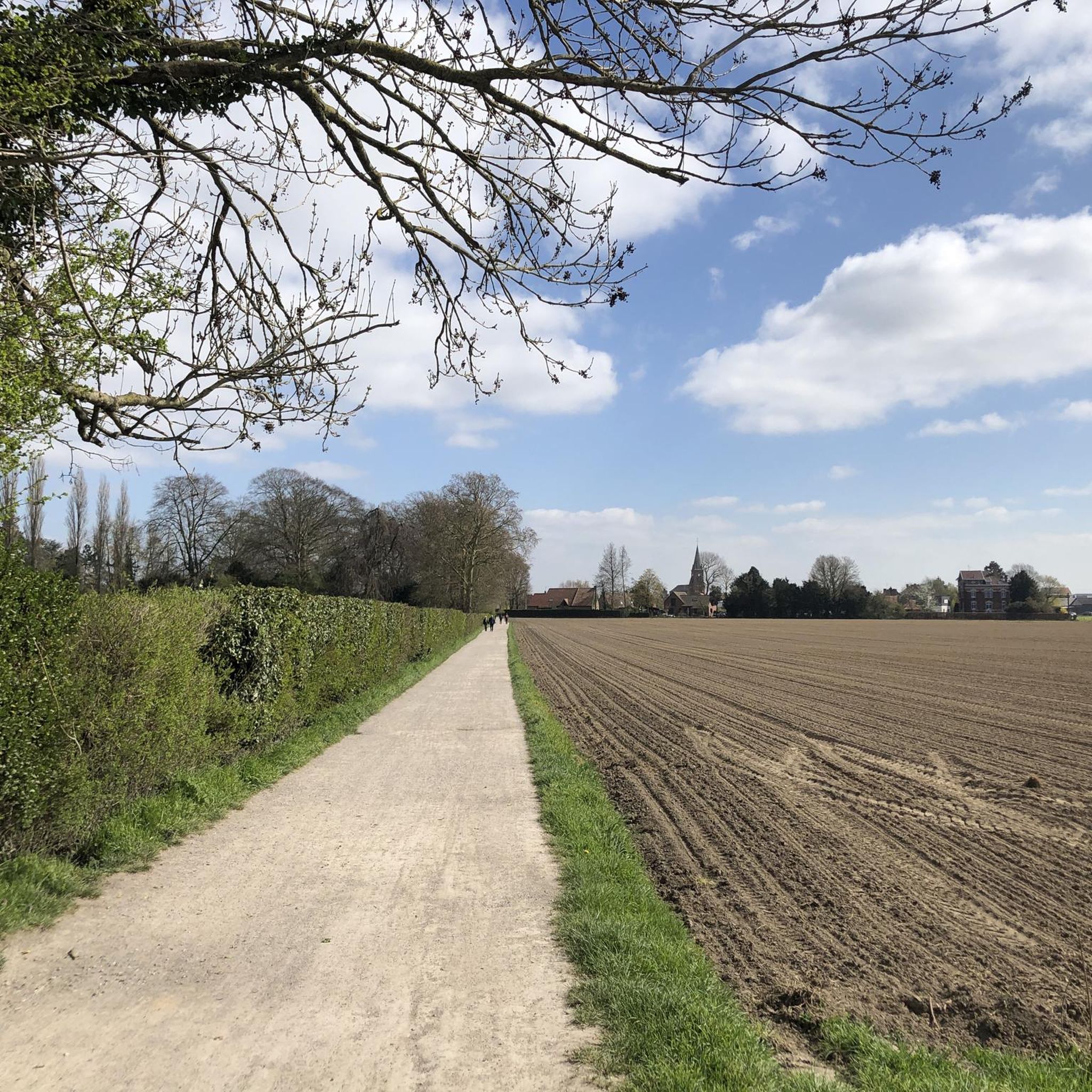
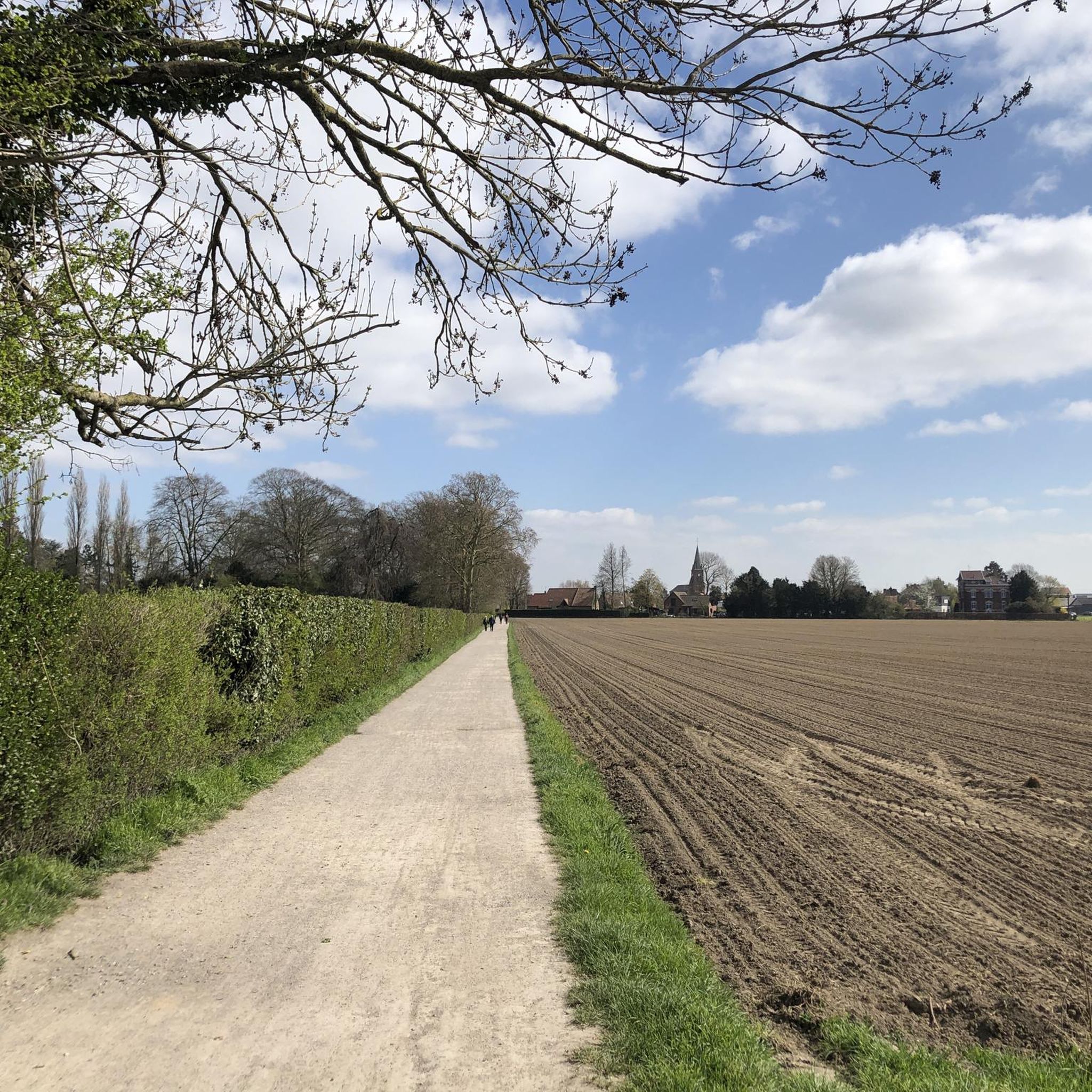
Yes, the Belgium–France Border on the Canal de Roubaix is a specific highlight where you can cross the national border on a cycle path. The Euro Velo Route 5 leads along this section, offering a unique cross-border experience.
What is the significance of the Canal de Roubaix / Espierres Canal?
The Canal de Roubaix, also known as the Espierres Canal in Belgium, is a historical waterway that once served as a vital transport route for the textile industry. It connects the Deûle River in France to the Scheldt River in Belgium. Reopened for tourist navigation in 2011, it's now a popular spot for walking, cycling, and fishing, showcasing a unique cross-border landscape and a rich industrial past.
Are there opportunities for longer bike rides or multi-day tours?
Yes, the extensive network of canals and cycle paths, including the Euro Velo Route 5 along the Belgium–France Border on the Canal de Roubaix, provides excellent opportunities for longer bike rides. The rehabilitation of the Canal de Roubaix has made it a prime location for extended cycling tours, connecting various towns and natural areas.
What cultural activities are available in Forest-sur-Marque itself?
Within Forest-sur-Marque, the focus is on community life and local cultural engagement. The local Médiathèque offers a diverse collection of resources and serves as a community hub. The commune also has various associations and sports clubs, reflecting a dynamic local life and offering opportunities for residents and visitors to engage in cultural and sporting pursuits.
Most popular routes around Forest-Sur-Marque
Most popular attractions around Forest-Sur-Marque

Get inspired with the komoot mobile app


Explore more
Still not found the Highlight you’re looking for? See guides of the top attractions in other regions:
