Attractions and Places To See around Beaumont-Monteux - Top 20
Attractions and places to see around Beaumont-Monteux offer a blend of historical context and natural landscapes within the Drôme department of France. The area is characterized by its rich history, including Roman roots and the former Maltese Commandery. The Isère River plays a significant role in the region's geography, forming boundaries and influencing its development. Beaumont-Monteux serves as a base for exploring the diverse natural beauty and attractions of the wider Drôme region.
Best attractions and places to see around…
Last updated: July 6, 2026
Passerelle Marc-Seguin
Highlight • Bridge
Translated by Google •
Tip by

Marc Seguin Suspension Bridge (Pont Suspendu Marc Seguin)
Highlight • Bridge
Translated by Google •
Tip by
Sign up now to discover places like this
Get recommendations on the best single tracks, peaks, & plenty of other exciting outdoor places.
Sign up for free
ViaRhôna: Riverside Path Between Orchards and Vineyards
Highlight (Segment) • Cycleway
Translated by Google •
Tip by

Crussol Castle
Highlight • Castle
Translated by Google •
Tip by

Esplanade du Champ de Mars
Highlight • Viewpoint
Translated by Google •
Tip by
Sign up for free to discover even more attractions around Beaumont-Monteux.
Sign up for free
Already have an account?
Start today with a free account
Your next adventure awaits.
Login or Signup

Tips from the Community

With the words "Only one book lies open before all eyes, the book of nature." by Jean-Jacques ROUSSEAU (1712-1778), I wish everyone on this path said open eyes, to enjoy nature in its countless facets along the way.
0
0

The first footbridge built by Marc Seguin between Tournon and Tain in 1825 was revolutionary for its time. It was the world's first iron cable suspension bridge, a true technical feat for the era. This footbridge helped facilitate trade and strengthen ties between the two towns. However, the original footbridge underwent several transformations over time. It was first raised to allow the passage of steamships, then a second footbridge was built by Marc Seguin in 1847, still based on the iron cable suspension principle. The two footbridges coexisted for a time, the first being used for pedestrian traffic and the second for road traffic. As road traffic intensified over time, it became necessary to build a new bridge to facilitate circulation. This is how the Gustave Toursier bridge was built in 1958. Located about 350 meters downstream from the Marc Seguin footbridge, this suspension bridge over 240 meters long comprises three spans. It is designed to support road traffic, thus facilitating exchanges between the two municipalities. The current footbridge, inaugurated in 1972, is therefore the fourth of its name. It was designed to resemble the 1847 footbridge, while meeting current safety standards and needs. https://www.ardeche-hermitage.com/fr/zoom-sur/la-passerelle-marc-seguin-celebre-son-bicentenaire/
0
0

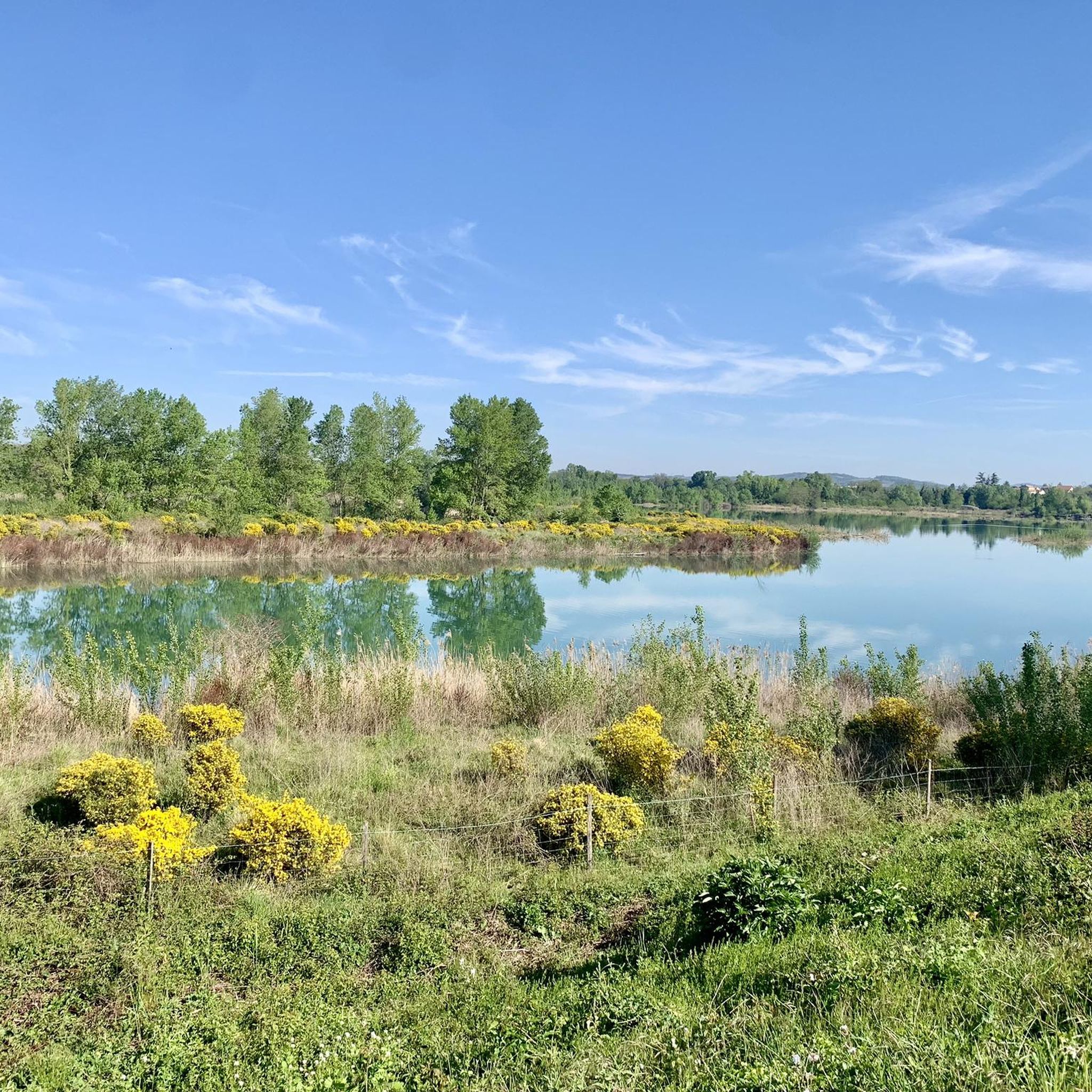
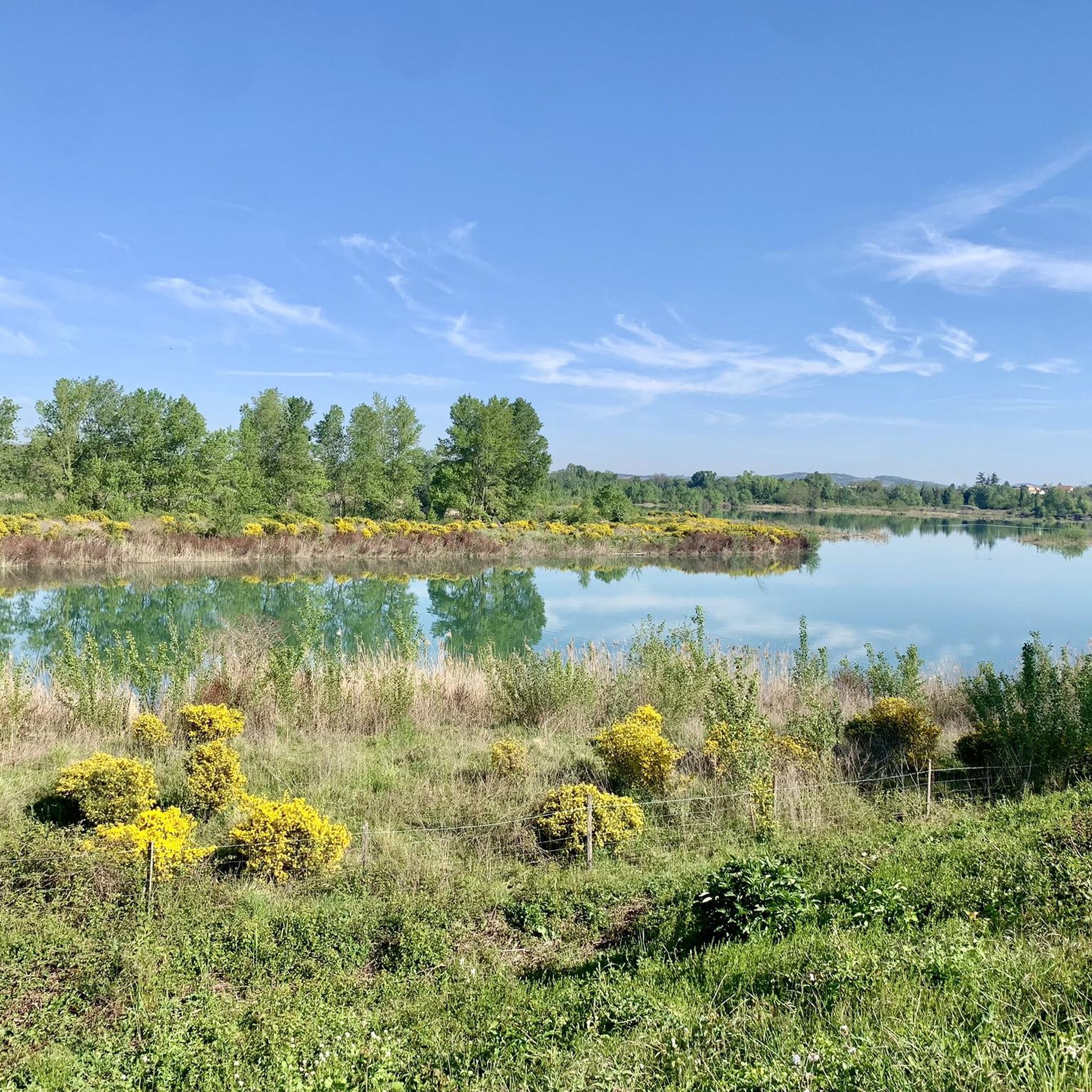
A truly beautiful stretch of the route! The stunning scenery and excellent cycle paths make cycling on the ViaRhôna a special experience! :-)
0
0

Hello everyone, Please note that the footbridge crossing the Rhône between Tournon and Tain is closed until November 28th due to ongoing construction. You must use the motorway bridge 500m away… it's much less pleasant.
0
0
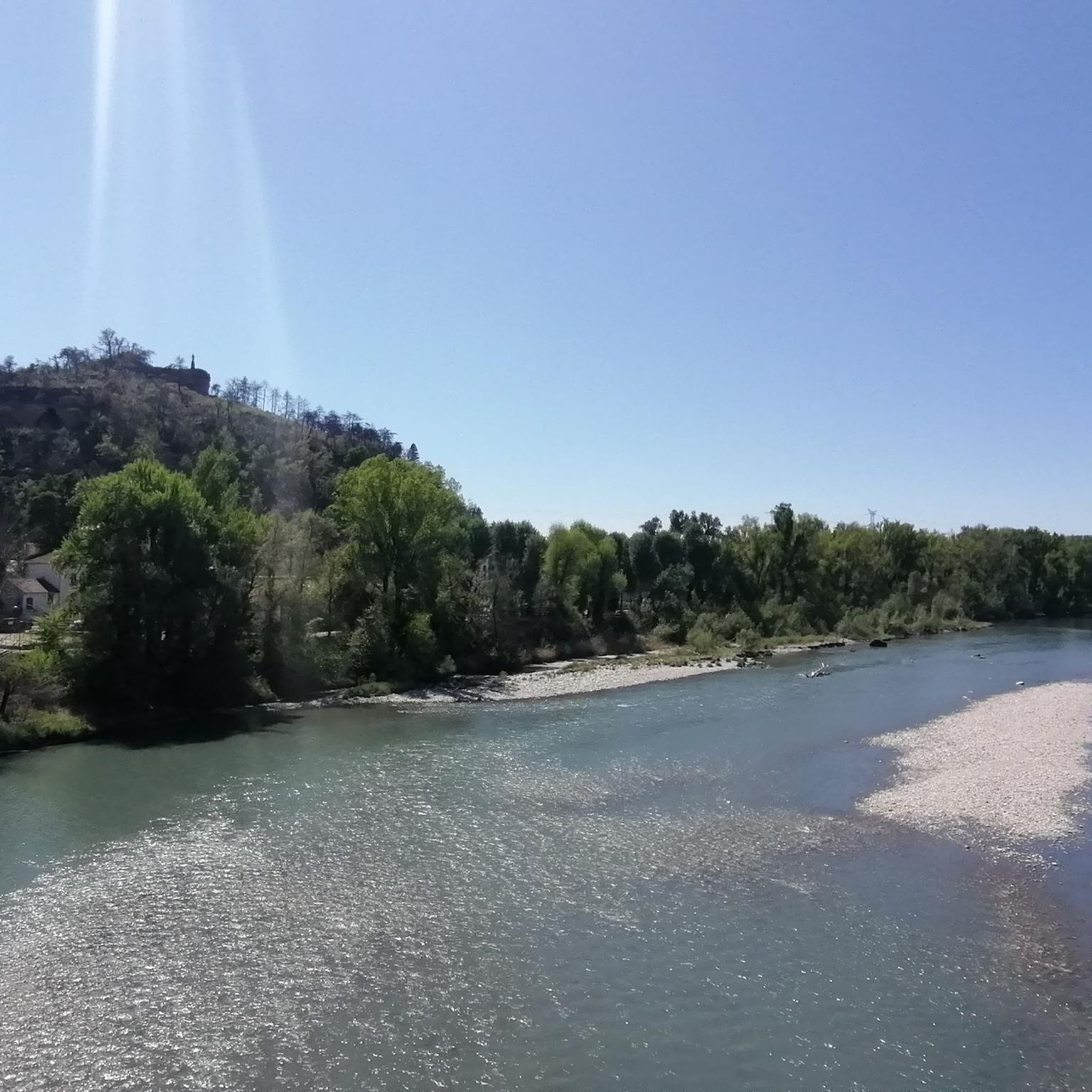
The Marc Seguin Suspension Bridge in Tournon-sur-Rhône is a 19th-century engineering masterpiece and one of the oldest suspension bridges in Europe. A stroll over the Rhône offers impressive views of the river and the surrounding vineyards. Tournon's old town boasts charming alleyways, historic buildings, and a Renaissance palace. Wine lovers can sample local wines from the Cornas and Saint-Joseph regions. The combination of engineering, nature, and history makes this place an unforgettable experience. By the way, cycling is prohibited and police patrol the area!
0
0

very nice view from the castle
2
0

A beautiful old bridge with a wooden roadway.
0
0

I just rode the ViaRhôna from September 3rd to 12th, between Romans and Sète. Beautiful scenery and villages. But the track quality is very uneven. Sometimes excellent, with impeccable surface and signage. Sometimes deplorable, shared tracks not maintained, sporadic signage, we go around in circles in some towns... And the biggest hassle is the train ride back, with no chutes in the underground stairs when changing platforms. Unpack the panniers, carry the (electric) bikes, and depending on the carriage, climb three steps! Thanks, SNCF.
0
0
Frequently Asked Questions
What historical sites can I explore around Beaumont-Monteux?
Beaumont-Monteux and its surroundings are rich in history. You can visit the ruins of Crussol Castle, an 11th-century medieval fortress majestically overlooking the Rhône Valley. The area also has Roman roots, having been part of the District of Allobroges, and was home to a former Maltese Commandery dating back to 1202. The Marc Seguin Suspension Bridge, built between 1847 and 1849, is another significant historical landmark, listed as a historic monument since 1985.
Are there any family-friendly attractions near Beaumont-Monteux?
Yes, several attractions are suitable for families. The Marc Seguin Suspension Bridge is accessible to pedestrians and cyclists, offering a pleasant crossing over the Rhône. The ViaRhôna: Riverside Path Between Orchards and Vineyards is also family-friendly, providing an enjoyable route along the river. Additionally, the Esplanade du Champ de Mars in Valence is a large square with trees and flower beds, perfect for a relaxing family outing, offering views and facilities.
What natural features can I see in the Beaumont-Monteux area?
The region is characterized by its natural beauty, particularly the Isère River, which forms the eastern and southern boundaries of the commune. You can enjoy scenic views of the Rhône and its valley from the rocky outcrop of Crussol Castle or from the Esplanade du Champ de Mars. The ViaRhôna offers a beautiful section along the river, winding past orchards and vineyards.
What outdoor activities are available near Beaumont-Monteux?
The area around Beaumont-Monteux is excellent for cycling and mountain biking. You can explore various routes along the Rhône, such as those found in the Cycling around Beaumont-Monteux guide, which includes routes like the 'Vanelle dam – Passerelle Marc-Seguin loop'. For gravel biking, the Gravel biking around Beaumont-Monteux guide offers options like 'The ViaRhôna at Pont-de-l'Isère – ViaRhôna - Tournon-sur-Rhône loop'. Mountain biking enthusiasts can check the MTB Trails around Beaumont-Monteux guide for routes like 'Le Rioudard in Glun – Passerelle Marc-Seguin loop'.
Where can I find scenic viewpoints around Beaumont-Monteux?
For breathtaking views, head to Crussol Castle, which offers a panoramic vista over the Rhône Valley from its rocky perch. The Esplanade du Champ de Mars in Valence also provides a wonderful view over the Rhône and the river valley. Additionally, sections of the ViaRhôna: Riverside Path Between Orchards and Vineyards offer picturesque viewpoints along the river.
What is the significance of the Isère River to Beaumont-Monteux?
The Isère River has profoundly shaped Beaumont-Monteux. Historically, severe floods from the Isère around 1750 and 1806 led to the relocation of the old village. Today, the river forms the eastern and southern boundaries of the commune and is significant for hydrological studies. Its presence contributes to the region's natural landscape, offering scenic beauty and opportunities for riverside activities. You can learn more about the river's broader context on Wikipedia.
What do visitors enjoy most about the attractions near Beaumont-Monteux?
Visitors particularly appreciate the blend of history and natural beauty. The majestic presence of Crussol Castle and its panoramic views are highly rated. The unique experience of crossing the Marc Seguin Suspension Bridge, especially for pedestrians and cyclists, is also a favorite. The beautiful sections of the ViaRhôna, with its riverside paths through orchards and vineyards, are often highlighted for their charm.
Are there any unique architectural or engineering marvels in the area?
Yes, the Marc Seguin Suspension Bridge is a notable engineering marvel. Built by Marc Seguin between 1847 and 1849, it was a technical innovation of its time and now serves as a picturesque crossing for pedestrians and cyclists over the Rhône. It's an enlarged and elevated copy of an earlier suspension bridge, showcasing 19th-century bridge-building prowess.
What are some nearby towns worth visiting from Beaumont-Monteux?
Beaumont-Monteux serves as a great base for exploring the wider Drôme region. Nearby towns offer additional attractions: Tain-l'Hermitage is famous for Valrhona chocolate and renowned vineyards. Tournon-sur-Rhône has various monuments and Eden Parc. Valence, a larger city, features vineyards and the Cathédrale Saint-Apollinaire. Romans-sur-Isère is home to the Collégiale church of Saint-Bernard. For a truly unique experience, the Palais Idéal du Facteur Cheval is about 28 km away, and Saint-Antoine-l'Abbaye is listed as one of France's Most Beautiful Villages.
Can I cycle along the river near Beaumont-Monteux?
Absolutely! The ViaRhôna: Riverside Path Between Orchards and Vineyards offers a beautiful cycling experience directly along the Rhône River. This section is known for its scenic views, passing fruit trees and vines. The Marc Seguin Suspension Bridge also allows cyclists to cross the Rhône, connecting Tournon-sur-Rhône to Tain-l'Hermitage.
What kind of landscapes can I expect to see around Beaumont-Monteux?
The landscape around Beaumont-Monteux is diverse, featuring a blend of plains and hills. You'll encounter areas with vineyards and orchards, particularly along the Rhône River. The region offers a mix of natural environments, from the riverbanks to the more elevated areas providing views over the valleys, such as from Crussol Castle.
Most popular routes around Beaumont-Monteux
Most popular attractions around Beaumont-Monteux

Get inspired with the komoot mobile app


Explore more
Still not found the Highlight you’re looking for? See guides of the top attractions in other regions:
