Attractions and Places To See around Sankt Pilt - Top 20
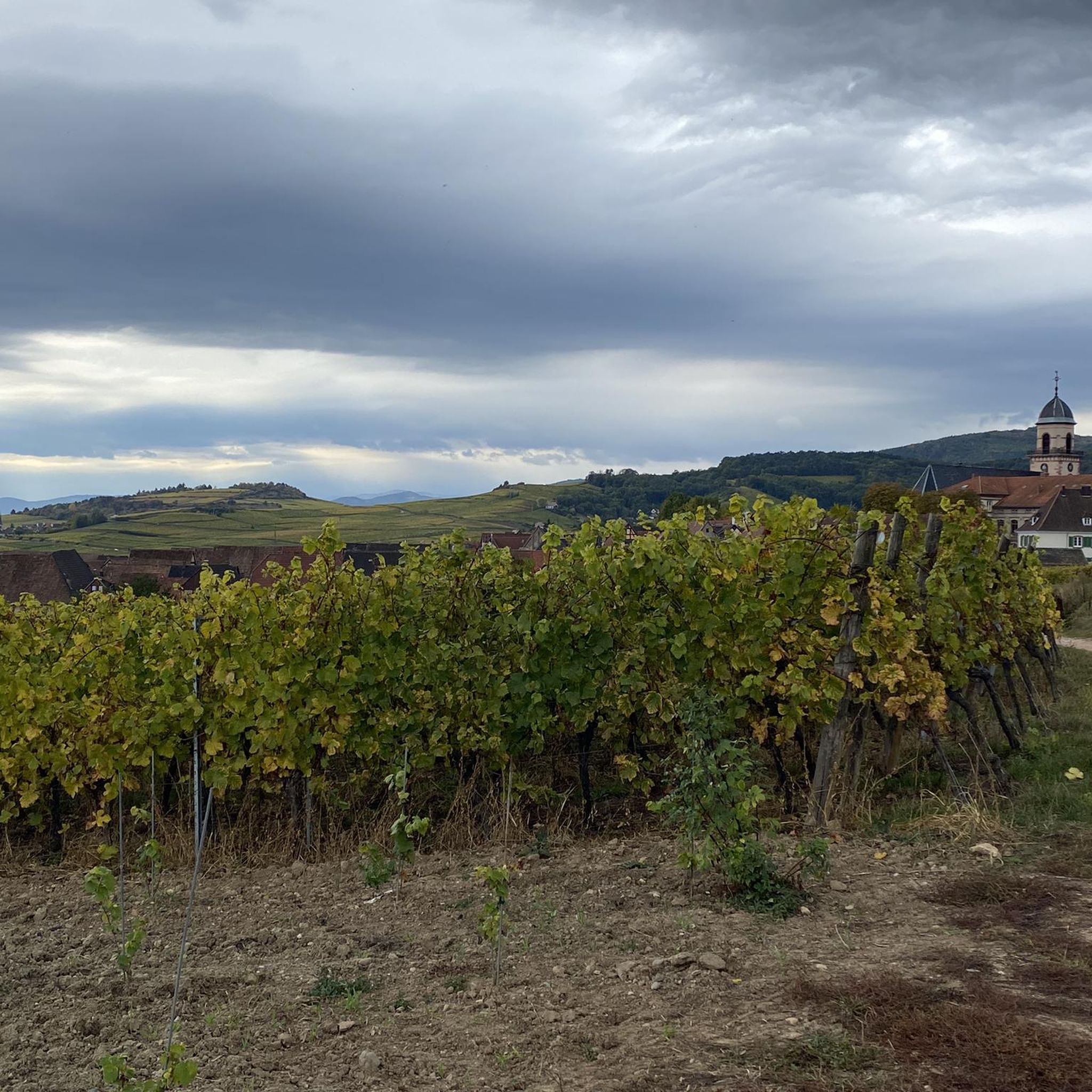
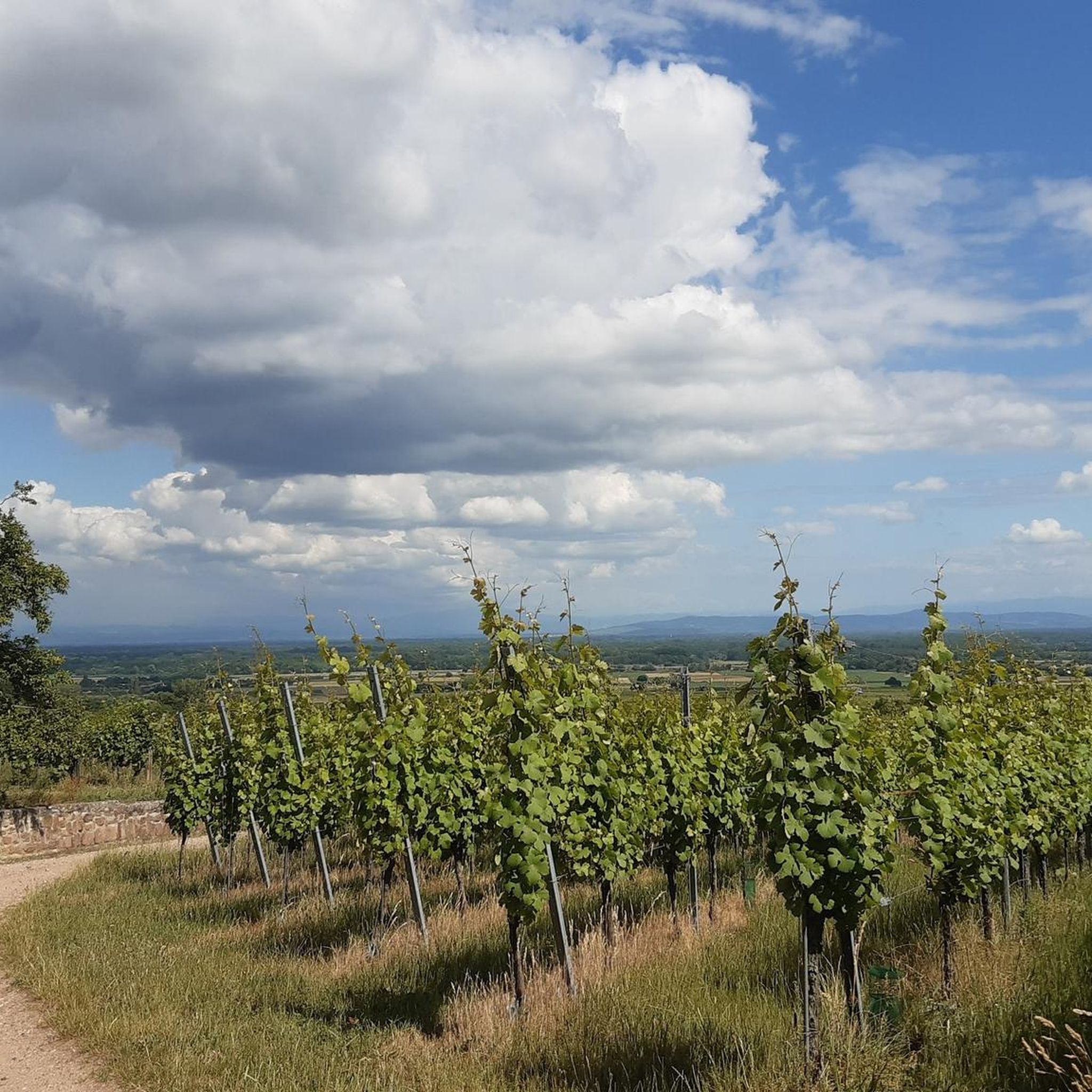
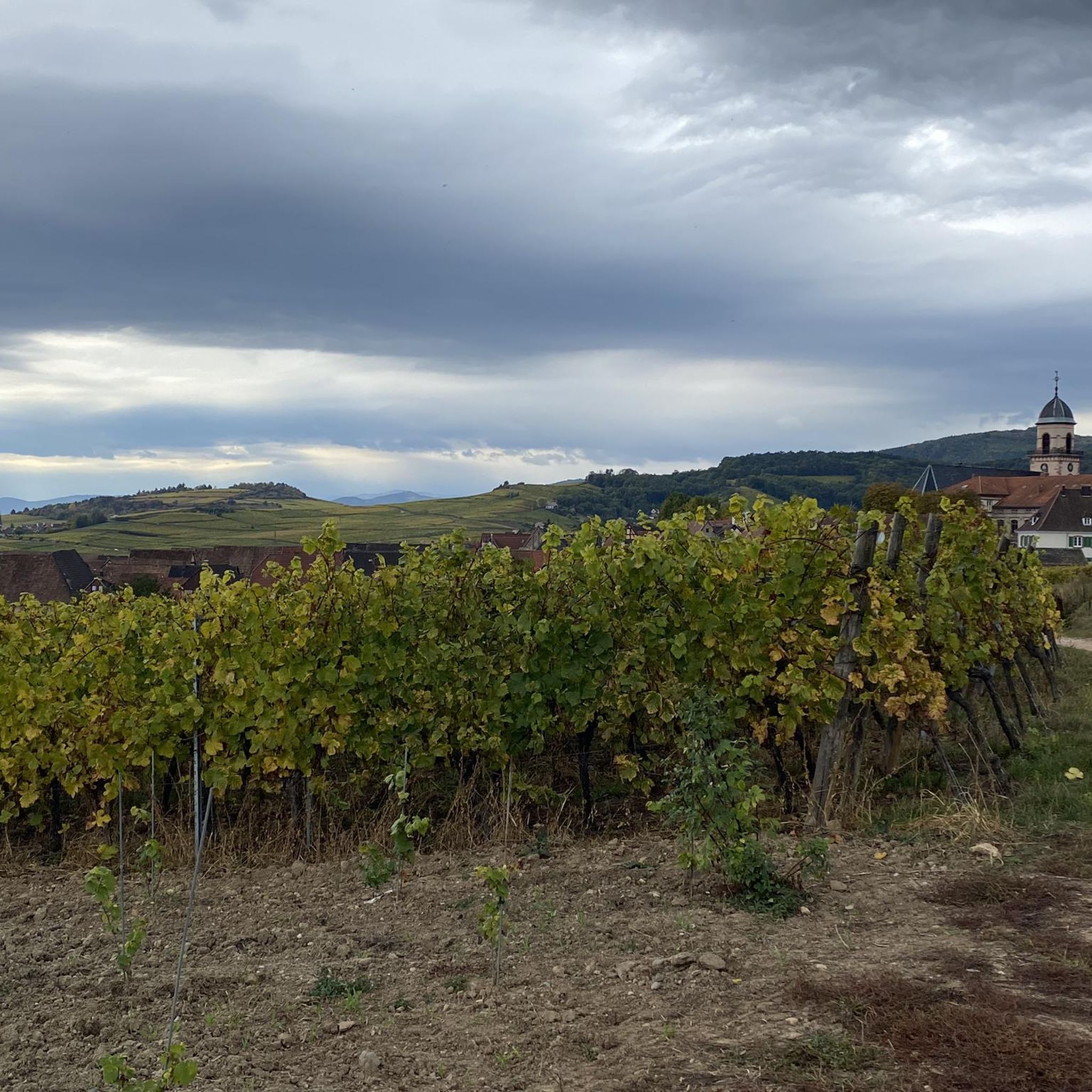
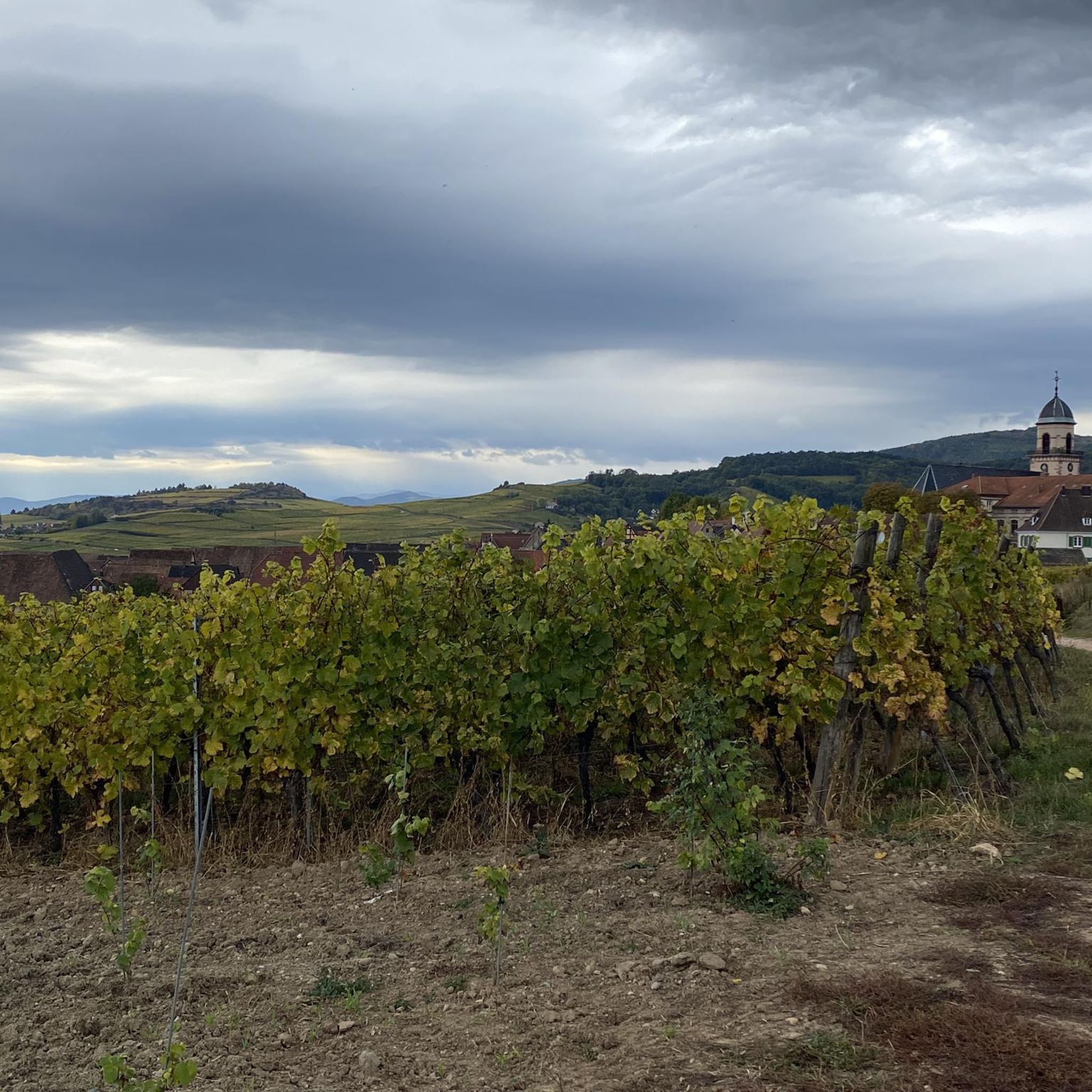
Best attractions and places to see around Sankt Pilt, also known as Saint-Hippolyte, is a wine village located in the Haut-Rhin department of Grand Est, France. Situated at the foot of the Vosges mountains and along the Alsatian Wine Route, the area offers a blend of historical significance, natural landscapes, and cultural experiences. It is characterized by vineyards, medieval architecture, and historical sites. The village itself features half-timbered houses and a preserved old town.
Best attractions and places to see…
Last updated: July 6, 2026
Saint-Ulrich Castle
Highlight • Castle
Translated by Google •
Tip by

Riquewihr
Highlight • Settlement
Translated by Google •
Tip by

Sign up now to discover places like this
Get recommendations on the best single tracks, peaks, & plenty of other exciting outdoor places.
Sign up for free
Ribeauvillé
Highlight • Settlement
Translated by Google •
Tip by

Girsberg Castle
Highlight • Castle
Translated by Google •
Tip by

Haut-Ribeaupierre Castle
Highlight • Castle
Translated by Google •
Tip by
Sign up for free to discover even more attractions around Sankt Pilt.
Sign up for free
Already have an account?
Start today with a free account
Your next adventure awaits.
Login or Signup

Tips from the Community

The large wall at the rear of the ruins has been reinforced. The keep is also now dilapidated. To prevent anyone from climbing the tower, the lower staircase has been removed.
7
1
Saunt Ulric Castle is the largest of the three ruins. It is currently undergoing partial renovation. A small section is cordoned off, and caution is advised in other areas. However, the keep is accessible.
6
0
A charming Alsatian village with approximately 4,700 inhabitants. The old town is well worth seeing with its colorful houses. Ribeauvillé is also very popular because of the hike to its three castle ruins that overlook the town.
9
0

The castle of Haut-Ribeaupierre (Hohrappoltstein) was probably built during the turmoil of the Interregnum around the mid-13th century. It served as an outpost at a time when the King of France was planning to invade Alsace. Later, it served as an observation tower for early warning of forest fires. The entire castle complex is dominated by an imposing circular keep, which offers a magnificent view of the Alsatian plain and the surrounding mountain ridges.
6
1

Ulrichsburg is the most impressive and best-preserved of the three castles. It was built on the rocky promontory around the mid-13th century. Until the 15th century, it was the residence of the Rappoltstein family and therefore has little military significance. Remains still visible today include: - the square keep and the main building (12th century), - the knights' hall and the large residential tower (13th century), - the barbican in front of the entrance and the outer wall (14th century), - the Chapel of Saint Ulrich (15th century). Girsberg Castle, built around 1250 opposite Ulrichsburg, was intended to strengthen its defenses.
6
0

Among the four ruins that dominate Ribeauvillé, Saint Ulrich seems undoubtedly one of the most fascinating castle complexes in the Haute- Alsace. It used to control the strategic road that connected the Alsace plain with the upper Lièpvre valley. Witness to the power of the lords of Ribeaupierre, it was their main residence until its final abandonment in the 16th century. It has different architectural styles: Romanesque parts are combined with Gothic and even Renaissance elements. Not far away, Girsberg Castle was built in the 13th century to house a new branch of the Ribeaupierre family: the house is still clearly visible there. Haut-Ribeaupierre was certainly built during the troubled period of the Great Interregnum, around the middle of the 13th century. on the site of a first castle, probably from the 10th century: it will serve as an advance post during the planned invasion of Alsace by the King of France, and then as a watchtower intended to prevent forest fires. The entire building is dominated by an imposing circular keep that offers beautiful views of the Alsace plain and the adjacent mountain ridges. A fourth castle was recently discovered under Saint Ulrich. Source: https://www.chateauxfortsalsace.com/fr/chateau/le-chateau-du-girsberg/
5
0

Beautiful castle ruins, the view of the vineyards and the Rhine plain is gigantic. The climb is very varied, but not without its challenges! There are a few short rocky passages that can be slippery, especially when wet, and may need to be managed with the help of your hands. Good footwear is definitely recommended.
8
1

Beautiful castle ruins that are well worth the walk up. Also many views over the valley with vineyards and Ribeauvillé and the forests on the other side. Don't forget to look over the wall for a beautiful overview of the castle.
5
0
Frequently Asked Questions
What historical sites can I explore in and around Sankt Pilt?
Sankt Pilt, also known as Saint-Hippolyte, is rich in history. You can explore the village itself, known for its well-preserved half-timbered houses and the historic priory. Nearby, the majestic Saint-Ulrich Castle, Girsberg Castle, and Haut-Ribeaupierre Castle offer extensive ruins and panoramic views. The village of Riquewihr is another well-preserved medieval gem.
What natural features define the landscape around Sankt Pilt?
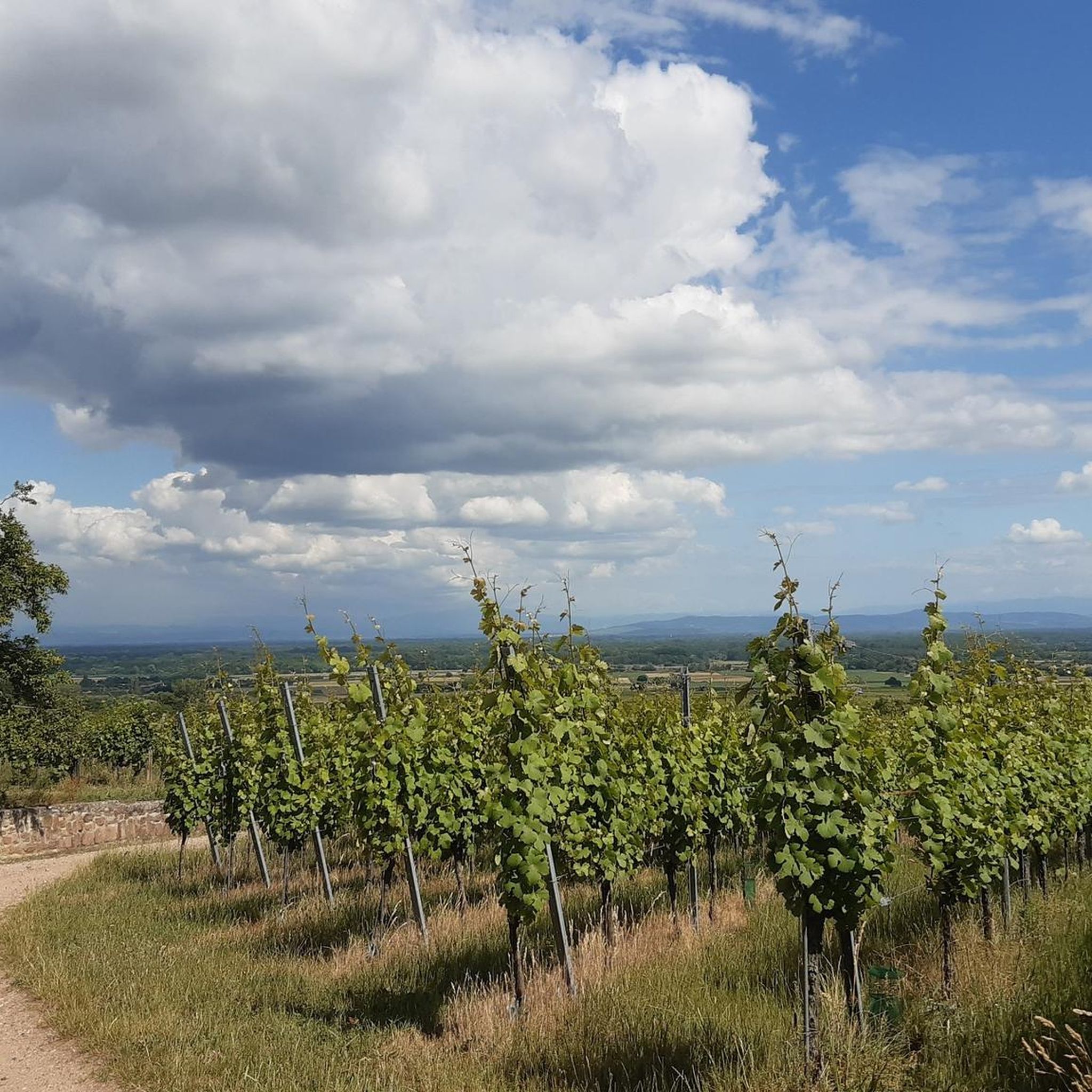
Sankt Pilt is nestled at the foot of the Vosges Mountains, providing a scenic backdrop and opportunities for outdoor exploration. The village is also surrounded by the fertile Alsatian vineyards, part of the famous Alsace Wine Route. The area is particularly known for its Pinot Noir, including the prestigious Gloeckelberg Grand Cru wine region.
Can I go hiking near Sankt Pilt?
Yes, the region offers numerous hiking opportunities. You can find trails leading to the three castles of Ribeauvillé, including Saint-Ulrich Castle, Girsberg Castle, and Haut-Ribeaupierre Castle, which offer beautiful views. For more detailed hiking routes and options, you can explore the various guides available on komoot.
Are there opportunities for cycling around Sankt Pilt?
Absolutely. Sankt Pilt is located along the Alsace Wine Route, making it an excellent base for cycling through vineyards and charming villages. There are various routes for different cycling styles. You can find numerous options for road cycling, mountain biking, and gravel biking in the area.
Are there family-friendly attractions or activities in the area?
Yes, several attractions around Sankt Pilt are suitable for families. The picturesque villages of Riquewihr and Ribeauvillé with their medieval charm are popular with families. Additionally, nearby attractions like Monkey Mountain (Montagne des Singes), the Birds of Prey show (Volerie des Aigles), and Cigoland offer engaging experiences for all ages.
What is the best time of year to visit Sankt Pilt?
The region is beautiful throughout the year, but the best time to visit Sankt Pilt largely depends on your interests. Spring and autumn are ideal for hiking and cycling, with pleasant temperatures and vibrant landscapes (blossoming in spring, rich colors in autumn). Late summer and early autumn are perfect for experiencing the wine harvest and related festivals. The Christmas markets in Alsace are also a major draw in winter.
What is special about the village of Saint-Hippolyte itself?
The village of Saint-Hippolyte is a charming destination known for its pretty and colorful architecture. Its old village features three parallel streets intersected by side streets and alleys, lined with half-timbered houses within a compact, walled area. The village center includes a historic church, town hall, and a 19th-century school building. It's also recognized as a 'Ville fleurie' (flowered town) for its aesthetic appeal.
Can I visit Château du Haut-Koenigsbourg from Sankt Pilt?
Yes, Château du Haut-Koenigsbourg is a prominent landmark located very close to Sankt Pilt. Perched 757 meters above the village, this extensively restored 12th-century castle offers panoramic views of the vineyards, villages, and plateaus, extending to Germany on a clear day. It's one of France's most visited monuments and a must-see in the region.
Are there opportunities for wine tasting or winery tours?
Absolutely. Given Sankt Pilt's location on the Alsace Wine Route and its renowned vineyards, wine-related activities are a major draw. Many local wineries offer guided tours and tasting experiences, providing insights into the history of winemaking, the production process, and opportunities to sample local wines, including the famous 'Rouge de Saint-Hippolyte' Pinot Noir.
What do visitors enjoy most about the attractions around Sankt Pilt?
Visitors frequently praise the well-preserved medieval villages like Riquewihr and Ribeauvillé, highlighting their picturesque half-timbered houses and historic charm. The castle ruins, such as Saint-Ulrich Castle, are appreciated for their extensive exploration opportunities and breathtaking views of the plain and surrounding vineyards. The overall blend of history, culture, and natural beauty, especially the scenic hiking trails, receives high acclaim.
Is public transport available to reach attractions near Sankt Pilt?
While Sankt Pilt is a small village, public transport options like local buses connect it to larger towns in the Alsace region, from which you might find connections to some attractions. However, for maximum flexibility and to reach more remote castles or vineyards, driving or cycling is often recommended. Parking is generally available near major attractions and village centers.
What kind of wildlife can I spot near Sankt Pilt?
The natural areas around Sankt Pilt, particularly in the Vosges foothills and surrounding forests, are home to various wildlife. You might spot deer, wild boar, and a variety of bird species. The region is also known for its storks, which are a recognizable feature, especially in the Alsatian plain.
Most popular routes around Sankt Pilt
Most popular attractions around Sankt Pilt

Get inspired with the komoot mobile app


Explore more
Still not found the Highlight you’re looking for? See guides of the top attractions in other regions:
