Attractions and Places To See around Chamaret - Top 20
Best attractions and places to see around Chamaret include a blend of historical landmarks, cultural sites, and natural beauty in the Drôme Provençale. The village features medieval structures and offers panoramic views of the surrounding Provençal landscape. Visitors can explore ancient remains, traditional dry-stone houses, and impressive churches. The area provides a variety of attractions for those interested in history, culture, and outdoor exploration.
Best attractions and places to see around Chamaret
- The most popular attractions is Château de Grignan…
Last updated: October 9, 2026
Château de Grignan
Highlight • Castle
Translated by Google •
Tip by

La Garde-Adhémar
Highlight • Settlement
Translated by Google •
Tip by

Sign up now to discover places like this
Get recommendations on the best single tracks, peaks, & plenty of other exciting outdoor places.
Val des Nymphes Chapel
Highlight • Religious Site
Translated by Google •
Tip by

Templar Commandery of Richerenches
Highlight • Historical Site
The Commandery of Richerenches was founded in …
Translated by Google •
Tip by

Notre-Dame-de-Nazareth Church of Valréas
Highlight • Religious Site
The nave, transept, and …
Translated by Google •
Tip by

Sign up for free to discover even more attractions around Chamaret.
Already have an account?
Start today with a free account
Your next adventure awaits.

Tips from the Community

The Templars' Castle in Richerenches is a special visit. Here, one can retrace the steps of the mythical Order of the Templars, who founded a unique commandery there. The Templars left a deep-rooted imprint on the land for 2 centuries before their departure; its architectural foundation is very beautiful, created by the Templars, a group of soldiers themselves inspired by the natural beauty of the territory. Inside, you can see tributes to the Order: It is a pleasure not to be missed if you pass through Rivesrenches, and it is the best-preserved commandery in Provence (a charming small village with a medieval style that attracts with its gastronomic truffles). A true historical crossroads and a lot of heritage to discover on site related to its past! Small village, great cultural richness.
1
0

Magnificent 12th century church whose dark and massive interior is reminiscent of certain places of worship in Aubrac.
0
0

The church was erected following the establishment of a Benedictine priory in the 11th century. Enlarged and remodeled numerous times, it nevertheless retains a certain unity. The nave, transept, and apse date from the 12th century and are in the Romanesque style. The side aisles were added at the end of the 12th century. Later, in the 15th century, an additional bay of the nave was built. As for the side chapels, pierced with Gothic windows and supported by powerful buttresses, they were added in the 15th and 19th centuries. Listed as a Historic Monument since 1862, built of noble materials (ashlar), the building has the dual distinction of being roofed by stone slabs and having two bell towers: one is octagonal and notably pierced with ogival bays, the other is a bell tower-arcade type with three bell bays. The three bays of the exterior side portal are richly decorated with arches and capitals adorned with flowers, petals, and sculpted figurines. They present a balanced composition of small columns and semicircular arches. Architecturally, note the sculpted modillions of the cornices overlooking the chevet and transept, as well as the elaborate decoration of the "south" portal, where Gothic elements coexist with Romanesque ornamentation (bas-reliefs depicting figures and interlacing). The west portal is decorated with elegant columns from the 13th and 14th centuries. Inside, admirable coffers painted with rosettes adorn the ceiling, and a magnificent 16th-century organ case sits on an entire wall. This organ case, equipped with an Italianate case dating from 1506, was restored in the 18th century and in 1966, following its listing by the Fine Arts Museum. It has also been undergoing a new restoration since November 2007, which was completed in July 2009, the date of its new commissioning. Accompanied by background music, lighting in several stages, and a constantly renewed decor, the Valréas nativity scene, one of the most renowned in Provence, occupies the Notre Dame-de-Nazareth church from Christmas to Candlemas. Covering 57 m², beautiful and very old figurines (some of which are centuries old) make their way towards the Infant Jesus. The church and its Place Pie serve as the backdrop each year for the feast of the Night of Little Saint John on June 23.
1
0
Listed among the "Most Beautiful Villages of France," La Garde-Adhémar offers a unique panorama of the Rhône Valley. La Garde-Adhémar proudly overlooks the Rhône Valley from its limestone spur and has preserved its medieval past with its ramparts, cobbled streets, castle ruins, and old houses. The village, with its dazzling white stones, captivates with its typically Provençal atmosphere. Its cobbled streets, stone houses bathed in the golden light of the South, and its remarkably preserved medieval heritage make it a truly postcard-perfect setting and invite discovery. Between history, nature, and magnificent panoramas, this hilltop village invites you to a timeless getaway.
0
0

Here – in the "Val des Nymphes" – a Christian church meets figures from pagan mythology. Nymphs were considered nature spirits or goddesses in the religious understanding of the time, but by no means as significant as, for example, Mars, Neptune, or even Zeus. They were a popular motif in the visual arts, offering the opportunity to depict naked or scantily clad female figures. The church found here, with the title "Notre Dame" (in German "Our Dear Lady"), which is widely used in France, is also dedicated to a special woman who, although not a goddess herself, according to Christian understanding participated in the divine plan of salvation through her unconditional "yes" to the angel's message: Mary, the Mother of God.
0
0

As you venture into the enchanting Valley of the Nymphs, near La Garde-Adhémar, you will discover a hidden oasis of natural beauty. This picturesque valley, nestled among rolling hills and lush vegetation, is a haven for nature lovers.
1
0

Nice quiet place, a way to cool down when it's hot...
0
0

Impressive restoration of the chateau after it's fairly comprehensive destruction on orders of the Revolution.
1
0
Frequently Asked Questions
What historical landmarks can I explore in Chamaret?
Chamaret is rich in history. You can visit the impressive Keep of the feudal castle (Tour de Chamaret), a 12th-century tower offering panoramic views. Other historical structures include the 13th-century Gate of the Great Fountain, an 18th-century covered Washhouse, and a remodeled Romanesque church. The area also features prehistoric remains, including two oppidas and fragments of Gallo-Roman villas.
Are there any natural features or scenic landscapes to discover near Chamaret?
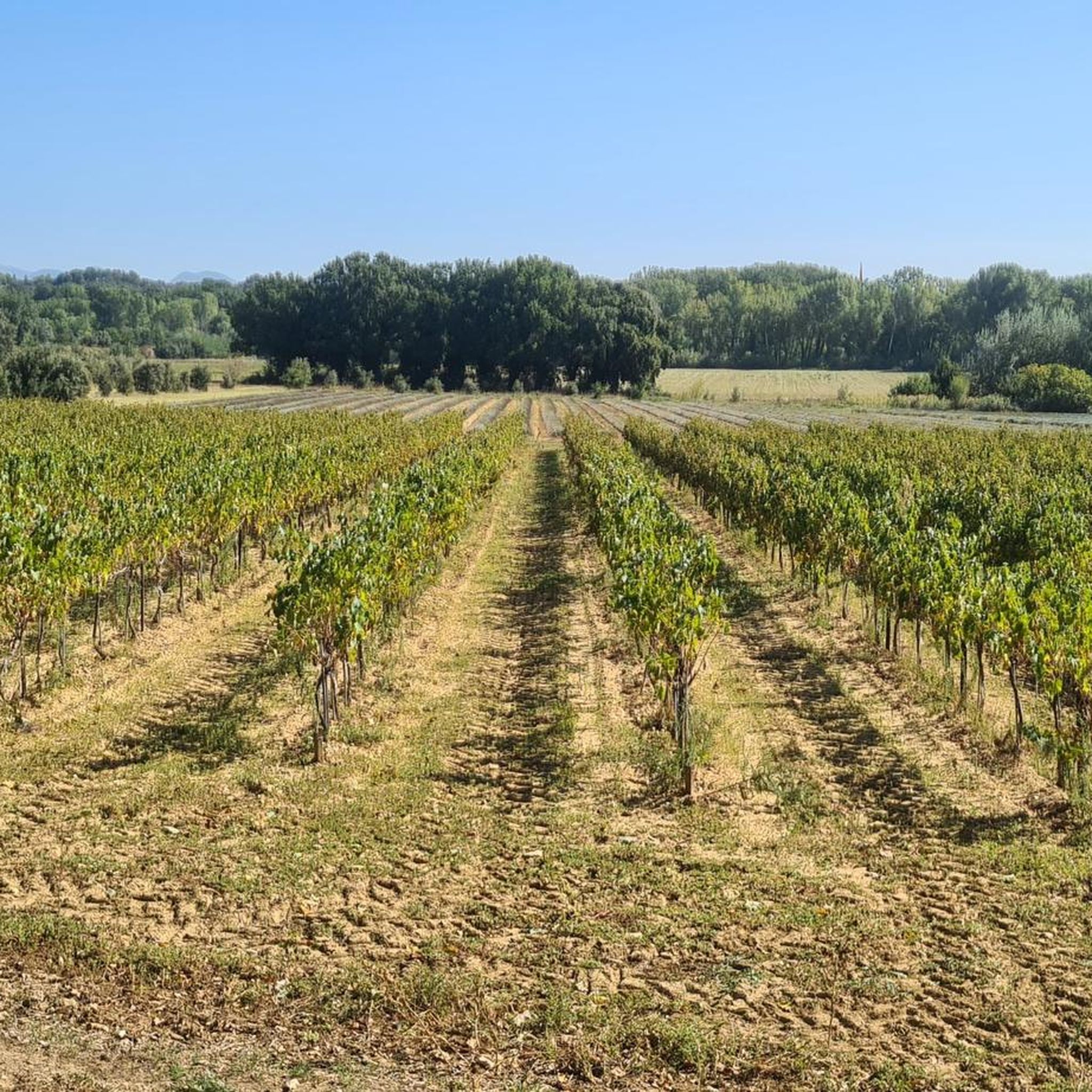
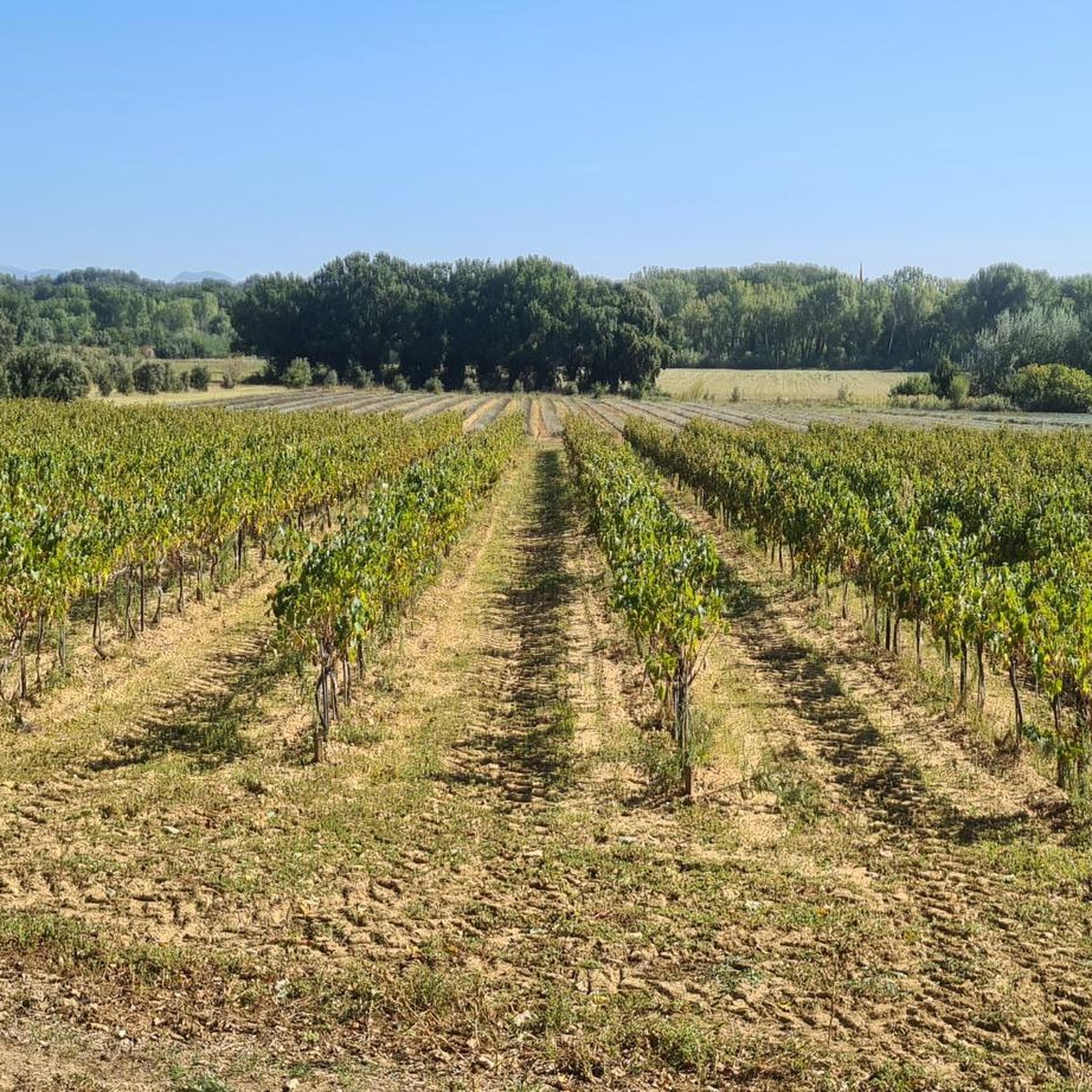
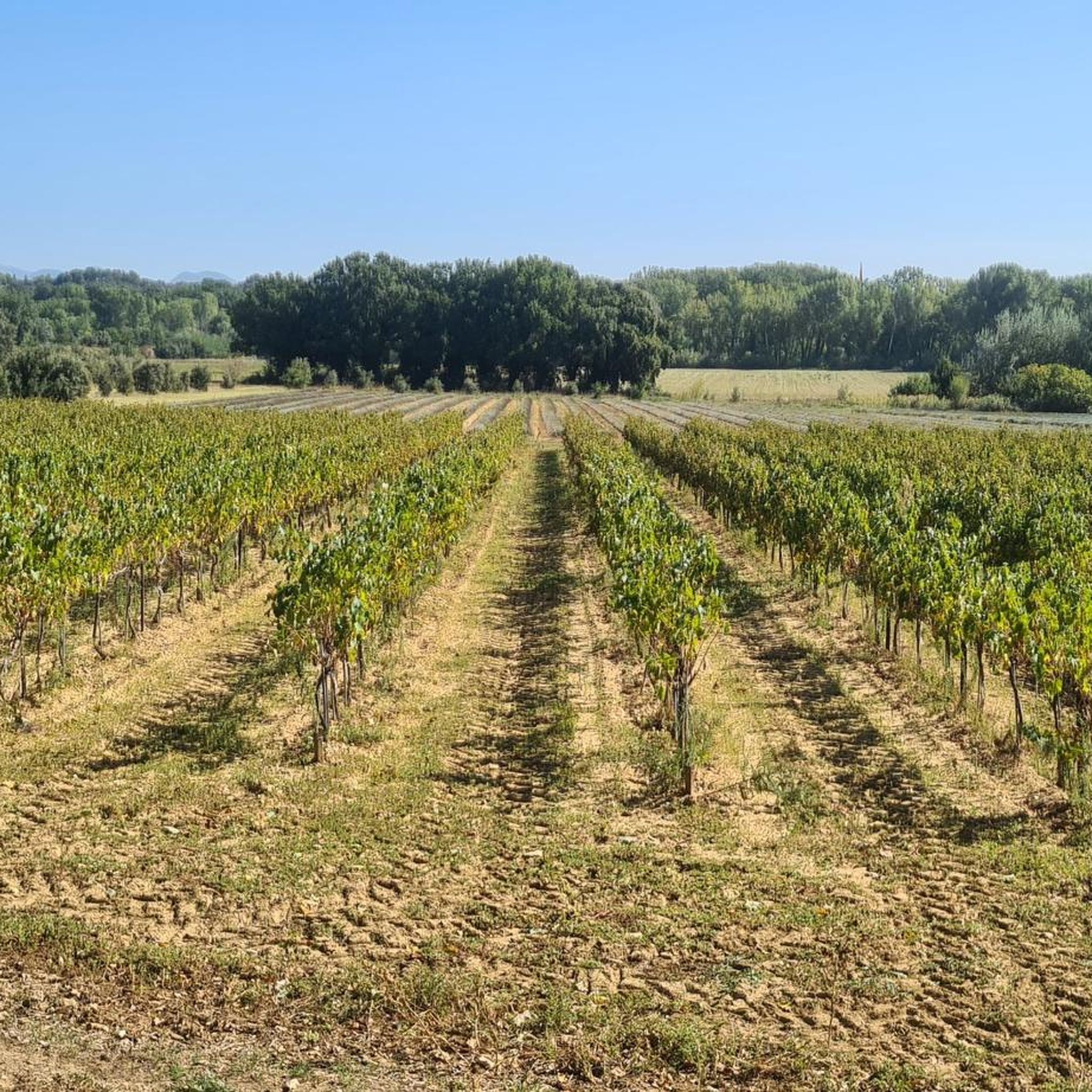
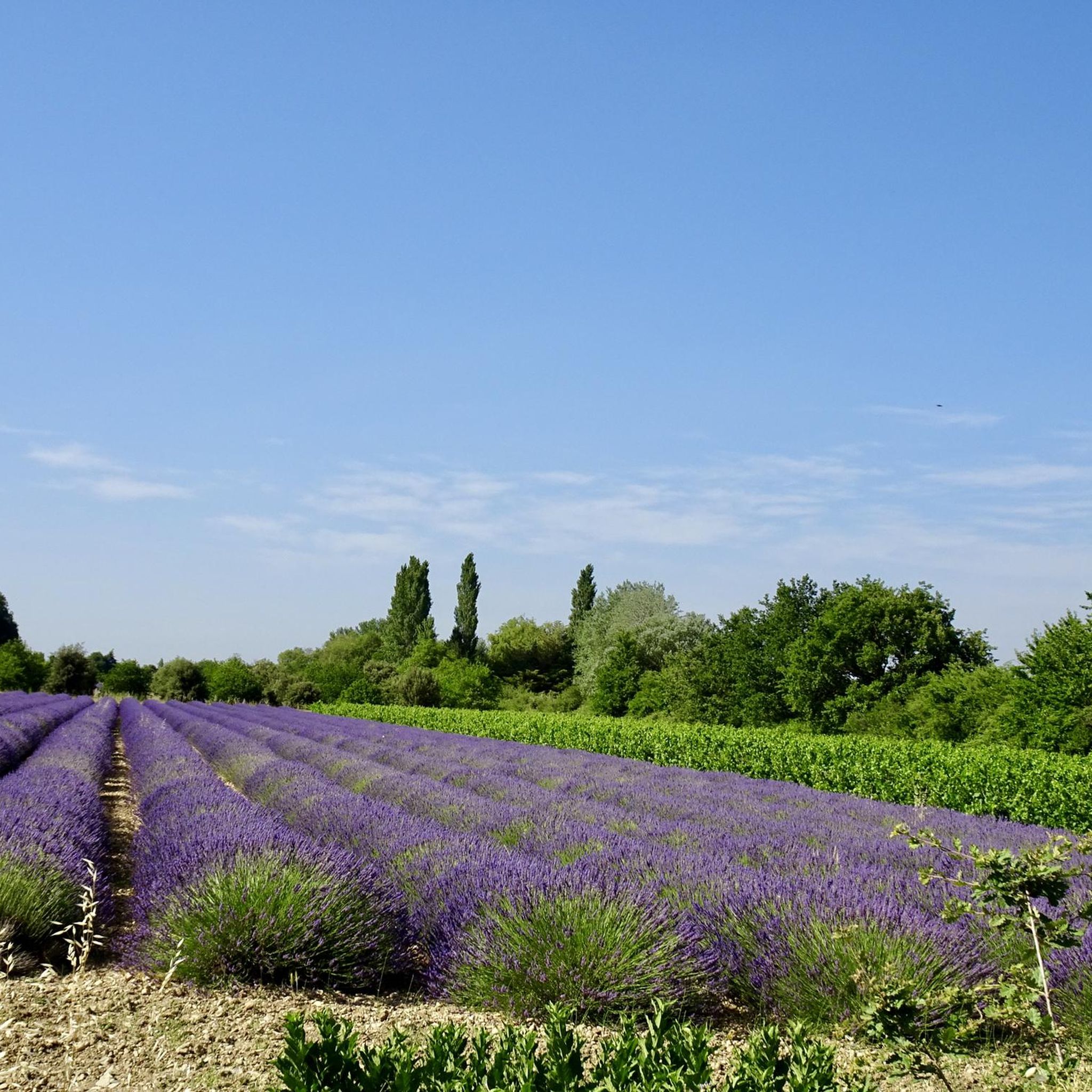
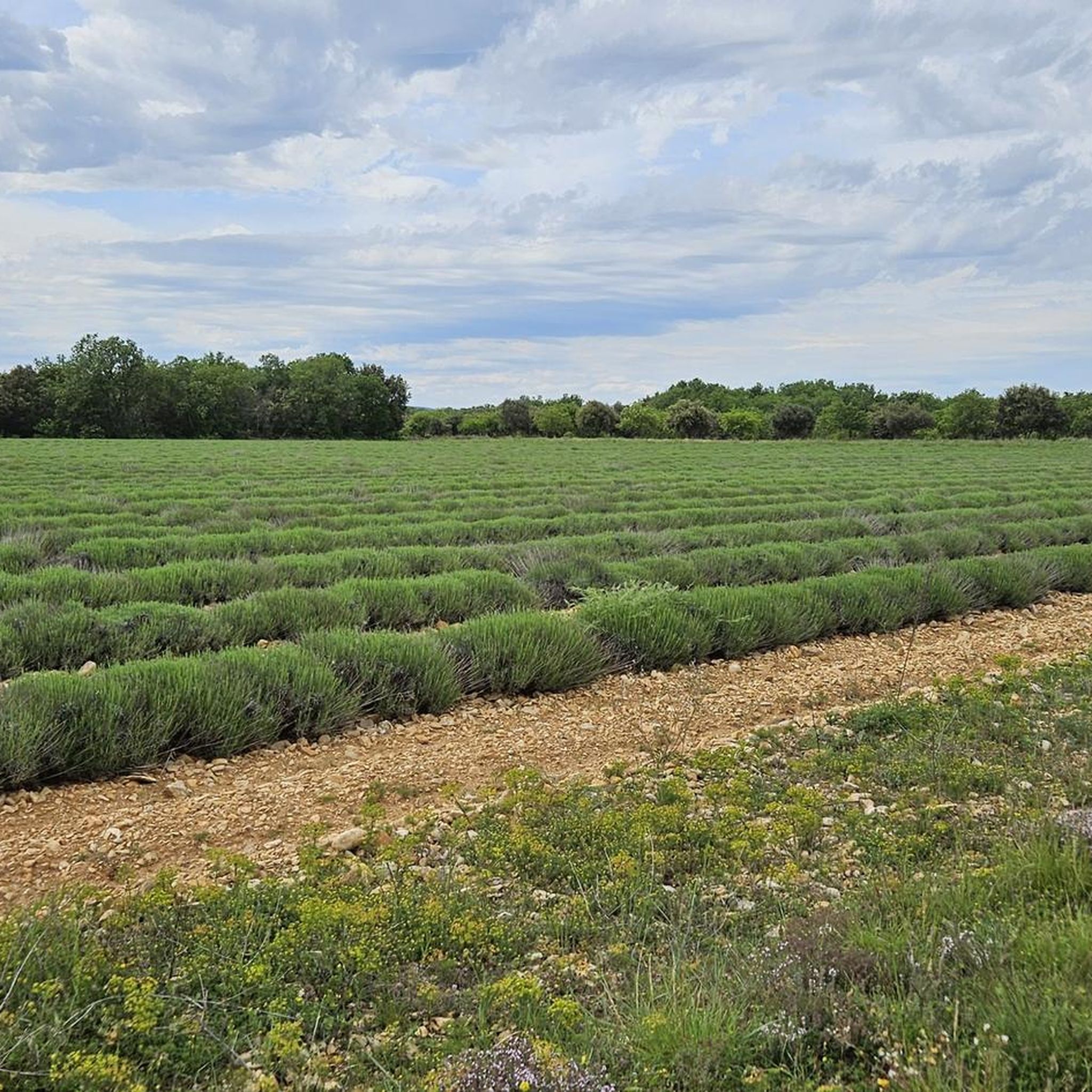
Yes, Chamaret is surrounded by beautiful natural landscapes. You'll find extensive fields of lavender and vineyards, particularly vibrant in summer. The region is also home to the Path of the Bories (Sentier des Bories), where you can discover traditional dry stone houses and ancient Roman oppida. For a natural setting with historical significance, visit the Val des Nymphes Chapel, situated near a mysterious spring and ancient oak trees.
What outdoor activities are available around Chamaret?
The Chamaret area is ideal for outdoor enthusiasts. You can enjoy numerous hiking, biking, and horseback riding trails. For specific routes, consider exploring the hiking trails around Chamaret, or discover cycling routes and gravel biking adventures that take you through vineyards and scenic landscapes.
Are there family-friendly attractions in the Chamaret area?
Absolutely. The perched village of La Garde-Adhémar is recognized as one of the “Most Beautiful Villages of France” and is considered family-friendly, offering historical architecture and art galleries. Exploring the Path of the Bories can also be an engaging activity for families, as it combines nature with historical discoveries of dry stone houses and ancient sites.
Where can I find panoramic views of the region?
The Keep of the feudal castle (Tour de Chamaret) stands 33 meters high and provides spectacular panoramic views of the village, the Grignan Castle, Mont Ventoux, the Dentelles de Montmirail, and the mountains of Ardèche. Additionally, the perched village of La Garde-Adhémar offers breathtaking views over the Rhône valley.
What is the best time of year to visit Chamaret for outdoor activities?
The Drôme Provençale region, including Chamaret, is particularly beautiful in summer when the lavender fields are in bloom, offering vibrant colors and aromas. This season is excellent for hiking, biking, and enjoying the scenic landscapes. However, spring and early autumn also provide pleasant weather for outdoor activities, avoiding the peak summer heat.
Can I find information about the Château de Grignan?
Yes, the Château de Grignan is a prominent attraction nearby. It evolved from a medieval fortress into a Renaissance château and is visible from a distance. Visitors often praise its notable interior architecture and the gargoyles in the courtyard. You can find more information about its history and what to see inside on its dedicated highlight page.
What cultural sites are there in Chamaret beyond the main tower?
Beyond the Keep, Chamaret village itself is a cultural site with its narrow streets and old stone houses. You can also visit the Chapel of St. Bartholomew, another historical religious site. The village hosts a typical Provençal market every Friday morning and the annual Bean Festival (Fête des Haricots) in September, showcasing local traditions.
Are there any notable churches or religious buildings in the area?
Yes, Chamaret features a remodeled Romanesque church, sometimes referred to as the 15th-century Church of Saint-Michel. Nearby, you can visit the Val des Nymphes Chapel, a 13th-century Romanesque religious building. Another significant site is the Notre-Dame-de-Nazareth Church of Valréas, an 11th-century church with impressive Romanesque architecture and a magnificent 16th-century organ case.
What do visitors enjoy most about the attractions around Chamaret?
Visitors particularly appreciate the blend of historical landmarks and natural beauty. The panoramic views from the Tour de Chamaret are highly rated, as is the charm of perched villages like La Garde-Adhémar. The historical significance of sites like Château de Grignan and the serene atmosphere of the Val des Nymphes Chapel also receive high praise from the komoot community.
Are there any specific cycling routes recommended near Chamaret?
Yes, there are several cycling routes available. For example, you can find a 'Grignan ist einen Stop wert! – Grignan with castle loop from Chamaret' route, which is a moderate 25.7 km ride. Another option is the 'Chamaret Tower – Valréas loop from Chamaret', a moderate 20.5 km route. You can explore more options on the Cycling around Chamaret guide page.
What is the 'Path of the Bories' (Sentier des Bories) and what does it offer?
The Path of the Bories (Sentier des Bories) is a unique route near Chamaret where you can discover traditional dry stone houses (bories), ancient lime kilns, a menhir, and remnants of ancient Roman oppida (hill forts). It offers a fascinating glimpse into the region's historical agricultural and architectural heritage, set within a beautiful natural landscape.
Most popular routes around Chamaret
Most popular attractions around Chamaret

Get inspired with the komoot mobile app


Explore more
Still not found the Highlight you’re looking for? See guides of the top attractions in other regions:
