Top 8 Castles around Biesheim
Best castles around Biesheim offer a rich historical experience in the Upper Rhine region, situated near the Rhine River and the Kaiserstuhl. The area features a mix of well-preserved structures and ancient ruins, many with connections to Roman times and medieval periods. The landscape provides scenic backdrops for exploring these historical sites. Visitors can discover fortifications, castle ruins, and historical museums that document centuries of regional history.
Best castles around Biesheim
- The most popular castles is Burkheim Castle Ruins,…
Last updated: October 2, 2026
Sponeck Castle
Highlight • Castle
Translated by Google •
Tip by

Schwendi Castle Ruins (Burkheim)
Highlight • Castle
Translated by Google •
Tip by
Sign up now to discover places like this
Get recommendations on the best single tracks, peaks, & plenty of other exciting outdoor places.
Schlossberg Pavilion and the Höhingen Castle Ruins
Highlight • Castle
Translated by Google •
Tip by

Old Town of Breisach am Rhein
Highlight • Historical Site
Translated by Google •
Tip by

Sponeck Castle and the Rhine Floodplains
Highlight • Castle
Translated by Google •
Tip by

Sign up for free to discover even more castles around Biesheim.
Already have an account?
Start today with a free account
Your next adventure awaits.
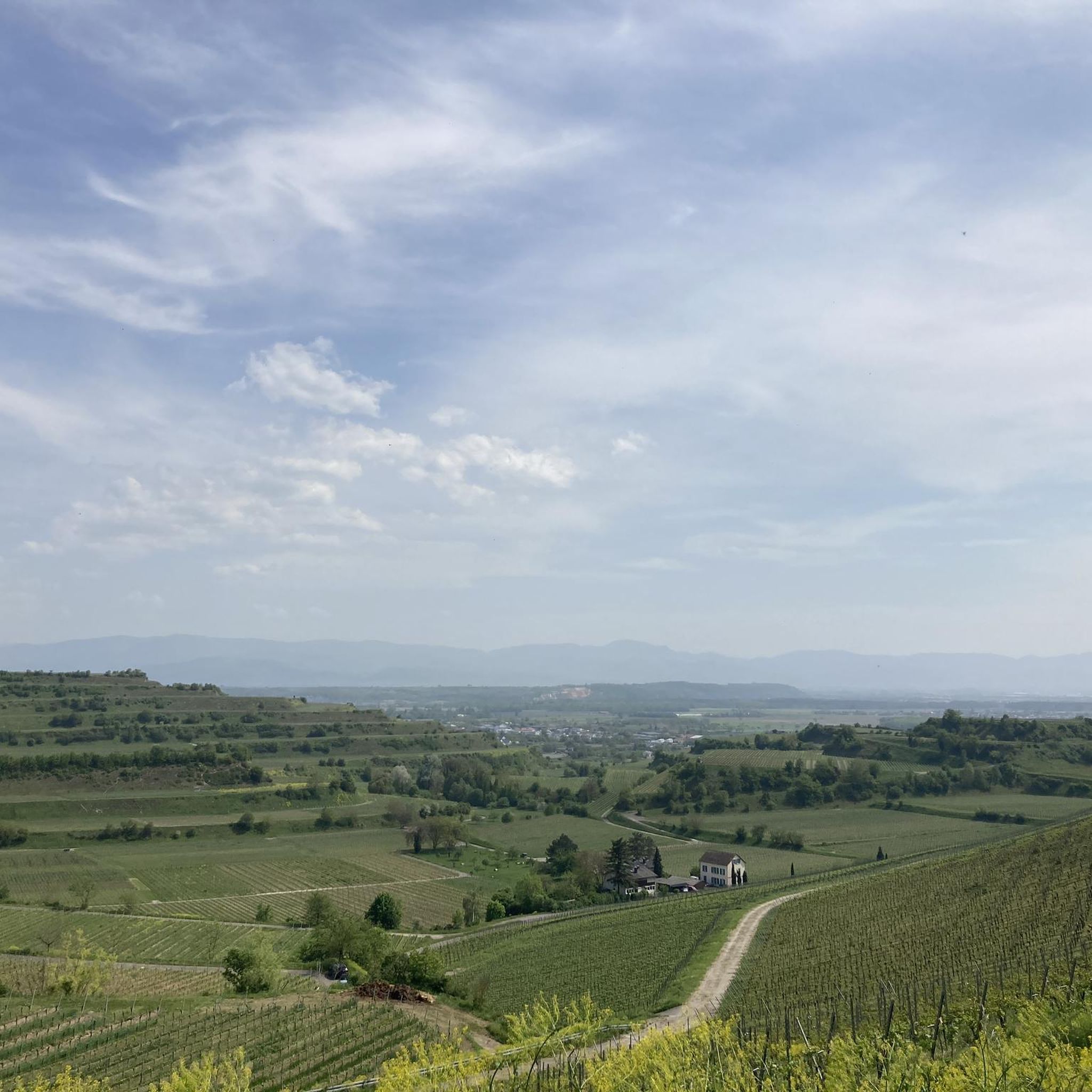
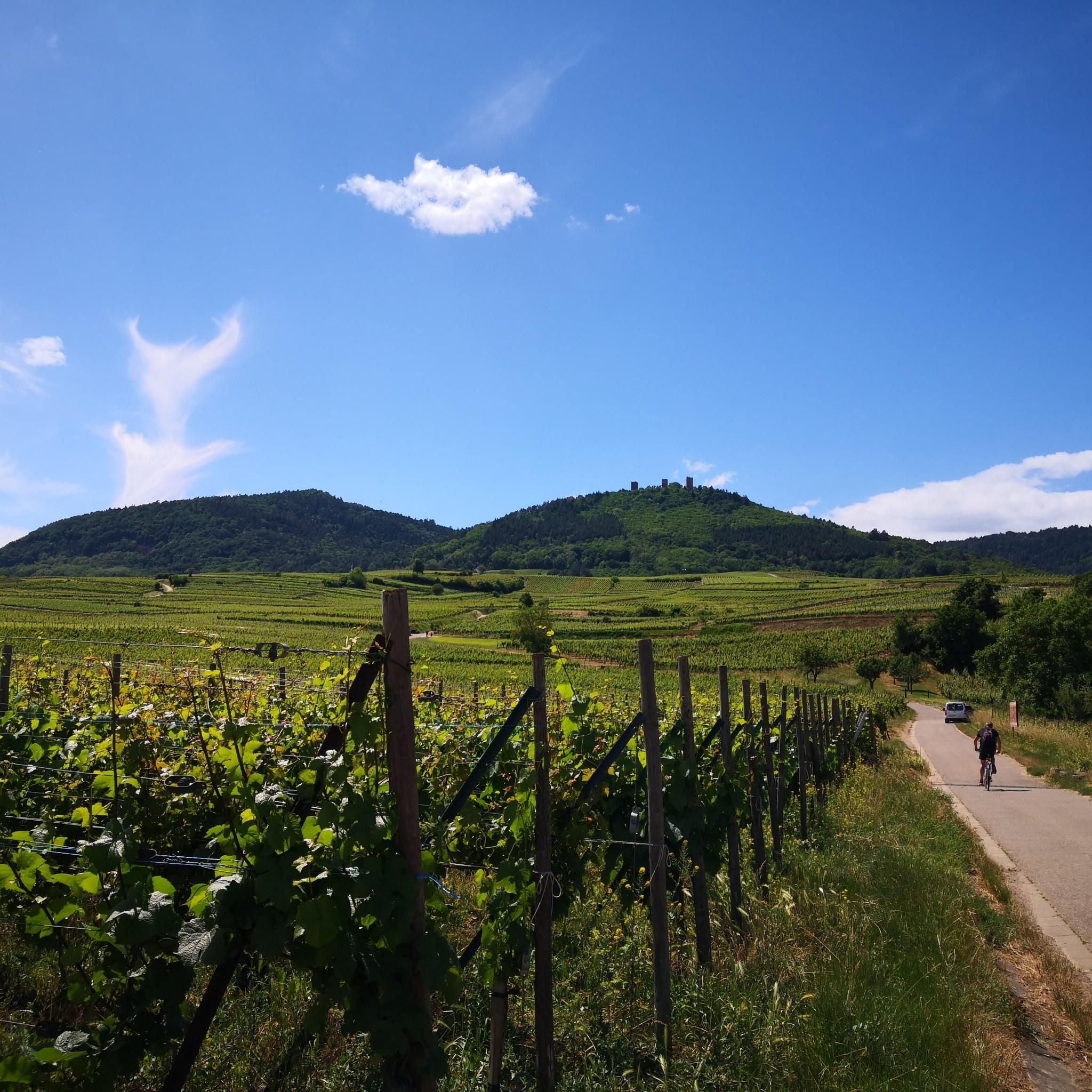
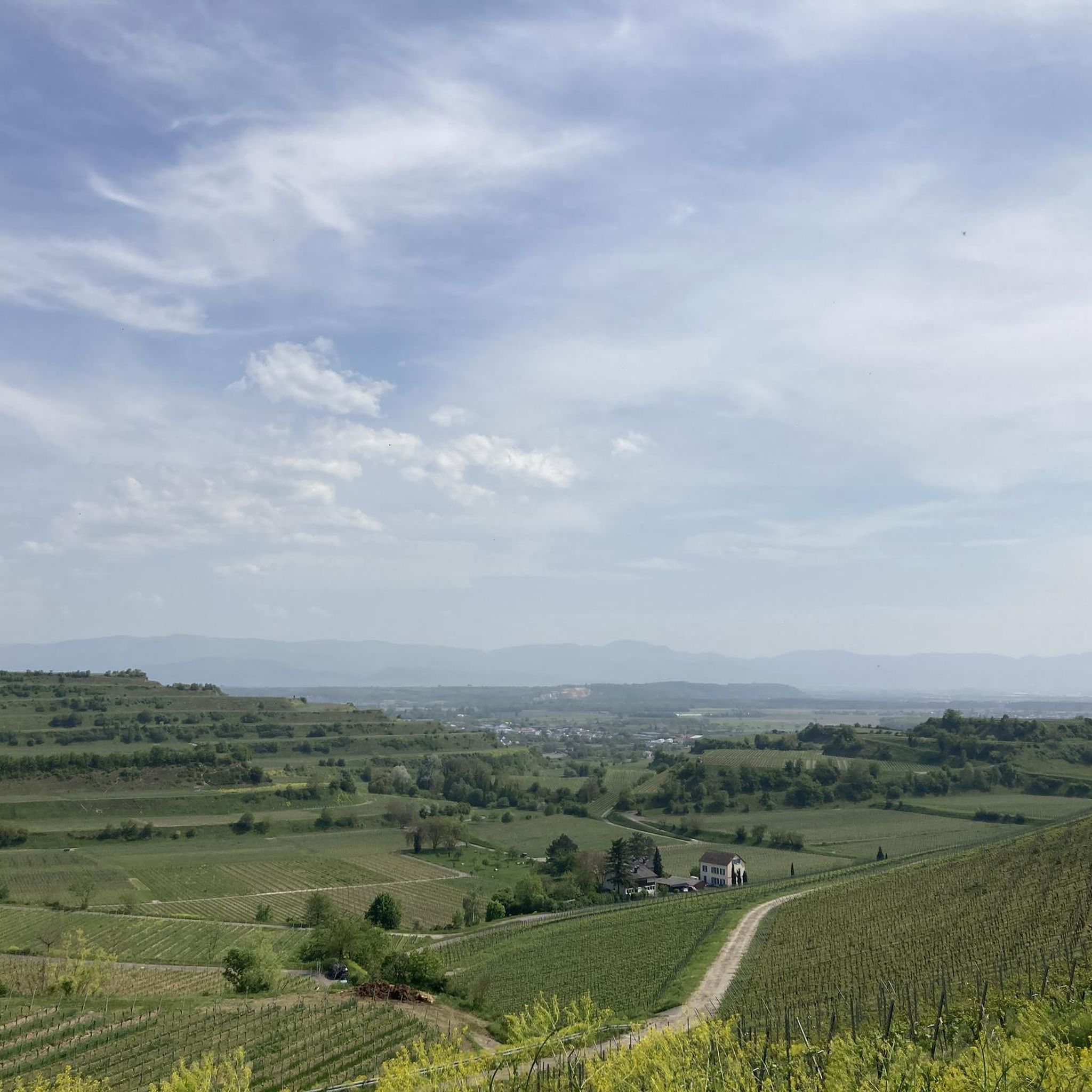
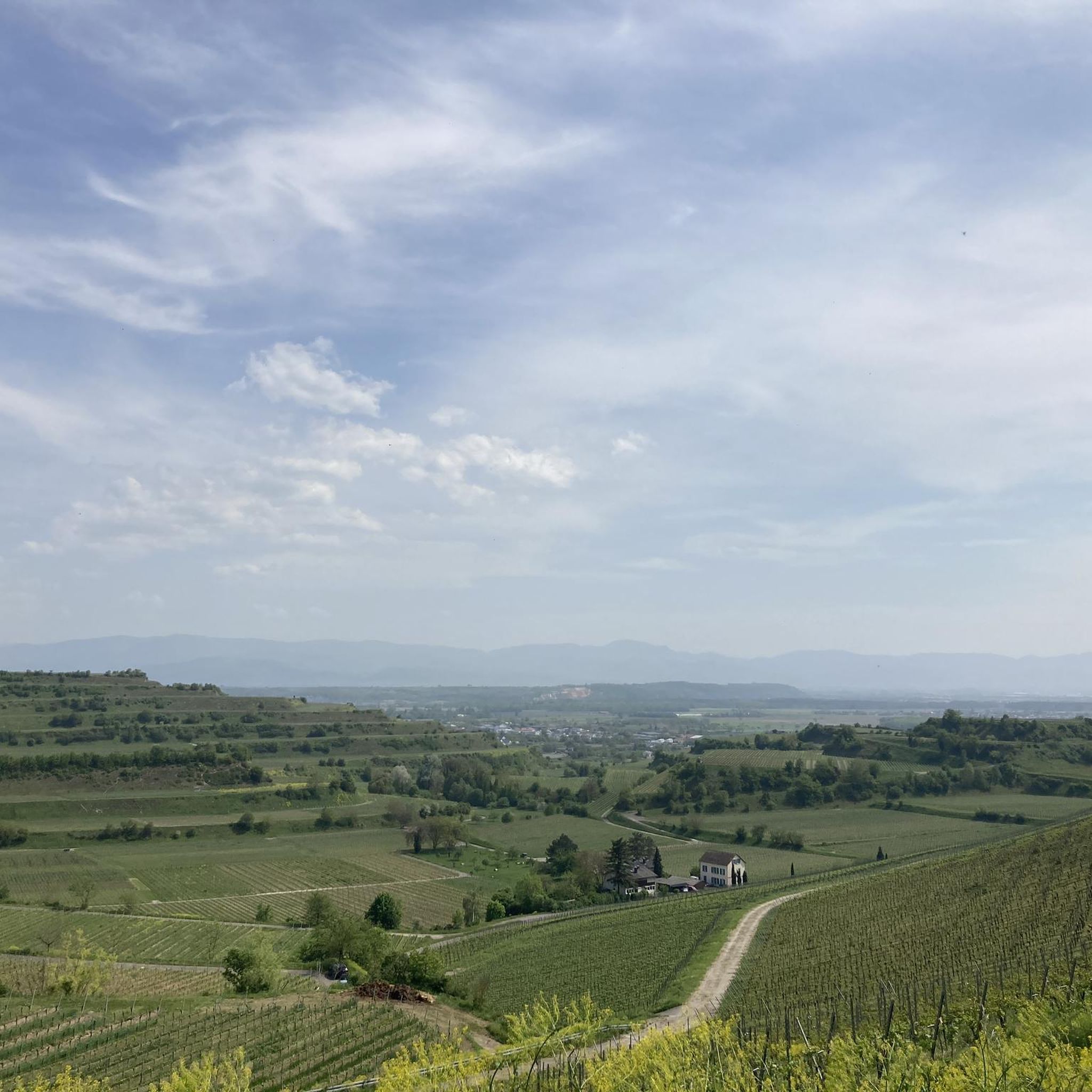

Tips from the Community

The first lord of the castle was Hildebrand Spenlin from Breisach. The word "Spenlin" means "little shavings" (from a plane). In Alemannic usage, Spenlin is called "Spänle." Without the diminutive, Span = Spon. The castle is mentioned in documents as Spenlins Eck, Span-Egge, or the Sponeck.
10
0
A short detour from the main route takes you to Sponeck Castle. The castle is privately owned, but the large garden is freely accessible.
10
0

You can see my bike tour pictures and recommendations on instagram #bikers.ben
0
0

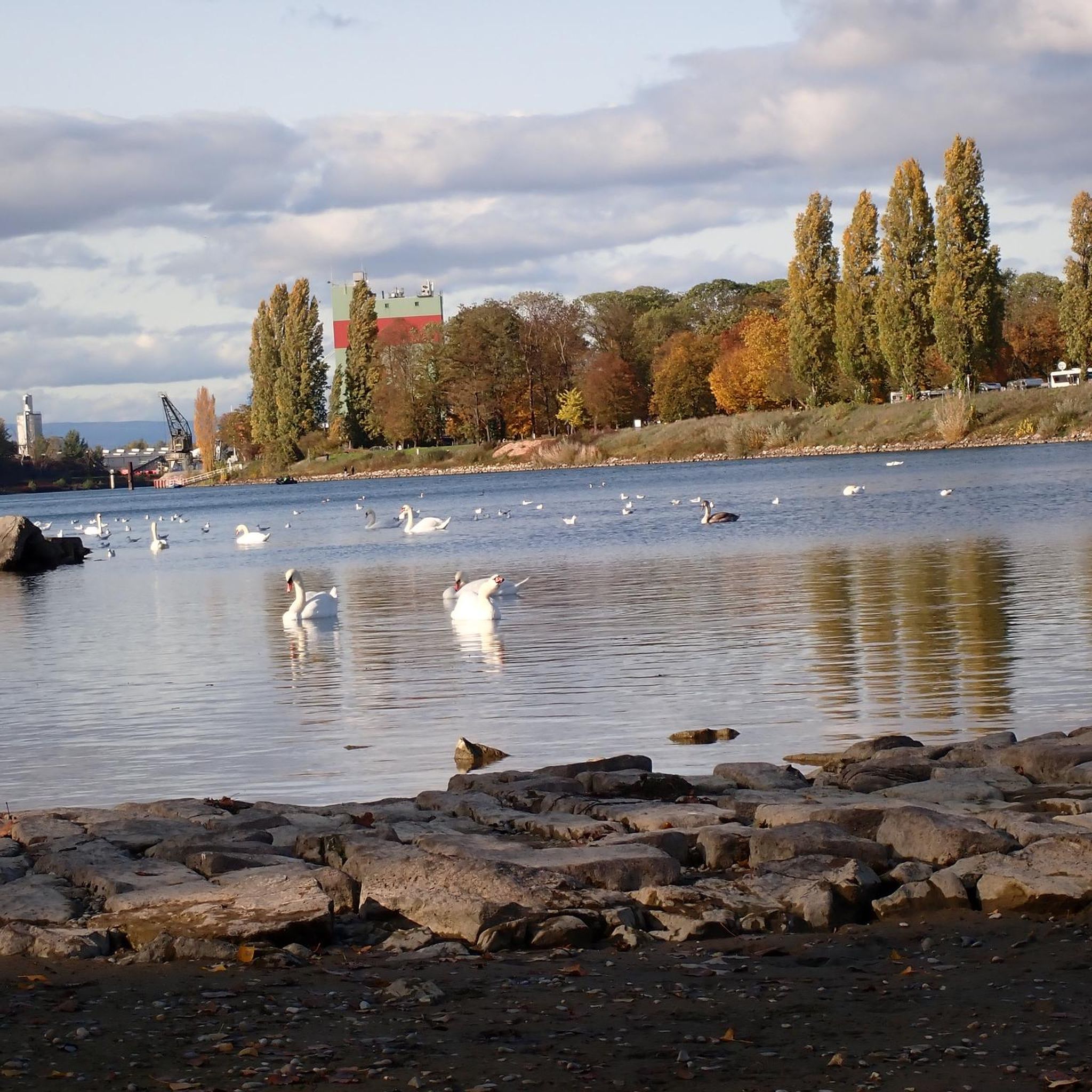
Great, almost mystical landscape with beautiful waters.
0
0

Be careful, the pavement feels like soap when it rains. In the end I had to get off because it was too slippery.
1
0

Nice rest area, nice view. Well attended.
0
0

very idyllic. The detour is very worthwhile and the tour can of course be extended here.
3
0

Insect hotel
0
1
Frequently Asked Questions
Are there family-friendly castles or historical sites to visit around Biesheim?
Yes, the Rheintor – Museum of City History, Breisach am Rhein is considered family-friendly. It offers exhibits detailing 4,000 years of Breisach's history within one of Europe's most beautiful surviving fortress gates.
Which castles around Biesheim offer scenic viewpoints?
Several sites provide excellent views. The Schlossberg Pavilion and the Höhingen Castle Ruins offer a fantastic overview of the Kaiserstuhl region. Additionally, Schwendi Castle Ruins (Burkheim) is noted for its beautiful setting above Burkheim, and Sponeck Castle, though privately owned, has an accessible garden with views.
What outdoor activities can I do near the castles around Biesheim?
The region around Biesheim offers various outdoor activities. You can find numerous cycling routes, including those passing by historical sites like the Burkheim Castle Ruins. For running enthusiasts, there are several trails, such as those around Neuf-Brisach. Explore more options in the Cycling around Biesheim and Running Trails around Biesheim guides.
Are there any easy walking routes around the castles?
While specific easy walking routes directly around each castle aren't detailed, the accessible garden and Roman fort remains at Sponeck Castle offer a pleasant, easy stroll. For more structured walks, consider exploring the nearby Rhine floodplains, which offer flat terrain suitable for leisurely walks.
What is the best time of year to visit the castles around Biesheim?
The Upper Rhine region generally enjoys pleasant weather from spring to autumn, making these seasons ideal for castle visits. Spring brings blooming landscapes, while autumn offers vibrant foliage. Summer is also popular, but remember to pack insect repellent if exploring the Rhine floodplains near Sponeck Castle and the Rhine Floodplains.
Can I visit the interior of Sponeck Castle?
Sponeck Castle is privately owned and typically only open to visitors twice a year. However, its garden with works of art and the remains of the Roman fort are always accessible for exploration.
What historical periods do the castles around Biesheim represent?
The castles and historical sites around Biesheim span various periods, from Roman-era fortifications, such as those at Sponeck Castle, to medieval structures like the Schwendi Castle Ruins (Burkheim) and the Höhingen Castle Ruins. The Rheintor – Museum of City History also showcases history from the Stone Age through the 17th and 18th centuries.
Are there any hidden gems or lesser-known historical sites worth exploring?
While not a 'hidden gem' in the traditional sense, the Schlossberg Pavilion and the Höhingen Castle Ruins offer a tranquil spot with significant history, even if only wall remains are visible. Its inviting pavilion and forest sofas make it a peaceful place to rest with great views, often overlooked compared to more intact structures.
What should I pack for a day trip to the castles around Biesheim?
Given the potential for walking and exploring ruins, comfortable walking shoes are essential. Depending on the season, layers of clothing are advisable. If visiting during summer, especially near the Rhine floodplains, remember to bring insect repellent. Don't forget water, snacks, and a camera to capture the scenic views.
Are there any castles that are particularly good for photography?
The Schwendi Castle Ruins (Burkheim) are frequently praised for their romantic setting and photogenic historic walls. The panoramic views from the Schlossberg Pavilion also provide excellent photo opportunities, especially over the Kaiserstuhl.
What do visitors enjoy most about the castles and historical sites in the Biesheim region?
Visitors frequently appreciate the rich historical experience, the scenic backdrops provided by the Rhine River and Kaiserstuhl, and the opportunity to explore a mix of well-preserved structures and ancient ruins. The accessible gardens and viewpoints, like those at Sponeck Castle and the Schlossberg Pavilion, are also highly valued.
Most popular routes around Biesheim
Most popular attractions around Biesheim

Get inspired with the komoot mobile app


Explore more
Looking for the best castles somewhere else? Discover other guides around Biesheim:
