The best road cycling routes around Saint-Restitut
4.6
(179)
5,484
riders
19
rides
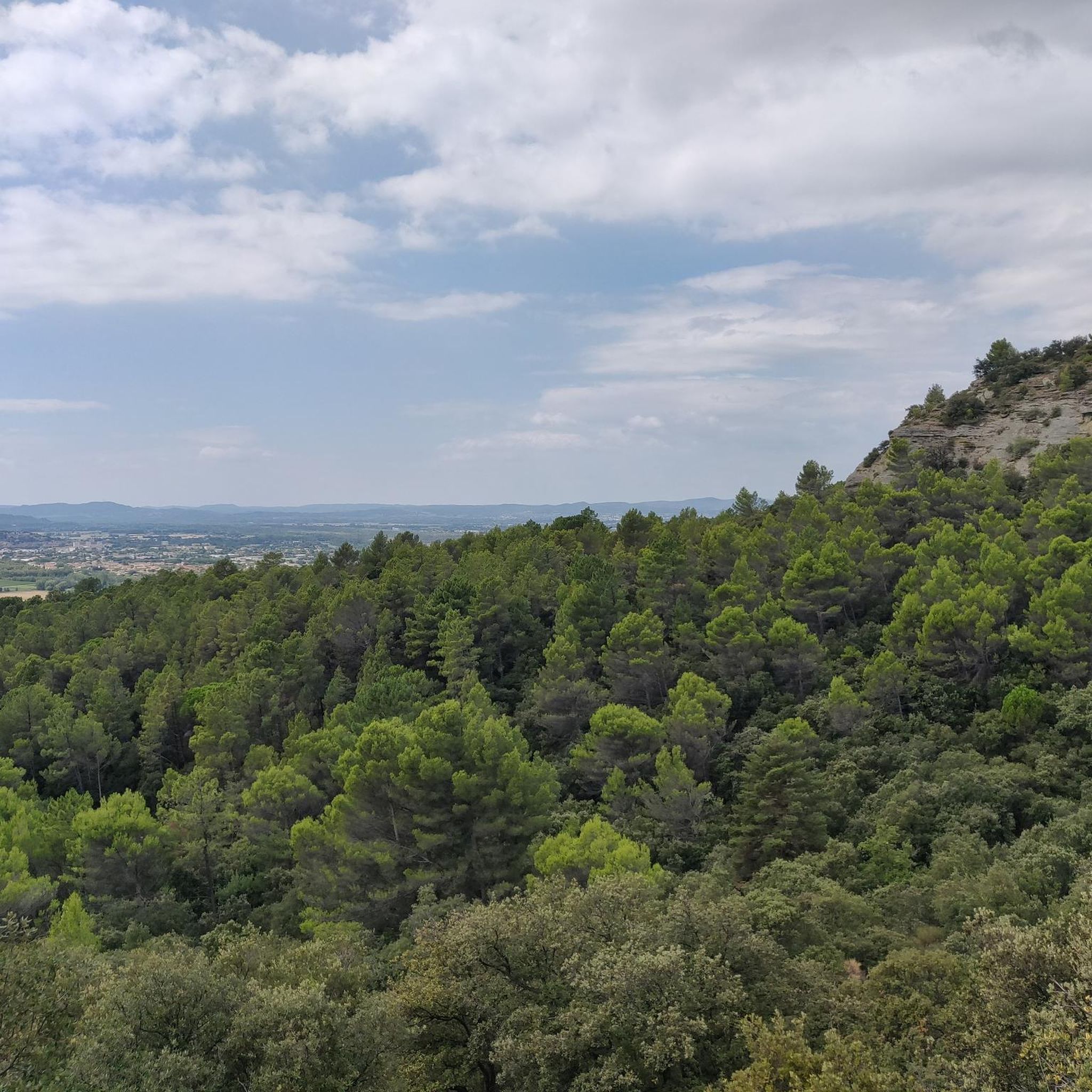
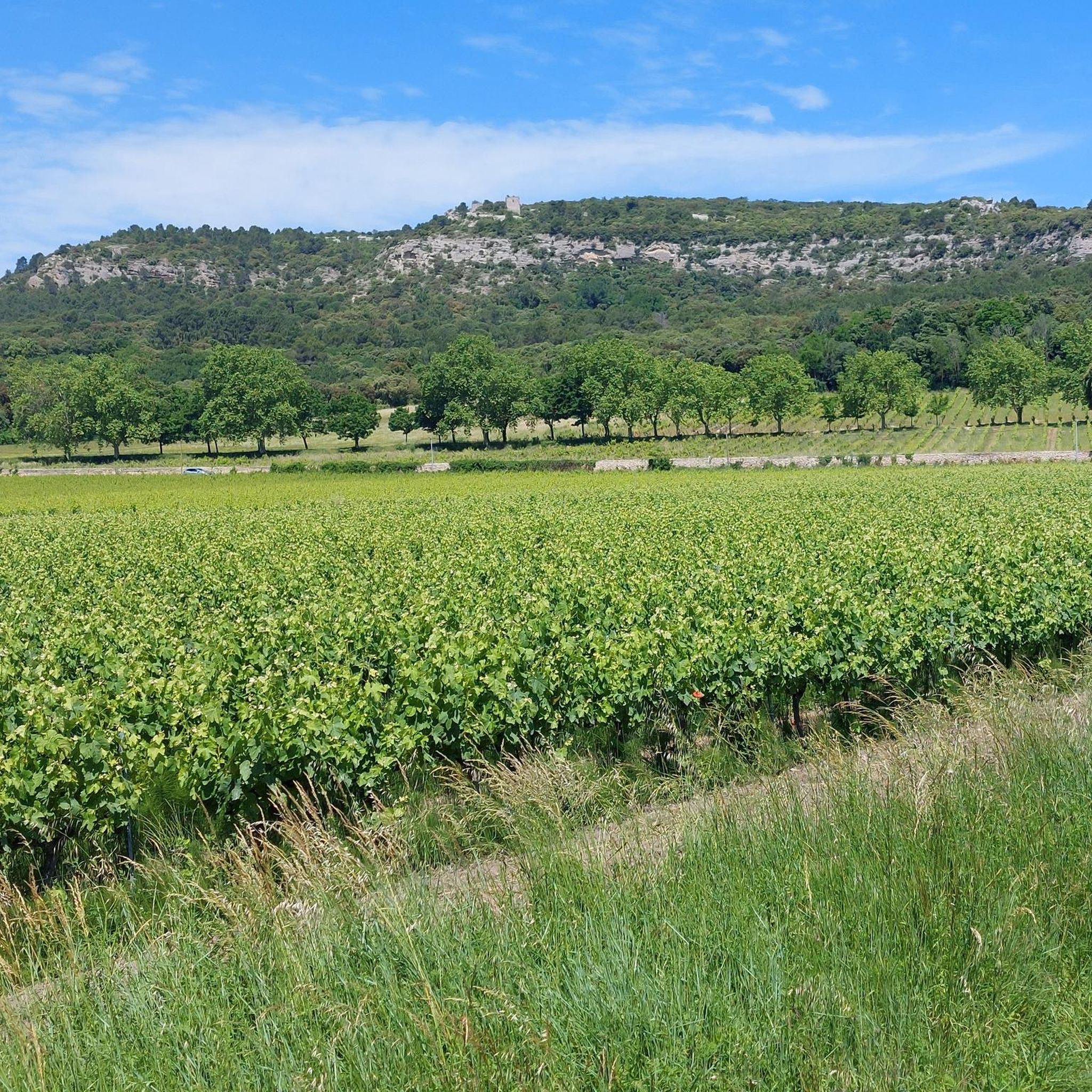
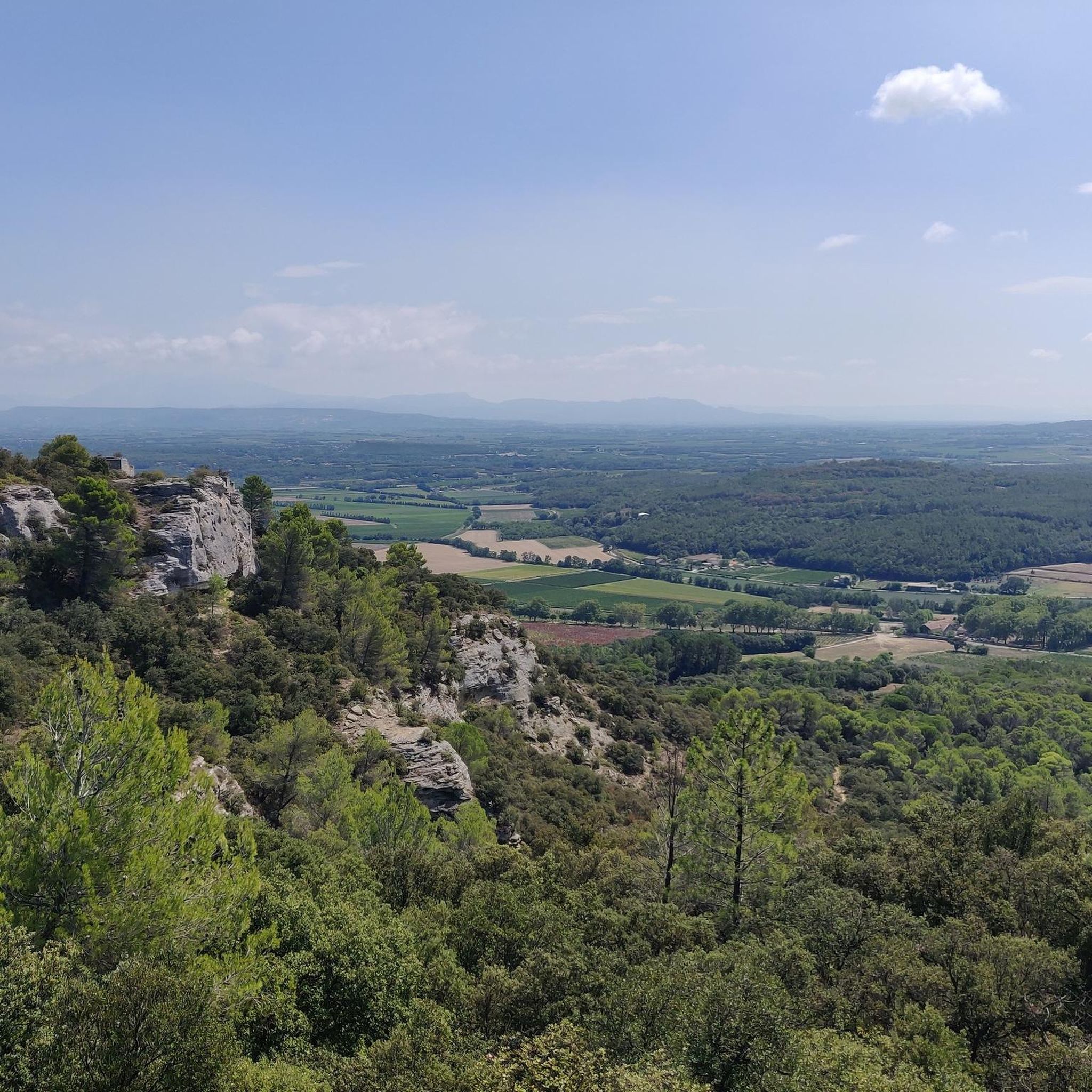
Road cycling around Saint-Restitut offers diverse landscapes within the Drôme region of France. The area is characterized by a rocky promontory overlooking the plain des Paluds, surrounded by garrigues, vineyards, olive groves, and green oak woods. Cyclists encounter varied terrain, including routes that ascend to crests, providing panoramic views of the Rhône valley, the Baronnies, and Mont Ventoux. The region also features ancient stone quarries, adding a unique geological element to the routes.
Best road cycling routes around Saint-Restitut
- The most popular road cycling route is Grignan – Chamaret Clock Tower loop from Saint-Restitut, a 36.2 miles (58.2 km) trail that takes 2 hours 45 minutes to complete, passing through the historic Grignan area.
- Another top favourite among local road cyclists is Saint-Restitut climb – Col de Viares loop from Saint-Restitut, a moderate 33.9 miles (54.5 km) path. This route includes notable climbs and offers views from the Col de Viares.
- Local road cyclists also love the Saint-Restitut climb – Pont d'Ardèche loop from Saint-Restitut, a 29.6 miles (47.6 km) trail leading through varied terrain, often completed in about 1 hour 58 minutes.
- Road cycling around Saint-Restitut is defined by vineyards, olive groves, and views of the Rhône valley. The network offers options for different ability levels, from easy loops to more challenging routes with significant elevation gain.
- The routes in Saint-Restitut are highly rated by the komoot community with an average score of 4.75 stars from over 9 reviews. More than 250 road cyclists have used komoot to explore Saint-Restitut's varied terrain.
Last updated: July 9, 2026
4.6
(5)
91
riders
55.3km
02:36
690m
690m
Moderate road ride. Good fitness required. Mostly well-paved surfaces and easy to ride.
4.8
(4)
40
riders
54.6km
02:28
530m
530m
Moderate road ride. Good fitness required. Mostly well-paved surfaces and easy to ride.

Sign up for free
25
riders
61.9km
02:45
600m
600m
Moderate road ride. Good fitness required. Mostly well-paved surfaces and easy to ride.
17
riders
47.6km
01:59
300m
300m
Moderate road ride. Good fitness required. Mostly well-paved surfaces and easy to ride.
13
riders
75.2km
03:42
1,000m
1,000m
Hard road ride. Very good fitness required. Mostly well-paved surfaces and easy to ride.
Get access to more routes and recommendations from other explorers.
Sign up for free
Already have an account?
Our route recommendations are based on thousands of hikes, rides, and runs completed by other people on komoot.
Start today with a free account
Your next adventure awaits.
Login or Signup

Tips from the Community

The Pont-Saint-Esprit bridge over the Rhône dates back to the 13th century and is one of the oldest structures in the region. Its arched structure is a testament to medieval engineering and offers photo opportunities directly above the river. The old town surrounding the bridge invites you to stroll among historic houses and small cafés. From the banks, the river landscapes and the city's picturesque architecture are ideal for observing.
0
0
Pont-Saint-Esprit on the Rhône River captivates with its historic bridge architecture and charming old town atmosphere. Stroll along the Rhône and enjoy the view of the picturesque riverside promenades. The town offers small markets, cafés, and Provençal life away from the tourist crowds. Cultural highlights such as the Notre-Dame-des-Pommiers Church perfectly round out your visit.
0
0

Between mountain biking and hybrid biking, a great ride with friends
0
0

The origins of the citadel date back to the 14th century. Initially, a defensive tower structure was built at one end of the bridge to secure access to the Rhône. Over time, this structure was expanded into a full-fledged citadel to defend the city during the Huguenot Wars. The expansion began under the reign of Henry IV and was completed under Louis XIII. The Citadelle de Pont-Saint-Esprit was classified as a monument historique on November 19, 1910, and partially registered on January 18, 1951. Today, some remains of the citadel remain, including the Gothic portal of the former chapel and parts of the walls.
2
0
Currently, no commercial vessels travel on the Rhône near Pont-Saint-Esprit. This section of the river is no longer accessible for shipping.
2
0
The Pont du Saint-Esprit, also known as the Pont médiéval or Holy Spirit Bridge, is a historic stone arch bridge over the Rhône. The bridge originally consisted of 20 arches, including 13 larger and seven smaller ones. In the 19th century, the first two arches were replaced by a cast-iron arch to allow steamships to pass through. This arch was destroyed during World War II and later replaced by a reinforced concrete arch. The bridge measures approximately 856 meters in length and has 19 arches of varying widths and heights. The Pont du Saint-Esprit played a central role in trade and transport between Provence and Languedoc. Over the centuries, it has been reinforced and restored several times to meet the challenges of flooding and increasing traffic. Today, it is a significant landmark in the region and a popular destination for tourists and photographers.
2
0

The Citadelle is a former fortification in Pont-Saint-Esprit, built in the 16th century to protect the city from attack. It played a central role in the defense of the region during various conflicts. Today, parts of the Citadelle's walls and gates remain, recalling the city's military history.
2
0
The Pont du Saint-Esprit is a medieval stone bridge over the Rhône in southern France. Built between 1265 and 1309, it was one of the longest bridges of its time, at over 900 meters. Built by a religious order, it served as an important trade and pilgrimage route. The bridge consists of 26 arches and impresses with its robust construction and asymmetrical shape. Today, it is a listed historic monument and an important historical landmark.
3
0
Frequently Asked Questions
How many road cycling routes are available around Saint-Restitut?
There are over 15 road cycling routes around Saint-Restitut, catering to various skill levels. You'll find a good mix of easy, moderate, and challenging options to explore the region.
What kind of terrain can I expect on road cycling routes in Saint-Restitut?
The terrain around Saint-Restitut is diverse, featuring a mix of garrigues, vineyards, olive groves, and green oak woods. Routes often include ascents to crests, offering panoramic views of the Rhône valley, the Baronnies, and even Mont Ventoux in the distance. You'll also encounter unique ancient stone quarries.
Are there road cycling routes suitable for beginners or less experienced cyclists?
Yes, Saint-Restitut offers several easy road cycling routes. For example, the Col de la Justice loop from Saint-Restitut is an easy option, covering about 29 km with moderate elevation gain, perfect for a relaxed ride.
What are some challenging road cycling routes in the area?
For experienced cyclists seeking a challenge, routes like the Robinet Bridge – View of Tricastin loop from Saint-Restitut offer significant elevation gain over a longer distance of about 76 km, providing a demanding yet rewarding experience.
Can I find circular road cycling routes around Saint-Restitut?
Yes, many of the road cycling routes around Saint-Restitut are designed as loops, allowing you to start and finish in the same location. Examples include the Grignan – Chamaret Clock Tower loop from Saint-Restitut and the Saint-Restitut climb – Col de Viares loop from Saint-Restitut.
What historical landmarks or attractions can I see while cycling?
The region is rich in history. You can cycle past sites like the impressive Suze-la-Rousse Castle, a medieval fortress with Renaissance elements, or the intriguing Troglodyte Village of Barry. The Romanesque church and funerary tower in Saint-Restitut itself are also notable.
Are there any unique natural features to look out for on the routes?
Absolutely. Beyond the vineyards and olive groves, you'll encounter ancient stone quarries, some of which house troglodytic dwellings, creating a striking landscape. The Val des Nymphes Chapel is also nestled near a mysterious spring and ancient oak trees, offering a serene natural stop.
When is the best time of year to go road cycling in Saint-Restitut?
The Drôme region, where Saint-Restitut is located, offers pleasant cycling conditions for much of the year. Spring and autumn generally provide ideal temperatures and beautiful scenery, while summer can be warm but still enjoyable, especially in the mornings or late afternoons.
What do other road cyclists enjoy most about road cycling in Saint-Restitut?
The area is highly rated by the komoot community, with an average score of 4.75 stars. Reviewers often praise the varied terrain, the picturesque vineyards and olive groves, and the stunning views of the Rhône valley and Mont Ventoux that many routes offer.
Is Saint-Restitut well-regarded for cycling in general?
Yes, the broader Drôme department, which includes Saint-Restitut, was recognized as a 'Destination Vélo 2017' by the French Bicycle Touring Federation. It boasts an extensive network of 2600 km of road bike routes, including 88 mountain passes, and major cycling paths like the ViaRhôna, making it a prime cycling destination.
Are there any specific routes that pass through charming villages?
Many routes in the area connect picturesque villages. For instance, the Grignan – Chamaret Clock Tower loop from Saint-Restitut takes you through the historic Grignan area, known for its beautiful château and charming streets.
Where can I find more information about cycling in the Drôme region?
For additional information on cycling opportunities across the wider Drôme region, you can visit the official tourism websites. For example, Drôme Tourism provides details on various cycling destinations and routes in the department.
Most popular routes around Saint-Restitut
Most popular attractions around Saint-Restitut

Get inspired with the komoot mobile app


Explore more
Browse the best Road cycling routes in other regions.
