The best walks and hikes around Meyreuil
4.5
(3252)
27,147
hikers
482
hikes
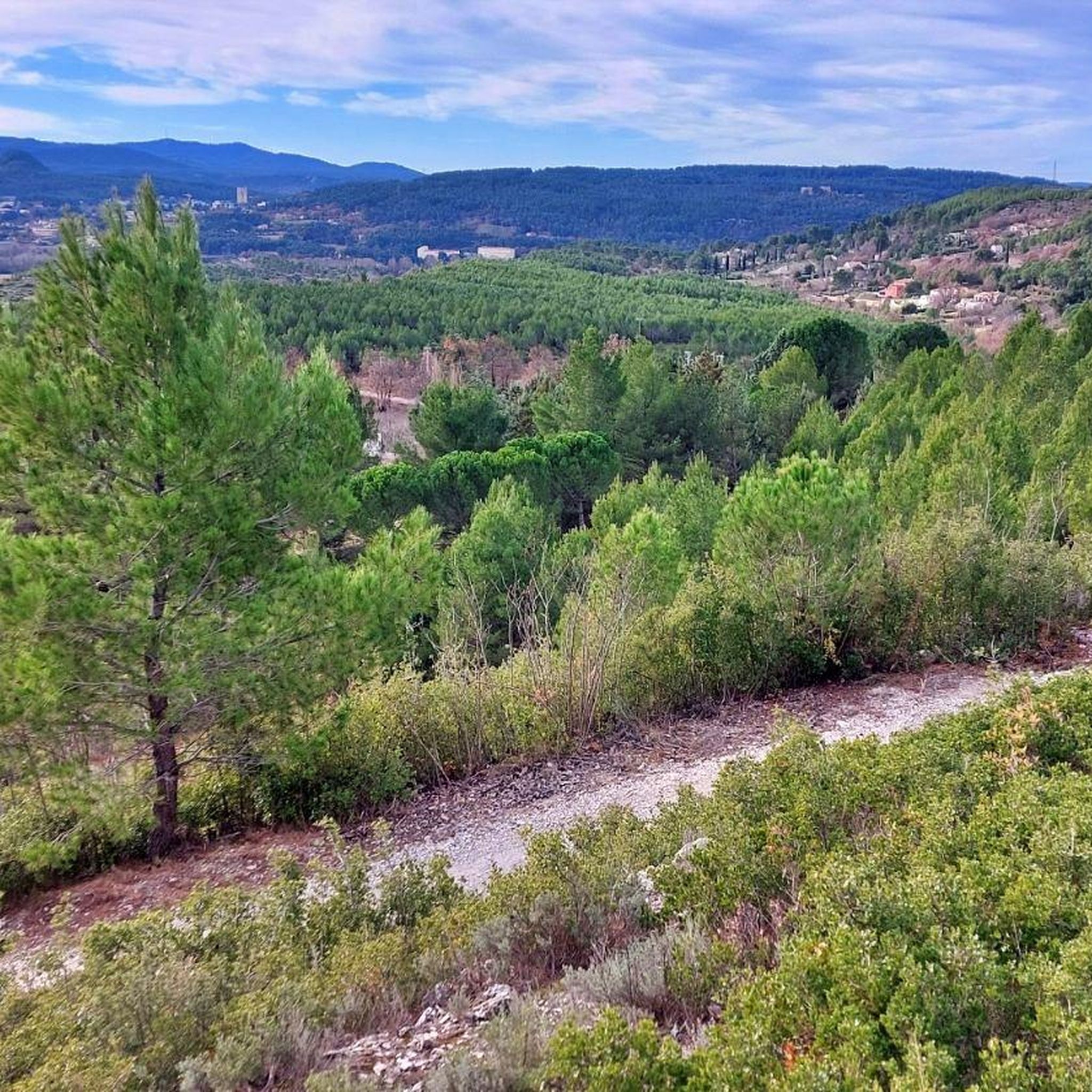
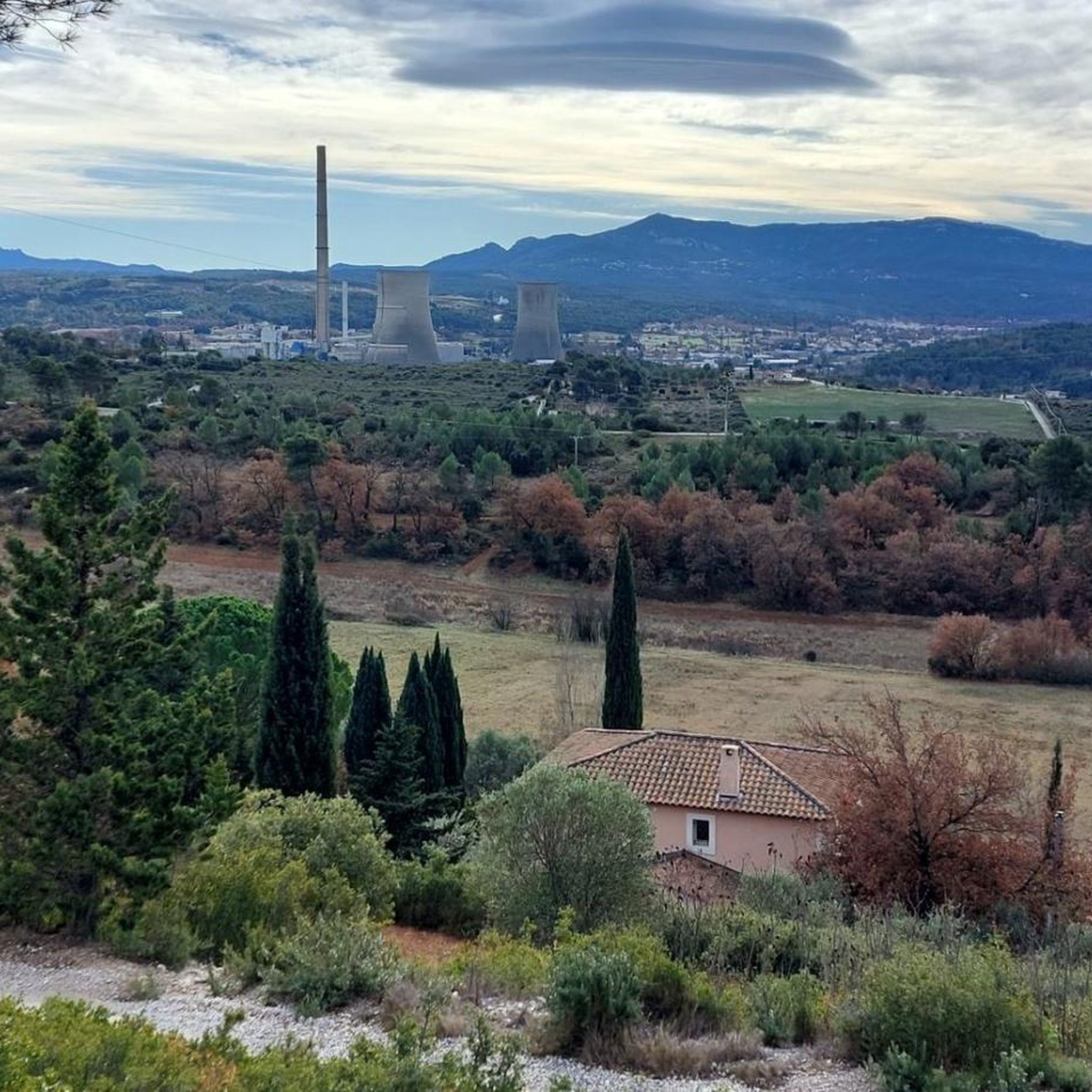
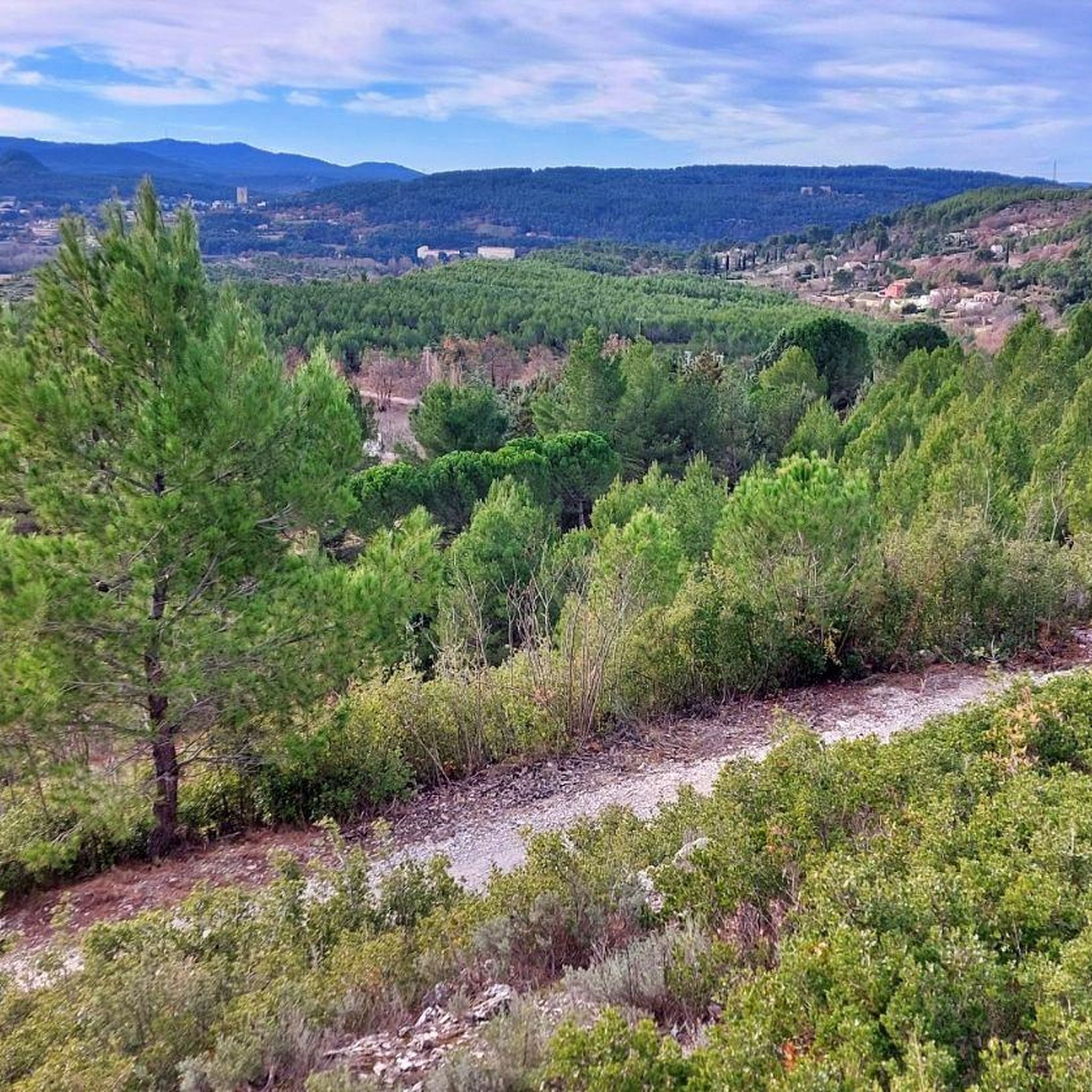
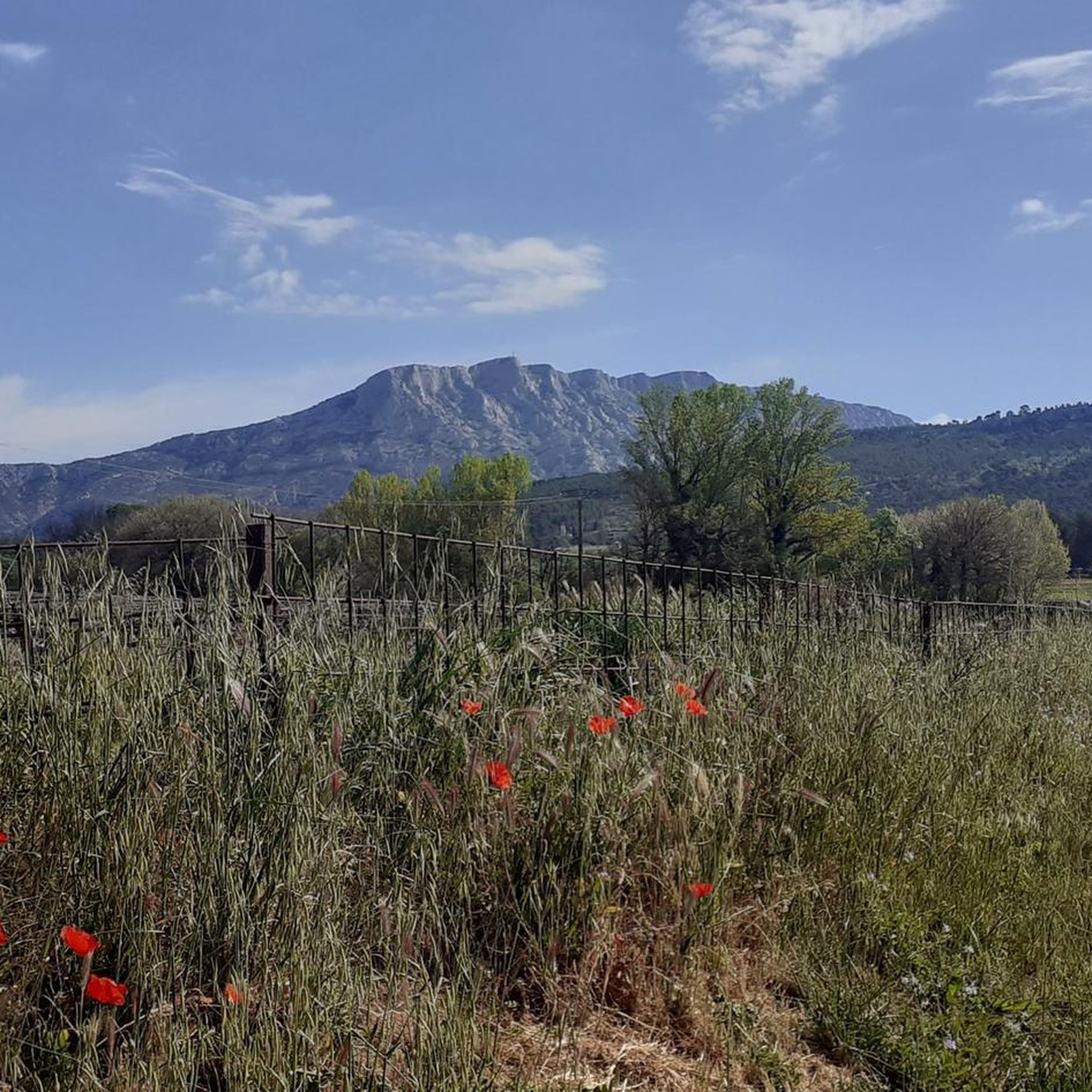
Hiking around Meyreuil offers a diverse landscape for outdoor exploration. The region features a mix of urban parklands, river valleys, and views towards distant hills, including the Sainte Victoire mountain. Trails often pass through historic areas and natural settings, providing varied scenery. The terrain generally includes gentle ascents and descents, making it accessible for different fitness levels.
Best hiking trails around Meyreuil
- The most popular hiking route is Cours Mirabeau – Rotonde Fountain loop from Musée Granet, a 5.6…
Last updated: October 12, 2026
4.5
(14)
128
hikers
8.21km
02:09
70m
70m
Moderate hike. Good fitness required. Easily-accessible paths. Suitable for all skill levels.
5.0
(1)
56
hikers
5.81km
01:29
20m
20m
Easy hike. Great for any fitness level. Easily-accessible paths. Suitable for all skill levels.

4.0
(6)
42
hikers
6.37km
01:46
110m
110m
Easy hike. Great for any fitness level. Easily-accessible paths. Suitable for all skill levels.
4.3
(3)
41
hikers
5.78km
01:30
40m
40m
Easy hike. Great for any fitness level. Easily-accessible paths. Suitable for all skill levels.
5.0
(2)
26
hikers
10.3km
02:59
200m
200m
Hard hike. Good fitness required. Sure-footedness, sturdy shoes and alpine experience required.
Get access to more routes and recommendations from other explorers.
Already have an account?
Our route recommendations are based on thousands of hikes, rides, and runs completed by other people on komoot.
Start today with a free account
Your next adventure awaits.


Tips from the Community

In this church is the image of Pier Giorgio Frassati, a socially committed man from Turin, who is revered by many people for his commitment to the poor. https://de.wikipedia.org/wiki/Pier_Giorgio_Frassati
0
0

Built in the 19th century in the neoclassical style. The colonnade in front of the entrance, in particular, is an eye-catcher. A look inside is worthwhile - the building is almost square and encloses an atrium covered by a glass dome.
1
0
One of the smaller squares in Aux and a very stylish one. In the Baroque period, Jean-Baptiste Albertas bought several plots of land around the square and had the star architect of the time, Vallon, create a harmonious ensemble in one go. The square impresses with its architectural uniformity, as well as with many elaborate details on the houses and, of course, with the artistic fountain.
2
0
Pretty mill on the outskirts of Le Tholonet with a view of the eastern flank of Montagne Sainte-Victoire. Often painted by Paul Cézanne, who also had a studio here for a time.
3
0

Lovely square in Aix. I passed by at night, but it's even prettier with the Christmas decorations!
0
0

Cross this bridge and you leave the city traffic of Aix and head straight for a quiet little stretch that climbs pleasantly up the mountain through a pine forest.
0
0
The dam of Lake Zola can be reached via beautiful trails. It was built between 1847 and 1854 and is one of the first arch dams in the world; according to Wikipedia, it may even be the very first. The lake served to supply Aix-en-Provence with drinking water, which was piped there via an aqueduct. A beautiful destination directly from Aix, or from Le Tholonet.
0
0
The former windmill in Le Tholonet was once rented by the painter Cézanne as a studio and storage space. The building is located directly on the "Route Cézanne," making it a perfect place to combine culture with road cycling.
2
0
Frequently Asked Questions
How many hiking trails are available around Meyreuil?
Meyreuil offers a wide selection of hiking opportunities, with over 440 routes available. These range from easy strolls through urban parks to more challenging paths with significant elevation changes.
Are there easy hiking trails suitable for beginners or families in Meyreuil?
Yes, Meyreuil has numerous easy trails perfect for beginners and families. Approximately 180 routes are classified as easy. A good option is the Bridge of the Three Sautets – Chemin du Viaduc loop from La Plaine, which is 4.0 miles (6.4 km) long and features river crossings.
What kind of terrain can I expect on hikes around Meyreuil?
The terrain around Meyreuil is quite varied, featuring urban parklands, river valleys, and views towards distant hills, including the Sainte Victoire mountain. Trails often include gentle ascents and descents, passing through both natural settings and historic areas.
Are there any circular hiking routes in Meyreuil?
Many of the hiking routes in Meyreuil are designed as loops, offering convenient circular walks. For example, the Torse Park – Place d'Albertas loop from Musée Granet is a 3.6 miles (5.8 km) trail that takes you through urban parkland and historic squares.
What are some notable viewpoints or landmarks I can see on hikes in Meyreuil?
Many trails offer scenic viewpoints, especially towards the Sainte Victoire mountain. You can also explore landmarks like the Zola Dam, which is part of the challenging Zola Dam – Panorama Sainte Victoire loop from Palette. Other highlights include the Rotonde Fountain and Place de l'Hôtel de Ville.
Are there dog-friendly hiking trails in Meyreuil?
While specific regulations can vary by park or natural area, many trails around Meyreuil are generally suitable for dogs, especially those in more open or natural settings. It's always advisable to keep dogs on a leash and clean up after them to respect other hikers and wildlife.
What is the best time of year to go hiking in Meyreuil?
Meyreuil offers pleasant hiking conditions for much of the year. Spring and autumn provide mild temperatures and beautiful scenery. Summer can be hot, so early morning or late afternoon hikes are recommended. Winter hikes are also possible, especially on lower elevation trails, offering a different perspective of the landscape.
Are there any hikes that pass by lakes or offer wild swimming opportunities?
Yes, some routes in the wider Meyreuil area pass by water bodies. The Lake Bimont and the Zola Dam are notable features in the region, offering scenic views and potential for refreshing stops, though specific wild swimming regulations should always be checked locally.
How accessible are the hiking trails in Meyreuil by public transport or car?
Many trails around Meyreuil are accessible by car, with various starting points often having nearby parking options. For public transport, routes closer to urban centers like Aix-en-Provence may be more accessible. It's recommended to check specific route starting points for detailed access information.
What do other hikers say about the trails in Meyreuil?
The hiking trails in Meyreuil are highly regarded by the komoot community, with an average rating of 4.5 stars from over 2,600 reviews. Hikers often praise the diverse scenery, the mix of urban and natural environments, and the well-maintained paths that cater to various fitness levels.
Are there any challenging hikes for experienced hikers in Meyreuil?
Yes, for those seeking a more strenuous experience, Meyreuil offers challenging routes. Approximately 80 routes are classified as difficult. An example is the Zola Dam – Panorama Sainte Victoire loop from Palette, which covers 8.4 miles (13.5 km) with over 300 meters of elevation gain.
Can I find urban walks or park trails in Meyreuil?
Absolutely. Meyreuil's hiking network includes several urban walks and park trails. The Torse Park – La Torse Park loop from Musée Granet is an easy 3.5 miles (5.7 km) route that takes you through pleasant urban parkland, ideal for a leisurely stroll.
Most popular routes around Meyreuil
Most popular attractions around Meyreuil

Get inspired with the komoot mobile app


Explore more
Browse the best Hikes in other regions.
