The best road cycling routes around Fieux
4.4
(14)
699
riders
170
rides
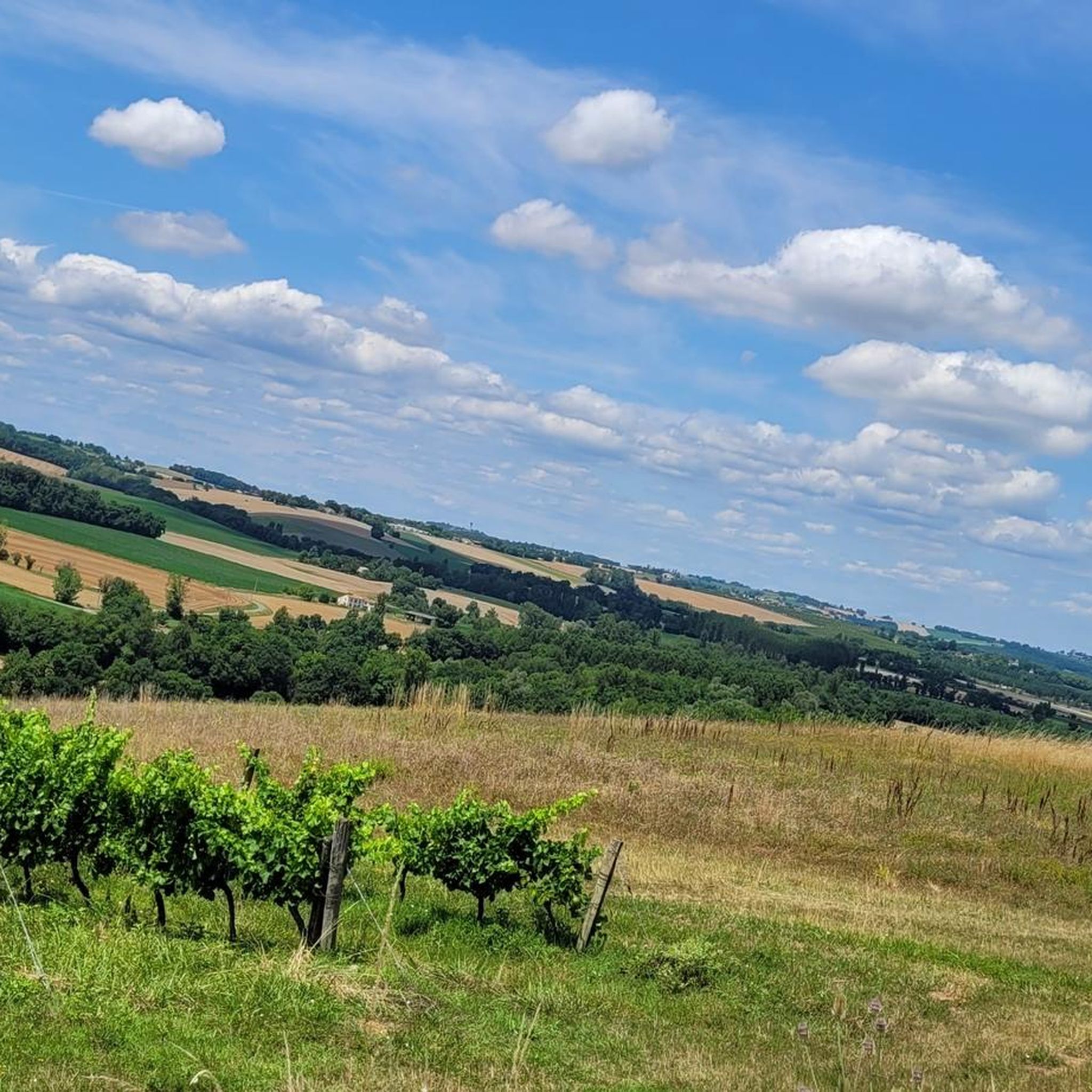
Road cycling routes around Fieux traverse a variable and rolling landscape in the Lot-et-Garonne department of southwestern France. The area features vineyards, orchards, forests, and sunflower fields, with small country roads winding through valleys. Fieux itself offers panoramas from its highest point at 189 meters above sea level. The terrain includes climbs ranging from approximately 43 meters to 256 meters, providing varied elevation for cyclists.
Best road cycling routes around Fieux
- The most popular road cycling route is Laplume –…
Last updated: July 12, 2026
29
riders
30.5km
01:32
470m
460m
Moderate road ride. Good fitness required. Mostly well-paved surfaces and easy to ride.
27
riders
36.9km
01:40
380m
380m
Moderate road ride. Good fitness required. Mostly well-paved surfaces and easy to ride.

Sign up for free
6
riders
56.6km
02:25
380m
380m
Moderate road ride. Good fitness required. Mostly well-paved surfaces and easy to ride.
8
riders
39.0km
01:48
480m
480m
Moderate road ride. Good fitness required. Mostly well-paved surfaces and easy to ride.
6
riders
56.4km
02:40
660m
660m
Moderate road ride. Good fitness required. Mostly well-paved surfaces and easy to ride.
Get access to more routes and recommendations from other explorers.
Sign up for free
Already have an account?
Our route recommendations are based on thousands of hikes, rides, and runs completed by other people on komoot.
Start today with a free account
Your next adventure awaits.
Login or Signup


Tips from the Community

🎭 The Le circuit des Menteurs de Moncrabeau invites you to discover an original and humorous route in the heart of the village. Through alleys and squares, this circuit showcases the Gascon spirit and the famous tradition of "liars". A fun and surprising walk, where history and derision mix to offer a moment that is as cultural as it is unusual.
0
0
🚦 On the Voie Verte, this former level crossing recalls the time when trains set the rhythm of life in the valley. Today, bikes have replaced the rails, but the story continues to be read in the landscape. 🚲🌿
0
0
The Château Henri IV of Nérac, former residence of the lords of Albret, bears witness to the city's rich Renaissance past. Overlooking the Baïse, it was one of the living places of the future King Henri IV and remains today a must-see to discover the history of Albret.
0
0
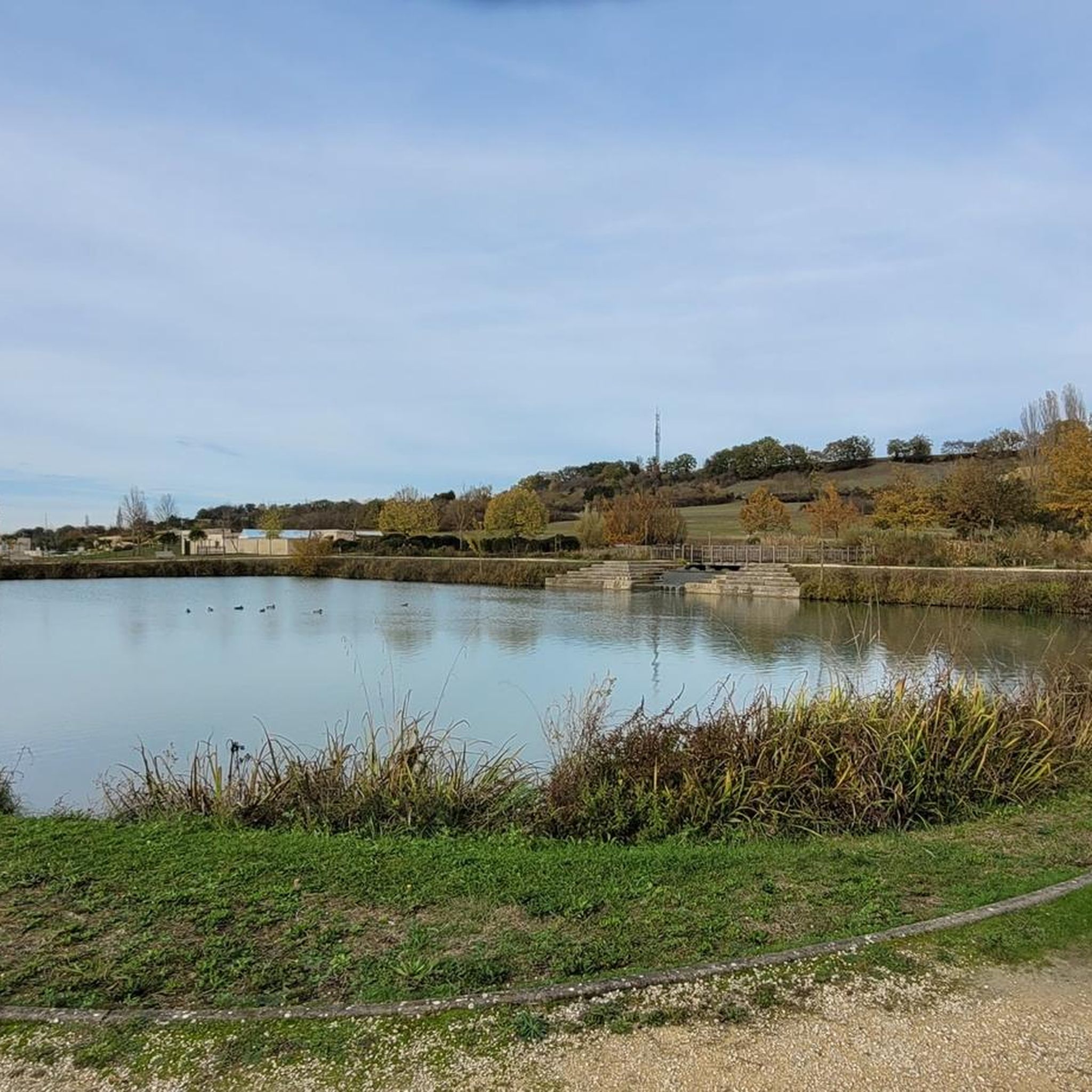
A stone's throw from Moncrabeau, the Baïse picnic area is the perfect spot for an outdoor lunch break. Nestled by the water, in a green and peaceful setting, it offers an easily accessible and friendly solution for a picnic, to relax and enjoy the coolness of the river. An ideal stop for families, cyclists and walkers.
0
0
Thanks to a know-how passed down and enriched over generations, the territory has established itself as a reliable and demanding player in the multiplication of beets, sunflowers, onions, and carrots, crops intended to meet the needs of agricultural sectors in France and internationally. This specialization relies on the quality of the soils, favorable climatic conditions, but above all on the commitment of farmers, who master rigorous technical approaches . From selection to harvest, each stage is carried out with precision, guaranteeing high-performing, consistent, and adapted seeds for current agronomic challenges.
0
0

Nérac Castle was founded in the 14th century, within a medieval town surrounded by walls and backing onto the Baïse River. Beginning in 1491, Alain d'Albret modernized this first tower and had three wings built. The west wing included the drawbridge and service rooms, the north wing housed Jeanne d'Albret's apartments, and the east wing constituted the main building of the castle. It was in this castle that Marguerite de Navarre, sister of Francis I and author of the Heptaméron, lived. A committed humanist, she brought Jacques Lefèvre d'Étaples, nicknamed the French Erasmus, to Nérac. Jeanne d'Albret, her daughter, was also sensitive to the ideas of her time and brought Théodore de Bèze to her court, before converting to Protestantism. It was in this context that Henry III of Navarre, the future King Henry IV, lived. He lived in this château for about ten years with Queen Marguerite de Valois, known as Queen Margot. The latter was responsible for the creation of the 3000-Step Avenue in the Parc de la Garenne, along the Baïse. This avenue, punctuated over the years with new fountains, was then surrounded by walls and accessible from the château by a bridge. The years following the assassination of Henri IV by Ravaillac in 1610 marked the decline of the château, first due to royal reprisals against Protestants and then due to the destruction caused by the French Revolution in 1793, when the château was declared national property. After the revolutionary destruction, only the north wing of the château remained, with its twisted columns so characteristic of the Renaissance style. The château was divided into lots and inhabited by several owners. Gradually, the municipality became interested in restoring the château, and a restoration project was drawn up by Eugène Viollet-le-Duc, whose sketches are on display in the museum. However, it wasn't until 1925 that the city became the owner of the entire building and began a restoration project to house the municipal museum. Since then, the royal residence and writer's home, the Château-Musée Henri IV, has offered visitors a permanent exhibition dedicated to Henri IV and the d'Albret family on the first floor, and the art of living during the Renaissance on the ground floor through various themes.
0
0

Nestled on the banks of the Baïse River, Nérac offers a peaceful atmosphere. Formerly the residence of Henry of Navarre, the future Henry IV, the town preserves a rich heritage with its castle, cobbled streets, and half-timbered houses.
0
0
Perched high in the Lot-et-Garonne region, Moncrabeau offers a superb panoramic view of the Baïse Valley. Known as the "world capital of liars," the village holds a lying competition every summer, organized by the Académie des Menteurs (Liars' Academy), a good-natured tradition that has made its reputation far beyond the region.
1
0
Frequently Asked Questions
How many road cycling routes are available around Fieux?
There are over 160 road cycling routes around Fieux, offering a wide variety of options for different skill levels. The komoot community has explored these routes over 600 times, highlighting the area's popularity among cyclists.
What kind of terrain can I expect when road cycling near Fieux?
The Fieux region offers a variable and rolling landscape, characterized by small country roads winding through valleys, vineyards, orchards, forests, and sunflower fields. You'll encounter climbs ranging from approximately 43 meters to 256 meters, providing a stimulating and picturesque environment for cyclists.
Are there road cycling routes suitable for beginners or those seeking easier rides?
Yes, the Fieux area offers routes suitable for various abilities. While the terrain is generally rolling, there are options with less elevation gain. For instance, the wider Lot Valley Cycle Route (V86) is known for being mostly well-paved with few climbs, offering a more relaxed experience through orchards and vineyards. Within the immediate Fieux area, you'll find routes with moderate difficulty, but the overall network provides choices for different fitness levels.
What are some more challenging road cycling routes around Fieux?
For those seeking a greater challenge, the region includes routes with more significant elevation changes. The terrain in Lot-et-Garonne features climbs up to 256 meters, such as the Côte du Jarlan mentioned in regional research. Routes like La Romieu – View of La Romieu loop from Calignac, covering 70 km with over 800 meters of elevation gain, offer a more rigorous experience.
What notable landmarks or attractions can I see while cycling near Fieux?
The region around Fieux is rich in historical and natural attractions. While cycling, you might pass by charming villages and agricultural landscapes. Nearby Nérac offers several points of interest, including the Nérac Old Town and Château d'Henri IV, the scenic Port of Nérac, and the beautiful Parc de la Garenne de Nérac. The Nérac – Bridge over the Baïse in Vianne loop from Nomdieu is one route that takes you through this area.
What is the best time of year for road cycling in the Fieux region?
The Fieux region, being in southwestern France, generally offers pleasant cycling conditions for much of the year. Spring and early autumn are often ideal, with comfortable temperatures and vibrant landscapes, including blooming sunflower fields in summer. The region's commitment to 'soft mobility and slow tourism' means it's well-suited for cycling during these milder seasons.
Are there any family-friendly road cycling options around Fieux?
While the immediate Fieux routes are generally moderate, the broader Lot-et-Garonne department offers family-friendly options. The Canal des Deux Mers Cycle Path, for example, is described as a 'fairly flat, easy and family course,' shaded by large trees and running alongside waterways, providing a serene and safe cycling experience for families.
Where can I find parking for road cycling routes in Fieux?
As Fieux is a commune, parking is typically available in or near the village center. Many routes, such as the Laplume – Church of Le Nomdieu loop from Calignac, often start from nearby towns or villages where public parking facilities are usually accessible. It's advisable to check specific starting points for available parking.
What do other road cyclists enjoy the most about road cycling in Fieux?
The road cycling routes around Fieux are highly rated by the komoot community, with an average score of 4.2 stars. Cyclists frequently praise the region's rolling landscapes, the charm of its vineyards and orchards, and the quiet country roads that offer magnificent panoramas, especially from higher points like Fieux itself.
Are there any loop road cycling routes available around Fieux?
Yes, many of the road cycling routes around Fieux are designed as loops, allowing you to start and finish in the same location. Examples include the popular Church of Le Nomdieu loop from Francescas and the Carmes bridge – Moncrabeau loop from Lasserre, providing convenient circular journeys through the picturesque countryside.
Can I find cafes or places to stop along the road cycling routes?
The small country roads around Fieux often connect charming villages and towns. While specific cafes on every route aren't listed, these villages typically offer opportunities for refreshments. Planning your route to pass through larger towns like Nérac or Lectoure (as suggested by regional research) will provide more options for cafes, restaurants, and other amenities.
What are the characteristics of the road cycling routes in the Lot-et-Garonne department?
The Lot-et-Garonne department, where Fieux is located, is known for its diverse and captivating scenery. Road cycling routes traverse a mix of vineyards, orchards, forests, and sunflower fields. The terrain is generally rolling, with varied elevation, and features numerous small country roads. The region also boasts significant cycling infrastructure, including parts of the Lot Valley Cycle Route (V86) and the Canal des Deux Mers Cycle Path, offering both scenic and well-maintained options.
Most popular attractions around Fieux

Get inspired with the komoot mobile app


Explore more
Browse the best Road cycling routes in other regions.
