The best cycling routes around Antibes
4.4
(1668)
29,830
riders
57
rides
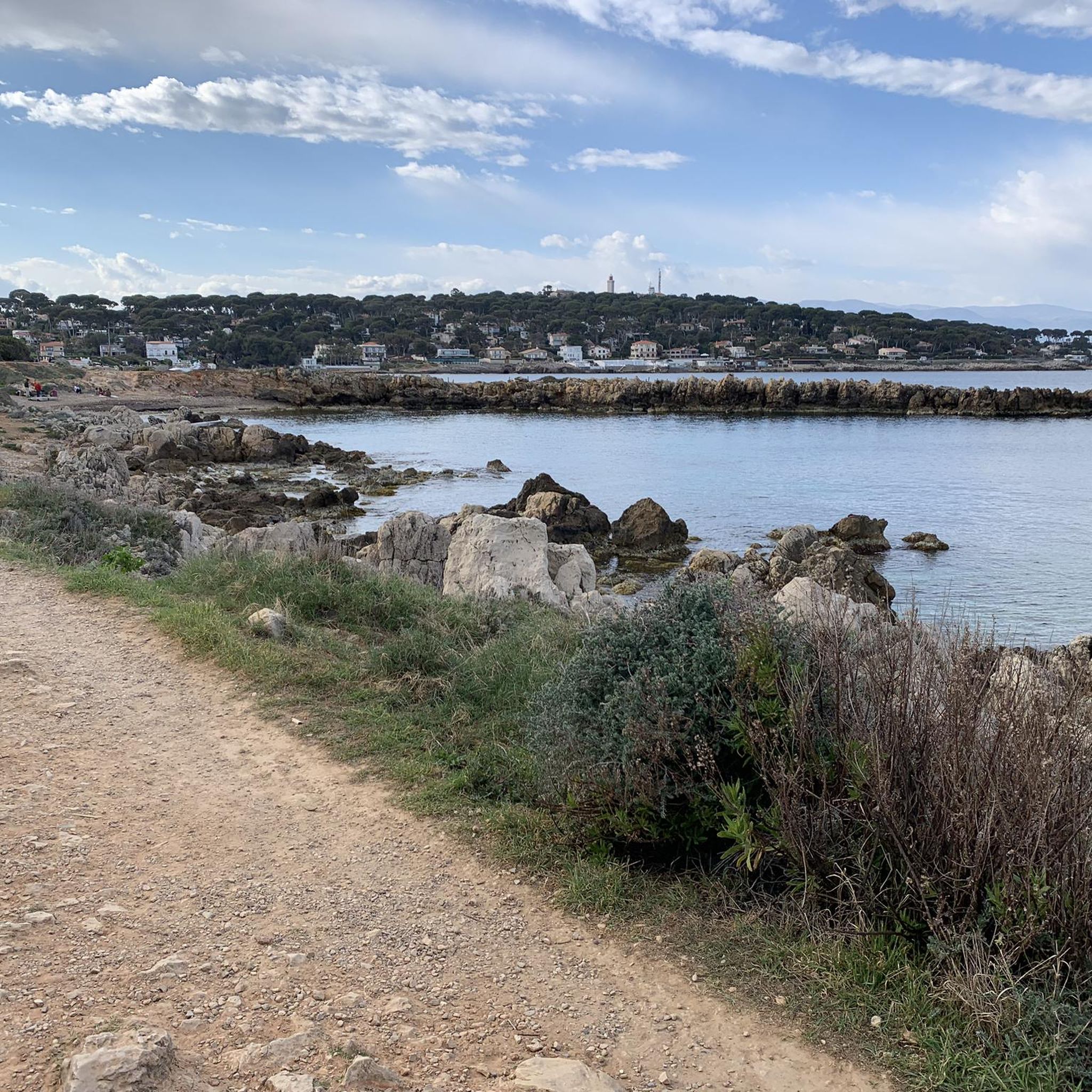
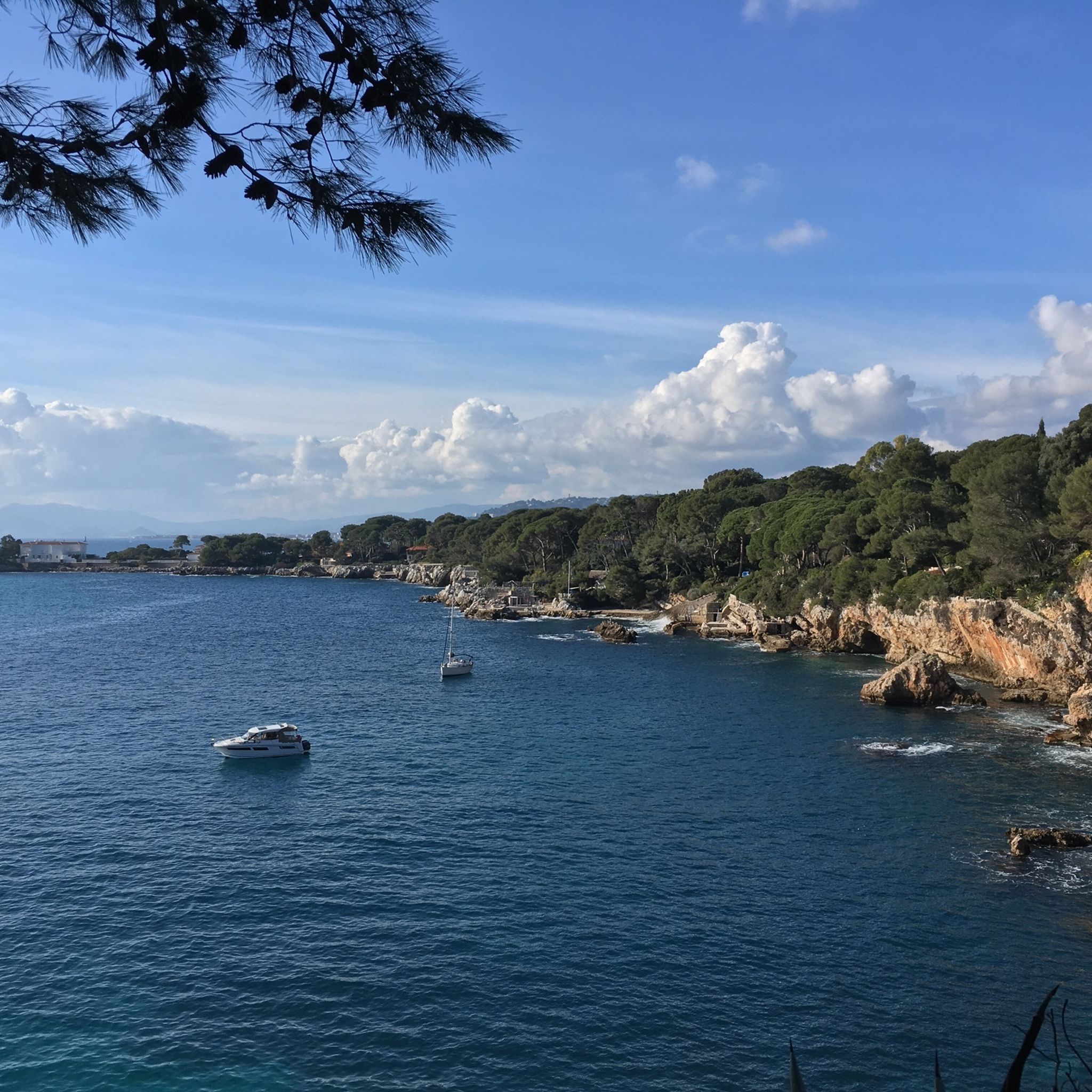
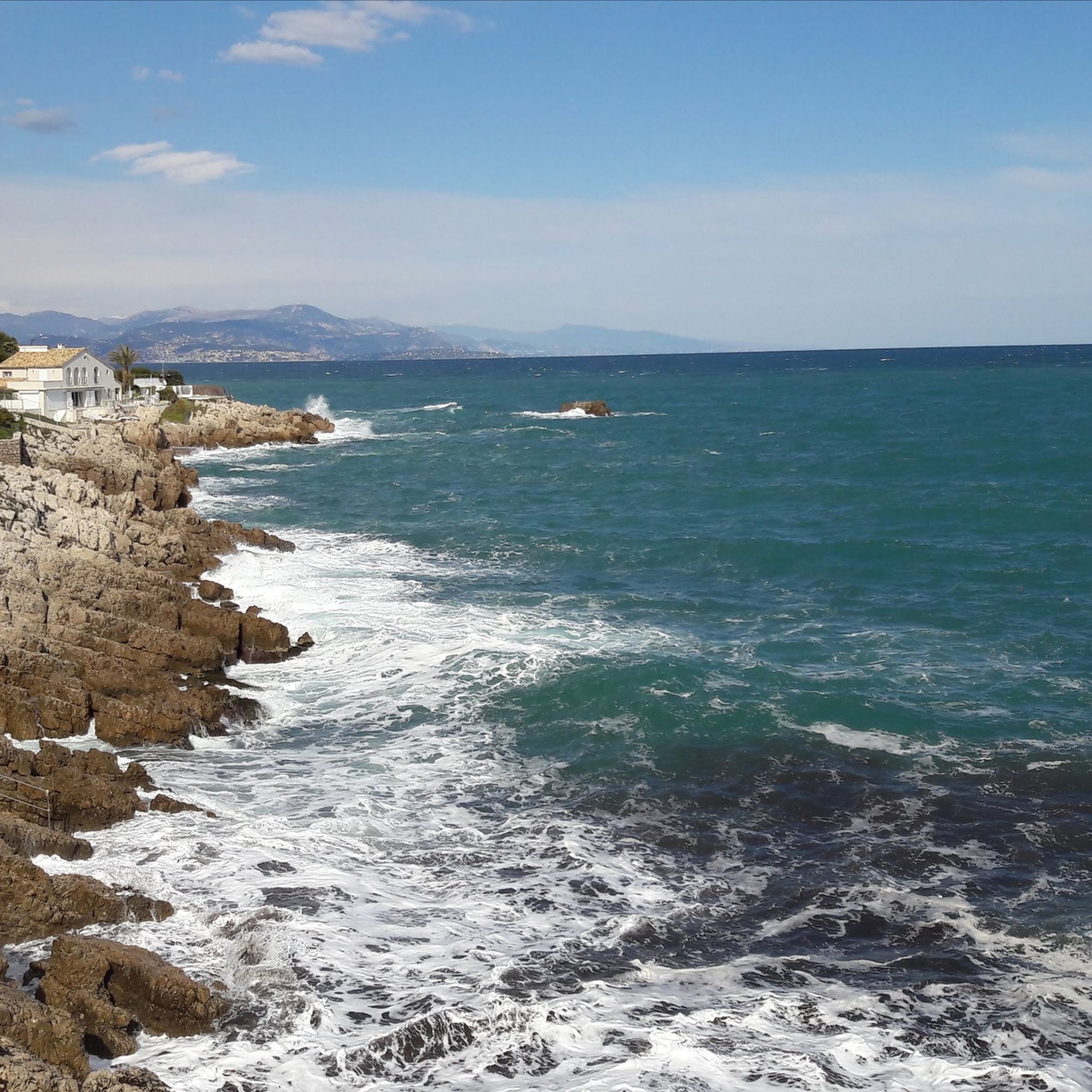
Touring cycling around Antibes offers diverse landscapes, from its Mediterranean coastline to the foothills of the Alpes-Maritimes. The region features picturesque coastal routes, including the Cap d'Antibes peninsula, known for its smooth roads and sea views. Inland, the terrain transitions to more challenging ascents, providing varied options for cyclists. This area is characterized by its blend of seaside paths and proximity to mountainous environments.
Best touring cycling routes around Antibes
- The most popular touring cycling route is View of Old…
Last updated: August 17, 2026
4.3
(45)
547
riders
22.3km
01:22
80m
80m
Easy bike ride. Great for any fitness level. Mostly paved surfaces. Suitable for all skill levels.
4.6
(24)
613
riders
20.9km
01:15
50m
50m
Easy bike ride. Great for any fitness level. Mostly paved surfaces. Suitable for all skill levels.

Sign up for free
4.0
(19)
354
riders
9.28km
00:33
20m
20m
Easy bike ride. Great for any fitness level. Mostly paved surfaces. Suitable for all skill levels.
4.7
(20)
263
riders
10.1km
00:37
90m
90m
Easy bike ride. Great for any fitness level. Mostly paved surfaces. Suitable for all skill levels.
3.6
(7)
239
riders
7.62km
00:31
20m
20m
Easy bike ride. Great for any fitness level. Mostly paved surfaces. Suitable for all skill levels.
Get access to more routes and recommendations from other explorers.
Sign up for free
Already have an account?
Our route recommendations are based on thousands of hikes, rides, and runs completed by other people on komoot.
Start today with a free account
Your next adventure awaits.
Login or Signup
Tips from the Community


The view is really great, but the traffic conditions for cyclists can be very dangerous.
0
0


Beautiful route. Keep well to the right and a light on your bike is recommended for visibility.
0
0

The Hôtel du Cap-Eden-Roc, located at the tip of Cap d'Antibes, is a true legend on the Côte d'Azur, steeped in a rich and fascinating history. Origins (1863-1870): Villa Soleil The history of the hotel dates back to 1863, when Count Paul de Fersen, colonel and aide-de-camp to the Russian Tsar, acquired a property on the Cap. The idea of creating a refuge for writers and artists was born in 1865, under the leadership of Auguste De Villemessant, founder of the newspaper Le Figaro. It was his brother-in-law, the Russian Alexis de Plestcheyeff, who formalized the project. Five years later, in 1870, the "Villa Soleil" was built, with the aim of welcoming artists in search of inspiration. Hippolyte de Villemessant was responsible for the construction of the main building. The Transformation into the Grand Hôtel du Cap (1877-1889) In 1877, a visionary young Italian hotelier, Antoine Sella, purchased the property. He renovated it and reopened it in January 1889 under the name "Grand Hôtel du Cap." Antoine Sella was the one who truly transformed the villa into a luxury hotel, laying the foundations for its future renown. The Golden Age and the Arrival of the Eden-Roc (Early 20th Century) Over the years, the hotel gained in prestige. The iconic saltwater pool carved into the rock was added in 1914, becoming a distinctive feature and attracting an international clientele. Antoine Sella is also considered the pioneer of the summer season on the Côte d'Azur, promoting the joys of swimming in the Mediterranean. The "Eden-Roc" pavilion, overlooking the sea, was expanded, and the yacht club was created. A haven for celebrities and artists The Hôtel du Cap-Eden-Roc quickly became a popular vacation spot for the aristocracy, celebrities, royalty, and artists from around the world. Famous guests include: * F. Scott Fitzgerald, who immortalized it as the "Hôtel des Étrangers" in his novel "Tender Is the Night." * Ernest Hemingway * Pablo Picasso, who even designed the restaurant's new menu in 1955. * Marlene Dietrich and Erich Maria Remarque * The Duke and Duchess of Windsor * Charlie Chaplin, Walt Disney, Rita Hayworth, Marc Chagall, Errol Flynn, Sacha Guitry, and many others. Key Events and Developments * 1930s: The hotel enjoyed a boom period, attracting America's "Lost Generation." * World War II: The hotel was converted into a military hospital for Allied troops in 1944. After the war, American soldiers helped with its restoration. * 1960s: The shaded seaside cabins were built, and Marc Chagall sketched them. * 1964: Rudolf August and Maja Oetker, founders of the Oetker Collection, fell in love with the hotel and acquired it, ensuring its longevity and status as a palace. * 2008-2015: Major renovations (€45 million) were carried out. * 2009: The hotel was awarded its fifth star. * 2016: The hotel was awarded the "Palace" label, a recognition of the highest level for luxury hotels in France. * Since 2020: The restaurant menu is under the direction of Chef Éric Frechon. * The hotel regularly hosts prestigious events, including some evenings during the Cannes Film Festival. The Hôtel du Cap-Eden-Roc continues to cultivate its legendary status, offering an exceptional setting and excellent service to its guests, while preserving its historical heritage and legendary appeal on the Côte d'Azur.
2
0
Historically, this port was the largest fishing port in the Alpes-Maritimes in the 1920s and 1930s, and it still maintains a professional fishing industry today. Cros-de-Cagnes is known for its fishing village and maritime traditions. You can even find a Cros de Cagnes Fishermen's Market located on Rue du Capitaine de Frégate Vial, where you can buy fresh fish and seafood directly from local fishermen. This market is generally open from Tuesday to Sunday mornings. There are also initiatives to preserve maritime heritage, such as the restoration of the Sainte-Thérèse lobster boat, a traditional fishing boat. For those interested in learning how to fish or taking a sea trip, there are opportunities for boat trips or fishing trips, particularly from nearby Saint-Laurent-du-Var.
0
0
Frequently Asked Questions
How many touring cycling routes are available around Antibes?
There are over 50 touring cycling routes around Antibes, offering a wide range of options from easy coastal rides to more challenging inland ascents. The komoot community has explored these routes over 3,500 times.
What types of terrain can I expect when cycling in Antibes?
Antibes offers a diverse cycling landscape. You'll find picturesque coastal paths, especially around Cap d'Antibes, with smooth roads and stunning sea views. Further inland, the terrain transitions to more challenging ascents towards the Alpes-Maritimes, including routes like the View of Antibes – Tanneron Pass loop from Juan-les-Pins, which features significant climbs.
Are there any easy, family-friendly cycling routes in Antibes?
Yes, Antibes has several easy routes suitable for families. The dedicated coastal cycle paths are generally flat and offer scenic views. An example is the Seaside road – View of Nice loop from Antibes, an easy 19.8 km path that follows the coastline towards Nice. Another option is the Seaside road – Port Vauban, Antibes loop from Antibes, which is just 7.7 km.
What are some notable landmarks or natural features to see while cycling in Antibes?
Antibes is rich in sights. Along your rides, you can explore the historic Old Town, cycle past the iconic Fort Carré, or enjoy the panoramic views from Pointe de la Garoupe on Cap d'Antibes. The peaceful Fontmerle Pond, known for its lotus flowers and birdlife, also offers a beautiful natural stop.
Are there any circular cycling routes around Antibes?
Yes, many routes around Antibes are designed as loops, allowing you to start and end in the same location. A popular moderate circular route is the View of Old Antibes – Cap d'Antibes loop from Antibes, which covers 20.1 km and offers views of the old town and the Mediterranean coast.
What is the best time of year for touring cycling in Antibes?
The Mediterranean climate makes Antibes suitable for cycling for much of the year. Spring and autumn generally offer pleasant temperatures and fewer crowds, ideal for touring. Summer can be warm, but coastal routes benefit from sea breezes. Winter cycling is also possible, especially on sunny days, making it a year-round destination for many.
Where can I find challenging cycling routes near Antibes?
For more challenging rides, head inland towards the Alpes-Maritimes. The region offers mountainous terrain with significant climbs. A difficult route like the View of Antibes – Tanneron Pass loop from Juan-les-Pins, spanning 85.5 km with over 1000 meters of elevation gain, provides a good test for experienced touring cyclists.
What do other touring cyclists enjoy most about cycling in Antibes?
The komoot community highly rates touring cycling in Antibes, with an average score of 4.3 stars from over 160 reviews. Reviewers often praise the stunning coastal views, the variety of terrain from flat seaside paths to challenging inland climbs, and the opportunity to explore charming towns and historical sites along the way.
Are there options for mountain biking or off-road cycling near Antibes?
While Antibes is primarily known for its road and touring cycling, the nearby Valmasque Park offers a different experience. This protected area features mountain bike trails through forests, alongside a lake, and by a river, providing varied options for those looking for off-road adventures.
Can I cycle from Antibes to other coastal towns?
Yes, Antibes is well-connected by dedicated coastal cycle paths, making it easy to cycle to neighboring towns. You can travel for miles along the coastline, visiting places like Juan-les-Pins, or even embark on longer rides towards Nice, passing through areas like Cagnes-sur-Mer and enjoying historic seafront views.
Are there any guided e-bike tours available in Antibes?
Yes, for those new to the area or preferring an assisted experience, electric bike tours are available. These tours often cover the old town, Cap d'Antibes, and Juan-les-Pins, making it easier to visit top spots, reach high viewpoints, and discover hidden gems effortlessly.
What are the typical distances and durations for touring cycling routes in Antibes?
Routes vary significantly in distance and duration. Easy coastal loops can be as short as 7-10 km, taking less than an hour, such as the Seaside road – Fort Carré (Antibes) loop from Marineland (closed) at 9.5 km. Longer, more challenging routes, like the View of Antibes – Tanneron Pass loop from Juan-les-Pins, can extend over 85 km and take several hours to complete.
Most popular attractions around Antibes

Get inspired with the komoot mobile app


Explore more
Browse the best Cycling routes in other regions.
