Attractions and Places To See around Ollioules - Top 20
Best attractions and places to see around Ollioules include historical landmarks, natural landscapes, and cultural sites. This Provençal village, located between Sanary and Toulon, is recognized as a "City and Crafts" for its artisan community. The area features medieval architecture, impressive gorges, and scenic hiking trails. Ollioules offers a variety of experiences for those interested in history, nature, and local craftsmanship.
Best attractions and places to see around Ollioules
- The most popular attractions is Port d'Alon Cove, a beach…
Last updated: October 9, 2026
Port d'Alon Cove
Highlight • Beach
Translated by Google •
Tip by

Notre dame du mai
Highlight • Trail
Translated by Google •
Tip by

Sign up now to discover places like this
Get recommendations on the best single tracks, peaks, & plenty of other exciting outdoor places.
Sentier du Littoral
Highlight (Segment) • Other
Translated by Google •
Tip by

Notre-Dame du Faron Sanctuary
Highlight • Religious Site
Translated by Google •
Tip by

Toulon's Small Harbor
Highlight • Natural
Translated by Google •
Tip by

Sign up for free to discover even more attractions around Ollioules.
Already have an account?
Start today with a free account
Your next adventure awaits.
Popular around Ollioules
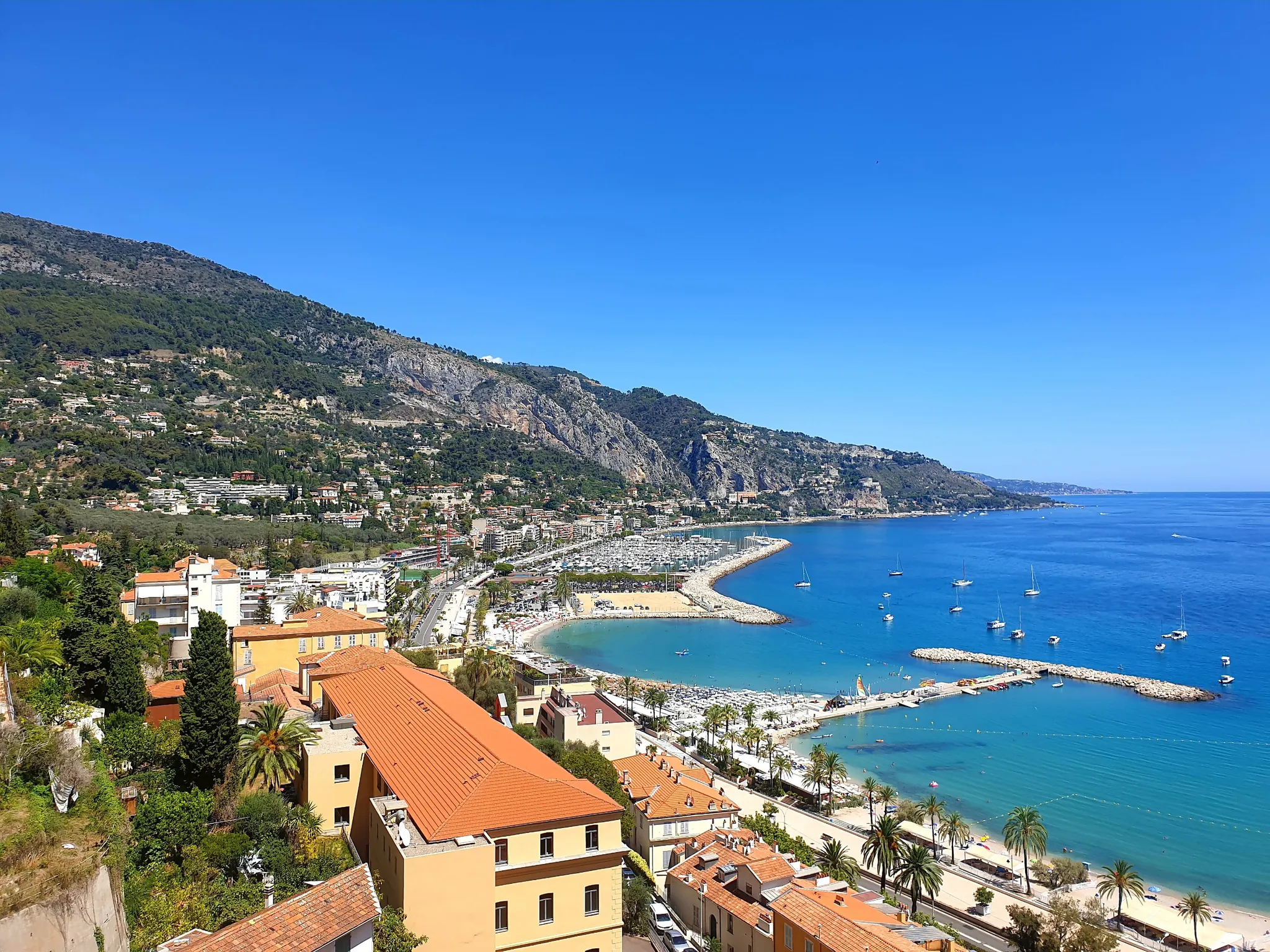
Between sea and mountains – other balcony of the Mediterranean
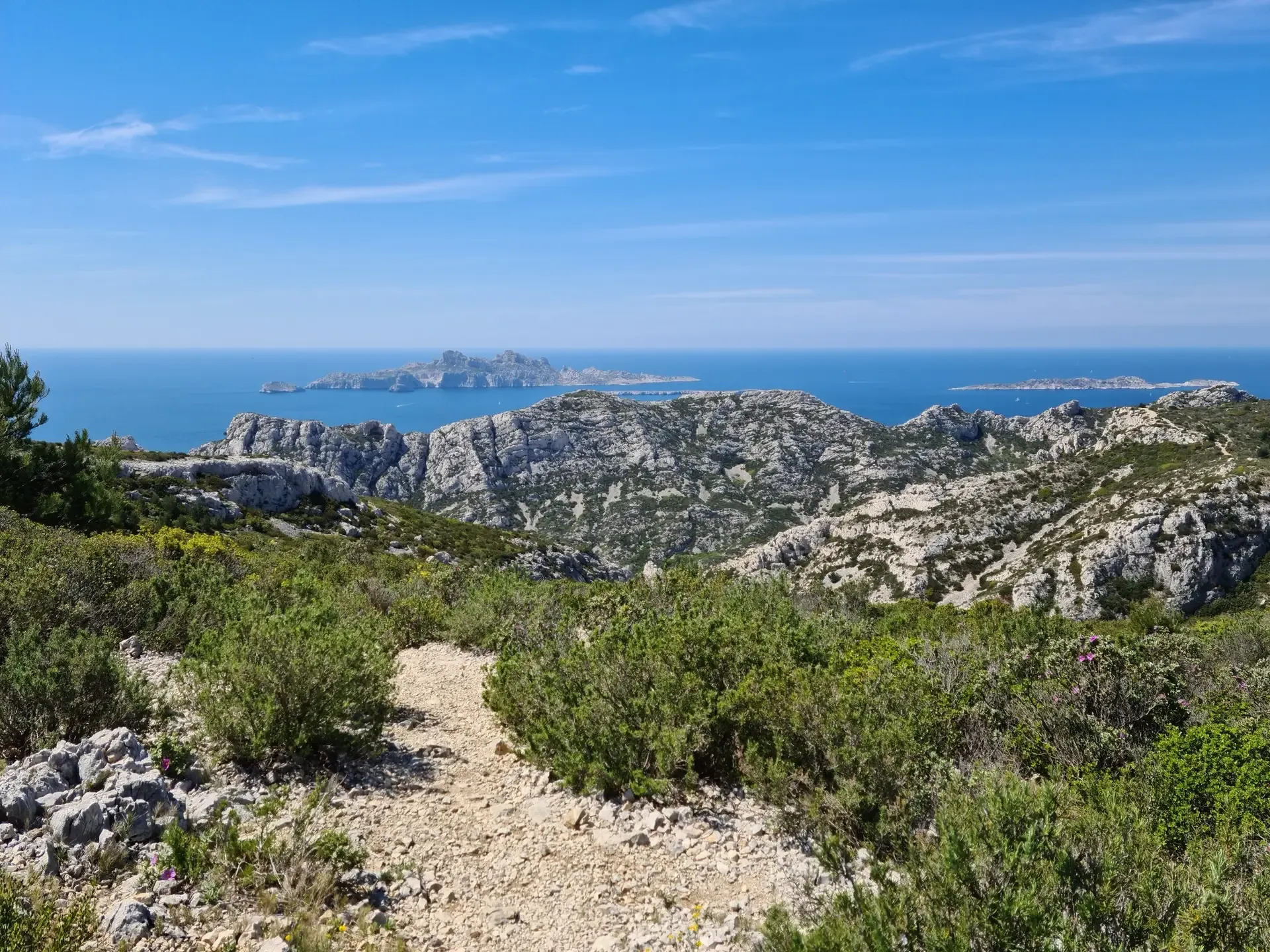
GR 51 - Balcony of the Mediterranean
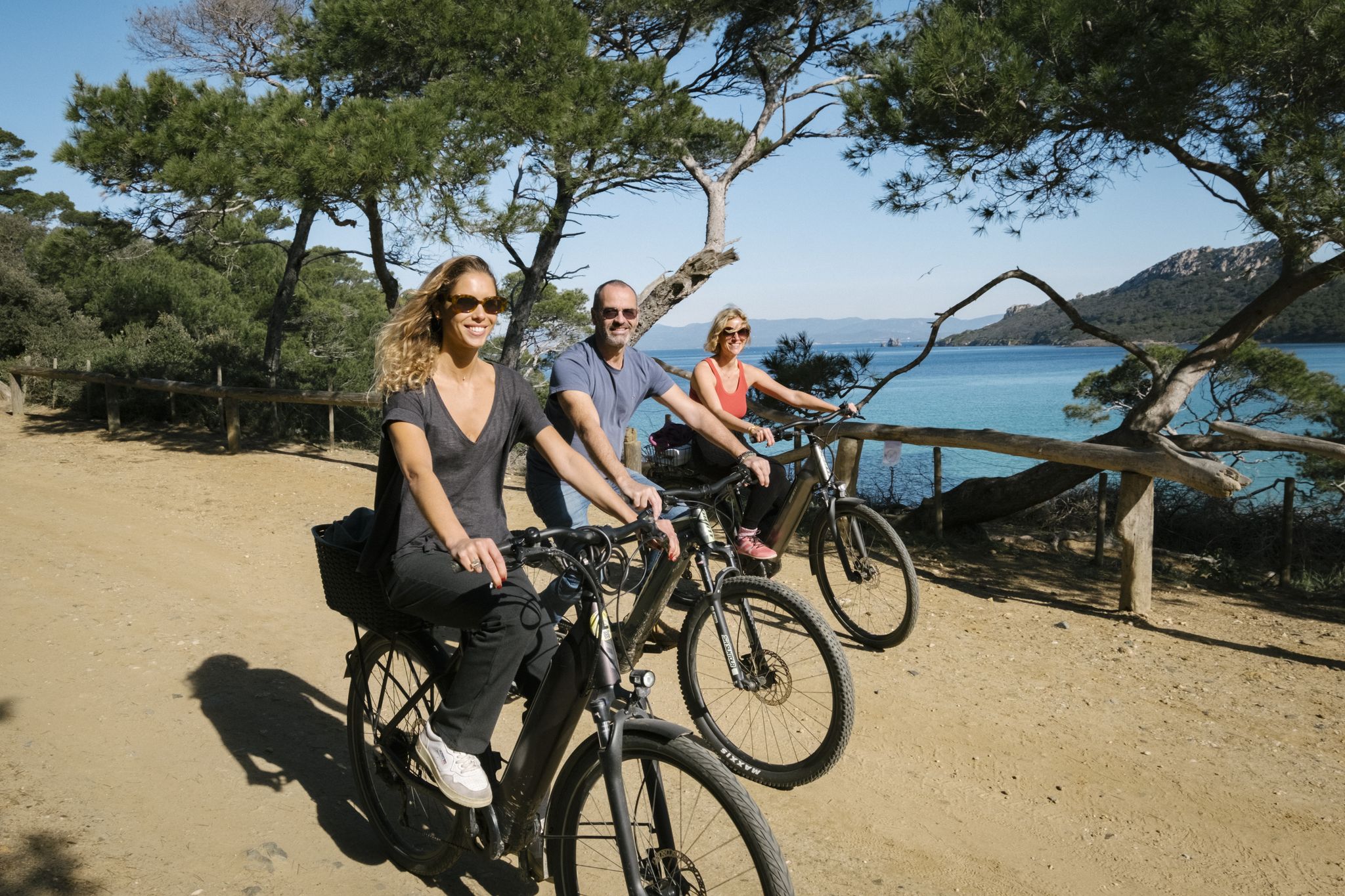
Cycling around Toulon – islands, peninsulas, massifs and vineyards
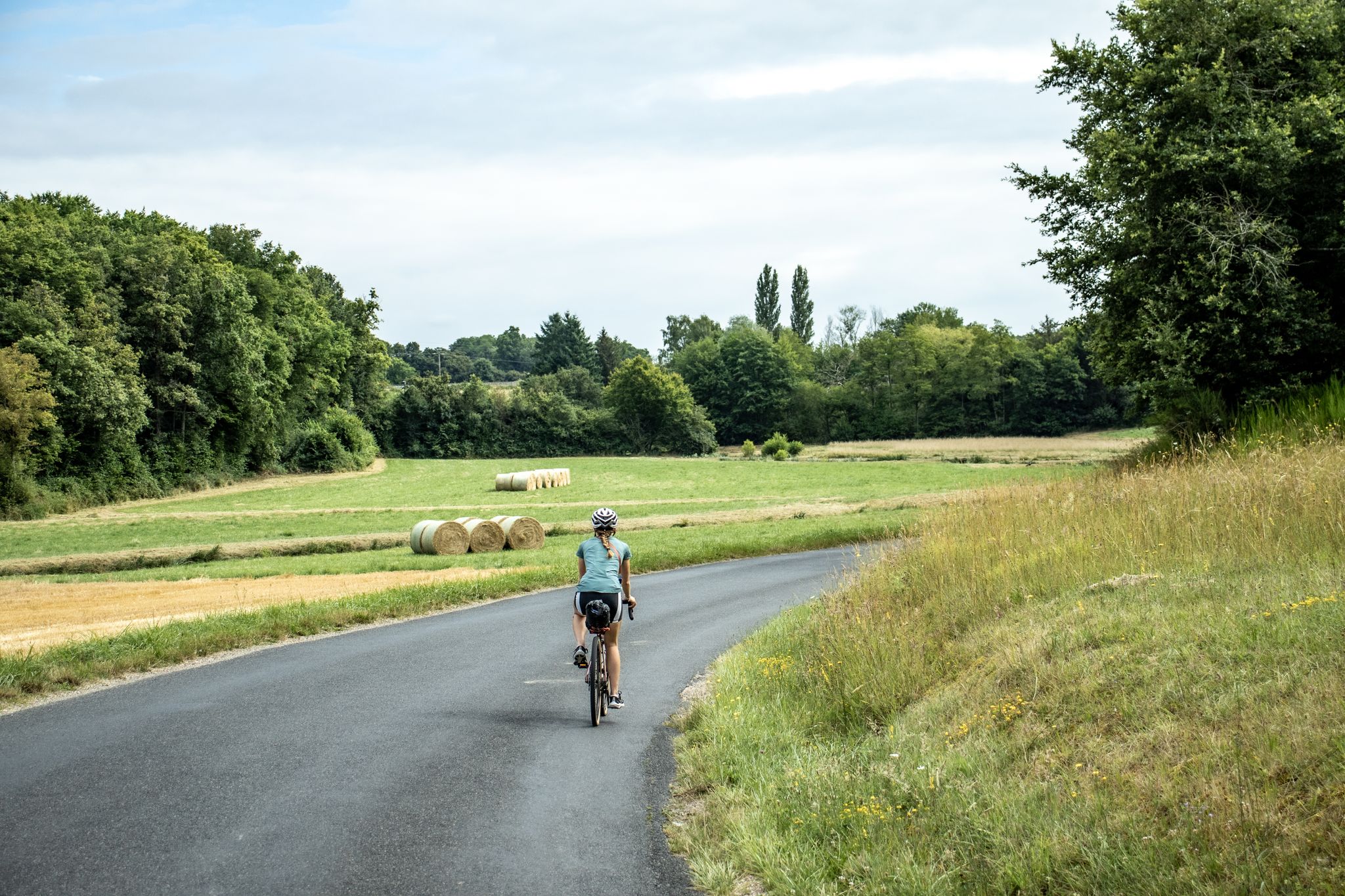
Itinéraires vélo en France accessibles en train — Mollow
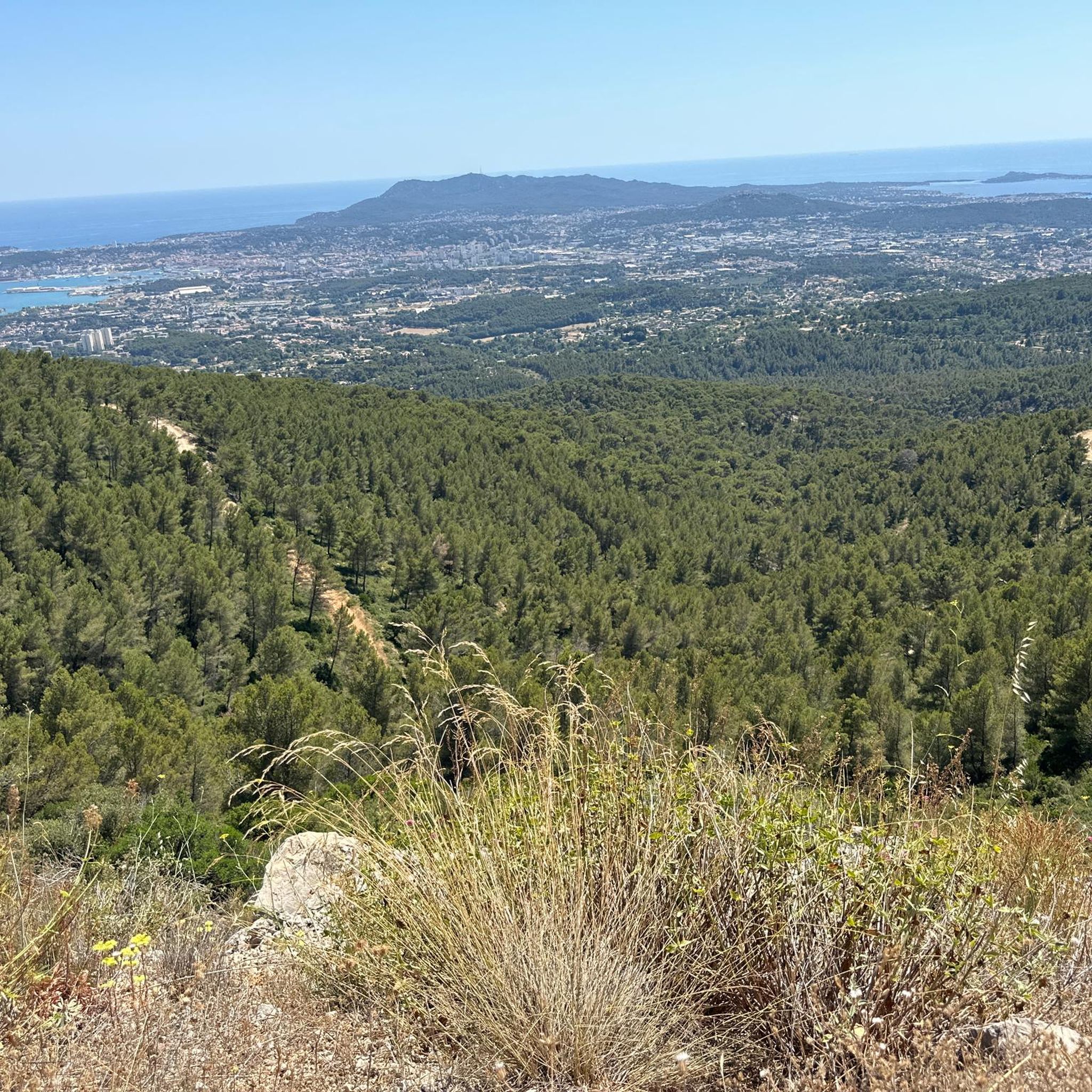
Road Cycling Routes around Ollioules
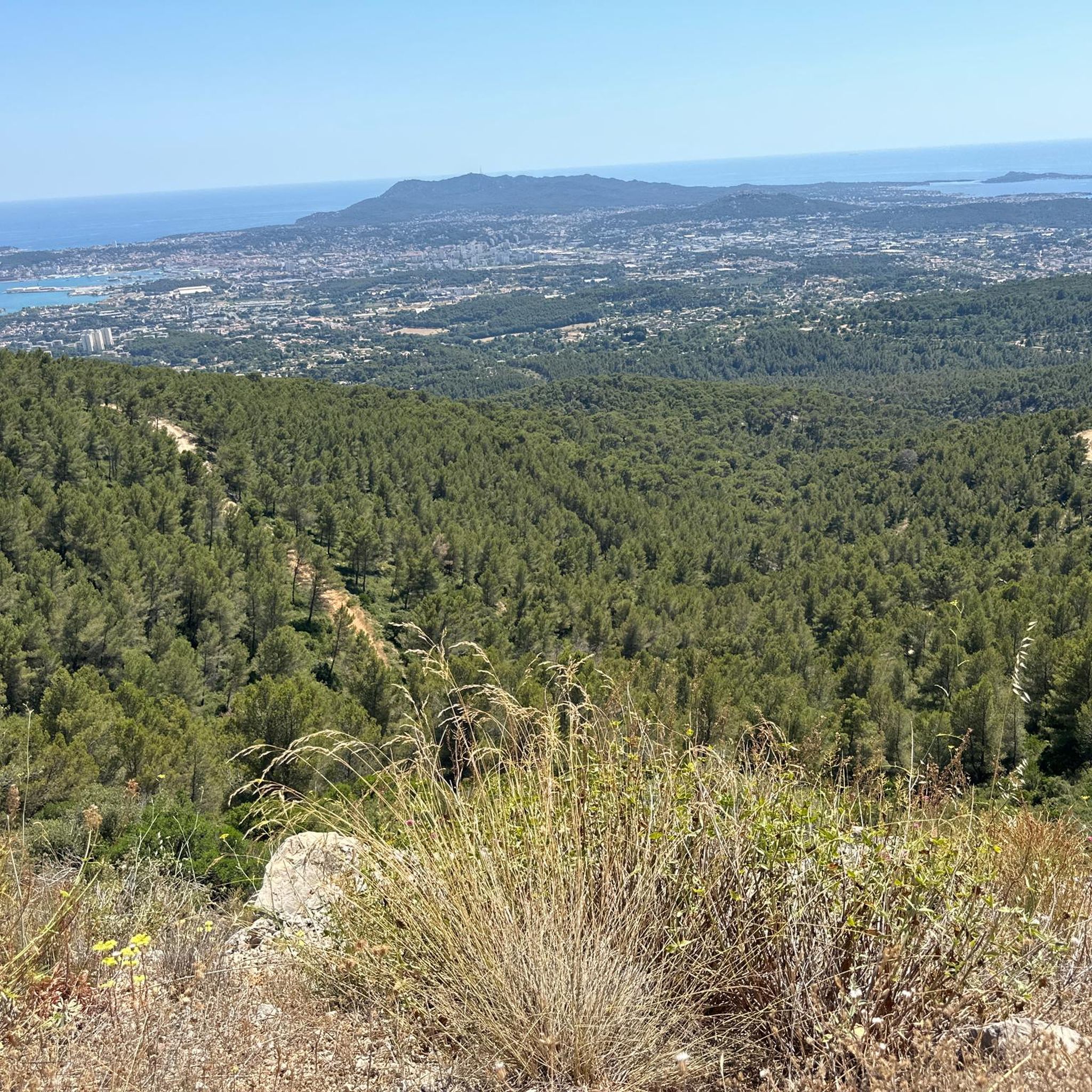
Cycling around Ollioules
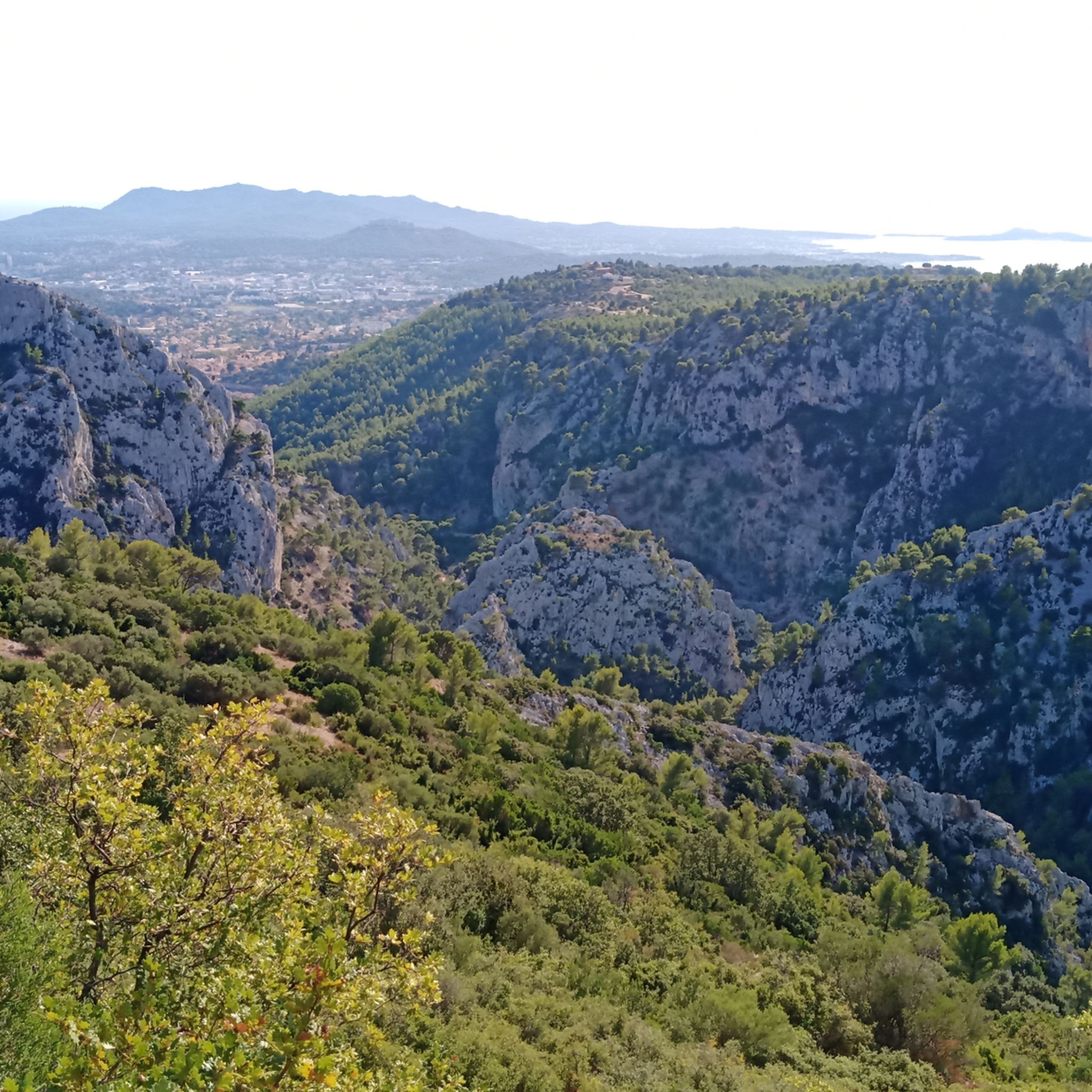
Hiking around Ollioules
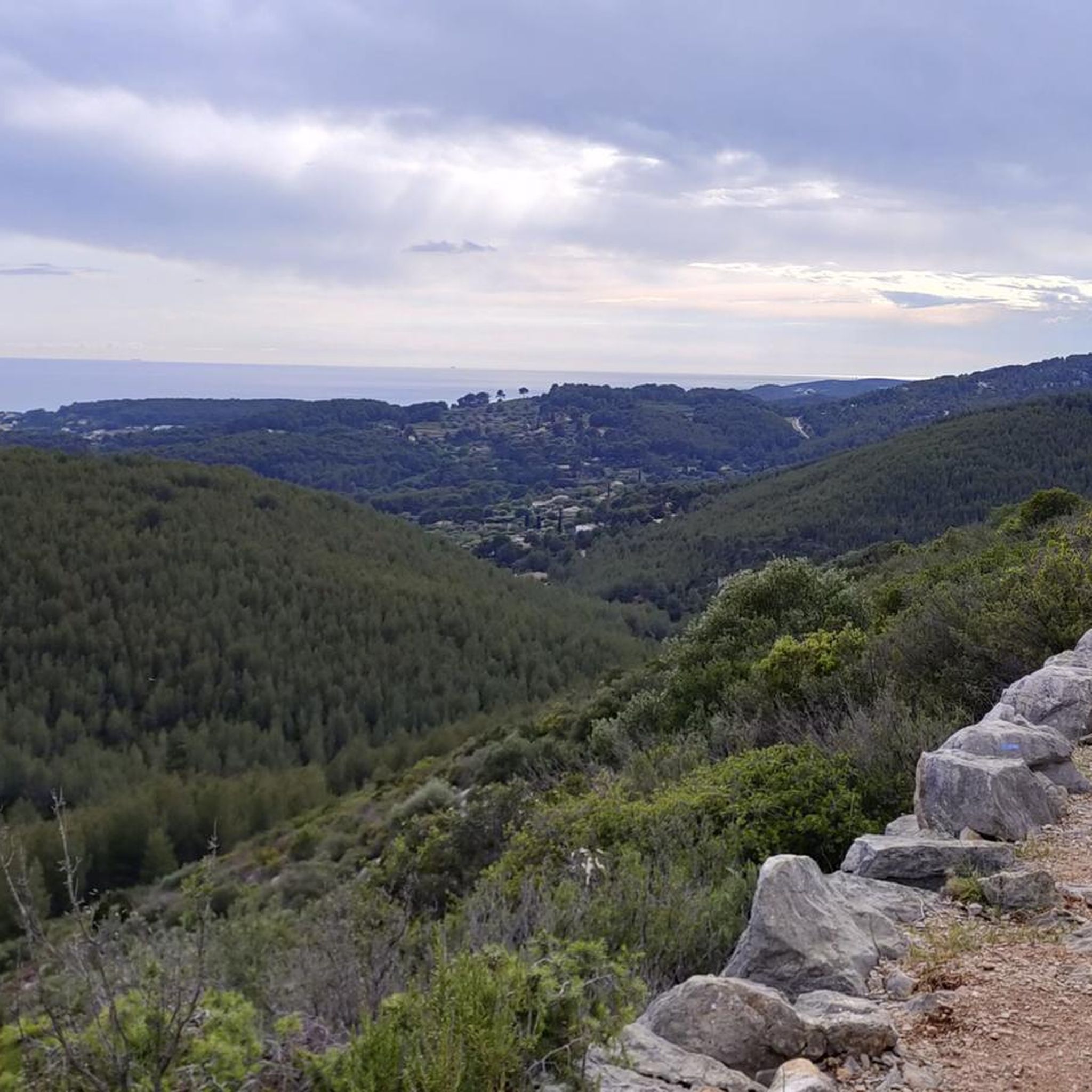
Running Trails around Ollioules
MTB Trails around Ollioules

Gravel biking around Ollioules
Other adventures around Ollioules


Tips from the Community

Beautifully situated bay, good swimming spot
1
0

The harbor is one of Toulon's most emblematic sites. It includes the small harbor, which houses the military port, the marina, and the ferry terminal, as well as the large harbor, a coastal strip stretching from the Tour Royale to Cap Brun. Thanks to its exceptional natural environment (the hills surround the city and overlook the harbor), Toulon has become the only harbor to combine maritime and land defenses. This military heritage of forts, towers, and other fortresses, combined with the historic presence of the Arsenal, now known as the naval base, today provides the opportunity to tell great stories of strategy, battles, and the Revolution. All year round, the boatmen located at the port offer guided tours of the most beautiful harbor in Europe: the naval base and buildings of the French Navy, the marine cemetery, the port of La Seyne-sur-Mer and the former shipyards, the Tamaris corniche, Lazaret Bay and its mussel beds, the Saint Mandrier peninsula, the fortifications (Eguillette, Balaguier, Tour Royale), and the Mourillon beaches. Toulon harbor is also an ideal navigational area for sailing, dinghy sailing, and a variety of water sports (sea kayaking, paddleboarding, rowing, etc.). It hosts numerous prestigious regattas and nautical races.
1
1

Superb cove in the Port d'Alon area, perfect for swimming. This part of the coastline is very busy - choose the morning or evening if you want to enjoy the calm.
0
0

The sanctuary serves as a memorial to the soldiers who fell in 1944, during the liberation of Provence.
0
0


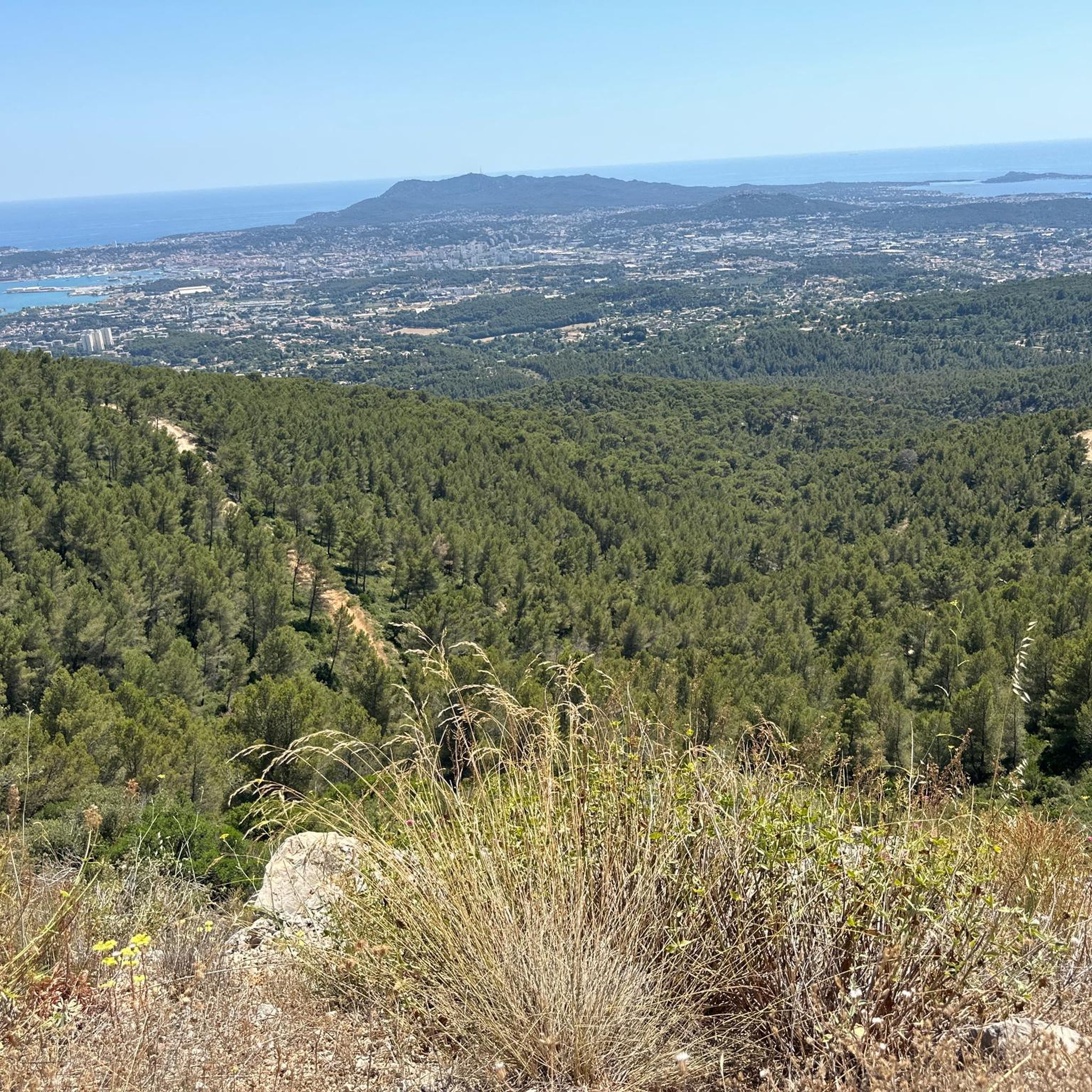
A splendid view where you can admire the Ciotat in the distance sanary bandol the fort of Six-Fours Toulon and its harbor
1
0


Brilliant views over a beautiful landscape, invites you to linger. Circular route/one-way street, in some places a bit narrow on the access road.
3
0
Frequently Asked Questions
What hiking opportunities are available around Ollioules?
Ollioules offers diverse hiking experiences. You can explore the impressive Ollioules Gorges, which were historically the sole route connecting Toulon and Marseille. The Massif du Gros Cerveau provides numerous trails with exceptional panoramic views of the coastline. For longer excursions, Ollioules is a stage along the popular GR 51 hiking trail. Additionally, komoot offers various MTB Trails around Ollioules, some of which are suitable for hiking.
Where can I find the best panoramic views near Ollioules?
For breathtaking panoramic views, head to Notre dame du mai, a viewpoint offering a 360° perspective of Six-Fours-les-Plages, the Toulon harbor, and the Giens peninsula. The Massif du Gros Cerveau, at 480 meters above sea level, also provides exceptional vistas of the coastline and the hinterland, including Sainte-Baume and Mont Faron.
Are there any coastal walks or beaches to visit near Ollioules?
Yes, the Sentier du Littoral is a coastal path offering stunning views and several bathing bays. It's a wonderful hike with constantly changing landscapes. You can also visit Port d'Alon Cove, a beautiful beach nestled in unspoiled nature, popular with both locals and tourists, featuring easy access and freshwater showers.
What historical sites can I explore in Ollioules?
Ollioules is rich in history. You can visit the medieval Church of St. Lawrence, with origins dating back to 1096, or explore the ruins of the Feudal Castle and its Garden of Ventimiglia, offering panoramic views. Wander through the Old Town's narrow, vaulted streets and arcades, noting architectural details like the Porch of the rue Gambetta. The Maison du Patrimoine, a 16th-century mansion, houses the metropolitan heritage museum, and the Oppidum de la Courtine is an archaeological site with a museum displaying monetary treasures.
What cultural experiences or artisan crafts can I discover in Ollioules?
Ollioules is recognized as a 'City and Crafts,' boasting approximately thirty artisan workshops where you can often see ceramists, jewelers, sculptors, and stained-glass artists at work. You can also visit the Public School Museum for a glimpse into a 1900s classroom, or discover the traditional process of making handmade nougat at the Jonquier house. The town also hosts vibrant Provencal Markets on Thursday and Saturday mornings, and a local producers' market on Monday and Friday evenings.
Are there family-friendly attractions in Ollioules?
Families can enjoy exploring the Public School Museum with its reconstructed 1900s classroom. The promenade along the River Reppe offers a pleasant walk. The hike to Notre dame du mai is also considered suitable for children, offering rewarding views. The Garden of Ventimiglia, at the foot of the feudal castle ruins, provides a green space for relaxation.
What other outdoor activities are popular around Ollioules besides hiking?
Beyond hiking, Ollioules is a great base for cycling. You can find numerous routes for Gravel biking around Ollioules, Road Cycling Routes around Ollioules, and MTB Trails around Ollioules. The pine forests at Château-Vallon also provide scenic backdrops for various outdoor pursuits.
What is the significance of the Ollioules Gorges?
The Ollioules Gorges are an impressive natural limestone formation that historically served as the sole route connecting the cities of Toulon and Marseille. Today, they offer a dramatic landscape for exploration and are a notable natural feature of the region, with the River Reppe flowing through them.
What is the Musée de la Marine and what can I see there?
The Musée de la Marine (Marine Museum) is ideally located next to the naval base and traces over 400 years of maritime history. Visitors can see magnificent, well-preserved ship models, the maneuver board of the famous Clémenceau, and learn about the history of boat building and the Toulon arsenal. It is also wheelchair accessible.
What is the Fête de l'Olivier?
The Fête de l'Olivier, or Olive Tree Festival, is an important annual festival in Ollioules. It typically takes place on the first weekend of October and celebrates the olive tree and its deep cultural significance to the region, reflecting Ollioules' agricultural heritage.
What do visitors enjoy most about the attractions around Ollioules?
Visitors particularly enjoy the stunning views from coastal paths and viewpoints like Notre dame du mai, the unspoiled nature of places like Port d'Alon Cove, and the diverse landscapes encountered on trails such as the Sentier du Littoral. The blend of historical sites, natural beauty, and local craftsmanship also contributes to a rich and appreciated experience.
Most popular routes around Ollioules
Most popular attractions around Ollioules

Get inspired with the komoot mobile app


Explore more
Still not found the Highlight you’re looking for? See guides of the top attractions in other regions:
