Top 20 Mountain Passes around Sallanches
Best mountain passes around Sallanches are situated in the Pays du Mont-Blanc, Haute-Savoie, France. The town is bordered by the Aravis, Mont-Blanc, and Faucigny massifs, providing access to diverse alpine landscapes. These passes offer routes for cyclists and hikers, alongside opportunities to explore the region's natural and historical heritage. The area features a variety of mountain passes, from challenging climbs to scenic routes with panoramic views.
Best mountain passes around Sallanches
- The most popular mountain passes is Col des Aravis, a mountain pass that connects the departments of Haute-Savoie and Savoie. This pass is popular with cyclists and offers scenic beauty.
- Another must-see spot is Col des Annes, a mountain pass at an altitude of 1,722 meters. Visitors can find a refreshment bar at the top and enjoy views of the Aravis range.
- Visitors also love Jaillet Pass, a mountain pass located in the Aravis chain. This pass offers a panorama of Mont-Blanc and is part of the Aravis natural zone of ecological, faunal, and floral interest.
- Sallanches is known for mountain passes offering cycling challenges, hiking routes, and historical significance. The region provides a variety of mountain passes to see and explore, catering to different activity levels.
- The mountain passes around Sallanches are appreciated by the komoot community, with over 700 upvotes and 275 photos contributed by users.
Last updated: October 13, 2026
Col des Aravis
Highlight • Mountain Pass
Translated by Google •
Tip by

Col de la Croix Fry
Highlight • Mountain Pass
Halfway between Manigod and La Clusaz and in the heart of the Aravis massif, it offers superb views of the Aravis and Tournette.
Translated by Google •
Tip by

Sign up now to discover places like this
Get recommendations on the best single tracks, peaks, & plenty of other exciting outdoor places.
Col de Véry
Highlight • Mountain Pass
Translated by Google •
Tip by
Col des Annes
Highlight • Mountain Pass
Translated by Google •
Tip by

Jaillet Pass
Highlight • Mountain Pass
Translated by Google •
Tip by

Sign up for free to discover even more mountain passes around Sallanches.
Already have an account?
Start today with a free account
Your next adventure awaits.
Popular around Sallanches
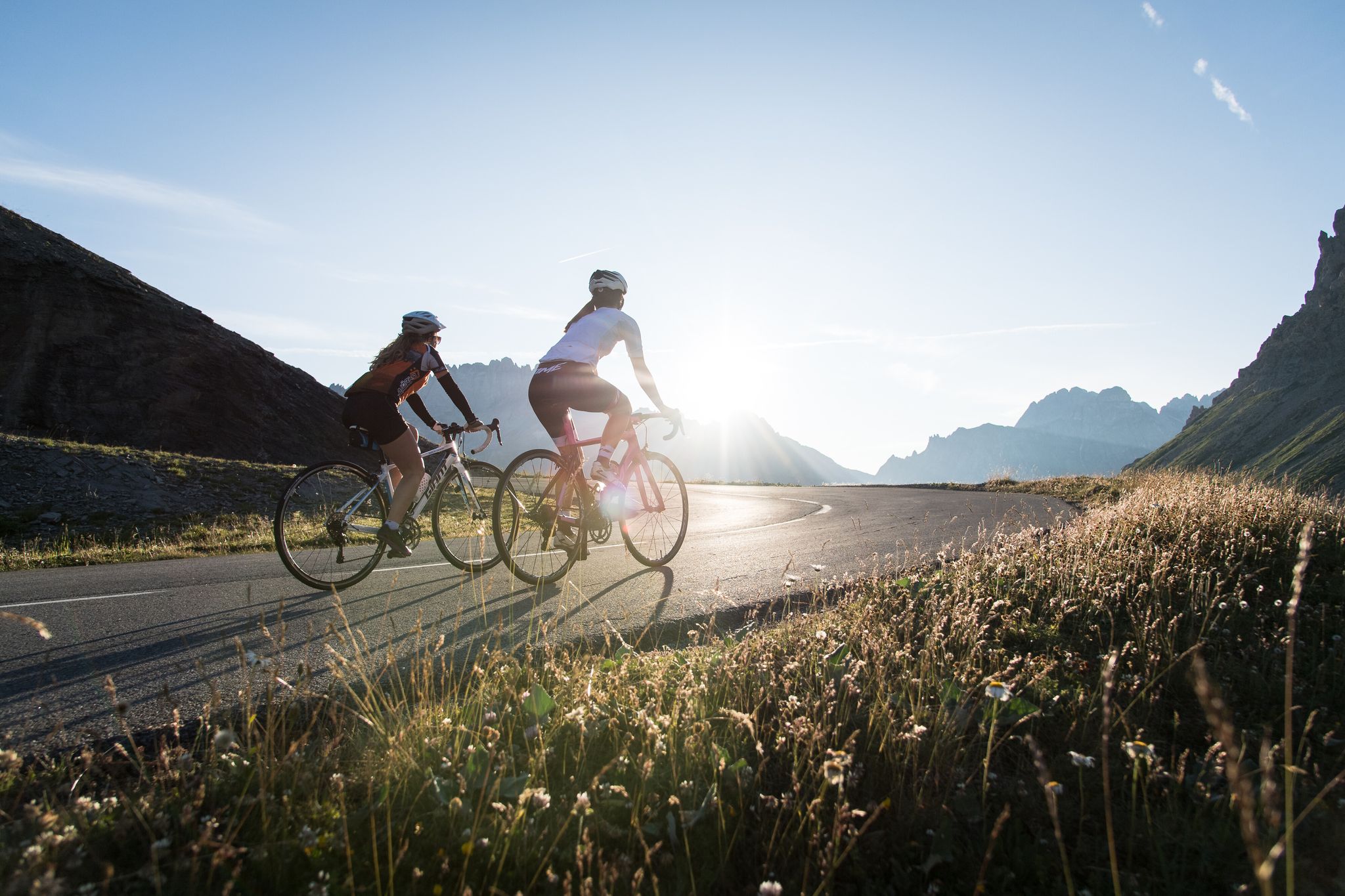
Cycling in Savoie Mont Blanc – discover routes between lakes and mountains
Mythical Alpine passes — five breathtaking rides in Chamonix
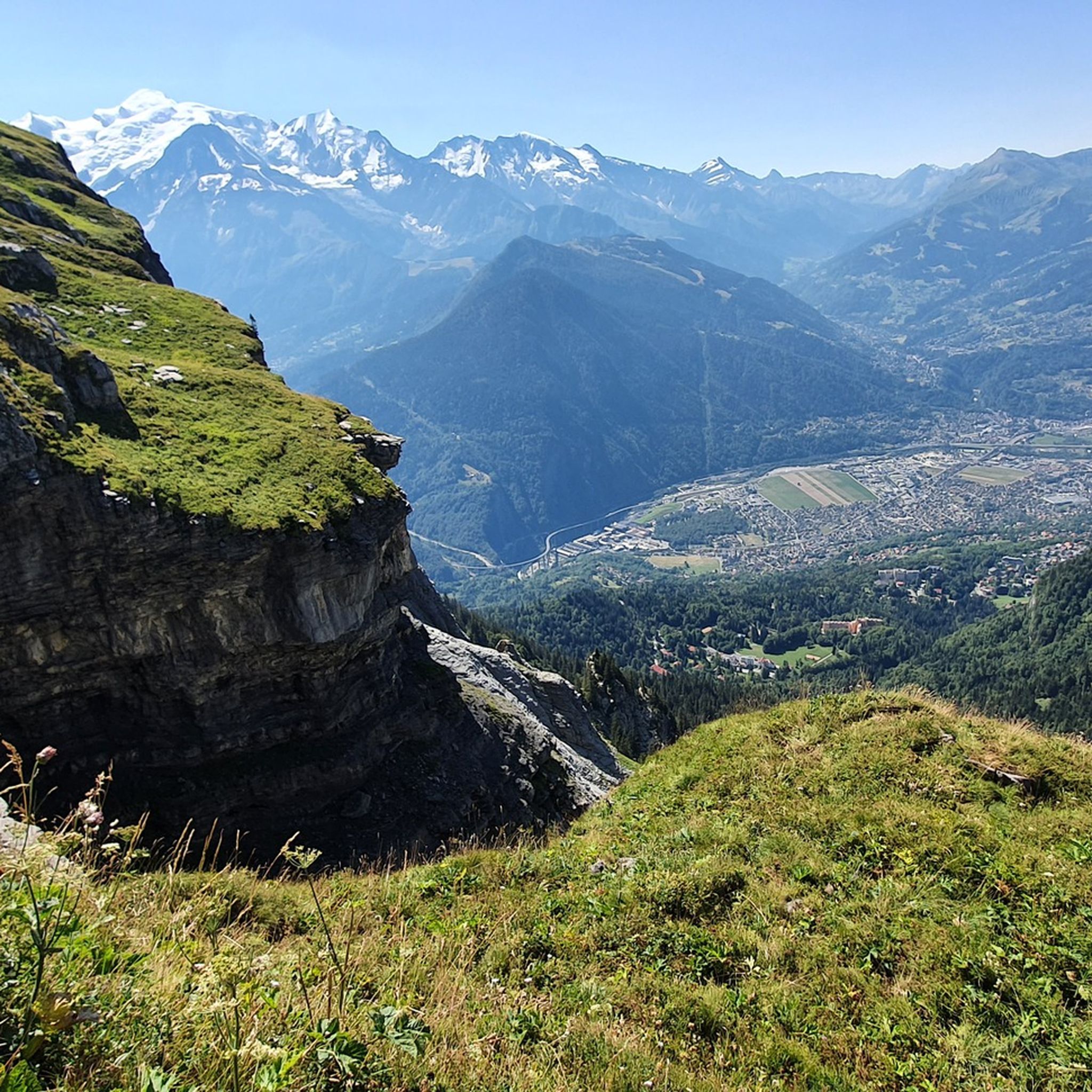
Hiking around Sallanches
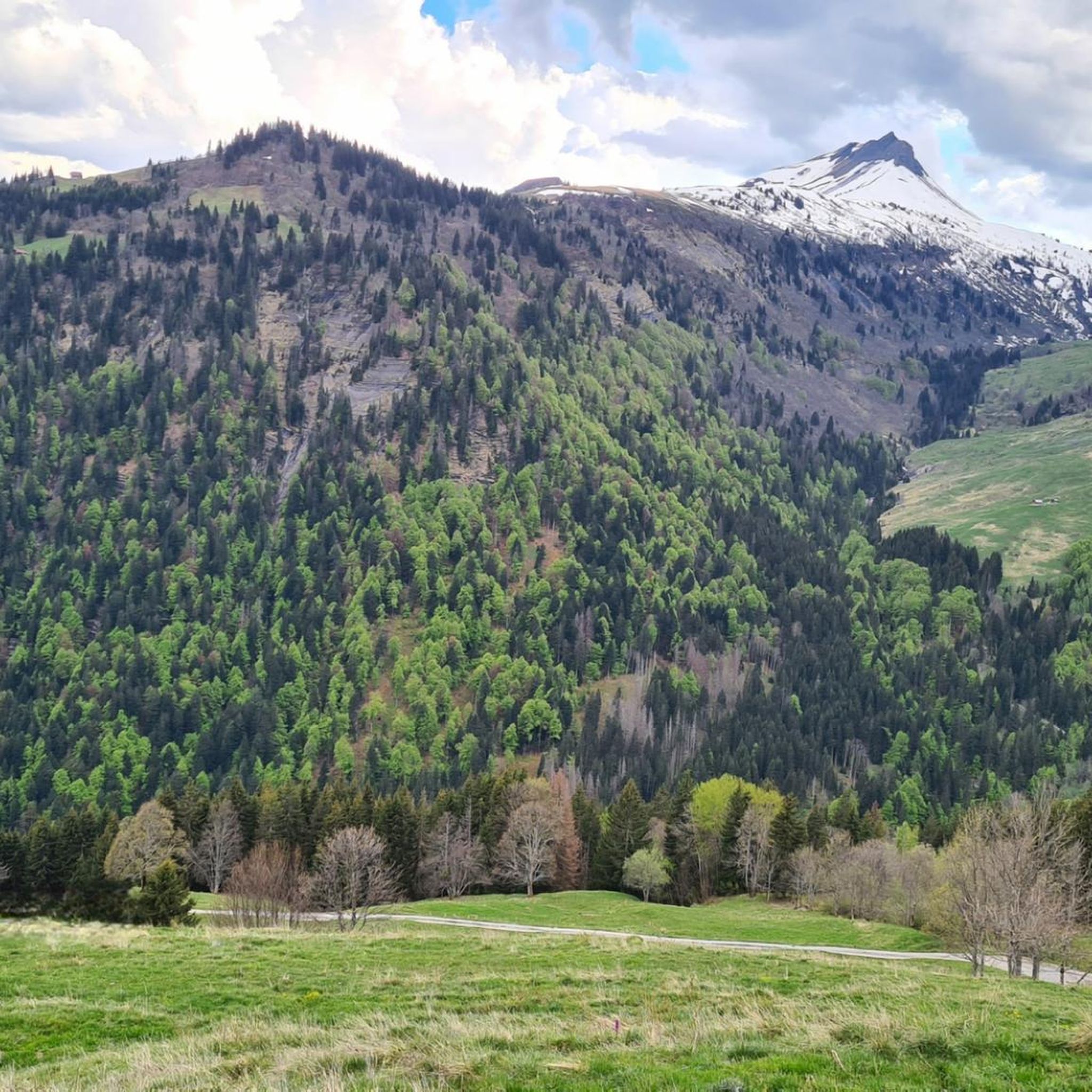
Running Trails around Sallanches
MTB Trails around Sallanches
Cycling around Sallanches
Road Cycling Routes around Sallanches
Gravel biking around Sallanches

Mountain Hikes around Sallanches


Tips from the Community

Magnificent view from the pass, but impossible on gravel.
1
0

Beautiful Col des Aravis, less frequented than the Col de la Colombière and the Col des Aravis.
0
1


In the heart of the Aravis massif, the Col de la Croix Fry is located at an altitude of 1,477 meters. It is situated on a pretty plateau that offers beautiful views of the surrounding mountains, including Mont Blanc.
0
0

The Col de Véry is an impressive mountain pass in France located at an altitude of 1,964 metres, on the border of the departments of Savoie and Haute-Savoie. The views from this pass are extraordinary as you can see the Mont Blanc massif in all its fullness if it is clear.
4
0


col des Annes is about 7.5km (as the crow flies) further to the northeast this section is only the entrance to the pass at 1723 m
0
0
Frequently Asked Questions
Which mountain passes near Sallanches offer the most spectacular views?
For breathtaking panoramas, consider the Jaillet Pass, which provides magnificent views of Mont-Blanc. The Col des Montets also offers spectacular views of the Chamonix Valley, high peaks, and glaciers, while the Col des Annes provides a stunning vista of the Aravis range.
Are there any mountain passes near Sallanches that are particularly good for cycling?
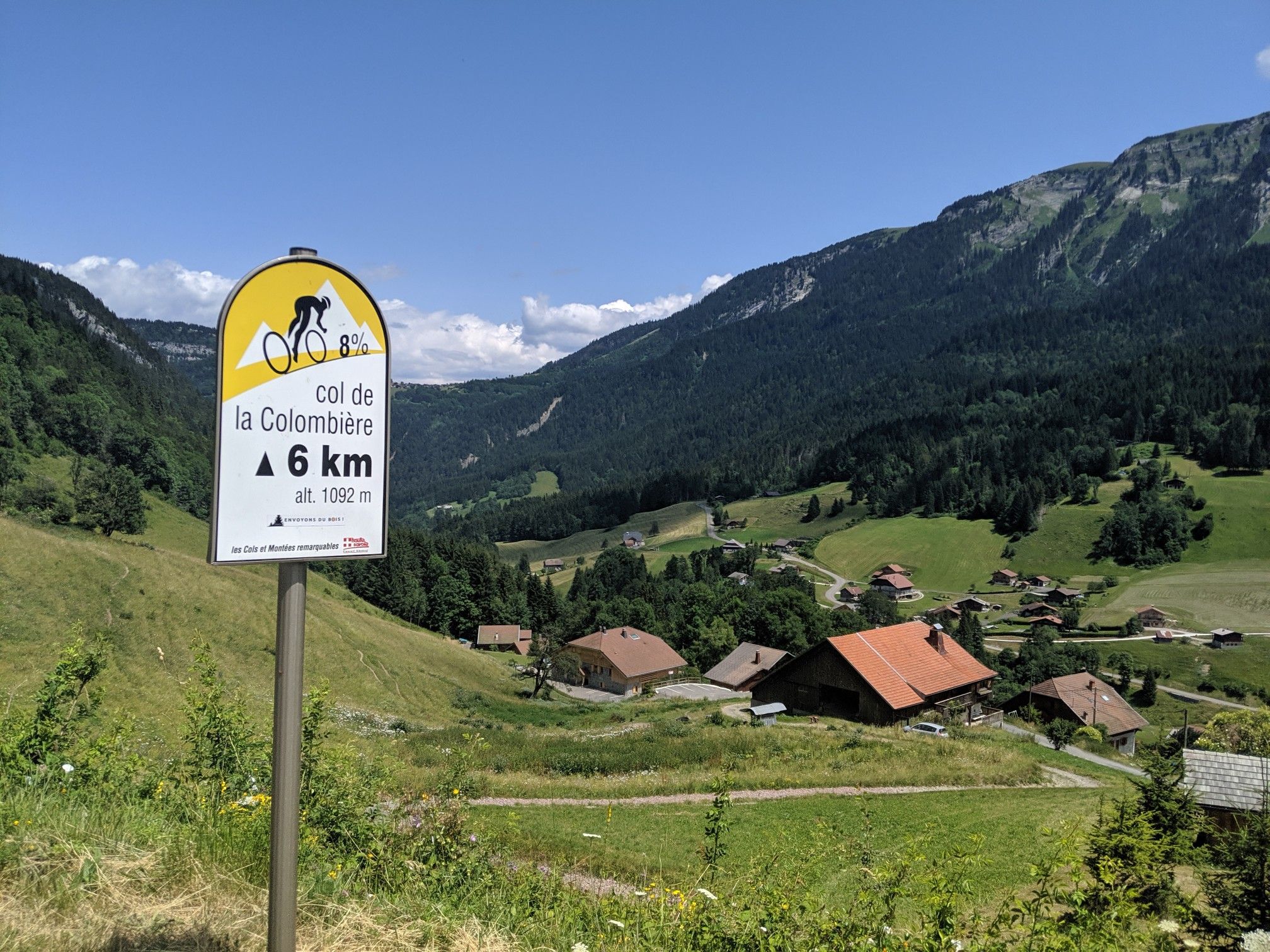
Absolutely! The Col des Aravis is very popular with cyclists, known for its scenic beauty and challenging routes. The Col de la Colombière is another must-visit for cycling enthusiasts, having been featured over 23 times in the Tour de France. For a direct challenge from Sallanches, the Côte de Passy is a popular route for local cyclists.
What historical significance do some of the mountain passes near Sallanches hold?
Many passes in the region have historical importance. The Jaillet Pass was a primary route between the Mont-Blanc region and the Aravis, with evidence of its use dating back to antiquity. The Col de Balme, located on the French-Swiss border, has historic trails that facilitated trade and travel for centuries. The Col de la Colombière and Col des Montets have also played a significant role in the Tour de France cycling history.
Are there family-friendly mountain passes or activities near Sallanches?
While many passes offer challenging routes, the Col des Montets is a great starting point for various trails, including a short botanical loop walk from its information center, making it suitable for families. The area around Côte de Passy also offers numerous outdoor activities, including hiking and proximity to Passy lake and the Passy National Nature Reserve, which can be enjoyed by families.
What kind of natural features and wildlife can I expect to see around these mountain passes?
The region is rich in natural beauty. The Jaillet Pass is part of the Aravis natural zone of ecological, faunal, and floral interest, home to rare species like the round-leaved sundew and the golden eagle. The Col des Montets is a major starting point for trails into the Aiguilles Rouges Natural Reserve, where you can learn about local flora and fauna. You'll find stunning alpine scenery, mountain pastures, and diverse landscapes throughout the passes.
What outdoor activities, besides cycling, can I do near the mountain passes around Sallanches?
The region offers a wide range of outdoor activities. You can find numerous hiking trails, such as those leading to Lac Blanc, Lacs Noirs, and Lac Cornu from Col des Montets. The Col de Balme is a key waypoint for trekkers undertaking the Tour du Mont Blanc. For more options, explore the Hiking around Sallanches guide, which includes routes like the Doran Refuge loop. Mountain biking and snowshoeing are also popular in certain areas.
Are there places to eat or rest near the mountain passes?
Yes, several passes offer amenities. At the Col des Annes, you'll find a refreshment bar at the top serving local specialties. The Jaillet Pass area features restaurants with panoramic views. The Col des Montets has a café available, and the Refuge du Col de Balme offers trekkers a place to rest. The Col de la Colombière also has cafes at its summit.
What is the best time of year to visit the mountain passes near Sallanches?
The best time to visit generally depends on your planned activities. For cycling and hiking, late spring through early autumn (May to October) offers the most favorable weather conditions and open roads. During winter, some passes like the Col des Montets may remain open but require snow chains or winter tires, and conditions are suitable for winter sports like snowshoeing.
What are the difficulty levels of the mountain passes around Sallanches?
The difficulty varies significantly. Passes like the Col des Aravis and Col de la Colombière are known for their challenging ascents, popular with experienced cyclists. The Côte de Passy offers a moderate cycling challenge. The Col de Cou (Vallée Verte) has routes with varying degrees of difficulty, including a western slope with a 7 km climb averaging 8%. Always check specific route details for elevation and gradient before heading out.
Can I find loop trails or circular walks around the mountain passes?
Yes, many areas around the passes offer opportunities for loop trails. For instance, the Col des Montets is a base for various trails, including a short botanical loop walk. While specific loop trails for each pass are not detailed, the general area around Sallanches provides numerous options for circular walks. You can explore the Hiking around Sallanches guide for routes like the Doran Refuge loop.
Is the Col de Balme accessible, and what makes it unique?
The Col de Balme, at 2,195 meters, is a high mountain pass on the border between Switzerland and France, linking Trient to Argentière. It's a prominent feature of the Tour du Mont Blanc trekking route. Its uniqueness lies in its unparalleled alpine scenery, being on the border of two countries, and its historic trails. Trekkers can enjoy well-maintained paths from Le Tour or Trient, leading to panoramic vistas of the Chamonix Valley and the Mont Blanc massif.
What is the Route du Col de Romme like for cyclists?
The Route du Col de Romme is known for its very steep descent (or climb) passing large cliffs and rock faces. It connects Cluses to the high mountains and opens up possibilities for challenging road bike routes. The climb via "Nancy sur Cluses" is particularly steep, with gradients of 13-14%, making it a significant challenge for cyclists.
Most popular routes around Sallanches
Most popular attractions around Sallanches

Get inspired with the komoot mobile app


Explore more
See even more epic mountain passes by checking out these guides around Sallanches:
