The best walks and hikes around Ambillou
4.3
(265)
1,248
hikers
74
hikes
Hiking around Ambillou offers diverse landscapes, from serene forests to riverbanks and cultivated plateaus. The region is characterized by valleys where rivers and streams create fertile grounds and varied ecosystems. Trails feature varied topography, including rolling hillsides and areas with elevation changes. This mix provides a range of experiences for outdoor enthusiasts.
Best hiking trails around Ambillou
- The most popular hiking route is Cléré-les-Pins loop, an 8.5 miles (13.7 km) trail that takes 3 hours 30 minutes to complete.…
Last updated: July 6, 2026
4.8
(8)
34
hikers
13.7km
03:31
50m
50m
Moderate hike. Good fitness required. Easily-accessible paths. Suitable for all skill levels.
4.8
(4)
13
hikers
Moderate hike. Good fitness required. Easily-accessible paths. Suitable for all skill levels.

Sign up for free
5.0
(2)
10
hikers
14.3km
03:39
50m
50m
Moderate hike. Good fitness required. Easily-accessible paths. Suitable for all skill levels.
7
hikers
4.26km
01:06
20m
20m
Easy hike. Great for any fitness level. Easily-accessible paths. Suitable for all skill levels.
4.5
(4)
9
hikers
3.43km
00:56
50m
50m
Easy hike. Great for any fitness level. Easily-accessible paths. Suitable for all skill levels.
Get access to more routes and recommendations from other explorers.
Sign up for free
Already have an account?
Our route recommendations are based on thousands of hikes, rides, and runs completed by other people on komoot.
Start today with a free account
Your next adventure awaits.
Login or Signup

Tips from the Community


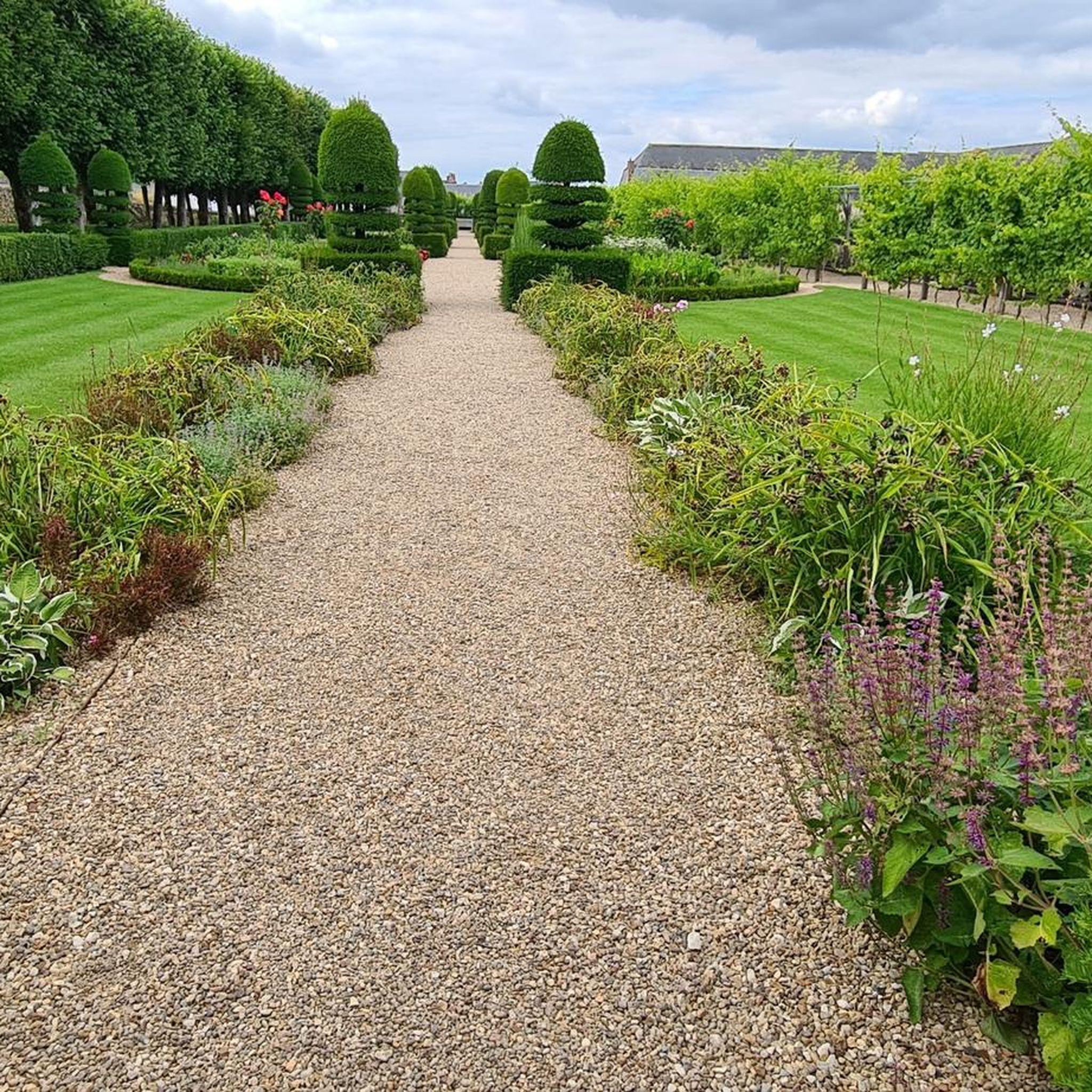
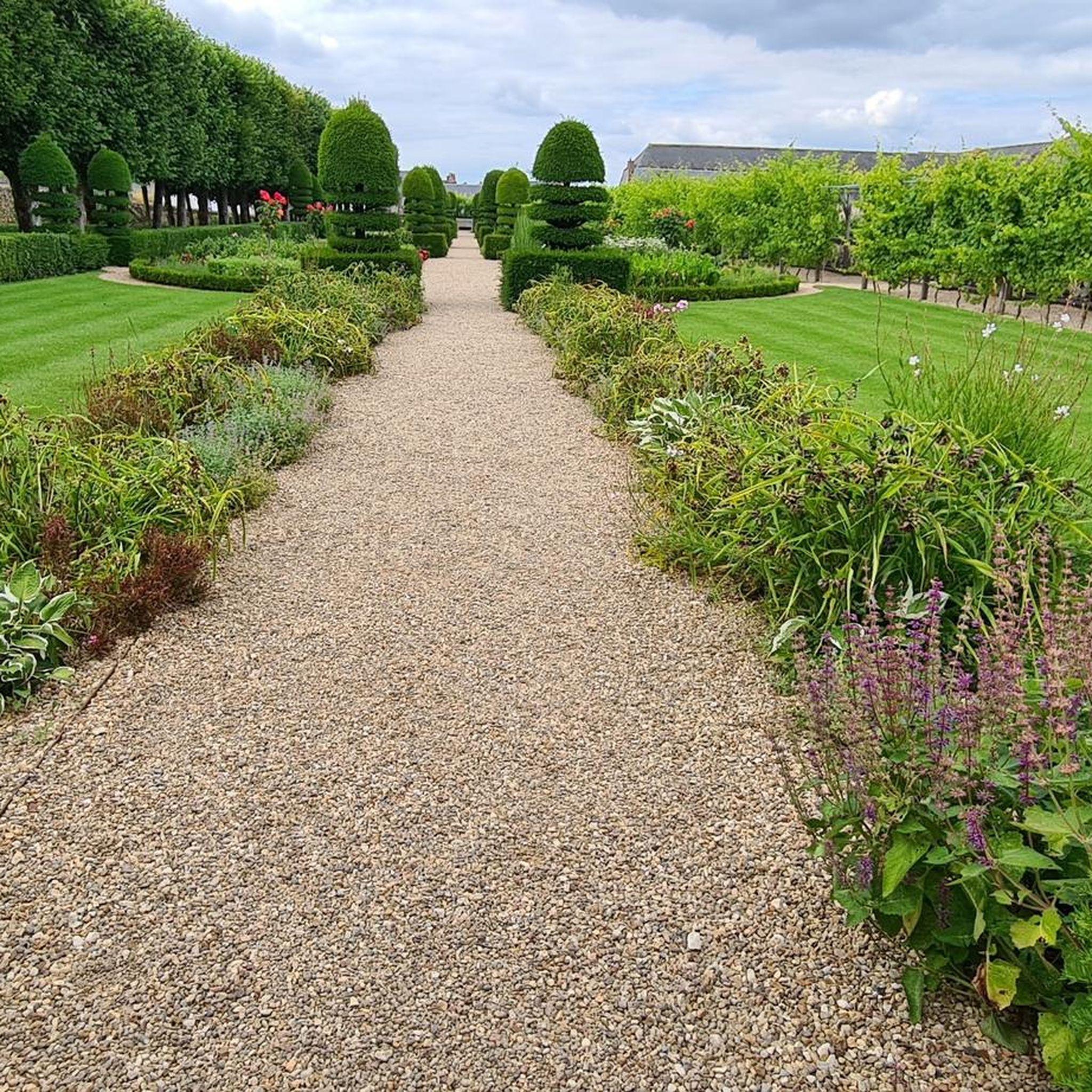
In Touraine, in the heart of a wooded estate, the Château de Champchevrier is both royal and family-friendly. Family-friendly because it has been inhabited by the same family since 1728. Royal because Kings Louis Louis XIII stayed at the castle on several occasions, his doctor Jean Hérouard recounts it in his memoirs. Rebuilt during the Renaissance then embellished in the 18th century, Champchevrier is both a Historic Monument and a family castle in which each generation has passed on the love and respect for heritage. The history of the castle begins in the 11th century when a first building was built by Hugues de Champchevrier. The owners then succeeded one another on these lands: the Maillé family, the Lavals, the Bastarnays then in 1550, the Daillons who were behind the construction of the Renaissance castle. On the François I Pavilion, we can still see the mullioned windows from this period. Henri de Daillon having no sons, it was his nephew Antoine de Roquelaure, Marshal of France, who inherited the castle in 1686. He contributed to the exterior development of the castle by creating courtyards, gardens and a moat. The Château de Champchevrier was sold in 1728 to Jean-Baptiste Pierre Henri, first Baron de Champchevrier. In fact, the lands of the domain were erected into a barony in 1741 by letters patent from Louis XV. The first baron created the large perspectives which extend from the castle towards the forest, and had the terrace built to give elegance to the residence. This taste for the French art of living is found in particular in the immense portrait room covered with a magnificent Italian marble floor and adorned with a sumptuous 18th century earthenware stove commissioned by a royal repurchase during the demolition of the Château de Richelieu. A very beautiful set of porcelain tableware and numerous pieces of old crystal are displayed in display cases. The beauty of the Château de Champchevrier also lies in the rich furniture of the different rooms open to the public: in the music room, the precious Regency period furniture was already part of the inventory of the château when it was purchased by the family in 1728. But the visit is also worth the detour for its collection of exceptional tapestries made by three factories in the 16th and 17th centuries, including eight unique tapestries in the world from the royal factory of Amiens based on cartoons by Simon Vouët, official painter to Louis XIIII . Finally, the Château de Champchevrier reveals the daily life of those who shared the lives of the owners behind the scenes. The lingerie, particularly complete in terms of accessories, is an interesting testimony to all the stewardship necessary for the life of such a place. In the old kitchens, the large battery of copper pans and other utensils from yesteryear allows you to imagine the activity of the staff. A visit to the Château de Champchevrier is an unforgettable walk between nature and heritage, to the rhythm of the seasons between the life of the hounds and the family events of a residence whose inhabitants, guarantors of traditions, have their eyes fixed on the future.
0
0

The Luynes aqueduct is an ancient Gallo-Roman aqueduct bridge. With an initial length of 500 meters, today only around 270 remain. According to estimates, the aqueduct carried water from a source located on one of the sides of the valley where it was built. The aqueduct would thus have made it possible to supply Malliacum (Roman name given to the town of Luynes) with running water.
1
0

Luynes Castle is an old fortified castle, founded in the 11th century, rebuilt and remodeled several times.
0
0
The Luynes aqueduct is an ancient Gallo-Roman aqueduct bridge. With the Cinq-Mars pile, it is the most famous Roman monument in the Indre-et-Loire department. The date of its construction is not known.
0
0
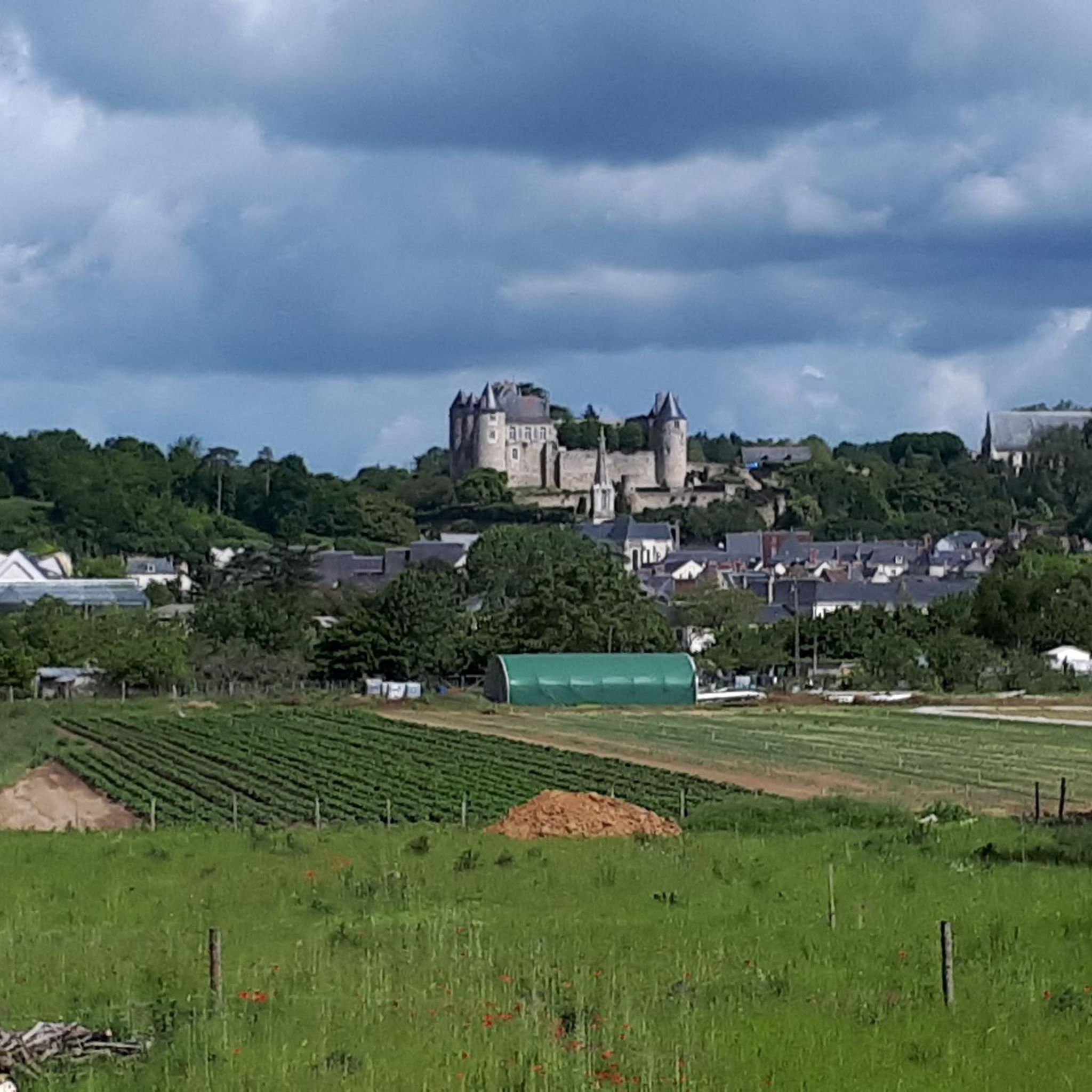
Luynes Castle stands proudly on a rocky promontory overlooking the Loire Valley. Built between the 13th and 17th centuries, the castle is closed to the public. So, from this small road, enjoy the panoramic view available to you.
1
0

Remember to turn around as soon as you finish climbing the small wall
0
0

It is a castle with a royal past. Kings Louis XI and XIII both enjoyed hunting on the estate, which is still a tradition here today. The castle has been inhabited by the same family since 1728.
1
0
Frequently Asked Questions
How many hiking trails are available around Ambillou?
Ambillou and its surroundings offer a wide selection of hiking opportunities, with over 70 routes available. These trails cater to various preferences, from easy strolls to more challenging treks, exploring the diverse landscapes of the Touraine and Anjou regions.
What types of landscapes will I encounter while hiking near Ambillou?
The region around Ambillou is characterized by a rich variety of natural environments. You can expect to hike through serene forests, along picturesque riverbanks and valleys, and across cultivated plateaus adorned with vineyards. The terrain varies, offering both gentle paths and areas with noticeable elevation changes.
Are there easy hiking trails suitable for families or beginners?
Yes, Ambillou has many easy trails perfect for families or those new to hiking. For example, the Luynes Aqueduct loop from Luynes is an easy 4.2 km path that takes about an hour, offering a glimpse of historical architecture. Another accessible option is the Saint-Étienne-de-Chigny loop from Saint-Étienne-de-Chigny, a 3.4 km route also taking around an hour.
What kind of historical landmarks or attractions can I see along the trails?
Many hiking routes in Ambillou combine natural beauty with historical and cultural points of interest. You might encounter impressive structures like the Château de Luynes, a castle dating from the 13th to 17th centuries, or the ancient Gallo-Roman Luynes Aqueduct. Some trails also offer views of the Cinq-Mars viaduct or pass through charming villages. For broader exploration, consider visiting the Gardens of the Château de Villandry or the unique petrifying caves of Savonnière.
Are there any circular hiking routes in the Ambillou area?
Yes, many of the trails around Ambillou are designed as circular routes, allowing you to start and end at the same point. Popular options include the Cléré-les-Pins loop, which is 13.7 km long, or the Epinenoire loop from Espace Naturel Sensible des Rouchoux, covering 14.3 km through natural spaces.
What do other hikers say about the trails in Ambillou?
The hiking trails in Ambillou are highly regarded by the komoot community, holding an average rating of 4.4 stars from over 200 reviews. Hikers often praise the diverse scenery, which includes serene forests, riverbanks, and cultivated plateaus, as well as the well-maintained paths suitable for various ability levels.
Can I bring my dog on the hiking trails around Ambillou?
Generally, dogs are welcome on many hiking trails in France, provided they are kept on a leash and you clean up after them. However, specific rules can vary, especially in nature reserves or protected areas. It's always best to check local signage at trailheads for any specific restrictions.
What is the best time of year to go hiking in Ambillou?
The Touraine and Anjou regions, including Ambillou, are beautiful throughout much of the year. Spring and autumn offer pleasant temperatures and vibrant scenery, with blooming flowers or colorful foliage. Summer can be warm, making early morning or late afternoon hikes ideal. Winter hiking is also possible, offering a different, quieter perspective of the landscapes.
Are there any trails that offer views of châteaux?
Absolutely. One notable route is the Views of the Château de Luynes – Saint-Étienne-de-Chigny loop from Saint-Étienne-de-Chigny. This moderate 8.5 km path provides scenic vistas, including impressive views of the historic Château de Luynes, perched majestically above the Val de Loire.
What kind of wildlife might I spot while hiking?
The diverse ecosystems around Ambillou, particularly along riverbanks and in forested areas, provide habitats for various wildlife. Hikers might spot local birds like herons, and if you're lucky, you could even catch a glimpse of beavers near the waterways. The tranquil forests also offer opportunities for observing smaller woodland creatures.
Are there any challenging hikes with significant elevation gain?
While many trails in Ambillou feature rolling hills and moderate elevation changes, the broader region offers routes that can include up to 3,000 feet of elevation gain. This variety ensures that both casual walkers and experienced hikers seeking a more strenuous workout can find suitable challenges within the extensive network of paths.
Are there opportunities for wildlife spotting on the trails?
Yes, the varied natural environments, especially along the riverbanks and within the forests, provide excellent opportunities for wildlife observation. Keep an eye out for local bird species such as herons near the waterways, and you might even spot beavers. The quieter trails are often the best for encountering local fauna.
Most popular attractions around Ambillou

Get inspired with the komoot mobile app


Explore more
Browse the best Hikes in other regions.
