Attractions and Places To See around Barbizon - Top 20
Best attractions and places to see around Barbizon, a village situated on the edge of the Fontainebleau Forest in north-central France. This region is historically significant as a 19th-century hub for artists of the Barbizon School, who found inspiration in its natural beauty. Visitors can explore a blend of cultural sites, historical landmarks, and natural features. The area offers opportunities to experience the landscapes that influenced the Realism movement.
Best attractions and places to see around Barbizon
- The most popular attractions is Fontainebleau Castle, a castle that is a UNESCO World Heritage Site and former royal residence. It features state rooms, royal apartments, and formal gardens.
- Another must-see spot is Barbizon Village, a settlement known as a village of painters. It offers a picturesque atmosphere with restaurants and serves as a gateway to the Fontainebleau Forest.
- Visitors also love Cross of Lorraine on the Maquisards' Pignon, a man-made monument. This site commemorates resistance fighters and provides views of the surrounding area.
- Barbizon is known for historical sites, cultural landmarks, and natural features. The area offers a variety of attractions to see and explore, from museums dedicated to the Barbizon School to the vast Fontainebleau Forest.
- The attractions around Barbizon are appreciated by the komoot community, with 4 highlights receiving 285 upvotes and 65 photos.
Last updated: August 12, 2026
Cross of Lorraine on the Maquisards' Pignon
Highlight • Monument
Translated by Google •
Tip by

Fontainebleau Castle
Highlight • Castle
Translated by Google •
Tip by

Sign up now to discover places like this
Get recommendations on the best single tracks, peaks, & plenty of other exciting outdoor places.
Sign up for free
Calvary Cross
Highlight • Monument
Translated by Google •
Tip by

Barbizon Village
Highlight • Settlement
Translated by Google •
Tip by

Fleury-en-Bière Castle
Highlight • Castle
Translated by Google •
Tip by

Sign up for free to discover even more attractions around Barbizon.
Sign up for free
Already have an account?
Start today with a free account
Your next adventure awaits.
Login or Signup
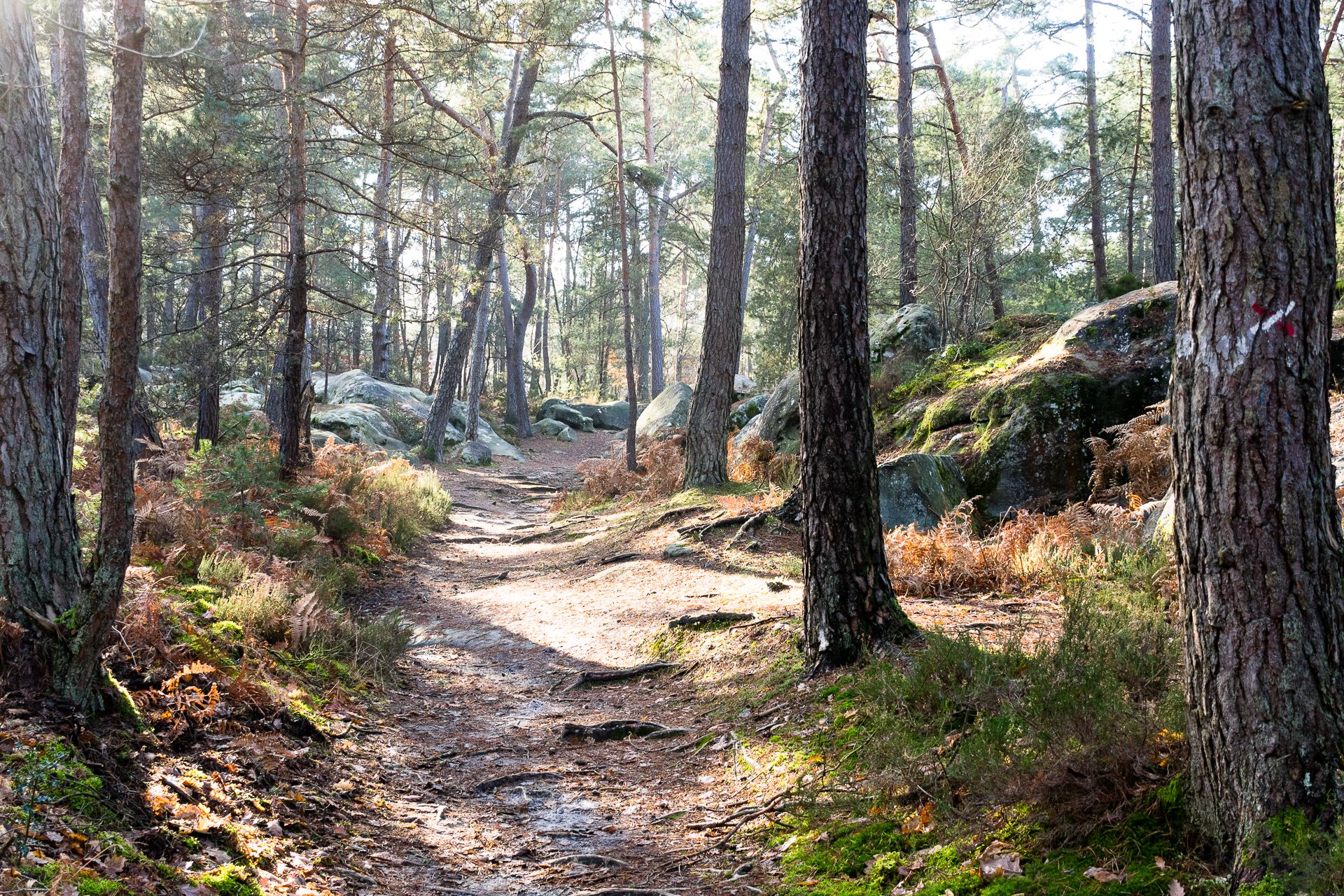
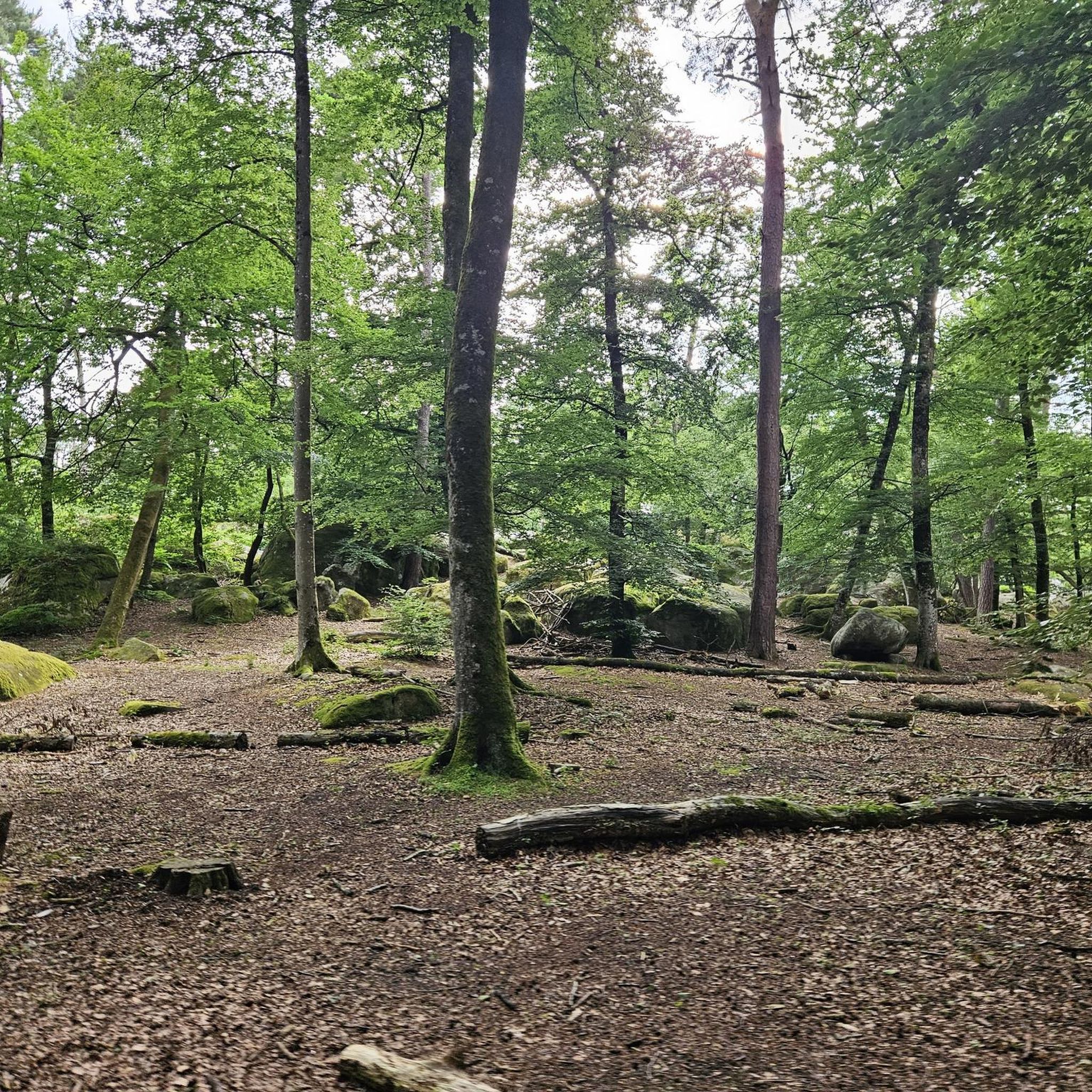
Other adventures around Barbizon

Tips from the Community

No cycling in the castle grounds... on foot only
0
0

"Built by King Louis IX in 998 as a simple hunting lodge in the heart of the "Ile de France," Fontainebleau soon fell into obscurity. It wasn't until Francis I discovered his love for Fontainebleau and elevated it to a royal residence that the palace's true history began, as the ancestral home of the French kings. Henry IV had the complex expanded, and under Napoleon I, the building was extensively restored as the first imperial residence." With these words, a text on the media library's website introduces a 15-minute film (in German) about the UNESCO World Heritage Site. If you're interested, see => https://www.ardmediathek.de/video/schaetze-der-welt/fontainebleau-frankreich-folge-19/swr/Y3JpZDovL3N3ci5kZS83MjQ1NTMy
0
0

passage through the park possible by bicycle
0
0
The origins of this imposing wayside cross are said to date back to the 17th century; it has been destroyed several times since – including during the French Revolution – but always rebuilt. The crossing, i.e. the intersection of the longitudinal and transverse beams of the cross, is designed as a closed circle, the transverse beam bears the inscription „Croix de Calvaire“. The name refers to Calvary Hill, in memory of the crucifixion of Jesus Christ on Golgotha (this Aramaic word means – just like Calvaire, derived from Latin – „skull place“) near Jerusalem.
2
0

At the Château de Fontainebleau, the Cascades basin serves as a visual transition between the different levels of the French garden. An essential element during your stroll in the park.
0
0

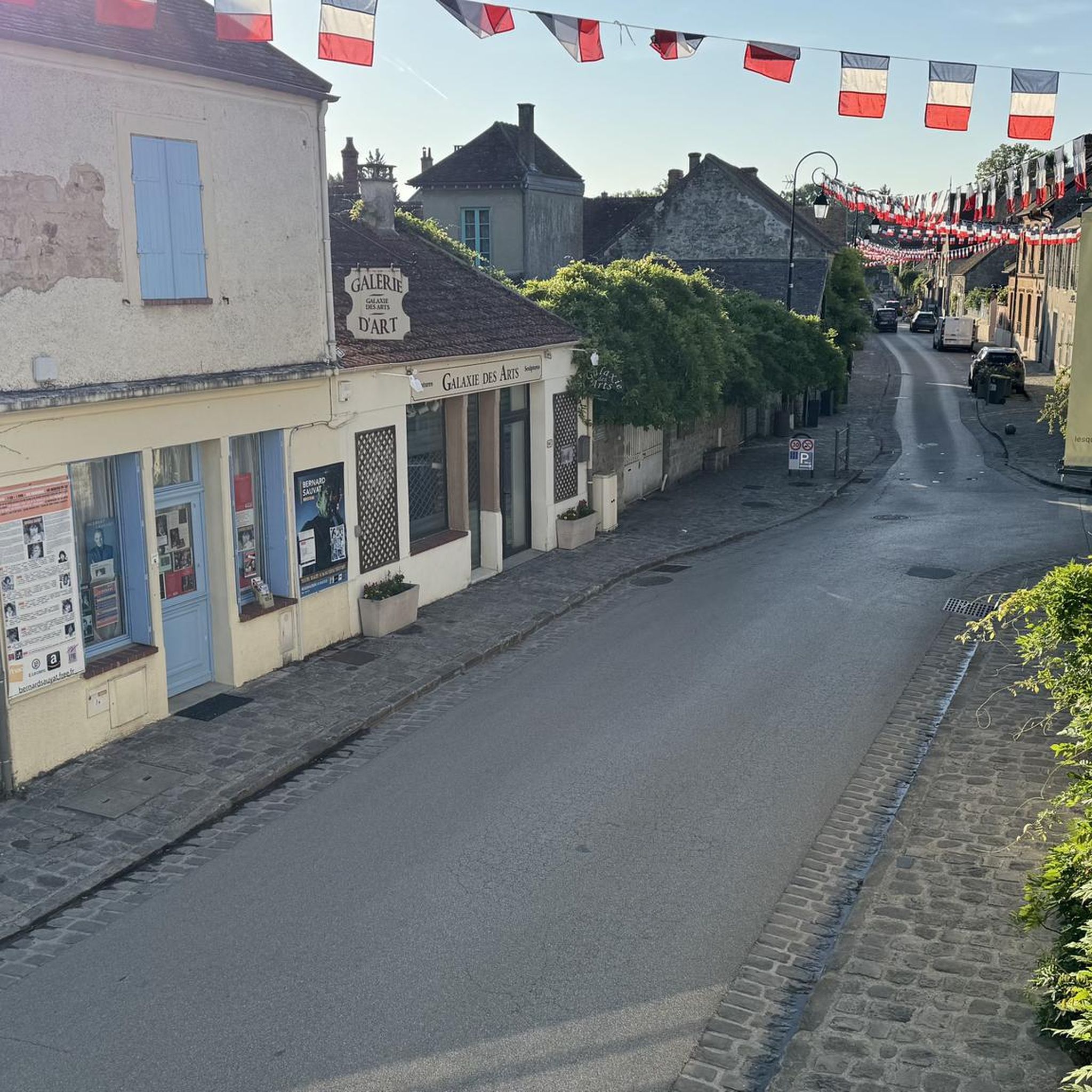
Barbizon, a must-see of must-sees! Even the streets are decorated with mosaic paintings! Unclassifiable!
0
0

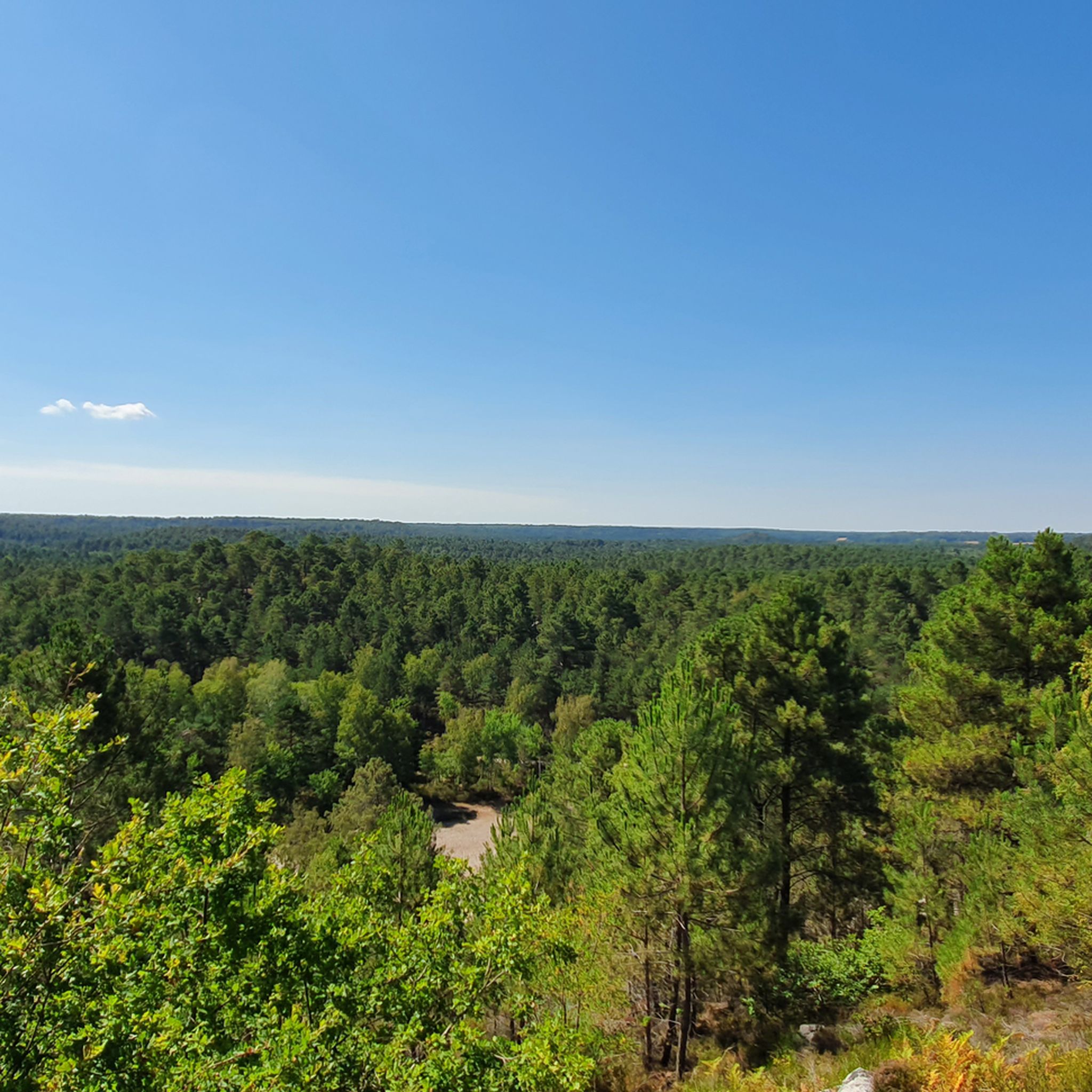
This Lorraine cross is actually located on the gable of the maquisards. There is a beautiful view of Fontainebleau. This place also serves as a break/photo point for trailers/hikers.
0
0

This was one of the locations used for the filming of the 3 Mousquetaires with Vincent Cassel, François Civil, Romain Dursis & Pio Marmai
0
0
Frequently Asked Questions
What cultural and historical sites can I explore in Barbizon?
Barbizon is rich in history, especially related to the Barbizon School of painters. You can visit the Barbizon Village itself, which is a picturesque settlement. Key cultural sites include the Musée des Peintres de Barbizon (Barbizon School Museum), which encompasses the Auberge Ganne and Théodore Rousseau's House-Studio, and La Maison & Atelier de Jean-François Millet. Other landmarks include the Chapelle Notre Dame de la Persévérance and the Besharat Gallery & Museum.
Where can I learn more about the Barbizon School of painters?
To delve into the history of the Barbizon School, visit the Musée des Peintres de Barbizon. This museum is spread across two significant locations: the Auberge Ganne, a former inn where artists gathered, and Théodore Rousseau's House-Studio. You can also explore La Maison & Atelier de Jean-François Millet, which was the home and workshop of another celebrated painter from the school. For more details on the Barbizon School Museum, you can check Fontainebleau Tourisme or Visit Paris Region.
What natural attractions are there to see around Barbizon?
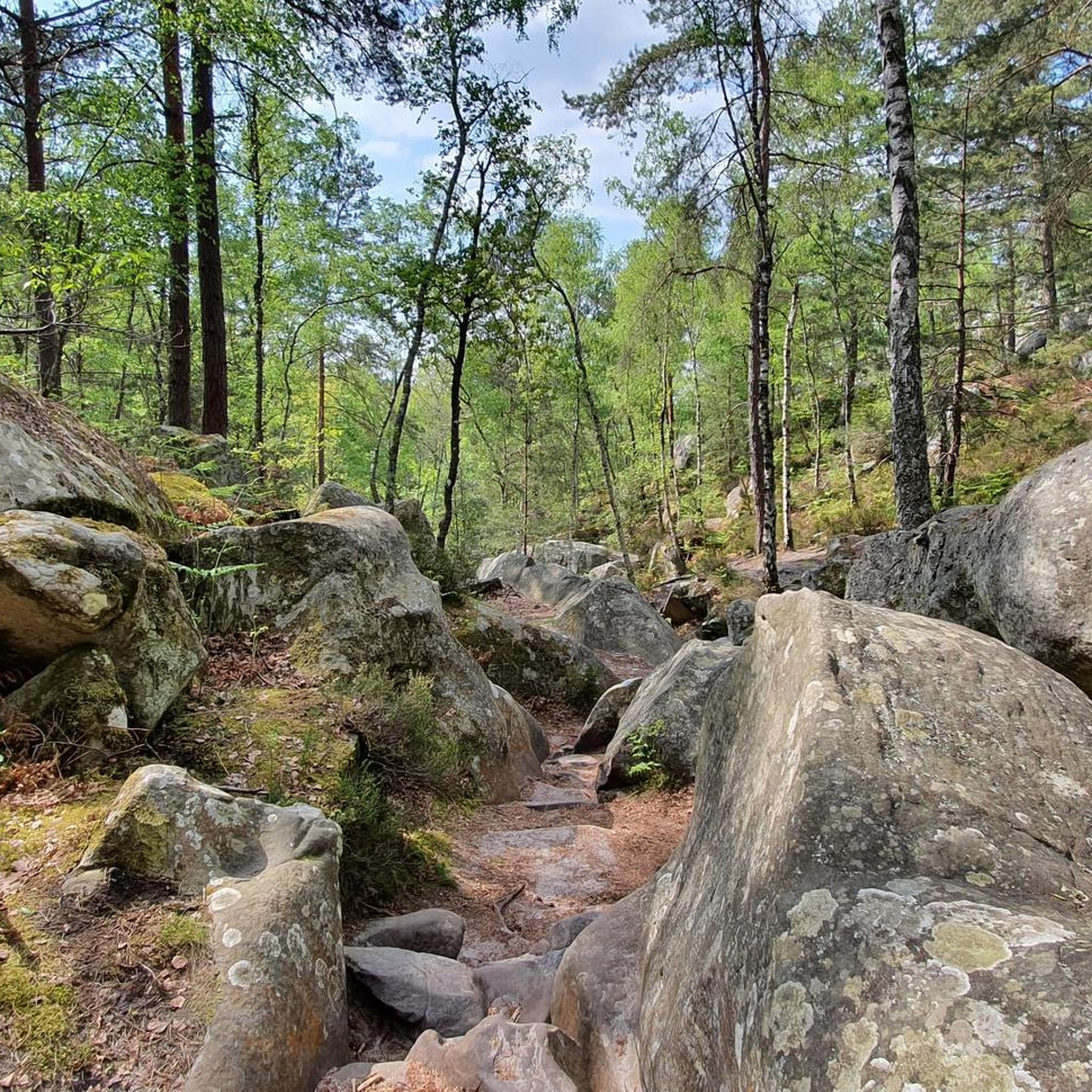
Barbizon is situated on the edge of the vast Fontainebleau Forest, a UNESCO Biosphere Reserve. This forest offers diverse natural beauty, including unique rock formations that resemble animals like an elephant, a sleeping hippo, or a sheep. You can also find notable viewpoints such as the Cross of Lorraine on the Maquisards' Pignon and the Calvary Cross, both offering superb panoramas.
Are there opportunities for outdoor activities like hiking or cycling near Barbizon?
Absolutely! The Fontainebleau Forest surrounding Barbizon is ideal for outdoor activities. You can find numerous trails for hiking, cycling, and even rock climbing. For hiking, explore routes like the 'Circuit des Peintres de Barbizon' or various loops around the Apremont gorge. For running, there are challenging routes such as the 'Barbizon and Gorges d'Apremont Loop'. Gravel biking enthusiasts can enjoy longer routes like the 'Barbizon Village – Platière de Coquibus loop'. You can find detailed guides for these activities on our pages for Hiking around Barbizon, Running Trails around Barbizon, and Gravel biking around Barbizon.
What are some family-friendly attractions in the Barbizon area?
Many attractions around Barbizon are suitable for families. The Barbizon Village itself is charming to wander through. The vast Fontainebleau Forest offers plenty of space for family hikes and exploring unique rock formations. Nearby, the magnificent Fontainebleau Castle is a UNESCO World Heritage Site with grand rooms and extensive gardens that children often enjoy. Additionally, Les Affolantes, a collection of Belle-Époque villas along the Seine, can be an interesting sight for a family stroll.
What is the best time of year to visit Barbizon?
The mild weather and vibrant countryside colors in spring (March to May) and fall (September to November) make these seasons ideal for exploring Barbizon and the surrounding Fontainebleau Forest. During these times, the natural beauty that inspired the Barbizon School painters is particularly striking.
Are there any grand châteaux to visit near Barbizon?
Yes, two remarkable châteaux are located near Barbizon. The most prominent is Château de Fontainebleau, a UNESCO-listed palace that was home to many French kings and emperors, featuring lavish rooms and 300 acres of gardens. Another notable option is Vaux-le-Vicomte Castle, known for its stunning architecture and formal gardens, which can also be visited in the vicinity.
What kind of unique rock formations can be found in the Fontainebleau Forest?
The Fontainebleau Forest is famous for its unusually shaped sandstone rock formations. Visitors can discover rocks that resemble various animals, such as an elephant, a sleeping hippo, or a sheep. These natural sculptures were a significant source of inspiration for the Barbizon School painters and are popular spots for hikers and climbers.
Are there trails that follow in the footsteps of the Barbizon painters?
Yes, you can follow the 'Circuit of the Painters,' a yellow-marked loop trail within the Fontainebleau Forest. This trail allows visitors to experience the natural settings that inspired the 19th-century landscape painters of the Barbizon School, offering a unique blend of art history and nature exploration. You can find this and other hiking routes in our guide for Hiking around Barbizon.
What is the Barbizon Village like for visitors?
The Barbizon Village is a charming and picturesque settlement known as a village of painters. It offers a timeless atmosphere with a variety of restaurants and serves as a gateway to the Fontainebleau Forest. Visitors enjoy wandering its streets, exploring art galleries, and following mosaic trails depicting works by famous artists who painted there. It's a beautiful destination to relax and soak in the artistic heritage.
What are 'Les Affolantes' and where can I find them?
Les Affolantes are a series of bourgeois villas from the Belle-Époque era, located between Seine-Port and Saint-Mammès along the banks of the Seine. These unique houses, where artists like Rosa Bonheur and Stéphane Mallarmé sought inspiration, surprise hikers with their neo-Norman style. They offer a glimpse into the region's architectural and cultural past.
Are there any specific running trails recommended near Barbizon?
For runners, the area around Barbizon offers several trails, often with challenging terrain. Popular routes include the 'Barbizon and Gorges d'Apremont Loop,' which covers over 18 km, and various loops around the Apremont gorge, such as the 'Viewpoint overlooking Apremont – Apremont gorge loop' or the 'Elephant Rock – Apremont gorge loop.' You can explore more options in our dedicated guide for Running Trails around Barbizon.
Most popular routes around Barbizon
Most popular attractions around Barbizon

Get inspired with the komoot mobile app


Explore more
Still not found the Highlight you’re looking for? See guides of the top attractions in other regions:
