Top 6 Castles around La Ville-Aux-Dames
Best castles around La Ville-Aux-Dames are found in the surrounding Loire Valley, a region recognized for its numerous historical châteaux. While La Ville-Aux-Dames itself does not host castles within its municipal boundaries, the area provides access to several notable examples. These structures often feature distinct architectural styles, extensive gardens, and historical significance, many located along the Cher River. The region offers a blend of cultural heritage and natural landscapes for exploration.
Best castles around La Ville-Aux-Dames
- The most popular castles…
Last updated: July 1, 2026
Château de la Bourdaisière
Highlight • Castle
Translated by Google •
Tip by

Nitray Castle
Highlight • Castle
Translated by Google •
Tip by

Sign up now to discover places like this
Get recommendations on the best single tracks, peaks, & plenty of other exciting outdoor places.
Sign up for free
Châteaux Trail
Highlight (Segment) • Trail
There are many places to stop along the way, …
Translated by Google •
Tip by

Tours Castle
Highlight • Castle
Translated by Google •
Tip by

Véretz
Highlight • Settlement
Translated by Google •
Tip by
Sign up for free to discover even more castles around La Ville-Aux-Dames.
Sign up for free
Already have an account?
Start today with a free account
Your next adventure awaits.
Login or Signup

Tips from the Community

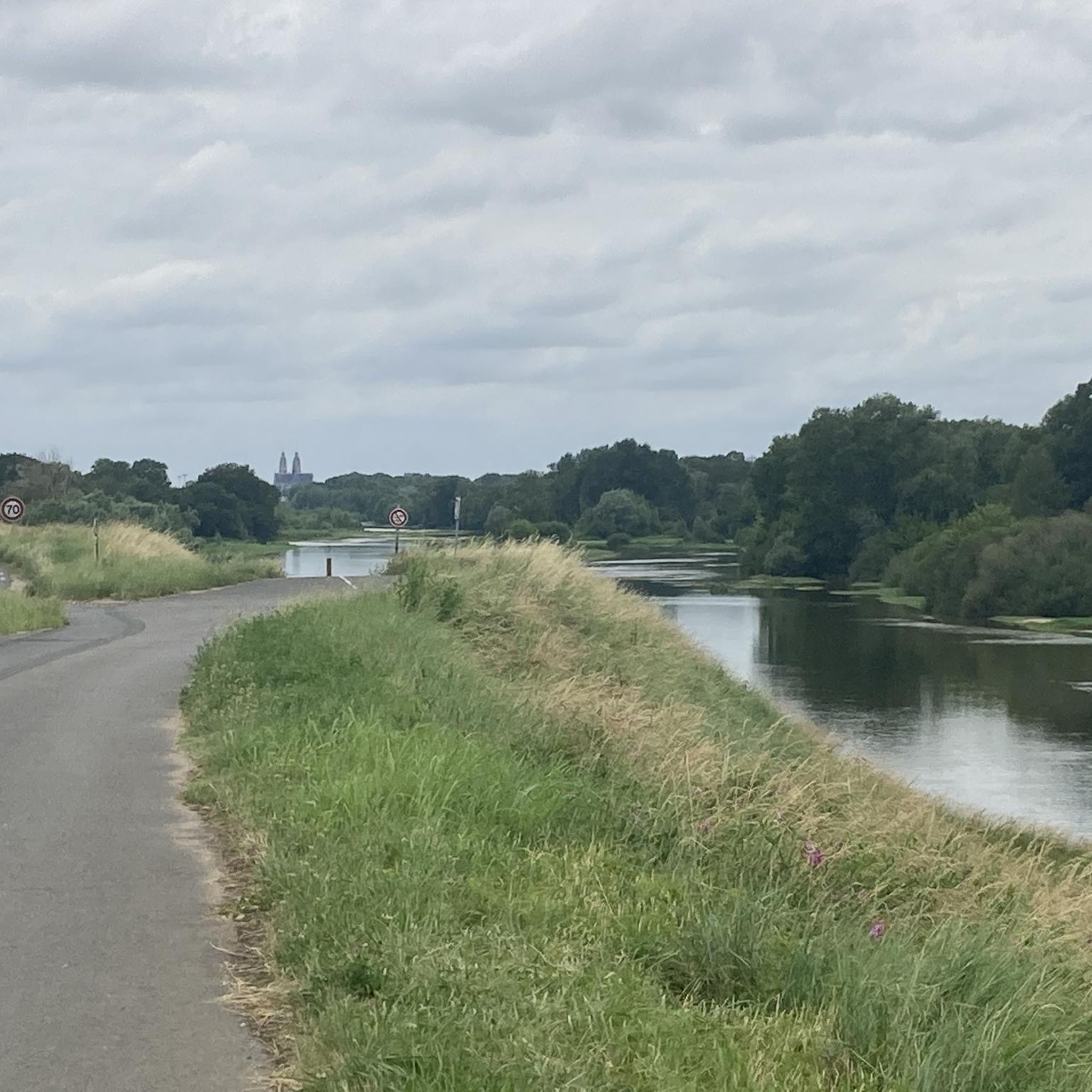
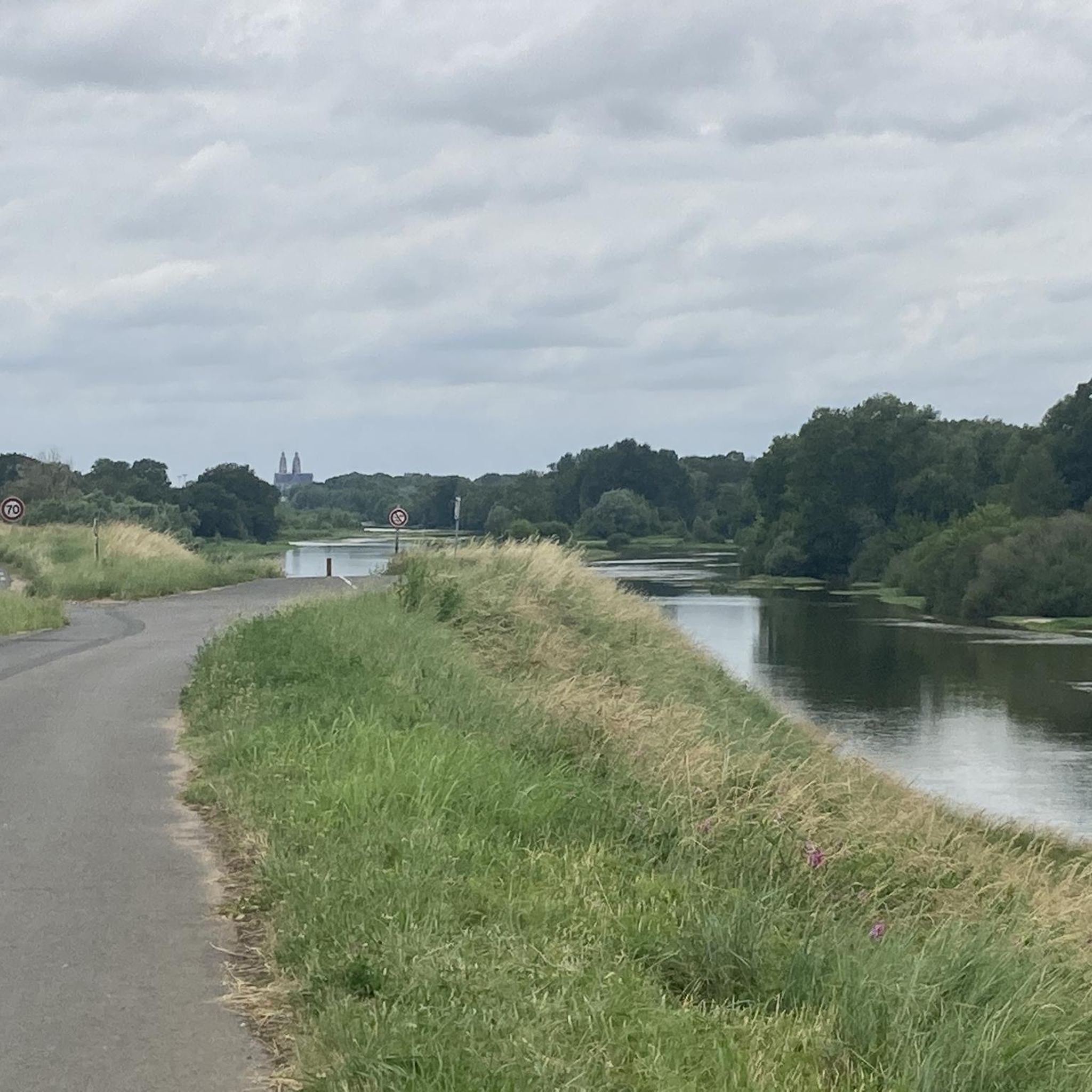
Forget Chambord allure. This castle was: A. a strategic fortress B. a royal residence C. part of the defenses along the Loire It dates largely from the 11th to the 15th century and has a primarily military appearance. Sturdy, compact, no-frills. It is located: – right on the Loire – next to the Pont Wilson – between Place Anatole France and Vieux Tours
0
0


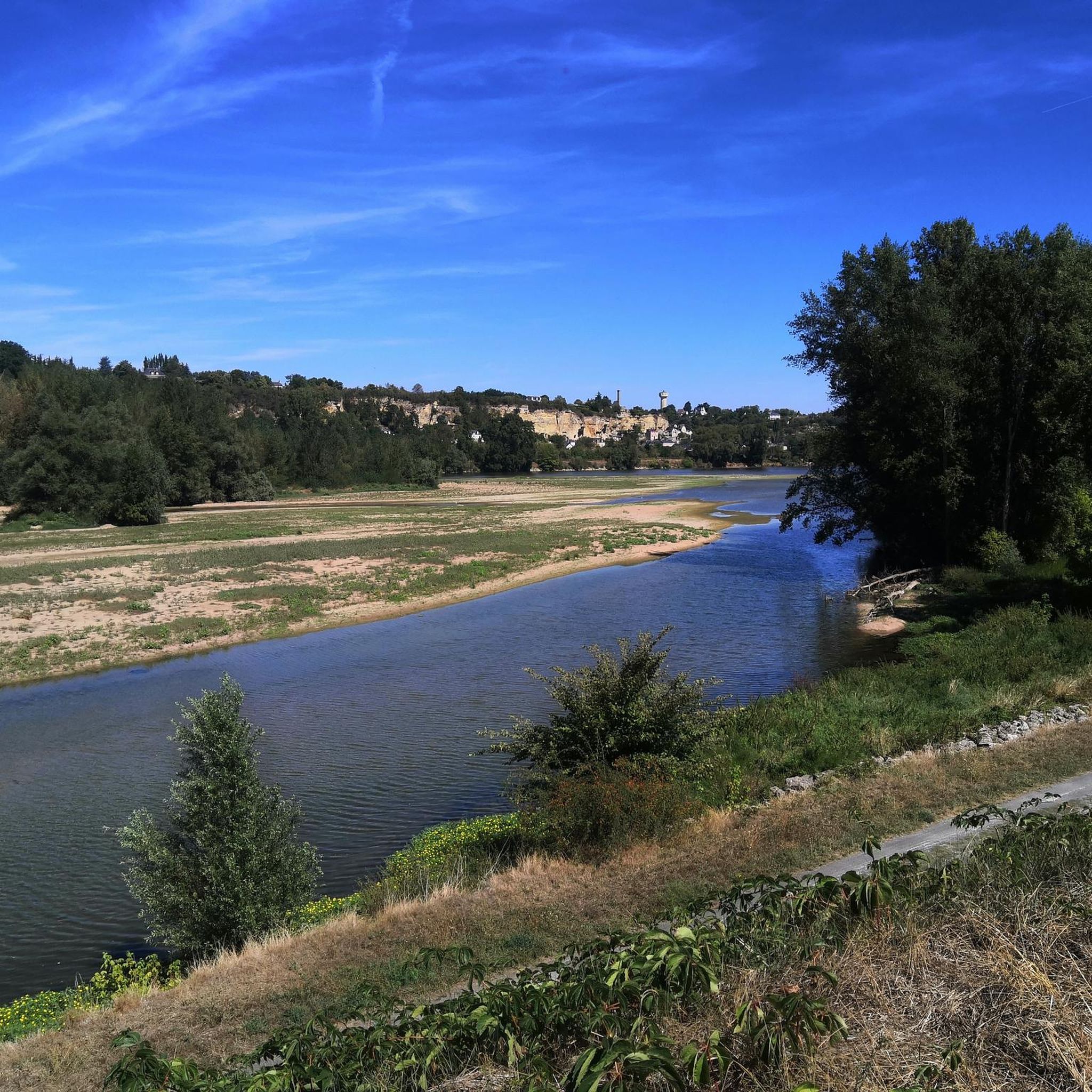
Véretz and its 5,000 inhabitants constitute a small, quiet town on the banks of the Cher. A few shops enliven its town center. The “Château de Véretz”, rebuilt in the 19th century, dominates the Cher valley at the entrance to the village.
0
0

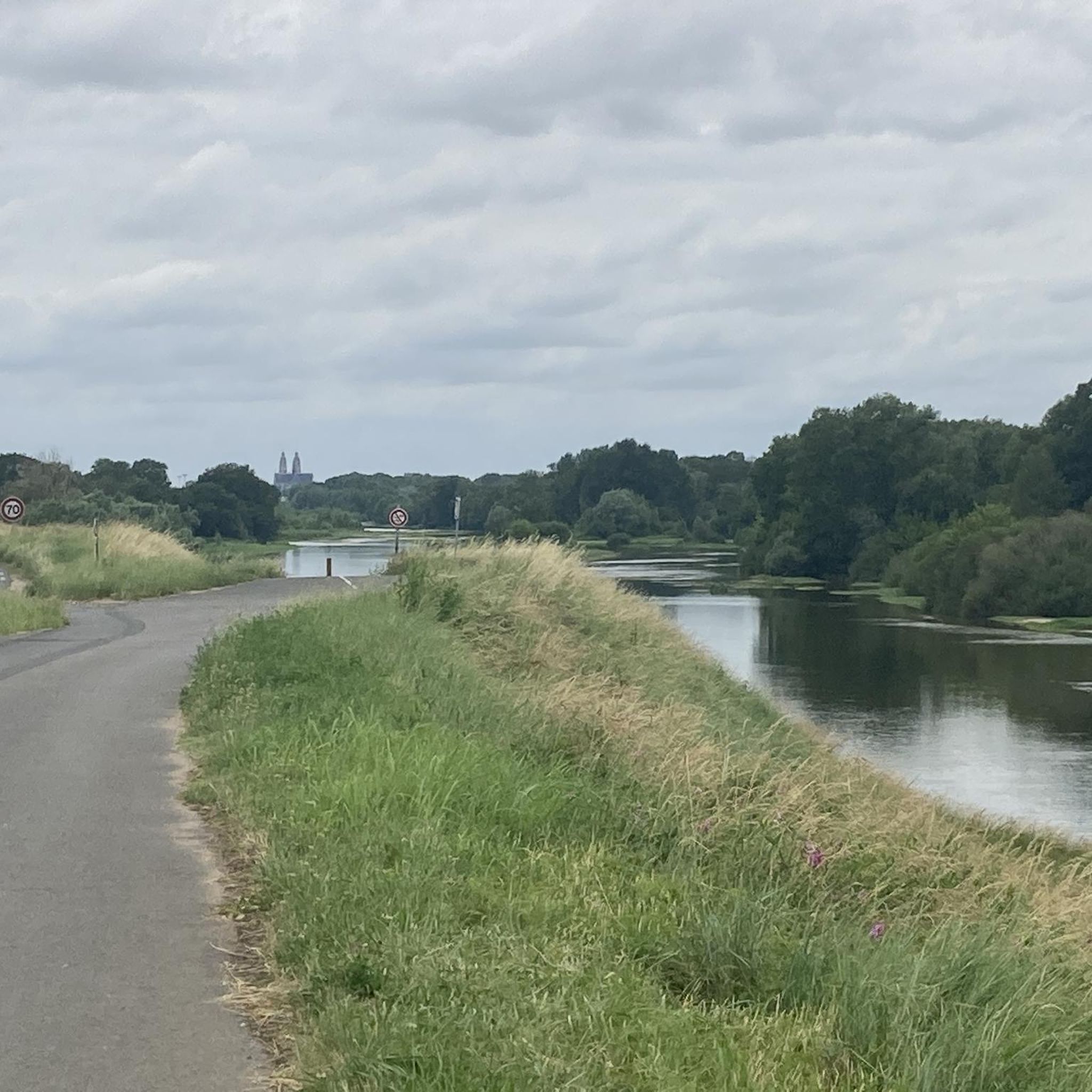
This beautiful path crosses shady woods, the path is generally smooth (it is unpaved however), can be muddy if it rains. There are many places to stop along the way, there are picnic tables available. You will pass by several castles such as the Château de Leugny and the Château de Beauvais.
1
0

Medieval castle of the 11th century, the castle of Tours is one of the forgotten buildings of the great constructions which border the Loire. Destroyed during the 18th century, it was in fact only partially rebuilt to serve as barracks. Today, the castle houses multiple exhibitions, open throughout the year. Lovers of painting, sculpture, engraving, drawing, photography or video, do not hesitate to schedule a visit!
0
0
Medieval castle of the 11th century, the castle of Tours is one of the forgotten buildings of the great constructions which border the Loire. Destroyed during the 18th century, it was in fact only partially rebuilt to serve as barracks. Today, the castle houses multiple exhibitions, open throughout the year. Lovers of painting, sculpture, engraving, drawing, photography or video, do not hesitate to schedule a visit!
0
0

The Château de Nitray is a typical residence of the French First Renaissance. Built on the left bank of the Cher, it consists of two towers at the north entrance: one houses a chapel and the other the fruit tree (where fruit was dried). The lord's house overlooks the park as well as the main courtyard. A dovecote with its rotating ladder in working order completes the set. The French-style garden housing the vegetable garden and the orchard is located to the south of the agricultural buildings. The 10-hectare vineyard is located to the west of the chateau.
0
0
Frequently Asked Questions
Which castles near La Ville-Aux-Dames are particularly family-friendly?
For families, Tours Castle is a great option as it hosts multiple exhibitions throughout the year, offering engaging experiences for various interests. Additionally, the Château de la Bourdaisière, while not explicitly listed as 'family_friendly' in its categories, features an expansive garden with over 650 varieties of tomatoes and a Dahlia Garden, which can be quite interesting for children. Many castles also have large parks for exploration.
Are there castles near La Ville-Aux-Dames that offer unique experiences beyond typical tours?
Yes, several castles offer unique experiences. Château de la Bourdaisière functions as a hotel, allowing guests to stay in a historic setting, and features a unique 'Bar à Tomates' restaurant utilizing its extensive tomato garden. Nitray Castle provides insights into the region's viticultural heritage with wine tastings and tours of its vineyards and cellars.
What is the best time of year to visit the castles around La Ville-Aux-Dames?
The spring (April-May) and autumn (September-October) months are generally ideal for visiting the castles. During these times, the weather is pleasant for exploring the extensive gardens, and the crowds are typically smaller than in the peak summer season. Summer (June-August) offers longer opening hours and vibrant gardens, but also more visitors.
Can I find hiking or walking trails near the castles?
Yes, the region offers opportunities for combining castle visits with outdoor activities. The Châteaux Trail is a beautiful path that crosses shady woods and passes by several castles like the Château de Leugny and the Château de Beauvais. For more options, you can explore various walking routes in the area, such as those found in the Cycling around La Ville-Aux-Dames guide, which often include scenic paths near historical sites.
Are there any castles near La Ville-Aux-Dames that are particularly known for their gardens?
Absolutely. The Château de Chenonceau is renowned for its meticulously maintained gardens, including Catherine de' Medici's Garden, a maze, a rose garden, and a vegetable garden. Château de la Bourdaisière also boasts an expansive garden, notably home to over 650 varieties of tomatoes and a dedicated Dahlia Garden.
What kind of historical significance do the castles near La Ville-Aux-Dames hold?
The castles in this region, part of the Loire Valley, are rich in history. Château de Chenonceau, for example, is known as the 'Ladies' Castle' due to the influence of powerful women like Diane de Poitiers and Catherine de' Medici, and played strategic roles during both World Wars. Tours Castle is a medieval structure from the 11th century, partially rebuilt after the 18th century, showcasing centuries of architectural evolution and historical events.
Are there options for cycling routes that pass by castles near La Ville-Aux-Dames?
Yes, the region is very popular for cycling. You can find numerous routes that incorporate castle views or pass directly by them. For instance, the 'On the banks of the Loire – Tours Castle loop from La Ville-aux-Dames' is an easy cycling route that takes you past Tours Castle. Explore more options in the Cycling around La Ville-Aux-Dames guide.
What are some lesser-known or 'hidden gem' castles to visit in the area?
While not a 'hidden gem' in the traditional sense, Nitray Castle offers a more intimate experience compared to the grander châteaux. It's a quintessential example of French First Renaissance architecture with a focus on its viticultural heritage, providing a unique blend of history and local culture without the large crowds.
What amenities can I expect at the castles, such as cafes or restaurants?
Many of the larger castles, like Château de Chenonceau, typically have on-site cafes or restaurants. Château de la Bourdaisière notably features its own 'Bar à Tomates' restaurant. Smaller castles or those functioning as private residences might have fewer amenities, so it's always a good idea to check their individual websites before your visit.
How long should I allocate for visiting a castle near La Ville-Aux-Dames?
The time needed can vary significantly depending on the castle and your interest. For a major château like Chenonceau, including the interiors and extensive gardens, you might want to allocate 3-4 hours. For smaller sites like Nitray Castle, a visit might take 1.5-2 hours, especially if you include a wine tasting. It's best to check the specific castle's website for recommended visit durations.
Are there any castles in the region that are particularly known for their architecture?
Château de Chenonceau is an architectural marvel, famous for its two-story gallery spanning the Cher River and its blend of Gothic and Renaissance styles. Nitray Castle is a prime example of French First Renaissance architecture, featuring distinctive towers and a well-preserved dovecote. Each castle offers unique architectural details reflecting its era and purpose.
Most popular routes around La Ville-Aux-Dames
Most popular attractions around La Ville-Aux-Dames

Get inspired with the komoot mobile app


Explore more
Looking for the best castles somewhere else? Discover other guides around La Ville-Aux-Dames:
