The best walks and hikes around Saint-Julien-En-Quint
4.5
(1665)
10,843
hikers
344
hikes
Hiking around Saint-Julien-En-Quint offers access to the varied landscapes of the Vercors Massif and the Diois region. The terrain features dramatic limestone formations, vast plateaus, and deep gorges, characteristic of a mid-mountain environment. This area presents a blend of alpine and Mediterranean vegetation, with forests, open pastures, and rocky outcrops. The elevation changes provide diverse hiking experiences across its extensive trail network.
Best hiking trails around Saint-Julien-En-Quint
- The most popular hiking route is Plateau de Font d'Urle et Puy de…
Last updated: August 25, 2026
4.9
(83)
392
hikers
9.23km
02:56
350m
360m
Moderate hike. Good fitness required. Easily-accessible paths. Suitable for all skill levels.
4.9
(37)
252
hikers
Easy hike. Great for any fitness level. Easily-accessible paths. Suitable for all skill levels.

Sign up for free
4.8
(44)
162
hikers
Moderate hike. Good fitness required. Easily-accessible paths. Suitable for all skill levels.
4.5
(15)
91
hikers
Moderate hike. Good fitness required. Mostly accessible paths. Sure-footedness required.
4.4
(11)
71
hikers
15.1km
05:05
680m
690m
Hard hike. Very good fitness required. Mostly accessible paths. Sure-footedness required.
Get access to more routes and recommendations from other explorers.
Sign up for free
Already have an account?
Our route recommendations are based on thousands of hikes, rides, and runs completed by other people on komoot.
Start today with a free account
Your next adventure awaits.
Login or Signup
Tips from the Community

Beautiful view of the Quint valley
0
0

The museum is installed on the site of a late Neolithic flintknapping workshop abandoned 4,500 years ago by artisan knappers. Discovered in 1970, this exceptionally well-preserved workshop is the origin of the museum's creation. Through various themes, the different phases of occupation of the Vercors by prehistoric humans are highlighted.
0
0

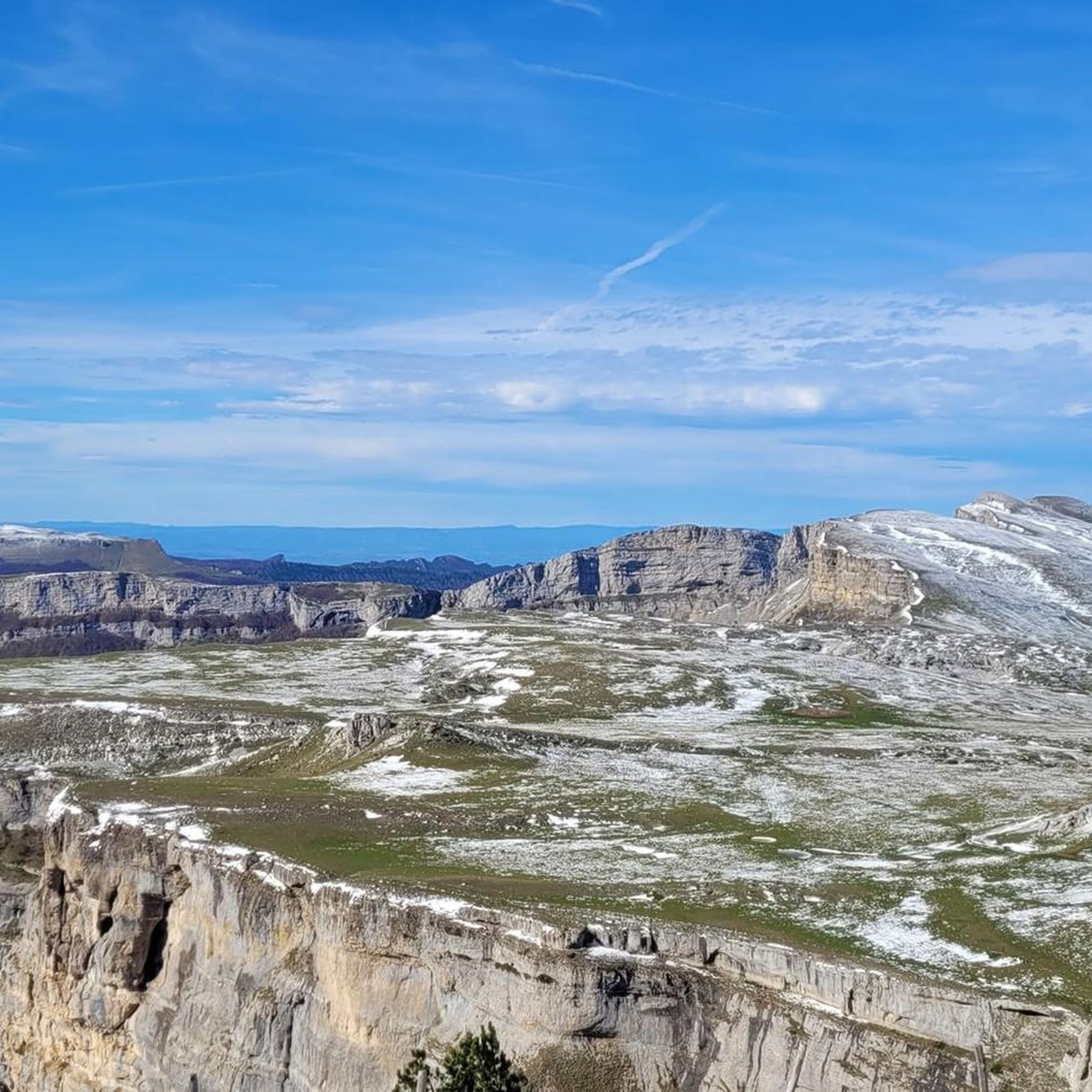
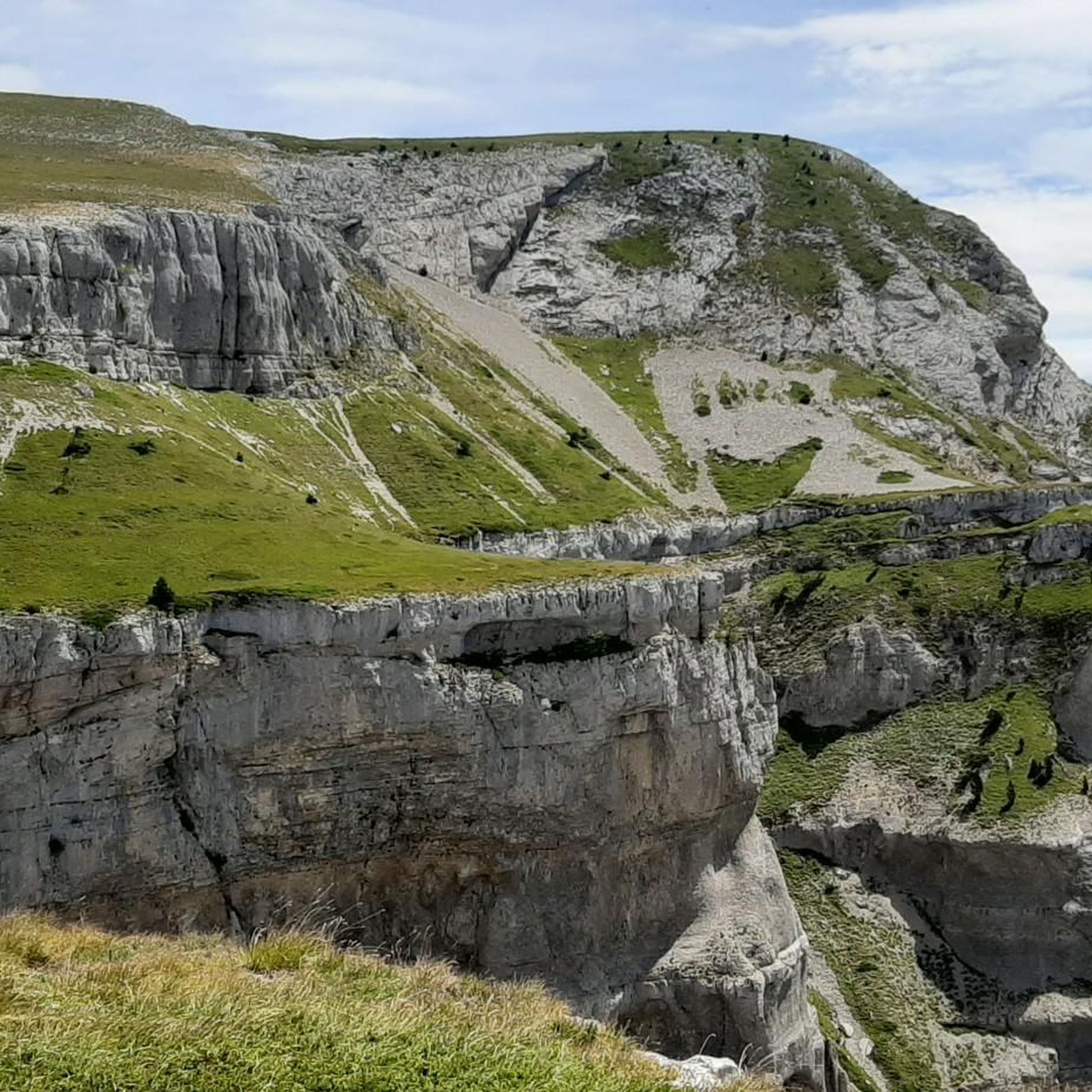
From here, you can enjoy a view of the Plateau d'Ambel opposite and the rugged cliffs of the Plateau Font d'Urle. The valleys lie 500 meters vertically below. If you're lucky, you might even spot golden eagles flying!
0
0

Magnificent and impressive natural cavity that can be explored with a lamp. At the bottom there are beautiful ice formations even in summer. This phenomenon is due to the shrinkage of the cavity which traps cold air at the bottom. When moisture seeps through the ceiling, the temperature is low enough for the water to freeze and form stalactites.
1
0

The circular route is also good to do with children. Quiet in October. Tip: Enjoy the sunset at Port d'Urle in the evening.
0
0

At the Col de la Chau above Vassieux-en-Vercors lies one of the most important and successful memorial sites for the Resistance, the French resistance against Nazi Germany. A visit can easily be combined with a hike on the Font d'Urle plateau, providing a deeper understanding of this region. The Vercors, a kind of natural fortress, was a stronghold of resistance, which culminated in the proclamation of a free republic after the Allied landings in Normandy on June 6, 1944. The Wehrmacht then launched an offensive in which, among other things, the towns of Vassieux and La Chapelle were largely destroyed and many civilians were killed. These events in Vercors are presented in the exhibition in a very understandable way, for example through the stories of survivors as audio recordings. Very valuable. The building itself is also an attraction: it hangs on the mountain like a fortress or an eagle's nest and, as if through narrow viewing slits, you can see the magnificent panorama of the eastern Vercors. Absolutely worth visiting. More information: https://www.parc-du-vercors.fr/resistance/home
4
0

Impressive view from a crevasse accessible by descending the stairs. Be careful, it can be slippery in rainy weather!
2
0
Frequently Asked Questions
What kind of terrain can I expect when hiking around Saint-Julien-en-Quint?
Hiking around Saint-Julien-en-Quint offers a diverse landscape, characteristic of the Vercors Massif and the Diois region. You'll encounter dramatic limestone formations, impressive cliffs, and vast plateaus. The terrain transitions from an alpine atmosphere in the northern Vercors to more Mediterranean vegetation and lavender fields in the Diois. Expect a mix of cool undergrowths, gentle alpine pastures, and steep paths, with significant elevation changes across its extensive trail network.
Are there easy hiking trails suitable for families or beginners?
Yes, Saint-Julien-en-Quint offers a good selection of easy trails. For instance, the The Crevasses of Font d'Urle – Font d'Urle Ice Cave loop from Alpage de Font d'Urle is an easy 2.9-mile (4.7 km) path that takes you through unique geological features. The Vercors is a mid-mountain massif, making many paths accessible to families and children.
What natural landmarks or viewpoints can I discover on the trails?
The region is rich in natural landmarks. You can hike to the Machine Pass, known for its spectacular panoramas and breathtaking roads carved into the remote karst of Combe Laval. The Combe Laval Cirque itself is a notable gorge. Another prominent peak directly accessible from the area is the Tête de la Dame (1506m), offering scenic views of the surrounding mountainous terrain.
Are there any circular hiking routes available?
Yes, many routes in the area are circular. A popular option is the Plateau de Font d'Urle et Puy de la Gagère – loop in the Vercors regional natural park, a moderate 5.7-mile (9.2 km) trail. Another is the The Crevasses of Font d'Urle – Font d'Urle Ice Cave loop from Puy de la Gagère, which is 5.4 miles (8.8 km) and explores the unique Font d'Urle area.
What is the best time of year to go hiking in Saint-Julien-en-Quint?
The Vercors and Diois regions offer hiking opportunities across multiple seasons. Spring and autumn provide pleasant temperatures and vibrant scenery, with alpine flora and Mediterranean plants. Summer is ideal for higher altitude trails, while winter transforms the Vercors into a destination for snow sports, though some trails may require specific gear or conditions. Always check local weather and trail conditions before heading out.
What kind of wildlife can I expect to see while hiking?
The Vercors Regional Natural Park is a biodiversity hotspot. You might spot high mountain fauna like ibex, chamois, and various species of vultures, including griffon and bearded vultures. The region is also home to red deer and even larger predators like wolves and lynx. The unique climate convergence means you can observe diverse flora, from alpine edelweiss to Mediterranean lavender and thyme.
How many hiking trails are there in Saint-Julien-en-Quint?
There are over 320 hiking routes around Saint-Julien-en-Quint, catering to various skill levels. This extensive network includes approximately 60 easy trails, nearly 200 moderate routes, and over 60 difficult options, ensuring there's a path for every hiker.
What do other hikers enjoy most about hiking in Saint-Julien-en-Quint?
The area is highly rated by the komoot community, with an average score of 4.5 stars from over 1,400 reviews. Hikers often praise the varied terrain, from limestone cliffs and high plateaus to diverse forest paths, and the opportunities to explore unique natural features like the Font d'Urle crevasses and ice caves. Over 10,000 hikers have used komoot to explore this region.
Are there any longer or more challenging hikes for experienced trekkers?
Yes, for experienced hikers, there are more challenging routes. The Alpage de Font d'Urle – Puy de la Gagère loop from Alpage de Font d'Urle is a difficult 9.4-mile (15.1 km) trail with significant elevation gain. Longer circuits like the But St Genix (1643m) and But de l'Aiglette (1524m) loop also offer a more demanding experience, alternating between forests and alpine pastures.
Is Saint-Julien-en-Quint a good base for other outdoor activities besides hiking?
Absolutely. Saint-Julien-en-Quint's location within the Vercors and Diois regions makes it an excellent base for a variety of outdoor pursuits. Beyond hiking, you can enjoy road cycling, mountain biking, and gravel biking. The unique geological formations are perfect for canyoning, caving, and climbing. The Drôme river, one of Europe's last wild rivers, offers opportunities for canoeing. In winter, the Vercors transforms for skiing and Nordic skiing.
Where can I find more information about the Pays Diois region?
For more details about the Pays Diois region, including its natural parks and protected landscapes, you can visit the official tourism website: diois-tourisme.com. They also provide information on the top activities in the area: The Top 10 Unmissable Activities in the Pays Diois.
Most popular routes around Saint-Julien-En-Quint
Most popular attractions around Saint-Julien-En-Quint

Get inspired with the komoot mobile app


Explore more
Browse the best Hikes in other regions.
