Attractions and Places To See around Nivolas-Vermelle - Top 20
Best attractions and places to see around Nivolas-Vermelle include a blend of historical landmarks, cultural sites, and natural features. Located in the Isère department of France, the area offers opportunities to explore its heritage and enjoy the outdoors. Visitors can discover chapels, greenways, and viewpoints that showcase the region's diverse landscape.
Best attractions and places to see around Nivolas-Vermelle
- The most popular attractions is Orientation table at the summit of Chèzeneuve, a viewpoint that offers panoramic vistas. On a…
Last updated: October 18, 2026
Étang de la Rosière
Highlight • Lake
Translated by Google •
Tip by

Chapelle Sainte-Anne
Highlight • Religious Site
Translated by Google •
Tip by

Sign up now to discover places like this
Get recommendations on the best single tracks, peaks, & plenty of other exciting outdoor places.
Bourbre Greenway
Highlight (Segment) • Cycleway
Translated by Google •
Tip by

Rochetoirin Church
Highlight • Religious Site
Translated by Google •
Tip by

Pavilion of the Four Winds
Highlight • Other
Translated by Google •
Tip by

Sign up for free to discover even more attractions around Nivolas-Vermelle.
Already have an account?
Start today with a free account
Your next adventure awaits.


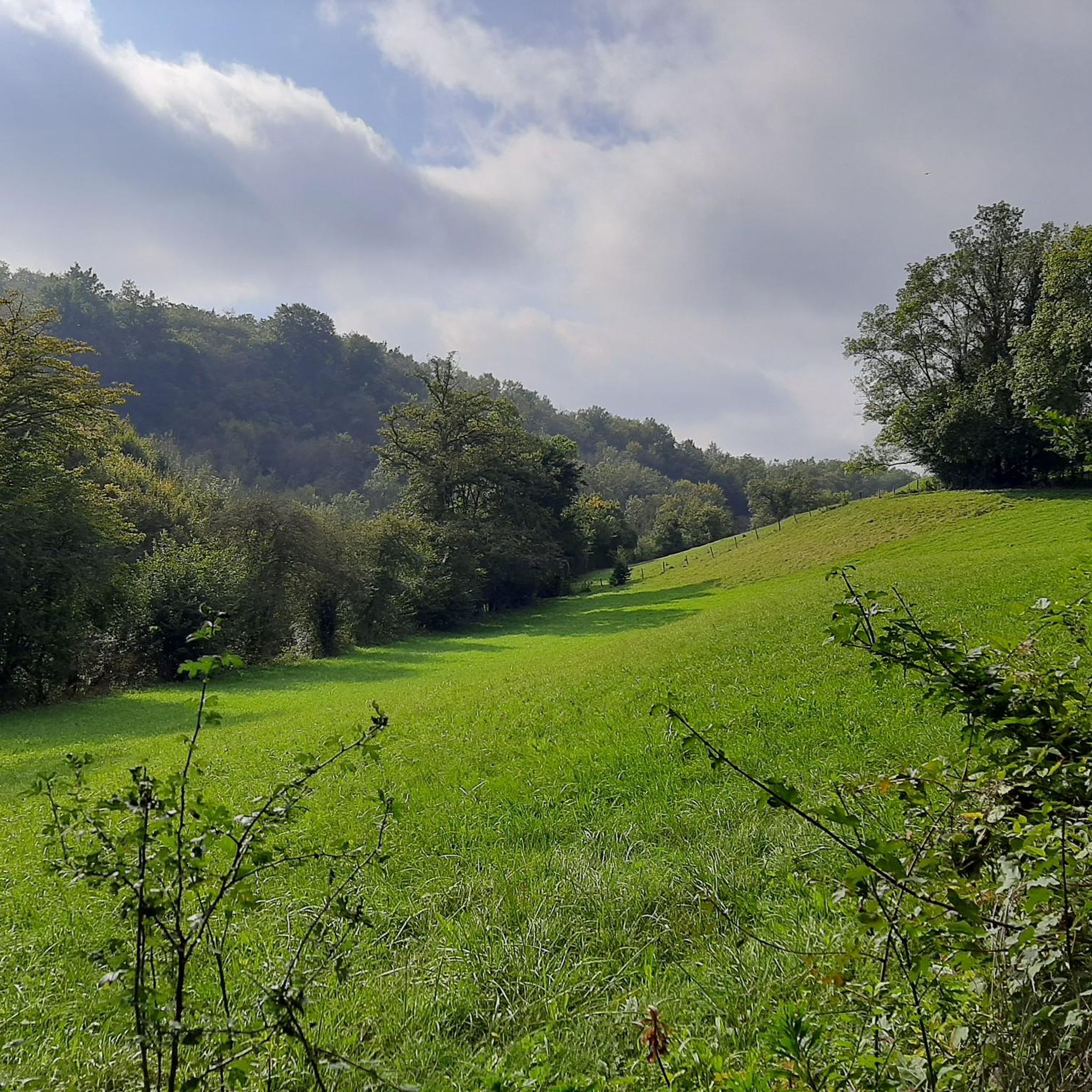

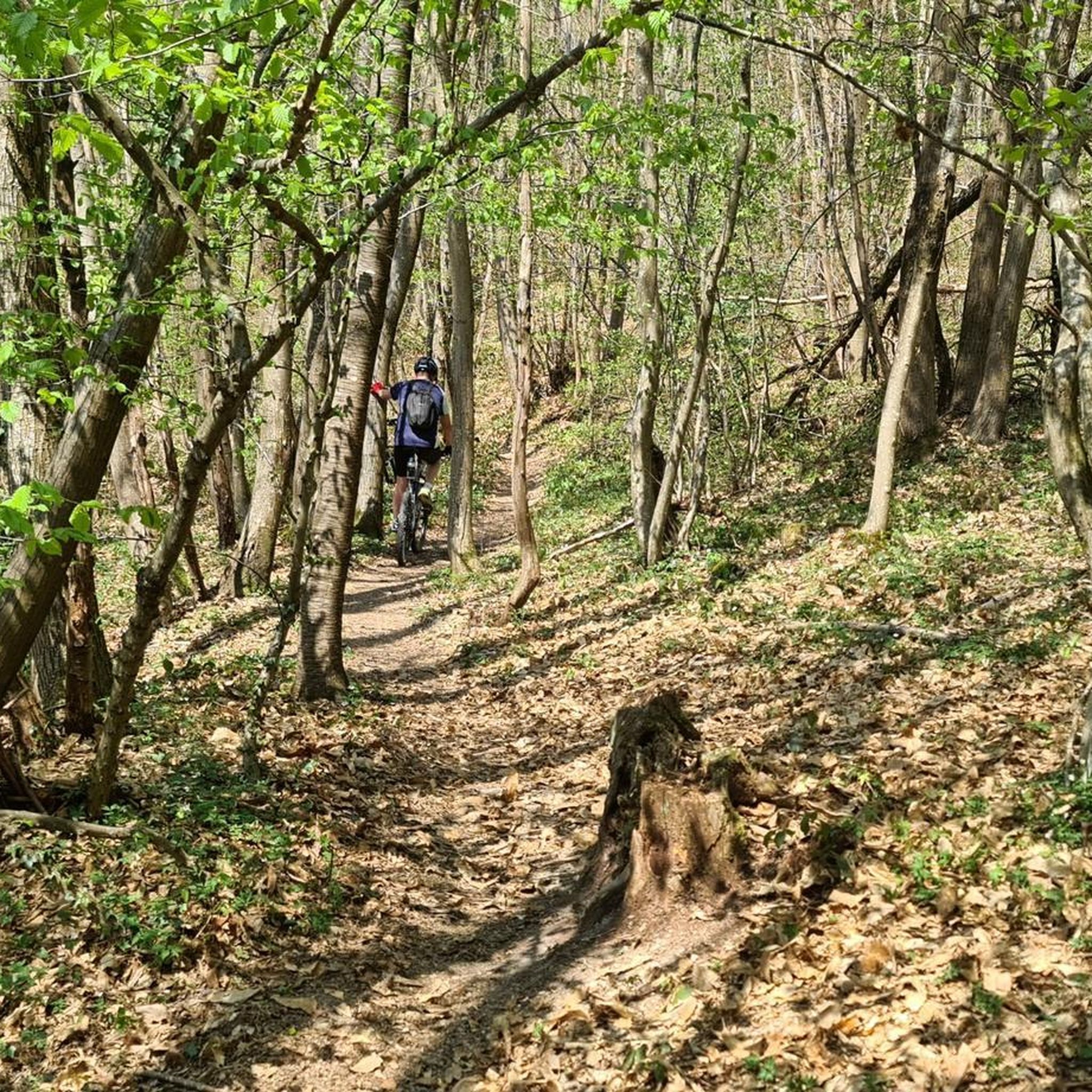
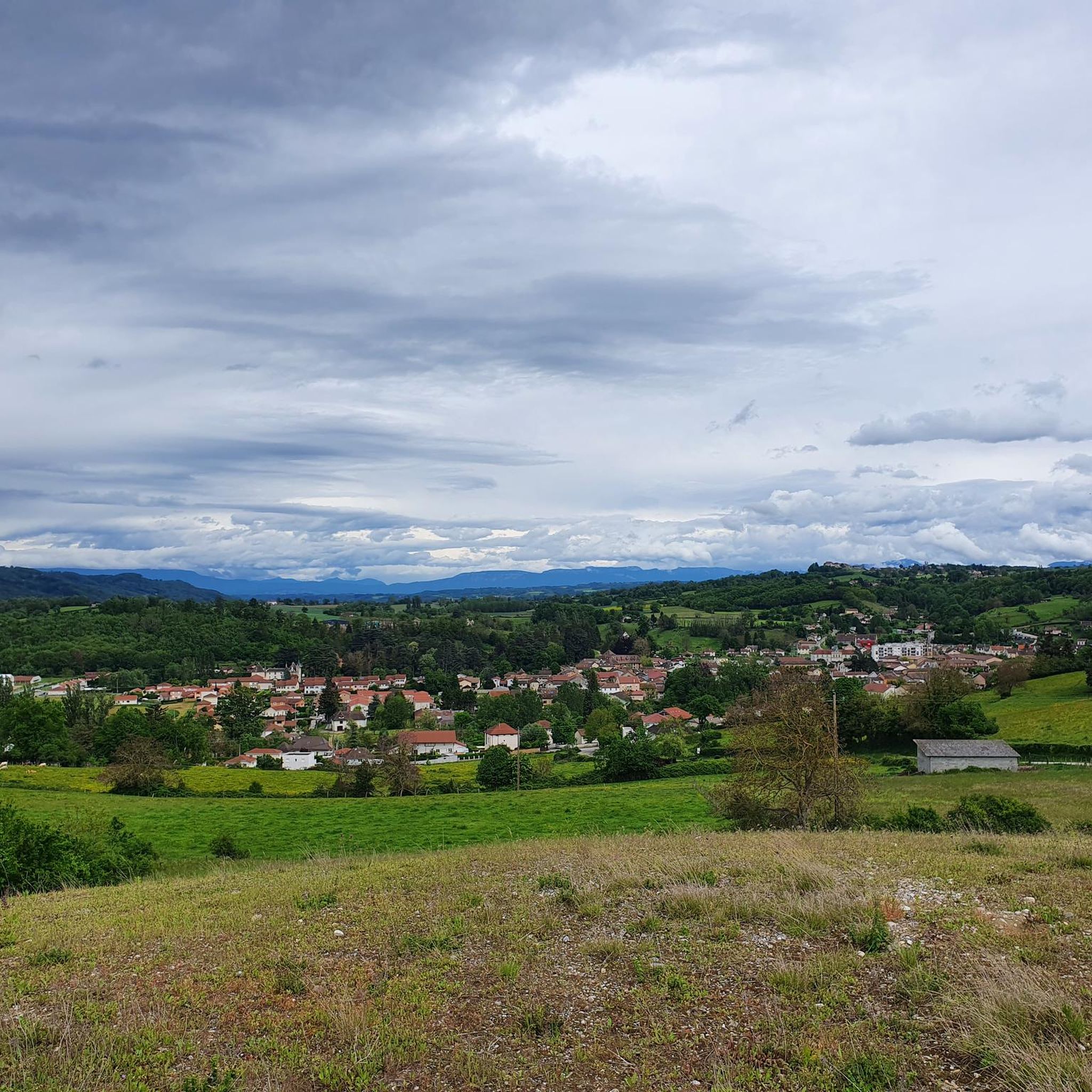
Tips from the Community

Built in 1867 to replace the old chapels of the historic hamlets of Roche and Toirin, the Saint-Étienne church of Rochetoirin was built on the edge of the plateau. Its location serves as a true viewpoint, offering an unobstructed panoramic view of the entire surrounding plain and the landscapes of the Vals du Dauphiné. https://www.rochetoirin.fr/rubriques.item.41/histoire.html
0
0
It formerly depended on the domain of the Montbaly (or Monbaly) castle. Its primary function, however, remains uncertain and fuels several hypotheses: A pleasure pavilion (or "garden folly") for the castle owners. A hunting rendezvous point.A sounding box used to relay horn calls. An old postal relay station or a place of contemplation.
0
0
The Voie Verte de la Bourbre is a secure development of about 8.5 kilometers reserved for non-motorized travel (bicycles, pedestrians, strollers, rollerblades). Managed by the CAPI (Communauté d'Agglomération de la Porte de l'Isère), it pleasantly follows the Bourbre river and today connects the towns of Bourgoin-Jallieu, L'Isle-d'Abeau and Vaulx-Milieu.
0
0

Lovely view of the pond. A little cool spot when it's hot.
0
0

Magnificent hikes without being isolated, with varied landscapes and beautiful mountain views, no elevation changes, and plenty of wildlife along the way. Top!
1
0

On one of the high points of the hill of L'Isle d'Abeau, on the northern edge overlooking the hamlet of Didier and the quarries, is the location of the old fortified house of the Pollouds, a family mentioned in the 14th and 16th centuries. centuries. The Napoleonic land register shows that several buildings were still standing in the first half of the 19th century under the name of “Delay” castle (name of the farmer who bought the land after the Revolution). The chapel, circular in plan, occupies one of the towers of the old castle, as shown by the presence of three keyhole shooting slots. In the 1860s, the owner transformed this tower, then serving as a henhouse, into a public oratory, which he had decorated with a mural and a statuette of Saint Anne.
0
0
Rosière Pond NATURAL HERITAGE Rosière Pond BACK TO THE LIST Rosière Pond© Martial-Couderette The Rosière pond is located to the north-east of the town of Bourgoin-Jallieu on the edge of the town of Ruy-Montceau and offers an ideal relaxing setting. The association “Les Amis de Rosière et de la Nature” manages the pond made available by the city. The Rosière pond, fed by the Loudon stream, was built in the 18th century to power a hemp mill (the current restaurant). This pond was the property of the GENIN family for a long time before being bought by the town of Bourgoin-Jallieu in 1978. Since then, the town of Bourgoin-Jallieu has done everything possible to make this site a protected natural place, walks and hikes and a fishing spot. Many hiking trails start from the pond. Source: Isère Tourism
1
0
Built in 1867, the church was built on the edge of the plateau on a sort of terrace offering a breathtaking view of the entire region.
1
0
Frequently Asked Questions
What natural features can I explore around Nivolas-Vermelle?
The area offers several natural attractions. You can visit Étang de la Rosière, a protected natural lake ideal for relaxing and as a starting point for hikes. The Agny River, historically significant, also flows through the region. Additionally, the wider Isère department features numerous 'Sensitive Natural Areas' (ENS) that are part of a national green and blue network, offering nature outings. You can find more information about these areas on the Balcons du Dauphiné Tourism website.
Are there historical or cultural sites to visit in Nivolas-Vermelle?
Yes, Nivolas-Vermelle is rich in history. You can explore the Chapelle Sainte-Anne and the Saint Joseph Chapel, both offering historical insights and scenic views. The commune also has a heritage trail, the Parcours Patrimonial de Nivolas-Vermelle, which guides visitors to various historical treasures like the Jean-Jacques Rousseau fountain, the Douai fountain, the Grange Porcher, and the Vermelle church cemetery. The historic Château de Vermelle and Église de Vermelle, built in 1849, are also notable landmarks, though the château is generally not open to the public.
What outdoor activities are available near Nivolas-Vermelle?
Nivolas-Vermelle is a great base for outdoor enthusiasts. You can enjoy hiking, cycling, and walking. The Bourbre Greenway is perfect for both commuters and walkers, offering a pleasant, shaded path. For more structured activities, there are various hiking routes, including moderate trails like the 'Wooden pontoon – Étang de Rosière loop' and 'View of the Chartreuse loop'. Cycling options include road cycling and touring bicycle routes, such as the 'Ruffieu loop' or the 'Étang de Ravoux loop'. You can find detailed routes for hiking, road cycling, and general cycling around Nivolas-Vermelle.
Are there any family-friendly attractions in the area?
Yes, several attractions are suitable for families. The Étang de la Rosière is a protected natural place that offers a relaxing setting and is a great spot for walks. The Bourbre Greenway is also considered family-friendly, providing a safe and pleasant path for walking or cycling away from traffic, with plenty of shade.
Where can I find scenic viewpoints around Nivolas-Vermelle?
For breathtaking views, head to the Orientation table at the summit of Chèzeneuve. On a clear day, visitors can enjoy panoramic vistas of the Alps, stretching from the Ain mountains all the way to Mont Ventoux. The Saint Joseph Chapel also offers magnificent views of the Chartreuse and Terres Froides regions.
Is there a dedicated path for cycling or walking?
Absolutely! The Bourbre Greenway is a fantastic option. This cycle way and trail is convenient and pleasant for both commuters and walkers. It's lined with trees, offering shade and a peaceful respite from traffic, making it ideal for a leisurely stroll or bike ride.
Can I find places for swimming or water activities nearby?
While Nivolas-Vermelle itself doesn't have a dedicated swimming spot, the broader region offers options. During the summer, you can find a swimming area at the Étang de St-Quentin-Fallavier, which is a short distance away and provides a refreshing option for water activities.
What is the Parcours Patrimonial de Nivolas-Vermelle?
The Parcours Patrimonial de Nivolas-Vermelle is a heritage trail established by the commune to help visitors discover its various historical treasures. This free-to-explore route allows you to see sites such as the Jean-Jacques Rousseau fountain, the Douai fountain, the Grange Porcher, the Vermelle church cemetery, and the locations of the commune's castles and chapels, offering a comprehensive look at the local history.
What do visitors particularly enjoy about the attractions near Nivolas-Vermelle?
Visitors frequently praise the stunning views from the Orientation table at the summit of Chèzeneuve, especially the clear sight of the Alps. The Bourbre Greenway is appreciated for being a convenient and pleasant path, offering shade and a break from traffic. The Étang de la Rosière is loved for its relaxing natural setting and as a starting point for many hiking trails.
Are there opportunities to discover local produce in Nivolas-Vermelle?
Yes, visitors can discover local producers in and around Nivolas-Vermelle. For example, La ferme de Vermelle offers seasonal vegetables, providing a taste of the local agriculture and an opportunity to support regional businesses.
What kind of cycling routes are available around Nivolas-Vermelle?
The area around Nivolas-Vermelle offers a variety of cycling routes for different preferences. You can find road cycling routes, such as the 'Ancienne Tuilerie Bertrand – Road to nowhere loop' or the 'Ruffieu loop'. For general cycling, there are routes like the 'Étang de Ravoux loop' or the 'Bourbre Greenway – Maison–Saint-Savin–Maison loop'. These routes vary in difficulty from easy to difficult. More details can be found in the road cycling guide and the general cycling guide for the area.
What is the best time of year to visit Nivolas-Vermelle for outdoor activities?
While specific seasonal recommendations aren't provided, the region's natural features and outdoor activities, such as hiking, cycling, and visiting viewpoints, are generally best enjoyed during milder weather. Spring and autumn typically offer pleasant temperatures for exploring the heritage trail, greenways, and chapels. Summer allows for swimming at nearby spots like the Étang de St-Quentin-Fallavier.
Most popular routes around Nivolas-Vermelle

Get inspired with the komoot mobile app


Explore more
Still not found the Highlight you’re looking for? See guides of the top attractions in other regions:
