Attractions and Places To See around Gétigné - Top 20
Best attractions and places to see around Gétigné include a blend of historical landmarks, natural beauty, and cultural sites in Loire-Atlantique, France. The commune is situated along the Sèvre Nantaise and Moine rivers, offering picturesque landscapes. Its proximity to Clisson provides access to a wider array of historical and natural attractions. The area features a unique Italian influence in its design and heritage, particularly visible in its estates and architecture.
Best attractions and places to see around Gétigné
- The most…
Last updated: July 2, 2026
Château de Clisson
Highlight • Castle
Translated by Google •
Tip by

The Arsenal
Highlight • Bridge
Translated by Google •
Tip by

Sign up now to discover places like this
Get recommendations on the best single tracks, peaks, & plenty of other exciting outdoor places.
Sign up for free
Valley of the Three Provinces
Highlight • Monument
Translated by Google •
Tip by

Moulin de Gervaud
Highlight • Monument
First owned by the Marquis …
Translated by Google •
Tip by
Reuzard mill and footbridge
Highlight • Viewpoint
Translated by Google •
Tip by

Sign up for free to discover even more attractions around Gétigné.
Sign up for free
Already have an account?
Start today with a free account
Your next adventure awaits.
Login or Signup

Tips from the Community

Clisson Castle has quite a story to tell: first an impregnable fortress overlooking the Sèvre, then a ducal residence, and finally a romantic ruin. In the 12th century, the powerful lordship of Clisson built this stone castle with highly elaborate defensive architectural systems: arrow slits, gun ports, and slits. A strategic point protecting the border of the Duchy of Brittany in the 15th century, it was abandoned by its owners from the second half of the 17th century onward before being burned down by Republican troops in 1793. But, beyond its grand history, this castle also has a more historic significance! In 1807, François-Frédéric Lemot, creator of the Garenne Lemot estate (a picturesque landscape located on the other side of the river), was captivated by these ruins and purchased it to turn it into an ornamental factory. The château was declared a historic monument in 1924, before being acquired by the Loire-Atlantique department in 1962. Today, visitors can visit it, take a guided tour, or simply experience its history. A stop on the Journey through the Vineyard, it's a stopover during the wine tourism tour of Nantes' wine country, featuring natural sites, heritage features, characterful villages, and unique cellars.
1
0

An absolutely beautiful site, but difficult to access by bike. You can cross, but the footbridge is too narrow (for my bike anyway) and you have to push the bike vertically. Obviously impossible with panniers.
1
0
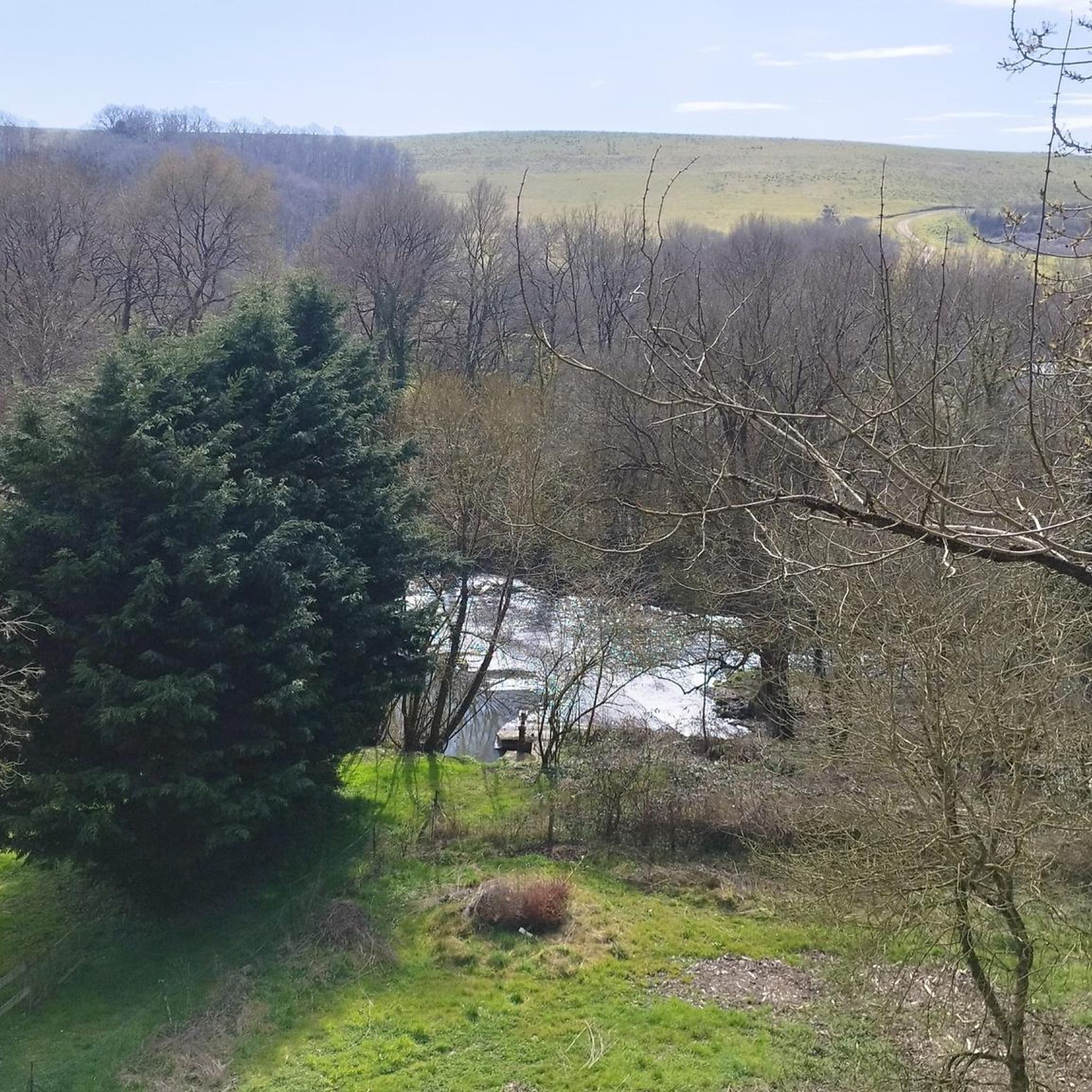
Another beautiful site on the Sèvre Nantaise, with the unusual feature this time: it's not only at the crossroads of three departments (LA, Vendée, and M&L), a rather common occurrence, but also of three former provinces: Brittany, Poitou, and Anjou. The crossroads is formed by the Sèvre on one side and its tributary, the Bon Débit, on the other. The inn of the same name looks very nice; in any case, the setting is splendid.
0
0

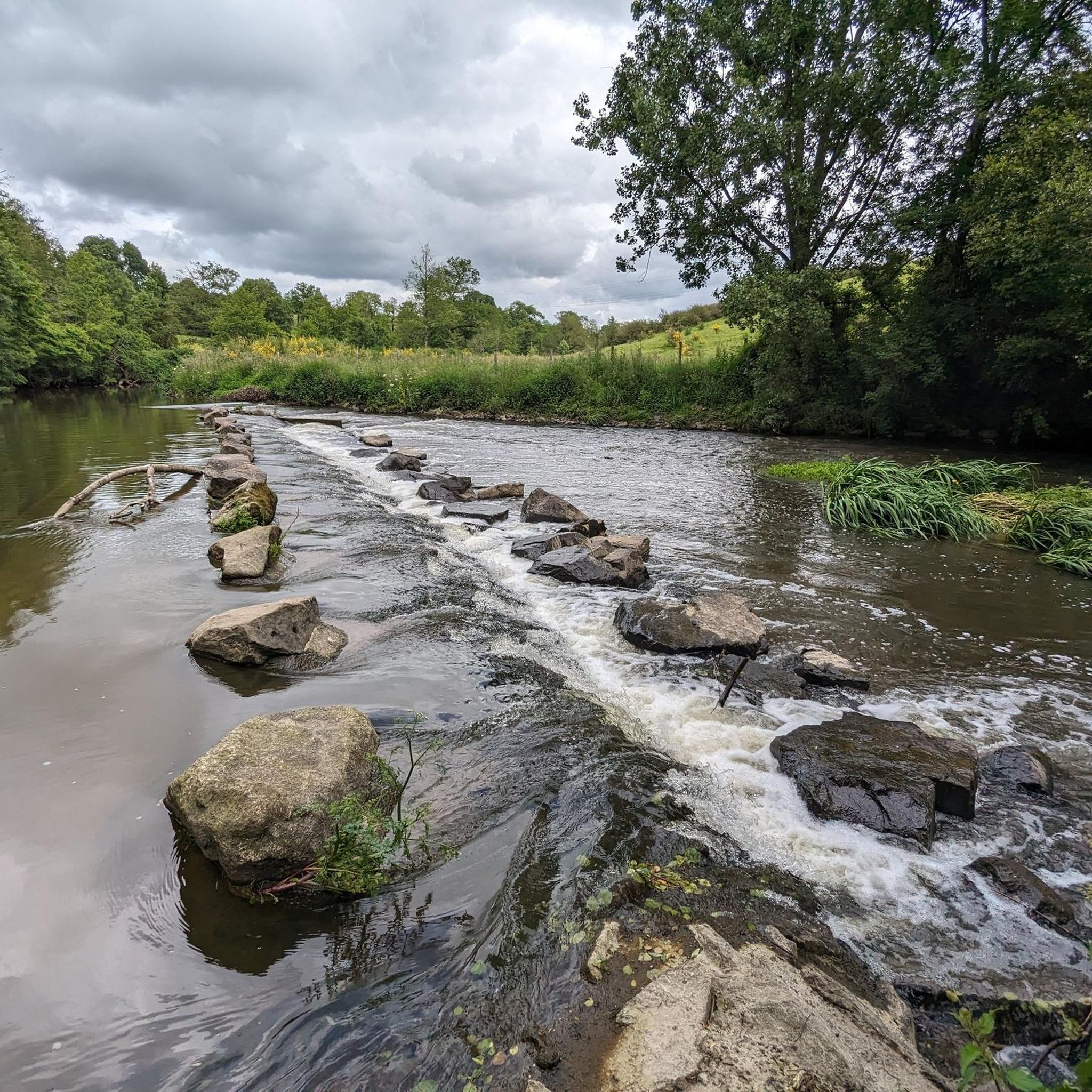
In the past, the Maine was crossed using beams fixed to the rock. The 17th century Reuzard mill with its metal footbridge attests to the intense milling activity that reigned on the river at the time. The current footbridge, which dates from 1911, was renovated in 1977 and allows hikers to access from one bank to the other.
1
0

Long an impregnable fortress, Clisson Castle is a model of a fortified castle. Built by the powerful Clisson family from the 12th century, this castle became a strategic point protecting the border of the Duchy of Brittany in the 15th century. In 1793, during the Vendée War, the fortress was burned and partially destroyed. Today, Clisson Castle still offers many examples of defensive architecture: archers, gunboats, stunners, etc. Ref: enpaysdeloire.com
0
0
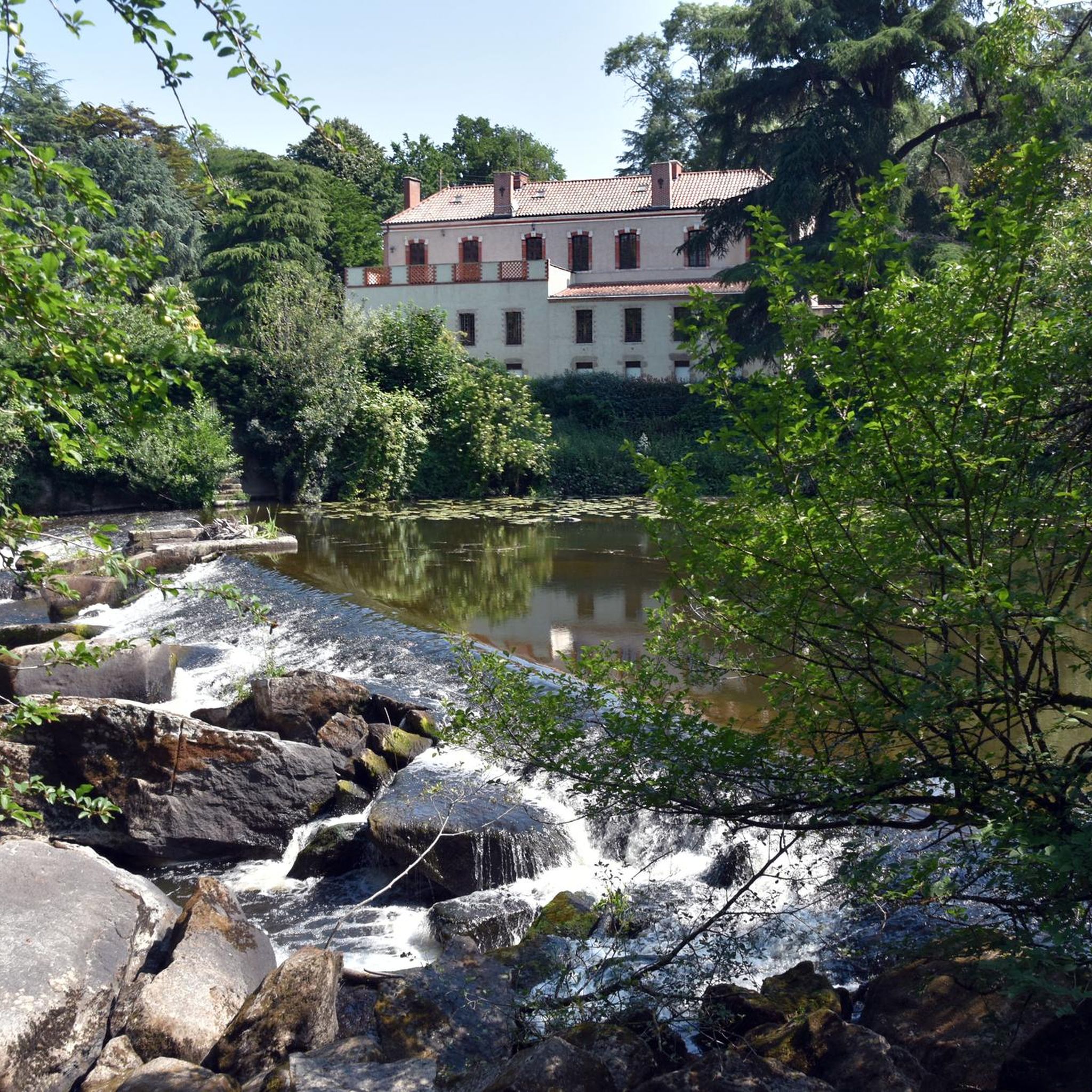
Surely the oldest mill in the Clisson valley, it has been a cloth, fulling and flour mill for more than 600 years. Rebuilt in 1949 following its destruction by fire, it ceased its activity, but kept its mechanism intact. Today, the mill welcomes young people from the leisure center, as well as the Pallet game library. On the occasion of special events, such as heritage days, the mill can open its doors to discover its history. https://www.levignobledenantes-tourisme.com/patrimoine-culturel/le-moulin-de-gervaux/
0
0

Long an impregnable fortress, Clisson Castle is a model of a fortified castle. Built by the powerful Clisson family from the 12th century, this castle became a strategic point protecting the border of the Duchy of Brittany in the 15th century. In 1793, during the Vendée War, the fortress was burned and partially destroyed. Today, the Château de Clisson still offers many examples of defensive architecture: archers, gunboats, stunners…|
0
0

varied outing, ideal for cleaning up or resuming activity
0
0
Frequently Asked Questions
What historical sites can I explore around Gétigné?
Gétigné and its surroundings are rich in history. You can visit the medieval Château de Clisson, which offers insights into the region's past. Another significant site is the Chapelle des Templiers, a Romanesque church with a fascinating history tied to the Knights of Malta. Don't miss the Moulin de Gervaud, one of the oldest mills in the Clisson valley, reflecting the area's industrial heritage.
Are there any unique natural features or viewpoints in the Gétigné area?
Yes, the region offers several unique natural spots. The Valley of the Three Provinces is a notable man-made monument at the confluence of the Sèvre Nantaise, marking the intersection of three historical provinces with beautiful scenery. The area also benefits from the picturesque Bords de Sèvre and Moine Rivers, providing lovely landscapes for walks. The Domaine de la Garenne Lemot, while primarily an estate, features a lush 13-hectare park with natural elements like the Grotte d'Héloïse.
What kind of outdoor activities can I do near Gétigné's attractions?
The area around Gétigné is perfect for various outdoor activities. You can find numerous routes for running, gravel biking, and mountain biking. For example, there are moderate running loops like the 'View of Hellfest loop from Clisson' or the 'The Arsenal – Valley Bridge loop from Gétigné'. Cyclists can enjoy routes such as the 'Château de Clisson – Valley Bridge loop from Clisson' for gravel biking or the 'Clisson – The Arsenal loop from Clisson' for mountain biking. You can explore more options on the dedicated guides for Running Trails around Gétigné, Gravel biking around Gétigné, and MTB Trails around Gétigné.
Are there family-friendly attractions or activities in Gétigné?
Absolutely! Many attractions around Gétigné are suitable for families. The Château de Clisson is family-friendly, offering an engaging historical experience. The Valley of the Three Provinces provides a scenic and educational outing. Additionally, the Étang des Tuileries, located near Monnières, features a children's play area alongside fishing opportunities. The Bibliothèque des Changes also offers cultural programs and storytelling specifically for children.
What is the best time of year to visit Gétigné for outdoor activities?
The spring and autumn months generally offer the most pleasant weather for outdoor activities around Gétigné. Temperatures are mild, and the natural landscapes are particularly beautiful, whether with blooming flowers or vibrant fall foliage. Summer can also be enjoyable, especially along the rivers, but it can get quite warm. Winter offers a different charm, though some outdoor activities might be less comfortable.
Can I find places with an Italian influence in Gétigné?
Yes, Gétigné and its surroundings are notably influenced by Italian design and heritage. The most prominent example is the Domaine de la Garenne Lemot, created by sculptor François-Frédéric Lemot. This estate features a neo-classical Villa Lemot, the Gardener's House, the Temple de l'Amitié, and the Temple de Vesta, all inspired by Italian architecture and romantic garden designs. The nearby town of Clisson also exhibits this unique Italianate style.
Are there any historical bridges or unique architectural sites to see?
Gétigné boasts several interesting bridges and architectural sites. The The Arsenal bridge is a magnificent structure connecting Fouques and Arsenal, historically significant and now a pleasant pedestrian and cyclist path over the Sèvre. Nearby, in Clisson, the Pont Saint-Antoine is a historical bridge from 1430 with gothic arches over the Moine river, once a crucial passage.
What are some lesser-known or 'hidden gems' for outdoor enthusiasts near Gétigné?
Beyond the main attractions, explore the natural areas like La Garenne de la Moine, a 7-hectare natural space. The Bords de Sèvre and Moine Rivers offer numerous picturesque spots for quiet walks and cycling away from more crowded areas. The old mining site of l'Ecarpière also provides a glimpse into Gétigné's industrial past in a unique outdoor setting.
What cultural activities or events are available in Gétigné?
Gétigné offers a vibrant cultural scene. The Bibliothèque des Changes hosts a variety of events for all ages, including storytelling for children and book discussions for adults. In partnership with Clisson and Gorges, Gétigné also organizes cultural seasons throughout the year, featuring a diverse artistic program. For more information on cultural heritage stays in the region, you can visit visitnantesvineyard.com.
Are there opportunities for dog-friendly walks around Gétigné?
Many of the natural paths and riverbanks around Gétigné are suitable for dog walking. The parks and trails along the Sèvre Nantaise and Moine rivers, including areas within the Domaine de la Garenne Lemot (check specific park rules), generally welcome dogs on a leash. These areas provide ample space for your canine companion to enjoy the outdoors with you.
What do visitors enjoy most about the attractions around Gétigné?
Visitors frequently praise the blend of history and natural beauty. They particularly appreciate the strategic views from Château de Clisson and the unique historical significance of sites like the Chapelle des Templiers. The scenic paths along the Sèvre river, especially near The Arsenal, are highly rated for their photographic opportunities and pleasant walks. The distinct Italianate architecture and the peaceful atmosphere of the river valleys also receive high acclaim.
Are there any old mills or industrial heritage sites to visit?
Yes, Gétigné has a rich industrial past reflected in its mills. The Moulin de Gervaud is a prime example, having operated as a cloth, fulling, and flour mill for over 600 years. The site of The Arsenal also historically housed various mills before becoming a residential area. Additionally, the Site Minier de l'Ecarpière is an old mining site that showcases another aspect of the region's industrial history.
Most popular routes around Gétigné
Most popular attractions around Gétigné

Get inspired with the komoot mobile app


Explore more
Still not found the Highlight you’re looking for? See guides of the top attractions in other regions:
