Attractions and Places To See around Verneuil-L'Étang - Top 20
Attractions and places to see around Verneuil-l'Étang include a blend of local historical charm and natural landscapes, serving as a base for exploring the Île-de-France region. The area is characterized by agricultural land and small streams like the Ru de Bréon, offering green spaces for walks. Verneuil-l'Étang is strategically located near numerous historical landmarks and natural sites, providing diverse exploration opportunities.
Best attractions and places to see around Verneuil-L'Étang
- The most popular attractions is Château du Vivier, a castle…
Last updated: October 18, 2026
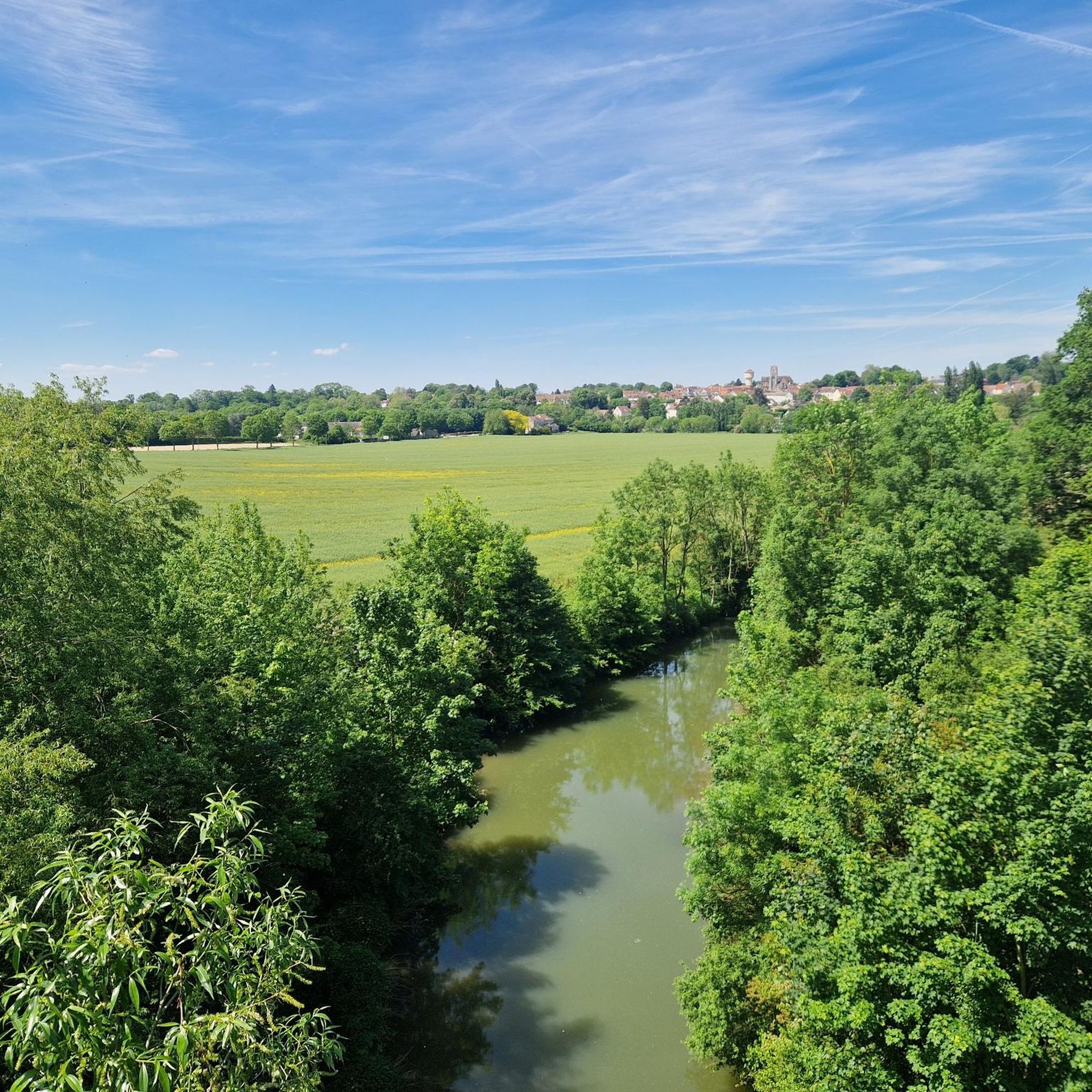
Solers viaduct. Railway disaster of August 1918.
Highlight • Other
Translated by Google •
Tip by

Château du Vivier
Highlight • Castle
Translated by Google •
Tip by

Sign up now to discover places like this
Get recommendations on the best single tracks, peaks, & plenty of other exciting outdoor places.
Blandy‑les‑Tours Castle
Highlight • Castle
Translated by Google •
Tip by
Château de Monceau
Highlight • Castle
Translated by Google •
Tip by

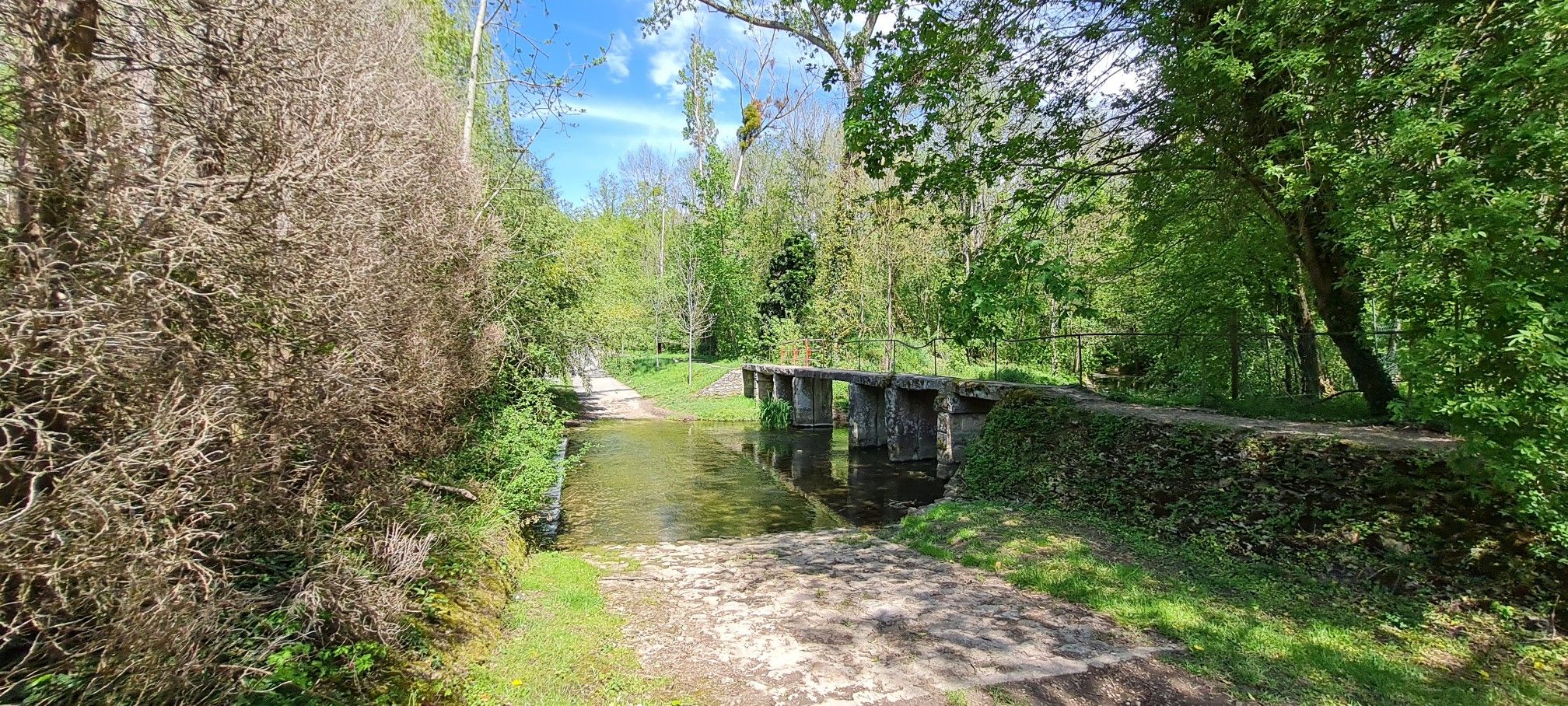
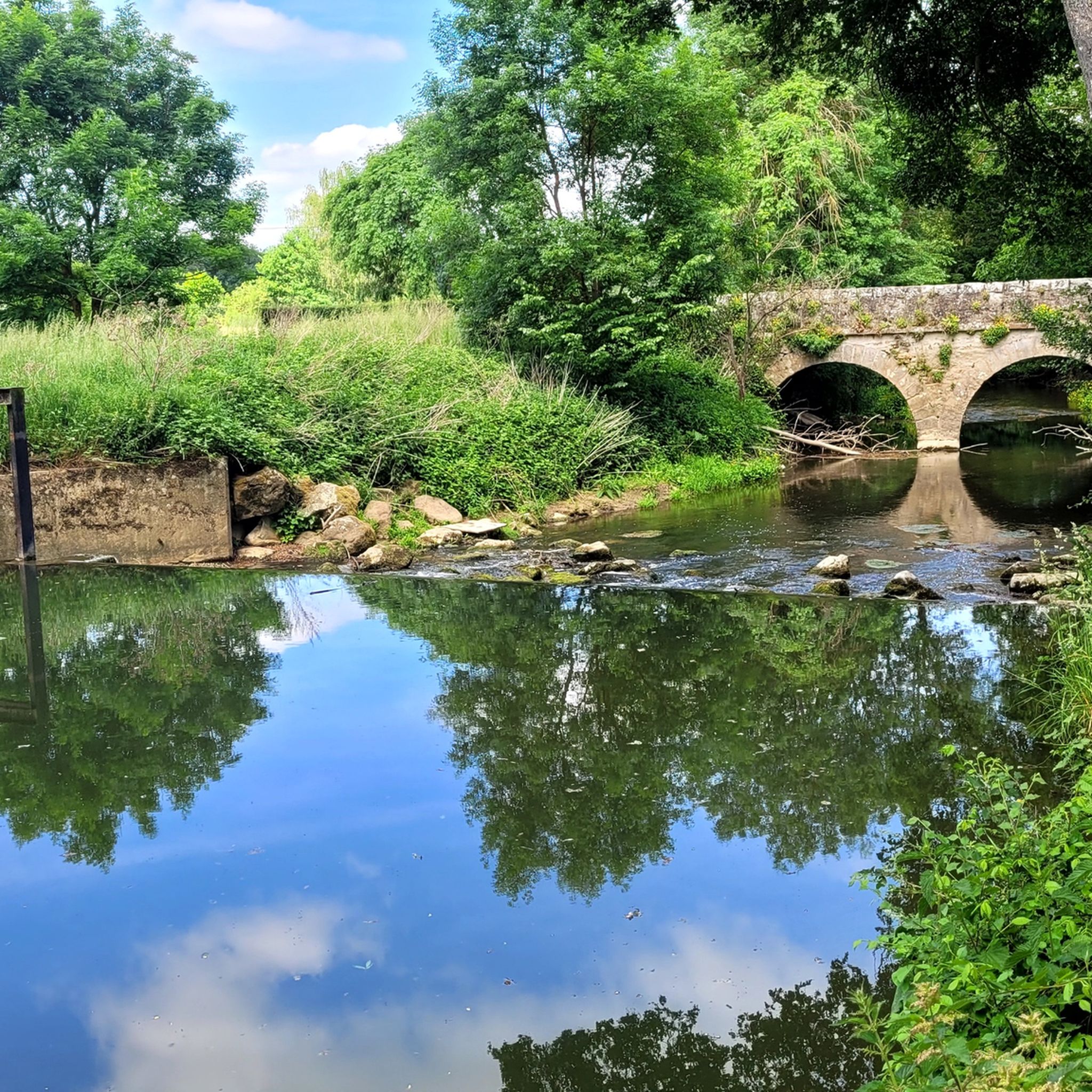
Barneau Ford
Highlight • River
Be careful, a lot of seaweed, it's slippery.
Translated by Google •
Tip by

Sign up for free to discover even more attractions around Verneuil-L'Étang.
Already have an account?
Start today with a free account
Your next adventure awaits.

Other adventures around Verneuil-L'Étang

Tips from the Community

to see, quiet little town
1
0

This former ruined 13th century castle was extensively renovated in the 20th century. Today it is a reception venue.
0
1

Great place for a refreshing break
0
0

The Château de Blandy-les-Tours is a fortified castle located in the commune of Blandy-les-Tours in the department of Seine-et-Marne, 70 km from Paris, and not far from the Château de Vaux-le-Vicomte. This building was built between the 13th and the second half of the 14th century. From a simple fortified manor to a fortified castle of the Hundred Years' War, from a residential castle to the Ferme des Tours, the Château de Blandy-les-Tours has had a long history and has been the property of prestigious families. Acquired in 1992 by the Seine-et-Marne departmental council, it was the subject of restoration campaigns and archaeological excavations until its reopening in 2007. This castle now engages in a permanent dialogue between heritage and artistic creation. https://fr.wikipedia.org/wiki/Ch%C3%A2teau_de_Blandy-les-Tours
1
0

The fortified castle of Blandy-les-Tours was built in the 13th century, it has gone through history: manor, castle then simple farm, before falling into ruins in the 18th century.
1
0
According to the archives of the castle library, the first seigniory of Le Monceau dates back to 1191. From this period, there are still ponds, bridges and vaulted cellars on the estate. Today, exceptional trees adorn the estate. In addition, the 150 ha of woods and 20 ha of pond are conducive to welcoming wildlife, and it is not uncommon to come across a deer, fallow deer or wild boar.
1
0

Well-restored medieval castle.
1
1
Frequently Asked Questions
What historical sites can I visit around Verneuil-l'Étang?
The region is rich in history. You can explore the medieval architecture of Blandy‑les‑Tours Castle, a fortified castle that became a residence during the Renaissance. Another significant site is the Fief des Époisses, a 13th-century fortified farm classified as a Historic Monument. Don't miss the majestic Château du Vivier, with its 14th-century remains and ancient trees, or the historic Château de Monceau, dating back to 1191.
Are there family-friendly attractions near Verneuil-l'Étang?
Yes, several attractions are suitable for families. Both Blandy‑les‑Tours Castle and Château de Monceau are noted as family-friendly, offering historical exploration in engaging settings. The expansive park of Château du Vivier also provides a wonderful space for families to explore.
What natural features can I explore in the area?
Verneuil-l'Étang is surrounded by beautiful natural landscapes. You can enjoy walks along the Ru de Bréon, a small stream offering green and shaded paths. The Yerres Valley also features hiking trails connecting to nearby villages. The estate of Château de Monceau includes 150 hectares of woods and 20 hectares of pond, attracting local wildlife like deer and wild boar.
What outdoor activities can I do near these attractions?
The area offers various outdoor activities. You can find numerous hiking trails, including routes like the 'Château du Vivier Loop' or the 'Thiou Ford – Verneuil Church loop'. For cycling enthusiasts, there are dedicated MTB and gravel biking routes. Explore more options on the Hiking around Verneuil-L'Étang, MTB Trails around Verneuil-L'Étang, and Gravel biking around Verneuil-L'Étang guide pages.
Are there any unique historical points of interest related to specific events?
Yes, the Solers viaduct is a notable site, particularly for the railway disaster that occurred there in August 1918. This location serves as a poignant reminder of a significant historical event in the region.
What kind of wildlife can I expect to see?
The natural areas around Verneuil-l'Étang, especially the woods and ponds of estates like Château de Monceau, are home to various wildlife. It's not uncommon to spot deer, fallow deer, or wild boar. The L'Étang de la Garenne, though private, is also known to attract diverse species, including birds and bats.
What are some lesser-known or hidden gems for outdoor exploration?
Beyond the well-known castles, consider exploring the tranquil paths along the Ru de Bréon for a peaceful walk. The local countryside, primarily agricultural land, offers a different perspective of the region's natural beauty and is ideal for easy walks away from crowds.
Can I find places for a refreshing break during my visit?
Many of the natural and historical sites offer pleasant spots for a break. For instance, the Solers viaduct is described as a great place for a refreshing stop. The parks surrounding the châteaux also provide serene environments to relax.
What are the best options for hiking near Verneuil-l'Étang?
There are several excellent hiking options. You can find moderate trails like the 'Château du Vivier Loop from Chaumes-en-Brie' or the 'Thiou Ford – Verneuil Church loop'. These routes allow you to explore the local landscapes and historical sites on foot. For a comprehensive list, refer to the Hiking around Verneuil-L'Étang guide.
Are there any castles with extensive gardens or parks to visit?
Absolutely. The Château du Vivier is set within a 7-hectare park featuring hundred-year-old trees, creating a majestic and romantic landscape. Similarly, the Château de Monceau boasts 150 hectares of woods and 20 hectares of ponds, offering vast natural spaces to explore.
What is the best time to visit Verneuil-l'Étang for outdoor activities?
The region is enjoyable throughout the year. While the Ru de Bréon can be slippery when wet or covered with leaves, the parks and trails offer beauty in all seasons. The Château du Vivier, for example, is particularly enchanting in winter snow, offering a unique touch of magic.
What are the main architectural styles represented in the local landmarks?
The area showcases a range of architectural styles, primarily focusing on historical periods. You'll find rare examples of military architecture from the Middle Ages at Blandy‑les‑Tours Castle, which also evolved into a Renaissance residence. The Fief des Époisses is a 13th-century fortified farm, and the local Église Notre-Dame-de-l'Assomption was rebuilt in the 19th century, reflecting later architectural trends.
Most popular routes around Verneuil-L'Étang
Most popular attractions around Verneuil-L'Étang

Get inspired with the komoot mobile app


Explore more
Still not found the Highlight you’re looking for? See guides of the top attractions in other regions:
