Attractions and Places To See around Türkheim - Top 20
Attractions and places to see around Türkheim offer a blend of historical significance and natural beauty in the German region of Unterallgäu. This market town, often referred to as the "Gateway to the Allgäu," is set amidst picturesque landscapes of rolling hills, meadows, and forests. The area provides ample opportunities for outdoor activities, including various hiking and cycling routes. Visitors can explore a range of historical sites, cultural institutions, and natural features.
Best attractions and places to see around Türkheim
…Last updated: October 10, 2026
Riquewihr
Highlight • Settlement
Translated by Google •
Tip by

Eguisheim Village
Highlight • Settlement
Translated by Google •
Tip by

Sign up now to discover places like this
Get recommendations on the best single tracks, peaks, & plenty of other exciting outdoor places.
Colmar Old Town
Highlight • Historical Site
Picturesque half-timbered houses, romantic canals, flower-bedecked windows, a maze of cobbled alleys, and delicious gastronomy: Colmar, one of Alsace's most elegant cities, invites you to savor its art of living!
Translated by Google •
Tip by

Lac Blanc
Highlight • Lake
Translated by Google •
Tip by

Little Venice – Colmar
Highlight • Settlement
The boats that roam …
Translated by Google •
Tip by

Sign up for free to discover even more attractions around Türkheim.
Already have an account?
Start today with a free account
Your next adventure awaits.

Tips from the Community

Of course, like every day, it's completely crowded. Taking pictures without passersby is almost impossible. The old town captivates everyone, and you can hardly get enough of the colorful, crooked houses, some of which date back to the Middle Ages but have been beautifully restored.
12
0

Colmar is a beautiful city and a center of Alsace; unfortunately, it's correspondingly overcrowded. The local art museum is a must-see.
9
0

Welcome to Eguisheim, the village where the houses are so photogenic they’re probably taking selfies when you’re not looking. Everything here looks like it was designed by an interior designer with a flower addiction and a passion for pastels. The streets wind in circles, so if you’re thinking, “I’ve been here before,” you’re right – you’ve just landed on an architectural merry-go-round. Perfect for those who love half-timbered houses, wine, and getting lost in the most charming way possible.
8
0

LITTLE VENICE / La Petite Venise, Colmar "Little Venice" is the name of the course of the Lauch in Colmar. This name undoubtedly comes from the original orientation of the houses on both sides of the river, which flows towards the south-east of the city. This district begins behind the department store, runs along the fish bank and reaches the Turenne and Saint-Pierre bridges. It is therefore located at the beginning of Krutenau, whose etymology comes from the places of market gardening around the cities. Originally populated by a rural community of winegrowers, gardeners and boatmen, Krutenau extends around the Turenne street, which the Marshal passed through in 1674 during his triumphal entry into the city. Boat trips are possible in this area. Text / Source: Tourist Office of Colmar and its region, Place Unterlinden, 68000 COLMAR – FRANCE https://www.tourisme-colmar.com/de/entdecken/geschichte-kulturerbe/colmar-architektonisches-kulturerbe/F235008803_klein-venice-colmar
32
6

The Passage de la Lauch in Colmar, in the middle of flowery and colorful half-timbered houses, transports you to Venice, hence the name of the district. The boats that roam the river create a very pleasant atmosphere that can be found in the adjacent streets and the covered market.
5
2

Many wineries are built in a typical way. Characteristically, the ground floor was built in stone to support the timber frame construction. The half-timbering was sober until the 16th century and the woodwork is protected by soot or red iron oxide. Pigments and colors on the facades are priceless, which is why clay or whitewash is used. In the 17th century, the windows become larger, wooden decorations embellish the facades and pastel colors are used by the very wealthy. In the 19th and 20th century, a building is completely provided with a layer of cement. But for several decades now, woodwork of a house has become visible again. With the arrival of paint and its wide color palette, the Alsace region takes on a cheerful note... Her new identity is colorful 🌈
11
1

Here you will find the Quai de Poissonnerie, which runs along the Lauch and provides Colmar's most photographed motif. The enchanting area is also known as Little Venice or "Petite Venise". The name comes from the watercourse bordered by picturesque houses that runs through the area. The quarter has existed since 1209, but was only included in the city's fortifications in 1250. The bridge over the Lauch used to be the entrance to the city. The bridge was also called the Watering Bridge because of the large space on its right that allowed gardeners to water their animals by the river. Of course, the pretty river also allows boat trips in the summer months. The old market hall of Colmar is located directly on the Lauch. The covered hall complex from 1870 blends harmoniously into the picturesque picture. Source: http://www.cityrundgang.de/colmar/petite-venise.htm
29
12
COLMAR, A CITY FOR THE ENJOYING OF LIFE Picturesque half-timbered houses, romantic canals, flower-bedecked windows, a maze of cobbled alleys, and delicious gastronomy: Colmar, one of Alsace's most elegant cities, invites you to savor its art of living!
15
0
Frequently Asked Questions
What historical landmarks can I explore in Türkheim?
Türkheim offers several historical landmarks. You can visit the Ludwigstor (Ludwig Gate), an early 19th-century gate commemorating King Ludwig I's visit. The town also features Türkheim Castle, which houses the Sieben-Schwaben-Museum and has a pleasant castle garden. Additionally, the Heimatmuseum (Local History Museum) provides insights into the town's past.
Are there any museums in Türkheim?
Yes, Türkheim is home to the Sieben-Schwaben-Museum (Seven Swabians Museum), located within Türkheim Castle. This museum is dedicated to the tales of the 'Seven Swabians' by Ludwig Aurbacher, who was born in Türkheim. There is also a Heimatmuseum (Local History Museum) offering insights into the town's history.
What natural attractions can I explore around Türkheim?
The region around Türkheim is rich in natural beauty. You can enjoy the scenic Wertach Cycle Path, which runs along the Wertach River, offering views of local flora and fauna. Nearby, the expansive Kurpark Bad Wörishofen (Spa Park) features fragrance and aroma gardens, medicinal herb gardens, a large pond, and a 1550-meter-long barefoot path, perfect for nature lovers and families.
What cultural experiences does Türkheim offer?
Beyond its historical sites, Türkheim provides cultural experiences such as the Kunsthandwerkerzentrum Siebenschwabenhaus (Seven Swabians Crafts Center). You can also enjoy the local atmosphere at the Schlossgaststätte with Beer Garden, adjacent to the Ludwigstor, for refreshments.
Are there family-friendly attractions around Türkheim?
Absolutely! The Kurpark Bad Wörishofen (Spa Park) is an excellent family-friendly option, with its barefoot path, ornamental bird aviaries, and various gardens. The scenic Wertach Cycle Path is also suitable for family bike rides, offering gentle routes along the river.
What nearby towns are worth visiting for their historical charm?
Just a short distance from Türkheim, the town of Mindelheim boasts a beautiful old town. Here you can discover numerous historical buildings and monuments, including the Marienbrunnen (Marian Fountain), Gefängnisturm (Prison Tower), Oberes Tor (Upper Gate), Heilig-Geist-Spital (Holy Spirit Hospital), and Marienplatz (Mary's Square).
When is the best time to visit Türkheim and its attractions?
The region around Türkheim, with its rolling hills, meadows, and forests, is ideal for outdoor activities. Therefore, the best time to visit is typically from spring through early autumn (May to October) when the weather is pleasant for hiking, cycling, and exploring the natural and historical sites.
Are there good hiking opportunities near Türkheim?
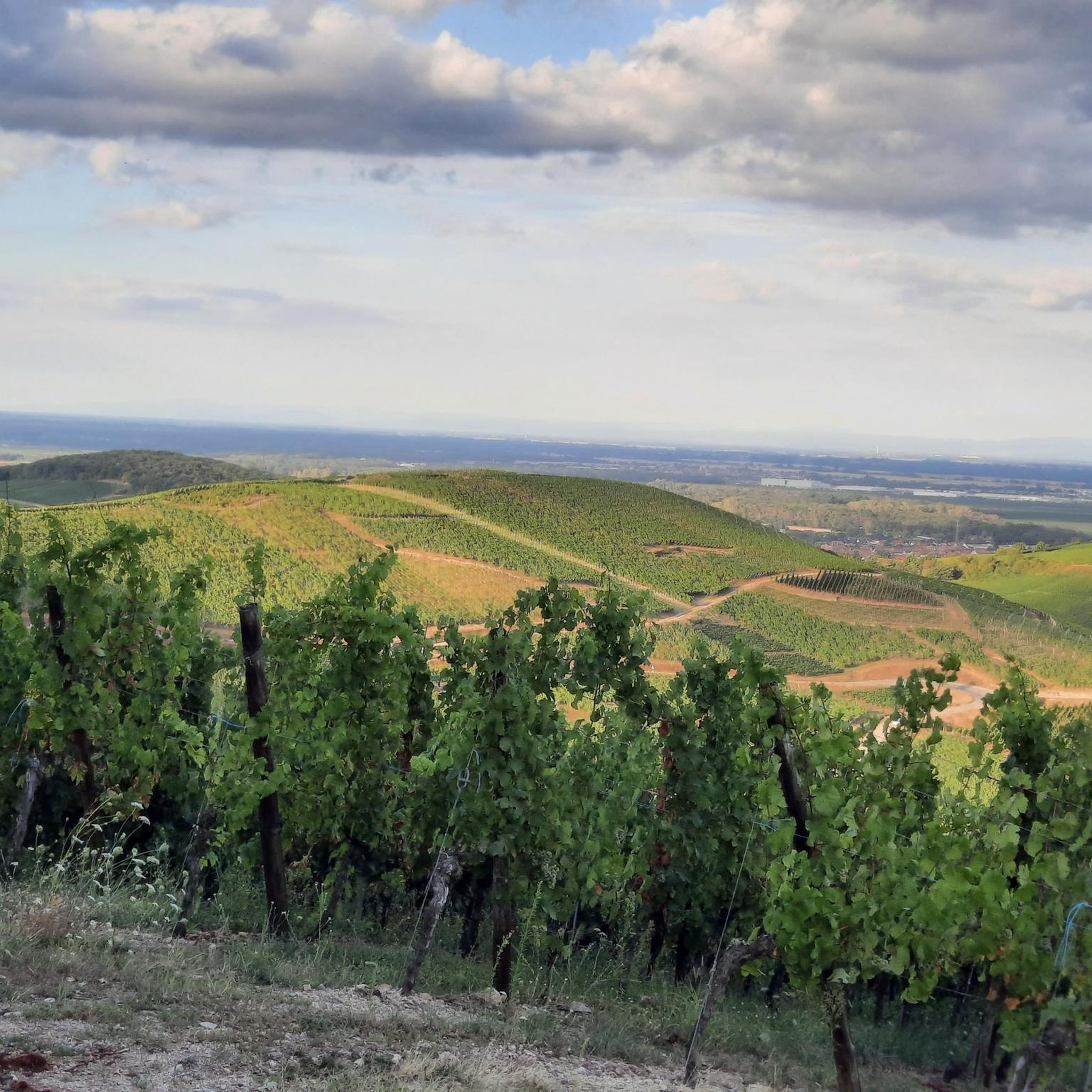
Yes, the Unterallgäu landscape around Türkheim is popular for hiking. You can find various routes showcasing the local natural beauty. For specific trails, explore the Hiking around Türkheim guide, which includes routes like the easy 'Porte de France – Viewpoint Over the Vineyards loop'.
What cycling paths are available in the Türkheim area?
The Wertach Cycle Path is a well-maintained route running along the Wertach River, offering scenic views and information panels. The broader Unterallgäu region is also known for its diverse cycling opportunities, including routes for road cycling, mountain biking, and gravel biking, often highlighting lakes and natural monuments.
What outdoor activities can I do near Türkheim's attractions?
Beyond visiting historical sites, the Türkheim area is excellent for outdoor enthusiasts. You can enjoy hiking on various trails, cycling along the Wertach Cycle Path, or exploring more challenging mountain hikes. The region's picturesque landscape is perfect for a range of activities.
What do visitors enjoy most about the Türkheim area?
Visitors particularly appreciate the blend of historical significance and natural beauty. The charming market town feel, combined with opportunities for outdoor activities like hiking and cycling through picturesque landscapes, makes it a popular destination. The cultural sites and well-preserved historical landmarks also contribute to a rich visitor experience.
Most popular routes around Türkheim
Most popular attractions around Türkheim

Get inspired with the komoot mobile app


Explore more
Still not found the Highlight you’re looking for? See guides of the top attractions in other regions:
