The best road cycling routes around Saint-Jean-De-Soudain
4.5
(177)
2,105
riders
271
rides
Road cycling around Saint-Jean-De-Soudain, located in the Isère department of southeastern France, offers varied landscapes for cyclists. The commune features a mix of hilly and wooded terrain, with altitudes ranging from 303m to 471m. The Bourbre river flows through the area, adding to the natural scenery. This region provides access to diverse road cycling routes, from local loops to longer paths connecting to the French Alps.
Best road cycling routes around Saint-Jean-De-Soudain
- The most popular road cycling route is The…
Last updated: October 13, 2026
10
riders
58.8km
03:02
890m
890m
Moderate road ride. Good fitness required. Mostly well-paved surfaces and easy to ride.
38
riders
42.4km
02:08
560m
560m
Moderate road ride. Good fitness required. Mostly well-paved surfaces and easy to ride.

4.5
(2)
30
riders
37.2km
01:45
460m
460m
Moderate road ride. Good fitness required. Mostly well-paved surfaces and easy to ride.
5.0
(2)
37
riders
44.3km
02:04
520m
520m
Moderate road ride. Good fitness required. Mostly well-paved surfaces and easy to ride.
11
riders
37.3km
01:43
420m
420m
Moderate road ride. Good fitness required. Mostly well-paved surfaces and easy to ride.
Get access to more routes and recommendations from other explorers.
Already have an account?
Our route recommendations are based on thousands of hikes, rides, and runs completed by other people on komoot.
Start today with a free account
Your next adventure awaits.
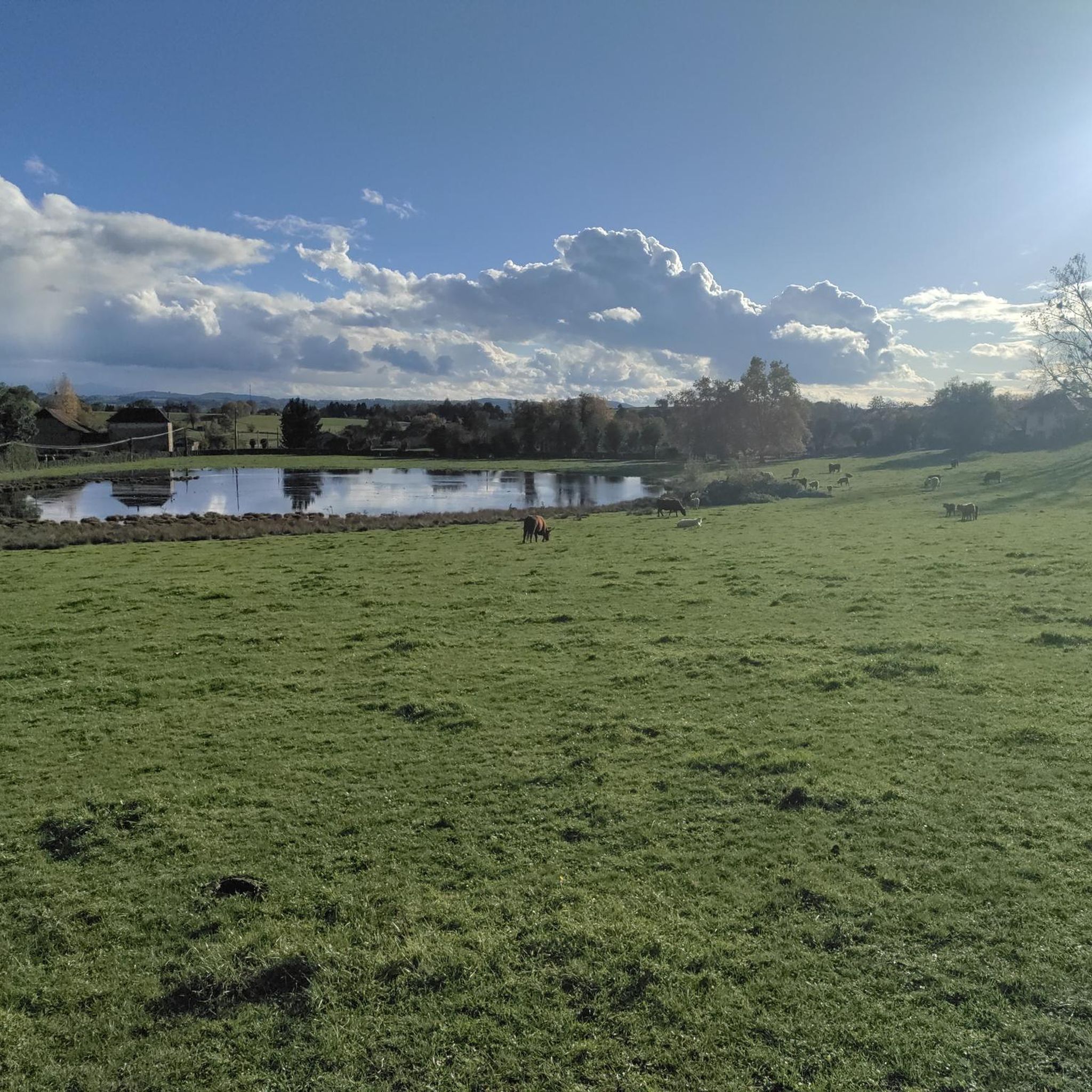
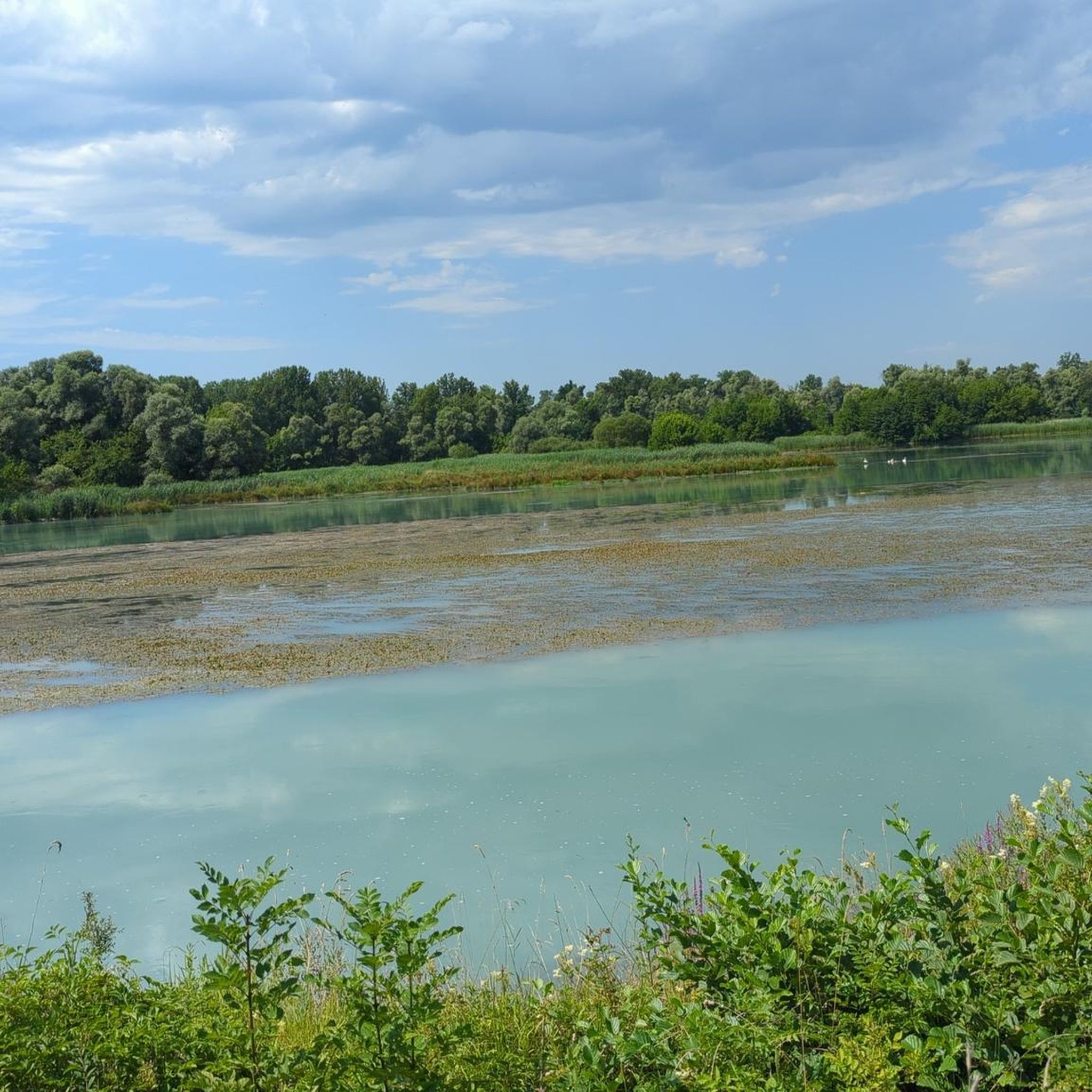

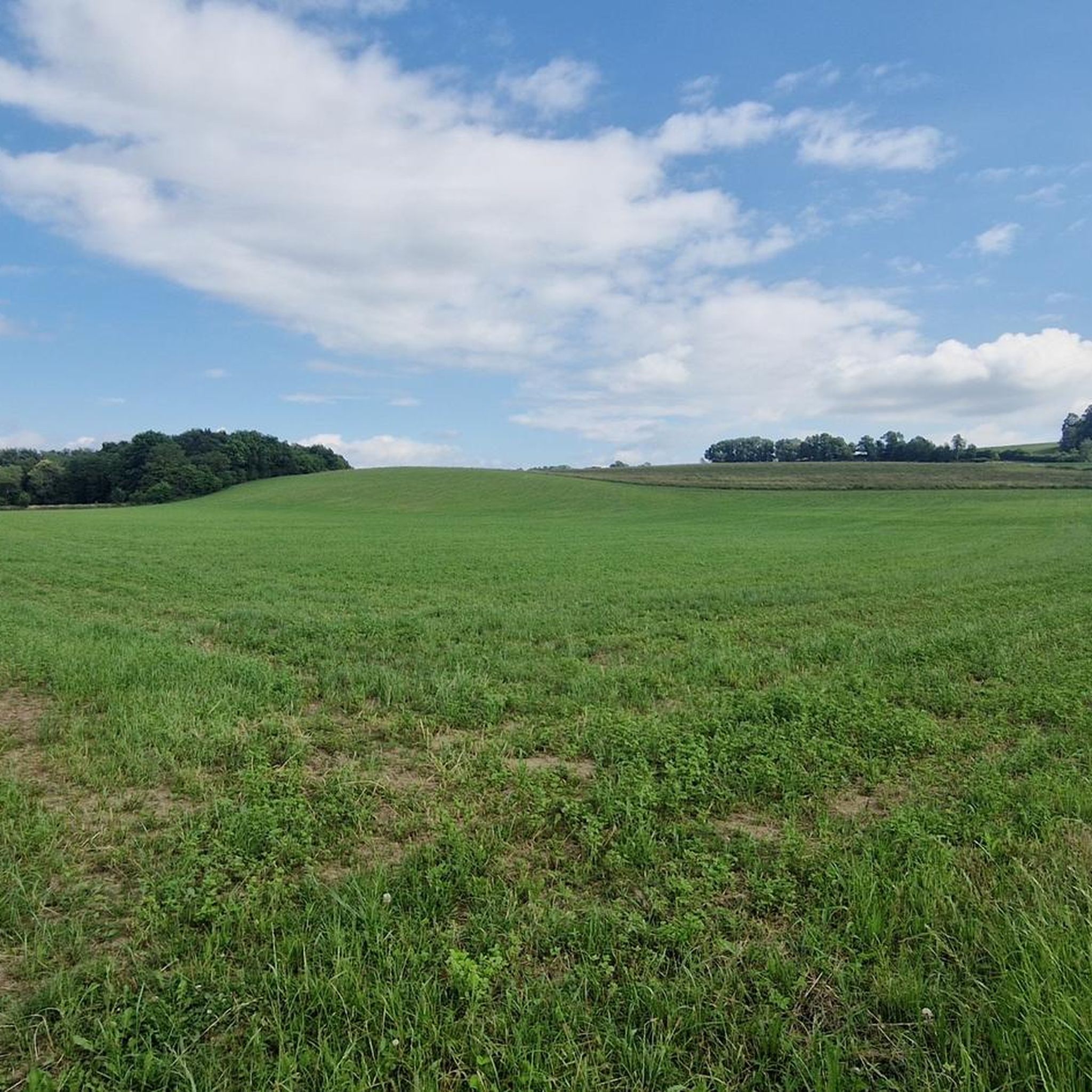

Tips from the Community

Built in 1867 to replace the old chapels of the historic hamlets of Roche and Toirin, the Saint-Étienne church of Rochetoirin was built on the edge of the plateau. Its location serves as a true viewpoint, offering an unobstructed panoramic view of the entire surrounding plain and the landscapes of the Vals du Dauphiné. https://www.rochetoirin.fr/rubriques.item.41/histoire.html
0
0

Kilometer marker at the beginning of the climb, flagship climb of the French Championships Avenir 2025 and French Championships 2026 (organized in the territory of Vals du Dauphiné) which, moreover, still bears the markings on the ground as I write these lines! Steep gradients, it stings!!!
2
0

Found somewhat by chance and at a very affordable price, this hotel restaurant is a superb stopover for a bike ride!
0
0

Magnificent hikes without being isolated, with varied landscapes and beautiful mountain views, no elevation changes, and plenty of wildlife along the way. Top!
1
0
Regular and pleasant climb that immediately gives us a transition from the city to the countryside at the exit of La Tour du Pin. Anecdote: Segment forming part of the route of the 2025 French Championship in the downhill direction.
0
0
Anecdote: Disappeared during the 2025 French Championship
0
0
Climb that starts from Saint-Sorlin-de-Morestel and leads to the Chapelle de la Tour. The bends with the rocks are quite pretty.
0
0
Chapeau Cornu Castle was originally a fortified house built on the site of an ancient Roman camp. Between 800 and 1100, feudalism took hold. The sovereigns of Vienna and the Bishop created “rear fiefdoms” to ensure security and repel attackers. In the 12th and 13th centuries, there were two allied families: the Capellas and the Cornutis. It is by derivative of these 2 Latin names that “Chapeau Cornu” was born. In 1300, Amédée de Rossilon was governor of Chapeau Cornu. He left this property to his nephews Pierre and Louis Chapel. After Pierre's death in 1358, Louis succeeded him. Pierre will leave 2 daughters, one of whom Antonia marries the Knight Etienne Laure, Lord of Veyssillieu. The latter was killed by the English while fighting under Duguesclin. His son Jacquemont Laure avenged him and his daughter Béatrice married Imbert de Groslée, Seneschal of the King, in 1413. His sons and descendants remained in Chapeau Cornu until 1650. It was in 1601 that Chapeau Cornu took the name Château. But in 1638, the Castle fell into disuse. The last occupants, the Matthieu de Rame couple, left no children and in 1693, the property passed to Aymard Micha de Burcin. He expanded the estate through multiple purchases and died in 1755, donating all his property to his cousin Philippe Guillaume de Grammont. After the storming of the Bastille on the night of July 25 to 26, 1789, “the great fear” began. A band of rioters, determined to destroy the property of the squires, arrived in Chapeau Cornu at 1 a.m. The steward at the time had the idea of treating them as guests and opened the doors of the wine cellars to them. The damage underground is impressive: the undrinked wine is emptied but the castle remains intact. After the Revolution, the castle was purchased by Jean André Barge from the de Certeau family. He diverted the bed of the stream coming from the hill which then passed into the castle. He had the large buildings to the south-east and east built on the vault. Ruined, he sold part of the land to people from Vignolles. In 1855, the castle and 80 hectares surrounding it were bought by his son Ferdinand de Certeau. The estate remained in the family until 1891. The Bourgoin Court then ordered a judicial liquidation and had the property sold in several lots. Source: Vignieu website
1
0
Frequently Asked Questions
How many road cycling routes are available around Saint-Jean-De-Soudain?
There are over 260 road cycling routes around Saint-Jean-De-Soudain, offering a wide variety of options for different skill levels and preferences. This includes 32 easy routes, 188 moderate routes, and 42 difficult routes.
What kind of terrain can I expect on road cycling routes in Saint-Jean-De-Soudain?
The region around Saint-Jean-De-Soudain is characterized by a mix of hilly and wooded terrain, with altitudes ranging from 303m to 471m. The Bourbre river also flows through the area, adding to the natural scenery. Most routes feature mostly paved surfaces, ideal for road cycling, and offer diverse scenic backdrops.
What do other cyclists say about road cycling in Saint-Jean-De-Soudain?
The road cycling routes in Saint-Jean-De-Soudain are highly rated by the komoot community, with an average score of 4.3 stars from over 140 reviews. More than 1800 road cyclists have used komoot to explore the varied terrain, often praising the scenic views and diverse challenges.
Are there routes suitable for beginners or those looking for an easy ride?
Yes, Saint-Jean-De-Soudain offers several easy road cycling routes. For example, the Series of Ponds – Ancienne Tuilerie Bertrand loop from Cessieu is an easy 29.8 km trail that leads through a landscape dotted with ponds, typically completed in about 1 hour 20 minutes.
Are there challenging road cycling routes for experienced riders?
Absolutely. For those seeking more challenging rides, the region offers options like the "Ruisseau du Moulin – Étang de Gole loop from La Chapelle-de-la-Tour," which is categorized as hard with 510m of elevation gain over 34.8km. Additionally, the broader Isère department provides access to iconic climbs of the French Alps, such as the mythical passes of Glandon, Croix de Fer, Galibier, and the ascent to Alpe d'Huez.
What natural attractions can I see while road cycling in the region?
While cycling, you can enjoy the hilly and wooded landscapes and the Bourbre river. Nearby natural attractions include the beautiful Étang de la Rosière and the Vallin Forest. The Glandieu Falls, located about 17.6km away, also offer a beautiful natural spectacle.
Are there any historical landmarks along the cycling routes?
Yes, cyclists can encounter historical sites. The Chateau de Chapeau Cornu is appreciated for its beauty and can serve as a superb stopover. Morestel Medieval Town and Castle are also mentioned as highlights by cyclists in the area, as is Virieu Castle.
Are there any circular road cycling routes available?
Many of the routes in the area are designed as loops, providing a convenient circular experience. Examples include The Champions' Circuit, a 58.8 km loop, and the Côte de Chatanay – Côte du Béjuy loop from La Tour-du-Pin, a 42.6 km path.
Can I find scenic viewpoints on the road cycling routes?
The hilly and wooded terrain of Saint-Jean-De-Soudain naturally offers numerous scenic viewpoints. Routes like Saint-Savin Waterfall loop from Rochetoirin provide picturesque landscapes, and the varied elevation changes often lead to expansive vistas of the surrounding countryside and river valleys.
What is the best time of year for road cycling in Saint-Jean-De-Soudain?
While specific weather data isn't provided, the Auvergne-Rhône-Alpes region generally offers pleasant cycling conditions from spring through autumn. Spring and early summer provide lush green landscapes, while autumn brings vibrant colors. Always check local weather forecasts before heading out, especially for higher elevation routes.
Are there options for longer road cycling tours, such as multi-day trips?
Yes, the region offers access to longer, more renowned cycling paths. The ViaRhôna, a significant cycling route stretching over 800 km from Lake Geneva to the Mediterranean, has sections nearby. This allows for extended tours, including a well-laid out gravel section between Groslée and La Balme that alternates between fields and undergrowth.
Are there any routes that feature waterfalls?
Yes, the Saint-Savin Waterfall loop from Rochetoirin is a moderate 51.5 km route that includes a waterfall. Additionally, the Glandieu Falls, located about 17.6km from Saint-Jean-De-Soudain, are a notable natural spectacle in the vicinity.
Most popular routes around Saint-Jean-De-Soudain
Most popular attractions around Saint-Jean-De-Soudain

Get inspired with the komoot mobile app


Explore more
Browse the best Road cycling routes in other regions.
