Top 8 Mountain Passes around Barsac
Barsac, located in the Gironde department of southwestern France, is characterized by a predominantly flat landscape, with elevations ranging from 3 to 21 meters above sea level. This low-lying terrain is known for its vineyards and sweet white wines, particularly within the Sauternes appellation. The region's geography does not feature significant mountain passes. The landscape is defined by viticulture rather than rugged mountainous features.
Best mountain passes around Barsac
- The most popular mountain passes is Col de Pennes, a…
Last updated: June 26, 2026
Col de Pennes
Highlight • Mountain Pass
Translated by Google •
Tip by

Ascent from Die to Col du Rousset
Highlight (Segment) • Climb
Translated by Google •
Tip by

Sign up now to discover places like this
Get recommendations on the best single tracks, peaks, & plenty of other exciting outdoor places.
Sign up for free
Col de la Croix (746 m)
Highlight • Mountain Pass
Translated by Google •
Tip by

Col de Marignac
Highlight • Mountain Pass
Coming from Die, it is an intermediate pass before attacking the climb of the Col de la Croix.
Translated by Google •
Tip by

Valcroissant Abbey
Highlight • Mountain Pass
A colorful place that is worth the detour.
Translated by Google •
Tip by

Sign up for free to discover even more mountain passes around Barsac.
Sign up for free
Already have an account?
Start today with a free account
Your next adventure awaits.
Login or Signup
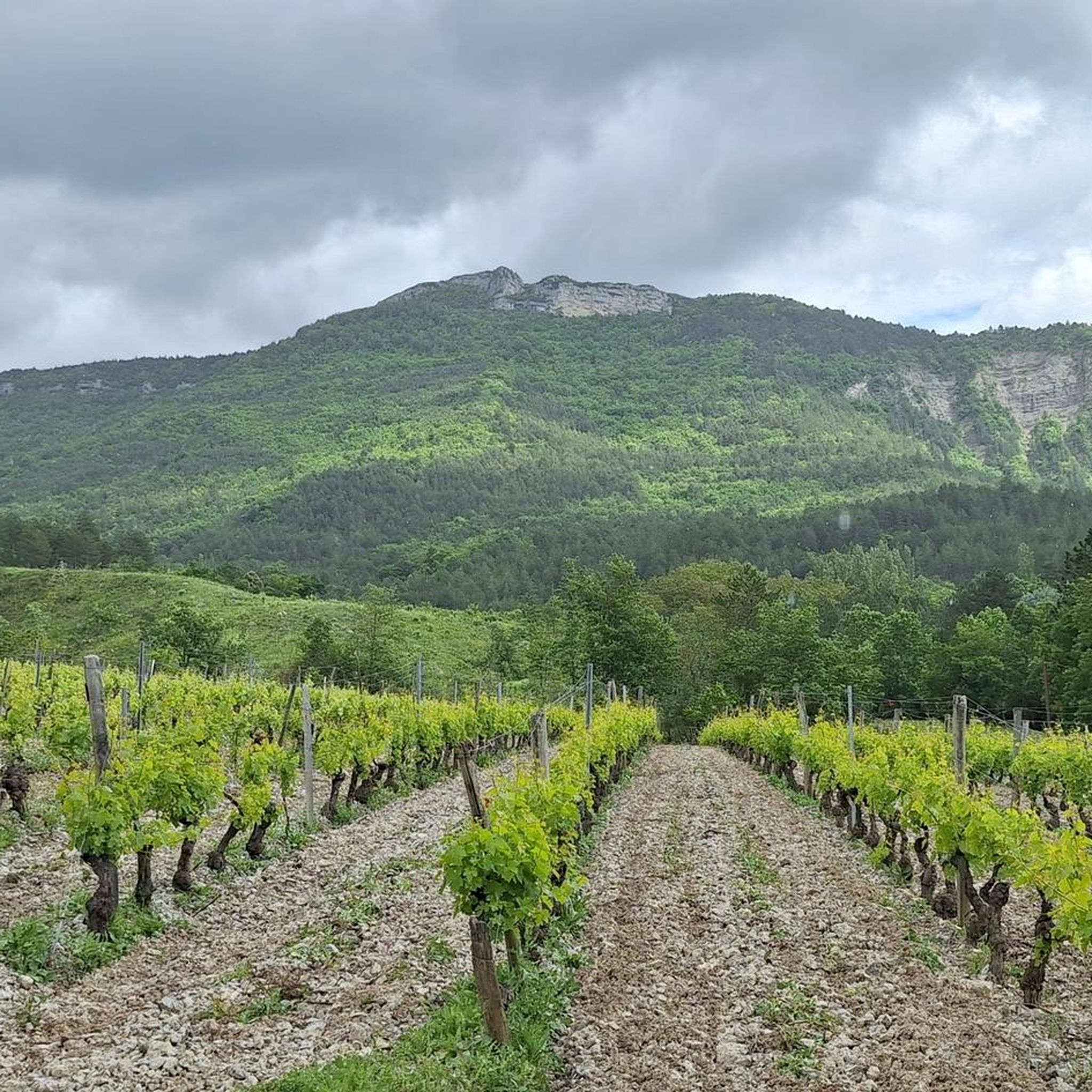
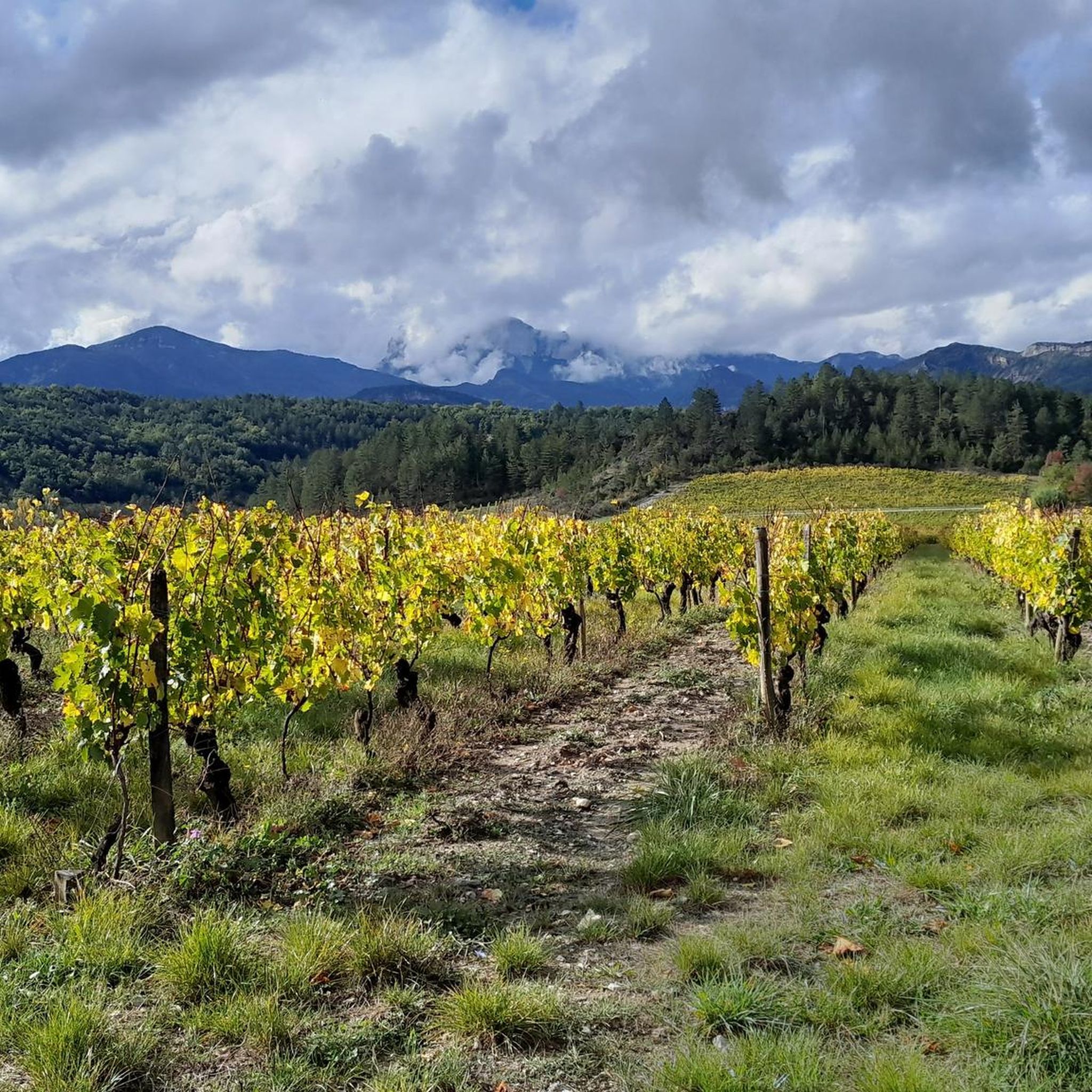
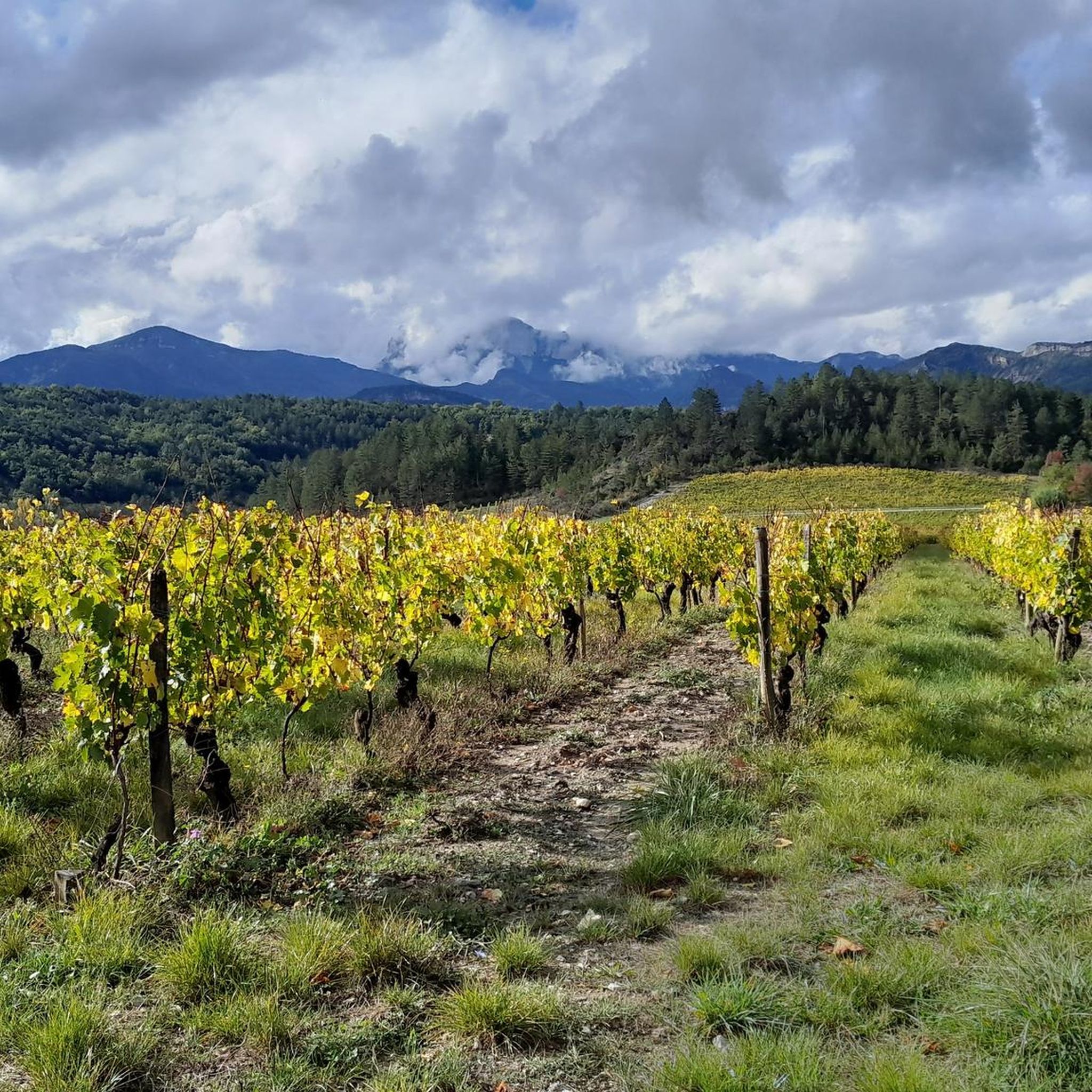
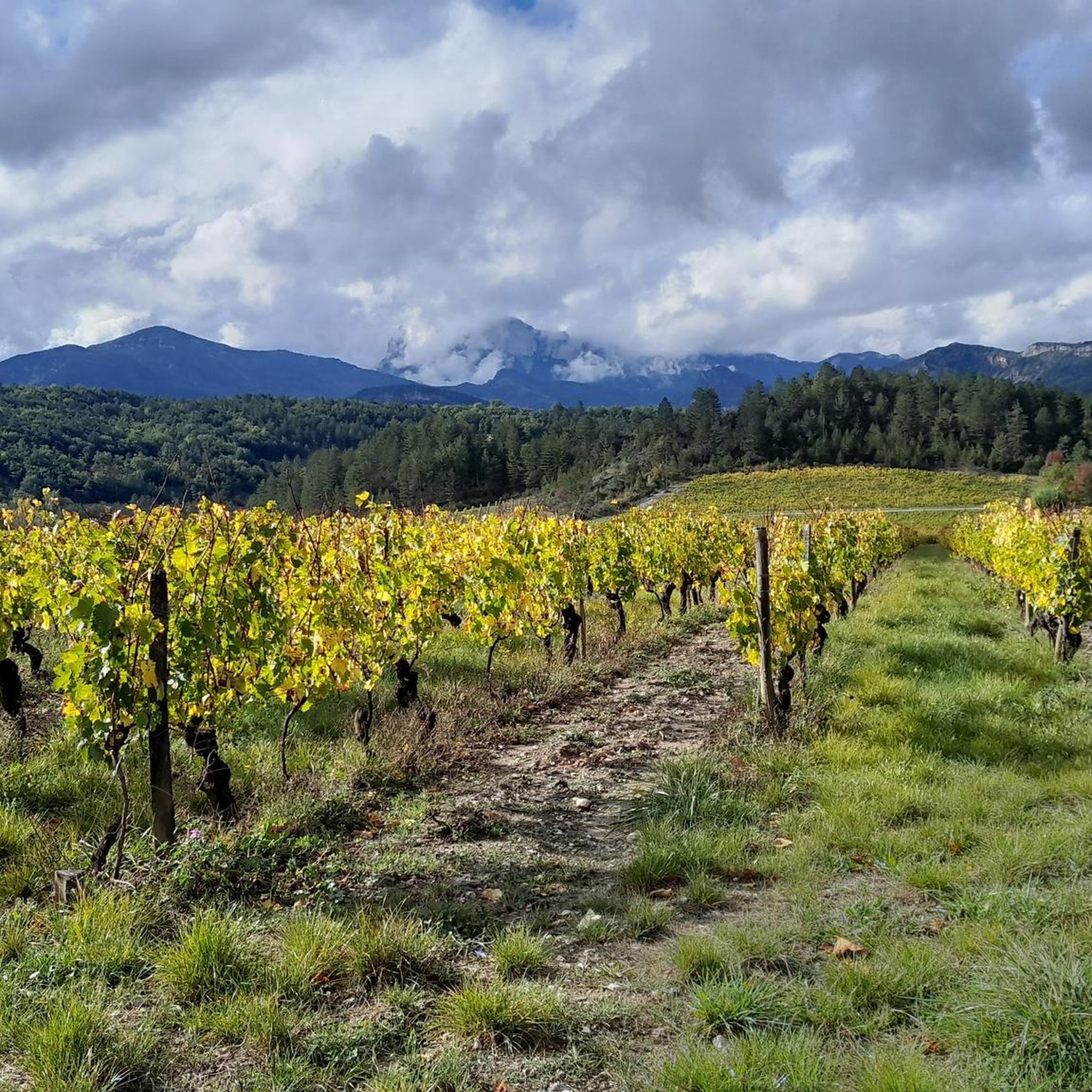
Tips from the Community

For a short Sunday outing, a quiet, clean road for a family bike ride
0
0

It is also an excellent gîte and can accommodate up to twelve people. https://www.fmc4me.online
0
0

Long but too hard. Come on, be brave.
0
0

Hello friends and congratulations to you
0
0

Nice little pass essentially allowing you to avoid the main road from the Crest valley to Die. This road is very little used and the pass, starting from Die, is divided into two small climbs: Col de Marignac then La Croix
1
0

You can also find a 1000er in the area
0
0

Super passes without big challenges with superb views
1
0
Beautiful Abbey that is not accessible, however.
0
0
Frequently Asked Questions
Does Barsac itself have mountain passes?
No, Barsac is located in a predominantly flat region of southwestern France, known for its vineyards and low elevation. The landscape is defined by viticulture rather than rugged mountainous features. Mountain passes are typically found in regions with significant altitude variations, such as the French Alps or the Vosges Mountains.
What kind of mountain passes are featured in this guide?
This guide features a variety of mountain passes, including challenging climbs, intermediate trails, and scenic viewpoints. For example, Col de Pennes is noted for its narrow, quiet road with slopes up to 10%, offering great views. The Ascent from Die to Col du Rousset is a nearly 20-kilometer climb with impressive switchbacks, while Col de la Croix (746 m) is an intermediate pass with views of the Vercors.
When is the best time to visit the mountain passes mentioned in this guide?
The best time to visit these mountain passes generally depends on the specific pass and your activity. For cycling and hiking, spring through autumn typically offers the most favorable weather conditions. Some passes, like the Ascent from Die to Col du Rousset, may have tunnels at the summit, so lights are recommended regardless of the season.
Are there family-friendly options among the mountain passes in this guide?
Yes, some passes are suitable for families. For instance, Col de Marignac is described as a very nice pass for a short Sunday outing, with a quiet, clean road ideal for a family bike ride, especially when climbing from St Julien en Quint or descending to Die.
What are the difficulty levels of the mountain passes featured in this guide?
The mountain passes in this guide offer varying difficulty levels. Some, like Col de Pennes, can be challenging with slopes reaching 10%, requiring good physical condition for cycling. Others, such as Col de la Croix (746 m), are considered intermediate, offering superb views without extreme challenges. The Ascent from Die to Col du Rousset is a long climb, generally around 5% average slope.
What natural features can I expect to see around these mountain passes?
Visitors can expect to see diverse natural features, including impressive switchbacks and magnificent views, as noted for the Ascent from Die to Col du Rousset. Passes like Col de Pennes offer great views between valleys, and Col de la Croix (746 m) provides consistent views of the Vercors.
Are there any historical or cultural sites near these mountain passes?
Yes, for example, the Valcroissant Abbey is a magnificent little Cistercian abbey located near some of the featured passes. While it is private property today, it is a colorful place worth the detour and also functions as a gîte.
What outdoor activities can I do near these mountain passes?
Beyond cycling the passes, the broader region offers various outdoor activities. You can find numerous running trails, such as the 'Running loop from Vercheny' or 'Die – Die loop from Die'. There are also hiking opportunities, including the 'Cascades de Pontaix – loop' and 'Hiking loop from Die'. For mountain biking enthusiasts, trails like the 'Nice balcony overlooking the Diois – Saint-Christophe Chapel loop from Pontaix' are available. You can explore more options in the Running Trails around Barsac, Hiking around Barsac, and MTB Trails around Barsac guides.
What do visitors enjoy most about the mountain passes in this guide?
Visitors particularly appreciate the quiet roads and scenic beauty of these passes. Many highlight the 'great views' and 'good asphalt' for cycling, as well as the sense of accomplishment from challenging climbs. The lack of heavy traffic on many of these routes, such as Col de Pennes and Col de la Croix (746 m), is also a frequently praised aspect.
Are there specific tips for cycling these mountain passes?
Yes, for passes like Col de Pennes, it's advised that you need to be in good physical condition due to slopes reaching 10%. For the Ascent from Die to Col du Rousset, remember to bring lights for the tunnel at the summit. Many passes offer quiet roads, making them ideal for bike rides away from heavy traffic.
Can I find routes for different sports near these mountain passes?
Absolutely. The area provides a range of routes for various sports. For running, you can find moderate trails like 'Running loop from Vercheny'. Hikers can enjoy easy to moderate paths such as 'Hiking loop from Die' or 'Ruin above Pontaix – Pontaix loop'. Mountain bikers have options from easy to difficult, including 'Beautiful trail along the Drôme – Die loop' or the challenging 'Nice balcony overlooking the Diois – Saint-Christophe Chapel loop'. More details are available in the dedicated komoot guides for Running, Hiking, and MTB Trails.
Most popular attractions around Barsac

Get inspired with the komoot mobile app


Explore more
See even more epic mountain passes by checking out these guides around Barsac:
