The 7 Most Amazing Peaks around Lusse
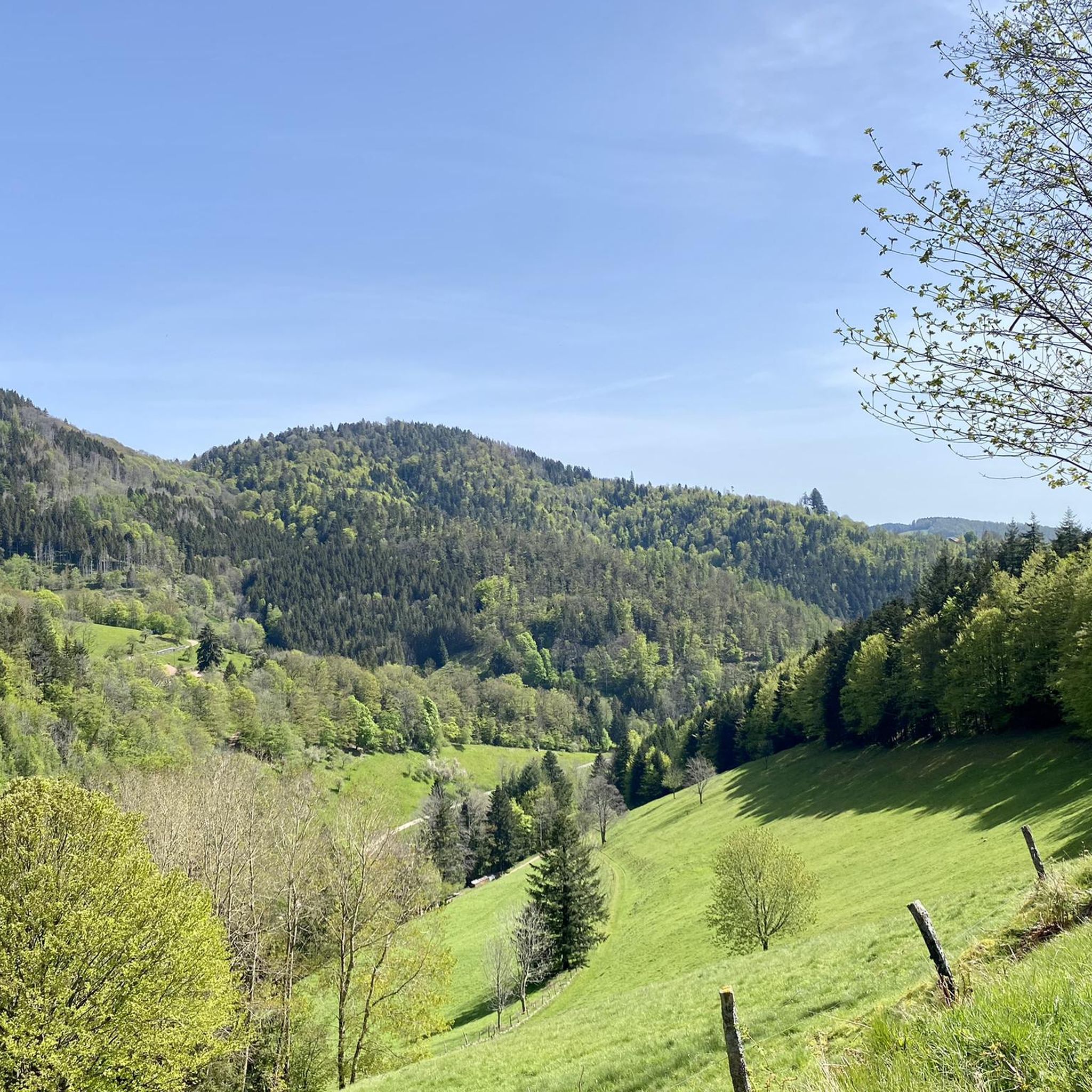
Best mountain peaks around Lusse are situated in the Vosges mountains of France. This region is characterized by its diverse natural landscape, featuring numerous summits, rock formations, and challenging hiking trails. The Lusse mountain region provides opportunities to explore scenic routes and historical sites within the Vosges massif. The area offers varied terrain for exploration, often requiring good fitness for significant elevation gains.
Best mountain peaks around Lusse
- The most popular mountain peaks is Little Brézouard, a summit that…
Last updated: October 10, 2026
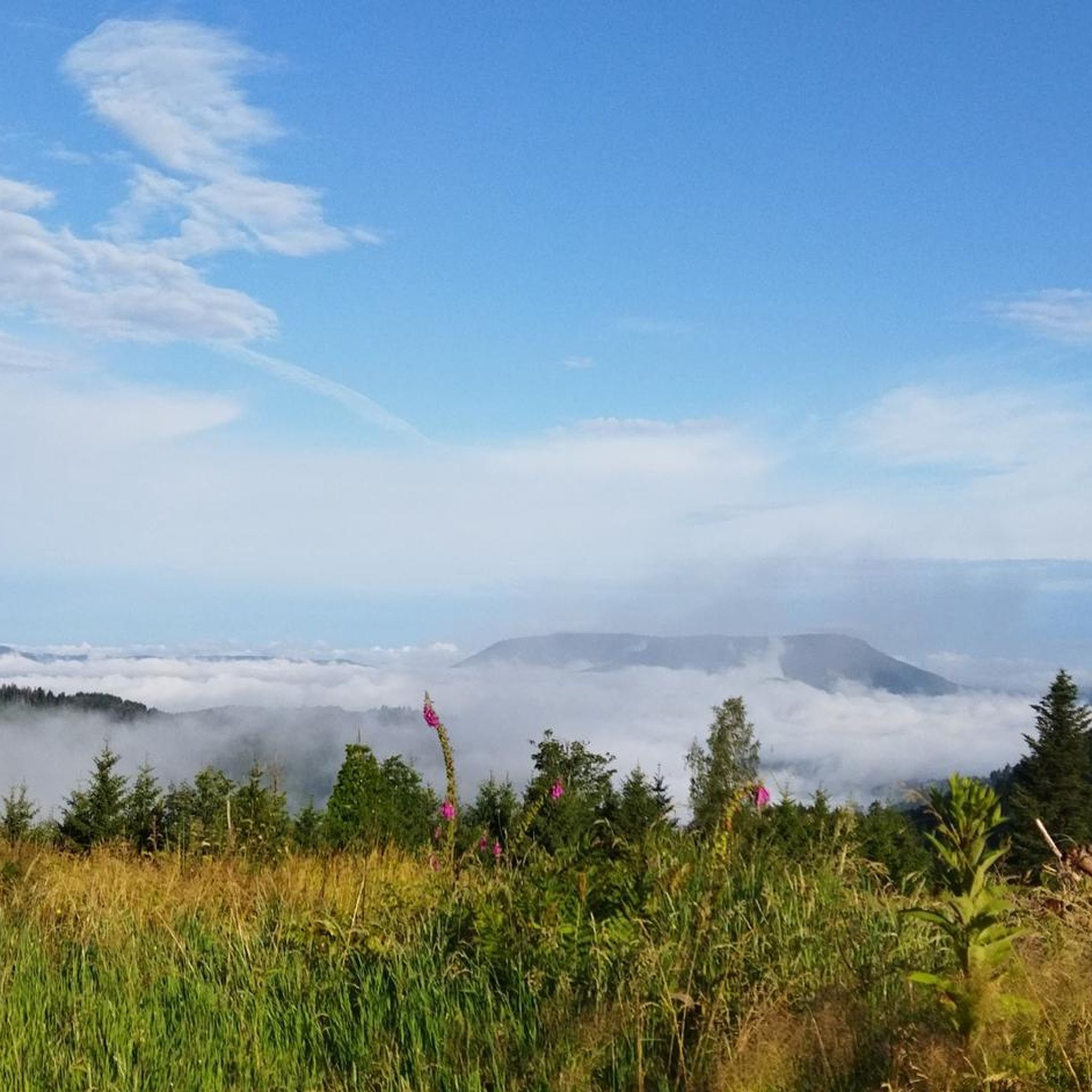
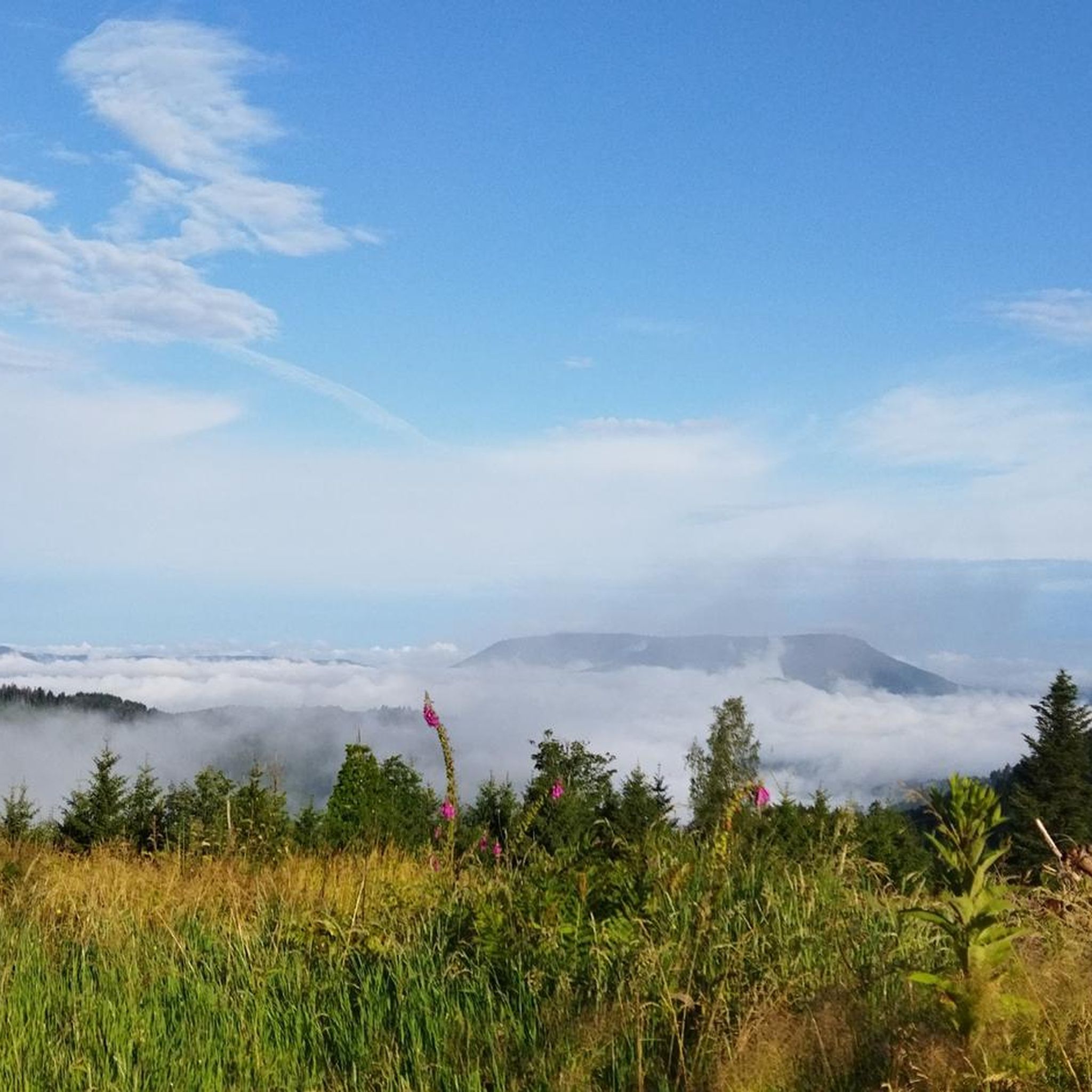
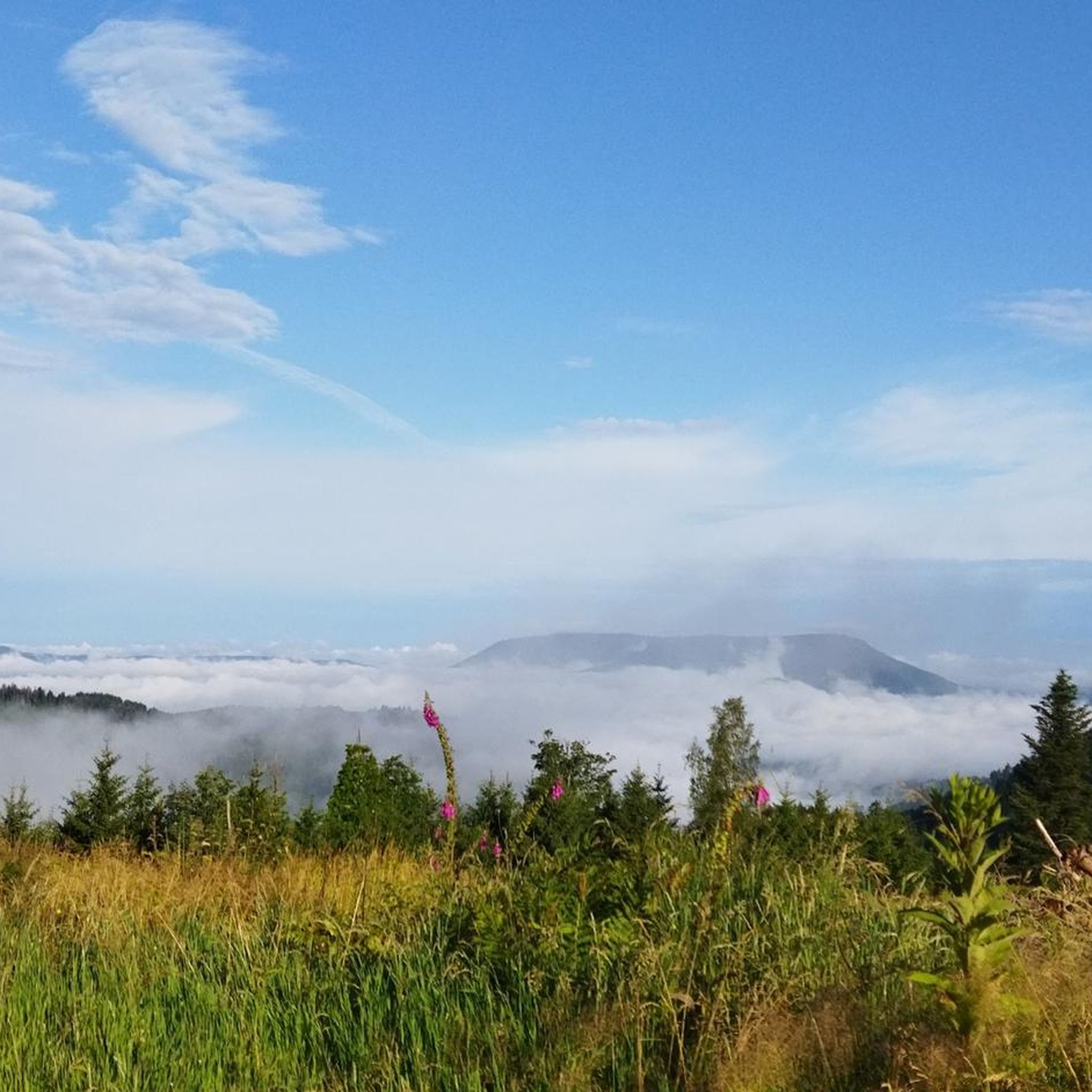
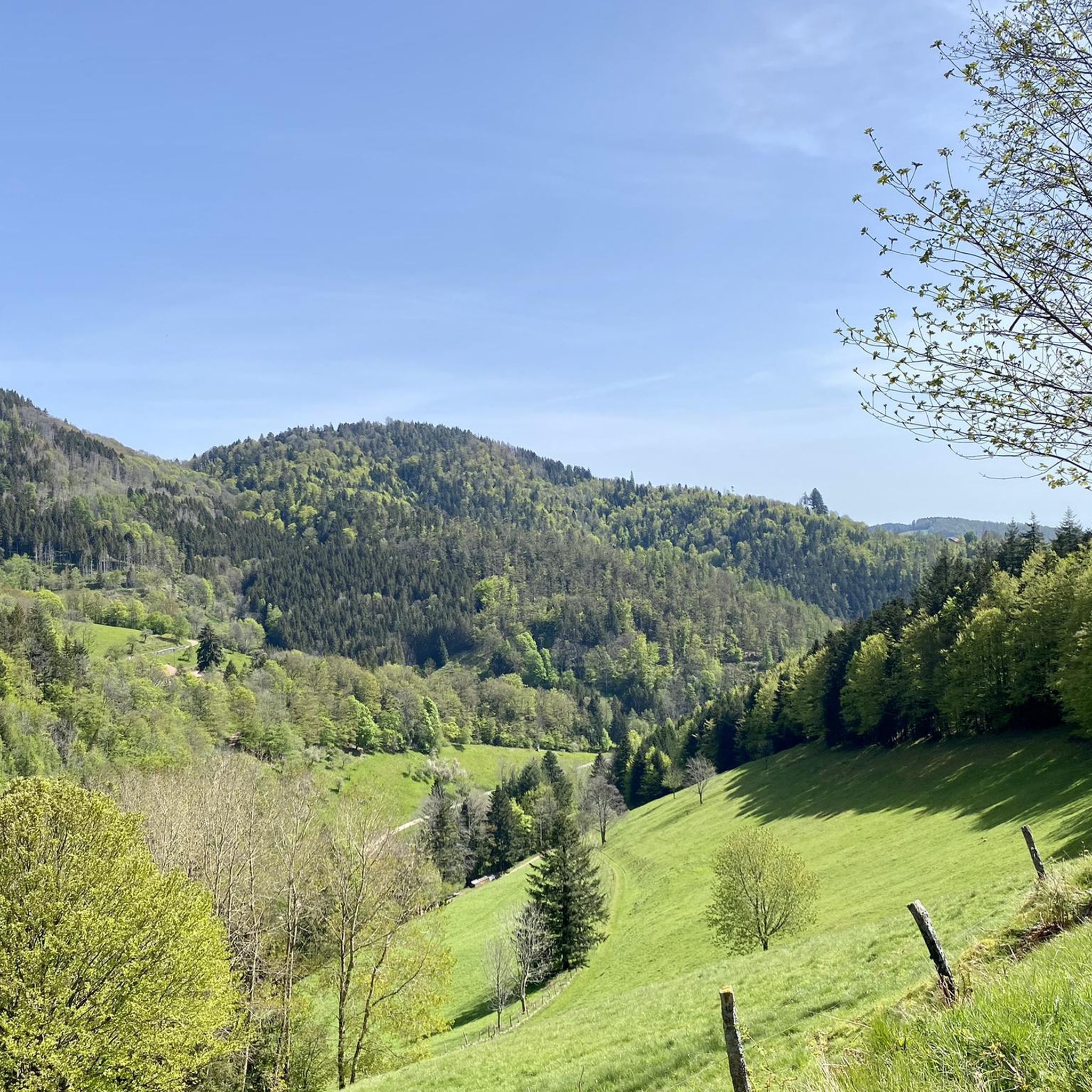
Little Brézouard
Highlight • Summit
Translated by Google •
Tip by

Kutzig Buech Shelter
Highlight • Natural Monument
Translated by Google •
Tip by

Sign up now to discover places like this
Get recommendations on the best single tracks, peaks, & plenty of other exciting outdoor places.
The Ramelstein
Highlight • Summit
Translated by Google •
Tip by

Roche des Abris
Highlight • Natural Monument
Inside there is a table, a stove, a bed, a telephone and electricity.
Translated by Google •
Tip by

Devil's Field
Highlight • Summit
Translated by Google •
Tip by

Sign up for free to discover even more peaks around Lusse.
Already have an account?
Start today with a free account
Your next adventure awaits.

Tips from the Community

Great dry spot of earth for approx. 10 people
3
0

Magnificent 360° view, there is a refuge 100m further down in case of bad weather
0
0

A large rest area with a good shelter. If necessary, you can also bivouac in it.
5
0
Besides the beautiful forest, there is nothing to see here.
1
0


Beautiful rest area with shelter and numerous seating areas... Perfect spot for a rest or even an overnight stay
3
0
Highest point in the Taennchel massif... Since there's no view, there's not much going on here... the rocks are perfect for a break...
1
0

This rock shelter linked to a fort is that of the commander of the cartographic section. Inside there is a table, a stove, a bed, a telephone and electricity. This is where all the information obtained by the observers on the massif arrives.
0
0
Frequently Asked Questions
What are some of the most scenic viewpoints among the mountain peaks around Lusse?
For breathtaking panoramas, head to Little Brézouard, which offers an unobstructed view of the Vosges peaks, including the Grand Ballon. Another excellent spot is Grand Brézouard, where from its 1,229-meter summit, you can enjoy a spectacular panorama of the massif, its forests, and valleys.
Are there any family-friendly mountain peaks or shelters suitable for a break around Lusse?
Yes, Kutzig Buech Shelter is a great option. It's a natural monument and shelter providing a very nice rest area with benches on the ridge of the Taennchel massif. While it doesn't offer views, it's a comfortable, shady spot perfect for a family break during a hike.
What kind of hiking trails can I find near the mountain peaks around Lusse?
The Vosges mountains around Lusse offer a variety of hiking experiences. You can find challenging routes like the 17.4 km loop trail to The Goat Rocks (Les Roches du Chevrier) from Sainte-Marie-aux-Mines, which includes significant elevation gain. There are also hard loops to areas like Dry Fir Rock (Roche du Sapin Sec) and Ormont Rock (Roche d'Ormont) near Frapelle, requiring good fitness and sure-footedness. For more options, explore the Running Trails around Lusse guide, which includes various difficulty levels.
What other outdoor activities are available near the mountain peaks of Lusse?
Beyond hiking, the region around Lusse is excellent for cycling and gravel biking. You can find challenging cycling routes such as the 71.5 km 'Shaded bicycle path – Camp du Feu Nature Reserve loop' or more moderate options like the 'Sainte-Catherine Church – Fave Valley loop'. For gravel biking, there are routes like the 'Haut de Ribeauvillé Pass loop'. Check out the Cycling around Lusse and Gravel biking around Lusse guides for detailed routes.
Are there any historical sites or features to discover among the mountain peaks?
Yes, the region has historical significance, particularly related to the Great War. You can find the 'Old Boundary Marker – The Great War Trail Loop' near Sainte-Marie-aux-Mines, which offers a rigorous experience through historical and natural landscapes. Additionally, Roche des Abris is a historic rock shelter linked to a fort, once serving as a command post during the war.
What is the highest point in the Taennchel massif near Lusse?
The highest elevation in the Taennchel massif is The Ramelstein, reaching 989 meters. While the rocks themselves are not spectacular and there isn't a view, it serves as a quiet spot to sit and rest.
What is the best time of year to hike the mountain peaks around Lusse?
The Vosges mountains are generally accessible for hiking from spring through autumn. Summer offers pleasant temperatures for exploring, while autumn brings beautiful foliage. Some areas, like the high plateaus of the Luson Mountains (a similar-sounding region), are also excellent for winter hikes, but for the Vosges, spring to autumn is ideal for most trails, especially those with significant elevation changes.
What are the typical conditions for trails in the Lusse mountain region?
Paths in the Lusse mountain region are mostly accessible, but many trails, especially those leading to notable rock formations and summits, require good to very good fitness and sure-footedness. You should be prepared for significant elevation gains, which can be up to 3,000 feet on some challenging loops.
Are there any specific rock formations worth visiting in the Lusse area?
Absolutely. Beyond the summits, the region is known for its diverse rock formations. Notable examples include The Goat Rocks (Les Roches du Chevrier), Dry Fir Rock (Roche du Sapin Sec), and Ormont Rock (Roche d'Ormont). These formations are often integrated into challenging and scenic hiking trails.
What do visitors particularly appreciate about the mountain peaks around Lusse?
Visitors frequently highlight the magnificent views, especially from summits like Little Brézouard, which offers clear sightlines to the surrounding Vosges and even the Alps on clear days. The well-maintained rest areas, such as Kutzig Buech Shelter, are also highly appreciated for providing comfortable breaks amidst challenging terrain.
Where can I find information about parking or public transport for trailheads in the Lusse area?
While specific parking and public transport details for each trailhead are not universally available, many trails, particularly those starting from towns like Sainte-Marie-aux-Mines or Frapelle, will have designated parking areas. For detailed information on specific routes, it's best to check individual tour descriptions on komoot or local tourism resources for the Vosges region.
Most popular attractions around Lusse

Get inspired with the komoot mobile app


Explore more
See even more amazing summits around Lusse with these guides:
