Attractions and Places To See around Lampertsloch - Top 20
Best attractions and places to see around Lampertsloch include a blend of historical sites, natural features, and cultural points of interest within the Northern Vosges Regional Nature Park. Situated at the foot of the Hochwald massif, the area offers insights into its past as a significant oil-producing and wine-producing region. Visitors can explore a variety of landscapes, from extensive forests to historical village settings. The surroundings provide opportunities to discover both local heritage and broader regional attractions.
Best attractions and…
Last updated: October 9, 2026
Wegelnburg Castle Ruins
Highlight • Castle
Translated by Google •
Tip by

Hohenbourg Castle
Highlight • Viewpoint
Translated by Google •
Tip by

Sign up now to discover places like this
Get recommendations on the best single tracks, peaks, & plenty of other exciting outdoor places.
Wissembourg
Highlight • Settlement
Translated by Google •
Tip by

Château du Loewenstein
Highlight • Historical Site
A very beautiful ruin with a wonderful view from both platforms.
Translated by Google •
Tip by

Fleckenstein Castle
Highlight • Castle
Translated by Google •
Tip by

Sign up for free to discover even more attractions around Lampertsloch.
Already have an account?
Start today with a free account
Your next adventure awaits.
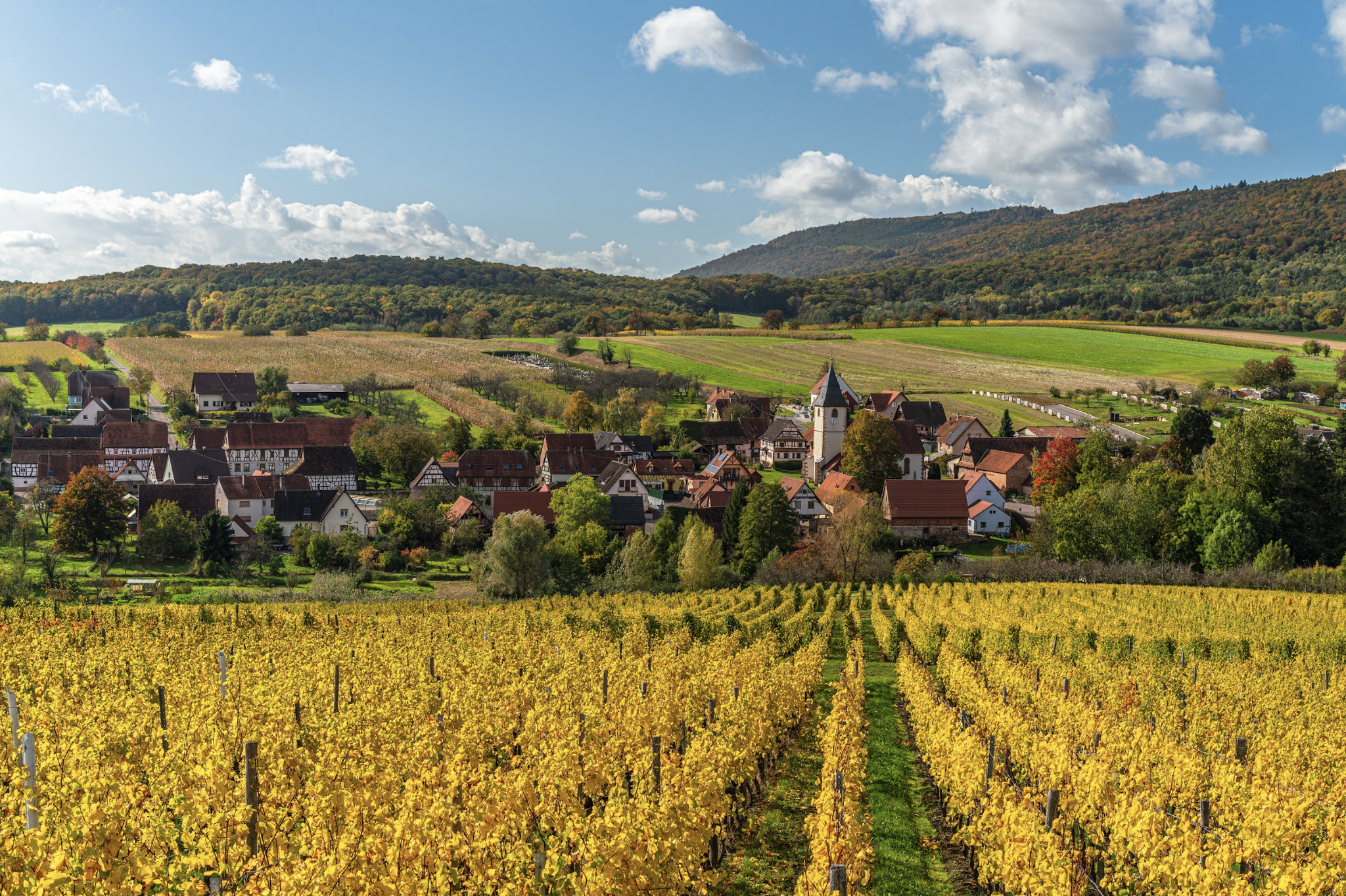
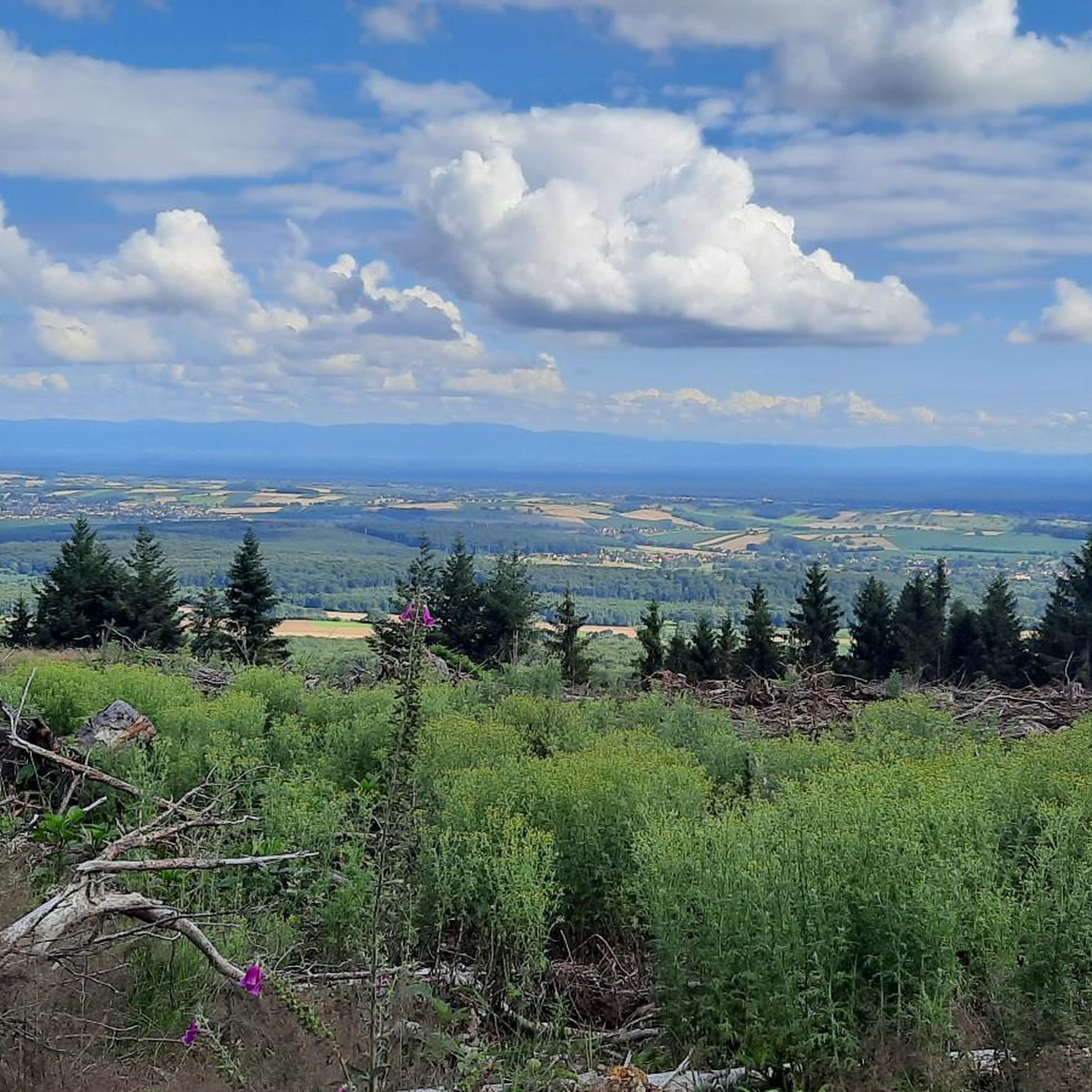
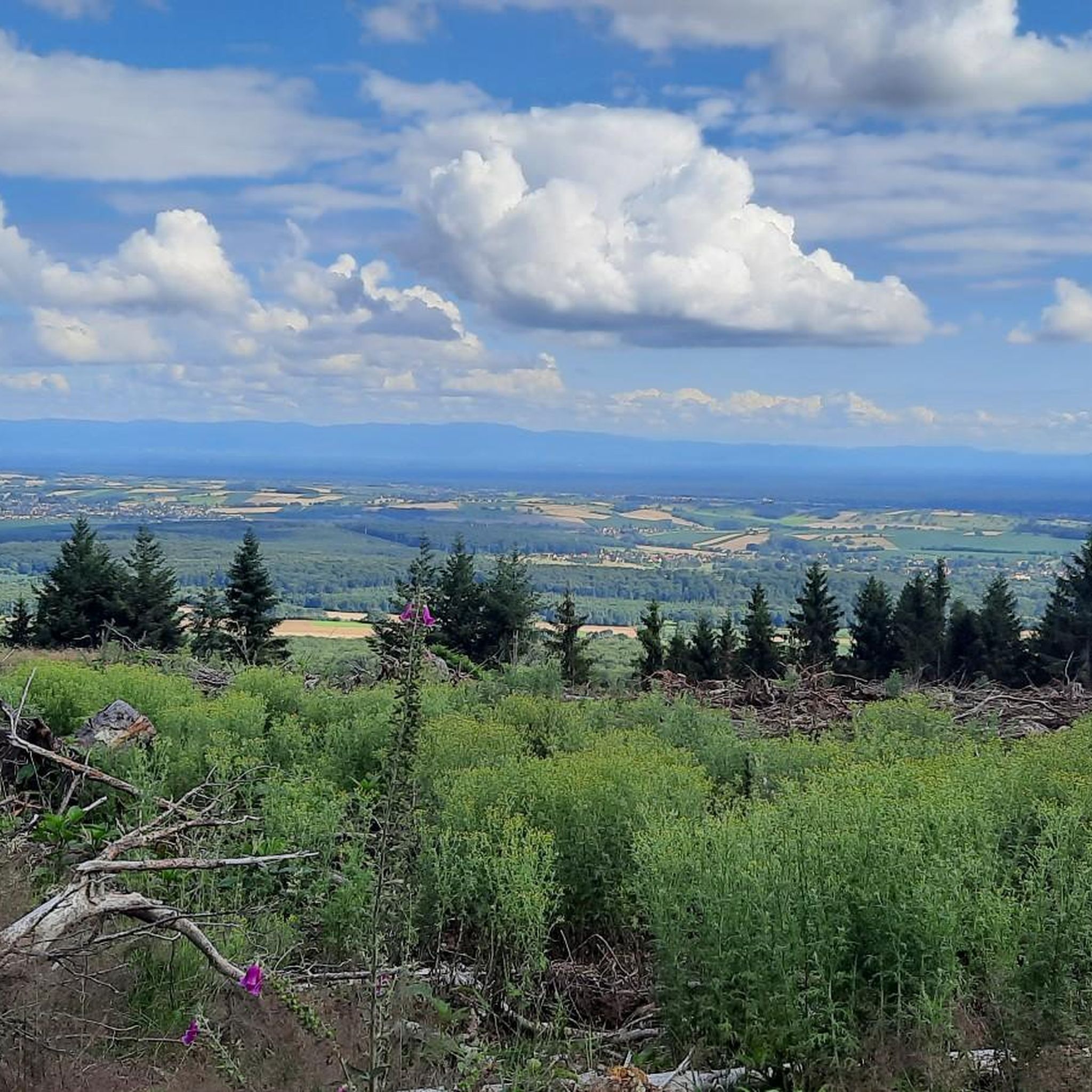
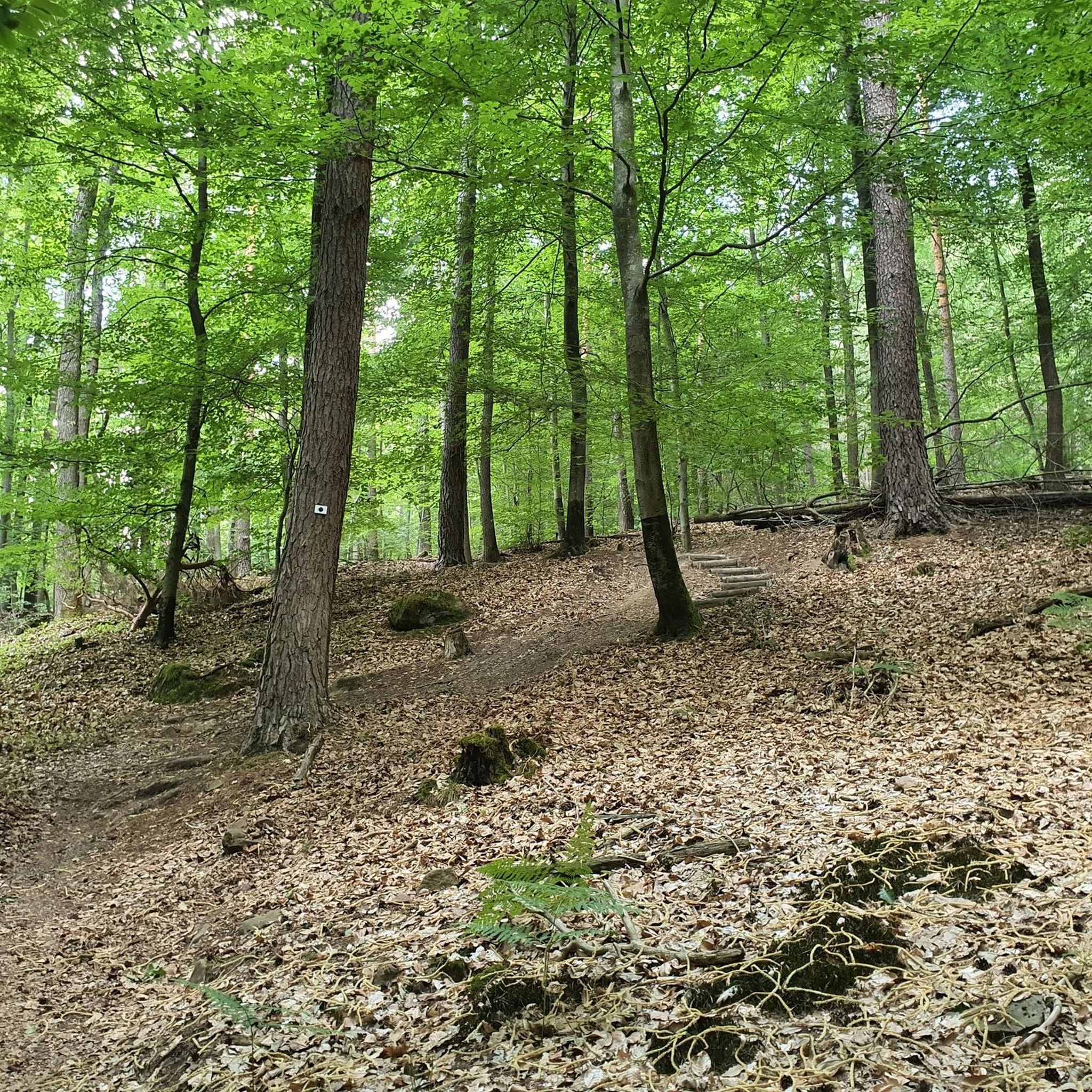
Other adventures around Lampertsloch

Tips from the Community

Quite well preserved castle with a beautiful view of Fleckenstein Castle and, in the other direction, of Wegelnburg.
9
4

Still an imposing and powerful building full of old legends. The castle has been renovated and made accessible to tourism. Visits are possible with or without a guide. The puzzle tours with knight spirit Hugo are also a lot of fun for children.
10
3
This typical rock castle is the highest castle in the Palatinate. From here you have a fantastic view of the Wasgau. There are three other castle ruins in the immediate vicinity.
14
1

The White Lady of Hohenbourg Castle Not far from Hohenbourg Castle, just before the German-French border, is the Maidenbrunnen, which bears witness to a sad story: The lords of Hohenbourg and Wegelnburg were enemies for a long time. And as it was bound to happen, the squire Robert von Wegehiburg fell in love with Edwige, daughter of Lord von Hohebourg. She often lingered at the rich source between the two castles. One day Robert went hunting. He chased after a wild boar that rushed to the spring where Edwige was staying. In the heat of the moment, the wild boar jumped at Edwige, but Robert, a good hunter, was able to catch the wild boar just in time and won the heart of his beloved through this act. Often the two secretly spent time at this spring between the enemy castles. But one day the lord of Hohenbourg surprised his daughter in the arms of his archenemy's son. In blind rage he stabbed Robert in front of Edwige's eyes. She collapsed in grief and died on the spot, immediately following her lover to the realm of the dead. Since that awful day, two forget-me-not shrubs have been growing at this spring, now known as the Maiden's Well. It is not uncommon to see a white shadow over the Maidenbrunnen here at dusk: it is the ghost of Edwige, which descends from the cellars of the Hohenbourg and seeks the place of her love. There she sings sad words and sheds tears in the rivulet before vanishing again, carried by the wind. This legend comes from this link_: (https://www.wanderparadies-wasgau.de/hohenbourg.php)
17
0
The Château de Lœwenstein is a castle ruin from the 13th century. It was built on two sandstone rocks lying next to each other. The main castle is to the east and the outer bailey is a little lower to the west. Remains of a stair tower and stairs carved into the rock have been preserved. It was destroyed in the 14th century. It is possible that it was used as an outpost for the Hohenbourg and Fleckenstein castles. From the platform of the two parts of the rock there is a magnificent view over the forests of the Northern Vosges and the adjacent Palatinate Forest. https://de.wikipedia.org/wiki/Burgruine_L%C3%B6wenstein
11
0

A visit to Loewenstein Castle is worthwhile, but it is actually just a large foundation made of sandstone. Most of the walls that must have existed here have been removed. In terms of fortification, the Hohenbourg, which is only a few hundred meters higher, is much more interesting, as there are even more remains of the wall.
19
1
The castle was cleverly built in and around a high sandstone spur. Many remnants of the walls are still visible. The architectural style and carved dates suggest different historical periods. The view from the highest point is breathtaking. Two information panels explain the panorama. In this respect, this castle far surpasses the much more extensive, but also lower-lying, Fleckenstein Castle.
26
0

A great place for a trip. The puzzle rally, which takes you from the valley to the very top of the castle, is particularly worthwhile with children. The rally is designed to be interesting and instructive and offers lots of varied knowledge about nature and life in the Middle Ages.
10
0
Frequently Asked Questions
What historical sites can I explore in Lampertsloch and its surroundings?
Lampertsloch is rich in history, particularly related to the petroleum industry. You can visit the Ferme-Château Le Bel, which is intertwined with the birthplace of French petroleum exploration. Other local historical sites include the 18th-century S'Rabhiesel (Vineyard Guard House) and the Church, with records dating back to 1476. Nearby, you can explore the Wissembourg Old Town and Canals, known for its well-preserved old town and fortifications, or the Hohenbourg Castle and Wegelnburg Castle Ruins.
Are there any castles or ruins to visit near Lampertsloch?
Yes, the area boasts several impressive castles and ruins. You can visit the well-preserved Hohenbourg Castle, which offers beautiful views of Fleckenstein Castle. The Wegelnburg Castle Ruins, the highest castle in the Palatinate, provides panoramic views over the Wasgau hills. Another notable ruin is Château du Loewenstein, offering a wonderful view from its platforms. Additionally, the historic Maginot Line Fort Schoenenbourg is just a short drive away.
What natural attractions and viewpoints are there around Lampertsloch?
Lampertsloch is nestled within the beautiful Northern Vosges Regional Nature Park. For stunning views, hike up to Soultzerkopf, a peak reaching 480 meters, which offers remarkable panoramic vistas stretching from the Black Forest to the Southern Vosges and across the plain of Alsace. The area is characterized by extensive forests, orchards, and fields, providing a picturesque natural setting for exploration.
Can I find family-friendly activities near Lampertsloch?
Absolutely! For families, the nearby Didiland amusement park is a great option. Another unique experience is the Chemin des Cimes Alsace, a treetop walk located in Cleebourg, offering an accessible way to enjoy nature. The Wissembourg Old Town and Canals is also considered family-friendly, with its charming streets and historical buildings. You might also enjoy a visit to La Fabrique à Bretzels, a pretzel factory nearby.
What kind of outdoor activities, like hiking or cycling, are available?
The region around Lampertsloch is ideal for outdoor enthusiasts. You can explore various hiking circuits, including the Historic Trails of Lampertsloch, which range from 5 to 13 km and delve into the village's heritage. For more extensive hiking, check out the hiking routes around Lampertsloch. Cyclists can find numerous options, including road cycling routes and challenging MTB trails that take you through forests and past historical sites.
Are there specific hiking trails recommended for exploring the local heritage?
Yes, Lampertsloch offers several 'Historic Trails' that are specifically designed to guide visitors through the village's rich past and natural surroundings. These circuits vary in length, from 5 to 13 km, and provide insights into its history, including its past as a significant wine-producing region and the birthplace of petroleum exploration. You can find more details on these trails via Visit Alsace.
What is unique about Lampertsloch's history?
Lampertsloch holds a unique place in history as the birthplace of French, European, and even global petroleum exploration. The Ferme-Château Le Bel and the associated Pechelbronn area are central to this legacy. The village also has a past as a significant wine-producing region, evidenced by structures like the S'Rabhiesel (Vineyard Guard House) dating back to 1737.
What are some charming towns or villages to visit nearby?
Just a short distance from Lampertsloch, you can visit Wissembourg, a picturesque town on the German-French border known for its well-preserved old town, impressive fortifications, and historical buildings like the 15th-century salt house. Another highly recommended village is Hunspach, recognized as one of France's 'Most Beautiful Villages,' famous for its white half-timbered houses and floral displays.
What do visitors particularly enjoy about the attractions in the area?
Visitors frequently praise the stunning panoramic views from the various castle ruins, such as Hohenbourg Castle and Wegelnburg Castle Ruins. The historical depth of the region, from ancient castles to the unique petroleum heritage, is also a major draw. Many appreciate the charm of towns like Wissembourg and the opportunity for diverse outdoor activities within the Northern Vosges Regional Nature Park.
Are there any unique cultural experiences or local crafts to discover?
Beyond the historical sites, you can delve into local heritage at the Rural House outside the Woodlands (Maison Rurale de l'Outre-Forêt) in Kutzenhausen, which serves as an interpretation center. For a taste of local production, the Cave Vinicole de Cleebourg offers insights into regional wine-making, and La Fabrique à Bretzels provides a look into a traditional Alsatian craft.
What are some easy walks or beginner-friendly trails around Lampertsloch?
For easy walks, consider some of the shorter circuits of the Historic Trails of Lampertsloch, which are designed to be accessible. Additionally, within the hiking routes around Lampertsloch, you can find several easy-rated trails, such as the Pfaffenschlick Pass loops, which are perfect for a relaxed stroll through the natural scenery.
What are some lesser-known or 'hidden gem' attractions in the area?
Beyond the main highlights, you can discover traces of human occupation from prehistoric times in the fortified enclosures of Kastelring and Keltenring. The Cité Le Bel area of Lampertsloch also offers a glimpse into the village's industrial past related to petroleum, which is a unique historical aspect not always widely known. The S'Rabhiesel (Vineyard Guard House) is another charming, lesser-known emblem of the commune's wine-producing history.
Is Lampertsloch part of a larger natural park?
Yes, Lampertsloch is beautifully situated within the Northern Vosges Regional Nature Park. This park is renowned for its green surroundings, traditional half-timbered houses, and picturesque landscapes, offering a protected environment for both nature and cultural heritage.
Most popular routes around Lampertsloch
Most popular attractions around Lampertsloch

Get inspired with the komoot mobile app


Explore more
Still not found the Highlight you’re looking for? See guides of the top attractions in other regions:
