Top 5 Castles around Sauternes
Best castles around Sauternes offer a blend of historical architecture and regional significance. The area is known for its vineyards and the Garonne valley, providing a backdrop for these historical sites. Many castles in this region are associated with significant historical figures and events, reflecting centuries of local heritage. The landscape features a mix of river valleys and elevated viewpoints.
Best castles around Sauternes
- The most popular castles is Budos Castle, a castle with incredible 14th-century ruins located in…
Last updated: June 29, 2026
Château de Villandraut
Highlight • Castle
If you want to visit it, all the info here:
chateaudevillandraut.fr/visites-animations/visites-guid%C3%A9es-visites-libres
Translated by Google •
Tip by

Budos Castle
Highlight • Castle
Translated by Google •
Tip by

Sign up now to discover places like this
Get recommendations on the best single tracks, peaks, & plenty of other exciting outdoor places.
Sign up for free
Sainte-Croix-du-Mont
Highlight • Historical Site
Translated by Google •
Tip by
Fargues Castle
Highlight • Castle
Translated by Google •
Tip by
Landiras Castle Ruins
Highlight • Castle
Translated by Google •
Tip by
Start today with a free account
Your next adventure awaits.
Login or Signup


Tips from the Community

Budos Castle is the work of Raymond Guilhem de Budos, nephew of Pope Clement V. Largely supported by his uncle, he rebuilt the old family castle in 1306, adopting the architectural features of the neighboring Château de Villandraut, as evidenced by the following document from King Edward I, written from Wynten on March 9, 1306, to the Seneschal of Gascony[4]: "The Knight of Budos, nephew of Clement V, Sovereign Pontiff, has begged us to allow him to crenellate his house in Budos, to surround it with walls, towers, moats, and finally to fortify it. Out of respect for the Sovereign Pontiff, and because a fortress of this nature will protect not only our possessions in this part of Guienne, but also the subjects of the Pope's nephew, we grant the aforementioned Raymond permission to fortify his castle and we grant it to him, his heirs, and successors in perpetuity, and we undertake not to disturb him in any way in this possession." In 1422-23, the King of England took possession of the castle and placed Pons, Lord of Castillon, in charge. Around 1433, Henry VI granted the lands and the castle to the Duke of Gloucester. In 1446-47, Budos was given to Gaston IV of Foix-Béarn, Count of Foix, following the death of the Earl of Gloucester. After the conquest of Guyenne, the Budos family, which had supported the cause of France, regained possession of its lordships in Guyenne. Purchased from the Budos family by Raymond de La Roque in 1571, Budos Castle suffered a severe assault in 1652 during the Fronde Wars. Lasserre ransacked, pillaged, and burned its archives. The Budos lordship remained in the La Roque family until the Revolution, which nearly destroyed it. It was sold as national property and used as a quarry to build dikes on the Ciron. In 1841, the Gironde Historical Monuments Commission was informed of this by Léo Drouyn. In 1860, it became the property of Léon de Brivazac, son of Delphine Catherine de La Roque de Budos (born at the castle in 1789). Five descendants (including Savary de Beauregard) entrusted it to the Adichats association, which brings together young people to enhance and preserve what can be preserved. The castle was registered as a historic monument in 1988
0
0

The castle has variable opening hours. In August, we found the gates closed. It only opens at 2:30 PM.
0
0

Worth seeing and imposing castle ruins.
5
1

The Château de Villandraut is a medieval castle located in the town of Villandraut, in the department of Gironde, France. Built in the 14th century, it is considered one of the best examples of military Gothic architecture in the region. Villandraut Castle was built under the order of Bertrand de Goth, future Pope Clement V, who wanted to reside there after being elected Pope. The castle was then used as a residence for the French royal family during the Wars of Religion. The castle of Villandraut is surrounded by moats and has a drawbridge, a walkway and several imposing towers. It also houses a chapel, a great hall and royal apartments. The castle is open to visitors who can discover its history and architecture through guided tours, exhibitions and cultural events organized throughout the year.
5
0

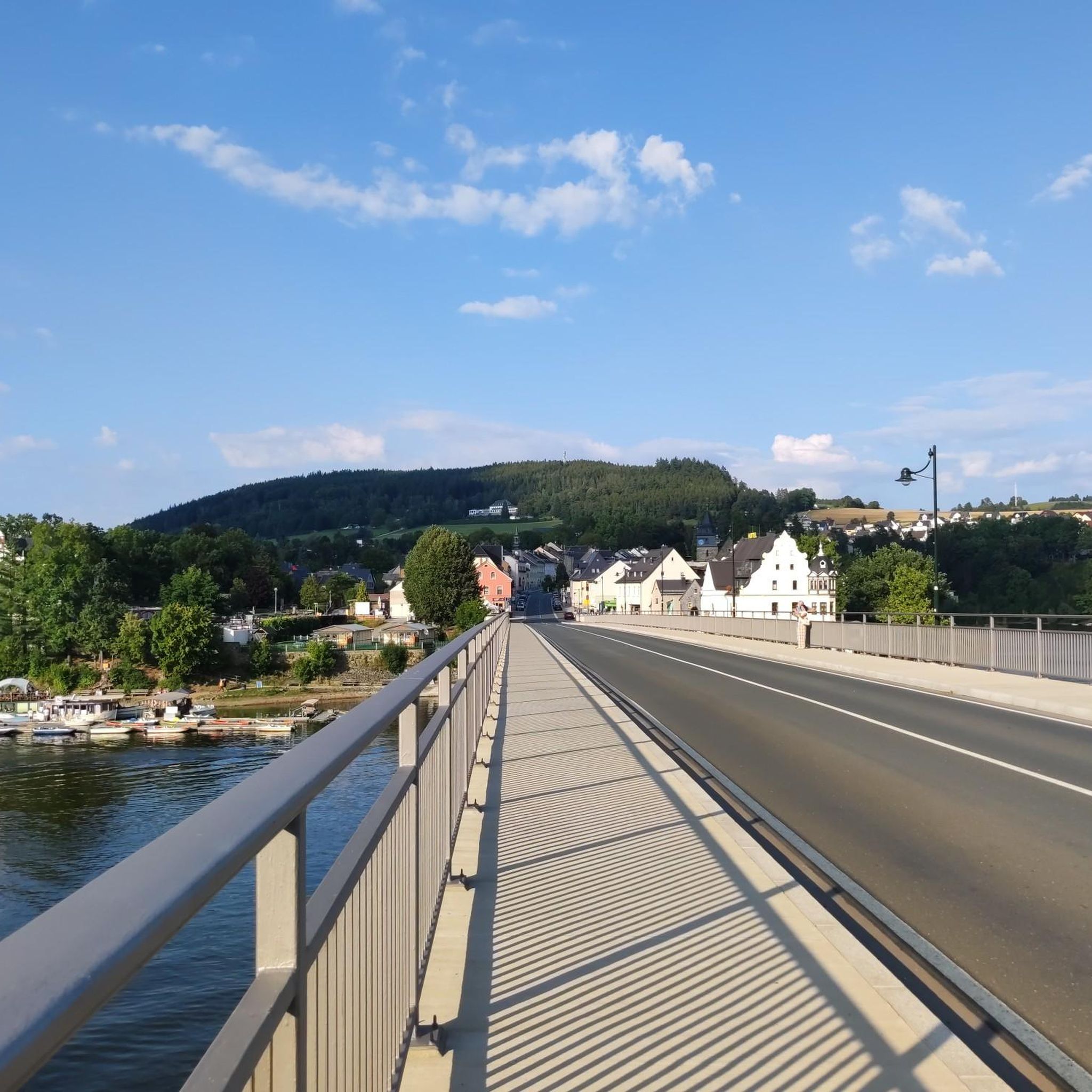
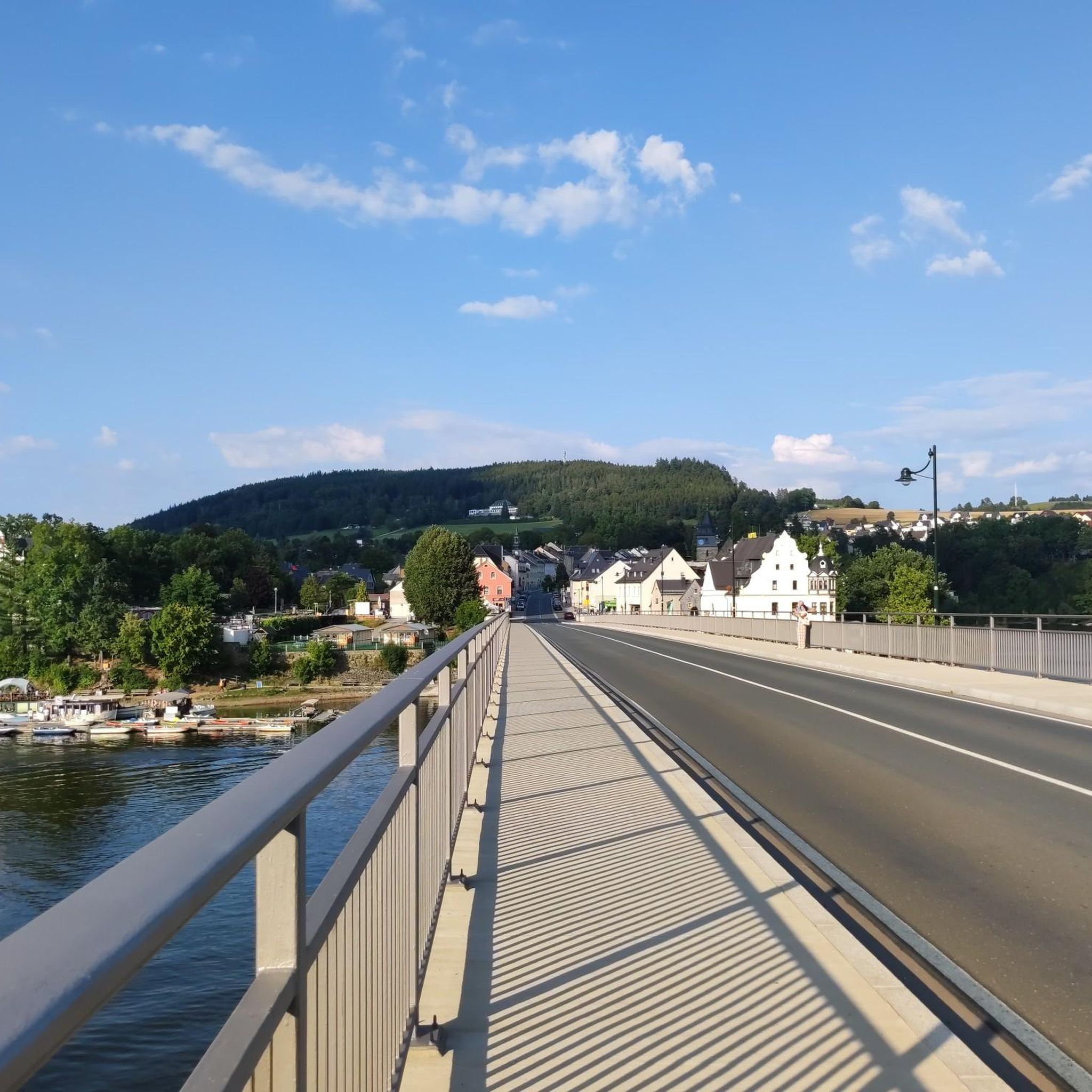
Beautiful ruins of the castle of Budos, accessible by road but also by paths along the river. Much nicer!
1
0

Incredible ruins of the 14th century Budos castle, in the middle of the vineyards. Under restoration by Adichats association for about thirty years.
2
1
Imposing medieval fortress which now houses a wine estate. The castle comprises two buildings, the old one, of which only a few foundations remain, and the new one, remodeled during the reign of Henri IV and remodeled in the 17th century.
2
0
Sainte-Croix-du-Mont is built on a rocky outcrop overlooking the Garonne valley and the Sauternes vineyards. At the foot of the imposing castle of Tastes, there is an interpretive trail and a belvedere from which you can see the Pyrenees on a clear day. The town also has a unique geological site in France: a cave made up of oyster fossils dating back 22 million years. Have !
2
0
Frequently Asked Questions
What kind of historical sites can I expect to find around Sauternes?
The Sauternes region is rich in history, offering a blend of medieval fortresses, historical sites, and castle ruins. You'll find well-preserved structures like Château de Villandraut, a 12th-century medieval castle, and impressive ruins such as Budos Castle, a 14th-century ruin set amidst vineyards. Many châteaux in the area, like Château d'Yquem and Château de Malle, boast centuries of legacy and architectural significance.
Are there family-friendly castles to visit in the Sauternes region?
Yes, several castles in the Sauternes region are suitable for families. Château de Villandraut is listed as family-friendly and offers guided tours. While not explicitly listed as 'family-friendly' in all cases, many châteaux like Château Guiraud with its organic farm and restaurant, or Château de Malle with its extensive gardens, can provide engaging experiences for all ages.
Which castles offer wine-related experiences or tastings?
Many châteaux in Sauternes, renowned for their sweet wines, offer exceptional wine experiences. Château d'Yquem provides tours of its grounds and historic cellars, concluding with a tasting. Château Guiraud, an organic estate, offers vineyard and cellar tours with tastings, and even has a restaurant. Château Filhot and Château de Malle also offer tastings, often included with tours of their estates. Château de Rayne Vigneau is known for its blending workshops and unique treetop tastings, while Château Coutet offers workshops to learn about individual grape varieties.
What natural features or scenic viewpoints can I find near the castles?
The region around Sauternes castles is characterized by its vineyards and the Garonne valley. Sainte-Croix-du-Mont, built on a rocky outcrop, offers a belvedere with views over the Garonne valley and Sauternes vineyards, and on clear days, even the Pyrenees. Château d'Yquem is situated on the highest hill in Sauternes, providing a unique microclimate and beautiful surroundings. Château de Malle features remarkable gardens inspired by Versailles, and Château Filhot boasts a stunning English park.
Are there hiking or cycling routes near the castles?
Yes, the Sauternes area offers various outdoor activities. For hiking, you can explore routes like 'A loop from Château Yquem' or 'Shadow and river loop from Bommes'. Cyclists can enjoy routes such as 'Budos Castle – Budos Castle loop from Sauternes' or 'The Footbridge – Fargues Castle loop from Sauternes'. There are also gravel biking options, including routes from Langon to Bordeaux. You can find more details on these routes in the Hiking around Sauternes, Cycling around Sauternes, and Gravel biking around Sauternes guides.
What is the best time of year to visit the castles in Sauternes?
The Sauternes region is beautiful throughout the year, but visiting during the spring (April-May) or autumn (September-October) offers pleasant weather for exploring. Autumn is particularly special as it coincides with the grape harvest, offering a chance to see the vineyards in full activity and experience the unique noble rot development that makes Sauternes wines famous. Some castles may have seasonal opening hours, so it's advisable to check in advance.
Are there any castles with unique architectural features?
Absolutely. Château de Villandraut is considered one of the best examples of military Gothic architecture in the region. Château d'Yquem has a medieval appearance with round square towers and crenellated walls. Château Coutet, dating back to the 13th century, still features its original 13th-century tower, having been built as an English fortress. Château Lafaurie-Peyraguey integrates Lalique crystal details into its design, including a unique crystal barrel in its cellars.
Can I find accommodation or dining options near the castles?
Yes, some châteaux offer dining and accommodation. Château Guiraud features a restaurant, La Chapelle, serving French dishes with local ingredients, often from its organic garden. Château Lafaurie-Peyraguey hosts a boutique luxury hotel with a Michelin-starred restaurant. Additionally, the wider Sauternes region has various restaurants and accommodation options, including vineyard stays, to suit different preferences.
Are there any castles that are particularly committed to sustainability or organic practices?
Château Guiraud stands out as the first 1855 Grand Cru Classé estate to achieve organic certification in 2011, demonstrating a strong commitment to biodiversity and natural viticulture. They maintain diverse hedges, naturally grassed soil, and special hives for pollinating insects. Château de Malle has also been certified organic since 2024, reflecting a growing trend towards sustainable practices in the region.
What do visitors enjoy most about the castles around Sauternes?
Visitors appreciate the blend of historical architecture and the beautiful vineyard landscapes. The komoot community has given over 45 upvotes and shared 20 photos of the castles, highlighting the 'incredible ruins' of Budos Castle and the 'well-preserved' nature of Château de Villandraut. The scenic viewpoints, like the one at Sainte-Croix-du-Mont, and the opportunity to combine history with wine tasting experiences are also highly valued.
Are there any castles that offer free visits or require reservations?
Château Filhot offers free visits and tastings, though reservations are recommended. For other châteaux, it's generally advisable to check their official websites or contact them directly for specific visiting hours, tour availability, and whether reservations are required, especially for tastings or guided tours. For example, visits to Château Lafaurie-Peyraguey are by appointment.
What is the history behind some of the older castles in the region?
The Sauternes region is home to châteaux with deep historical roots. Château d'Yquem's legacy dates back to 1593, while Château Guiraud is one of the oldest properties, dating to the 15th century. Château de Villandraut, completed in 1312, was built for Bertrand de Goth (Pope Clement V). Budos Castle was rebuilt in 1306 by Pope Clement V's nephew. Château Lafaurie-Peyraguey has a history stretching back over 400 years, with its origins in the 13th century.
Most popular routes around Sauternes
Most popular attractions around Sauternes

Get inspired with the komoot mobile app


Explore more
Looking for the best castles somewhere else? Discover other guides around Sauternes:
