Attractions and Places To See around Saint-Maixant - Top 17
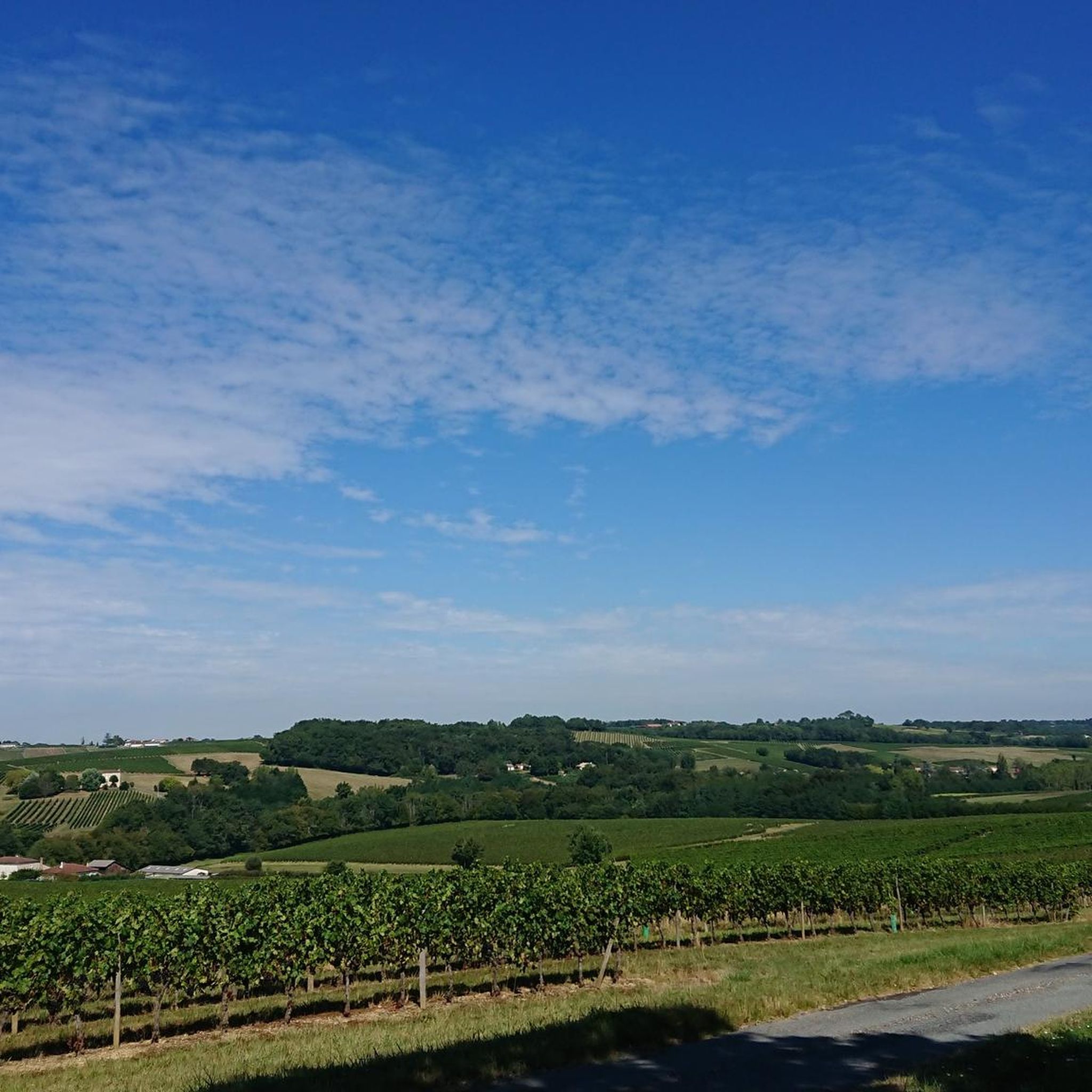
Best attractions and places to see around Saint-Maixant include a blend of historical landmarks, cultural sites, and natural beauty. The commune is characterized by the Garonne River plain, its sloping hillside, and undulating landscapes along the Galouchey stream. Saint-Maixant is situated in a significant wine-producing region, with vineyards covering areas classified under "Bordeaux" and "Cadillac" appellations. Visitors can explore ancient castles, impressive viaducts, and scenic waterways.
Best attractions and places to see around Saint-Maixant
- The most popular attractions is Garonne…
Last updated: October 17, 2026
Budos Castle
Highlight • Castle
Translated by Google •
Tip by

Garonne Lateral Canal
Highlight (Segment) • Other
In the Gironde department, the surface is better than in the Lot-Garonne department.
Sometimes nice and shady, many small locks.
Translated by Google •
Tip by

Sign up now to discover places like this
Get recommendations on the best single tracks, peaks, & plenty of other exciting outdoor places.
Castets Lock, no. 53
Highlight • Structure
Translated by Google •
Tip by

Château de la Benauge.
Highlight • Castle
Translated by Google •
Tip by

Sainte-Croix-du-Mont
Highlight • Historical Site
Translated by Google •
Tip by
Sign up for free to discover even more attractions around Saint-Maixant.
Already have an account?
Start today with a free account
Your next adventure awaits.




Tips from the Community

Budos Castle is the work of Raymond Guilhem de Budos, nephew of Pope Clement V. Largely supported by his uncle, he rebuilt the old family castle in 1306, adopting the architectural features of the neighboring Château de Villandraut, as evidenced by the following document from King Edward I, written from Wynten on March 9, 1306, to the Seneschal of Gascony[4]: "The Knight of Budos, nephew of Clement V, Sovereign Pontiff, has begged us to allow him to crenellate his house in Budos, to surround it with walls, towers, moats, and finally to fortify it. Out of respect for the Sovereign Pontiff, and because a fortress of this nature will protect not only our possessions in this part of Guienne, but also the subjects of the Pope's nephew, we grant the aforementioned Raymond permission to fortify his castle and we grant it to him, his heirs, and successors in perpetuity, and we undertake not to disturb him in any way in this possession." In 1422-23, the King of England took possession of the castle and placed Pons, Lord of Castillon, in charge. Around 1433, Henry VI granted the lands and the castle to the Duke of Gloucester. In 1446-47, Budos was given to Gaston IV of Foix-Béarn, Count of Foix, following the death of the Earl of Gloucester. After the conquest of Guyenne, the Budos family, which had supported the cause of France, regained possession of its lordships in Guyenne. Purchased from the Budos family by Raymond de La Roque in 1571, Budos Castle suffered a severe assault in 1652 during the Fronde Wars. Lasserre ransacked, pillaged, and burned its archives. The Budos lordship remained in the La Roque family until the Revolution, which nearly destroyed it. It was sold as national property and used as a quarry to build dikes on the Ciron. In 1841, the Gironde Historical Monuments Commission was informed of this by Léo Drouyn. In 1860, it became the property of Léon de Brivazac, son of Delphine Catherine de La Roque de Budos (born at the castle in 1789). Five descendants (including Savary de Beauregard) entrusted it to the Adichats association, which brings together young people to enhance and preserve what can be preserved. The castle was registered as a historic monument in 1988
0
0

Very interesting flood marks, sometimes you can't even imagine how high the water once was.
1
0

Seen from Toulouse, the last lock on the side canal.
3
1
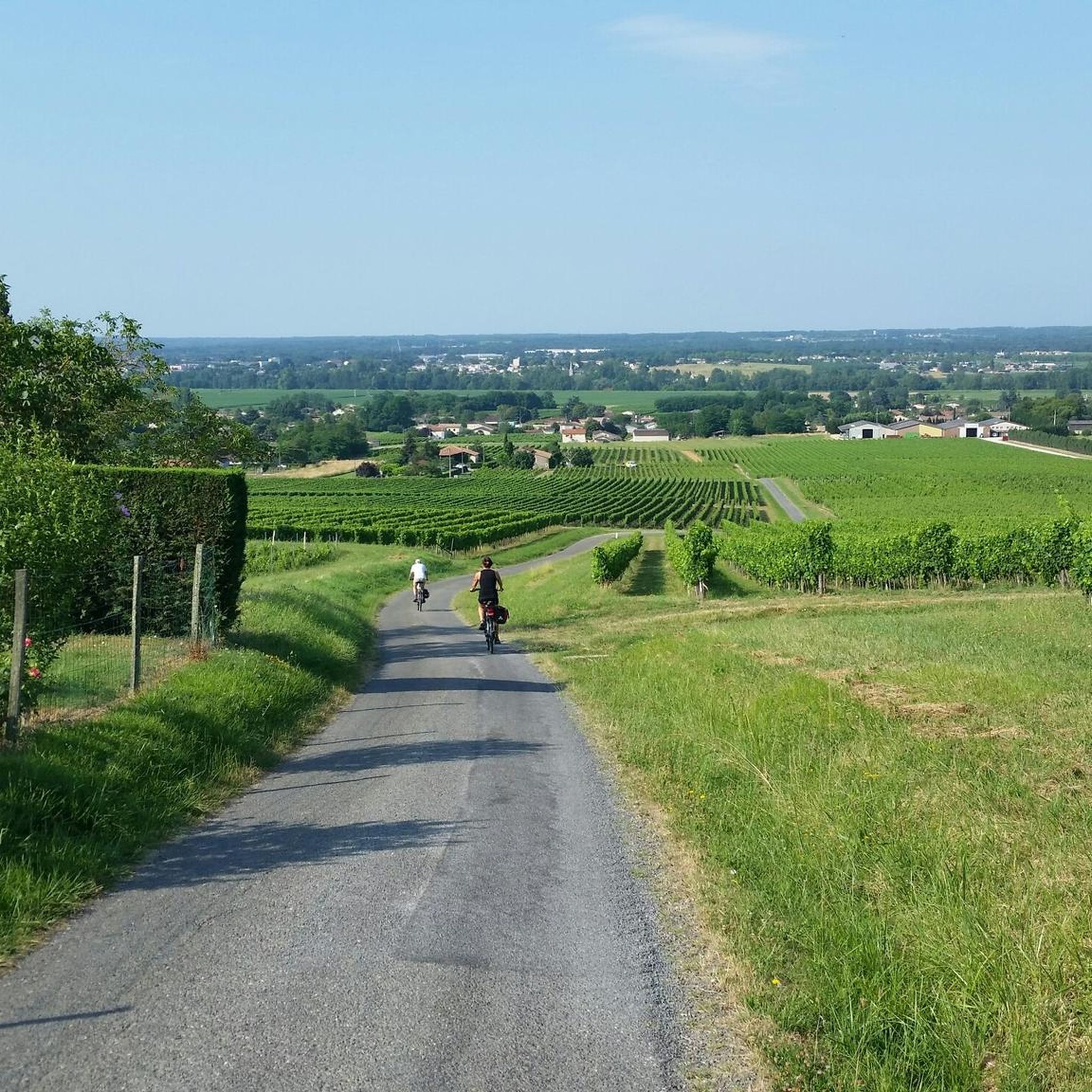
Very scenic, a few places to stop for refreshments. In the Gironde department, the surface is better than in the Lot-Garonne department. Sometimes nice and shady, many small locks.
4
0

A pretty (private) chateau surrounded by its hillsides of vines.
2
0

The Garonne Lateral Canal is a navigable canal that connects Toulouse to Castets-en-Dorthe, France. 193 kilometers long, it follows the Garonne valley and connects the Mediterranean Sea to the Atlantic Ocean. It is part of the network of canals in southwestern France and is an important route for the river transport of goods. The Garonne side canal was built in the 19th century to meet the growing needs for transporting goods in the region. It made it possible to transport goods such as wine, wood and coal, as well as passengers. Today, the canal is mostly used for river tourism, with many cruises organized for visitors wishing to experience the beauty of the region from the water. Visitors can hire boats to navigate the canal or simply stroll along the towpaths, which offer panoramic views of the surrounding countryside. The canal lateral to the Garonne is lined with picturesque towns and villages, historic castles and renowned vineyards. Visitors can also discover the local gastronomy in the many restaurants and inns located along the canal.
2
0

Beautiful ruins of the castle of Budos, accessible by road but also by paths along the river. Much nicer!
1
0

Incredible ruins of the 14th century Budos castle, in the middle of the vineyards. Under restoration by Adichats association for about thirty years.
2
1
Frequently Asked Questions
What historical landmarks can I explore in and around Saint-Maixant?
Saint-Maixant is rich in history. You can visit the 12th-century Église Saint-Maixant, known for its Romanesque architecture and a 16th-century statue of the Virgin and Child. Another significant site is Budos Castle, a 14th-century ruin set amidst vineyards. Don't miss the impressive Domaine de Malagar, the former home of Nobel Prize-winning writer François Mauriac, or the 631-meter-long Viaduct, an engineering marvel from the 19th century.
Are there any natural attractions or scenic viewpoints in Saint-Maixant?
Yes, Saint-Maixant offers beautiful natural scenery. The commune is characterized by the plain of the Garonne River and the undulating landscapes along the Galouchey stream. You can also enjoy the extensive vineyards, which are part of the "Bordeaux" and "Cadillac" appellations. For panoramic views, head to Sainte-Croix-du-Mont, which overlooks the Garonne valley and Sauternes vineyards, and on a clear day, you might even see the Pyrenees.
What outdoor activities can I do near Saint-Maixant's attractions?
The area around Saint-Maixant is perfect for outdoor enthusiasts. You can enjoy river tourism along the Garonne Lateral Canal, which offers a paved path ideal for cycling or walking. For more active options, Mush Gironde offers cani-hiking and cani-mountain biking. There are also numerous routes for hiking, running, and gravel biking. For example, you can find various hiking trails around Saint-Maixant, including moderate loops like the 'Saint-Macaire and Its Ramparts – Le Prieuré loop'.
Are there family-friendly activities or places for children in Saint-Maixant?
Saint-Maixant provides options for families. The Castets Lock, no. 53 on the Garonne Lateral Canal is considered family-friendly and offers an interesting historical perspective with its flood marks. For younger children, there's a playground in the town center suitable for ages 2 to 6, and a city stadium behind the town hall for older kids.
What unique cultural sites are there to visit?
Beyond the main historical sites, Saint-Maixant features traditional lavoirs (public washhouses), one below Domaine de Malagar and another on the Galouchey stream, offering a glimpse into local heritage. The Monument aux Morts in front of the town hall is a point of local remembrance. Additionally, the boulodrome provides a recreational space for all ages, equipped for evening use.
Can I find places to walk or cycle near the attractions?
Absolutely. The towpaths along the Garonne Lateral Canal offer a mostly paved and often shaded route, perfect for leisurely walks or cycling, with panoramic views of the countryside. You can also explore various hiking routes and gravel biking trails in the surrounding area, many of which pass by vineyards and historical sites.
What is the best way to experience the wine region around Saint-Maixant?
Saint-Maixant is located in a significant wine-producing region, including areas classified under "Bordeaux," "Premières Côtes de Bordeaux," and "Cadillac" appellations. You can admire the vineyards surrounding private chateaus like Château de la Benauge from a distance. Exploring the region by bike or on foot along the many trails will allow you to fully appreciate the viticultural landscapes.
Are there any castles or chateaus to see in the vicinity?
Yes, several notable castles are within easy reach. In Saint-Maixant itself, you can see the ruins of Budos Castle. The private Château de la Benauge can be admired from a distance, offering views of the Entre-Deux-Mers landscapes. A short distance away, the UNESCO World Heritage site of Château de Cadillac is an essential visit, and Château Mémoires offers picturesque views overlooking the Garonne Valley.
What do visitors enjoy most about the attractions around Saint-Maixant?
Visitors particularly enjoy the blend of historical sites, natural beauty, and outdoor activities. The Garonne Lateral Canal is highly praised for its scenic views and well-maintained paths, perfect for cycling. The historical significance of sites like Budos Castle and the unique geological features at Sainte-Croix-du-Mont also receive high appreciation.
Are there any medieval towns or villages nearby worth visiting?
Yes, the Medieval City of Saint-Macaire is a short distance from Saint-Maixant. You can take guided walking tours to explore its fortified architecture, market square, ramparts, and the historic Saint-Sauveur church with its murals. It offers a fascinating glimpse into the region's past.
Where can I find information about the 12th-century Église Saint-Maixant?
The Église Saint-Maixant is a significant historical monument. Its Romanesque apse and choir have been classified as historical monuments since 1925. Inside, you can find interesting sculptures, including a dancer with a serpent on a capital. For more detailed information about its history and architecture, you can refer to its dedicated page on Wikipedia.
Most popular routes around Saint-Maixant
Most popular attractions around Saint-Maixant

Get inspired with the komoot mobile app


Explore more
Still not found the Highlight you’re looking for? See guides of the top attractions in other regions:
