Top 15 Castles around Oberhaslach
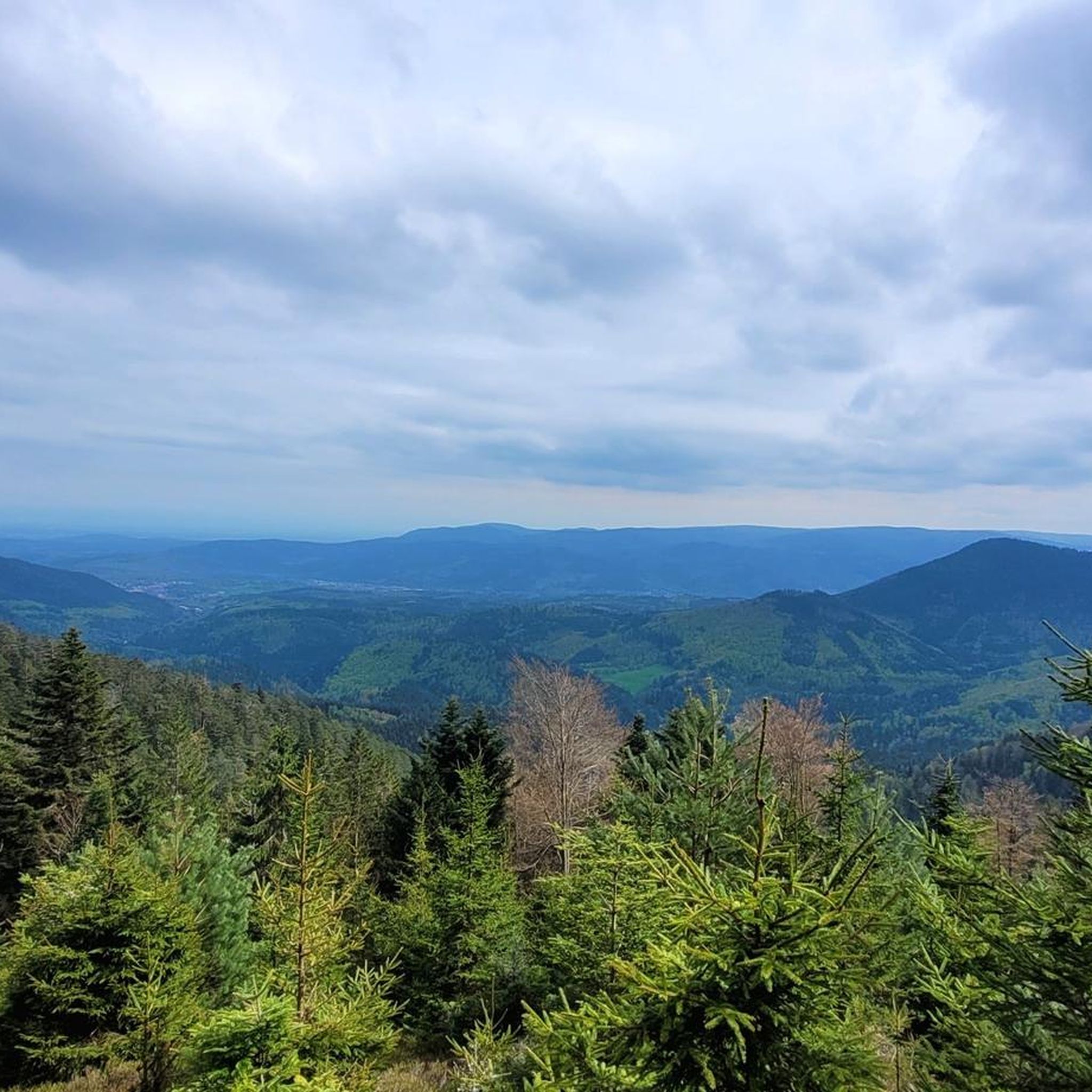
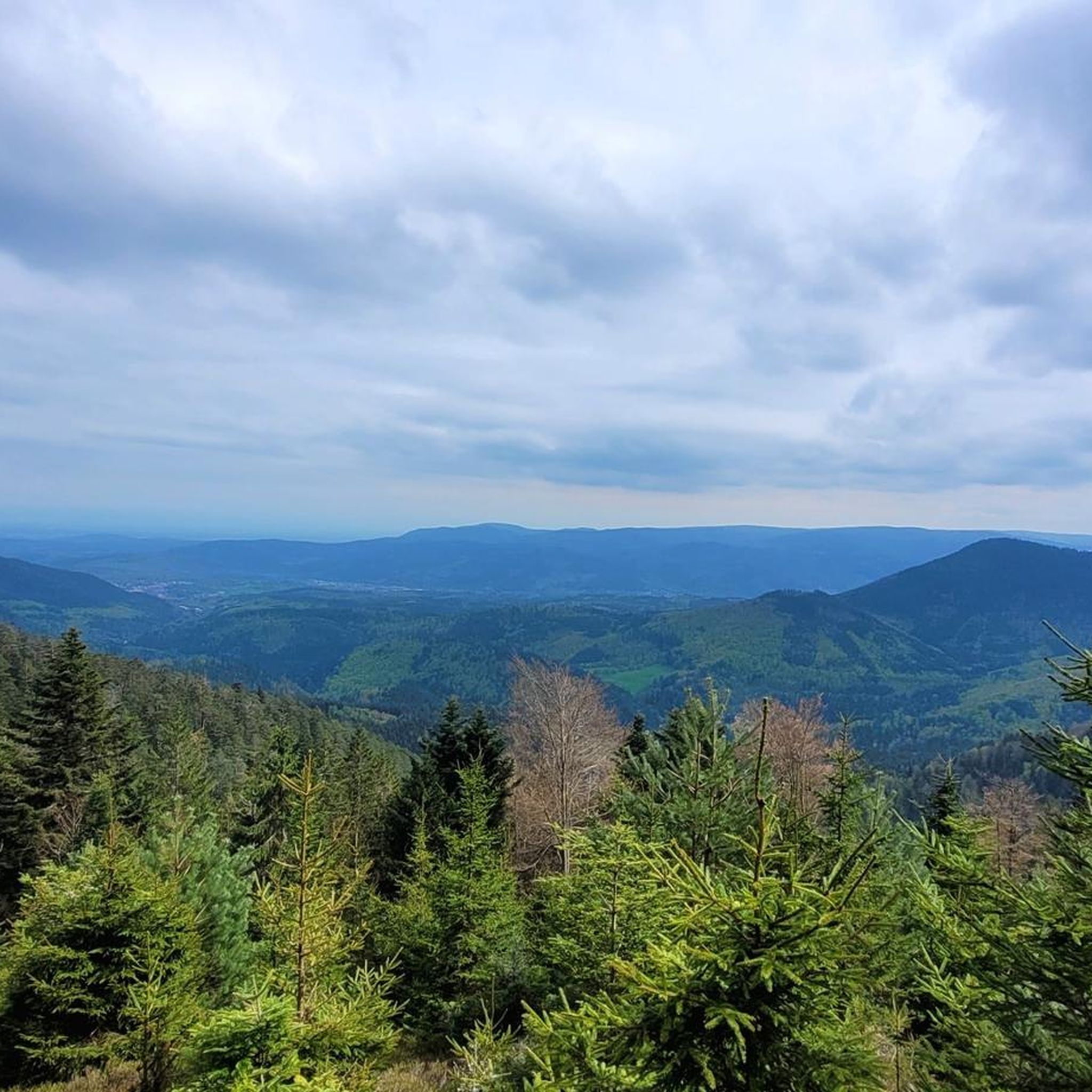
Best castles around Oberhaslach are found amidst the scenic Vosges mountains, providing a rich combination of natural landscapes and historical sites. The region is characterized by its forested valleys and elevated positions, where many fortifications were strategically built. Exploring these sites often involves walking trails that offer views over the surrounding area. This area provides opportunities to discover medieval architecture and historical routes within a natural setting.
Best castles around Oberhaslach
- The most popular castles is Ruins of Guirbaden Castle, a castle that is the largest medieval fortification in Alsace. An association of volunteers works on its restoration, and it features a large park with a chapel and picnic areas.
- Another must-see spot is Wangenbourg Castle, a ruined castle located on a rock formation in the forest. This site offers views of Wangenbourg-Engenthal and its surroundings, and it has been classified as a historical monument since 1898.
- Visitors also love Ochsenstein Castle, a ruin distributed across several parts of the Schlossberg. The complex includes an iron ladder and a short tunnel through the rock, with views from the keep of the main structure.
- Oberhaslach is known for its diverse range of castle ruins and historical fortifications. Visitors can explore mount castles and extensive medieval complexes, many of which are situated on elevated rocky outcrops.
- The castles around Oberhaslach are appreciated by the komoot community, with more than 300 upvotes and over 250 photos shared by visitors.
Last updated: May 9, 2026
Ruins of Nideck Castle
Highlight • Castle
Translated by Google •
Tip by

Ruins of Guirbaden Castle
Highlight • Castle
Translated by Google •
Tip by

Sign up now to discover places like this
Get recommendations on the best single tracks, peaks, & plenty of other exciting outdoor places.
Sign up for free
Wangenbourg Castle
Highlight • Castle
Translated by Google •
Tip by

Ochsenstein Castle
Highlight • Castle
Translated by Google •
Tip by

Fort de Mutzig
Highlight • Historical Site
Translated by Google •
Tip by

Sign up for free to discover even more castles around Oberhaslach.
Sign up for free
Already have an account?
Start today with a free account
Your next adventure awaits.
Login or Signup

Other adventures around Oberhaslach

Tips from the Community

Unfortunately, the iron ladder at the Petit Ochsenstein was dismantled 😢
0
0

Unfortunately, the stairs up to the observation tower are closed. At least, that was the case today, September 17, 2025. However, I expect this closure to last longer. Nevertheless, the structure is worth seeing.
0
0

very nice view and a good place to eat
0
0


The site is well maintained. Free and accessible to all. The parking lot is a 5-minute walk away
0
0

It is worth climbing the steep steps of the ruins to the top of the remains of the tower... From the top you have a wonderful view over the wooded hills of the Vosges...
2
0

The castle ruins in the natural area, which have been listed as a historical monument since 1898, are not the remains of one but of two castles. The lower castle (Unternideck) was probably built in the first half of the 13th century. Today, the square keep and a fortified wall that separated the residential building can still be seen. The keep shows a change in the structure that indicates an interruption in construction (formats and unevenness of the stones, structure of the vaults...). The upper castle (Obernideck) was probably built in the 14th century. Its ruins are less well preserved, only a few heavily restored walls can still be seen. A castle on the Nideck was first mentioned in 1264. Sire Burckart lived here at that time. From 1336, the castle was a fief of the Diocese of Strasbourg and was then given to the citizens of Strasbourg. The inhabitants of both castles concluded several truces, especially in 1393 and 1422. These "peace treaties", which bear witness to the history of the place, laid down the rules for coexistence, supplies and armament of the fortress. From the 15th century onwards, the castle changed hands several times in successive attacks. The castle was finally destroyed in 1636 in the Thirty Years' War. Text of the information board
2
0

The castle complex consists of three individual structures, each built on a rock (large castle (southern castle), small castle and Wachelheim). The name Wachelheim later referred to the small castle and northern castle (formerly Wachelheim).
2
0
Frequently Asked Questions
What are some of the most popular castles to visit around Oberhaslach?
Among the most popular are the Ruins of Guirbaden Castle, known as the largest medieval fortification in Alsace, and Wangenbourg Castle, a ruined castle offering beautiful views from its rock formation. Ochsenstein Castle, with its iron ladder and tunnel through the rock, is also a favorite.
Are there family-friendly castles to explore near Oberhaslach?
Yes, the Ruins of Guirbaden Castle is particularly family-friendly, featuring a large park with a chapel and picnic areas, making it a pleasant and soothing place for all ages to visit. Many castle ruins in the region are accessible via walking trails suitable for families.
What kind of historical sites can I expect to find among the castles?
The region is rich in medieval history. You'll find extensive medieval fortifications like the Ruins of Guirbaden Castle, which was once a palatial-like structure. Other sites, such as Wangenbourg Castle, are classified as historical monuments, showcasing 13th-16th century architecture. You can also explore sites like Fort de Mutzig, a significant fortification from the late 19th/early 20th century.
What outdoor activities can I combine with visiting the castles?
The area around Oberhaslach is ideal for various outdoor activities. You can find numerous cycling routes, including challenging touring bicycle and gravel biking trails, as well as mountain biking (MTB) trails. For example, there are routes like the 'Col des Pandours – Stone Gate loop' for cycling or the 'Rocher de Mutzig Viewpoint – Stone Gate loop' for MTB. You can explore more options on the Cycling around Oberhaslach or MTB Trails around Oberhaslach guide pages.
Are there hiking trails near these castles?
Yes, many castles are situated along or are accessible via hiking trails. For instance, Guirbaden Castle can be reached via hiking trails from Mollkirch, Grendelbruch, and other nearby villages. The Ruins of Nideck Castle is also part of a scenic area with trails leading to the Nidecker waterfall. The region's forested valleys and elevated positions make it perfect for combining castle visits with walks.
What is the best time of year to visit the castles around Oberhaslach?
The spring, summer, and autumn months generally offer the most pleasant weather for exploring the castles and their surrounding trails. Spring brings blooming nature, while autumn showcases vibrant fall foliage. While winter hiking is possible, some paths might be slippery or less accessible, and certain castle features like the tower at Wangenbourg Castle might have limited access.
Can I find viewpoints offering scenic views of the castles or surrounding area?
Absolutely. Many castles, due to their strategic elevated positions, offer excellent viewpoints. From Ruins of Nideck Castle, you get impressive views over the Bruchetal forests. Wangenbourg Castle provides a beautiful panorama of Wangenbourg-Engenthal and the Mossig valley. The keep of Ochsenstein Castle also offers spectacular views.
Are the castle trails around Oberhaslach accessible for everyone?
While many trails are suitable for general exploration, some castle ruins, like the upper part of Nideck Castle, involve steep sections or require good grip and no fear of heights. Ochsenstein Castle features an iron ladder and a short tunnel. It's advisable to check specific trail conditions if you have mobility concerns or are visiting with young children.
What should I bring for a castle tour or hike in the region?
For exploring the castles and their trails, comfortable hiking shoes with good grip are recommended, especially for ruins with uneven terrain or steep sections. Bringing water, snacks, and appropriate clothing for the weather is also advisable. A camera is a must for capturing the historical sites and scenic views.
Is <a href="https://www.komoot.com/highlight/3523085" target="_blank" rel="noopener">Fort de Mutzig</a> a castle, and what is its significance?
Fort de Mutzig, also known as Feste Kaiser Wilhelm II, is not a medieval castle but a large fortification built between 1893 and World War I. It was the largest closed fortress in the German Reich at the outbreak of WWI, covering 254 acres with a circumference of six kilometers. It offers a unique historical perspective on military architecture of that era and can typically only be visited via guided tours.
What makes the <a href="https://www.komoot.com/highlight/120318" target="_blank" rel="noopener">Ruins of Nideck Castle</a> a notable visit?
The Ruins of Nideck Castle are known for their impressive views over the vast forests of the upper Bruchetal. Situated on a steep rhyolite rock, the castle is just above the 25-meter high Nidecker waterfall (Cascade du Nideck), offering a combined natural and historical experience. It's also associated with a well-known Alsatian legend.
Are there any circular trails connecting castles around Oberhaslach?
While specific circular trails connecting multiple castles aren't explicitly detailed in the provided data, the region's extensive network of hiking and cycling paths often allows for creating loops that incorporate several historical sites. Many routes listed in the nearby guides, such as those for cycling or MTB, pass by or near these castles, offering opportunities for multi-site exploration.
Most popular routes around Oberhaslach
Most popular attractions around Oberhaslach

Get inspired with the komoot mobile app


Explore more
Looking for the best castles somewhere else? Discover other guides around Oberhaslach:
