The best running trails around Longuenesse
4.6
(25)
1,487
runners
47
runs
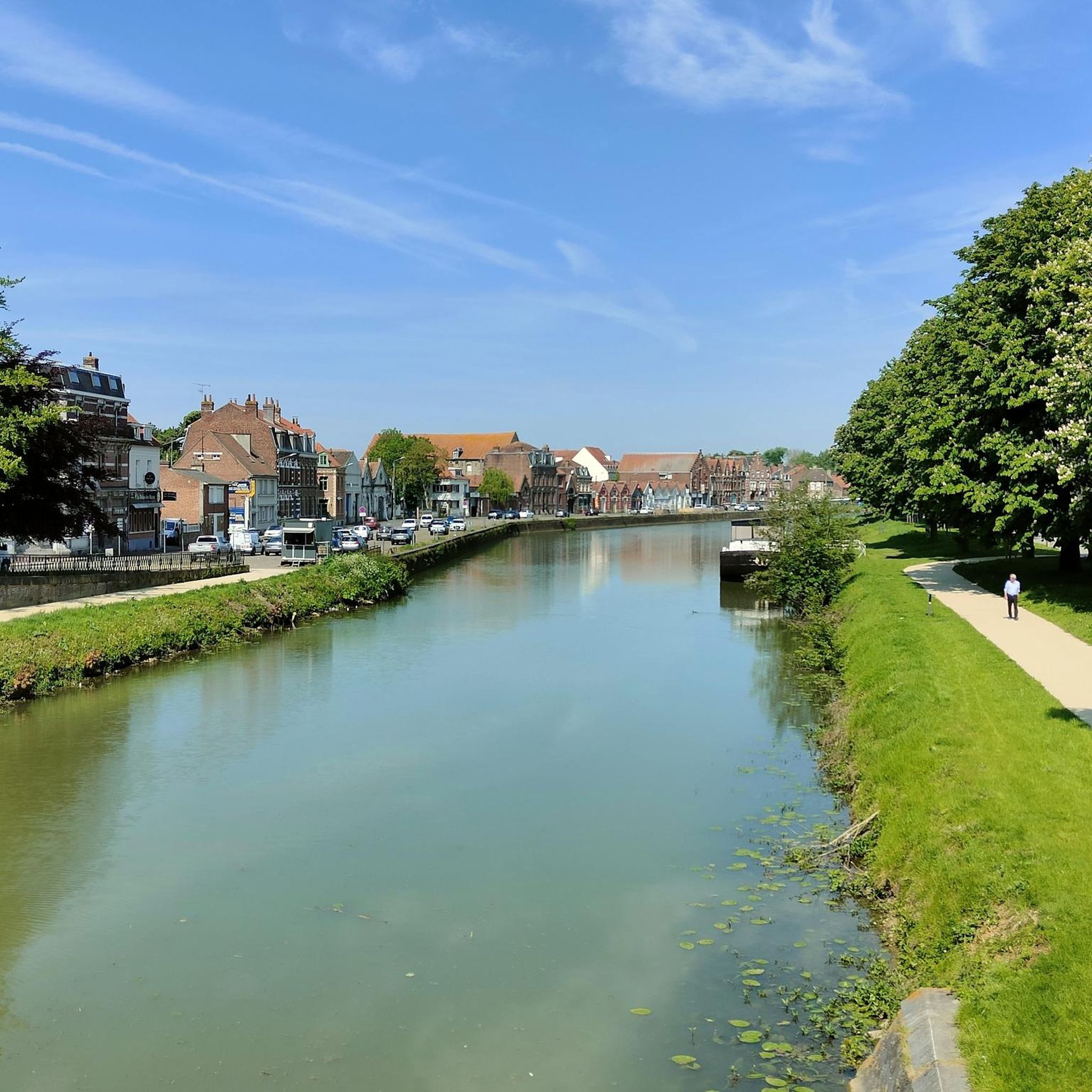
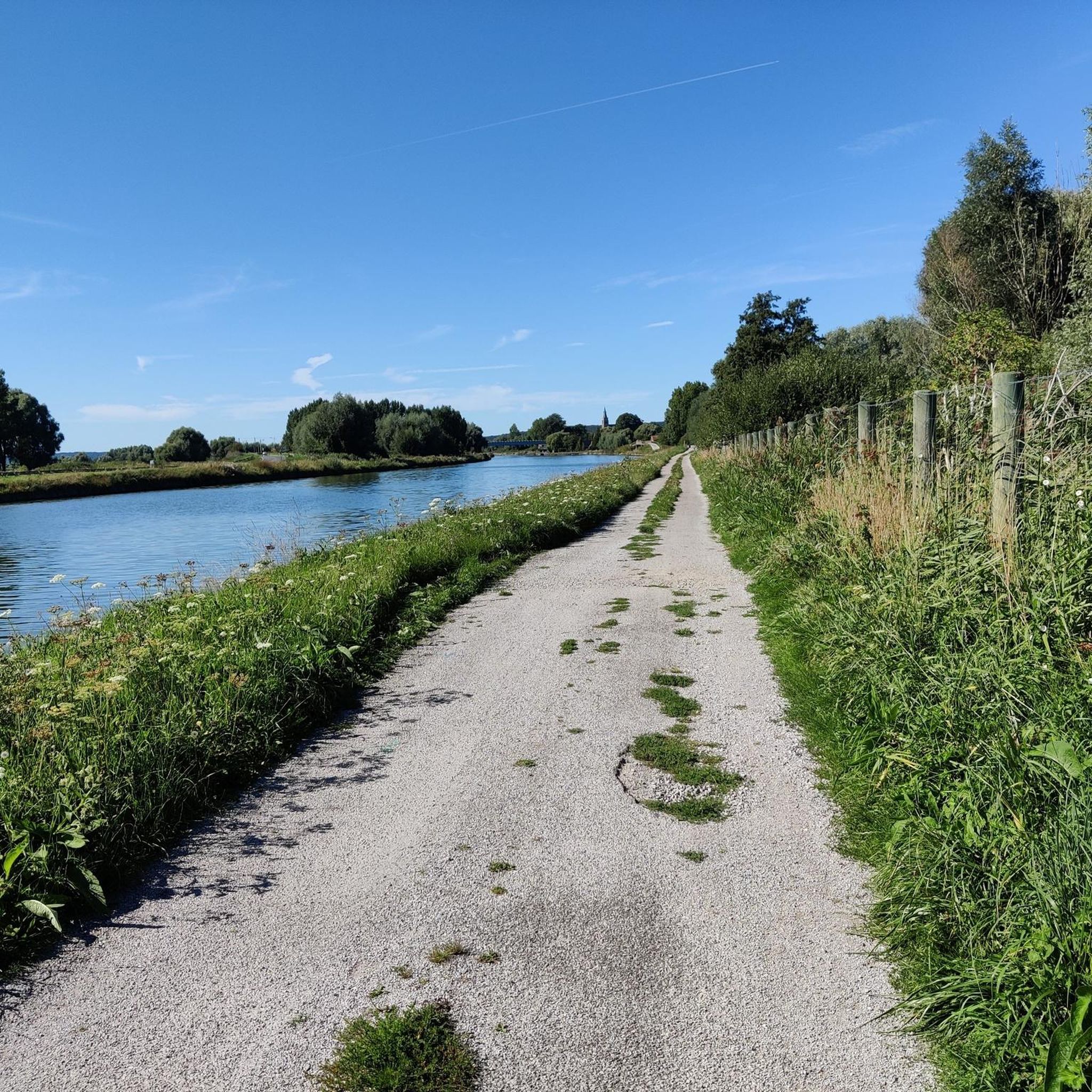
Jogging routes around Longuenesse offer diverse experiences, from urban paths to scenic canal-side trails. The region, situated in Pas-de-Calais, features relatively flat terrain, with some routes incorporating gentle elevation changes. Proximity to the Canal de la Ghière and the town of Saint-Omer provides a mix of natural and historical landscapes for runners. These running routes often connect to wider natural areas, providing varied scenery.
Best jogging routes around Longuenesse
- The most popular jogging route is La porte des Chanoines loop…
Last updated: October 7, 2026
51
runners
8.30km
00:53
70m
70m
Moderate run. Good fitness required. Mostly paved surfaces. Suitable for all skill levels.
15
runners
5.94km
00:37
10m
10m
Moderate run. Good fitness required. Mostly paved surfaces. Suitable for all skill levels.

12
runners
7.88km
00:49
50m
50m
Moderate run. Good fitness required. Mostly paved surfaces. Suitable for all skill levels.
10
runners
Moderate run. Good fitness required. Mostly paved surfaces. Suitable for all skill levels.
9
runners
5.11km
00:32
10m
10m
Moderate run. Good fitness required. Mostly paved surfaces. Suitable for all skill levels.
Get access to more routes and recommendations from other explorers.
Already have an account?
Our route recommendations are based on thousands of hikes, rides, and runs completed by other people on komoot.
Start today with a free account
Your next adventure awaits.

Tips from the Community


The Ruines de l’Abbaye Saint-Bertin are the remains of a Benedictine monastery in Saint-Omer, France. The monastery was founded in the 7th century by the Bishop of Thérouanne under the name Abbaye de Sithiu. The ruins of this monastery are located in Saint-Omer, Rue des Ruines Saint-Bertin. They were classified as a historical monument in 1840. The buildings are now in ruins, but are open to the public. The abbey was originally dedicated to Saint Peter and later to Saint Bertin. It was one of the three most powerful abbeys in the north of the kingdom. The monastery was surrounded by a wall and bordered the rivers Aa and Haute-Meldick. It consisted of three parts: the regular places, the peripheral districts and the outbuildings. The abbey church was located at the heart of the monastery and all the buildings were organized around it. The monastery also had a cloister, refectory, parlour, celler, chauffoir and kitchens. The ruins of the abbey offer a fascinating insight into the medieval history of France and are a popular tourist attraction.
9
0
This cathedral, the former "Cloître Notre-Dame" of the canons, is the most beautiful religious building in the region. The shape and dimensions are impressive. The choir dates from 1200, the transept from the 13th century, the nave from the 14th-15th century. The 50 m high facade tower is decorated with vertical blind arches and crowned with watchtowers (15th century). On the middle buttress of the southern portal there is a statue of the Virgin Mary (14th century), and on the tympanum a Last Judgement with very few chosen ones. In the corner next to the choir there is an octagonal Romanesque tower.
9
0
You will see the tomb of St. Audomarus and the mausoleum of Eustache de Croy, chapter provost in Saint-Omer and bishop of Arras, a moving work by Jacques Dubroeucq (16th century). He shows the deceased kneeling, in bishop's robes, but also lying down and naked, as in classical antiquity. Note the 15th-century tombstones with inscriptions and the Descent from the Cross by Rubens (first bay of the right aisle). The tombs are 15th century, the alabaster statues 16th and 17th centuries. Other eye-catchers are the Madonna with cat (right aisle), the statue (13th century) of Notre-Dame des Miracles that attracts pilgrims every September, a Nativity of Christ from the 13th century and the tomb (8th century) of St. Erkembode, abbot of Saint-Bertin - here they leave shoes of children who have difficulty learning to walk. Above the astronomical clock (1558) a jaquemart tolls the hours (transept left). Above it is a rose window in flamboyant style. The statue group Grand Dieu de Thérouanne (13th century) stood 20 m above the portal of the cathedral of Thérouanne, which was destroyed by Charles V. The figures seem distorted, but the artist foreshortened them so that they had the correct perspective from below (transept left).
10
0
The statue of Suger in Saint-Omer is located in front of the ruins of the Abbey of Saint-Bertin. This impressive marble statue was created by the French sculptor Jean-Baptiste Stouf (1742-1826) and was originally placed in the courtyard of the Palace of Versailles in 1836. In 1931, it was decided to distribute these statues throughout France, and so the statue of Suger came to Saint-Omer, where he is said to have been born. The statue is 4.50 meters high and weighs 8 tons. The statue shows Suger with two symbols of royal power: the crown on a cushion and the hand of justice. Suger was an important figure in the Abbey of Saint-Denis and served as regent of the kingdom during the crusade of King Louis VII. He was born in 1082 and died in 1152.
9
0
The Ruines de l’Abbaye Saint-Bertin are the remains of a Benedictine monastery in Saint-Omer, France. The monastery was founded in the 7th century by the Bishop of Thérouanne under the name of Abbaye de Sithiu. The ruins of this monastery are located in Saint-Omer, Rue des Ruines Saint-Bertin. They were classified as a historical monument in 1840. The buildings are now in ruins but are open to the public. The abbey was originally dedicated to Saint Peter and later to Saint Bertin. It was one of the three most powerful abbeys in the north of the kingdom. The monastery was surrounded by a wall and bordered the rivers Aa and Haute-Meldick. It consisted of three parts: the regular places, the peripheral districts and the outbuildings. The abbey church was located at the heart of the monastery and all the buildings were organized around it. The monastery also had a cloister, refectory, parlour, celler, chafing room and kitchens. The ruins of the abbey offer a fascinating insight into the medieval history of France and are a popular tourist attraction.
7
0
Frequently Asked Questions
How many running routes can I find around Longuenesse?
Longuenesse offers a wide selection of running routes, with over 50 options available. These routes cater to various preferences, ranging from easy urban paths to more challenging trails with elevation changes.
What are the difficulty levels of the jogging trails in Longuenesse?
The running routes around Longuenesse cater to all skill levels. You'll find 7 easy routes perfect for beginners, 35 moderate trails for those seeking a bit more challenge, and 14 difficult routes for experienced runners looking for a demanding workout.
Are there any scenic running routes that feature natural landmarks or viewpoints?
Yes, many routes offer scenic views. For example, the Ghière Canal – Saint-Omer station loop from Longuenesse takes you through canal-side landscapes. You can also explore routes that pass by natural features like the Romelaëre Ponds Nature Reserve or the Saint-Omer Public Garden, which are great for enjoying the outdoors.
Can I find circular running routes in the Longuenesse area?
Absolutely. Many of the running paths around Longuenesse are designed as loops, allowing you to start and finish in the same location. A good example is the La porte des Chanoines loop from Longuenesse, which offers a pleasant run through the local area.
Are there any running routes suitable for families or those jogging with kids?
While specific 'family-friendly' routes aren't detailed, the region's relatively flat terrain and accessible urban paths mean many easy and moderate routes could be suitable for families. Look for shorter, less challenging loops for a pleasant outing with children.
What kind of terrain can I expect on the running trails in Longuenesse?
The terrain around Longuenesse is generally varied. You'll find accessible urban paths, scenic canal routes, and connections to nearby natural areas. While much of the region is relatively flat, some routes, like the Notre-Dame Abbey of Wisques loop from Longuenesse, feature varied terrain with some elevation changes.
Are there any historical sites or points of interest along the running routes?
Yes, the region offers a mix of natural and historical landscapes. The Notre-Dame Abbey of Wisques loop from Longuenesse leads towards a historic abbey. You might also encounter landmarks like the Boat Lift of Fontinettes or the Saint-Omer Cathedral, which are close to some routes.
What do other runners enjoy most about jogging in Longuenesse?
The running routes in Longuenesse are highly rated by the komoot community, with an average score of 4.5 stars from over 20 reviews. Runners often praise the diverse experiences, from urban paths to scenic canal-side trails, and the accessibility of the routes for various ability levels.
Are there any running routes that pass by the Canal de la Ghière?
Yes, the Canal de la Ghière is a prominent feature in the region. The Ghière Canal – Saint-Omer station loop from Longuenesse is a great option for experiencing the scenic canal-side landscapes, offering a pleasant run towards Saint-Omer.
What is the typical duration for a running route in Longuenesse?
Running route durations vary significantly based on length and difficulty. For instance, the La porte des Chanoines loop from Longuenesse typically takes about 40 minutes to complete, while the longer Ghière Canal – Saint-Omer station loop from Longuenesse usually takes around 1 hour and 48 minutes.
Are there any running routes that connect to Saint-Omer?
Yes, Longuenesse's proximity to Saint-Omer means several routes connect the two areas. The Ghière Canal – Saint-Omer station loop from Longuenesse is a good example, leading towards the Gare de Saint-Omer and offering a mix of urban and canal-side scenery.
What are some less-trafficked or 'hidden gem' running routes in the area?
While specific 'hidden gems' are not highlighted, exploring some of the less popular moderate or difficult routes might lead to quieter experiences. Consider routes that venture further from the immediate town center, such as those heading towards more rural or canal-side sections, for a more secluded run.
Most popular routes around Longuenesse
Most popular attractions around Longuenesse

Get inspired with the komoot mobile app


Explore more
Browse the best Running Trails & Routes in other regions.
