Attractions and Places To See around Le Grand-Quevilly - Top 20
Best attractions and places to see around Le Grand-Quevilly include a blend of historical sites, green spaces, and cultural venues within the Seine-Maritime department of Normandy. The area features notable landmarks, extensive natural features, and a vibrant cultural scene. Visitors can explore a variety of points of interest, from ancient churches to modern parks.
Best attractions and places to see around Le Grand-Quevilly
- The most popular attractions is Cathédrale Notre-Dame de Rouen, a religious building that is one of the largest and most important Gothic structures in France. Claude Monet painted its facade in different light, making it a significant subject in art history.
- Another must-see spot is Gros Horloge, a man-made monument. This 14th-century clock is located in a tower building with a gate, situated in the historic city center.
- Visitors also love Saint-Maclou Church (Église Saint-Maclou), Rouen, a late Gothic basilica in the center of Rouen. Dedicated to Saint Machutus, it has been classified as a monument historique since 1840.
- Le Grand-Quevilly is known for its historical sites, green spaces, and cultural attractions. The region offers a variety of landmarks, natural features, and cultural venues to see and explore.
- The attractions around Le Grand-Quevilly are appreciated by the komoot community, with over 450 upvotes and 460 photos shared.
Last updated: July 6, 2026
Cathédrale Notre-Dame de Rouen
Highlight • Religious Site
Claude Monet painted the facade of the cathedral in different light. This series of pictures is one of the impressionist painter's most important works.
Translated by Google •
Tip by

Gros Horloge
Highlight • Monument
Translated by Google •
Tip by

Sign up now to discover places like this
Get recommendations on the best single tracks, peaks, & plenty of other exciting outdoor places.
Sign up for free
La Bouille
Highlight • Settlement
Translated by Google •
Tip by

Saint Joan of Arc Church
Highlight • Other
The music group OMD (Orchestral Manoeuvres in the Dark) dedicated a song to her in the early 1980s: "Maid of Orleans". Can be found on YouTube here:
Translated by Google •
Tip by

Saint-Maclou Church (Église Saint-Maclou), Rouen
Highlight • Religious Site
Translated by Google •
Tip by

Sign up for free to discover even more attractions around Le Grand-Quevilly.
Sign up for free
Already have an account?
Start today with a free account
Your next adventure awaits.
Login or Signup
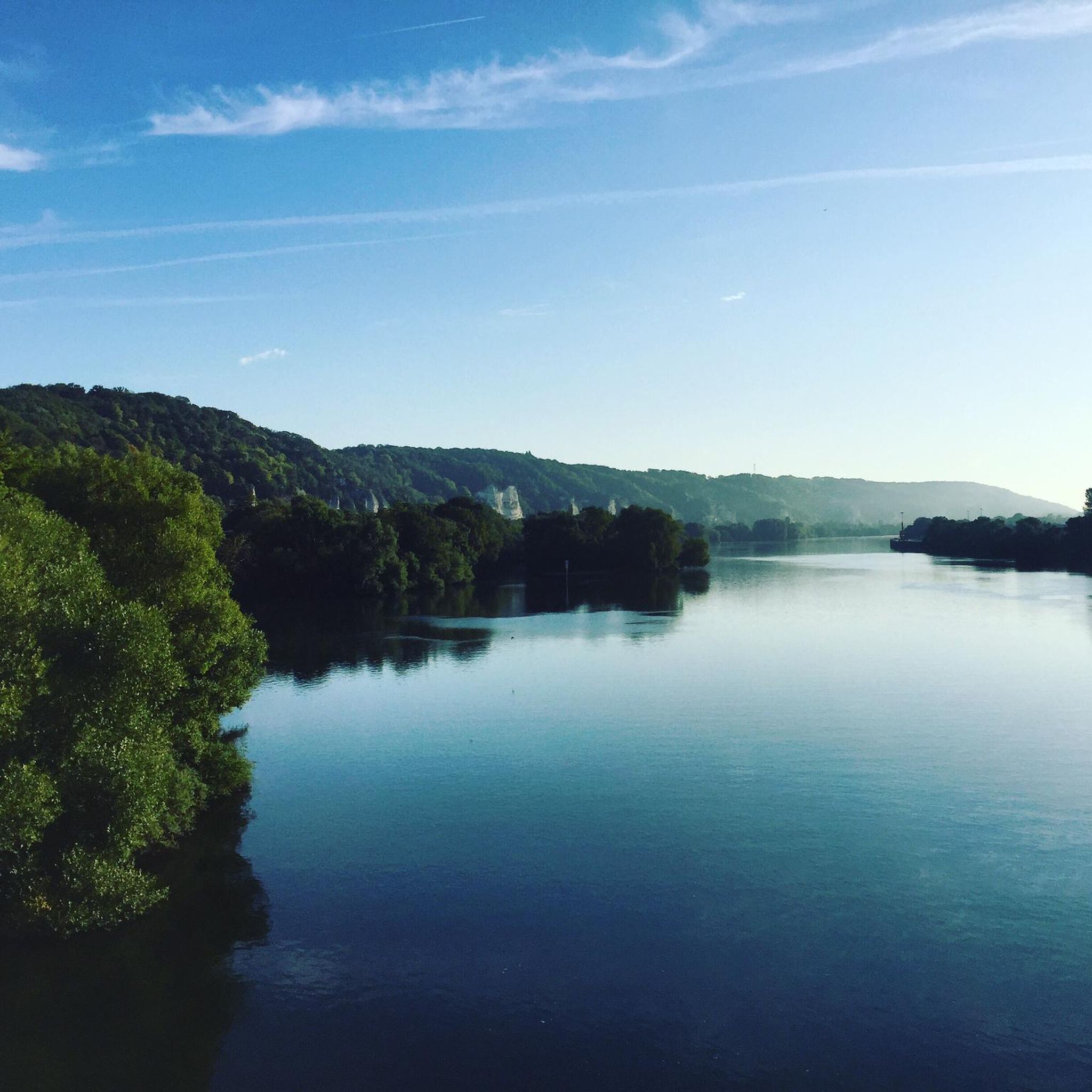
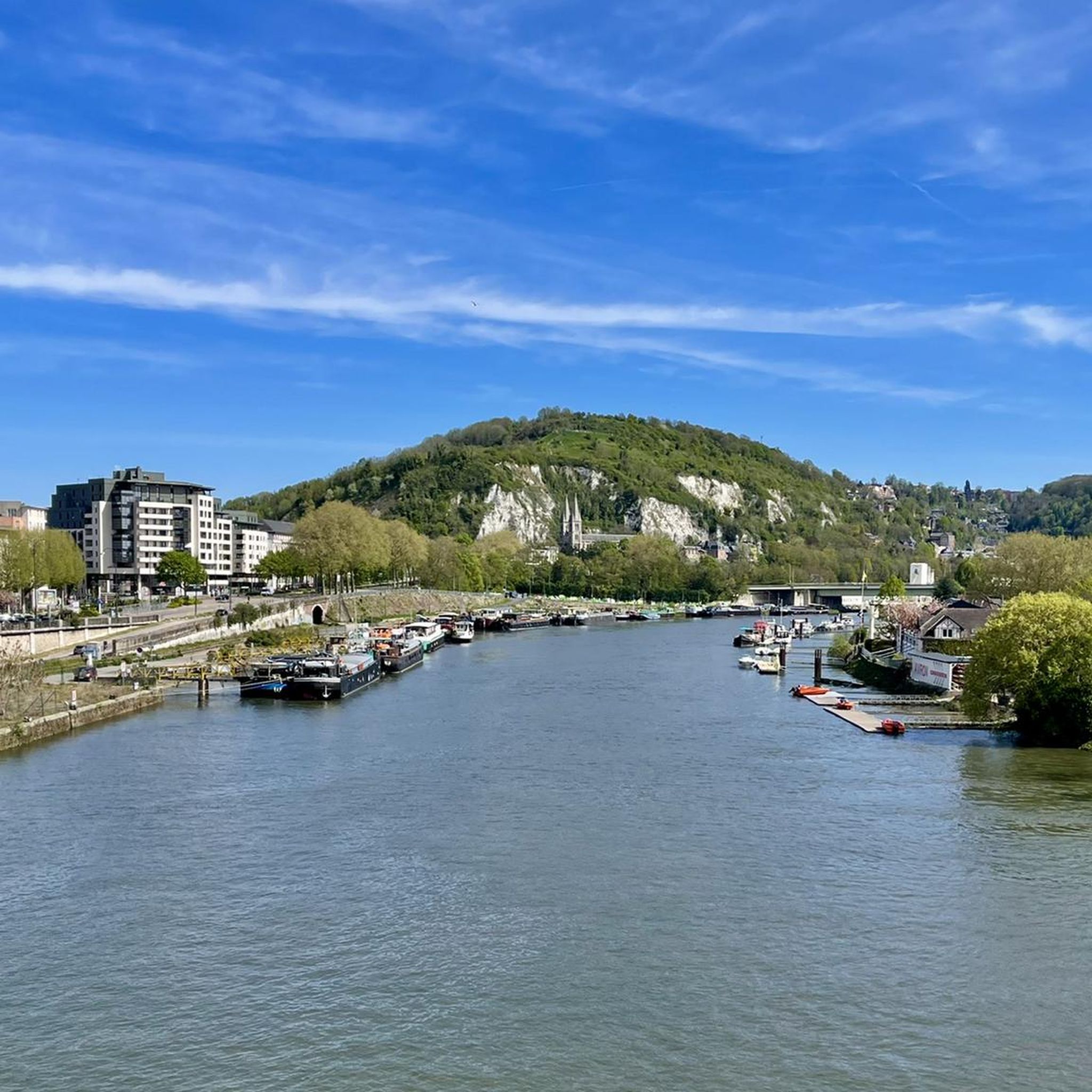
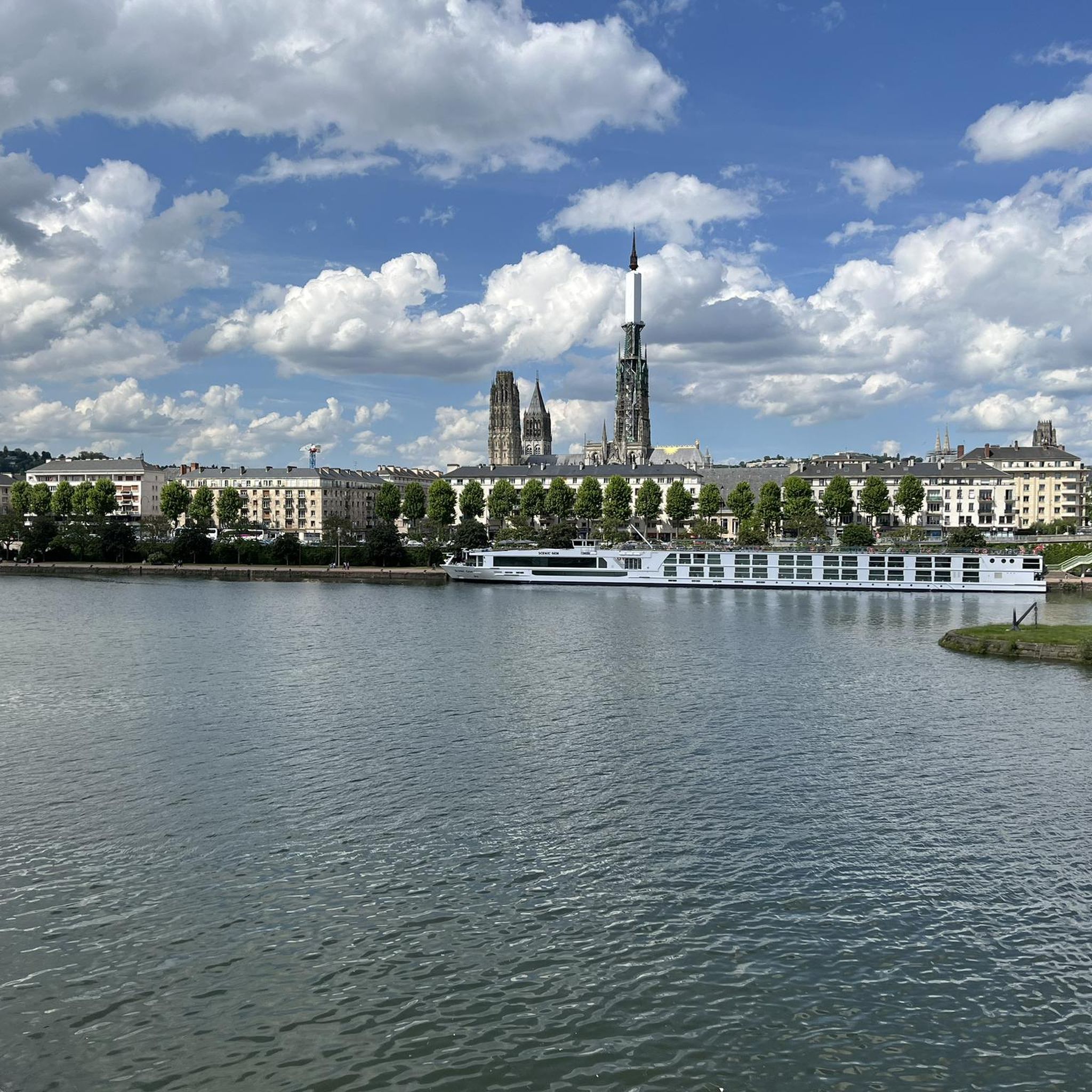

Tips from the Community

Pretty little town with half-timbered houses.
0
0

Also a proud and imposing church not far from the cathedral.
0
0

Saint-Maclou Church
0
0

It is one of the most famous Gothic church buildings in the world, thanks to Claude Monet, and can be seen in several of his paintings. It was destroyed by the Vikings in 841 and by Allied bombs in 1944. It has been rebuilt time and again, undergoing 700 years of architectural development. Its west façade is particularly worth seeing. By the way: its church tower is the highest in France.
4
0
The church was built on the place where Joan of Arc was executed. This national heroine is commemorated every year on the second Sunday in May. The roofs of the church and the small halls are deliberately based on the flames of the pyre on which Joan of Arc was burned.
3
0

A jewel of flamboyant Gothic architecture, its façade, a veritable stone lace, gives a real impression of grace and lightness. The church was badly damaged during the bombings of World War II, but the five-sided porch with its tympanum and carved wood wings, a Renaissance masterpiece, remained intact.
2
0
The Notre-Dame de Rouen Cathedral with its seven towering towers was built in the Gothic style and is considered one of the most beautiful churches in France. Surrounded by small alleys, it stands in the heart of the old town of Rouen. Claude Monet featured the Seine monument several times in his paintings.
2
0
This Gothic church is also a cultural treasure
2
0
Frequently Asked Questions
What historical sites can I explore in Le Grand-Quevilly?
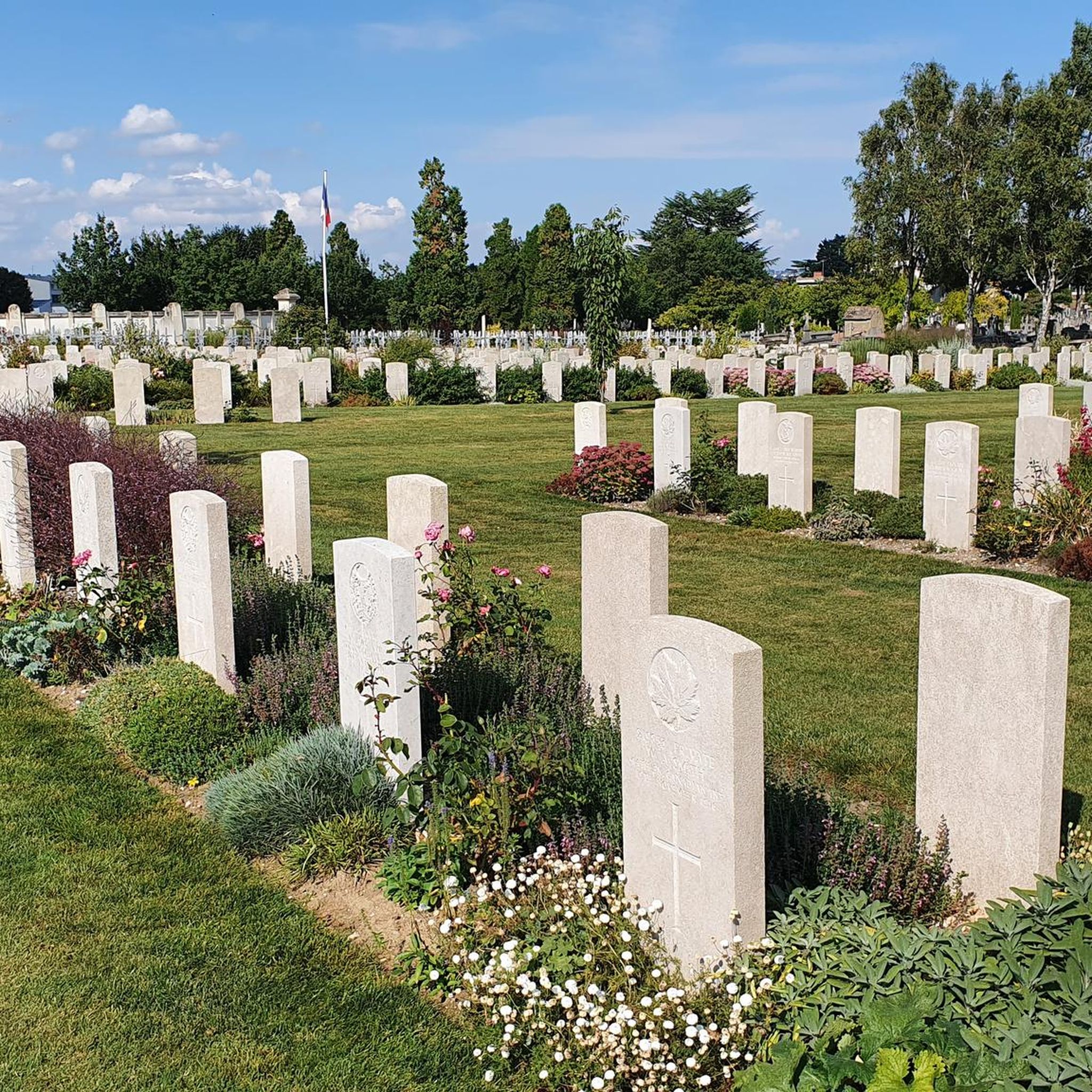
Le Grand-Quevilly offers several historical points of interest. You can visit the fifteenth-century manor house at Grand Aulnay and the sixteenth-century church of Saint-Pierre. The Barn of the Grand Aulnay, originally built in 1195, is also a notable historical structure. Additionally, there's a military cemetery dedicated to British soldiers and a former firing range with a poignant history from World War II.
Are there any significant cultural attractions or venues in Le Grand-Quevilly?
Yes, Le Grand-Quevilly has a vibrant cultural scene. The Zénith de Rouen concert hall is a major venue for performances. The Centre Culturel Marx Dormoy serves as a hub for arts, hosting exhibitions, concerts, and theatrical performances. You can also find public art installations throughout the city. For entertainment, there's Woupi Rouen - Grand Quevilly cinema and Bowling Plaza Rouen Grand-Quevilly.
What natural green spaces are available for recreation in Le Grand-Quevilly?
The town is rich in green spaces. The Bois Matisse is a large forested area perfect for recreation. Other parks include the Parc des Provinces and the vast Parc des Bruyères. For flower enthusiasts, La Roseraie features 280 species of roses designed in the style of English gardens.
What are some family-friendly attractions around Le Grand-Quevilly?
Many attractions in the wider Rouen area are family-friendly. For instance, the magnificent Cathédrale Notre-Dame de Rouen, the historic Gros Horloge, and the charming village of La Bouille are all suitable for families. Within Le Grand-Quevilly itself, the various parks like Bois Matisse and Parc des Bruyères offer great outdoor spaces for families.
What outdoor activities and routes can I find near Le Grand-Quevilly?
You can find a variety of outdoor activities. For gravel biking, explore routes like the 'View of a Meander of the Seine – Jumièges Abbey loop' or 'A cool autumn morning. – Forest Trail for Mountain Biking loop'. Runners can enjoy trails such as 'Narrow Forest Singletrack – La Mare Beaumarquet loop' or 'Parc des Bruyères loop'. Hikers have options like the 'Roumare Forest and Saint-Georges Abbey Loop' or 'Wildlife park loop from Maison forestière de la Mare Épinay'. You can find more details on these and other routes in the Gravel biking, Running Trails, and Hiking guides for Le Grand-Quevilly.
Are there any notable churches or religious buildings to visit?
Absolutely. The region is home to several impressive religious buildings. The Cathédrale Notre-Dame de Rouen is a significant Gothic structure, famously painted by Claude Monet. The Saint-Maclou Church (Église Saint-Maclou), Rouen is another beautiful late Gothic basilica. Within Le Grand-Quevilly, the sixteenth-century church of Saint-Pierre is also present.
What is the best time of year to visit Le Grand-Quevilly for outdoor activities?
The spring and summer months (April to September) generally offer the most pleasant weather for outdoor activities and exploring the green spaces like Bois Matisse and La Roseraie. Many local events, such as "Les Bakayades" in early June and the "Festival of Circus Arts" in May, also take place during this period, adding to the cultural experience.
What are some unique annual events or festivals in Le Grand-Quevilly?
Le Grand-Quevilly hosts several annual events. These include the Fête de la Ville, the cultural event "Les Bakayades" with free shows in early June, the "Spring of the Poets" in March, the "Bruits d'Hiver" festival for dance and music in February, the "Salon des artistes peintres" in October, and a "Festival of Circus Arts" in May.
Can I find easy hiking trails near Le Grand-Quevilly?
Yes, there are easy hiking options available. For example, the 'Wildlife park loop from Maison forestière de la Mare Épinay' is an easy route, as is the 'Wildlife park loop from Carrefour du Hêtre des Gardes'. These trails are part of the broader Hiking around Le Grand-Quevilly guide.
What do visitors particularly enjoy about the attractions around Le Grand-Quevilly?
Visitors appreciate the blend of historical depth and natural beauty. The architectural grandeur of sites like Cathédrale Notre-Dame de Rouen and the charm of the Gros Horloge are frequently highlighted. The picturesque village of La Bouille, with its ferry crossing, is also a favorite for its scenic appeal and local amenities.
Are there any specific viewpoints or landmarks that offer great photo opportunities?
The Gros Horloge in Rouen is a highly photogenic 14th-century clock tower, situated in a beautiful lane in the historic city center. The facade of Cathédrale Notre-Dame de Rouen, famous for Claude Monet's paintings, also offers stunning photographic opportunities, especially with varying light conditions.
What is the significance of the Saint Joan of Arc Church in Rouen?
The Saint Joan of Arc Church in Rouen, built in 1979, holds significant historical importance as it stands right next to the spot where Joan of Arc was burned at the stake in 1431. A small garden outside the church, Le Bouchet, marks the exact location, making it a poignant site for reflection on French history.
Most popular routes around Le Grand-Quevilly
Most popular attractions around Le Grand-Quevilly

Get inspired with the komoot mobile app


Explore more
Still not found the Highlight you’re looking for? See guides of the top attractions in other regions:
