Attractions and Places To See around Cassel - Top 20
Best attractions and places to see around Cassel include a fortified town situated on a hill, offering panoramic views of the surrounding landscape. This region features historical sites, cultural experiences, and natural beauty. Cassel is known for its strategic elevated position and its well-preserved historical architecture. The area provides a mix of history, culture, and nature for visitors.
Best attractions and places to see around Cassel
- The most popular attractions is Cassel Village, a settlement that is a fortified…
Last updated: October 10, 2026
Cassel Old Town
Highlight • Settlement
Translated by Google •
Tip by

The mill on Mount Cassel
Highlight • Monument
Showing Translation
Tip by
Sign up now to discover places like this
Get recommendations on the best single tracks, peaks, & plenty of other exciting outdoor places.
Porte d'Aire
Highlight • Historical Site
Translated by Google •
Tip by
Sint-Bavokerk Watou
Highlight • Religious Site
Anyone walking or cycling through Watou can hardly fail to notice the striking Sint-Bavokerk. This historic church has been the heart of the village for …
Showing Translation
Tip by

De Helleketel
Highlight • Pub
Since 1895, get off your bike, because this is a mandatory stop for every bon vivant!
Showing Translation
Tip by
Sign up for free to discover even more attractions around Cassel.
Already have an account?
Start today with a free account
Your next adventure awaits.



Tips from the Community

Sint-Bavokerk – Watou's historic heart Anyone walking or cycling through Watou can hardly fail to notice the striking Sint-Bavokerk. This historic church has been the heart of the village for centuries and, with its graveyard wall and characteristic architecture, is an atmospheric eye-catcher on Watouplein. The church also has a special connection to the art that so typifies Watou. During the Kunstenfestival Watou, the historic interior is regularly given a contemporary interpretation, bringing together old and new in a surprisingly beautiful way. So, during your visit, be sure to take some time to look up, step inside the church, or enjoy the view from the square. History, art, and the typical atmosphere of Watou come together beautifully here.
5
0
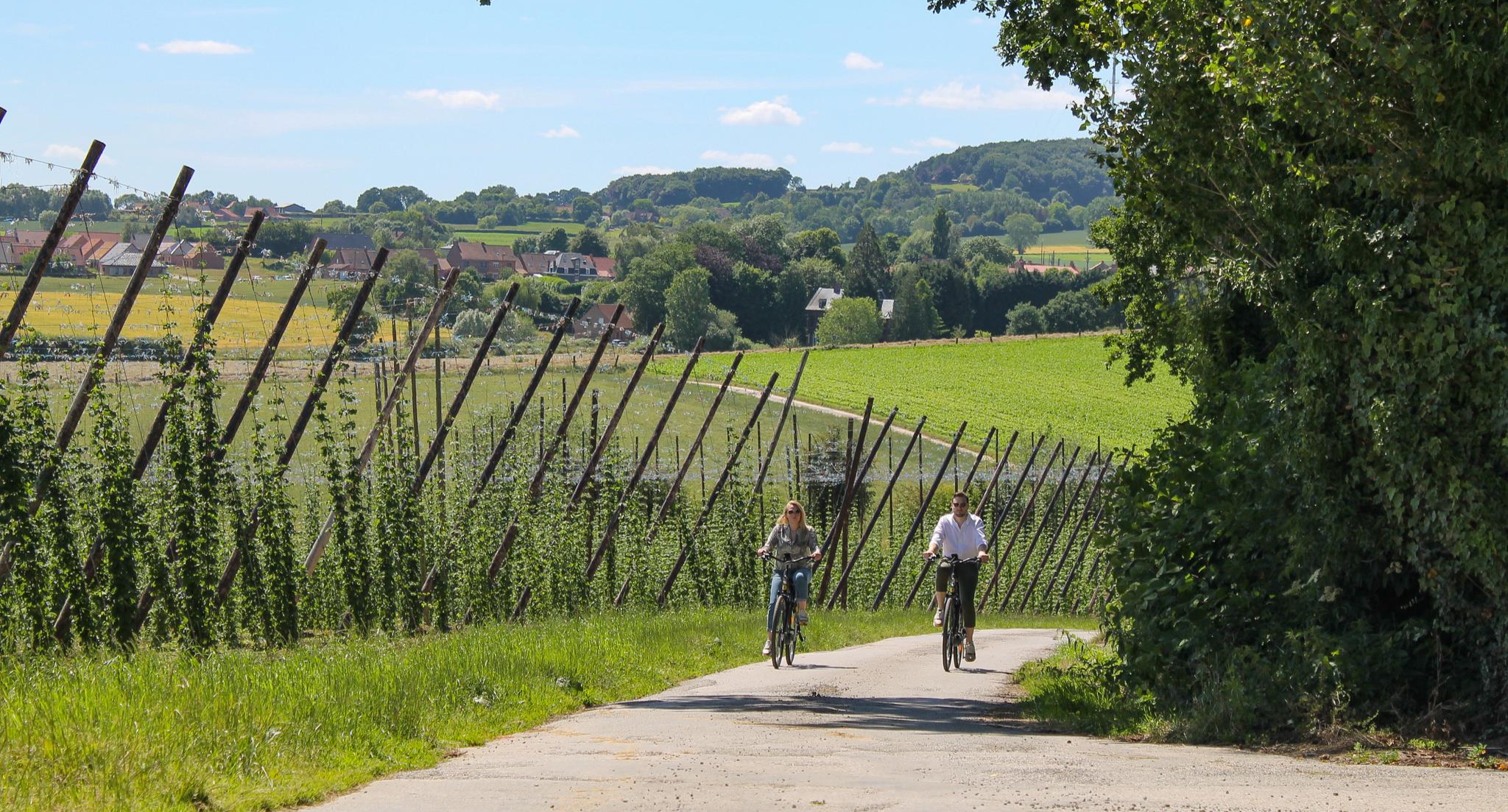
Café De Helleketel is ‘Travelling through Time’. Since 1895, get off your bike, because this is a mandatory stop for every bon vivant! This colourful folk café with its characteristic blue-yellow shutters is hidden between the hop fields and the rolling hills of the Helleketel forest. Since 1895, the doors of De Helleketel have already been opening for passers-by, poachers, hikers and cyclists. Inside, the ceiling is full of witch dolls (a nod to the name "De Helleketel", which means witch’s cauldron) and you will also find folk games such as the traditional stove game. Outside on the terrace, you sit among the bicycles enjoying a beautiful view. Tip: order an iconic, homemade Picon from the house here or a hearty 'boerestute' (a richly filled sandwich). Feel free to ask for café owner Lena; she is a real village figure and the soul of this magical place!
6
0


The current hall church is a 16th century Gothic-style conversion of the original Romanesque church from the second half of the 12th century. The brick part of the nave and the lower part of the tower are remains of the old church. The pseudo-Romanesque gable with rose window and part of the octagonal crossing tower are 19th century. In the church you will find the mausoleums of the first counts of Watou, Karel van Ydeghem (+ 1630) and Maria van Cortewyle and of the mystic Karel Grimminck (1676-1728). The church has been a protected monument since 1939. https://nl.wikipedia.org/wiki/Sint-Bavokerk_(Watou)
4
0


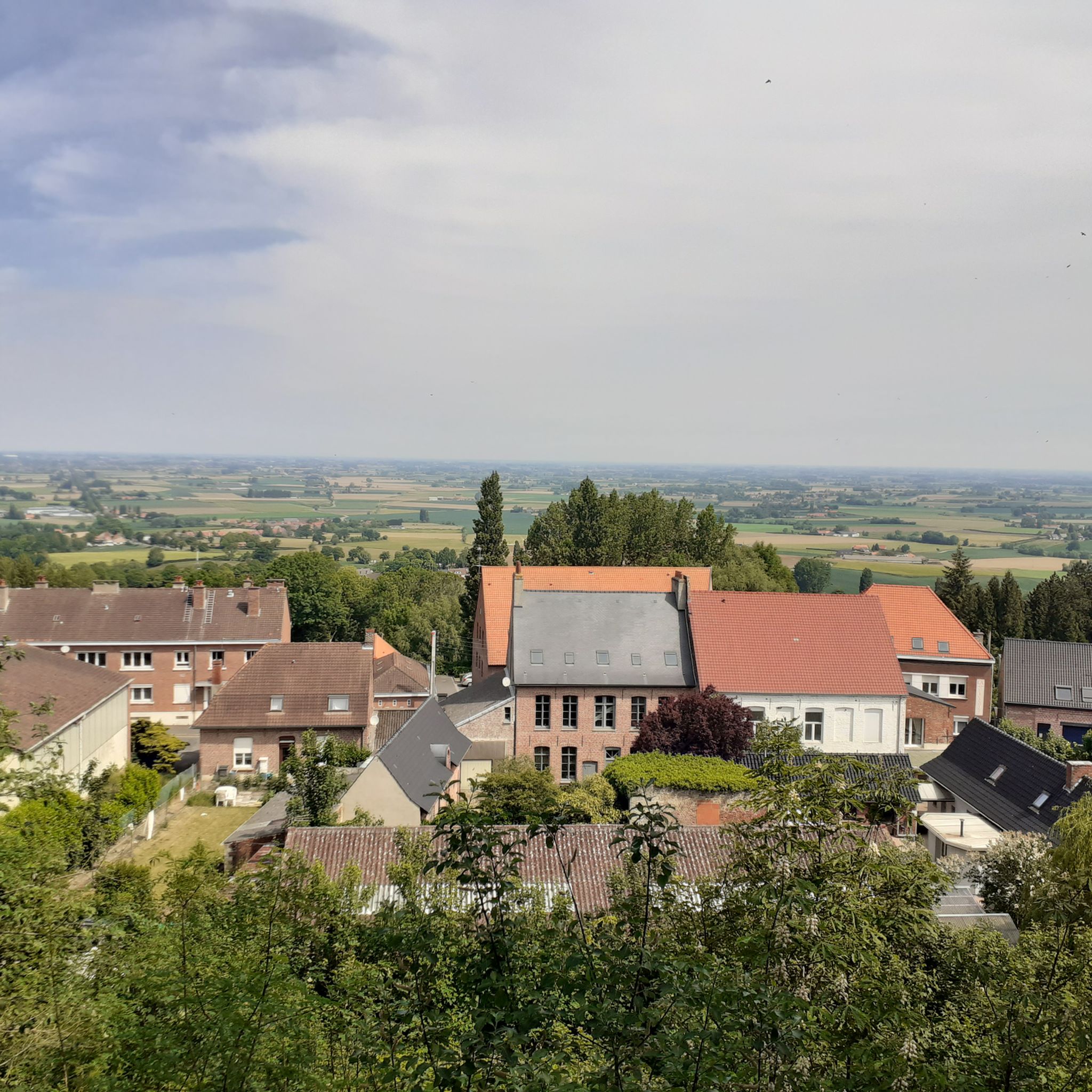
The Kasselberg (French: Mont Cassel) is a witness hill in the French Westhoek, in the French department of Noord. The hill is the highest in the Westhoek with 176 meters. The city of Kassel is located on top of the hill. The Kasselberg is part of the so-called central hill ridge in the West Flemish Hills, which also consists of the Watenberg, Wouwenberg, Katsberg, Boeschepeberg, Kokereelberg, Zwarteberg, Vidaigneberg, Baneberg, Rodeberg, Sulferberg, Goeberg, Scherpenberg, Monteberg, Kemmelberg and Letteberg. To the south of this hill ridge is the catchment area of the Leie, to the north of this hill ridge is the catchment area of the IJzer.
9
1
The Porte d'Aire in Cassel is one of the historic city gates that is part of the old defensive wall of the city. This gate is known for its Gothic architecture and is an important historical monument. The Porte d'Aire is located on the southern side of the city and is one of the four gates that are still preserved from the medieval city walls. The gate has a characteristic serrated edge and is decorated with a carved coat of arms and a red inscription.
10
0
Frequently Asked Questions
What unique historical landmarks can I explore in Cassel?
Cassel is rich in history, offering several unique landmarks. You can visit the Porte d'Aire, one of the historic city gates with Gothic architecture, or explore the Ramparts of Cassel, ancient fortifications that bear witness to the region's past. Another fascinating site is The mill on Cassel Hill, an 18th-century mill that is still in operation and can be visited.
Are there opportunities for hiking and cycling around Cassel?
Yes, the Cassel area offers various routes for outdoor enthusiasts. For road cycling, you can find routes like the 'Cassel discovery' loop or more challenging rides such as the 'Mont Noir (West) – Kemmelberg cobbled climb loop'. Mountain bikers can explore trails like 'Clairmarais Church – The Nature Barn loop'. Runners also have options, including the 'Chemin des Remparts loop'. You can find more details on these activities in the dedicated guides for Road Cycling Routes around Cassel, MTB Trails around Cassel, and Running Trails around Cassel.
What are some family-friendly attractions in the Cassel area?
Many attractions in Cassel are suitable for families. The Cassel Village itself is considered family-friendly, offering cozy alleys and a museum. Children and adults alike can enjoy visiting The mill on Cassel Hill, which is still operational. The Porte d'Aire and the Ramparts of Cassel also offer an engaging historical experience for all ages.
Where can I find the best panoramic views of the region?
For breathtaking panoramic views, head to Cassel Village, which is a fortified town situated on top of a hill. From here, you can enjoy expansive vistas of the surrounding landscape. The mill on Cassel Hill also offers excellent viewpoints, being located on the highest point in the French Westhoek.
What cultural sites or museums are worth visiting in Cassel?
Cassel offers a rich cultural experience. The Cassel Village itself houses a richly furnished museum in a historic mansion. Beyond the immediate village, the region is known for its historical and cultural significance, with various sites reflecting its past.
What do visitors enjoy most about Cassel?
Visitors particularly enjoy the blend of history, culture, and nature that Cassel offers. The Cassel Village is highly praised for its beautiful views, cozy alleys, unique estaminets, and the museum. The cobblestone climb to the village is also a popular highlight for many. The local gastronomy and the opportunity to explore historical sites like the ramparts and the operational mill are also frequently mentioned as enjoyable aspects.
Are there any unique local experiences or gastronomy to try in Cassel?
Absolutely! Cassel is known for its unique estaminets, which are traditional Flemish pubs or taverns, offering local gastronomy. Visitors to Cassel Village often highlight these as a must-do for good food, moderate prices, and a great ambiance. Additionally, you can visit St. Bernardus Brewery in Watou, not far from Cassel, to taste locally brewed beers and enjoy a meal in a beautiful setting.
What is the best time to visit Cassel for outdoor activities?
The region around Cassel is generally pleasant for outdoor activities during spring, summer, and early autumn. The mill on Cassel Hill is typically open during weekends and often on weekday afternoons during the tourist high season, which usually aligns with warmer months. For specific events or seasonal attractions, it's always best to check local listings.
How can I learn about the history of Cassel's fortifications?
You can delve into the history of Cassel's fortifications by visiting the Ramparts of Cassel. These historic walls and gates, including the Porte d'Aire, offer a tangible connection to the town's strategic past. The ramparts date back to the Middle Ages and were even strengthened by the famous French military engineer Vauban in the 17th century, providing a fascinating glimpse into the region's tumultuous history.
Are there any natural features or green spaces to enjoy near Cassel?
While Cassel itself is known for its elevated position and historical sites, the surrounding area offers natural beauty. The Cassel Village provides beautiful views of the Flemish plain, which is characterized by green landscapes. The hill itself, Mont Cassel, is part of a ridge of hills, offering a natural setting for walks and enjoying the countryside.
What is the significance of the mill on Cassel Hill?
The mill on Cassel Hill is a significant historical landmark. It is an 18th-century mill that is still in operation and is the only remaining witness of the 18 mills that once existed in the Cassel area. Originally used to beat oil, it now grinds grain. It offers visitors a unique insight into traditional milling practices and is a symbol of the region's heritage.

Get inspired with the komoot mobile app


Explore more
Still not found the Highlight you’re looking for? See guides of the top attractions in other regions:
