Top 6 Castles around Cussac-Fort-Médoc
Best castles around Cussac-Fort-Médoc are found in a commune nestled in the heart of the Médoc region of France. This area is characterized by a blend of historical military fortifications and prestigious wine-producing châteaux. Its location near the Gironde estuary influences both its strategic historical importance and its viticultural landscape. Visitors can explore 17th-century defense architecture and experience the region's renowned wine heritage.
Best castles around Cussac-Fort-Médoc
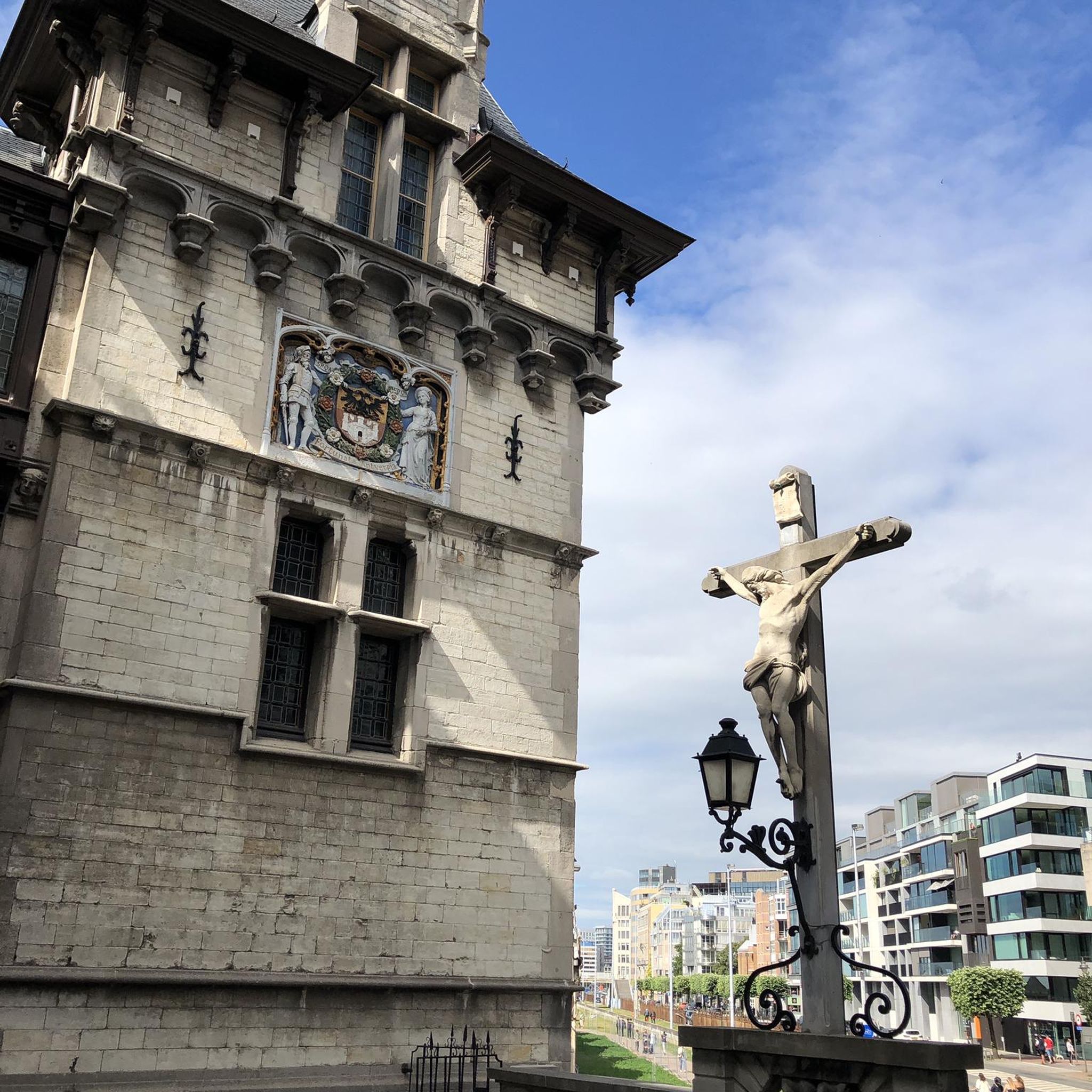
- The most popular castles is Citadel of Blaye, a historical site that is a 17th-century citadel. It is part of the UNESCO World Heritage site "Verrou Vauban," designed by Vauban to protect Bordeaux.
- Another must-see spot is East Gate, Vauban Citadel 🏰, a castle and significant entrance to the vast 38-hectare citadel. This gate is part of the fortress ordered by Louis XIV and supervised by Vauban, intended as "the lock of Bordeaux."
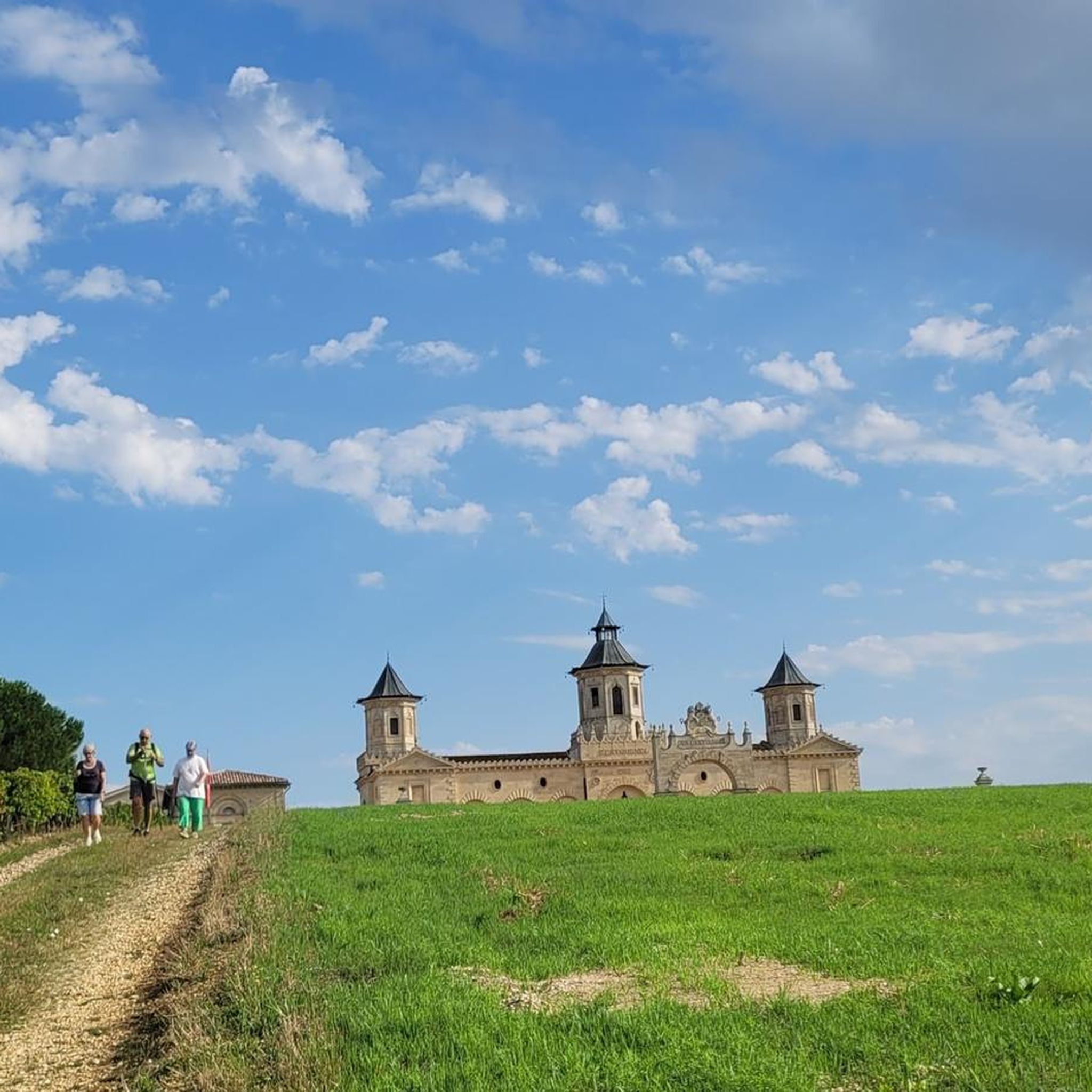
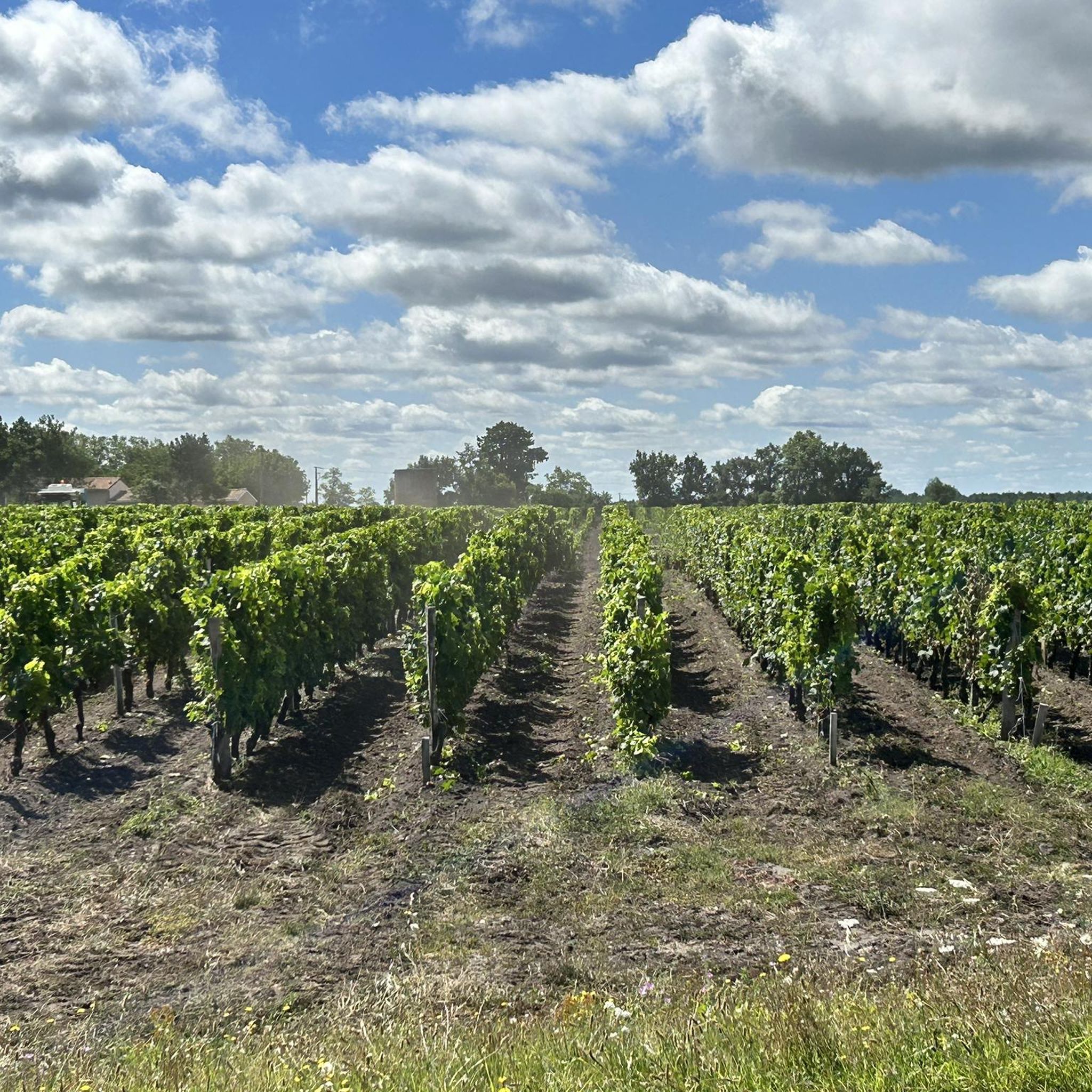
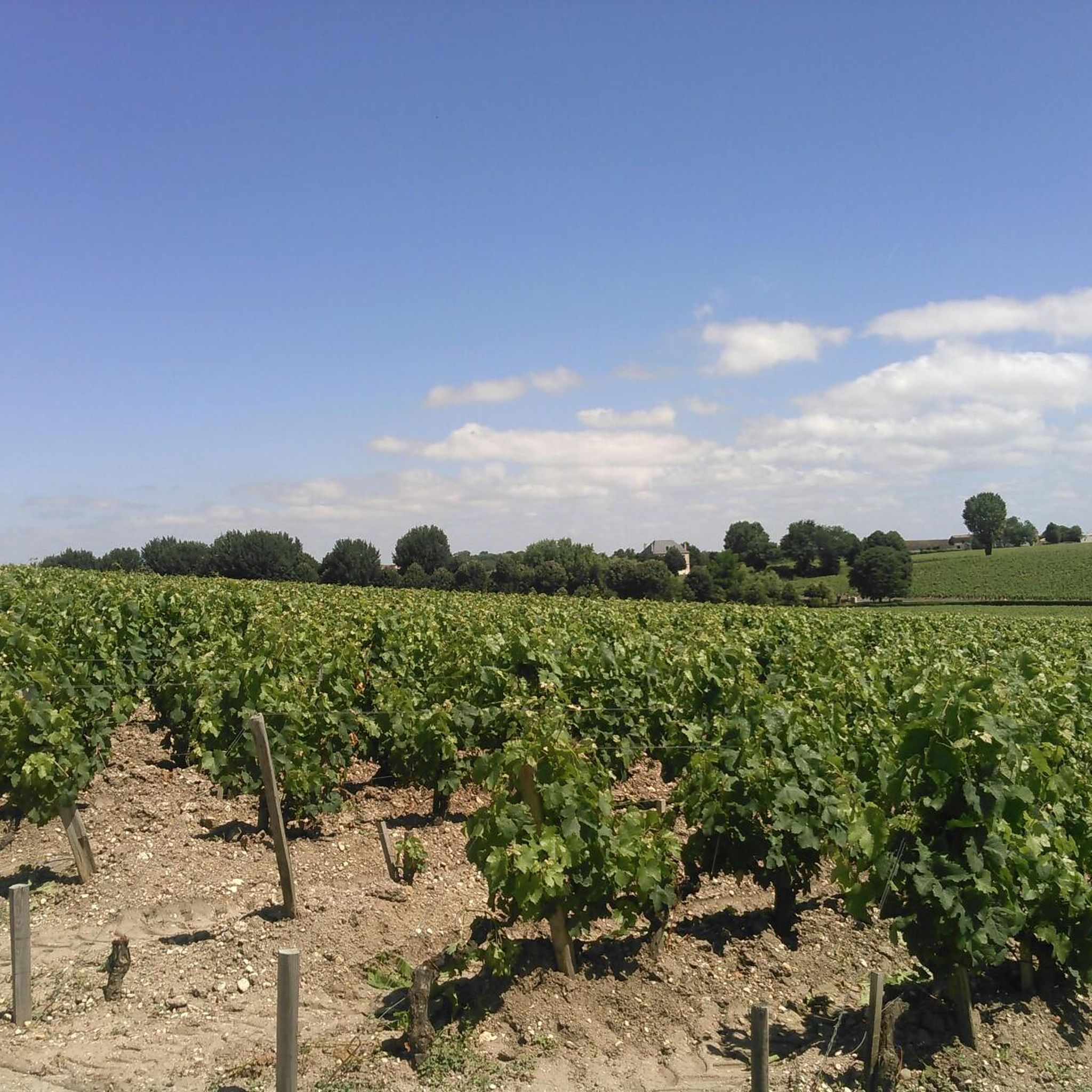
- Visitors also love Château Malescasse, a castle located amidst vineyards. It represents the region's wine-producing heritage.
- Cussac-Fort-Médoc is known for its military fortifications and wine châteaux. The area offers a variety of historical sites and vineyards to explore.
- The castles around Cussac-Fort-Médoc are appreciated by the komoot community, with more than 90 upvotes and 36 photos contributed by visitors.
Last updated: July 7, 2026
Citadel of Blaye
Highlight • Historical Site
Translated by Google •
Tip by

Château Pontet d'Eyrans
Highlight • Castle
Translated by Google •
Tip by

Sign up now to discover places like this
Get recommendations on the best single tracks, peaks, & plenty of other exciting outdoor places.
Sign up for free
Rudel Castle
Highlight • Castle
Le site occupé par l'actuel château semble avoir été fortifié dès la plus haute antiquité. Dès le ive siècle, un castrum est mentionné par le poète Ausone. Quelques siècles plus tard, le roi d'Aquitaine Caribert II fait bâtir une première forteresse, laquelle est prise en 994 par les comtes d'Angoulême, les Rudel. Jaufré Rudel, parfois qualifié dans les textes anciens de « Prince de Blaye », reste l'une des figures emblématiques de ce château. Né vers 1113, ce célèbre troubadour s'illustre par l'écriture de poèmes célébrant l'amour courtois. L'une de ses œuvres les plus connues demeure « l'amor de luenh », poème en occitan dédié, selon la tradition, à une princesse orientale. Parti en croisade, il meurt vers 1162 aux portes de Jérusalem.
Dans la seconde moitié du xiie siècle, la seigneurie de Blaye échoit à Geoffroy II puis à son fils Geoffroy III qui meurt en 1245. Le château est alors confié à des seigneurs anglo-gascons qui administrent la place jusqu'à ce que l'Aquitaine devienne définitivement française.
Le château est assiégé durant les guerres de religion par les armées calvinistes. Il est consolidé sous le règne du roi Louis XIII avant d'être incorporé à la citadelle voulue par son successeur. En 1685, Louis XIV ordonne à Sébastien Le Prestre de Vauban de superviser les travaux d'une vaste citadelle de 38 hectares destinée à être « le verrou de Bordeaux ». Si une partie de la ville médiévale est détruite afin d'édifier la nouvelle forteresse, le château est conservé afin de servir de logis aux gouverneurs militaires de la place. Alors qu'en 1814, les Anglais s'apprêtent à mettre le siège devant la ville, les autorités militaires décident d'araser aux deux tiers les murs de l'ancien château. Une fois la paix revenue, celui-ci n'est plus entretenu et tombe en ruine durant plusieurs décennies. Dans les années 1950, plusieurs pièces du château sont mises à l'abri, notamment une porte en bois de chêne ornée des armes de France datée du xviie siècle, actuellement visible au musée archéologique, de même que le produit de fouilles réalisées ultérieurement aux environs du château. En 2005, une subvention est accordée par le conseil général afin de préserver les ruines. Partie intégrante de la citadelle, les ruines font partie du périmètre classé monument historique le 11 mai 2009, et inscrit en juillet 2008 sur la liste du patrimoine mondial de l'Unesco au titre du Réseau des sites majeurs de Vauban.
Le château des Rudel est un exemple atypique d'architecture castrale en région Aquitaine. Conçu sur un plan triangulaire, il se compose d'une cour centrale autour de laquelle s'articulent trois corps de bâtiments, eux-mêmes protégés par des courtines et six tours circulaires. Une porte équipée d'un pont-levis ouvre sur une barbacane, remaniée ultérieurement. Malgré l'état de délabrement du bâtiment, la structure originelle reste perceptible. C'est ainsi que se retrouvent encore les six tours médiévales : celles-ci sont la tour des Rondes (au nord), la tour de Diane (au sud-ouest), la tour de la porte (à l'ouest), la tour des archives (au sud), la tour de la Cloche (au nord-est) et le donjon. Parmi les bâtiments disparus, les textes anciens mentionnent une chapelle Saint-Nicolas. Des vestiges de celle-ci sont retrouvés lors de fouilles archéologiques en 1959, et sont exposés au musée archéologique. fr.wikipedia.org/wiki/Ch%C3%A2teau_des_Rudel
Tip by
East Gate, Vauban Citadel 🏰
Highlight • Castle
Translated by Google •
Tip by
Château Malescasse
Highlight • Castle
chateau-malescasse.com
Translated by Google •
Tip by

Sign up for free to discover even more castles around Cussac-Fort-Médoc.
Sign up for free
Already have an account?
Start today with a free account
Your next adventure awaits.
Login or Signup

Tips from the Community

Since we wanted to continue with the ferry, but still had 60 minutes until the next crossing, we looked at this pretty citadel. There is also a café that invites you to linger.
0
0

In his 56 years of service, Vauban, who was already an Ingénieur de France, designed 33 new forts, delivered over 400 projects for 160 sites and modernized countless existing forts. He is the actual creator of the enceinte de fer, the iron belt, and the pré carré, with which France under Louis XIV secured its external borders. The fortified town of Neuf-Brisach/Neu-Breisach is considered to be his main work Fortifications by Vauban is the name of the World Heritage site that summarizes the important fortifications of the brilliant French master builder. In 2008, UNESCO decided to include twelve particularly exemplary and well-preserved sites in the World Heritage List: * Arras Citadel * Citadel, ramparts and Fort Griffon in Besançon * Citadel of Blaye, Fort Paté on an island in the Gironde and the * Citadel of Cussac-Fort-Médoc * Briançon fortification system (walls, four forts, signal tower and bridge) * Tour dorée (golden tower) in Camaret-sur-Mer * Fortified Upper Town of Longwy * Fortified city of Mont-Dauphin * Mont-Louis, composed of citadel and fortified city * Fortified town of Neuf-Brisach * Saint-Martin-de-Ré fortress with ramparts, port and citadel * Saint-Vaast-la-Hougue: Towers and fortifications in Saint-Vaast-la-Hougue and on the neighboring island of Tatihou * Fort Liberia, city walls and the fortified cave Cova Bastera in Villefranche-de-Conflent” (Source: Wikipedia)
2
0

Featuring free WiFi throughout the property, a sun terrace with a swimming pool, free bikes and a garden, Chateau Pontet d'Eyrans & Spa is located in Eyrans. All rooms have a desk and a flat-screen TV. The private bathroom is fitted with a shower, free toiletries and a hairdryer. All units include a wardrobe. A buffet or continental breakfast is served on site. A barbecue is also available. Guests can play table tennis at Chateau Pontet d'Eyrans & Spa. The area is popular with hikers and cyclists. The nearest airport is Bordeaux-Mérignac Airport, 72 km from the property.
0
0

The citadel of Blaye is a military complex of 25 hectares built between 1685 and 1689 by the military engineer François Ferry. There is a ferry to cross to Médoc with bicycles.
0
0

The citadel of Blaye is home to a few bars, restaurants and shops and offers some entertainment on summer evenings.
1
0

Pontet Castle. “Pontet is a pretty village of Eyrans located in the valley of Molinade and crossed by the road from Bordeaux to Nantes, which crosses the stream on a small bridge which earned it the name of PONTET. It was at the bottom of this village and near the stream that Mr. Aurélien PERRIER, a former merchant, had a fairly elegant castle built in 1866, consisting of a three-storey main building and covered with a Mansard roof. . On the flanks rise two hexagonal pavilions surmounted by arrows and weather vanes. In front is a gate with two turrets, a large gate, a parterre and some amenities… The Château de Pontet is an imposing wine building classified 2nd cru Bourgeois with a production of 125 barrels and it is the most elegant in the region”. Article taken from the Bordelais memorial in June 1868. Today, it now bears the name of Château Pontet d'Eyrans and has undergone a refined renovation which allows it to benefit from luxury services. All pretexts, such as a charming weekend getaway, a family reunion or the organization of a wedding, are good to taste the charms of this residence which offers you a friendly welcome, refined services and all these little attentions. intended to offer you a quality stopover (guest room, gite, SPA, hammam, jacuzzi, swimming pool, park). Magnificent and authentic 19th century castle, located in the heart of the Côtes de Blaye and Côtes de Bourg vineyards, in a green and peaceful setting, you can only appreciate the charms of this elegant residence, the old cellars and its barn. furnished.
0
0

The Citadelle is very worth seeing. You can stroll through it for free and find medieval flair. There is also a very nice view of the surrounding area.
1
0

You can bike into the fortress which is a nice village with a terrific view
0
1
Frequently Asked Questions
What historical military fortifications can I visit in the Cussac-Fort-Médoc area?
The region is home to significant 17th-century military fortifications. You can explore Citadel of Blaye, a UNESCO World Heritage site, and Fort Médoc, both designed by Vauban to protect Bordeaux. Fort Médoc offers insights into strategic engineering and daily soldier life, with preserved barracks and a monumental Porte Royale. The East Gate, Vauban Citadel 🏰 is also a notable entrance to the Blaye fortress.
Which castles are part of the UNESCO World Heritage site in this region?
The Citadel of Blaye and Fort Médoc are part of the UNESCO World Heritage site known as the "Verrou de l'Estuaire" (Estuary Lock). This defensive triptych, which also includes Fort Pâté, was designed by Vauban to secure the Gironde estuary.
Can I explore medieval ruins near Cussac-Fort-Médoc?
Yes, you can visit Rudel Castle, located within the Citadel of Blaye. These ruins are among the few medieval vestiges preserved during the citadel's construction in the 17th century. Dating back to the 12th and 13th centuries, it offers a glimpse into earlier fortifications and is associated with the troubadour Jaufré Rudel.
Are there wine châteaux to visit near Cussac-Fort-Médoc?
Absolutely. The Médoc region is renowned for its wine. You can visit Château Malescasse, a castle amidst vineyards. Other notable estates include Château du Moulin Rouge, a family-owned vineyard recognized as a Cru Bourgeois Supérieur, and Château Beaumont, known for its Mansart-style architecture and commitment to sustainable viticulture. Château Pontet d'Eyrans also offers a beautiful setting and services.
What kind of wine experiences do the local châteaux offer?
Many châteaux offer guided tours of their facilities, providing insight into the winemaking process from grape to bottle. You can often enjoy wine tastings of various vintages. Estates like Château du Moulin Rouge and Château Beaumont welcome visitors to learn about their traditions and sustainable practices.
Are there family-friendly castles or châteaux to visit?
Yes, several sites are suitable for families. Fort Médoc features interpretive panels and educational games. The Citadel of Blaye offers a lively atmosphere with bars, restaurants, shops, and entertainment during summer evenings. Château Pontet d'Eyrans, while a wine estate, also provides amenities like a swimming pool, SPA, and garden, making it a pleasant stop for families.
What outdoor activities or routes can I find near these castles?
The area around Cussac-Fort-Médoc offers various outdoor activities. You can find numerous running, road cycling, and general cycling routes. For example, there are moderate running loops around Blaye Citadel and the Étang de Donissan. Cycling routes often pass through vineyards, such as the 'Château Margaux – Château Malescasse loop'. You can explore more options on the Running Trails around Cussac-Fort-Médoc guide, the Road Cycling Routes around Cussac-Fort-Médoc guide, and the Cycling around Cussac-Fort-Médoc guide.
Are there cycling routes that pass by local châteaux?
Yes, the region is ideal for cycling through vineyards and past châteaux. Routes like the 'Château Margaux – Château Malescasse loop' offer scenic rides. You can find detailed cycling routes, including those passing by various estates, in the Cycling around Cussac-Fort-Médoc guide.
How long should I plan for a visit to the castles and châteaux?
Visiting a major site like the Citadel of Blaye or Fort Médoc can take anywhere from 2-4 hours, especially if you explore thoroughly and enjoy the interpretive elements. For wine châteaux, a tour and tasting typically last 1-2 hours. If you plan to visit multiple locations, consider dedicating a full day or more to the region.
What is the best time of year to visit the castles and châteaux in Cussac-Fort-Médoc?
The spring (April-June) and autumn (September-October) months generally offer pleasant weather for exploring, with fewer crowds than peak summer. During these periods, the vineyards are either budding or showcasing their harvest colors. Summer (July-August) is also popular, but can be warmer, and sites may be busier. Always check specific opening hours, as some may vary seasonally.
Are there cafes or restaurants near the castles?
Yes, particularly within the Citadel of Blaye, you'll find a few bars, restaurants, and shops, making it a convenient place to relax and eat. For other châteaux and Fort Médoc, it's advisable to check their individual websites or local listings for nearby dining options.
Is Fort Médoc accessible for visitors with mobility challenges?
Fort Médoc is a historic military site with preserved sections and ramparts. While efforts are made to accommodate visitors, some areas, particularly older structures and uneven terrain, might present challenges. It's recommended to contact the site directly for specific accessibility information before your visit. You can find contact details on the official tourism website: margaux-medoc-tourisme.com.
Most popular routes around Cussac-Fort-Médoc
Most popular attractions around Cussac-Fort-Médoc

Get inspired with the komoot mobile app


Explore more
Looking for the best castles somewhere else? Discover other guides around Cussac-Fort-Médoc:
