Top 11 Castles around Macau
Castles around Macau, while not traditional European chateaus, refer to the region's significant historical fortifications that played a crucial role in its defense and development. Macau, a former Portuguese colony, is characterized by a blend of Portuguese and Chinese influences, evident in its architecture and historical sites. The city's strategic location on the Pearl River Delta led to the construction of robust defensive structures. These sites offer insights into Macau's past as a vital port connecting East and West.
Best castles around Macau
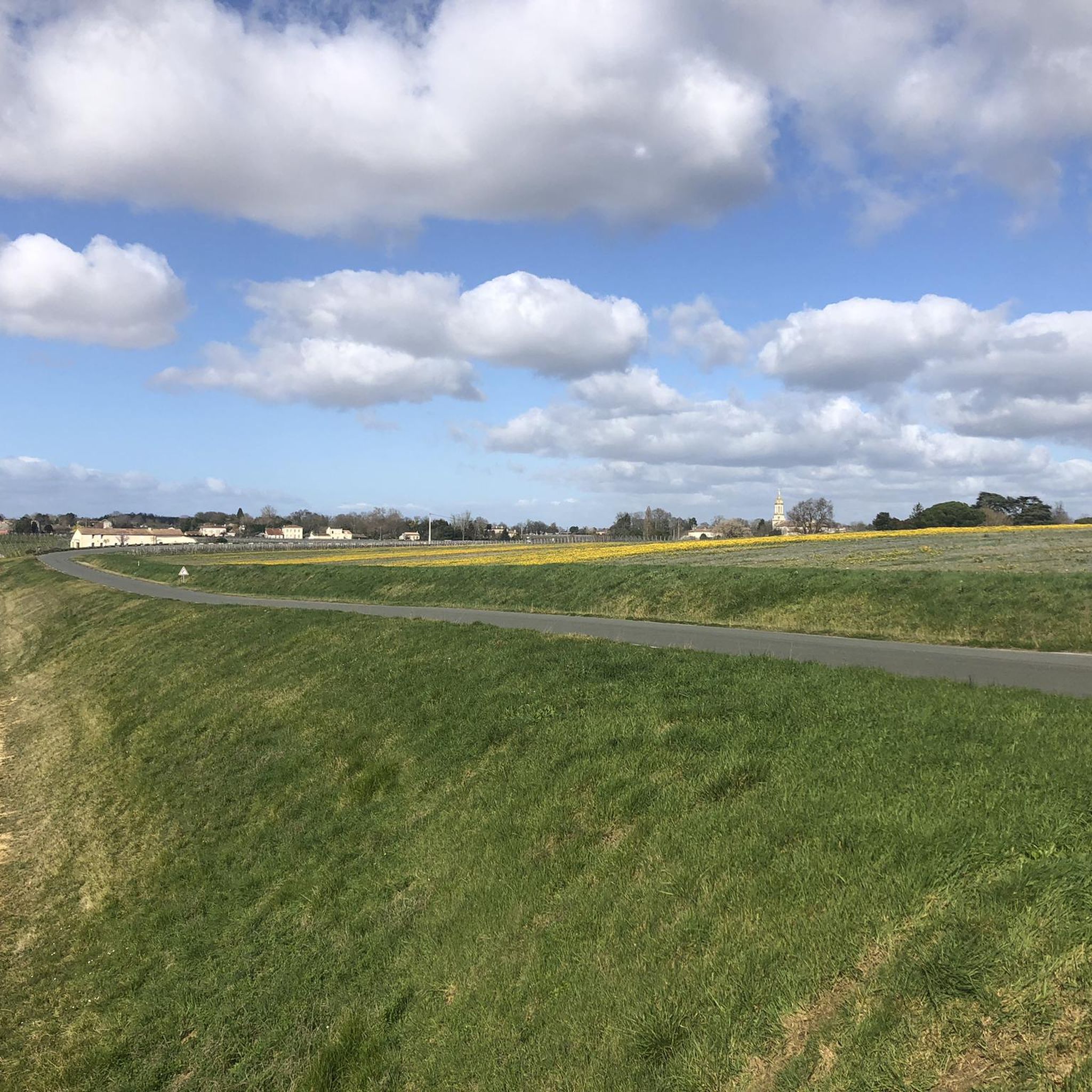
- The most popular castles is Citadel of Blaye, a historical site that features an early Roman fortification and was expanded into a well-preserved citadel under the direction of Sébastien Le Prestre de Vauban. This site is part of the "Verrou Vauban" UNESCO World Heritage.
- Another must-see spot is East Gate, Vauban Citadel 🏰, a castle. This gate is part of the vast 38-hectare citadel, which was designed to be "the lock of Bordeaux" by Louis XIV.
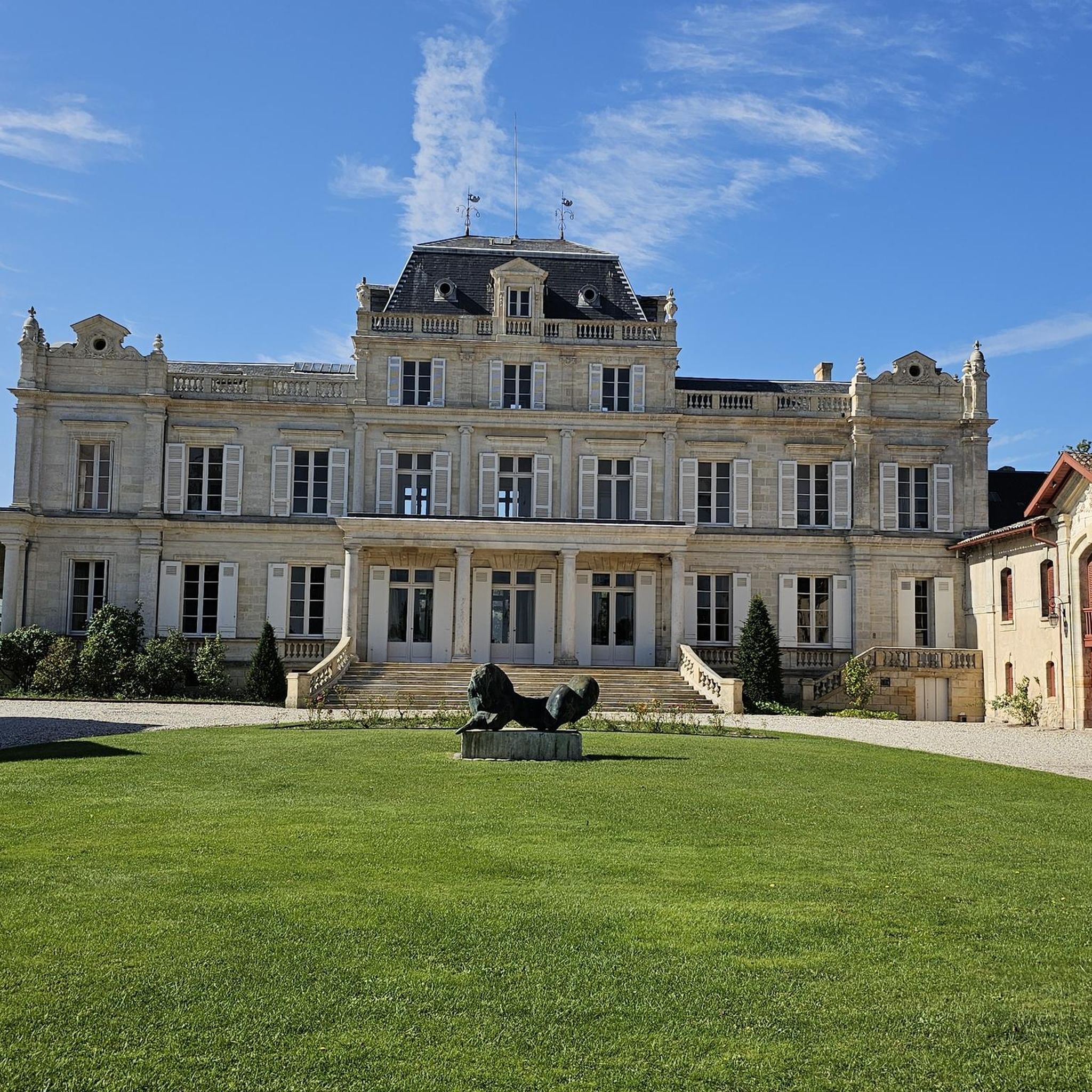
- Visitors also love Château Malescasse, a castle. This chateau is situated amidst vineyards.
- Macau is known for its historical fortifications and colonial-era defensive structures. These sites include military forts, chapels, and lighthouses.
- The castles around Macau are appreciated by the komoot community, with more than 90 upvotes and 30 photos shared.
Last updated: May 9, 2026
Citadel of Blaye
Highlight • Historical Site
Translated by Google •
Tip by

Rudel Castle
Highlight • Castle
Le site occupé par l'actuel château semble avoir été fortifié dès la plus haute antiquité. Dès le ive siècle, un castrum est mentionné par le poète Ausone. Quelques siècles plus tard, le roi d'Aquitaine Caribert II fait bâtir une première forteresse, laquelle est prise en 994 par les comtes d'Angoulême, les Rudel. Jaufré Rudel, parfois qualifié dans les textes anciens de « Prince de Blaye », reste l'une des figures emblématiques de ce château. Né vers 1113, ce célèbre troubadour s'illustre par l'écriture de poèmes célébrant l'amour courtois. L'une de ses œuvres les plus connues demeure « l'amor de luenh », poème en occitan dédié, selon la tradition, à une princesse orientale. Parti en croisade, il meurt vers 1162 aux portes de Jérusalem.
Dans la seconde moitié du xiie siècle, la seigneurie de Blaye échoit à Geoffroy II puis à son fils Geoffroy III qui meurt en 1245. Le château est alors confié à des seigneurs anglo-gascons qui administrent la place jusqu'à ce que l'Aquitaine devienne définitivement française.
Le château est assiégé durant les guerres de religion par les armées calvinistes. Il est consolidé sous le règne du roi Louis XIII avant d'être incorporé à la citadelle voulue par son successeur. En 1685, Louis XIV ordonne à Sébastien Le Prestre de Vauban de superviser les travaux d'une vaste citadelle de 38 hectares destinée à être « le verrou de Bordeaux ». Si une partie de la ville médiévale est détruite afin d'édifier la nouvelle forteresse, le château est conservé afin de servir de logis aux gouverneurs militaires de la place. Alors qu'en 1814, les Anglais s'apprêtent à mettre le siège devant la ville, les autorités militaires décident d'araser aux deux tiers les murs de l'ancien château. Une fois la paix revenue, celui-ci n'est plus entretenu et tombe en ruine durant plusieurs décennies. Dans les années 1950, plusieurs pièces du château sont mises à l'abri, notamment une porte en bois de chêne ornée des armes de France datée du xviie siècle, actuellement visible au musée archéologique, de même que le produit de fouilles réalisées ultérieurement aux environs du château. En 2005, une subvention est accordée par le conseil général afin de préserver les ruines. Partie intégrante de la citadelle, les ruines font partie du périmètre classé monument historique le 11 mai 2009, et inscrit en juillet 2008 sur la liste du patrimoine mondial de l'Unesco au titre du Réseau des sites majeurs de Vauban.
Le château des Rudel est un exemple atypique d'architecture castrale en région Aquitaine. Conçu sur un plan triangulaire, il se compose d'une cour centrale autour de laquelle s'articulent trois corps de bâtiments, eux-mêmes protégés par des courtines et six tours circulaires. Une porte équipée d'un pont-levis ouvre sur une barbacane, remaniée ultérieurement. Malgré l'état de délabrement du bâtiment, la structure originelle reste perceptible. C'est ainsi que se retrouvent encore les six tours médiévales : celles-ci sont la tour des Rondes (au nord), la tour de Diane (au sud-ouest), la tour de la porte (à l'ouest), la tour des archives (au sud), la tour de la Cloche (au nord-est) et le donjon. Parmi les bâtiments disparus, les textes anciens mentionnent une chapelle Saint-Nicolas. Des vestiges de celle-ci sont retrouvés lors de fouilles archéologiques en 1959, et sont exposés au musée archéologique. fr.wikipedia.org/wiki/Ch%C3%A2teau_des_Rudel
Tip by

Sign up now to discover places like this
Get recommendations on the best single tracks, peaks, & plenty of other exciting outdoor places.
Sign up for free
Citadelle Castle
Highlight • Castle
The Citadel of Bourg museum presents an impressive network of underground passages as well as a collection of horse-drawn carriages. Open daily between June and September.
Translated by Google •
Tip by
East Gate, Vauban Citadel 🏰
Highlight • Castle
Translated by Google •
Tip by
Château Malescasse
Highlight • Castle
chateau-malescasse.com
Translated by Google •
Tip by

Sign up for free to discover even more castles around Macau.
Sign up for free
Already have an account?
Start today with a free account
Your next adventure awaits.
Login or Signup
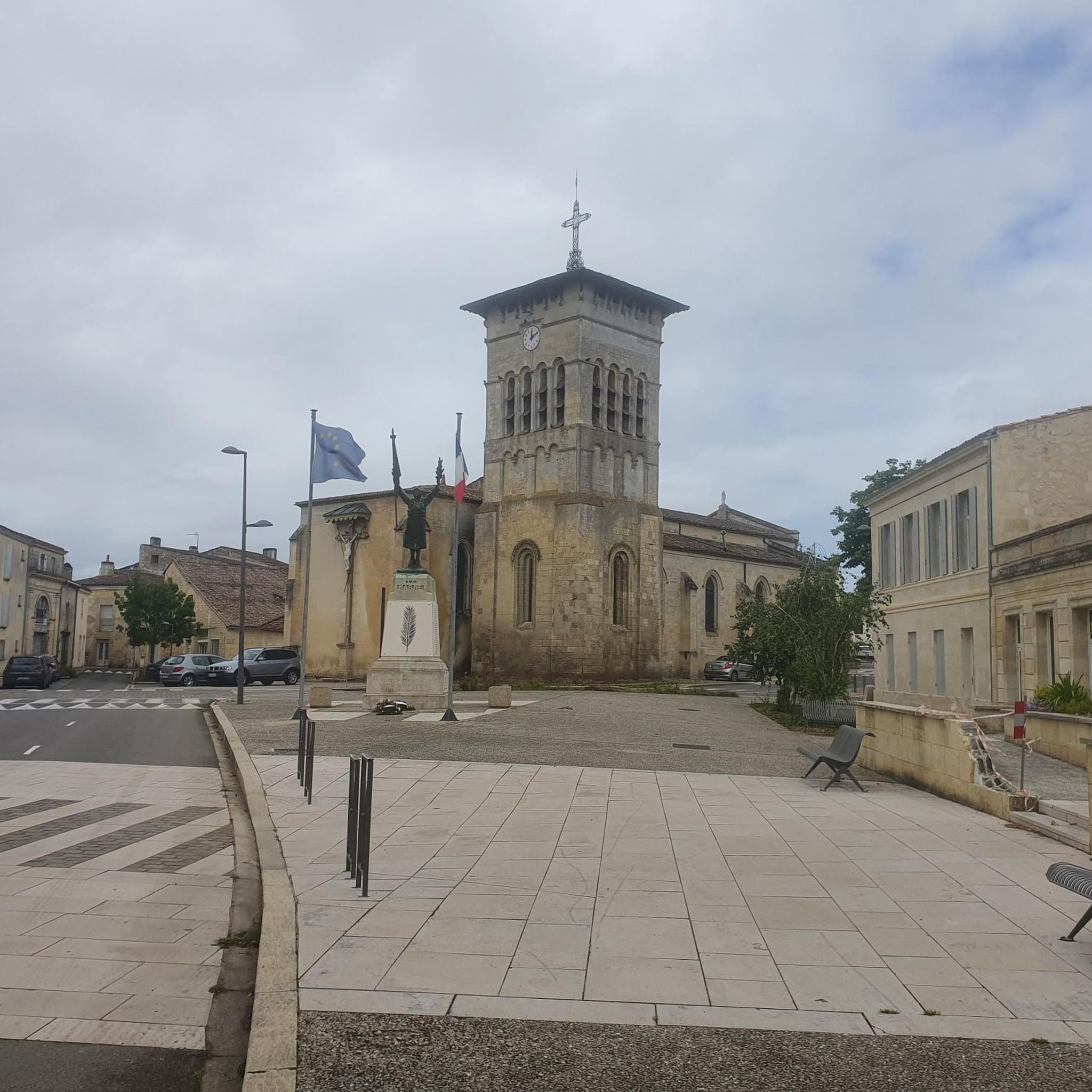

Tips from the Community

In the 16th century, the Bourg citadel, the stronghold of Bordeaux, was elevated to the rank of impregnable citadel thanks to the work of the Duke of Épernon, whose vaulted passage remains a vestige that you can discover during guided tours. You'll also visit the basement, where the former stone quarries were used to build impressive 70-meter-long reinforced concrete oil tanks, used during World War II. The Bourg Citadel Museum is located near the castle, which features 18th-century neoclassical architecture. You'll be amazed by its collection of horse-drawn carriages, which you'll learn about during guided tours.
1
0
The terrace of the Chateau de la Citadelle de Bourg en Gironde offers a superb view of the Dordogne just before the junction with the Garonne, from where they form the Gironde estuary. You can still see the facade of the old 18th century charterhouse that was built there, as well as a view of the river. The Citadel of Bourg museum presents an impressive network of underground passages as well as a collection of horse-drawn carriages. Open daily between June and September.
2
0

Since we wanted to continue with the ferry, but still had 60 minutes until the next crossing, we looked at this pretty citadel. There is also a café that invites you to linger.
0
0

In his 56 years of service, Vauban, who was already an Ingénieur de France, designed 33 new forts, delivered over 400 projects for 160 sites and modernized countless existing forts. He is the actual creator of the enceinte de fer, the iron belt, and the pré carré, with which France under Louis XIV secured its external borders. The fortified town of Neuf-Brisach/Neu-Breisach is considered to be his main work Fortifications by Vauban is the name of the World Heritage site that summarizes the important fortifications of the brilliant French master builder. In 2008, UNESCO decided to include twelve particularly exemplary and well-preserved sites in the World Heritage List: * Arras Citadel * Citadel, ramparts and Fort Griffon in Besançon * Citadel of Blaye, Fort Paté on an island in the Gironde and the * Citadel of Cussac-Fort-Médoc * Briançon fortification system (walls, four forts, signal tower and bridge) * Tour dorée (golden tower) in Camaret-sur-Mer * Fortified Upper Town of Longwy * Fortified city of Mont-Dauphin * Mont-Louis, composed of citadel and fortified city * Fortified town of Neuf-Brisach * Saint-Martin-de-Ré fortress with ramparts, port and citadel * Saint-Vaast-la-Hougue: Towers and fortifications in Saint-Vaast-la-Hougue and on the neighboring island of Tatihou * Fort Liberia, city walls and the fortified cave Cova Bastera in Villefranche-de-Conflent” (Source: Wikipedia)
2
0

The citadel of Blaye is a military complex of 25 hectares built between 1685 and 1689 by the military engineer François Ferry. There is a ferry to cross to Médoc with bicycles.
0
0

The citadel of Blaye is home to a few bars, restaurants and shops and offers some entertainment on summer evenings.
1
0

The Citadelle is very worth seeing. You can stroll through it for free and find medieval flair. There is also a very nice view of the surrounding area.
1
0

You can bike into the fortress which is a nice village with a terrific view
0
1
Frequently Asked Questions
What are the main historical fortifications to visit in Macau?
Macau's most significant historical fortifications are Monte Fort and Guia Fortress. These sites offer deep insights into Macau's past as a strategic port and colonial outpost.
What makes Monte Fort a must-visit historical site?
Monte Fort, a UNESCO World Heritage Site, is Macau's primary military defense structure, built by Jesuits. It offers panoramic views of the city, especially at sunset, and houses the Macau Museum, which details the city's history and development. Its location near the Ruins of St. Paul's makes it easily accessible.
What can I see at Guia Fortress?
Guia Fortress, also a UNESCO World Heritage site, is located at Macau's highest point. It comprises a colonial military fort, the Guia Chapel with unique European- and Asian-themed frescoes, and the Guia Lighthouse, the first Western-style lighthouse on the Chinese coast. It provides outstanding views of the Macau peninsula.
Are these fortifications considered 'castles' in the traditional sense?
While not traditional European castles, Macau's fortifications like Monte Fort and Guia Fortress served similar defensive purposes and are integral to understanding the region's historical identity. They are robust defensive structures that reflect Macau's strategic importance.
What is the best time of year to visit Macau's historical sites?
The best time to visit Macau's fortresses is generally during the cooler, drier months, from October to December. The weather is more pleasant for exploring outdoors compared to the hot and humid summer.
Are there family-friendly historical sites among Macau's fortifications?
Yes, both Monte Fort and Guia Fortress are suitable for families. Monte Fort's spacious grounds and the Macau Museum offer engaging experiences, while Guia Fortress provides open spaces and historical exploration with scenic views that can appeal to all ages.
What kind of views can I expect from Macau's fortresses?
From Monte Fort, you can enjoy sweeping panoramic views of Macau, including the city skyline and the iconic Ruins of St. Paul's. Guia Fortress, being at the highest point, offers outstanding vistas across the entire Macau peninsula.
Are there hiking or walking trails near Macau's historical fortifications?
While the immediate vicinity of the fortresses might not have extensive hiking trails, Macau offers various walking routes. For more dedicated outdoor activities, you can explore options like the hiking trails around Macau, which include routes like the Grunères Park Loop or the Estuary Trail.
What other historical sites are worth visiting in Macau besides the fortresses?
Beyond Monte Fort and Guia Fortress, Macau boasts other significant historical sites. The dramatic granite façade of the Ruins of St. Paul's and the ancient A-Ma Temple, Macau's oldest surviving building, are excellent examples of the city's rich blend of Portuguese and Chinese heritage.
Can I find cafes or restaurants near Monte Fort and Guia Fortress?
Yes, both Monte Fort and Guia Fortress are located within or near central areas of Macau, where you can easily find cafes and restaurants. For instance, there are cafes near Senado Square, which is not far from Monte Fort, and various dining options around the Guia Hill area.
Is public transport available to reach Macau's historical fortifications?
Yes, Macau has a well-developed public transport system. Both Monte Fort and Guia Fortress are accessible via public buses, and their central locations make them convenient to reach from various parts of the city.
Most popular attractions around Macau

Get inspired with the komoot mobile app


Explore more
Looking for the best castles somewhere else? Discover other guides around Macau:
