Attractions and Places To See around Souvigné - Top 7
Best attractions and places to see around Souvigné, located in the Centre-Val de Loire region, offer a mix of historical sites and natural landscapes. This area is known for its châteaux and ancient monuments, providing insights into local heritage. Visitors can explore a variety of points of interest, from megalithic stones to historic castles and serene lakes. Souvigné tourism highlights the region's diverse appeal for those interested in history and outdoor exploration.
Best attractions and places to see around Souvigné
…Last updated: July 6, 2026
Le Menhir de Vaujours
Highlight • Monument
Translated by Google •
Tip by

Château de Champchevrier
Highlight • Castle
Translated by Google •
Tip by

Sign up now to discover places like this
Get recommendations on the best single tracks, peaks, & plenty of other exciting outdoor places.
Sign up for free
Val Joyeux Lake - Château-La-Vallière
Highlight • Other
Translated by Google •
Tip by
Saint Peter's Church
Highlight • Religious Site
Translated by Google •
Tip by

Champchevrier Castle
Highlight • Other
The castle has been inhabited by the same family since 1728.
Translated by Google •
Tip by
Sign up for free to discover even more attractions around Souvigné.
Sign up for free
Already have an account?
Start today with a free account
Your next adventure awaits.
Login or Signup


Tips from the Community

In Touraine, in the heart of a wooded estate, the Château de Champchevrier is both royal and family-friendly. Family-friendly because it has been inhabited by the same family since 1728. Royal because Kings Louis Louis XIII stayed at the castle on several occasions, his doctor Jean Hérouard recounts it in his memoirs. Rebuilt during the Renaissance then embellished in the 18th century, Champchevrier is both a Historic Monument and a family castle in which each generation has passed on the love and respect for heritage. The history of the castle begins in the 11th century when a first building was built by Hugues de Champchevrier. The owners then succeeded one another on these lands: the Maillé family, the Lavals, the Bastarnays then in 1550, the Daillons who were behind the construction of the Renaissance castle. On the François I Pavilion, we can still see the mullioned windows from this period. Henri de Daillon having no sons, it was his nephew Antoine de Roquelaure, Marshal of France, who inherited the castle in 1686. He contributed to the exterior development of the castle by creating courtyards, gardens and a moat. The Château de Champchevrier was sold in 1728 to Jean-Baptiste Pierre Henri, first Baron de Champchevrier. In fact, the lands of the domain were erected into a barony in 1741 by letters patent from Louis XV. The first baron created the large perspectives which extend from the castle towards the forest, and had the terrace built to give elegance to the residence. This taste for the French art of living is found in particular in the immense portrait room covered with a magnificent Italian marble floor and adorned with a sumptuous 18th century earthenware stove commissioned by a royal repurchase during the demolition of the Château de Richelieu. A very beautiful set of porcelain tableware and numerous pieces of old crystal are displayed in display cases. The beauty of the Château de Champchevrier also lies in the rich furniture of the different rooms open to the public: in the music room, the precious Regency period furniture was already part of the inventory of the château when it was purchased by the family in 1728. But the visit is also worth the detour for its collection of exceptional tapestries made by three factories in the 16th and 17th centuries, including eight unique tapestries in the world from the royal factory of Amiens based on cartoons by Simon Vouët, official painter to Louis XIIII . Finally, the Château de Champchevrier reveals the daily life of those who shared the lives of the owners behind the scenes. The lingerie, particularly complete in terms of accessories, is an interesting testimony to all the stewardship necessary for the life of such a place. In the old kitchens, the large battery of copper pans and other utensils from yesteryear allows you to imagine the activity of the staff. A visit to the Château de Champchevrier is an unforgettable walk between nature and heritage, to the rhythm of the seasons between the life of the hounds and the family events of a residence whose inhabitants, guarantors of traditions, have their eyes fixed on the future.
0
0
This is the menhir of the Val Joyous lake at Château la Vallière
0
0

Family property, Champchevrier Castle is a historic castle inhabited by the same family since 1728. It is open to the public from June 15 to the third weekend of September, European Heritage Days weekend.
1
0

one of the many castles in the Loire, from the 16th century
1
0

It's a big rock in the middle of a field... Why on earth the people way back when decided to put it there, I've no idea, but it's awesome!
0
0

The Menhir of Vaujours is a leaning megalithic stone, planted vertically which dates from the Neolithic era. It is a huge stone over 3.50 meters high and 1.50 meters wide.
2
0
The Menhir of Vaujours is a leaning megalithic stone, planted vertically which dates from the Neolithic era. It is a huge stone over 3.50 meters high and 1.50 meters wide.
3
0
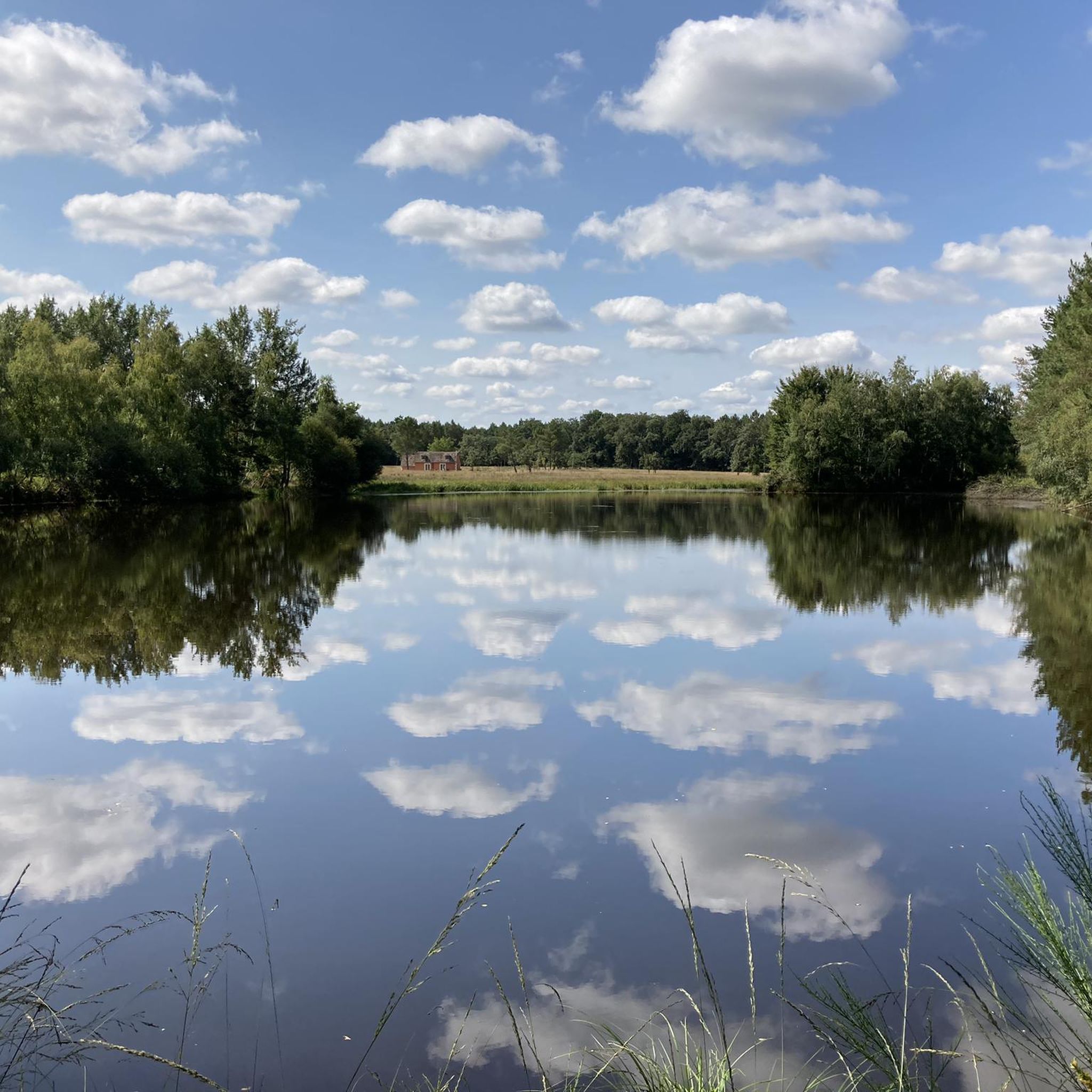
The Val Joyeux lake is located in the Vallée aux Dames and is fed by the Fare river. The lake has recently been landscaped to facilitate leisure activities and is therefore an ideal place to visit. A beautiful shaded path allows you to go around the lake.
2
0
Frequently Asked Questions
What historical sites can I visit around Souvigné?
The region around Souvigné, located in Centre-Val de Loire, is rich in history. You can explore the 16th-century Château de Champchevrier, which has been a family property since 1728. Another significant historical site is Le Menhir de Vaujours, a leaning megalithic stone dating from the Neolithic era. Additionally, the Saint Peter's Church offers insights into local religious architecture and history, and the Château de Vaujours Ruins provide a glimpse into a 15th-century castle.
Are there any natural attractions or places for leisure near Souvigné?
Yes, for natural beauty and leisure, visit Val Joyeux Lake - Château-La-Vallière. This lake has been recently landscaped for various leisure activities, and a pleasant shaded path allows visitors to walk around it. Le Menhir de Vaujours, while a man-made monument, is also considered a natural monument due to its ancient origins and setting.
What outdoor activities are available around Souvigné?
Souvigné is an excellent base for outdoor activities, particularly hiking and cycling. You can find numerous routes for different skill levels. For hiking, explore trails like the 'Val Joyeux Lake Trail' or the 'Château de Vaujours Ruins loop'. Cyclists can enjoy routes such as the 'Château de Champchevrier – Champchevrier Castle loop' for touring or the 'Étang du Grand Givry – Étang de la Vallée Marianne loop' for road cycling. You can find detailed guides for hiking, touring cycling, and road cycling in the area.
Are there family-friendly attractions in the Souvigné area?
Absolutely. Several attractions around Souvigné are suitable for families. The Château de Champchevrier is listed as family-friendly, offering a historical experience. Le Menhir de Vaujours, a fascinating ancient stone, can also be an interesting stop for children. Additionally, Val Joyeux Lake - Château-La-Vallière provides a pleasant setting for family walks and leisure activities by the water.
When is the best time to visit the attractions around Souvigné?
The Château de Champchevrier is typically open to the public from June 15 to the third weekend of September, including European Heritage Days weekend. For outdoor activities and enjoying the lake, the warmer months from spring to early autumn (April to October) generally offer the most pleasant weather for exploration.
What kind of castles can I visit near Souvigné?
Near Souvigné, you can visit two distinct types of castles. The well-preserved 16th-century Château de Champchevrier offers a glimpse into a historic family estate. For a more rugged, ancient experience, the Château de Vaujours Ruins, dating back to the 15th century, are available for guided tours by appointment.
Can I go hiking around Souvigné?
Yes, there are several hiking opportunities around Souvigné. You can enjoy easy trails like the 'Val Joyeux Lake Trail' (around 6.4 km) or explore moderate loops such as the 'Cléré-les-Pins loop' (around 13.7 km) or the 'Château de Vaujours Ruins loop' (around 14.7 km). These routes allow you to experience the local landscapes and historical sites. Find more details in the Hiking around Souvigné guide.
What do visitors enjoy most about the attractions near Souvigné?
Visitors appreciate the blend of historical depth and natural beauty. The ancient Menhir de Vaujours is often described as 'awesome' for its mysterious presence. The Château de Champchevrier is valued for its rich history and being a living family estate. The recently landscaped Val Joyeux Lake is popular for its serene environment and leisure facilities, making it an ideal place to visit.
Are there any religious buildings of interest in the area?
Yes, the Saint Peter's Church is a notable religious building near Souvigné. It features an elongated structure with a 15th-century bell tower and remnants of painted scenes and a liter bearing the arms of the La Vallière family inside, offering a glimpse into medieval religious art and history.
How can I explore the region by bike?
The Souvigné area offers diverse cycling routes. For touring, consider the 'Château de Champchevrier – Champchevrier Castle loop' (around 13 km) or the more challenging 'Castelvalérie Castles and Rillé Lake Loop' (around 81.8 km). Road cyclists can enjoy routes like the 'Roadbike loop from Brèches' (around 21.8 km) or the 'Château de Vaujours Ruins loop' (around 43 km). Detailed routes are available in the Cycling around Souvigné and Road Cycling Routes around Souvigné guides.
What is the significance of Le Menhir de Vaujours?
Le Menhir de Vaujours is a significant megalithic stone, dating from the Neolithic era. It stands over 3.50 meters high and 1.50 meters wide, planted vertically in a field. Its ancient origins make it a fascinating historical and natural monument, prompting visitors to ponder its purpose and the people who erected it thousands of years ago.
Can I visit the Château de Champchevrier?
Yes, the Château de Champchevrier is open to the public during specific periods. It is a 16th-century castle that has been continuously inhabited by the same family since 1728. Visitors can explore its history and grounds, typically from June 15 to the third weekend of September.

Get inspired with the komoot mobile app


Explore more
Still not found the Highlight you’re looking for? See guides of the top attractions in other regions:
