Attractions and Places To See around Veigy-Foncenex - Top 20
Best attractions and places to see around Veigy-Foncenex. This village in Haute-Savoie, France, is situated near Lake Geneva and the foothills of the Alps. The area offers a mix of historical sites and natural landscapes, providing opportunities for outdoor activities and cultural exploration. Its location makes it a base for discovering both local points of interest and nearby Swiss cities.
Best attractions and places to see around Veigy-Foncenex
- The most popular attractions is Jet d'Eau Fountain, a man-made monument…
Last updated: October 9, 2026
Jet d'Eau Fountain
Highlight • Monument
Translated by Google •
Tip by

Broken Chair Sculpture
Highlight • Monument
Translated by Google •
Tip by

Sign up now to discover places like this
Get recommendations on the best single tracks, peaks, & plenty of other exciting outdoor places.
Tomb of Duke Charles II of Brunswick
Highlight • Monument
Translated by Google •
Tip by

Conservatory and Botanical Garden of Geneva
Highlight • Natural
Translated by Google •
Tip by

Col de Saxel
Highlight (Segment) • Mountain Pass
Tip by

Sign up for free to discover even more attractions around Veigy-Foncenex.
Already have an account?
Start today with a free account
Your next adventure awaits.
Tips from the Community

Definitely my favorite place in Geneva, whatever the season, early in the morning or as evening falls. It feels good, somewhere else, and a place where you can dream all at once.
0
0

Impressive tomb with an interesting history.
1
0

The Jet d'Eau is the emblem of Geneva. 140 metres high, it was projected in 1891 above the city's harbour, offering a superb view known to all.
1
0

The Brunswick Monument is a tomb on the Quai du Mont Blanc in Geneva, which was built in 1879 by the city of Geneva for Duke Charles II of Brunswick. It is listed as an object of national importance in the Swiss inventory of cultural property. de.wikipedia.org/wiki/Monument_Brunswick From here it is only a few hundred meters to the Jet d'Eau (fountain), the landmark of Geneva.
1
0

The conservatory and botanical garden are open every day from 8 a.m. to 9 p.m. Guided tours offered to the public are free and take place in all weathers. Number of places limited to 15 people. Registrations required, maximum one month before each visit. More info: https://www.cjbg.ch/visiter/visites-guidees
0
0

Square located in front of the entrance to the Palais des Nations. A gathering place for numerous human rights demonstrations. She is surrounded by several international organizations. You can admire the Broken Chair (see also the essential dedicated), a sculpture by the Swiss artist Daniel Berset expressing the refusal of antipersonnel mines.
0
0

A pretty little pass, quite rolling (5%) on a road away from the heavy traffic of the departmental road at its foot.
0
0

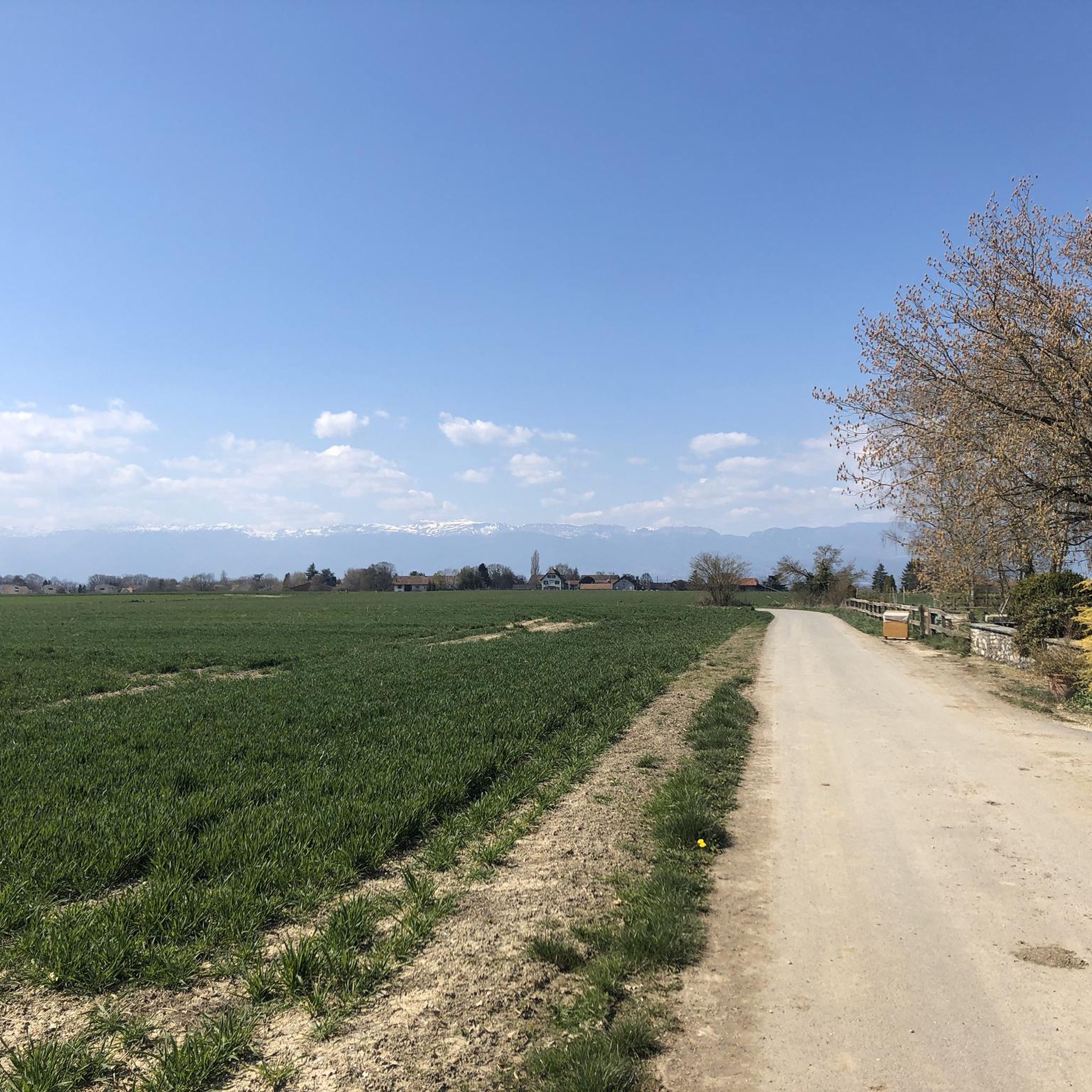
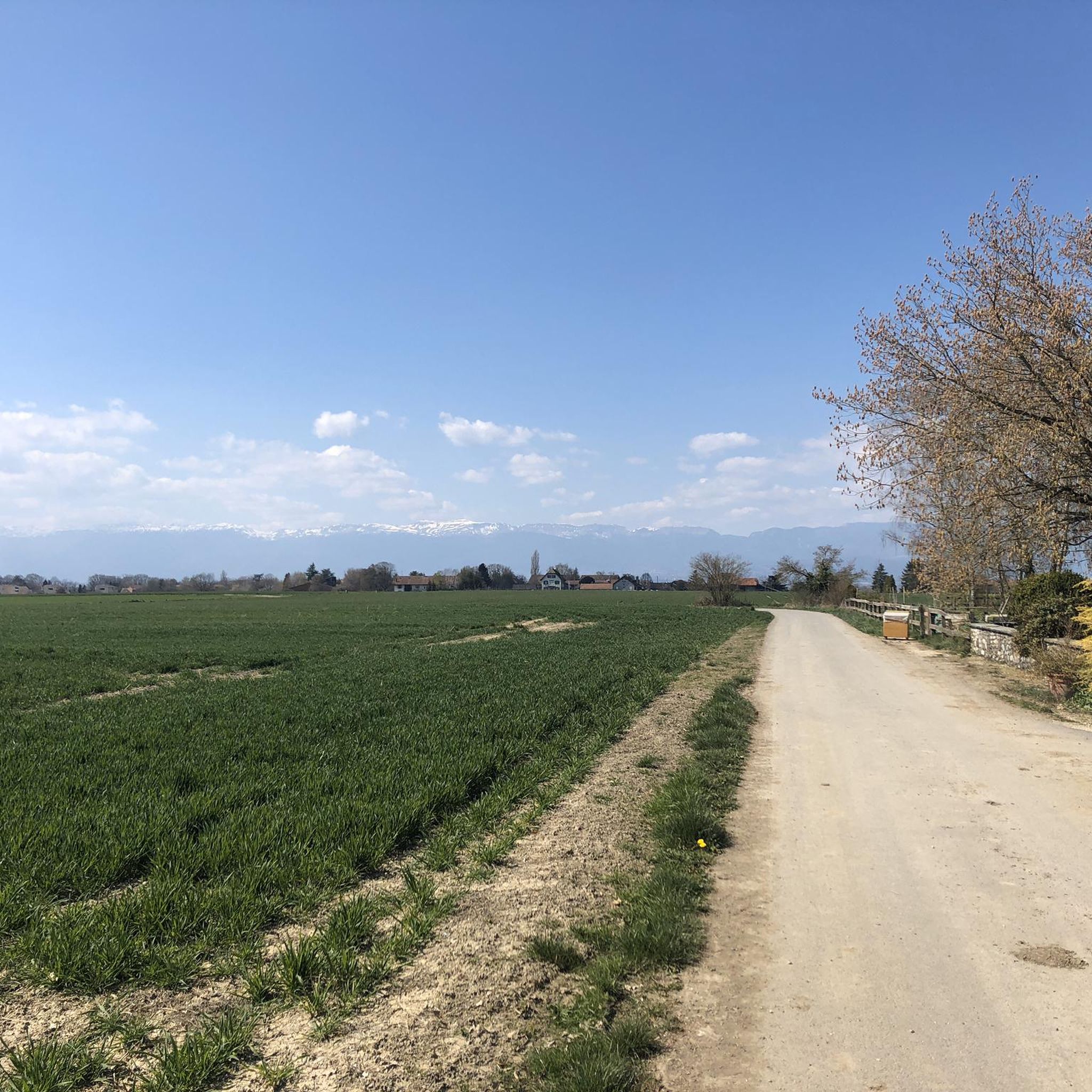
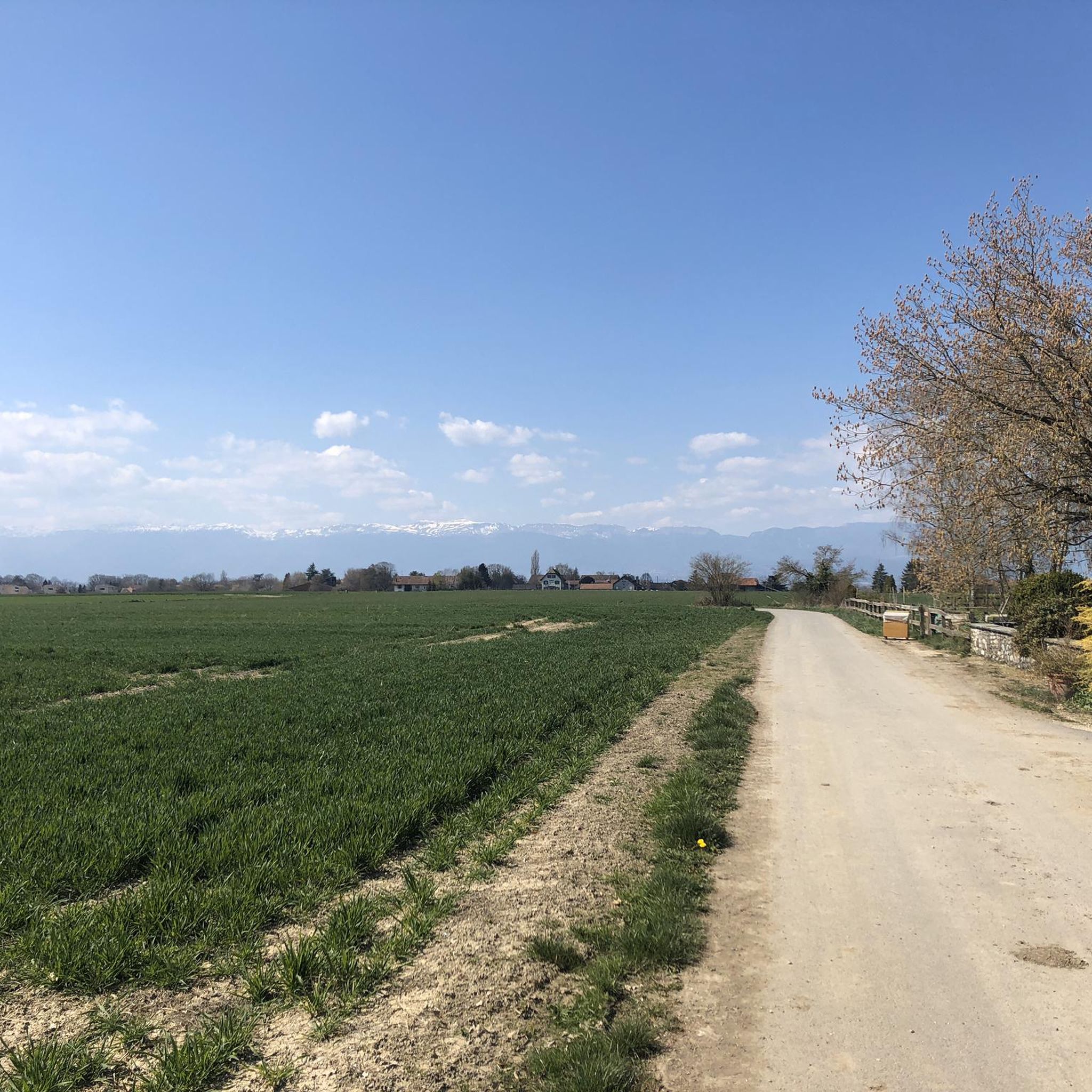
Easy climb with some nice views on the way up, not much to see at the col itself which is just outside the village
0
0
Frequently Asked Questions
What historical and cultural sites can I explore in Veigy-Foncenex itself?
In Veigy-Foncenex, you can visit the historic Saint-Georges Church, which dates back to 1717 and features a Baroque-style high altar and classified 17th and 18th-century paintings. The ancient Château de Veigy, from the 13th century, is also a visible historical symbol, though partly private. For cultural leisure, the Maison des Jeunes and Media Library offer various activities and exhibitions.
Are there any family-friendly attractions near Veigy-Foncenex?
Yes, several attractions are suitable for families. The Jet d'Eau Fountain in Geneva is a spectacular sight for all ages, projecting water up to 140 meters high. Also in Geneva, the Conservatory and Botanical Garden offers diverse flora and a tropical garden shed, which is enjoyable for children. The nearby medieval village of Yvoire, with its cobbled streets and the unique Jardin des Cinq Sens, also provides a charming family outing.
What natural features can I enjoy around Veigy-Foncenex?
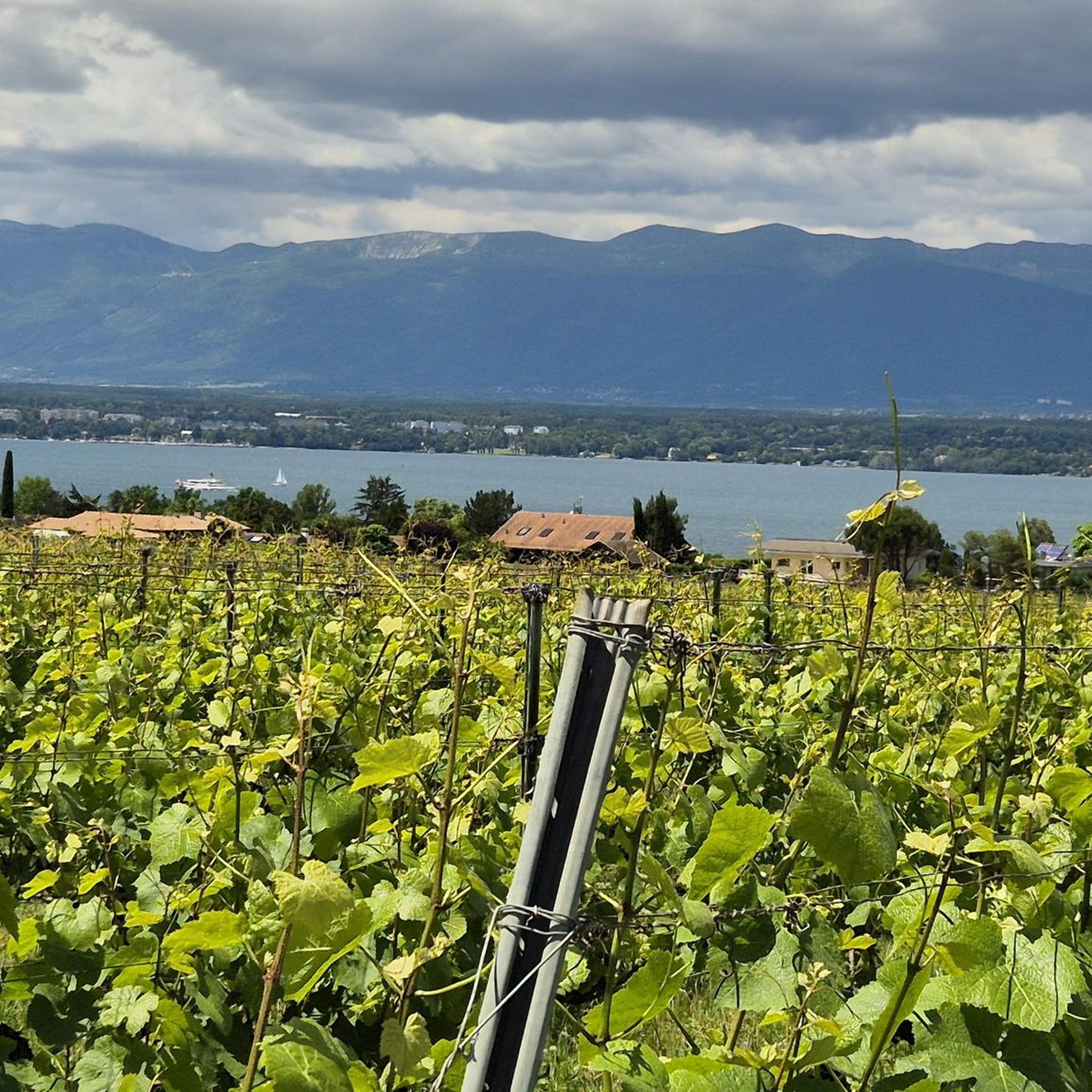
Veigy-Foncenex is ideally located near Lake Geneva, offering opportunities for kayaking or leisurely strolls along scenic paths. The tree-lined beach of Tougues in Chens-sur-Léman is also easily accessible. For panoramic views, the Voirons ridges offer stunning vistas of Lake Geneva, the Jura, and Mont Blanc on clear days.
What outdoor activities, like hiking and cycling, are available near Veigy-Foncenex?
The region is excellent for outdoor activities. You can find numerous trails for hiking and cycling winding through enchanting woods. Specific routes include the 'Sentier des Douves' between Veigy and Hermance, and the 'Chemin du Foron' which follows a wild river. For more structured options, explore hiking trails around Veigy-Foncenex, running trails, or MTB trails, including routes like the 'Prés Bordon Nature Reserve loop'.
Are there any unique or hidden gems to discover in the Veigy-Foncenex area?
Beyond the well-known spots, consider visiting the local market in Veigy on Wednesday mornings for regional products like farm cheeses and artisanal bread. The ancient Château de Veigy, though partly private, offers a glimpse into the area's past. For a scenic cycling challenge, the Col de Saxel is a mountain pass nearby that offers scenic views and a recently renewed pavement, making for a pleasant ride.
What are some notable towns or villages easily accessible from Veigy-Foncenex?
Several charming towns are just a short drive away. Yvoire, a medieval village on Lake Geneva, is classified as one of France's 'most beautiful villages' and is about 25 minutes away. Hermance, a small Swiss village, is approximately 8.5 km away. Further afield, Thonon-les-Bains and Évian-les-Bains are iconic lakeside towns known for their promenades and thermal springs, about 40-50 minutes away. The vibrant city of Geneva, Switzerland, with its major attractions, is also only about 20 minutes by car.
What is the best time to visit Veigy-Foncenex for outdoor activities and sightseeing?
The region around Veigy-Foncenex is generally pleasant from spring through autumn. For outdoor activities like hiking and cycling, late spring to early autumn (May to October) offers the most favorable weather. During these months, you can fully enjoy Lake Geneva and the various trails. The local market and cultural events are also more frequent during the warmer seasons.
Are there any attractions in the area that are wheelchair accessible?
Yes, several attractions in the wider Geneva area are noted for their accessibility. The Jet d'Eau Fountain and the Broken Chair Sculpture in Geneva are both wheelchair accessible. Additionally, the Tomb of Duke Charles II of Brunswick is also listed as wheelchair accessible.
What do visitors enjoy most about the attractions around Veigy-Foncenex?
Visitors frequently appreciate the blend of natural beauty and cultural significance. The spectacular Jet d'Eau Fountain is often highlighted as a true symbol of Geneva. The Conservatory and Botanical Garden of Geneva is praised for its beautifully landscaped grounds and impressive flora. The area's historical landmarks, such as the Saint-Georges Church and the Château de Veigy, also draw interest for their rich past.
Where can I find local products and markets in Veigy-Foncenex?
Veigy-Foncenex hosts a local market every Wednesday morning. Here, you can discover and purchase regional products directly from local producers, including farm cheeses, artisanal bread, local honey, and homemade jams. It's a great way to experience the authentic local charm and taste the flavors of Haute-Savoie.
What are some significant historical monuments in the broader region?
Beyond Veigy-Foncenex, the region boasts several important historical monuments. In Geneva, you can visit the Broken Chair Sculpture, a monumental artwork advocating for a ban on landmines, located opposite the Palace of Nations. Also in Geneva, the Tomb of Duke Charles II of Brunswick is a significant historical site and an object of national importance.
Most popular routes around Veigy-Foncenex
Most popular attractions around Veigy-Foncenex

Get inspired with the komoot mobile app


Explore more
Still not found the Highlight you’re looking for? See guides of the top attractions in other regions:
