Attractions and Places To See around Sceaux-Sur-Huisne - Top 9
Best attractions and places to see around Sceaux-Sur-Huisne include a blend of historical sites and natural landscapes. Situated along the Huisne river in the Sarthe department, this commune offers insights into local heritage. Visitors can explore ancient churches, châteaux, and Gallo-Roman vestiges. The area also provides natural settings for recreation, such as leisure bases and lake circuits.
Best attractions and places to see around Sceaux-Sur-Huisne
- The most popular attractions is Tuffé Val de la Chéronne Leisure Centre, a lake…
Last updated: July 7, 2026
Porte Saint Julien
Highlight • Other
Translated by Google •
Tip by

Tuffé Val de la Chéronne Leisure Centre
Highlight • Lake
Translated by Google •
Tip by

Sign up now to discover places like this
Get recommendations on the best single tracks, peaks, & plenty of other exciting outdoor places.
Sign up for free
Circular trail around Le Chéronne lake
Highlight (Segment) • Other
Translated by Google •
Tip by

La Chéronne Castle
Highlight • Castle
Translated by Google •
Tip by
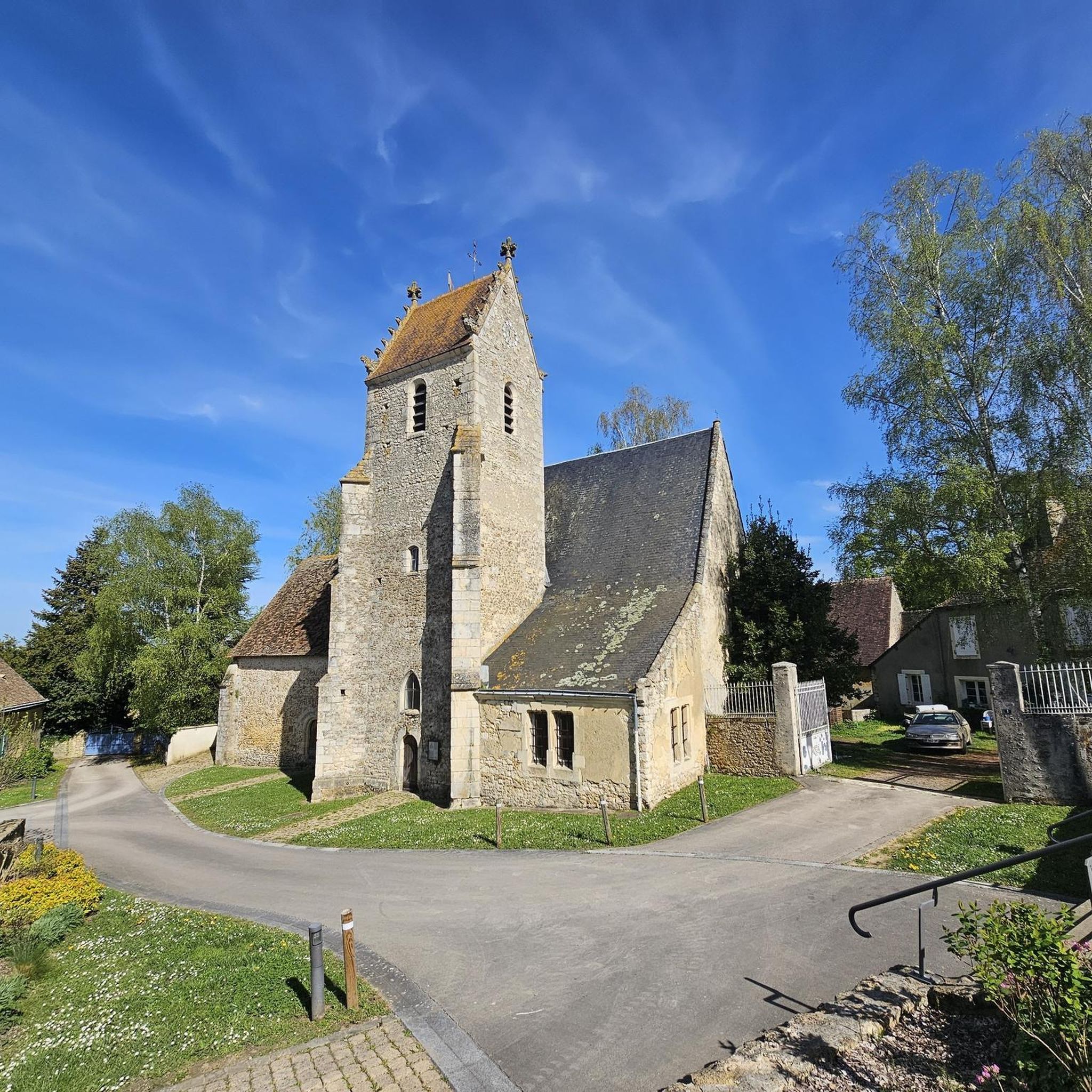
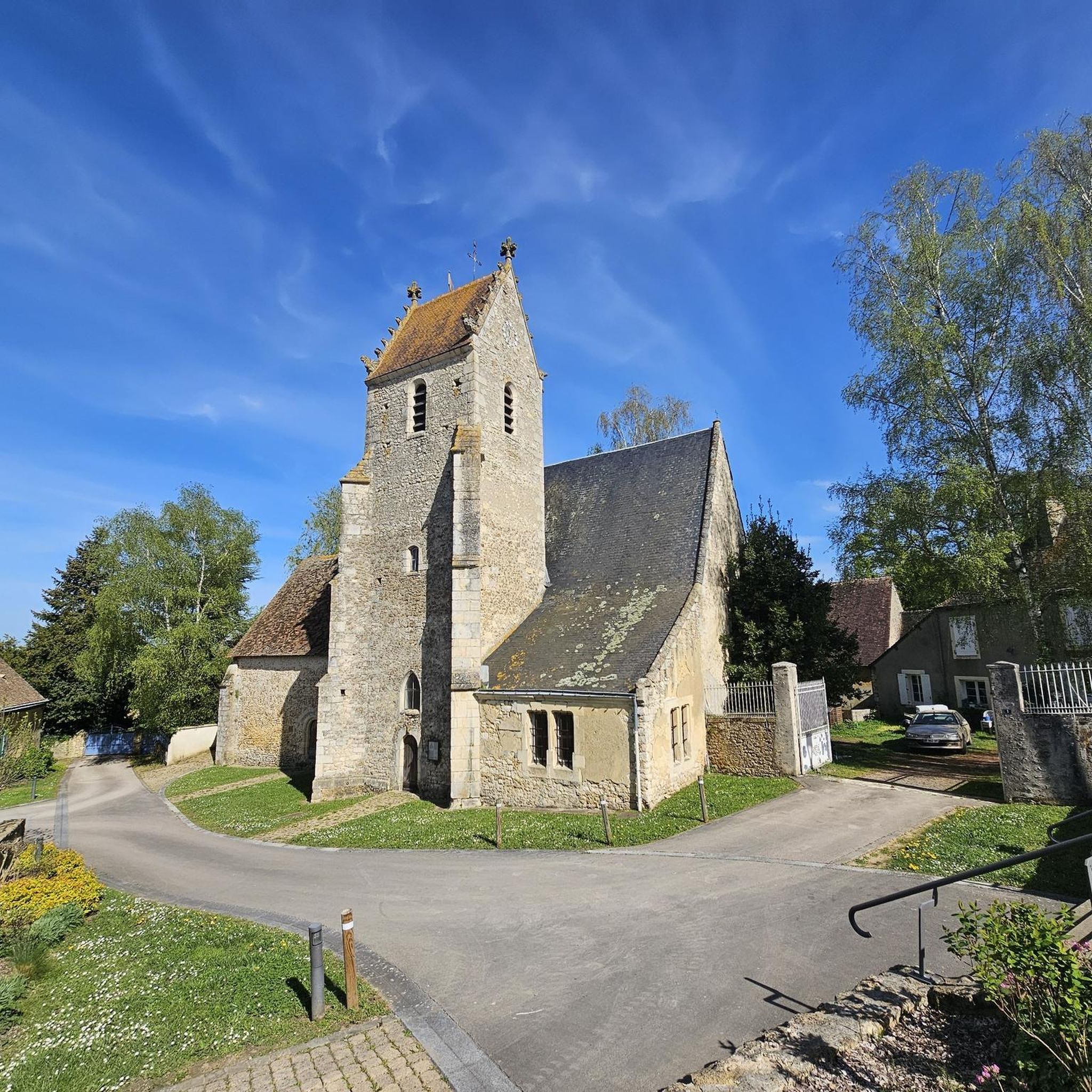
Saint-Germain Church of Sceaux-sur-Huisne
Highlight • Religious Site
Translated by Google •
Tip by

Sign up for free to discover even more attractions around Sceaux-Sur-Huisne.
Sign up for free
Already have an account?
Start today with a free account
Your next adventure awaits.
Login or Signup



Tips from the Community

Detailed information is available on Wikipedia: https://fr.wikipedia.org/wiki/Porte_Saint-Julien_(La_Fert%C3%A9-Bernard)
0
0

A nice, relaxing walk around the lake, you pass beautiful houses and can also experience a beautiful sunset! It's worth it!
0
0

The first mentions of the Saint-Germain church in Sceaux-sur-Huisne appear in the cartulary of the Saint-Vincent abbey in Le Mans: around 1050, Bouchard de Théligny gave the Sceaux church land and a meadow located at proximity. At this time, the building, then "in bad woods", was rebuilt in stone. The nave is considered to be the oldest part of the church and dates back to the 11th century, but it is in reality difficult to date due to multiple alterations and even reconstructions. The masonry shows several repetitions and a confused assembly of elements which could come from older buildings, such as the remains of the Gallo-Roman villa which was exhumed at the end of the 19th century in the valley (small regularly cut rubble stones, debris of roof tiles). There are also traces of old openings, such as a door opening onto the priory. Although it is probable, there is no element to formally identify the Romanesque construction. The current openings are later, such as the small Gothic bay in the western wall and perhaps the south door (15th century?) and the other openings probably made around the first half of the 18th century. Significant masonry and structural work is actually mentioned in the nave in 1709. The choir and the bell tower were probably built in the first half of the 16th century, in a late Gothic style. The factory accounts mention various works in the 1530s and 1540s: roofing, construction of a ballet, stained glass window of the "grant window"... The tower was perhaps built in several stages if we rely on the changes masonry nets in the elevation. It was visibly remodeled at the end of the 16th century or the beginning of the 17th century, as indicated by the semi-circular openings, one of which was walled up. From 1570, the du Bouchets were lords of Sceaux and had their coat of arms, "azure with three rings of sand", affixed to the keystone of the chapel under the bell tower (since replaced by a flower) and on the vault paneled nave and choir. As for the windows on the north wall of the choir, they were undoubtedly open in the 18th century like those in the nave. During the Revolution, the church was seized as national property and sold to a certain René Neveu in September 1796, excluding the furniture. The two bells installed in 1719 and the fittings were handed over to the administration to be melted down. The church was returned to the town after the death of Mr. Neveu in the 1810s. The church underwent some occasional maintenance work (mainly on the roof) in the 19th and 20th centuries, but not an overall restoration. In 1831, an estimate was drawn up to enlarge the church with a chapel, in order to better accommodate all parishioners: this project was not carried out. The same year, the flag which still covers the bell tower was put up. The current sacristy (Gambert architect) was added in 1862 to replace another very dilapidated one, blocking a window now only visible from the inside. The second half of the 19th century also saw the clearing of the surroundings of the church, cluttered with lean-tos and hidden by an imposing washhouse finally moved in 1870. The last work, concerning the roofing, was carried out in 1989. The church of Sceaux-sur-Huisne has been listed as a Historic Monument since 1926.
0
0

A place conducive to hiking and a pleasant setting. A beach at one end of the lake allows you to rest.
2
0
A magnificent domain and castle open to the public for all kinds of cultural events, weddings, seminars and leisure stays.
2
0

This door probably existed from the origin of the fortification of the city. The current building was however rebuilt, at the same time as the enclosure, around 1480. It has a function that is both ostentatious and legal. It actually served as a place of collection of the granting (tax on goods) under the Old Regime. Its monumentality and its decor express the importance given to the city at the time.
0
0
Frequently Asked Questions
What historical sites can I explore in Sceaux-sur-Huisne?
Sceaux-sur-Huisne is rich in history. You can visit the ancient Saint-Germain Church of Sceaux-sur-Huisne, which dates back to the 11th century and features Romanesque art. Other notable historical landmarks include the protected Porte Saint Julien, a rebuilt city gate from around 1480, and the La Chéronne Castle. The area also boasts the Château des Roches, the Manoir de la Cour with elements from the 14th century, and a picturesque lavoir (washhouse).
Are there any Gallo-Roman vestiges or archaeological sites to visit?
Yes, Sceaux-sur-Huisne has a significant Gallo-Roman past. The village sits on an ancient Roman road, and archaeological findings, including vestiges of ancient baths, have been discovered below the Manoir de la Cour. The masonry of the Saint-Germain Church also shows elements that could come from older buildings, such as the remains of a Gallo-Roman villa.
What natural attractions are there around Sceaux-sur-Huisne?
The region offers beautiful natural settings, particularly around the Huisne river. A key natural attraction is the Tuffé Val de la Chéronne Leisure Centre, which features a lake with a beach, perfect for relaxation and outdoor activities. You can also enjoy the tranquil landscapes along the Huisne river itself.
What outdoor activities can I do near these attractions?
The area around Sceaux-sur-Huisne is ideal for various outdoor activities. You can enjoy hiking, cycling, and mountain biking. For hiking, explore routes like the Chéronne Stream Trail or loops around Tuffé Val de la Chéronne. Cyclists can find routes such as the Tuffé Abbey loop. For more details on routes, check out the guides for Hiking around Sceaux-Sur-Huisne, Cycling around Sceaux-Sur-Huisne, and MTB Trails around Sceaux-Sur-Huisne.
Are there family-friendly activities or places suitable for children?
Yes, the Tuffé Val de la Chéronne Leisure Centre is a great option for families. It offers a pleasant setting around the lake with a beach, suitable for various recreational activities. The Circular trail around Le Chéronne lake is also an easy and relaxing walk or cycle that families can enjoy together.
What kind of walking or hiking trails are available?
You'll find a variety of walking and hiking trails. A popular choice is the Circular trail around Le Chéronne lake, which offers scenic views and a relaxing experience. There are also moderate trails like the Chéronne Stream Trail and various loops starting from Tuffé Val de la Chéronne. For more options, refer to the Hiking around Sceaux-Sur-Huisne guide.
What do visitors enjoy most about the attractions in Sceaux-sur-Huisne?
Visitors particularly appreciate the serene and pleasant settings for recreation. The Tuffé Val de la Chéronne Leisure Centre is noted as a place conducive to hiking and relaxation, especially with its beach. The Circular trail around Le Chéronne lake is also highly regarded for its beautiful houses and potential for stunning sunsets.
Is there public transport available to reach the attractions?
While specific public transport routes directly to every attraction might be limited, Sceaux-sur-Huisne is a commune in the Sarthe department. It's advisable to check local bus services or consider driving for more flexibility in reaching some of the more rural historical sites and natural areas.
What is the best time of year to visit Sceaux-sur-Huisne for outdoor activities?
The Pays de la Loire region generally enjoys pleasant weather for outdoor activities from spring through early autumn. Summer offers ideal conditions for enjoying the lake at Tuffé Val de la Chéronne Leisure Centre and longer days for hiking and cycling. Spring and autumn provide milder temperatures, which are excellent for exploring historical sites and longer trails.
Are there any specific viewpoints or scenic spots?
The Circular trail around Le Chéronne lake is known for offering scenic views, especially around sunset. The general landscape along the Huisne river also provides tranquil and picturesque settings for observation and photography.
Can I bring my dog on the trails or to the attractions?
Dog policies can vary by specific location. While many outdoor trails in France are dog-friendly, it's always best to keep your dog on a leash. For specific attractions like the Tuffé Val de la Chéronne Leisure Centre or historical sites, check their individual regulations regarding pets before your visit.
Are there any cafes or restaurants near the main attractions?
Sceaux-sur-Huisne is a charming village, and you can typically find local cafes and restaurants within the commune. For specific options, especially near the Tuffé Val de la Chéronne Leisure Centre or the village center, it's recommended to check local listings upon arrival.
Most popular routes around Sceaux-Sur-Huisne

Get inspired with the komoot mobile app


Explore more
Still not found the Highlight you’re looking for? See guides of the top attractions in other regions:
