The best walks and hikes around Chenay
4.6
(78)
598
hikers
111
hikes
Hiking around Chenay offers routes through varied landscapes, characterized by dense woodlands, rolling hills, and historical areas. The region's terrain includes moderate elevation changes, particularly within the forested sections. Trails often connect small towns and natural features, providing a mix of cultural and natural exploration.
Best hiking trails around Chenay
- The most popular hiking route is Town hall and church – Chanterelle loop from Écouves, a 9.3 miles (14.9 km) trail that takes 4 hours 10 minutes to complete.…
Last updated: June 21, 2026
4.8
(4)
29
hikers
15.2km
04:15
260m
260m
Moderate hike. Good fitness required. Mostly accessible paths. Sure-footedness required.
4.0
(4)
24
hikers
17.7km
04:57
350m
350m
Moderate hike. Good fitness required. Easily-accessible paths. Suitable for all skill levels.

Sign up for free
5.0
(2)
13
hikers
5.66km
01:27
20m
20m
Easy hike. Great for any fitness level. Easily-accessible paths. Suitable for all skill levels.
9
hikers
28.2km
07:53
560m
560m
Hard hike. Very good fitness required. Mostly accessible paths. Sure-footedness required.
4.0
(1)
7
hikers
10.5km
02:52
160m
160m
Moderate hike. Good fitness required. Easily-accessible paths. Suitable for all skill levels.
Get access to more routes and recommendations from other explorers.
Sign up for free
Already have an account?
Our route recommendations are based on thousands of hikes, rides, and runs completed by other people on komoot.
Start today with a free account
Your next adventure awaits.
Login or Signup


Tips from the Community

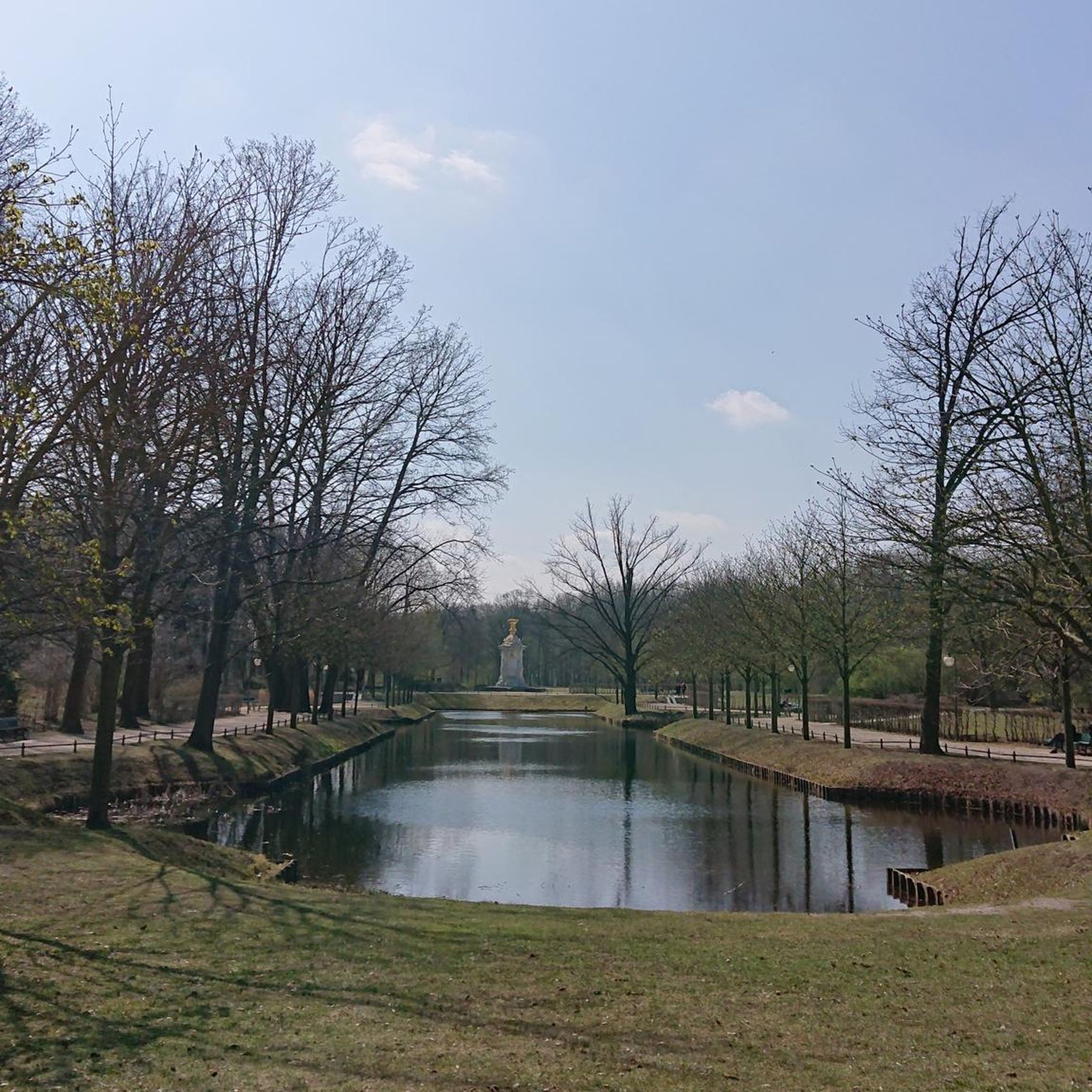
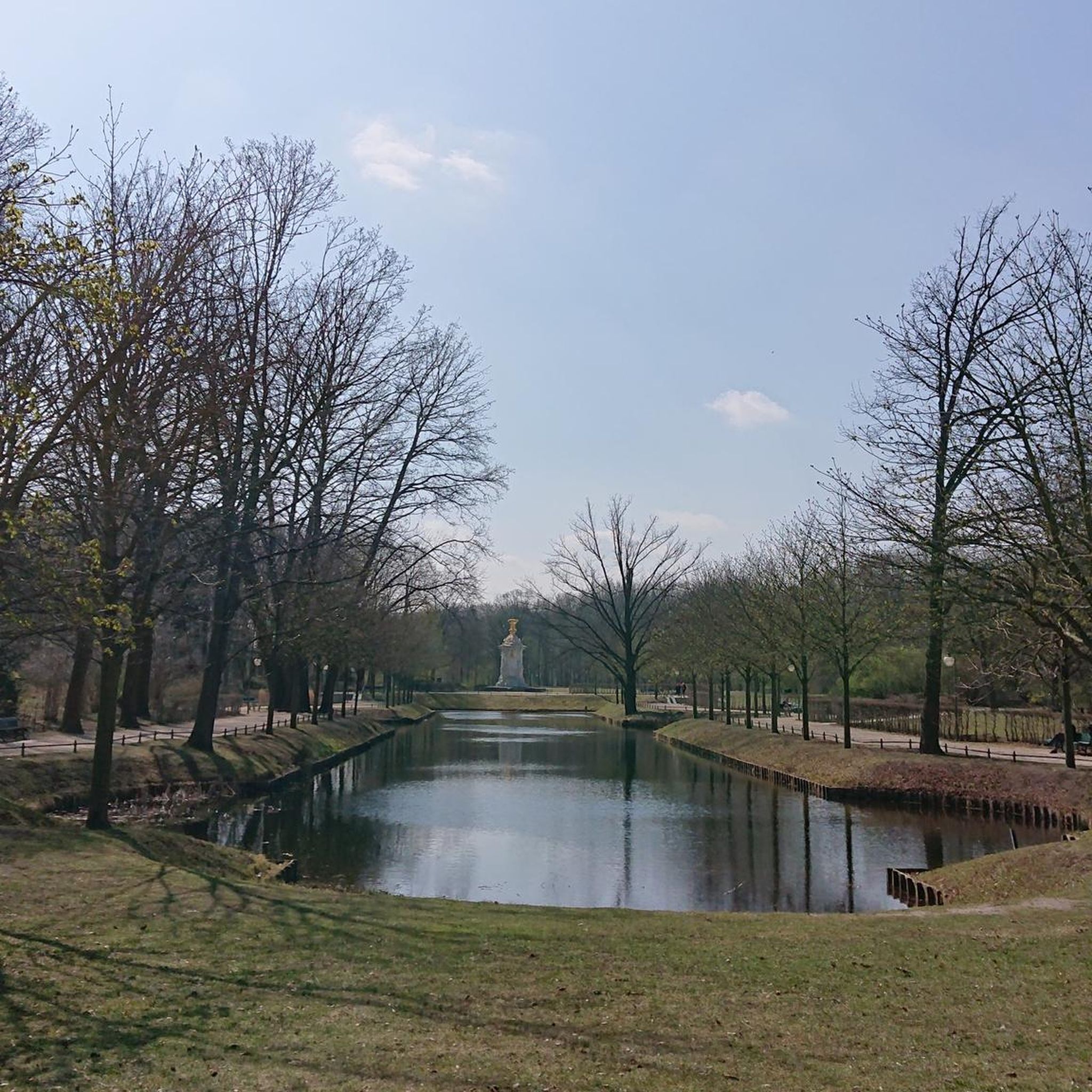
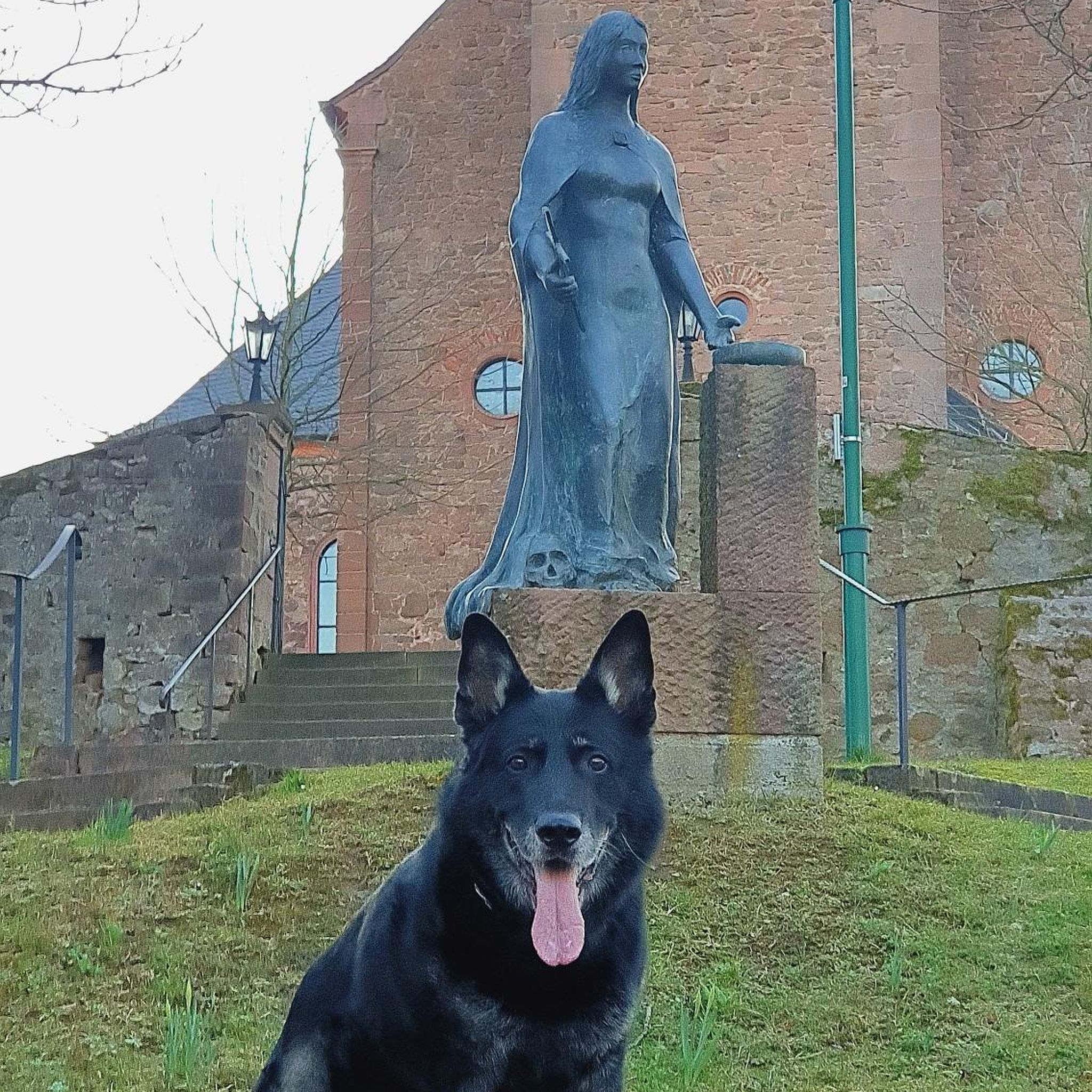
Perhaps the small botanical problem only exists in the German translation that the komoot system displays via Google, but: The highlight name refers to an "oak," but the text then refers to a "mammoth tree." But aside from this minor linguistic confusion, a beautiful carving can be found at this point in the forest.
0
0
Perhaps the small botanical problem only exists in the German translation that the komoot system displays via Google, but: The highlight name refers to an "oak," but the text then refers to a "mammoth tree." But aside from this minor linguistic confusion, a beautiful carving can be found at this point in the forest.
0
0
At this central location in the forest—where six streets converge to form an open space—the brightly lit small sacred monument rises above a slab and a small stone base. The simply crafted wooden cross (without a body) bearing the name "La Croix Madame" is painted white, forming a radiant centerpiece in the middle of the forest.
0
0

Beautiful climb north of Sarthe
0
0

The Saint-Léonard church takes its name from the hermit Saint Léonard de Vandoeuvre. The latter, born at the end of the 5th century, left his family to serve God and settled in a place called Vandoeuvre, in Saint-Léonard-des-Bois, where he lived in austerity for several years. Joined by a few disciples, he built a monastery protected by King Clotaire. The relics of Saint Leonard, who died in 570, were transported in 868 to Corbigny by the monks of Vandoeuvre to preserve them from the Normans. Part of these was undoubtedly returned around 1025 thanks to the second lord of Alençon, William I, and deposited in an old chapel dedicated to Saint Martin located on the site of the current Saint-Léonard church. This saint is often invoked to cure deafness. A first Saint-Léonard church, attested between 1160 and 1182, was probably built very close to the Saint-Martin oratory. This disappeared around the middle of the 13th century in forgotten circumstances, but parish life remained concentrated in the chapel until the end of the 15th century. It is on the latter that the current church was built, in tertiary ogival style and flamboyant Gothic interior, by Duke René d'Alençon and his wife Marguerite de Lorraine. Most of the work took place from 1490 to 1505 and it was this same year that the building was placed under the name of Saint Leonard de Noblac, a character then more popular than Saint Leonard de Vandoeuvre. On the stained glass windows of one of the eleven side chapels, which was for a certain time dedicated to Louis IX, ancestor of the counts and dukes of Alençon, and on the walls, appeared the coats of arms of the houses of Alençon and Lorraine, today now disappeared. It was in this chapel that the duchess and the duke attended services and in which a fireplace was built for them which no longer exists. After René's death, his heart is placed in a lead box, itself in the shape of a heart, covered with a stone. When around 1510, René's heart was transferred to the church of Saint-François de Mortagne, the empty box was left in his vault. In 1776, the stone, which also bears the imprint of a heart, was removed, then put back in its place, and this imprint, erased by the friction of the feet, no longer exists except in memory. In 1562, the church was pillaged by Protestants. At Easter 1645, Hertré's granite vault collapsed. Replaced by a simple plaster cradle, it was not until 1836 that a new Gothic style vault was built. The main door was built in 1663 and the clock was installed in 1727. Until 1789, this church depended on Notre-Dame and did not have a baptismal font. The carved wooden altar and pulpit, two side consoles and some mostly modern stained glass windows, deserve the tourist's attention. The Saint-Léonard church, restored in the 17th-18th centuries, then completely refurbished in the 19th century by the architect Isidore Dédaux, is classified among the historic monuments.
0
0

A must-have that is earned by the strength of the calves. But the climb is in a beautiful wooded environment with the gentle field of birds.
0
0

This 30 meter high tower allows you to admire the canopy of the 5,000 hectare forest in which it is located. The plain of Alençon is also visible there. On the site, it is possible to play molki and badminton or to rent bicycles thanks to the equipment provided. The belvedere opening dates and times are available on the following website: https://www.sarthetourisme.com/patrimoine-culturel/belvedere-de-perseigne/
0
0

Located in the heart of the Perseigne forest, at a height of 30 meters, the Belvedere is built on the highest point of the Sarthe department, at 340 m. It is certainly not an architectural model, but the large surrounding trees hide this large concrete tube, repainted and decorated in order to better integrate. Thus, you have to go a few meters into the forest from the road to see it. It should be noted that this high point and its panoramic view had already been spotted by the occupying troops: in 1943, the German army had set up a listening post there, and an observatory against Allied aviation. Nothing remains today. The new tower dates from 1964.
0
0
Frequently Asked Questions
How many hiking trails are available around Chenay?
There are nearly 100 hiking trails around Chenay, offering a wide variety of options for all skill levels. The region features diverse landscapes, from dense woodlands to rolling hills and historical areas.
Are there any easy hiking trails suitable for beginners or families in Chenay?
Yes, Chenay offers many easy trails perfect for beginners or families. For example, the Castle of the Dukes of Alençon loop from Alençon is an easy 5.8 km route that takes about 1 hour 29 minutes to complete, exploring historical sites.
What kind of landscapes can I expect to see while hiking in Chenay?
Hiking in Chenay will take you through varied landscapes, including dense woodlands, rolling hills, and areas with historical significance. The terrain often features moderate elevation changes, especially within the forested sections, and trails frequently connect small towns with natural features.
Are there any challenging hikes for experienced trekkers in Chenay?
Yes, for experienced trekkers seeking a challenge, Chenay has several difficult routes. One notable option is the La Croix Madame – The Oak at Verdier loop from Écouves, a demanding 28.2 km trail with significant elevation gain, typically taking almost 8 hours to complete.
What are some interesting landmarks or attractions to see along the hiking trails in Chenay?
Many trails in Chenay pass by interesting landmarks. You can explore the historic Castle of the Dukes of Alençon, enjoy views from the Perseigne Viewpoint, or discover the Corn Exchange. There's also the Greenway from La Mele-sur-Sarthe to Alencon for a different kind of scenic path.
Are there any circular hiking routes in Chenay?
Yes, many of the trails in Chenay are circular, allowing you to start and end at the same point. Examples include the Town hall and church loop from Écouves, a 7.1 km moderate route through forested areas and villages, and the longer Perseigne Viewpoint loop from La Fresnaye-sur-Chédouet.
What do other hikers say about the trails in Chenay?
The hiking trails in Chenay are highly regarded by the komoot community, with an average rating of 4.5 stars from over 60 reviews. Hikers often praise the region's diverse terrain, well-maintained paths, and the blend of natural beauty with historical sites.
Are there any picnic areas or facilities available along the trails?
Yes, for those looking to enjoy a meal outdoors, there is an Equipped Picnic Area within the Parc naturel régional Normandie-Maine, which is accessible from various trails in the region. This provides a convenient spot to rest and refuel during your hike.
What is the best way to explore the forested areas around Chenay?
To best explore the dense woodlands, consider routes that delve deep into the forests. The Town hall and church – Chanterelle loop from Écouves is a popular moderate trail that specifically explores forest paths and local landmarks, offering a great immersion into the wooded environment.
Can I find trails that connect different towns or villages in the Chenay region?
Yes, the trail network in Chenay often connects small towns and villages, providing a mix of cultural and natural exploration. Many routes, like those starting from Écouves or Alençon, allow you to experience local life alongside the natural beauty of the area.
How many people have explored the hiking trails in Chenay using komoot?
Over 500 hikers have used komoot to explore the varied terrain and trails around Chenay, indicating a vibrant and active hiking community in the region.
Most popular attractions around Chenay

Get inspired with the komoot mobile app


Explore more
Browse the best Hikes in other regions.
