Attractions and Places To See around Les Mées - Top 17
Best attractions and places to see around Les Mées, a town in the Durance valley, include unique natural formations and historical landmarks. The area is known for its distinctive geological features, such as the Pénitents des Mées, and its significant olive oil production. Visitors can explore a blend of natural landscapes and cultural sites, reflecting the region's character.
Best attractions and places to see around Les Mées
- The most popular attractions is Saint Mathurin Gate and Chapel, a historical…
Last updated: August 18, 2026
Saint Mathurin Gate and Chapel
Highlight • Historical Site
The …
Translated by Google •
Tip by

Catholic Church - St-Étienne de Neuchâtel ⛪✨🙏🏻
Highlight • Other
Translated by Google •
Tip by

Sign up now to discover places like this
Get recommendations on the best single tracks, peaks, & plenty of other exciting outdoor places.
Sign up for free
René
Highlight • Settlement
Translated by Google •
Tip by
Vivoin
Highlight • Settlement
Translated by Google •
Tip by
Les Halles de René
Highlight • Monument
Translated by Google •
Tip by
Sign up for free to discover even more attractions around Les Mées.
Sign up for free
Already have an account?
Start today with a free account
Your next adventure awaits.
Login or Signup




Tips from the Community

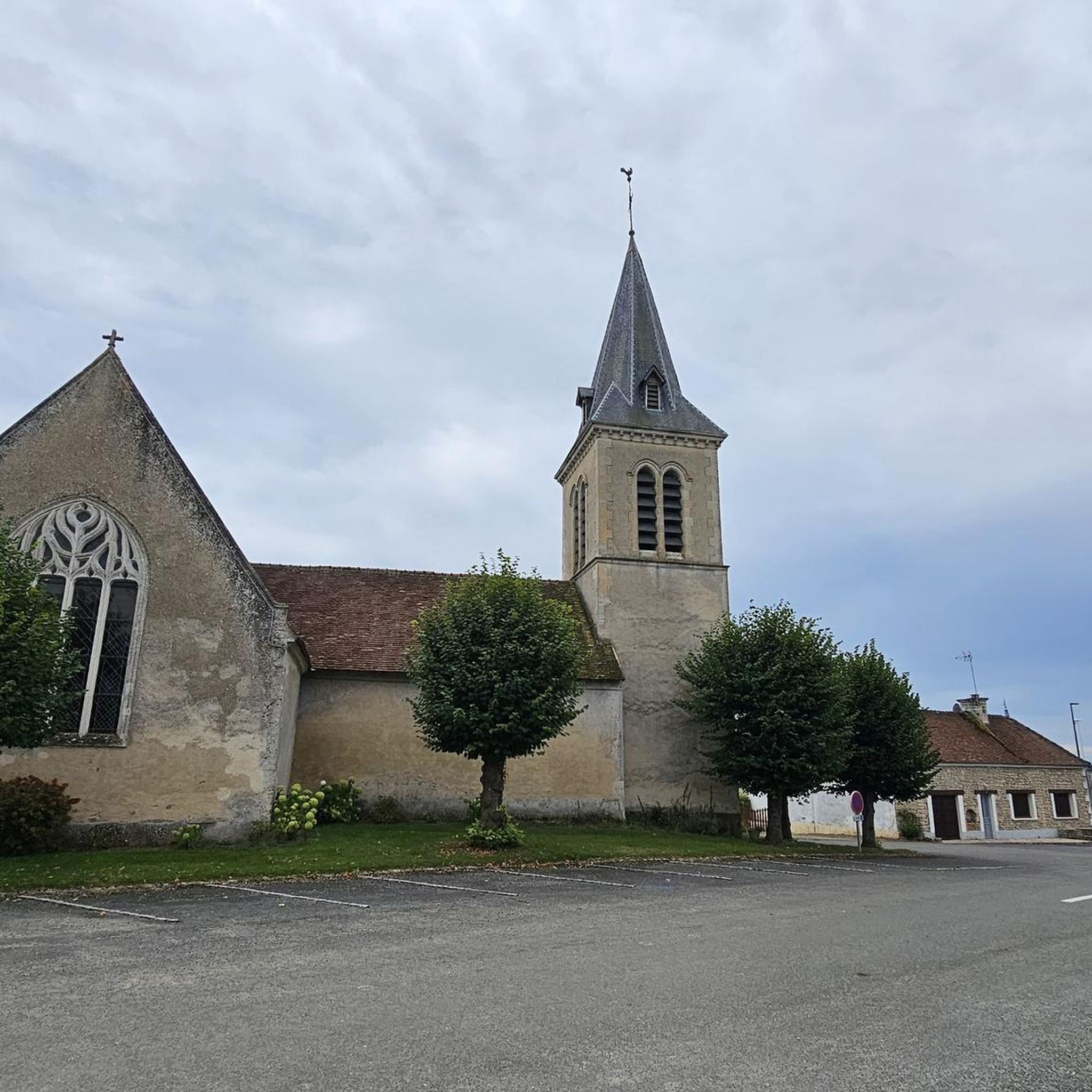
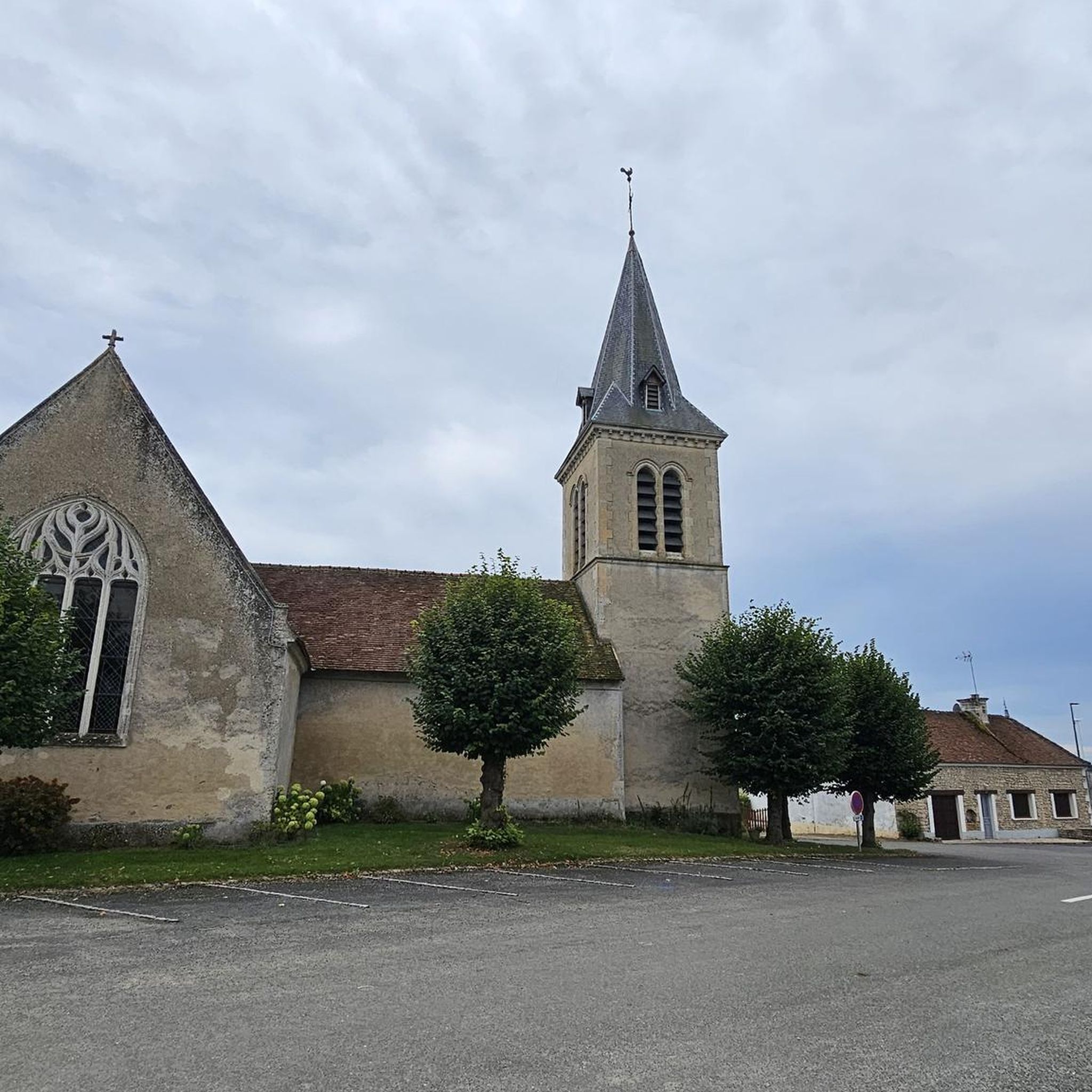
This magnificent church in Neuchâtel is dedicated to the patronage of "Saint-ETIENNE". He is one of the first seven deacons of the early Jerusalem community and, according to the biblical accounts in the "New Testament", the first martyr (witness by blood) of early Christianity. The church commemorates his death on the second day of Christmas, December 26th. As the Acts of the Apostles reports: When Stephen loudly proclaimed his vision of the open sky "But he, full of the Holy Spirit, looked up to heaven and saw the glory of God, and Jesus standing at the right hand of God" (Chapter 7, Verse 55), the people were so outraged that they drove him out of the city and stoned him.
0
0

Good for a little break
0
0
Meeting points for walks to Perseigne
0
0

"O Crux Ave, Spes Unica" is a Latin phrase which means: “Hail, O Cross [of Jesus Christ, you are our] only hope” Until the 1960s, this is how French families taught their children to greet Calvaries all along their fields, by making the sign of the cross.
0
0
Etienne, named in the Book of the Acts of the Apostles, is one of the first 7 deacons of the nascent Church. Deacon, from the Greek "diakonos" is the title of glory of Jesus: "the Servant". Etienne, like Jesus, did not come to be served but to serve, and to give his life to mold a new world. Thus, Stephen inspired many churches to the ends of the earth to renew the way of thinking and seeing work and true authority.
0
0

René's halls were built in 1535, thanks to Jacques Hamelin who obtained from Françoise d'Alençon the right to halls, fairs and markets in this town. They still center the life of the municipality. They were partially demolished in 1847 when the communication route that runs alongside them was created. They were rented until 1932. These halls narrowly escaped demolition. In 2000, the town of René restored them. Source: enpaysdelaloire.com
2
0
Founded in the 11th century by the Benedictine monks of the abbey of Marmoutier in Touraine, the Saint-Hippolyte priory is a remarkable testimony to the religious architecture of Haut Maine, which reached its peak in the 13th century. It was saved from destruction by the local population, which mobilized in particular thanks to a collection of funds obtained in 1968 by the prize for “Masterpieces in Danger”. Source: https://www.sarthe.fr Self-guided tour of the exterior and gardens.
0
0
Frequently Asked Questions
What unique natural formations can I explore around Les Mées?
Les Mées is renowned for its spectacular natural features. The most iconic are Les Pénitents des Mées, towering rock formations resembling hooded monks, which can be explored via the two-hour 'Sentier des Pénitents' hiking trail. The scenic Durance Valley offers beautiful landscapes, and the Col d'Espinouse provides magnificent panoramic views of the French Maritime Alps. You can also discover lavender fields on the Chemin de la Colle during June and July.
Are there any historical or cultural sites to visit in Les Mées?
Yes, Les Mées offers several historical and cultural sites. You can visit the Saint Mathurin Gate and Chapel, a historical site with an incised tombstone from the 14th or 15th century and statues. The village center features charming stone houses and narrow streets. Other notable sites include the medieval Porte Saint-Christol, and religious buildings like Chapelle Saint-Roch and Église Notre-Dame de l'Olivier. The Les Halles de René, built in 1535, serve as a popular market square and have been restored.
What can I learn about olive oil production in Les Mées?
Les Mées is a significant olive-growing area, boasting between 80,000 and 90,000 olive trees. You can delve into this heritage at the Musée de l'Olivier (Olive Tree Museum), dedicated to the history and production of the celebrated local olive oil. Additionally, the Chemin de l'Olivier (Olive Tree Path) is a 3.6-kilometer marked trail where you can discover multi-centuries-old olive trees. Several olive oil mills in the area are also open for visits year-round.
What kind of hiking trails are available near Les Mées?
Les Mées offers a variety of hiking experiences. The 'Sentier des Pénitents' is a popular two-hour trail around the iconic rock formations. For more options, you can explore various routes listed in the Running Trails around Les Mées guide, which also includes walking paths. These range from moderate loops like the 'Saosnois Greenway loop from Saint-Rémy-du-Val' to more challenging, longer routes.
Are there family-friendly attractions or activities in Les Mées?
Yes, several attractions in Les Mées are suitable for families. The Saint Mathurin Gate and Chapel and Les Halles de René are considered family-friendly historical sites. Exploring the unique geological formations of Les Pénitents des Mées on the 'Sentier des Pénitents' can also be an engaging activity for families. The charming village center provides a pleasant environment for a stroll.
What outdoor activities, besides hiking, can I do near Les Mées?
Beyond hiking, Les Mées offers opportunities for cycling. You can find various routes for different cycling styles. For gravel biking, check out the Gravel biking around Les Mées guide, which includes routes like the 'Perseigne Viewpoint – Vallée d'Enfer loop'. Road cyclists can explore options in the Road Cycling Routes around Les Mées guide, such as the 'Les Halles de René loop'.
What is the best time of year to visit Les Mées?
The best time to visit Les Mées largely depends on your interests. For enjoying the lavender fields on the Chemin de la Colle, June and July are ideal. The Durance Valley and its natural features are beautiful throughout the warmer months. Spring and autumn offer pleasant temperatures for hiking and exploring the historical sites without the peak summer heat.
Are there any archaeological sites near Les Mées?
Yes, near Les Mées, you can find the Archaeological site of 'La Croix'. This Neolithic site, dating from 4800-3800 BC, has revealed remains of domestic activities, offering fascinating insights into ancient life in the region.
What do visitors enjoy most about the attractions around Les Mées?
Visitors particularly appreciate the unique blend of natural wonders and historical charm. The distinctive geological formations of Les Pénitents des Mées are a major draw. The historical sites like the Saint Mathurin Gate and Chapel and the vibrant Les Halles de René market square are also highly valued. The komoot community has shared over 5 photos and given more than 16 upvotes, highlighting the area's appeal.
Can I visit other interesting villages nearby?
Yes, for those with more time, the region around Les Mées offers several unique and classified villages worth exploring. These include Lurs, Saint Pierre, Mane, Cruis, and Dauphin, each offering its own charm and historical character.
Is there a solar farm near Les Mées?
Yes, an impressive Ferme solaire de La Colle (La Colle Solar Farm) is located on the plateau above the village. This 70-hectare solar farm contributes significantly to renewable energy production and can be an interesting sight for those interested in sustainable technology.
What is the Catholic Church - St-Étienne de Neuchâtel?
The Catholic Church - St-Étienne de Neuchâtel ⛪✨🙏🏻 is a religious building dedicated to Saint Stephen, one of the first deacons of the nascent Church. It serves as a meeting point for walks to Perseigne and is considered a pleasant site to visit within the village.
Most popular routes around Les Mées

Get inspired with the komoot mobile app


Explore more
Still not found the Highlight you’re looking for? See guides of the top attractions in other regions:
