Top 9 Castles around Le Cellier
Best castles around Le Cellier are found in Loire-Atlantique, France, a region featuring historical architecture. The area contains various castles and manors that reflect different eras of French history. These structures, some privately owned, offer insights into the region's past. The heritage of Le Cellier provides points of interest for those exploring the Loire-Atlantique.
Best castles around Le Cellier
- The most popular castles is Oudon Castle, a castle that is a medieval keep. It is a 14th-century structure located…
Last updated: October 11, 2026
Oudon Castle
Highlight • Castle
Translated by Google •
Tip by

Champtoceaux Castle Gate
Highlight • Castle
Translated by Google •
Tip by

Sign up now to discover places like this
Get recommendations on the best single tracks, peaks, & plenty of other exciting outdoor places.
La Berrière Castle
Highlight • Castle
Translated by Google •
Tip by

Clermont Castle
Highlight • Castle
Translated by Google •
Tip by

Ruins of the Turmelière Manor
Highlight • Historical Site
Translated by Google •
Tip by
Sign up for free to discover even more castles around Le Cellier.
Already have an account?
Start today with a free account
Your next adventure awaits.

Tips from the Community

A little nostalgic detour in front of the house, in memory of this immense actor often imitated but since, never equaled..!!
0
0

Happy is he who, like Ulysses, has made a beautiful journey, Or like the one who conquered the fleece, And then returned, full of experience and reason, To live among his parents the rest of his life! When will I see again, alas, of my little village Smoking the chimney, and in what season Will I see again the enclosure of my poor house, Which is a province to me, and much more? More pleases me the abode that my ancestors built, Than the bold brow of Roman palaces; More than hard marble pleases me fine slate, More my Gallic Loire, than the Latin Tiber, More my little Liré, than the Palatine Hill, And more than the sea air the sweetness of Anjou.
0
0
Having spent his early years on the family estate of Liré in Anjou, Joachim Du Bellay spent several years in Rome alongside his cardinal uncle, where nostalgia for the gentleness of Anjou inspired his most famous sonnet "Heureux qui comme Ulysse". In it, he notably mentions this "little Liré" of which only ruins now remain, standing among the chestnut trees. A very pleasant site that you can freely access via a tarmac road when entering the Turmelière estate and going behind the 18th century castle.
0
0

An ancient fortress - the tower with its black and white stones can be seen from far away
0
0
already a special tower - Château du Oudon - built in the Middle Ages - 1300-1400
0
0

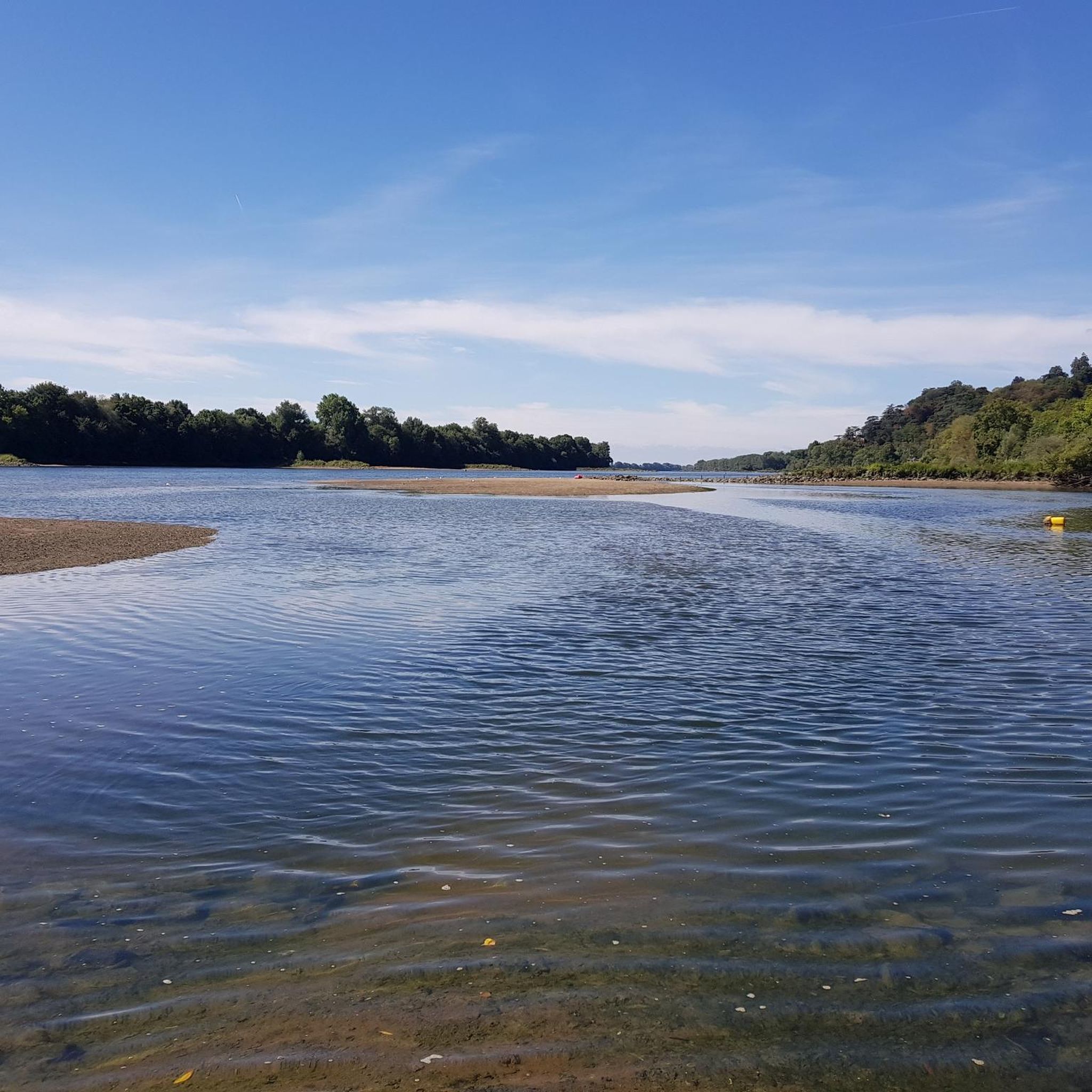
This medieval castle acts as a lookout in the middle of this small town perched on the banks of the Loire, a visit is essential... It is also a starting point for a beautiful walk along Le Hâvre.
0
0

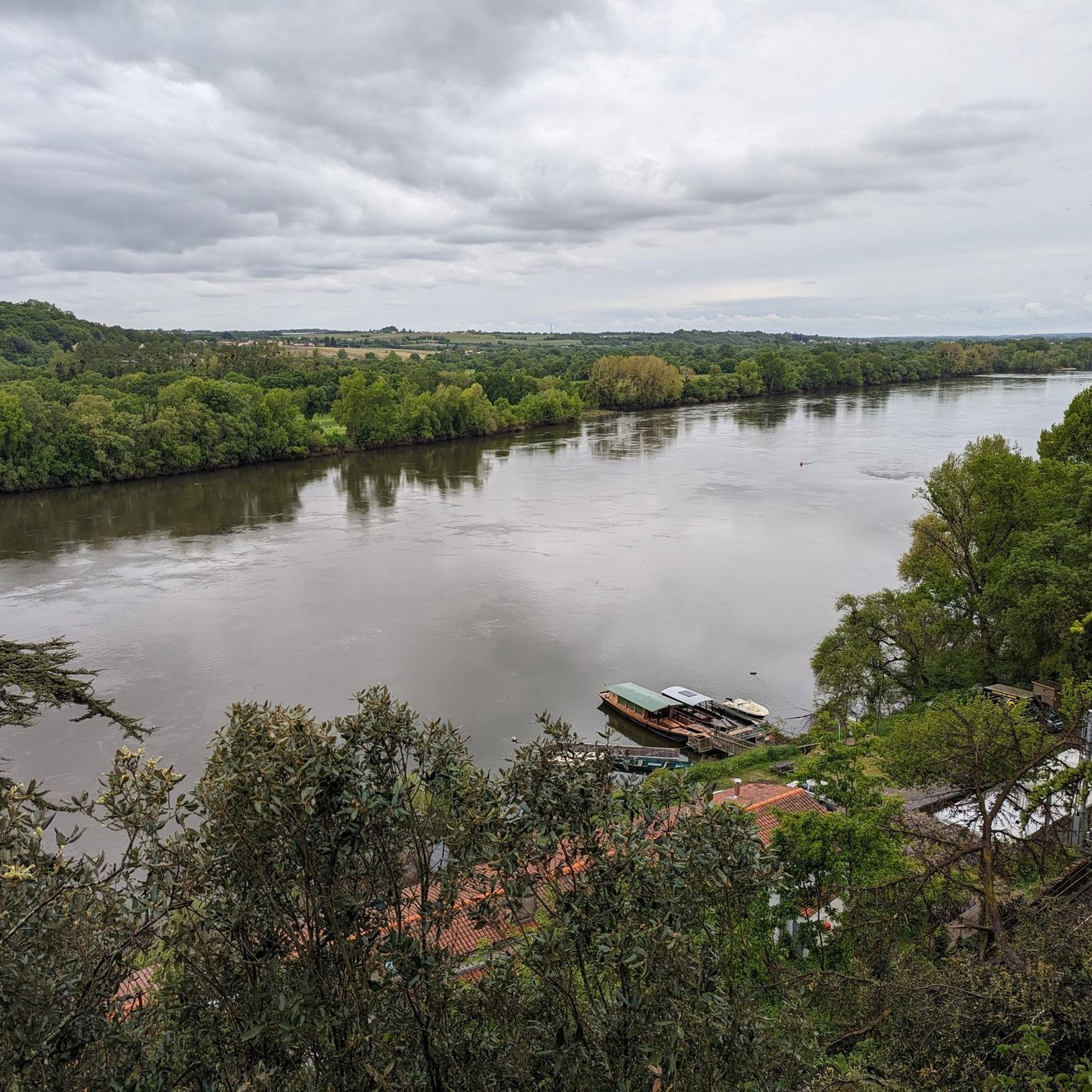
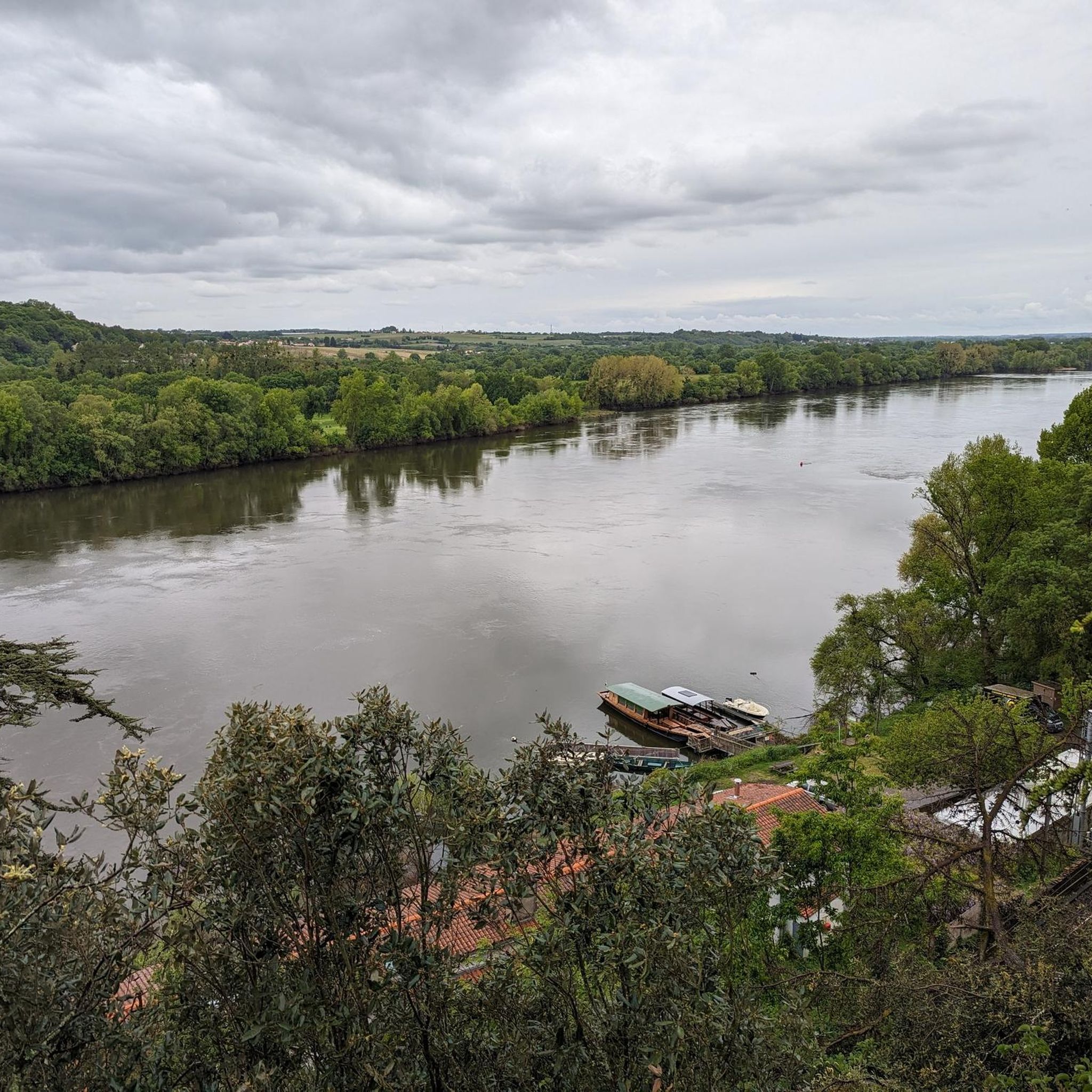
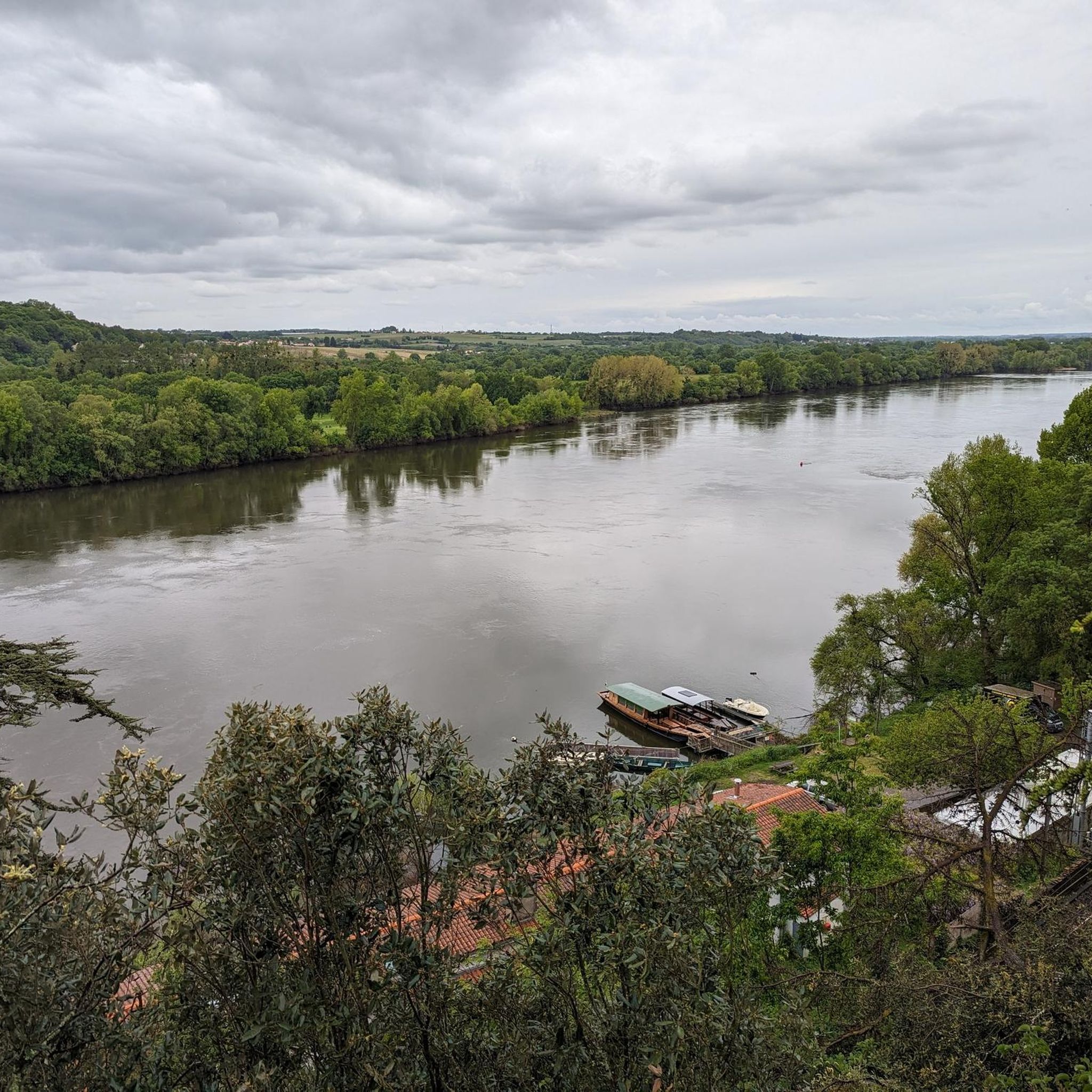
The Château de la Champtoceaux, on the Domaine de la Colinière, is located in an area of 30 hectares overlooking the Loire from 70 meters. Due to its exceptional geographical location, this site was first a Roman oppidum then became a fortified medieval city, Châteauceaux (castrum celsum), ancient name of Champtoceaux, enclosed by walls and with a surface area twice that of from Carcassonne! https://fr.m.wikipedia.org/wiki/Ch%C3%A2teau_et_ville_close_de_Champtoceaux
0
0
Frequently Asked Questions
What are some of the most historically significant castles in the Le Cellier region?
The region boasts several castles with rich histories. The Château de Clermont, a 17th-century Louis XIII style building, is notable for its historical monument status since 1941 and its former ownership by actor Louis de Funès. The Ruins of the Turmelière Manor are significant as the birthplace of the poet Joachim du Bellay. Additionally, Oudon Castle stands as an impressive 14th-century medieval keep on the banks of the Loire.
Which castles around Le Cellier are known for their unique architectural styles?
The castles in the Le Cellier area showcase diverse architectural styles. The Château de Clermont is a prime example of 17th-century Louis XIII style, characterized by its pink brick and stone masonry. Picauderie Castle, built in 1773, represents the neoclassical style typical of the 'Nantes follies' – elegant country houses of the 18th-century elite. Oudon Castle, on the other hand, is a robust 14th-century medieval keep.
Can I visit the interior of Château de Clermont, and what makes it special?
The Château de Clermont is now private property and has been divided into apartments, so its interior is generally closed to the public. However, its elegant exterior, a significant example of Louis XIII style architecture, can still be admired from the gates. It is particularly special for its connection to the renowned French actor Louis de Funès, who lived there until his death in 1983, and its status as a historical monument since 1941.
Are there family-friendly castles or historical sites to visit near Le Cellier?
Yes, the Oudon Castle is categorized as family-friendly and offers an engaging experience as a medieval keep. The Ruins of the Turmelière Manor are also considered family-friendly, providing a picturesque setting for exploration and a connection to literary history.
What kind of outdoor activities can I do near the castles around Le Cellier?
The area around Le Cellier offers various outdoor activities, especially hiking and running. You can find several routes that pass by or offer views of the castles. For example, there's a 'Chapelle Saint-Méen – Oudon Castle loop' for hiking, and a 'Clermont Castle – Beau Rivage Riverside Path loop' for running. For more details on these and other routes, you can explore the Hiking around Le Cellier and Running Trails around Le Cellier guides.
Are there specific hiking trails that offer views of the castles?
Yes, several hiking trails provide excellent views of the local castles. For instance, the 'Le Cellier – Clermont Castle loop' is a moderate 13.87 km hike that will take you past the famous Château de Clermont. Another option is the 'Chapelle Saint-Méen – Oudon Castle loop' which features the impressive Oudon Castle. You can find more routes in the Hiking around Le Cellier guide.
What is special about the Ruins of the Turmelière Manor?
The Ruins of the Turmelière Manor are particularly special because they are what remains of the castle where the celebrated French Renaissance poet Joachim du Bellay was born. Despite being destroyed during the Wars of Vendée, the visible towers and ramparts offer a romantic and evocative glimpse into a tumultuous period of French history and its literary connections.
What is the best time of year to visit the castles around Le Cellier?
While specific opening hours for all castles vary, visiting during spring or early autumn generally offers pleasant weather for exploring the exteriors and surrounding areas. These seasons typically provide comfortable temperatures for outdoor activities like hiking and walking, allowing you to enjoy the views and historical sites without extreme heat or cold.
Are there any castles near Le Cellier that are privately owned and not open to the public?
Yes, several historical residences in the Le Cellier area are privately owned. The Château de Clermont, for example, is private property and its interior is not accessible, though its exterior can be admired. Other mentions like Château de la Forêt, Château de la Gérardière, and Château-Guy are also listed as historical residences, and while their external grandeur is notable, public access details for their interiors are less readily available.
What natural features or viewpoints can I find near the castles?
The region around Le Cellier is characterized by its proximity to the Loire River, offering scenic views. For instance, the southern façade of the Château de Clermont provides a panoramic view of the Loire. Additionally, there's a specific highlight called '15% Climb with View of the Loire River and Oudon Castle' which offers a challenging ascent with rewarding vistas of the river and Oudon Castle.
What do visitors enjoy most about the castles in the Le Cellier area?
Visitors particularly appreciate the historical significance and architectural beauty of the castles. The medieval charm of Oudon Castle and its location on the Loire are frequently highlighted. The connection of Clermont Castle to Louis de Funès and its elegant facade also draw considerable interest. The romantic and literary atmosphere of the Ruins of the Turmelière Manor is also a favorite among those interested in history and poetry.
Most popular routes around Le Cellier
Most popular attractions around Le Cellier

Get inspired with the komoot mobile app


Explore more
Looking for the best castles somewhere else? Discover other guides around Le Cellier:
