The best cycling routes around Chazelles
4.6
(194)
1,085
riders
119
rides
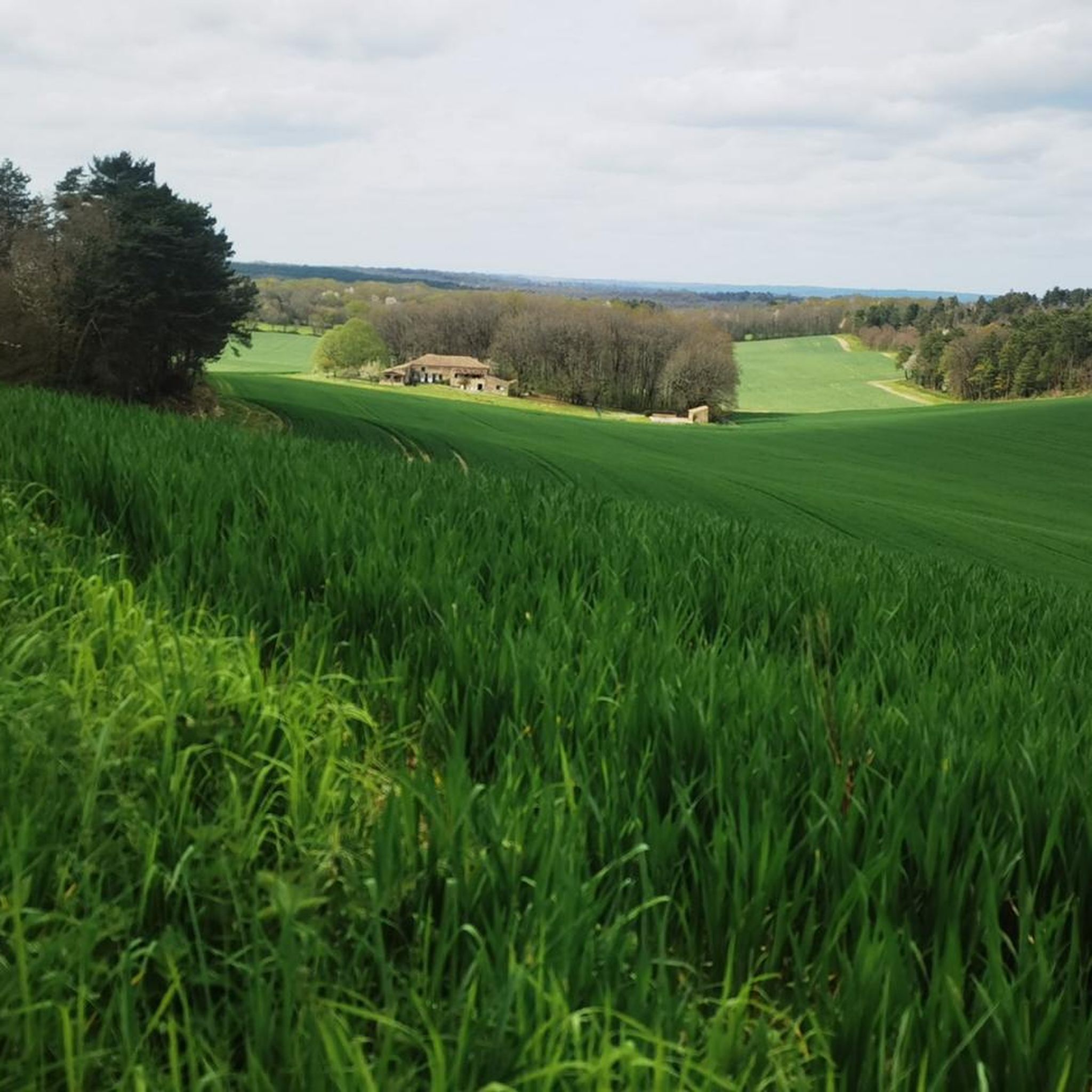
Touring cycling around Chazelles offers a diverse landscape characterized by gentle inclines and varied terrain, with altitudes ranging from approximately 84 to 146 meters. The region features a mix of road, path, and gravel surfaces, providing different cycling experiences. This green, rural area is dotted with charming French castles and park gardens, offering scenic backdrops for longer rides. The presence of numerous natural sites, including rivers, contributes to the area's appeal for outdoor activities.
Best touring cycling routes around Chazelles
…Last updated: October 5, 2026
4.4
(28)
128
riders
46.2km
02:59
330m
330m
Moderate bike ride. Good fitness required. Mostly paved surfaces. Suitable for all skill levels.
4.2
(13)
61
riders
42.5km
02:36
340m
340m
Hard bike ride. Good fitness required. You may need to push your bike for some segments of this route.

4.8
(8)
33
riders
56.1km
03:21
310m
310m
Moderate bike ride. Good fitness required. Mostly paved surfaces. Suitable for all skill levels.
5.0
(4)
30
riders
76.1km
04:39
640m
640m
Hard bike ride. Very good fitness required. You may need to push your bike for some segments of this route.
14
riders
48.6km
04:04
700m
700m
Hard bike ride. Very good fitness required. Mostly paved surfaces. Suitable for all skill levels.
Get access to more routes and recommendations from other explorers.
Already have an account?
Our route recommendations are based on thousands of hikes, rides, and runs completed by other people on komoot.
Start today with a free account
Your next adventure awaits.



Tips from the Community

Very nice rail trail with many picnic spots. The highlights are the relics from the time of railway operations.
0
0
Picnic spot under trees, toilet in an outbuilding and if it rains you can take shelter under the platform roof, what more could a cycle tourist want?
0
0

Javerlhac Castle was rebuilt around 1498 by Dauphin Pastoureau, a master blacksmith in Nontron. It is typical of Périgord manor houses, with a rectangular dwelling, a large round tower with machicolations decorated with trefoils, and a polygonal tower housing a spiral staircase. The castle retains defensive features such as gun ports, despite modernization in the early 19th century. It burned down in 1369 during the Hundred Years' War and has undergone several reconstructions. Privately owned, its facades and roofs have been listed as historic monuments since 1974.
2
0

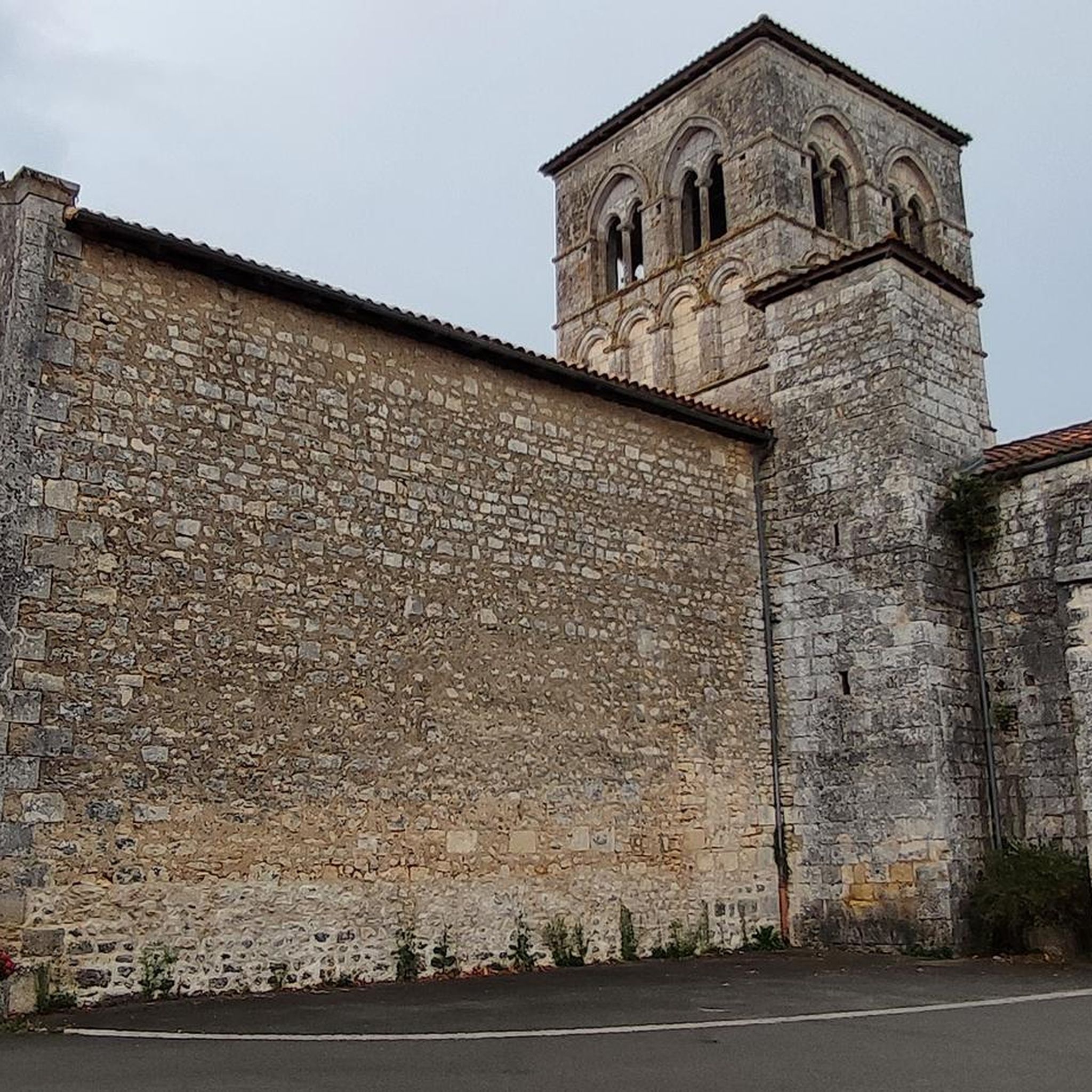
The building, constructed in the 12th century, was enlarged in the 15th century by the north and south aisles dedicated to the Virgin and Saint John the Baptist. It was restored in 1875-1876. It has a basilica plan with a single nave, on which is grafted to the east a false square surmounted by a dome on pendentives and which ends in a vaulted apse. Side chapels with flat chevet were added, to the north and south, in the 15th century. The facade is pierced by a door with a triple projection and an open window. The building was fortified at the time of the Hundred Years' War. The whole is surmounted, to the east, at the level of the dome, by a square bell tower on two levels. The base is decorated with three blind arcades; The upper floor is decorated, on each side, with three semicircular arches mounted on small columns, highlighted by a circular stringcourse and enclosing twin bay windows. https://www.dignac.fr/histoire-et-patrimoine/ https://monumentum.fr/monument-historique/pa00104355/dignac-eglise-saint-cybard
0
0
A footbridge that provides access to the city center, allowing you to stroll, observe the flora and fauna, and enjoy the peaceful tranquility of the Touvre River. https://www.ville-ruellesurtouvre.fr/2020/05/05/les-passerelles/ https://ruelle-histoire.jimdofree.com/passerelles/
0
0

Footbridge connecting the villages of Fissac and Les Seguins, built in 1912. A first wooden footbridge, completed in 1894, provided access for the children of Fissac to the Les Seguins school. Aging poorly, it was demolished a few months after the construction of the second. Only a masonry clump in the middle of the Touvre River remains as a reminder of its existence.
0
0

Very narrow passage to drive through. You always have to be a little careful.
1
0

Frequently Asked Questions
How many touring cycling routes are available around Chazelles?
There are over 120 touring cycling routes around Chazelles, offering a wide variety of options for different skill levels and preferences. You'll find 19 easy routes, 57 moderate routes, and 50 difficult routes to explore.
What kind of terrain can I expect on touring cycling routes in Chazelles?
The routes around Chazelles feature a diverse landscape with gentle inclines, ranging from approximately 84 to 146 meters in altitude. You can expect a mix of surfaces, including paved roads, dedicated paths, and some gravel sections, providing varied cycling experiences.
Are there any family-friendly touring cycling routes in Chazelles?
Yes, Chazelles offers several easy routes suitable for families. The region's green, rural areas and gentle terrain make it a pleasant destination for cycling with children. For an easy option, consider the Demarcation Line – La Couronne Castle loop from Pranzac, which is 24 km long.
What are some scenic highlights or points of interest I can see along the touring cycling routes?
Chazelles is known for its picturesque rural landscapes, charming French castles, and park gardens. Along your rides, you might encounter historical landmarks such as the La Rochefoucauld Castle Bridge, the impressive La Rochefoucauld Castle, or the Château de la Tranchade. Many routes also pass through quiet woodlands and alongside rivers.
Are there any circular touring cycling routes in the Chazelles area?
Yes, many of the touring cycling routes around Chazelles are designed as loops, allowing you to start and finish at the same point. An example is the Old station portico – Foulpougne Viaduct loop from Bouëx, a moderate 52.6 km route that explores rural landscapes.
What do other touring cyclists enjoy most about cycling in Chazelles?
The touring cycling routes in Chazelles are highly rated by the komoot community, with an average score of 4.6 stars from over 180 reviews. Cyclists often praise the region's beautiful green, rural, and quiet areas, the varied terrain, and the opportunity to discover charming castles and natural sites.
Can I find long-distance touring cycling routes near Chazelles?
Yes, Chazelles offers options for longer rides. For instance, the difficult Old station portico – Comic Book Museum loop from Grottes du Quéroy covers 77.7 km and features varied terrain, including a cultural point of interest. Another challenging option is the Saint-Martial Church – Château de Torsac loop from Bouëx, which is 50.2 km long.
What is the best time of year for touring cycling in Chazelles?
The region's green landscapes and mild climate make spring, summer, and early autumn ideal for touring cycling. These seasons offer pleasant weather for enjoying the rural scenery, charming castles, and natural sites like rivers and bathing lakes.
Are there any routes that combine cycling with cultural attractions?
Absolutely. Some routes offer a blend of cycling and cultural exploration. The difficult Old station portico – Comic Book Museum loop from Grottes du Quéroy, for example, includes a stop at the Comic Book Museum, providing a unique cultural diversion during your ride.
Are there any touring cycling routes that pass by historical sites related to the Demarcation Line?
Yes, the history of the Resistance and the Demarcation Line is intertwined with the region. You can explore this history on routes like the easy Demarcation Line – La Couronne Castle loop from Pranzac, which offers insights into the area's past while you cycle.
What types of natural features can I expect to see on the routes?
Chazelles is rich in natural beauty. The region boasts numerous natural sites, including 12 bathing lakes and 17 rivers, offering serene views and opportunities for other outdoor pursuits. Many cycling routes traverse these picturesque natural settings.
Are there any routes that go through forests or woodlands?
Yes, you can find routes that lead through beautiful forested areas. The moderate Coulée d'OC – Old station portico loop from Forêt domaniale de Bois Blanc, for instance, takes you through varied rural scenery, including parts of the Forêt domaniale de Bois Blanc.
Most popular routes around Chazelles
Most popular attractions around Chazelles

Get inspired with the komoot mobile app


Explore more
Browse the best Cycling routes in other regions.
